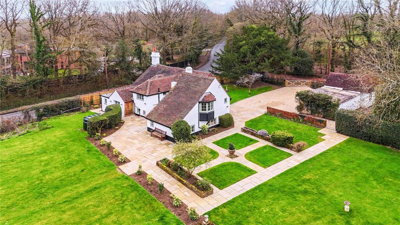
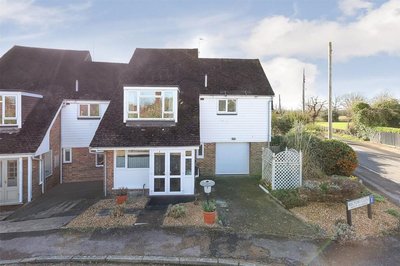
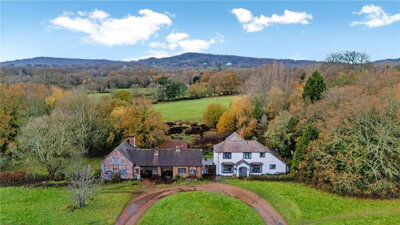
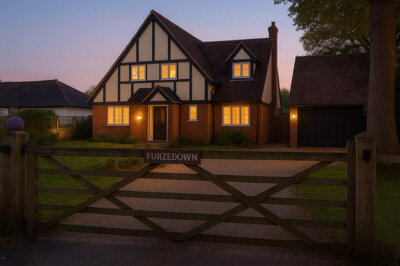
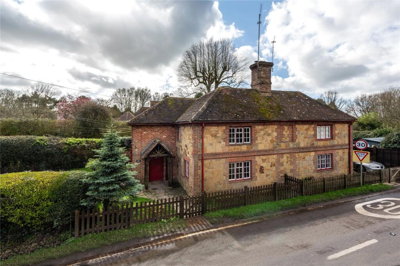
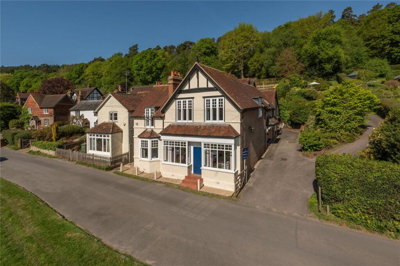
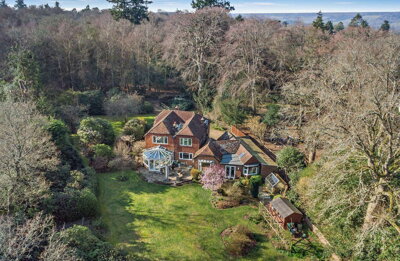
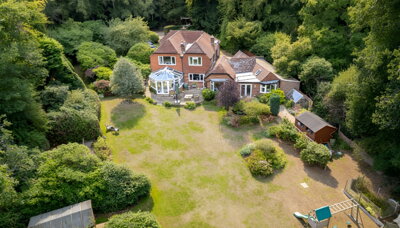
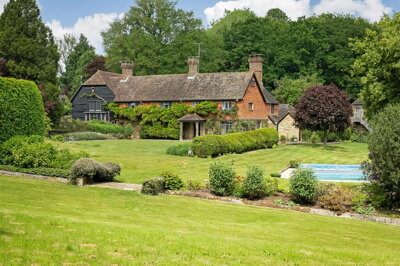
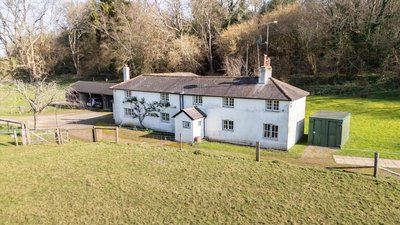
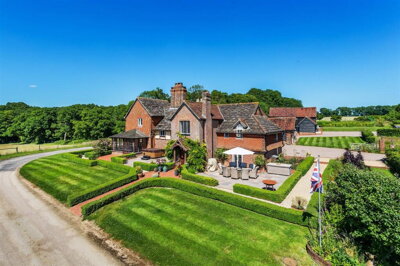
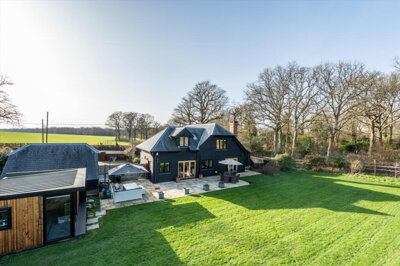
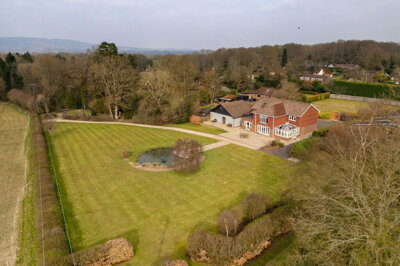
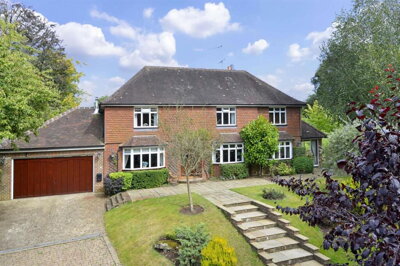
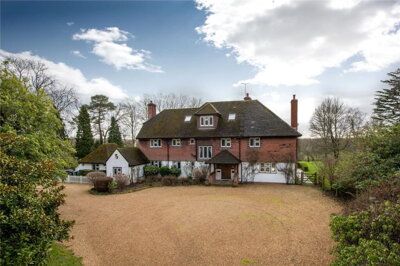
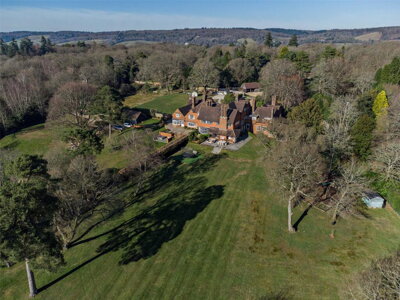
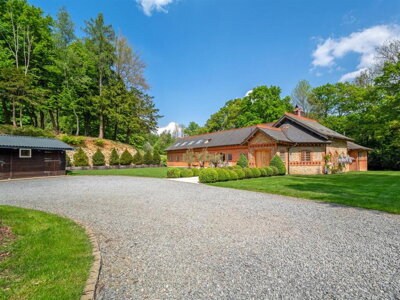
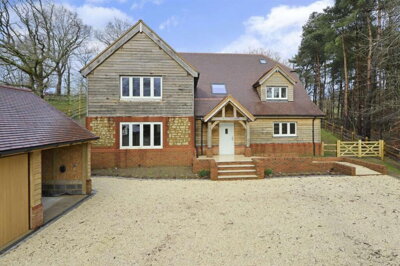
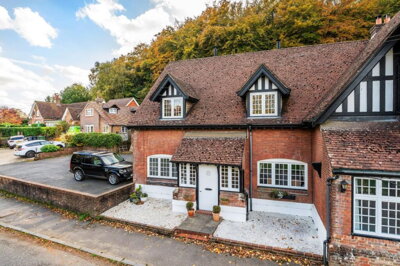
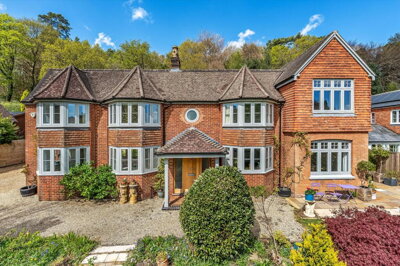
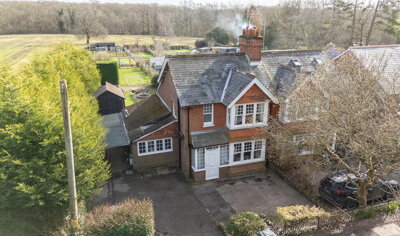
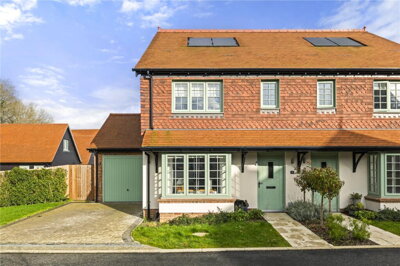
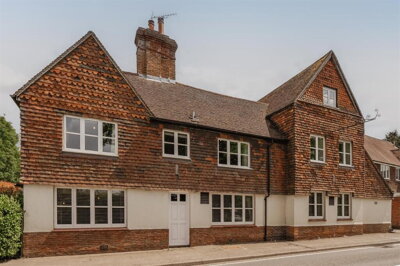
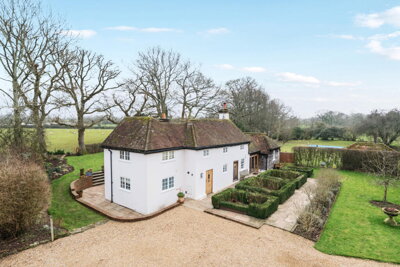
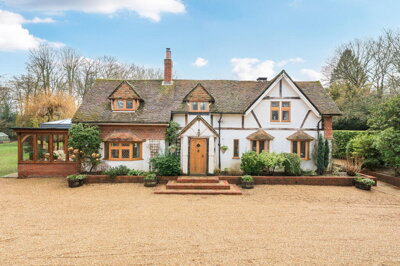
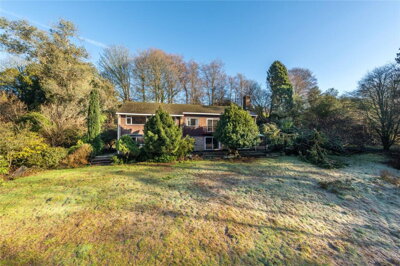
Browse 89 homes for sale in Abinger, Mole Valley from local estate agents.
£1.21M
10
0
138
Source: home.co.uk
Source: home.co.uk
Detached
8 listings
Avg £1.92M
Detached Bungalow
1 listings
Avg £699,950
Semi-Detached
1 listings
Avg £899,950
Source: home.co.uk
Source: home.co.uk
The Chilham property market has demonstrated remarkable strength over the past twelve months, with house prices increasing by 36.2% according to Land Registry sales data analysed for the area. Our current listings reflect this upward trajectory, with detached properties commanding an average price of £624,250 based on 2025 sales figures, while semi-detached homes have sold at a median of £395,000. Terraced properties in the village have achieved around £345,000, demonstrating strong demand across all property types in this desirable location. Rightmove data shows a 15% year-on-year increase, though prices remain approximately 6% below the 2022 peak of £643,000.
New build developments are beginning to diversify the housing options available in Chilham. The Chilham Place development by Orbit Homes offers 40 one, two, and three-bedroom homes on the village edge, providing opportunities for first-time buyers and growing families seeking modern specifications within the village boundary. Additional planning permissions include The Bothy development in the historic village heart, offering four new dwellings adjacent to the Grade I Listed Church of St Mary, and a Murston Group development of ten large family homes off Branch Road with a 40% affordable housing allocation. For buyers considering listed properties, specialist surveys are recommended due to the age and character of the village's historic housing stock.
The village benefits from its position within the Kent Downs AONB, where strict planning controls limit new development and help maintain property values over time. The Conservation Area Management Plan, adopted by Ashford Borough Council in July 2020, ensures that any new construction or modifications respect the historic character of the village. This regulatory environment, combined with high demand from buyers seeking authentic English countryside living, supports the continued strength of the Chilham property market.

Life in Chilham revolves around an exceptionally well-preserved medieval village centre, where black and white half-timbered buildings dating from the late 15th century create an atmosphere found nowhere else in Kent. The village square, described as housing a "treasure" of medieval and Jacobean architecture, remains the social heart of the community, hosting regular events and providing a stunning backdrop for the three local inns including one with a renowned restaurant. Residents enjoy access to essential amenities including a primary school, post office/newsagents, a doctor's surgery, and village halls with recreational grounds, making daily life convenient despite the rural setting.
The broader parish supports an equestrian community through Chilham Park facilities, while the proximity to the Great Stour River valley offers excellent walking and cycling opportunities through the Kent Downs AONB. The village has featured as a filming location for productions seeking authentic English countryside settings, contributing to local hospitality and tourism employment. Canterbury lies just six miles southwest, offering extensive cultural attractions, shopping, and university facilities, while the larger town of Ashford sits seven miles northeast with major supermarkets, retail parks, and the International railway station providing high-speed connections to London and the continent.
The village maintains a strong sense of community through regular events held in the historic square, including seasonal markets and cultural gatherings that draw visitors from across Kent. Local societies and sports clubs cater to diverse interests, from horticulture to equestrian pursuits, while the village halls provide venues for everything from fitness classes to theatrical productions. The presence of a fruit stall in the village square adds to the rural character, while the doctor's surgery ensures that healthcare remains accessible without requiring travel to larger towns. This combination of amenities, community spirit, and stunning natural surroundings makes Chilham an exceptionally desirable location for families, professionals, and retirees alike.

Education provision in Chilham centres on Chilham Primary School, a village school serving families with children from reception through to Year 6. The school provides a community-focused education within walking distance of most properties in the village centre, making it an attractive option for families seeking to minimise school run logistics. For secondary education, students typically travel to nearby towns, with several well-regarded secondary schools and academies accessible via school transport or the regular bus services connecting Chilham to Canterbury and Ashford.
Parents researching the Chilham property market should note that school catchment areas can significantly influence property values and demand in village locations. Early registration for school places is strongly recommended for families moving to the area, as village primary schools typically have limited capacity. Kent County Council maintains school admission policies and catchment area maps that buyers should consult when evaluating properties. For families requiring childcare or early years education, the village benefits from preschool facilities that complement the local primary school provision, supporting working parents within the community.
The proximity to Canterbury enhances educational options significantly, with the city offering a choice of grammar schools for academically selective students as well as comprehensive secondary schools. The University of Canterbury campus provides further educational opportunities for older family members, while the broader Kent region maintains strong academic standards across its school network. Families moving to Chilham should factor school transport arrangements into their relocation planning, as school bus services connect the village to secondary schools in both Canterbury and Ashford, with journey times typically ranging from 20 to 35 minutes depending on traffic conditions and specific school locations.
Chilham sits on the A28 road, providing direct connectivity to Canterbury approximately six miles to the southwest and Ashford around seven miles to the northeast. The A28 passes through the village, connecting residents to broader Kent road networks and the M20 motorway via Ashford for journeys toward London, the Channel ports, and the Channel Tunnel. Road conditions in the village can become congested during peak visitor periods, as tourists drawn to the historic square and Chilham Castle grounds increase traffic flow through the narrow lanes.
Rail services from nearby stations offer additional commuting options, with Canterbury West and Canterbury East stations providing regular services to London Victoria and London Bridge via Ashford International. The international station at Ashford connects to high-speed Southeastern services reaching London St Pancras International in under an hour, making Chilham viable for professionals working in the capital who prefer countryside living. Local bus services operated by Stagecoach and other providers connect Chilham to surrounding villages and towns, though frequency may be limited on less popular routes, making car ownership practically essential for most residents.
Commuting times from Chilham to major employment centres are competitive when compared with properties in more urban locations. The journey to Ashford International station takes approximately 15 minutes by car, after which the high-speed rail service reaches London St Pancras in 56 minutes. For those working in Canterbury, the journey time by car typically ranges from 20 to 30 minutes depending on traffic conditions. The village's position within the Kent Downs AONB means that scenic countryside routes are available for leisure cycling and walking, while the Great Stour River valley provides flat routes suitable for cycling to work or school.
Spend time exploring current listings and recent sale prices in Chilham, understanding the difference between period properties in the Conservation Area and modern homes on new developments. Our platform provides comprehensive market data including median prices, price trends, and available property types to inform your search.
Once you have identified suitable properties, contact estate agents to arrange viewings. Before making offers, obtain a mortgage agreement in principle from a lender to demonstrate your financial readiness to sellers in this competitive market where properties can attract multiple interested buyers.
When you find your ideal Chilham home, submit your offer through the selling agent and negotiate terms. Immediately instruct a conveyancing solicitor to handle legal work, checking contracts, searching local authority records, and ensuring the property's title is clear.
Given Chilham's significant proportion of historic and listed buildings, we strongly recommend commissioning a RICS Level 2 Homebuyers Survey before proceeding. This inspection identifies defects common in period properties including damp, structural movement, and outdated electrics, providing negotiation leverage if significant issues are discovered.
Your solicitor will coordinate final checks and arrange for you to sign contracts. Upon exchange of contracts, a deposit typically becomes payable and a completion date is fixed. On completion day, the remaining balance transfers and you receive the keys to your new Chilham home.
Properties in Chilham require careful inspection due to the village's significant concentration of historic buildings, with most homes in the village centre dating from medieval, Tudor, or Jacobean periods. Many buildings feature traditional half-timbered construction with black and white facades, original Kent peg tile roofs, and period features that require specialist maintenance knowledge. Our platform recommends commissioning a RICS Level 2 survey for any property over 50 years old, with older or listed properties potentially requiring the more comprehensive RICS Level 3 Building Survey to assess their complex construction adequately.
Flood risk is a material consideration when purchasing in Chilham, as the village sits within the Great Stour River valley and falls within the Environment Agency flood warning area covering the river from Wye to Chilham. Properties in lower-lying areas near the river require thorough investigation of flood history and appropriate insurance arrangements. Building materials throughout Chilham include traditional red brick, flint, and local stone, often in combination, meaning maintenance and repair work may require specialist craftspeople experienced in historic building conservation.
The underlying geology of the Kent Downs, where Chilham is situated, is characterised primarily by chalk formations that sweep across central Kent. While chalk provides stable foundations in many areas, the presence of overlying silty and sandy clays in parts of the region means that clay shrink-swell movement poses a potential risk to property foundations, particularly during periods of drought or heavy rainfall. Buyers should seek specialist advice if signs of subsidence or foundation movement are observed during survey inspections.
The Chilham Conservation Area designation, adopted by Ashford Borough Council in July 2020, imposes additional planning considerations on property modifications and extensions. Any works affecting the external appearance of buildings within the Conservation Area require planning permission, and properties listed at Grade I, Grade II*, or Grade II have additional restrictions under Listed Building Legislation. The village contains four Grade I listed buildings including Chilham Castle with its Norman keep dating from 1174, and 82 Grade II listed structures, alongside numerous buildings contributing to the historic character. Buyers should factor these heritage considerations into renovation budgets and timelines, particularly for properties requiring modernization that may require consent from the local planning authority.
The historic properties that define Chilham's character were built using construction methods quite different from modern standards, meaning prospective buyers should understand the typical defects encountered in the local housing stock. Half-timbered buildings, prevalent throughout the village square and High Street, feature timber frames with infill panels that can suffer from woodworm, wet rot, and dry rot when moisture penetrates the structure. The black and white rendering that gives these buildings their distinctive appearance requires periodic maintenance to prevent water ingress that could compromise the structural timbers beneath.
Traditional Kent peg tile roofs, with their warm orange tones that create such a cohesive appearance across the village, typically have a lifespan of 50 to 80 years depending on exposure and maintenance history. Missing or damaged tiles can allow water penetration leading to timber decay and ceiling staining, while the decorative fish tail tiles found on some properties require specialist repair by craftsmen familiar with traditional roofing techniques. Chimneys on period properties often show signs of deterioration including cracked brickwork, damaged flashings, and eroded mortar joints that can cause leaks into roof spaces and wall cavities.
Solid-walled construction prevalent in Chilham's older buildings lacks the cavity that modern properties use to manage moisture penetration. Rising damp can affect ground floor walls where original damp-proof courses have failed or were never installed, while penetrating damp may affect walls exposed to prevailing winds or damaged rendering. The combination of solid walls and period single-glazed windows means that older properties often have poor thermal performance, resulting in higher heating costs and potential condensation issues during winter months.
Electrical and plumbing systems in period properties frequently require updating to meet modern safety standards. Original wiring installed before current regulations may present fire risks and insurance complications, while lead pipework or galvanized steel plumbing found in older conversions can affect water quality. A RICS Level 2 survey will identify visible signs of these defects, allowing buyers to negotiate repairs or price adjustments before completing their purchase of a Chilham property.
The median house price in Chilham stands at £507,500 based on 2025 sales data across 12 recorded transactions. Detached properties command around £624,250, semi-detached homes average £395,000, and terraced properties have sold at approximately £345,000. The local market has seen substantial growth, with prices increasing by 36.2% over the past twelve months according to Land Registry data. Rightmove reports a 15% year-on-year increase, though prices remain slightly below the 2022 peak of £643,000. The village's position within the Kent Downs AONB and its exceptional concentration of historic architecture continue to attract buyers seeking character properties in a picturesque rural setting.
Properties in Chilham fall under Ashford Borough Council jurisdiction for council tax purposes. Bands range from A to H depending on the property's assessed value, with most period cottages and smaller homes typically falling into bands A through D, while larger detached properties and converted historic buildings may be in higher bands. Prospective buyers should check the specific band for any property through the Valuation Office Agency website, as council tax contributions form part of ongoing ownership costs. Properties in Conservation Areas or listed buildings may also incur additional considerations for maintenance and insurance that affect overall running costs.
Chilham Primary School serves the village and surrounding parish for primary education, providing local schooling within walking distance of the village centre. The school maintains strong community links and benefits from its location within the historic village setting, with children able to walk past medieval and Jacobean architecture on their daily journey. For secondary education, families typically access schools in Canterbury or Ashford, with several well-regarded options available including grammar schools for academically selective students. Kent County Council publishes school performance data and catchment area information that parents should consult when relocating with school-age children, as catchment boundaries can influence which schools children are eligible to attend.
Chilham is connected by the A28 road to Canterbury approximately six miles southwest and Ashford seven miles northeast, with regular bus services operated by Stagecoach linking the village to surrounding towns. Rail connections are available from Canterbury and Ashford stations, with Ashford International offering high-speed services to London St Pancras in under an hour for commuters working in the capital. However, car ownership remains practically essential for most residents given limited evening and weekend bus frequencies in this rural village location, where services may operate only every two hours or less on Sundays and public holidays.
Chilham property has demonstrated strong investment potential, with prices rising 36.2% over the past year and the village benefiting from its position within the Kent Downs AONB and proximity to Canterbury and Ashford. The limited housing supply in this historic Conservation Area, combined with high demand for period properties in picturesque villages, suggests continued capital growth potential for long-term investors. New developments like Chilham Place and The Bothy offer different investment profiles with modern specifications and energy efficiency advantages compared to period properties, while listed buildings in the village centre appeal to buyers seeking authentic historic character that cannot be replicated through new construction.
Stamp Duty Land Tax rates for 2024-25 start at 0% on the first £250,000 of residential property purchases, rising to 5% on the portion between £250,001 and £925,000. Properties priced between £925,001 and £1.5 million incur 10% stamp duty, with 12% charged on amounts exceeding £1.5 million. First-time buyers benefit from relief on the first £425,000, paying 5% on amounts between £425,001 and £625,000. A £507,500 property would incur approximately £7,875 in SDLT for standard buyers or £4,125 for eligible first-time buyers. Given the median price point in Chilham, most buyers purchasing at market value would fall within the 5% bracket on the portion above £250,000.
We strongly recommend commissioning a RICS Level 2 Homebuyers Survey for any property purchase in Chilham, given the village's high proportion of historic buildings constructed before modern building regulations were introduced. The average fee for a RICS Level 2 survey in Kent is approximately £480, though costs vary based on property value and size, with properties over £600,000 potentially incurring fees up to £930. For Grade I, Grade II*, or Grade II listed buildings, or properties showing signs of significant deterioration, a more comprehensive RICS Level 3 Building Survey may be appropriate to assess complex construction and identify defects requiring specialist repair knowledge. Survey costs represent a small fraction of the purchase price but can reveal issues worth thousands of pounds in negotiation or prevent costly surprises after completion.
Properties in Chilham face flood risk due to the village's location within the Great Stour River valley, which places parts of the settlement within the Environment Agency flood warning area extending from Wye through Godmersham to Chilham. Properties situated in lower-lying areas near the river or in valleys leading from higher ground require particular investigation of flood history and potential insurance arrangements. Surface water flooding can also occur during periods of heavy rainfall, particularly where drainage systems may be overwhelmed. Buyers should request environmental searches during conveyancing that detail flood risk assessments, and should factor appropriate insurance premiums into ongoing ownership costs when budgeting for a property purchase in the valley location.
From 4.5%
Compare competitive mortgage rates from trusted lenders
From £499
Expert legal services for your property transaction
From £375
Comprehensive homebuyers survey for Chilham properties
From £600
Detailed building survey for historic and complex properties
Purchasing a property in Chilham involves several costs beyond the advertised purchase price, with Stamp Duty Land Tax forming a significant element for most buyers. For a typical Chilham property at the current median price of £507,500, standard buyers pay approximately £7,875 in SDLT under current 2024-25 thresholds. First-time buyers may qualify for relief, reducing this liability to around £4,125 on the same property value. Properties above £625,000 do not qualify for first-time buyer relief, making standard SDLT rates apply from the first pound above that threshold.
Additional buying costs include solicitor conveyancing fees, typically ranging from £499 to over £1,500 depending on complexity and property value. For Chilham's older properties, additional searches may be required including drainage and water authority checks, environmental searches for flood risk given the Great Stour valley location, and potentially a chancel repair liability search given the historic parish church. Survey costs vary significantly, with RICS Level 2 Homebuyers Surveys starting from £375 in Kent, rising to £930 for higher-value properties over £600,000 that may be found in this sought-after village location.
Moving costs, furniture, and potential renovation expenses for period properties should also be budgeted, particularly for listed buildings where specialist contractors may be required for any works. Buildings insurance must be in place from completion day, and ongoing costs including council tax, utility bills, and maintenance reserves for historic properties should factor into affordability assessments. Our platform provides access to mortgage brokers and conveyancing solicitors who can give detailed cost estimates tailored to your specific property purchase in Chilham.
Properties for Sale In London

Properties for Sale In Plymouth

Properties for Sale In Liverpool

Properties for Sale In Glasgow

Properties for Sale In Sheffield

Properties for Sale In Edinburgh

Properties for Sale In Coventry

Properties for Sale In Bradford

Properties for Sale In Manchester

Properties for Sale In Birmingham

Properties for Sale In Bristol

Properties for Sale In Oxford

Properties for Sale In Leicester

Properties for Sale In Newcastle

Properties for Sale In Leeds

Properties for Sale In Southampton

Properties for Sale In Cardiff

Properties for Sale In Nottingham

Properties for Sale In Norwich

Properties for Sale In Brighton

Properties for Sale In Derby

Properties for Sale In Portsmouth

Properties for Sale In Northampton

Properties for Sale In Milton Keynes

Properties for Sale In Bournemouth

Properties for Sale In Bolton

Properties for Sale In Swansea

Properties for Sale In Swindon

Properties for Sale In Peterborough

Properties for Sale In Wolverhampton

Enter your details to see if this property is within your budget.
Loans, cards, car finance
Estimated property budget
Borrowing + deposit
You could borrow between
Typical borrowing
Monthly repayment
Est. at 4.5%
Loan-to-value
This is an estimate only. Your actual budget may vary depending on interest rates, credit history, and personal circumstances. For an accurate affordability assessment, speak to one of our free mortgage advisors.
This calculator provides estimates for illustrative purposes only and does not constitute financial advice. Your home may be repossessed if you do not keep up repayments on your mortgage. Estimates based on 4.5% interest rate, repayment mortgage. Actual rates depend on your circumstances.
Homemove is a trading name of HM Haus Group Ltd (Company No. 13873779, registered in England & Wales). Homemove Mortgages Ltd (Company No. 15947693) is an Appointed Representative of TMG Direct Limited, trading as TMG Mortgage Network, which is authorised and regulated by the Financial Conduct Authority (FRN 786245). Homemove Mortgages Ltd is entered on the FCA Register as an Appointed Representative (FRN 1022429). You can check registrations at NewRegister or by calling 0800 111 6768.

We use cookies to show you personalised content and improve your experience of our website. Find out more in our Privacy policy and Cookie policy.