Powered by Home

1 Bed Flats For Sale in Aberdeenshire, Scotland

Browse 24 homes for sale in Aberdeenshire, Scotland from local estate agents.

24 listings Aberdeenshire, Scotland Updated daily

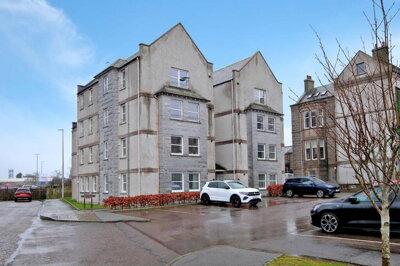
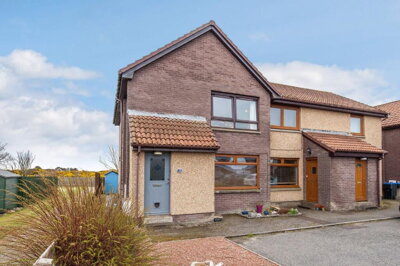
One bed apartments provide a separate bedroom alongside distinct living space, bathroom, and kitchen areas. Properties in Aberdeenshire are available in various building types including mansion blocks, contemporary developments, and house conversions.

Aberdeenshire, Scotland Market Snapshot

Median Price

£80k

Total Listings

13

New This Week

0

Avg Days Listed

211

Source: home.co.uk

Showing 13 results for 1 Bedroom Flats for sale in Aberdeenshire, Scotland. The median asking price is £80,000.

Price Distribution in Aberdeenshire, Scotland

Under £100k
8
£100k-£200k
5

Source: home.co.uk

Property Types in Aberdeenshire, Scotland

100%

Flat

13 listings

Avg £89,876

Source: home.co.uk

Bedrooms Available in Aberdeenshire, Scotland

1 bed 13
£89,876

Source: home.co.uk

The Property Market in Aberdeenshire

The Aberdeenshire property market has demonstrated remarkable resilience following the post-pandemic adjustments, with house prices stabilising at approximately £195,000 as of December 2025. This represents just a 0.3% change compared to the previous year, indicating a market that has found its equilibrium after the more significant corrections seen in previous years. Overall sold prices over the last twelve months were 2% down on the previous year and 12% down on the 2015 peak of £227,571, according to home.co.uk listings data, but the current stability suggests better times ahead for sellers and continued opportunities for buyers. The Q4 2024 sales data shows a significant recovery in market activity, with detached house sales increasing by 60.6% compared to the same period in 2023, demonstrating renewed buyer confidence in the sector.

Property types in Aberdeenshire cater to diverse needs and budgets. Detached homes command the highest prices at an average of £381,994, with homedata.co.uk reporting £303,760 over the past twelve months, reflecting the preference for spacious family accommodation that characterises the Scottish housing market. Semi-detached properties average £160,248, while terraced houses offer more affordable entry at around £127,201. Flats and maisonettes remain the most budget-friendly option at approximately £92,540, though this segment has seen a 3.2% price decrease over the past year. The varied price points across property types make Aberdeenshire accessible to first-time buyers and families alike, with each segment offering distinct advantages depending on lifestyle requirements and budget constraints.

New build activity continues to flourish across Aberdeenshire, with major developers including Kirkwood Homes, Claymore Homes, AJC Homes, and Scotia Homes offering contemporary properties throughout the region. Developments range from affordable starter homes like Kirkwood Homes at Bonnyton Brae in Pitmedden starting from £314,995 to luxurious executive homes such as those at Forbes Homes Balfour Braes near Durris. The planned settlement of Chapelton continues to expand with new phases at Benton Crescent, while rural developments like those in Aboyne and Alford offer countryside living within easy reach of urban amenities. Scotia Homes at Willowburn in Tarves offers contemporary three and four-bedroom homes featuring rooftop solar panels, exemplifying the modern energy-efficient standards being introduced across new developments in the region.

Homes for sale in Aberdeenshire

Living in Aberdeenshire

Aberdeenshire is home to an estimated population of 265,080 people across approximately 117,419 households, making it one of Scotland's largest council areas by population. The region has experienced steady growth, with household numbers increasing by 10.6% since the 2011 Census, reflecting its popularity as a place to live and work. The average household size of 2.23 persons remains above the Scottish average of 2.08, indicating the prevalence of family homes and a community-oriented lifestyle. Residents tend to be better qualified than the UK average, with a higher proportion employed in skilled professional roles that support the region's diverse economy.

The economic foundation of Aberdeenshire has evolved significantly over the past five decades, transitioning from traditional agriculture, forestry, and fishing to a modern economy centred on energy, technology, and specialist services. The oil and gas industry remains crucial, supporting 45,000 jobs in the Aberdeen region alone, though the future lies increasingly in energy transition and renewable technologies. The Peterhead Carbon Capture project represents a £2.2 billion investment that is expected to contribute £60 million annually to the regional economy and create around 240 permanent jobs. This economic diversification has resulted in a median household income of £40,007, significantly above the Scottish average of £33,095, supporting strong demand for quality housing across the region.

Community life in Aberdeenshire revolves around market towns that serve as local service centres, each with their own character and attractions. Stonehaven offers a thriving conservation area and easy coastal access, while Huntly provides a gateway to the Speyside whisky region. Banchory serves as the principal town for Deeside, and Inverurie acts as a major hub in the Garioch area. These towns support a range of independent shops, restaurants, and cultural venues alongside essential services including healthcare facilities, supermarkets, and community centres. The region hosts numerous festivals and events throughout the year, celebrating everything from Highland games to food and drink festivals that showcase local produce.

Find properties for sale in Aberdeenshire

Schools and Education in Aberdeenshire

Education provision in Aberdeenshire is comprehensive, with the council maintaining a network of primary and secondary schools that serve communities across the region. Parents researching properties will find that school catchments vary depending on location, with each town and village typically served by a local primary school feeding into an associated secondary school. The quality of education is reflected in strong inspection outcomes, with many schools achieving positive ratings from Education Scotland. For families considering relocation, understanding the local schooling landscape is essential, and our property search allows filtering by school catchment areas.

Several new housing developments in Aberdeenshire benefit from proximity to well-regarded schools, making them particularly attractive to families. The Balfour Braes development by Forbes Homes near Durris is served by Durris Primary School and Banchory Academy, while homes in the Chapelton development are well-placed for local educational provision. At Meldrum Grange in Oldmeldrum, Claymore Homes offers properties within catchment for some of the area's established primary schools. New communities like those in Peterhead, Inverurie, and Fraserburgh continue to invest in educational infrastructure to accommodate growing populations. Parents should verify current school catchments and admission policies directly with Aberdeenshire Council, as these can be subject to change and may influence property values in specific areas.

For secondary education, Aberdeenshire offers a mix of comprehensive schools and opportunities for further and higher education in the region. Aberdeenshire Council secondary schools provide broad general education from S1 to S6, followed by opportunities for vocational training and academic qualifications. Aberdeen city, situated within the Aberdeenshire commuting catchment, provides additional options including Robert Gordon University and the University of Aberdeen, offering higher education opportunities without the need to relocate further afield. Many Aberdeenshire residents commute daily to Aberdeen for work and education, with excellent transport links making this practical for families choosing to live in the wider region.

Property search in Aberdeenshire

Transport and Commuting from Aberdeenshire

Aberdeenshire benefits from excellent connectivity to Aberdeen city, with the A90 trunk road providing fast access from towns across the region to the Granite City. The journey from Inverurie to Aberdeen takes approximately 30 minutes, while towns like Stonehaven and Banchory are similarly accessible via well-maintained road links. The region's major towns are connected by an efficient road network, though rural villages may require travel on narrower country roads. For those working in Aberdeen but preferring a quieter lifestyle, Aberdeenshire towns offer an ideal balance of accessibility and quality of life.

Public transport options in Aberdeenshire include rail services connecting towns to Aberdeen and beyond, with stations in locations including Stonehaven, Montrose, and the Aberdeen area serving regional needs. Bus services operated by Stagecoach and other providers link smaller communities with larger towns, though frequencies vary and those in more rural areas should consider the necessity of a car for daily convenience. Aberdeen Airport provides domestic flights and connections to international destinations, while the port facilities at Aberdeen serve the offshore energy industry. For commuters working in Aberdeen city, the park-and-ride facilities at locations like Bridge of Don help manage traffic flow and provide convenient access to public transport into the city centre.

Cyclists and pedestrians will find varying conditions across Aberdeenshire, with purpose-built paths in some towns and more challenging terrain in rural areas. The Deeside Way provides an excellent traffic-free route for walkers and cyclists between Aberdeen and Banchory, following the former railway line. This 65-kilometre path is popular for both recreation and commuting, passing through attractive countryside and linking communities along the River Dee corridor. Coastal paths offer stunning scenery along parts of the Aberdeenshire coastline, though some sections require care. Those considering cycling commuting to Aberdeen should factor in the distance and terrain, though e-bikes are increasingly popular for longer rural journeys.

Buy property in Aberdeenshire

Local Construction Methods and Materials

Properties in Aberdeenshire encompass a wide range of ages and construction types, each presenting specific considerations for prospective buyers. The distinctive geology of the region has shaped its built environment for centuries, with the light-grey granite of the Aberdeen area extending throughout Aberdeenshire and giving traditional buildings their characteristic grey appearance. Older properties often feature rubble granite walls constructed from varying shapes and sizes of local stone, creating the robust yet aesthetically distinctive structures that define many town centres and villages. Modern developments typically use render as the dominant exterior wall covering, providing weatherproofing and resilience while allowing for greater design flexibility.

Traditional earth and clay construction methods were historically prevalent in north-eastern areas of Aberdeenshire, creating a different architectural character in communities along that stretch of coastline. The technique of "clay and bool" involved rounded stones set in rows between earth material, while shuttered clay used earth or clay mixed with straw in timber shuttering. Clay mortar was widely used in masonry building throughout areas with clay-rich soils. These traditional construction methods may present different maintenance requirements compared to more modern techniques, and buyers considering period properties should factor this into their inspection and renovation planning. Our surveyors are experienced in assessing these traditional construction methods and can identify any specific issues requiring attention.

Roof construction across Aberdeenshire reflects the historical availability of materials, with slate being a common and relatively affordable option for older properties. Traditional slate roofs can last over a century when well-maintained, but age and weather exposure can lead to deterioration, slipped tiles, and mortar degradation. Modern new-build properties typically feature concrete or synthetic tile roofing, which offers different maintenance characteristics. The granite geology of the area has also influenced boundary treatments, with many older properties featuring granite walls, gateposts, and decorative elements that require minimal maintenance but may need occasional attention to mortar joints and structural integrity.

Home buying guide for Aberdeenshire

How to Buy a Home in Aberdeenshire

1

Get Your Finances in Order

Before viewing properties, obtain a mortgage agreement in principle from a lender. This demonstrates your budget to estate agents and sellers, giving you a competitive edge in Aberdeenshire's property market where desirable homes can sell quickly. Scotland's mortgage process has specific requirements that your lender or mortgage broker can explain, including the need for a Mortgage Offer before proceeding to conclusion.

2

Research the Local Market

Use Homemove to browse all available properties in Aberdeenshire, comparing prices across different towns and property types. Understanding the market means you can spot good value when you see it and negotiate with confidence based on current conditions. Take time to explore different areas, from coastal towns like Stonehaven and Peterhead to inland communities like Banchory and Alford, to find the location that best suits your lifestyle and budget requirements.

3

Arrange Viewings and Get Survey Quotes

Once you have identified properties of interest, arrange viewings through the listed estate agents. Before making an offer, we recommend obtaining quotes for a RICS Level 2 survey to assess the property condition, particularly for older properties with potential issues like damp or roof deterioration. Given that around 60% of Aberdeenshire housing stock has been reported as requiring some degree of repair, a professional survey can identify defects that might not be visible during a viewing.

4

Make an Offer and Negotiate

When you find your ideal home, submit an offer through the estate agent, ideally referencing your mortgage agreement in principle. Negotiate on price and any conditions, keeping in mind recent market data for Aberdeenshire properties in your chosen area. The Scottish offers-over system differs from English practice, and your solicitor can advise on the appropriate level for your offer based on comparable sales data.

5

Instruct a Solicitor and Complete Conveyancing

Your solicitor will handle the legal transfer of ownership, conducting searches with Aberdeenshire Council and dealing with the Land Register of Scotland. This process typically takes 8-12 weeks in Scotland, and your solicitor will keep you informed throughout. Searches will include local authority checks, water and drainage enquiries, and environmental searches that may reveal issues affecting the property.

6

Exchange Contracts and Move In

In Scotland, the exchange of contracts and completion happen together in a simultaneous process, unlike the sequential approach in England. Once your solicitor confirms completion, you will receive the keys and can move into your new Aberdeenshire home. Unlike England, there is no sequential exchange and completion process, which can provide greater certainty for buyers and sellers alike.

What to Look for When Buying in Aberdeenshire

The region contains approximately 3,500 listed buildings that are protected for their special architectural or historic interest, requiring listed building consent for any alterations that would affect their character. If you are considering a period property, be aware that while these homes possess significant charm and character, they may require more maintenance and investment to keep them in good condition. The Scottish House Conditions Survey reported that 60% of housing stock in Aberdeenshire was in disrepair, highlighting the importance of thorough inspection before purchase. For listed buildings, a RICS Level 3 Building Survey is often more appropriate than a standard Level 2 report, as it provides more detailed assessment of traditional construction methods and conservation requirements.

Flood risk is an important consideration in parts of Aberdeenshire, particularly in areas near the Rivers Dee and Don and certain coastal communities. Specific flood risk studies have been undertaken for locations including Inverurie and Port Elphinstone, and the Scottish Environment Protection Agency provides flood maps showing areas at risk from river, coastal, and surface water flooding. A 3.6 kilometre reach of the River Dee west of Braemar is identified as being within a functional floodplain with high risk of flooding. Properties in designated flood risk areas may face higher insurance premiums and may require additional precautions. Our advice is to check SEPA flood maps for any property you are considering and factor potential flood risk into your decision-making and insurance arrangements.

Coastal erosion is an increasing concern along parts of the Aberdeenshire coastline, which extends for approximately 165 miles. Climate change is intensifying erosion particularly along soft coastlines, with areas like Buchan East and regions south of the Ythan Estuary experiencing notable erosion activity. This poses risks to buildings and infrastructure near the shoreline, and prospective buyers considering coastal properties should investigate the specific erosion history and future projections for their chosen location. While dramatic erosion events are relatively rare, understanding the long-term trends can inform purchasing decisions and insurance arrangements for coastal homes.

Conservation areas in Aberdeenshire number around 40, including the historic centres of Stonehaven, Huntly, and Peterhead, among others. Properties within these areas are subject to additional planning controls designed to preserve their character and appearance. This may restrict permitted development rights and require planning permission for certain types of alterations or extensions. The restrictions typically cover external changes including windows, doors, roofs, and extensions, but they also protect the overall streetscape character. Buyers should factor these considerations into their plans, particularly if they are anticipating making significant changes to a property in the future.

Property market in Aberdeenshire

Frequently Asked Questions About Buying in Aberdeenshire

What is the average house price in Aberdeenshire?

The average house price in Aberdeenshire was £270,725 as of December 2025, according to recent market data. This figure represents a 0.3% change from the previous year, indicating market stability. Prices vary significantly by property type, with detached homes averaging £381,994, semi-detached properties at £160,248, terraced houses around £127,201, and flats at approximately £92,540. Other sources report slightly different averages, with homedata.co.uk showing £213,454 and home.co.uk at £199,604 over the last twelve months, reflecting the natural variation in how different platforms calculate these figures.

What council tax band are properties in Aberdeenshire?

Properties in Aberdeenshire fall under Aberdeenshire Council's jurisdiction and are assigned council tax bands A through H based on their valuation as of April 1991. The specific band depends on the property's assessed value at that date, with band A being the lowest and H the highest. Prospective buyers can check the current band for any property through the Aberdeenshire Council website or the Scottish Assessors Association portal. Council tax in Aberdeenshire funds local services including education, roads, and social care, and bills vary depending on the band assigned to your property.

What are the best schools in Aberdeenshire?

Aberdeenshire benefits from a network of primary and secondary schools operated by Aberdeenshire Council, with Education Scotland inspections providing quality indicators. Specific school performance varies, and parents should research current ratings through Education Scotland's inspection reports. Towns like Banchory, Stonehaven, and Inverurie are well-served by primary and secondary schools, while new housing developments such as those at Chapelton, Balfour Braes, and Meldrum Grange often fall within catchments for schools with good reputations. For higher education, Robert Gordon University and the University of Aberdeen are both within easy reach for Aberdeenshire residents, either via daily commute or as residential students.

How well connected is Aberdeenshire by public transport?

Aberdeenshire is connected to Aberdeen and beyond via rail services from stations including Stonehaven and Montrose, while bus services operated by Stagecoach and other providers link towns and villages throughout the region. The A90 trunk road provides efficient road access to Aberdeen from most of the region, with journey times of around 30 minutes from Inverurie and similar from Stonehaven and Banchory. Rural communities may have less frequent public transport options, making car ownership essential for daily convenience, though many residents successfully commute to Aberdeen using the available transport links. Aberdeen Airport offers domestic and international flights, connecting the region to broader UK and European destinations.

Is Aberdeenshire a good place to invest in property?

Aberdeenshire offers several compelling factors for property investment, including stable house prices, a skilled workforce, and economic diversification into energy transition sectors. The Peterhead Carbon Capture project represents a £2.2 billion investment expected to create 240 permanent jobs and inject £25 million annually into the regional economy. The area's strong household income levels, above-average qualifications among residents, and strategic location support continued demand for housing. However, investors should be aware of factors including the significant number of properties in disrepair, potential flood risk in certain areas, and the cyclical nature of the oil and gas sector that has historically influenced the local economy.

What stamp duty will I pay on a property in Aberdeenshire?

Stamp Duty Land Tax rates in Scotland differ from the rest of the UK, with the starting threshold at £145,000 for residential properties. Up to £250,000, the rate is 1%, rising to 2% on the portion from £250,001 to £350,000, then 5% up to £750,000, with higher rates above that threshold. First-time buyers in Scotland do not benefit from the same relief as those in England and Wales, as the Scottish Government has not introduced an equivalent first-time buyer relief. Additional dwellings attract a 6% supplement above the standard rates. Your solicitor or conveyancer will calculate the exact SDLT due on your transaction and include this in their completion statements.

Why do I need a survey before buying property in Aberdeenshire?

We recommend obtaining a RICS survey before completing your purchase because around 60% of Aberdeenshire's housing stock has been reported as being in some degree of disrepair. A professional survey identifies defects in condition including issues with roofs, dampness, structural movement, and outdated electrics that are common in older properties, particularly those built with traditional methods like granite or clay construction. For older or listed buildings, a more comprehensive RICS Level 3 Building Survey may be more appropriate, providing detailed advice on repairs and maintenance. The cost of identifying significant defects before purchase is minimal compared to the expense of remedying unexpected problems after you have moved in.

Stamp Duty and Buying Costs in Aberdeenshire

Purchasing a property in Aberdeenshire involves several costs beyond the purchase price, with Stamp Duty Land Tax representing one of the most significant expenses for buyers. Scotland operates its own SDLT system, which applies from £145,000 for residential properties, with rates of 1% on the portion between £145,001 and £250,000, rising through bands to a maximum of 12% on residential properties above £1.5 million. For a typical Aberdeenshire property at the current average price of around £270,725, SDLT would amount to approximately £1,207, calculated on the portion above £145,000. First-time buyers do not receive the same threshold increases as those in England and Wales, as Scotland has not introduced equivalent first-time buyer relief.

Additional costs to budget for include solicitor fees for conveyancing, which typically range from £500 to £1,500 depending on the complexity of the transaction and the property value. Your solicitor will conduct searches with Aberdeenshire Council, including local authority searches, water and drainage searches, and environmental searches, which collectively may cost £200 to £400. Mortgage arrangement fees vary by lender but commonly range from £0 to £2,000, often added to the mortgage loan. A mortgage valuation survey, typically £300 to £500, provides the lender with an assessment of the property's value but should not be confused with a full property survey that protects your interests as a buyer.

We strongly recommend obtaining a RICS Level 2 survey before completing your purchase, particularly given that 60% of Aberdeenshire's housing stock has been reported as being in some degree of disrepair. This survey, costing from around £455 for a typical residential property, identifies defects in condition including issues with roofs, dampness, structural movement, and outdated electrics that are common in older properties. For older or listed buildings, a more comprehensive RICS Level 3 Building Survey may be more appropriate, providing detailed advice on repairs and maintenance. The cost of identifying significant defects before purchase is minimal compared to the expense of remedying unexpected problems after you have moved in. ===NEXT===

Browse properties for sale in Aberdeenshire

Browse Homes for Sale Across the UK

Terms of use Privacy policy All rights reserved © homemove.com | Properties for Sale » Scotland » Scotland » Aberdeenshire » Aberdeenshire, Scotland

Homemove is a trading name of HM Haus Group Ltd (Company No. 13873779, registered in England & Wales). Homemove Mortgages Ltd (Company No. 15947693) is an Appointed Representative of TMG Direct Limited, trading as TMG Mortgage Network, which is authorised and regulated by the Financial Conduct Authority (FRN 786245). Homemove Mortgages Ltd is entered on the FCA Register as an Appointed Representative (FRN 1022429). You can check registrations at NewRegister or by calling 0800 111 6768.