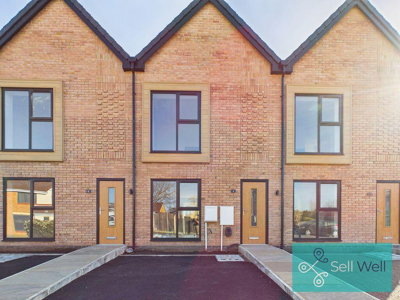
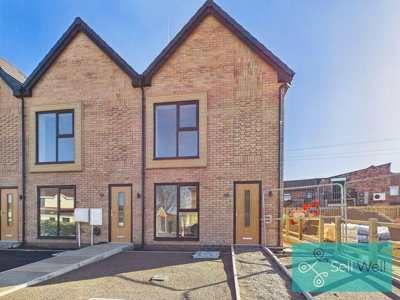
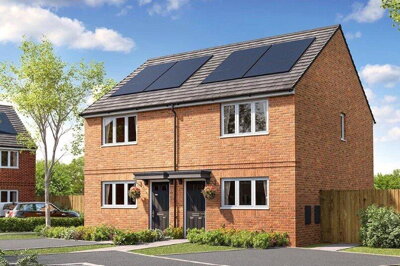
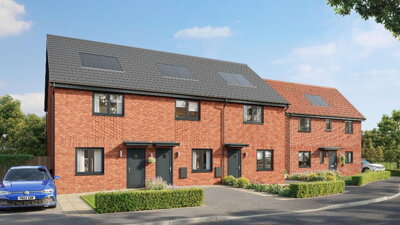
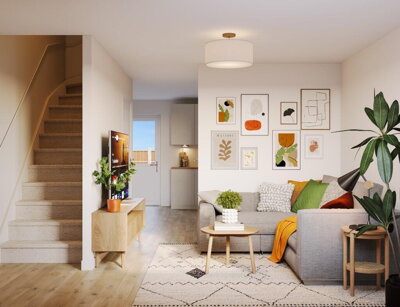
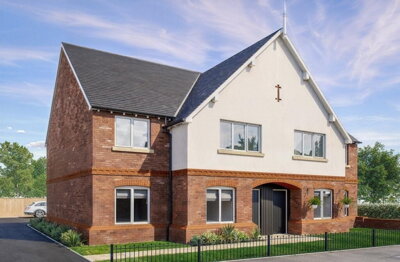
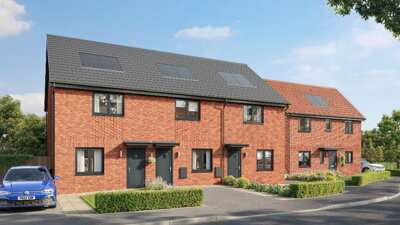
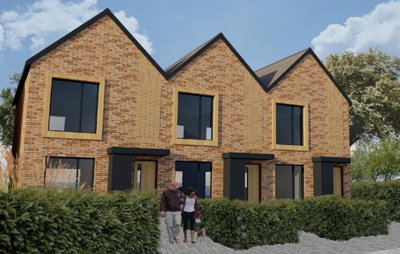
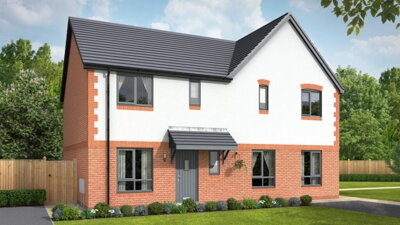
Browse 12 homes new builds in Wigan, Greater Manchester from local developer agents.
The 2 bed house market features detached, semi-detached, and terraced properties with two separate bedrooms plus living spaces. Properties in Wigan range across contemporary developments, with pricing varying across different neighbourhoods.
£145k
215
26
72
Source: home.co.uk
Showing 215 results for 2 Bedroom Houses new builds in Wigan, Greater Manchester. 26 new listings added this week. The median asking price is £145,000.
Source: home.co.uk
Terraced
159 listings
Avg £139,086
Semi-Detached
50 listings
Avg £181,216
Detached
6 listings
Avg £255,833
Source: home.co.uk
Source: home.co.uk
Wigan's property market has demonstrated remarkable stability despite broader national fluctuations that have affected other parts of Greater Manchester. Over the past 12 months, the average house price has remained relatively steady at £182,109, with a modest decrease of just 1.14%. This consistency reflects the underlying strength of local demand, driven by affordable entry prices and strong employment opportunities in logistics, distribution, and manufacturing sectors. For buyers seeking value without compromising on quality of life, Wigan presents a compelling case that continues to attract families and professionals priced out of Manchester and Liverpool markets.
Property types in Wigan span a diverse range to suit different budgets and lifestyles, with distinct pricing patterns across the housing stock. Detached homes command an average price of £300,560, offering generous space for families needing multiple bedrooms and private gardens, particularly common in areas like Winstanley, Standish, and the new developments along Warrington Road. Semi-detached properties average £183,165, representing excellent value for money in the current market and dominating streets in established areas like Goose Green, Hindley, and Atherton. Terraced houses, many dating from the Victorian and Edwardian periods when Wigan's coal mines were at their peak, start from around £136,878 and are particularly concentrated around the town centre, Scholes, and older residential streets. Flats provide the most affordable entry point at approximately £99,396, appealing to first-time buyers and investors targeting the rental market.
Several new build developments are currently active in the Wigan area, offering modern specifications, energy-efficient designs, and the appeal of brand-new construction for buyers prioritising low maintenance. The Avenue by Bellway on Warrington Road in the Goose Green area features 3 and 4-bedroom homes from £219,995, designed with contemporary open-plan living spaces. David Wilson Homes' Winstanley Park development off Winstanley Road offers larger 3, 4 and 5-bedroom properties from £289,995, targeting families seeking modern homes in a growing suburb. Keepmoat Homes' Hawksley Place provides more affordable 2, 3 and 4-bedroom homes from £179,995 in the same Warrington Road corridor, making new build ownership accessible to a wider range of buyers including those using Help to Buy schemes.

Wigan's character has been shaped by its industrial heritage, yet the town has successfully reinvented itself for the 21st century while retaining the warmth and community spirit that has defined the area for generations. The local authority district, home to 329,300 residents across 139,300 households, balances urban conveniences with access to beautiful countryside including the Lancashire Plain and nearby moorlands. The DW Stadium, home to Wigan Athletic football club and Wigan Warriors rugby league team, provides sporting and entertainment events throughout the year, while The Old Courts venue in the town centre offers live music and cultural events. Local markets have been revived in recent years, with the indoor and outdoor markets offering everything from fresh produce to artisan crafts that reflect the area's growing cultural identity.
The residential makeup of Wigan reflects its working-class roots and steady growth over more than a century of industrial and post-industrial development. Census data shows semi-detached houses account for 36.3% of the housing stock, the most common property type, followed by terraced properties at 30.2% concentrated in the older urban core. Detached homes comprise 20.3% of stock, typically found in newer suburbs and rural villages, while flats and maisonettes make up 12.8% concentrated in the town centre and around main railway stations. This variety ensures options for every buyer, from those seeking compact starter homes in areas like Ince and Platt Bridge to families requiring larger properties with gardens in neighbourhoods like Standish, Shevington, or the outskirts of the borough.
Green spaces are abundant throughout Wigan, providing residents with recreational opportunities that balance urban life with access to nature. The Leeds and Liverpool Canal passes through the area, offering scenic walks and cycling routes that connect Wigan to the wider canal network and are popular with runners and dog walkers throughout the year. Mesnes Park, a Victorian-era park in the town centre, has undergone significant restoration including restored bandstand, tennis courts, and children's play areas, hosting community events throughout the year including outdoor cinema nights and summer festivals. The surrounding countryside, including parts of the Lancashire Plain and nearby Pennine fringes, is easily accessible for weekend walks, with popular routes around Haigh Hall country park and the disused railway lines converted to walking and cycling paths.

Education provision in Wigan serves students of all ages, with numerous primary and secondary schools across the borough delivering strong academic outcomes that compare favourably with similar towns across the North West. The local authority maintains a strong focus on educational attainment, and several schools have achieved recognition for academic excellence and innovative teaching approaches. Parents buying in Wigan will find good options at every level, from Reception through to Sixth Form and further education at Wigan and Leigh College which provides vocational courses and apprenticeships relevant to local employment sectors. The University of Wigan, formerly the University of Central Lancashire Wigan Campus, offers degree programmes closer to home, enabling residents to pursue higher education without relocating to larger cities.
When searching for property in Wigan, understanding local school catchments is essential for families, as admission policies often prioritise children living within specific geographic areas. Primary schools in desirable areas like Standish, Shevington, Abram, and Tyldesley attract significant interest from parents and often influence property values in nearby streets, with premiums evident for homes within walking distance of popular schools. Secondary school options include both comprehensive schools serving wide catchment areas and grammar schools with selective admissions, with selective education available for academically able students through the Wigan Consortium grammar schools. Checking current Ofsted ratings and admission policies should form part of your research before committing to a specific neighbourhood, as school performance can vary between neighbouring areas even within the same borough.
The presence of good schools has a measurable impact on the Wigan property market, influencing both sale prices and the speed at which properties sell once listed. Properties in desirable school catchments often command premiums of 5-10% compared to comparable homes in areas with lower-rated schools, according to national research into catchment area effects. First-time buyers planning families should factor school quality into their search criteria alongside other considerations such as transport links and amenities. Our search filters allow you to view properties within specific postcode areas, helping you identify homes in the right school zone for your children's education, while local estate agents can provide guidance on which streets fall within particular catchment areas.
Wigan occupies a strategic position in Greater Manchester, with excellent transport connections that make commuting practical for workers seeking to balance city centre careers with suburban or semi-rural living. The M6 motorway passes to the east of the town, providing direct access to Liverpool, Manchester, Preston, and the national motorway network, with Wigan being particularly popular with commuters heading to Manchester's business districts. The M58 connects Wigan to the M6 and Southport, while the A49 runs north-south through the area linking Wigan with Chorley and beyond. This accessibility has made Wigan a preferred location for workers in logistics, professional services, and healthcare who need city centre access but prefer more affordable housing and better living space than city centre locations provide.
Rail services from Wigan North Western and Wigan Wallgate stations offer frequent connections to major cities, with both stations located conveniently close to the town centre and offering car parking for commuters. Direct trains to Manchester Victoria take approximately 35-40 minutes, making day-to-day commuting to Manchester viable, while journeys to Liverpool Lime Street take around 45 minutes, positioning Wigan between the two major cities. London Euston is reachable in approximately two hours via one change at Warrington or Manchester, making Wigan viable for occasional commuters to the capital as well as regular regional commuters. Northern Rail and other operators provide regular services throughout the day and into the evening, with off-peak services offering significant savings for flexible commuters.
Local bus services operated by Arriva and other providers connect Wigan town centre with surrounding villages and neighbourhoods, including services to Ashton-in-Makerfield, Hindley, Leigh, and Standish. The Stagecoach network extends across the borough, making public transport viable for those without cars, though services to more rural areas can be less frequent outside peak hours. However, car ownership rates in Wigan are relatively high compared to city centres, and most households find private vehicles essential for maximum flexibility, particularly in more rural parts of the borough and for families with school-age children. Park and ride facilities at Wigan North Western station provide an option for those combining rail travel with car use, offering discounted parking for rail season ticket holders.
Before viewing properties, obtain a mortgage agreement in principle from a lender or mortgage broker. This demonstrates your seriousness to sellers and estate agents while helping you understand your true budget before you start viewing homes. Wigan's average property price of £182,109 means many buyers can access excellent mortgage deals with modest deposits of 5-10%, though speaking to a qualified mortgage adviser can help you understand all available options including Help to Buy and shared ownership schemes.
Spend time exploring different areas of Wigan to find the neighbourhood that suits your lifestyle, budget, and priorities for the long term. Consider proximity to work, schools, amenities, and transport links, as well as the character of different areas from Victorian terraces in the town centre to modern estates in suburbs like Winstanley. Areas like Standish, Winstanley, and Goose Green offer distinctly different characters, from village atmospheres with local pubs and shops to modern developments with new infrastructure. Your estate agent can provide local insights about each neighbourhood, including future development plans and any planned infrastructure improvements.
Once you have narrowed your search to specific areas and property types, arrange viewings through our platform or directly with estate agents. Our data shows 1,775 properties sold in the past year, indicating active market conditions with good stock levels for buyers to choose from. Take notes on property condition, orientation, noise levels, and any immediate maintenance concerns, and don't hesitate to revisit promising properties at different times of day before making an offer.
Before completing your purchase, arrange a RICS Level 2 Survey to assess the property's condition comprehensively and identify any issues that might affect your decision or your negotiating position. In Wigan, where much of the housing stock is over 50 years old with solid walls and original features, this is particularly important and can reveal issues like damp, roofing problems, or mining subsidence risks that may not be visible during viewings. Surveys typically cost £400-700 depending on property size and age, but can save significantly more by identifying problems before you commit your full purchase price. Your solicitor should arrange appropriate surveys including a mining search given Wigan's coal mining heritage.
Your solicitor will handle the legal aspects of your purchase, including local authority searches, contracts, and land registry matters, working to agreed timelines and keeping you informed throughout the process. Mining searches are particularly important in Wigan due to the area's extensive coal mining history, with potential for past mine workings to affect stability in some areas. Request quotes from several conveyancers to find competitive rates, and check whether they have experience handling Wigan property transactions specifically, as local knowledge can help avoid delays.
Once all searches are satisfactory and your financing is confirmed, you will exchange contracts and pay your deposit, typically 10% of the purchase price, which becomes legally binding. Completion typically follows within days or weeks, after which you will receive your keys and can collect your copy of the land registry title documentation. Stamp duty rates for 2024-25 apply to the purchase price, with first-time buyer relief available for eligible purchasers purchasing property under £625,000.
Wigan's housing stock includes significant numbers of older properties built during the Victorian, Edwardian, and post-war periods, reflecting the town's industrial history and subsequent development phases. This heritage brings character and charm through features like original sash windows, decorative fireplaces, and solid brick construction, but buyers should be aware of common issues that affect properties of these ages. Traditional construction methods such as solid walls and older damp-proof courses require careful assessment, while many Wigan homes have red brick external walls with slate or tile roofs, both of which can require maintenance and repair as they age. If you are considering a period property, a thorough survey is essential to identify any structural issues or renovation requirements before you commit.
The local geology presents specific considerations for property buyers in Wigan, where underlying conditions can affect foundation design and long-term structural integrity. Wigan sits on Carboniferous rocks, including Coal Measures with sandstone, mudstone, and coal seams that were extensively mined during the industrial revolution. Glacial till and boulder clay deposits are common across the area, creating potential for shrink-swell ground movement during wet and dry periods that can affect foundations and cause structural movement in susceptible properties. Properties with large trees nearby or those built on clay soils should receive particular scrutiny during surveys, with special attention to foundation depths and drainage conditions that help properties cope with seasonal ground movement.
Flood risk affects parts of Wigan, particularly areas near the River Douglas and other watercourses that pass through the borough, though flooding is not widespread across the town. Surface water flooding can occur in urbanised zones during heavy rainfall when drainage systems become overwhelmed, and properties in low-lying areas near streams should be researched carefully using Environment Agency flood maps. If you are considering a property near a watercourse or in a known flood risk area, check the relevant flood maps and discuss appropriate insurance arrangements with your solicitor, as flood insurance costs can be significant in higher-risk zones. Many buyers in Wigan choose properties slightly elevated from water sources to minimise this risk, particularly when purchasing in areas like Hindley and Atherton where watercourses run through residential neighbourhoods.
The mining legacy of Wigan requires specific attention during the buying process, as the area was once one of the most productive coal mining districts in Britain. While most coal mines have been closed for decades, the potential for ground instability remains in some areas where old mine workings have collapsed or where shallow coal seams were left unworked. A mining search should be included in your conveyancing package, and surveyors experienced with former mining areas will know what to look for when assessing potential subsidence risks. Properties showing signs of cracking, especially diagonal cracks around door frames or uneven floors, should be referred to a structural engineer before you commit to purchase, as repairs can be costly and may affect mortgageability.
Wigan's housing stock reflects over 150 years of continuous construction activity, from early Victorian terraces built for coal miners to modern energy-efficient homes in new developments. Traditional red brick dominates the external walls of most properties, with Victorian and Edwardian terraces typically featuring solid brick walls that lack the cavity insulation of later properties. Roof construction generally uses pitched roofs with timber rafters covered in slate or clay tiles, with older properties often featuring decorative ridge tiles and finials that add to their character but require ongoing maintenance. Understanding these construction methods helps buyers appreciate why older properties may feel different to heat and maintain compared to modern homes.
Cavity wall construction became standard from the 1920s onwards, providing improved insulation and moisture resistance compared to solid walls, and most semi-detached and detached houses built after this period feature cavity wall construction. Timber floor joists were standard in properties built before around 1970, creating suspended wooden floors that can be susceptible to rot and woodworm if ventilation is poor or dampness penetrates from below. Modern properties and post-1970s construction typically feature concrete floors at ground level and improved damp-proof courses, reducing some of the issues common in older housing stock. When viewing properties, take note of which construction era they belong to, as this can affect maintenance requirements and renovation potential.
Wigan's conservation areas and listed buildings represent a small but significant portion of the housing stock, particularly in the town centre and older residential areas with historic character. Properties in these designations may be subject to additional requirements for alterations and improvements, requiring planning permission or listed building consent for changes that would be permitted on unlisted properties. The Wigan Town Centre Conservation Area includes many Victorian and Edwardian commercial and residential buildings, while older residential streets in areas like Scholes and the vicinity of Wigan Parish Church contain listed buildings ranging from historic churches to former mill owners' houses. If you are considering a listed property or a home within a conservation area, factor in the additional responsibilities and potential costs of maintaining historic fabric to acceptable standards.
As of February 2026, the average house price in Wigan is £182,109, making it one of the most affordable major towns in Greater Manchester for property buyers. Property prices vary significantly by type, with detached homes averaging £300,560 in areas like Standish and Winstanley, semi-detached properties at £183,165 dominating streets in neighbourhoods like Hindley and Atherton, terraced houses around £136,878 common in the town centre and older areas, and flats at approximately £99,396 offering the most accessible entry point. The market has shown stability with only a 1.14% decrease over the past 12 months, making Wigan an attractive option for buyers seeking affordable property with good long-term prospects.
Council tax bands in Wigan range from A to H, determined by the Valuation Office Agency based on property value at the time of assessment. Most terraced houses and smaller semi-detached properties fall into bands A through C, while larger family homes and detached properties typically occupy bands D through F, with the most valuable properties reaching band G or H. You can check the specific band for any property through the Valuation Office Agency website or by asking your solicitor during conveyancing, and council tax rates for Wigan Metropolitan Borough Council are set annually with current rates available on the council website.
Wigan offers good educational provision at all levels, though specific school performance varies and families should research individual school ratings and results before committing to a purchase. The borough has several primary and secondary schools with strong Ofsted ratings, including stand-out performers in areas like Standish, Shevington, and Tyldesley. Families should research individual school performance tables and consider catchment areas when buying, as school admission policies prioritise geographic proximity in most cases. Wigan and Leigh College provides further education and vocational training options, and the University of Wigan offers degree-level study locally. Properties near popular schools in areas like Abram, Golborne, and Ashton-in-Makerfield often attract premiums due to consistent demand from families with school-age children.
Wigan benefits from excellent transport connections that make commuting to Manchester and Liverpool practical for daily workers as well as occasional commuters. Two railway stations serve the area: Wigan North Western on the West Coast Main Line offering Virgin Trains services to London and Northern Rail services to regional destinations, and Wigan Wallgate on the Leeds-Liverpool line providing additional local connections. Direct trains reach Manchester Victoria in 35-40 minutes and Liverpool Lime Street in approximately 45 minutes, while London Euston is accessible in around two hours with one change. The M6 and M58 motorways provide road access, while local bus services operated by Arriva and Stagecoach connect the town centre with surrounding villages and neighbourhoods throughout the day.
Wigan presents solid investment potential for several reasons that make it attractive to both landlord investors and capital growth seekers. Property prices remain significantly lower than neighbouring Manchester and Liverpool, suggesting room for growth as the wider Greater Manchester region develops and expands, with improved transport links making Wigan increasingly attractive to commuters priced out of city centres. The town has ongoing regeneration projects aimed at boosting the local economy and attracting new businesses, with major employers in logistics, healthcare, and manufacturing providing stable employment foundations. Buy-to-let investors can access rental yields that compare favourably with national averages, particularly for terraced properties and smaller homes that are popular with tenants including young professionals, small families, and contractors working in the area.
For 2024-25, standard stamp duty rates apply to purchases above £250,000: 5% on the portion from £250,001 to £925,000, 10% on £925,001 to £1.5 million, and 12% on amounts above £1.5 million. First-time buyers qualify for enhanced relief on properties up to £625,000, paying 0% on the first £425,000 and 5% on the portion from £425,001 to £625,000, provided this is your first residential purchase. For a typical Wigan property averaging £182,109, most buyers pay no stamp duty at all under current thresholds, and your solicitor will calculate the exact amount due and handle payment to HMRC on your behalf during the conveyancing process.
Older properties in Wigan, particularly those built before 1970, commonly exhibit issues related to their age and construction era that buyers should assess carefully. Damp problems affect many Victorian and Edwardian properties, with rising damp, penetrating damp, and condensation being frequent concerns, especially in homes with solid walls, older damp-proof courses, or inadequate ventilation in areas like under-floor voids and lofts. Roofing problems are common in properties with slate or tile roofs over 50 years old, with slipped tiles, deteriorating pointing, and failed leadwork potentially allowing water ingress. Electrical wiring in pre-1980 properties often requires updating, as older systems with rubber or fabric-covered cables may not meet current standards. Given Wigan's mining history, buyers should ensure appropriate mining searches are conducted, particularly in areas like Platt Bridge, Ince, and parts of the town centre where historical mining activity was concentrated.
From 3.89%
Get competitive mortgage rates from trusted lenders
From £499
Expert solicitors to handle your Wigan property purchase
From £400
Thorough property survey for Wigan homes
From £80
Energy performance certificate for your new home
Understanding the full costs of buying property in Wigan helps you budget accurately and avoid financial surprises at completion that could delay or derail your purchase. The purchase price is only the starting point, as additional expenses including stamp duty, solicitor fees, survey costs, and moving expenses can add several thousand pounds to your overall budget. For a typical Wigan property priced around the average of £182,109, these costs can total £3,000-5,000 or more depending on your circumstances, including whether you qualify for first-time buyer relief. Planning for these expenses from the outset, perhaps by saving separately from your deposit, ensures a smoother transaction and reduces the risk of discovering shortfalls at critical moments.
Stamp duty rates for 2024-25 are structured in bands that determine how much you will pay based on the purchase price of your Wigan property. Standard purchasers pay nothing on the first £250,000 of their purchase price, meaning buyers of properties at or below this threshold incur zero stamp duty, which covers the vast majority of Wigan properties given the average price of £182,109. First-time buyers benefit from enhanced thresholds, paying nothing on the first £425,000 for properties up to £625,000, with 5% applying only to the portion between £425,001 and £625,000. Above these thresholds, rates of 5%, 10%, and 12% apply to progressively higher portions of the purchase price, with your solicitor calculating the exact amount due and handling payment to HMRC on your behalf.
Solicitors in Wigan typically charge between £500 and £1,500 for conveyancing, depending on complexity and property value, with additional costs for searches and registration fees that are typically included in quoted conveyancing packages. Essential searches include local authority searches, drainage and water searches, and environmental searches that reveal planning history, contamination risks, and drainage arrangements for the property. Given Wigan's mining history, a mining search is strongly recommended and may be included in standard conveyancing packages for the area, as past coal mining can affect property foundations and mortgageability. Survey costs range from £400-700 for a RICS Level 2 Survey, with larger, older, or more complex properties attracting higher fees. Budget an additional £500-1,500 for moving costs, including removal services, disconnection and reconnection of utilities, and potential furniture adjustments for your new home.
Properties New Builds In London

Properties New Builds In Plymouth

Properties New Builds In Liverpool

Properties New Builds In Glasgow

Properties New Builds In Sheffield

Properties New Builds In Edinburgh

Properties New Builds In Coventry

Properties New Builds In Bradford

Properties New Builds In Manchester

Properties New Builds In Birmingham

Properties New Builds In Bristol

Properties New Builds In Oxford

Properties New Builds In Leicester

Properties New Builds In Newcastle

Properties New Builds In Leeds

Properties New Builds In Southampton

Properties New Builds In Cardiff

Properties New Builds In Nottingham

Properties New Builds In Norwich

Properties New Builds In Brighton

Properties New Builds In Derby

Properties New Builds In Portsmouth

Properties New Builds In Northampton

Properties New Builds In Milton Keynes

Properties New Builds In Bournemouth

Properties New Builds In Bolton

Properties New Builds In Swansea

Properties New Builds In Swindon

Properties New Builds In Peterborough

Properties New Builds In Wolverhampton

Enter your details to see if this property is within your budget.
Loans, cards, car finance
Estimated property budget
Borrowing + deposit
You could borrow between
Typical borrowing
Monthly repayment
Est. at 4.5%
Loan-to-value
This is an estimate only. Your actual budget may vary depending on interest rates, credit history, and personal circumstances. For an accurate affordability assessment, speak to one of our free mortgage advisors.
This calculator provides estimates for illustrative purposes only and does not constitute financial advice. Your home may be repossessed if you do not keep up repayments on your mortgage. Estimates based on 4.5% interest rate, repayment mortgage. Actual rates depend on your circumstances.
Homemove is a trading name of HM Haus Group Ltd (Company No. 13873779, registered in England & Wales). Homemove Mortgages Ltd (Company No. 15947693) is an Appointed Representative of TMG Direct Limited, trading as TMG Mortgage Network, which is authorised and regulated by the Financial Conduct Authority (FRN 786245). Homemove Mortgages Ltd is entered on the FCA Register as an Appointed Representative (FRN 1022429). You can check registrations at NewRegister or by calling 0800 111 6768.

We use cookies to show you personalised content and improve your experience of our website. Find out more in our Privacy policy and Cookie policy.