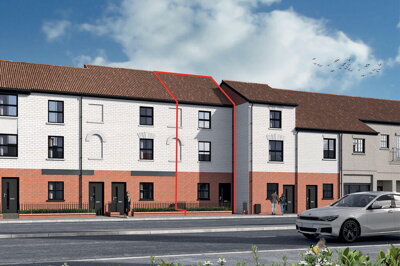
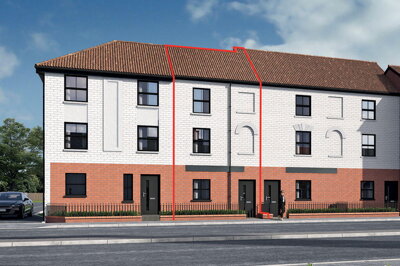
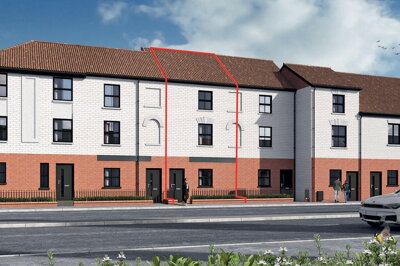
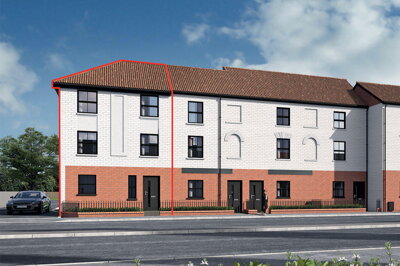
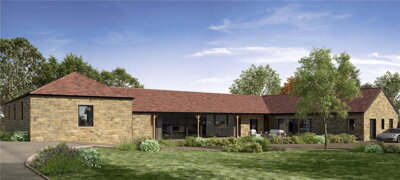
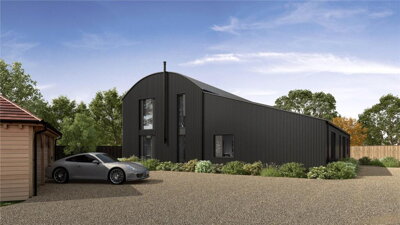
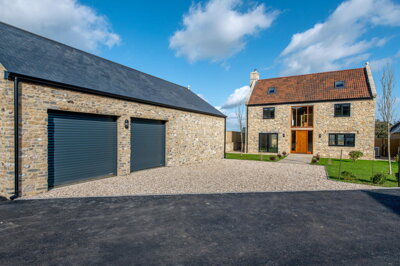
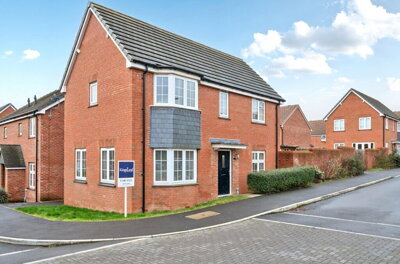
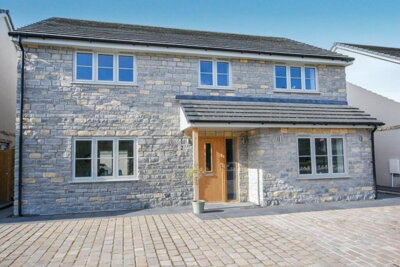
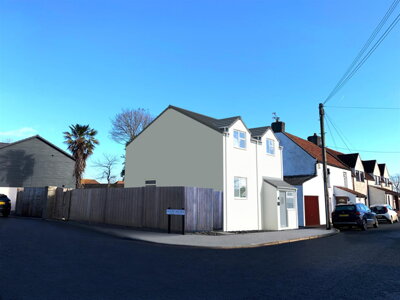
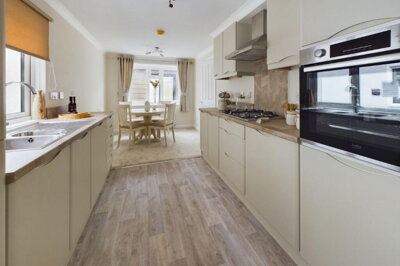
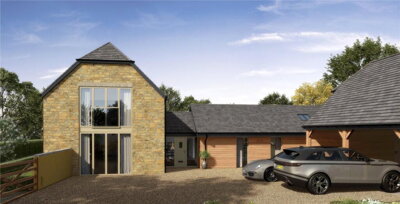
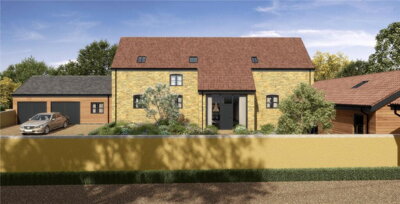
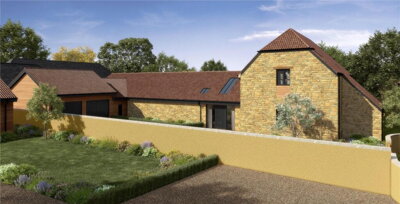
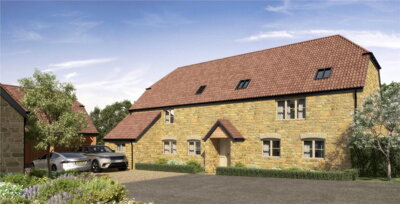
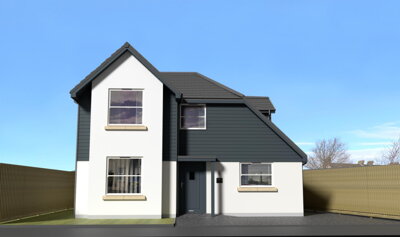
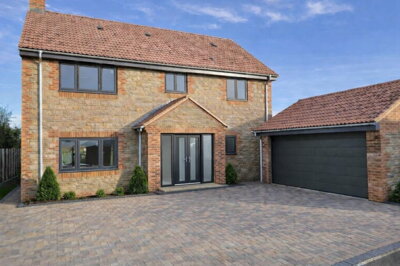
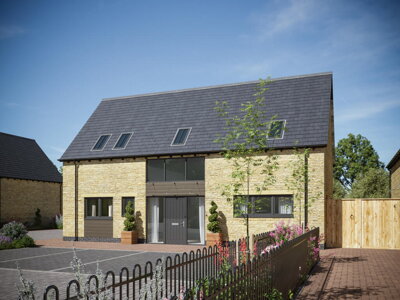
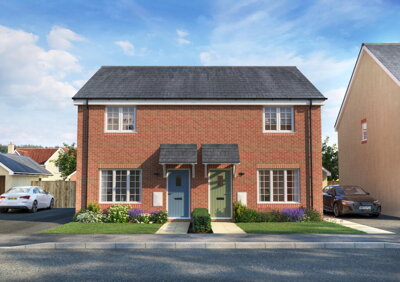
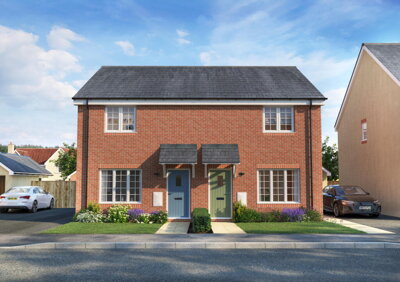
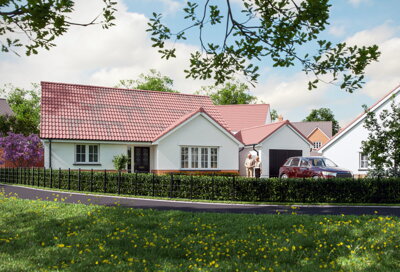
Browse 432 homes new builds in Somerset, England from local developer agents.
£332k
5,557
395
131
Source: home.co.uk
Source: home.co.uk
Detached
1,557 listings
Avg £644,911
Semi-Detached
881 listings
Avg £346,859
Terraced
669 listings
Avg £265,241
End of Terrace
323 listings
Avg £283,706
Apartment
293 listings
Avg £170,361
Bungalow
274 listings
Avg £390,778
Flat
267 listings
Avg £152,683
Detached Bungalow
241 listings
Avg £419,011
House
158 listings
Avg £496,386
Semi-Detached Bungalow
91 listings
Avg £292,232
Source: home.co.uk
Source: home.co.uk
The Somerset property market demonstrates the diversity that has made the county increasingly popular with buyers from across the UK. Detached properties command an average price of £511,623, reflecting strong demand from families seeking generous gardens and additional space. Semi-detached homes average £320,627, offering excellent value compared to neighbouring counties while providing the room that growing families need. The terraced property segment averages £264,057, presenting an accessible entry point to Somerset's property market for first-time buyers and investors alike.
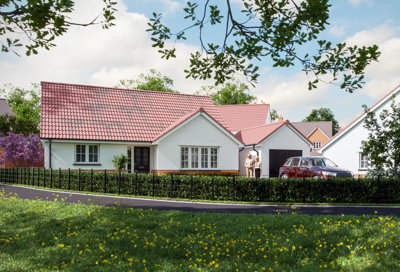
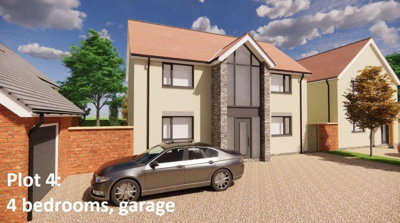
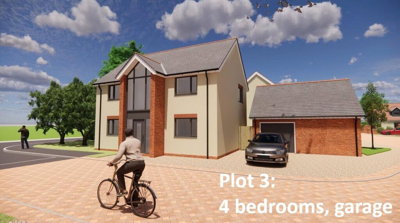
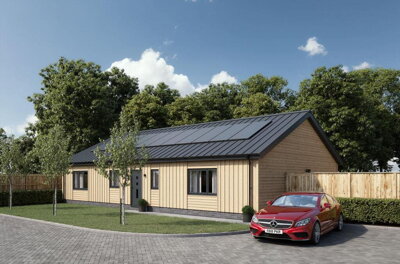
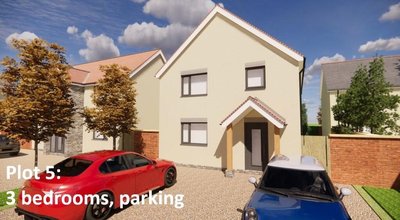
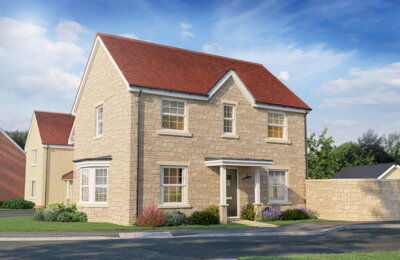
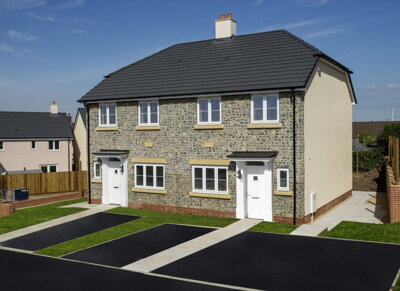
Flats in Somerset average £193,828, with the most affordable options typically found in market towns like Bridgwater and Taunton, where regeneration schemes continue to create new housing opportunities. New build developments across the county offer homes ranging from £249,995 for a two-bedroom property at Strawberry Grange in Bridgwater up to £549,995 for a four-bedroom home at Northwalls Grange in Taunton. Additional developments include Orchard View in Cheddar with prices from £299,995 to £529,995, Nerrols Grange in Taunton from £279,995 to £499,995, and The Beeches in Comeytrowe ranging from £295,000 to £550,000. The market has seen consistent price growth across all property types over the past year, with flats recording the strongest annual increase at 2.4%, followed by detached properties at 2.3%.
The county's housing stock reflects its rich architectural heritage, with significant variation in property ages and construction types. Approximately 25-30% of properties predate 1919, built using traditional methods with solid walls of local Hamstone in the south and west, or Blue Lias stone in the east. Properties from the inter-war period (1919-1945) comprise around 15-20% of stock, typically featuring brick cavity wall construction. Post-war development (1945-1980) accounts for approximately 30-35% of homes, while more recent construction makes up the remaining 20-25%. This age distribution means over 60% of Somerset's properties are over 50 years old, making professional surveys particularly valuable before purchase.

Somerset is home to a population of 571,190 people across approximately 249,000 households, creating communities that balance rural tranquility with access to comprehensive local amenities. The county's housing stock reflects its rich history, with detached properties comprising 35.1% of all homes, semi-detached properties at 30.2%, terraced houses at 21.0%, and flats accounting for the remaining 13.0%. This mix provides options for all preferences, from those seeking the privacy of a detached home on the edges of the Quantock Hills to young professionals looking for low-maintenance apartments in towns like Frome or Wells.
The character of Somerset extends far beyond its towns, encompassing the unique landscape of the Somerset Levels and Moors, the outstanding natural beauty of Exmoor National Park, and the dramatic limestone gorges of Cheddar and the Mendip Hills. The county's market towns each offer their own distinct personality: Taunton serves as the county town with excellent shopping and cultural facilities; Wells provides a cathedral city atmosphere with exceptional architectural heritage; Frome has earned recognition as one of England's most vibrant and creative towns; and Yeovil maintains strong connections to the aerospace industry while offering an affordable cost of living.
Local agriculture remains central to Somerset's identity, with cider production from brands like Thatchers and the Glastonbury Festival cementing the county's cultural reputation nationwide. The Mendip Hills produce world-renowned cheese at Cheddar, while the Levels support extensive dairy farming operations. Tourism contributes significantly to the local economy, with visitors drawn to historical sites including Glastonbury Tor, the Roman baths of Bath (despite being a separate authority, Bath remains culturally connected to Somerset), Wells Cathedral, and Dunster Castle. This strong economic foundation of agriculture, tourism, and advanced manufacturing creates stable employment opportunities that support the housing market across the county.
The Somerset lifestyle attracts a diverse range of residents, from families seeking good schools and outdoor activities to retirees drawn by the quality of life and healthcare access. The county's strategic position between Bristol and Exeter, combined with the M5 motorway corridor, makes it practical for commuting while maintaining genuine rural character. Village communities across the Quantock Hills, the Brendon Hills, and the Levels maintain regular social events, local pubs, and primary schools that serve as focal points for neighbourhood life.
Education provision across Somerset caters to families at every stage, from nursery through to further education and beyond. The county maintains a network of primary schools serving communities throughout rural areas and market towns, with many achieving good or outstanding Ofsted ratings. Parents should verify specific school catchments before committing to a property purchase, as admission policies can be competitive in popular areas like the villages surrounding Taunton and the catchment zones for Wells Cathedral School.
Notable secondary schools include Crispin School in Street, which serves families across Sedgemoor, and Bishop Fox's School in Taunton, which consistently attracts strong parental interest due to its academic performance and extensive extracurricular programmes. The Castle School in Taunton offers a strong alternative, while Whitworth School in Crewkerne provides excellent provision for families in the south of the county. Several state grammar schools operate in Somerset, including schools in Yeovil and Taunton, with selection based on entrance examinations for students seeking an academic pathway. Families should research these options carefully, as grammar school admission can be highly competitive.
For sixth form education, students in Somerset have access to excellent options including Richard Huish College in Taunton, which has built an impressive reputation for A-level achievement and university placement success, and the Somerset Studio School in Yeovil, offering vocational pathways alongside traditional academic routes. Strode College in Street provides another strong sixth form option, while those seeking vocational qualifications can explore the Somerset College in Taunton, which offers a comprehensive range of courses from construction and engineering to health and social care apprenticeships. The county's further education provision serves the local economy's needs in sectors ranging from advanced manufacturing at Leonardo Helicopters to construction roles supporting Hinkley Point C development.
Somerset benefits from excellent road connectivity through the M5 motorway, which traverses the county from junction 23 at Wellington through to junction 22 at Burnham-on-Sea, providing direct access to Bristol, Exeter, and the wider national motorway network. The A358 corridor offers connections to the A303, making journeys to London and the South East accessible for those working remotely or commuting occasionally. Traffic patterns in Somerset differ markedly from major urban centres, with congestion primarily limited to peak hours in Taunton and the approach roads to popular tourist destinations during summer weekends and festival periods.
Rail services connect Somerset to major cities via Great Western Railway and CrossCountry services, with direct trains from Taunton to London Paddington taking approximately two hours. The West of England line provides connections through Yeovil Penmill towards Dorchester and Weymouth, while Bristol Temple Meads offers access to the broader national rail network from stations across eastern Somerset including Bridgwater, Highbridge, and Burnham-on-Sea. For air travel, Bristol Airport is located within easy reach of Somerset's eastern boundary at Clevedon and Wedmore, while Exeter Airport offers additional regional and European destinations accessible from central and western Somerset.
Bus services operated by First Bus and local operators connect smaller communities to market towns, though prospective residents in more rural villages should consider the necessity of private vehicle ownership. The relatively low density of public transport in some areas means that commuting by car or maintaining a household vehicle is often essential, particularly for those working irregular hours or living in more remote villages. Cycling is increasingly popular for shorter journeys, with several traffic-free routes connecting towns to surrounding countryside. The county's position means that Bristol is accessible as a major employment centre for Somerset residents willing to commute, providing additional career opportunities while maintaining a Somerset base.
Before you begin property viewings, secure a mortgage agreement in principle from a lender. This demonstrates your financial credibility to estate agents and sellers, giving you a competitive edge when you find your ideal Somerset property. Our mortgage partners can help you explore rates and borrowing options tailored to your circumstances.
From the historic streets of Wells to the regeneration zones around Bridgwater, each area of Somerset offers distinct advantages. Consider your commute requirements, school catchment needs, and lifestyle preferences as you narrow down which towns and villages best match your requirements. The difference in property prices between a village on the Quantock Hills and a town centre flat in Taunton can be substantial.
Once you have identified properties matching your criteria, arrange viewings through our platform to experience each home firsthand. Pay attention to the construction materials mentioned in our area guide, as Somerset's historic stone properties and newer builds each come with their own maintenance considerations. We recommend viewing at least five properties before making an offer to ensure you have adequate comparison points.
Before proceeding with your purchase, book a RICS Level 2 Survey through our recommended providers. In Somerset, these typically cost between £400 and £800 depending on property size. Given that over 60% of Somerset's housing stock is over 50 years old, this professional inspection can identify structural issues, damp problems, or roof defects that might affect your decision or negotiating position.
Your solicitor will handle all legal aspects of your Somerset property purchase, including local searches investigating flood risk, planning restrictions, and any mining or ground stability concerns that may apply to your specific location. Our conveyancing partners offer fixed-fee packages starting from £499, with solicitors experienced in Somerset transactions ready to guide you through the process.
Once all searches are satisfactory and your mortgage offer is confirmed, your solicitor will coordinate the exchange of contracts and set a completion date. On completion day, the remaining funds are transferred, and you receive the keys to your new Somerset home. Our platform continues to support you with removals services, utility connections, and any other requirements for settling into your new community.
Properties in Somerset present unique considerations that buyers should evaluate carefully before committing to a purchase. The county's distinctive building materials, particularly Hamstone in the south and west and Blue Lias stone in the east, create beautiful homes but require understanding of ongoing maintenance needs. Solid wall construction found in many pre-1919 properties offers excellent thermal mass but may require improvements to meet modern insulation standards. If you are considering a period property, factor potential renovation costs into your budget and ensure your survey covers these material-specific concerns thoroughly.
Flood risk awareness is essential when searching for property in Somerset, particularly if your preferred area lies within the Somerset Levels and Moors or the coastal zone around Burnham-on-Sea. Properties in these areas may face higher insurance premiums and require additional precautions, so review the relevant flood risk data and consider whether the premium represents acceptable value for the lifestyle benefits of living in these attractive locations. Ground stability represents another consideration, with clay soils in areas of Mercia Mudstone posing a moderate to high shrink-swell risk that can affect foundations over time, particularly following periods of extreme weather.
The historical mining activity around Radstock and Midsomer Norton in the northeast of the county means properties in this area may be affected by past coal mining. If you are considering properties near these towns, review the mining records and ensure your survey addresses potential ground instability issues. Similarly, properties along the Bristol Channel coastline, particularly in areas with softer cliffs, may be subject to coastal erosion risks that should be investigated before purchase.
Conservation areas and listed buildings throughout Somerset protect the county's architectural heritage but also impose restrictions on modifications and improvements. If you are purchasing a listed property, permissions from the local planning authority will be required for external alterations, window replacements, or extensions. These requirements can add time and cost to renovation projects but also protect your investment by preserving the character that makes these properties desirable in the first place. Many Somerset villages maintain tight planning controls through neighbourhood plans, ensuring new development complements rather than overwhelms existing communities.
Somerset is identified as an area with elevated radon gas levels in some parts, particularly in areas with underlying limestone and granite geology. Properties in affected zones, commonly found in the Mendip Hills area and around Cheddar, may require radon mitigation systems. This environmental factor should be included in your survey considerations, especially when purchasing older properties where radon levels may not have been previously assessed. Testing kits are available, and remediation costs are typically modest if elevated levels are detected.
As of February 2026, the average house price in Somerset stands at £348,707. Detached properties average £511,623, semi-detached homes cost around £320,627, terraced properties average £264,057, and flats are available from approximately £193,828. The market has shown steady growth of 2.2% over the past twelve months, with over 10,234 property sales completing during this period across the county.
Council tax bands in Somerset are set by the five district and borough councils: Somerset West and Taunton, Sedgemoor District Council, South Somerset District Council, and Mendip District Council, working alongside Somerset County Council for county services. Bands range from A for the lowest-value properties to H for the most expensive homes. Prospective buyers can check specific bands via the Valuation Office Agency website using the property address.
Somerset offers excellent educational provision across all levels, with standout secondary schools including Bishop Fox's School and The Castle School in Taunton, Crispin School in Street, and Whitworth School in Crewkerne. Richard Huish College in Taunton and Strode College in Street provide highly regarded sixth form options. The county also features several successful grammar schools for academically selective families. Primary school provision is strong across the county, though catchment areas should be verified with the local education authority before purchasing.
Somerset benefits from the M5 motorway running through its heart, connecting the county to Bristol, Exeter, and the national motorway network. Rail services from Taunton provide direct access to London Paddington in approximately two hours via Great Western Railway. Bus services connect rural communities to market towns, though private vehicle ownership remains advisable for those living outside main towns. Bristol Airport offers international flights from Somerset's eastern boundary.
Somerset presents compelling investment fundamentals driven by major infrastructure projects including Hinkley Point C nuclear power station, which continues to attract workers and their families to the area. The aerospace sector centred on Leonardo Helicopters in Yeovil provides stable employment, while tourism, agriculture, and public sector roles round out a diverse economy. Property prices have shown consistent annual growth, and the county's popularity as a relocation destination from London and other expensive cities continues to support demand across all property segments.
Standard Stamp Duty Land Tax rates start at 0% for properties up to £250,000, rising to 5% on the portion between £250,001 and £925,000, 10% up to £1.5 million, and 12% above that threshold. First-time buyers benefit from relief on properties up to £625,000, with 0% charged up to £425,000 and 5% on the remainder to £625,000. Second home buyers pay a 3% surcharge on all bands. Given Somerset's average price of £348,707, many properties fall within the lower tax bands.
Given that over 60% of Somerset's housing stock is over 50 years old, professional surveys are particularly valuable for most transactions in the county. A RICS Level 2 Survey, costing between £400 and £800 depending on property size, can identify issues common to Somerset properties including damp in stone-built homes, roof deterioration, and subsidence risks in areas with clay soils. For older properties especially, the survey cost represents excellent value against the potential cost of discovering defects after purchase.
The most significant flood risk areas in Somerset include the Somerset Levels and Moors, which are low-lying and susceptible to fluvial flooding from rivers including the Parrett, Tone, Brue, and Axe. Coastal areas around Burnham-on-Sea face tidal and storm surge risks from the Bristol Channel. Surface water flooding can occur across the county during heavy rainfall, particularly in urban areas where drainage may be overwhelmed. Properties in flood risk zones may face higher insurance premiums, and your solicitor should investigate these factors through local searches before completing your purchase.
Understanding the full costs of purchasing property in Somerset extends beyond the advertised sale price to encompass stamp duty, solicitor fees, survey costs, and moving expenses. As of the 2024-25 tax year, standard Stamp Duty Land Tax applies at 0% on the first £250,000 of a property purchase, rising to 5% on the portion between £250,001 and £925,000. For a typical Somerset property priced at the county average of £348,707, this means stamp duty of approximately £4,935, making Somerset an attractive proposition compared to properties in London or the South East where these costs escalate rapidly.
First-time buyers purchasing properties up to £425,000 pay no stamp duty at all, while those buying between £425,001 and £625,000 pay 5% on the amount above £425,000. Given that terraced properties and flats in Somerset frequently fall within these thresholds, first-time buyers can benefit from substantial savings. Those purchasing a second property should budget for an additional 3% surcharge across all stamp duty bands, which can add significantly to costs for buy-to-let investors or those retaining their existing home while purchasing in Somerset. Our conveyancing partners can provide detailed calculations based on your specific circumstances and property purchase price.
Additional buying costs to factor into your Somerset budget include RICS Level 2 survey fees ranging from £400 to £800 depending on property size and complexity, conveyancing fees starting from £499 for standard transactions, and mortgage arrangement fees that vary by lender but typically range from £500 to £2,000. Land Registry fees for registering your ownership are typically around £300, and you should also budget for removal costs, buildings insurance from completion date, and any immediate repairs or renovations identified during your survey. These combined costs typically amount to 3-5% of the property purchase price, so for a £348,707 property, expect to budget an additional £10,000 to £17,500 above your mortgage deposit and purchase price.
Properties New Builds In London

Properties New Builds In Plymouth

Properties New Builds In Liverpool

Properties New Builds In Glasgow

Properties New Builds In Sheffield

Properties New Builds In Edinburgh

Properties New Builds In Coventry

Properties New Builds In Bradford

Properties New Builds In Manchester

Properties New Builds In Birmingham

Properties New Builds In Bristol

Properties New Builds In Oxford

Properties New Builds In Leicester

Properties New Builds In Newcastle

Properties New Builds In Leeds

Properties New Builds In Southampton

Properties New Builds In Cardiff

Properties New Builds In Nottingham

Properties New Builds In Norwich

Properties New Builds In Brighton

Properties New Builds In Derby

Properties New Builds In Portsmouth

Properties New Builds In Northampton

Properties New Builds In Milton Keynes

Properties New Builds In Bournemouth

Properties New Builds In Bolton

Properties New Builds In Swansea

Properties New Builds In Swindon

Properties New Builds In Peterborough

Properties New Builds In Wolverhampton

Enter your details to see if this property is within your budget.
Loans, cards, car finance
Estimated property budget
Borrowing + deposit
You could borrow between
Typical borrowing
Monthly repayment
Est. at 4.5%
Loan-to-value
This is an estimate only. Your actual budget may vary depending on interest rates, credit history, and personal circumstances. For an accurate affordability assessment, speak to one of our free mortgage advisors.
This calculator provides estimates for illustrative purposes only and does not constitute financial advice. Your home may be repossessed if you do not keep up repayments on your mortgage. Estimates based on 4.5% interest rate, repayment mortgage. Actual rates depend on your circumstances.
Homemove is a trading name of HM Haus Group Ltd (Company No. 13873779, registered in England & Wales). Homemove Mortgages Ltd (Company No. 15947693) is an Appointed Representative of TMG Direct Limited, trading as TMG Mortgage Network, which is authorised and regulated by the Financial Conduct Authority (FRN 786245). Homemove Mortgages Ltd is entered on the FCA Register as an Appointed Representative (FRN 1022429). You can check registrations at NewRegister or by calling 0800 111 6768.

We use cookies to show you personalised content and improve your experience of our website. Find out more in our Privacy policy and Cookie policy.