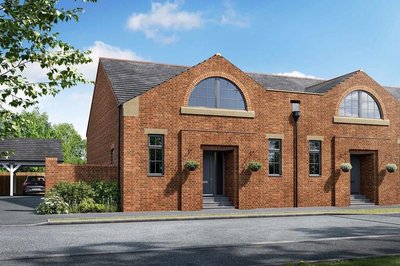
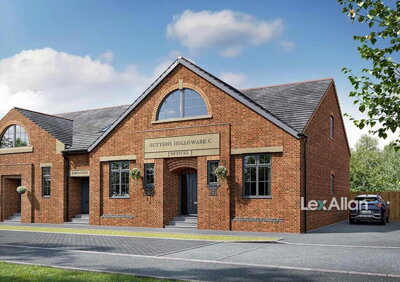
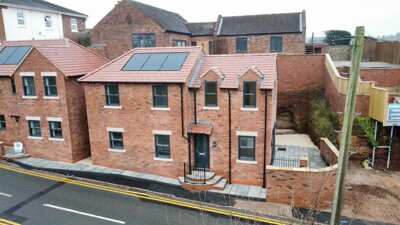
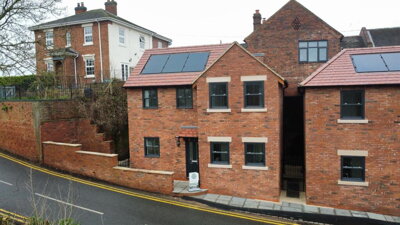
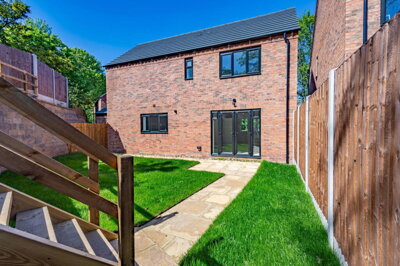
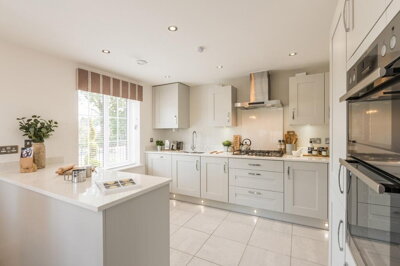
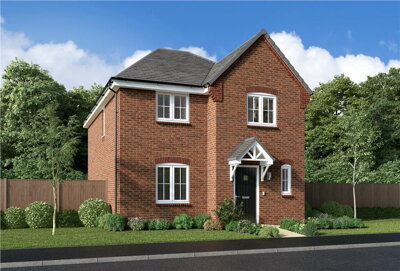
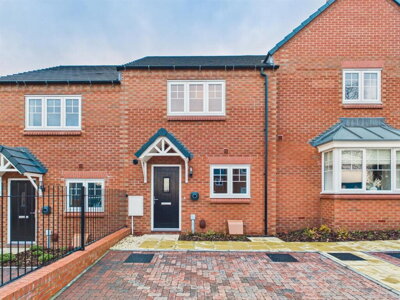
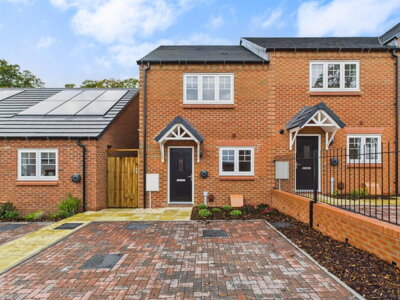
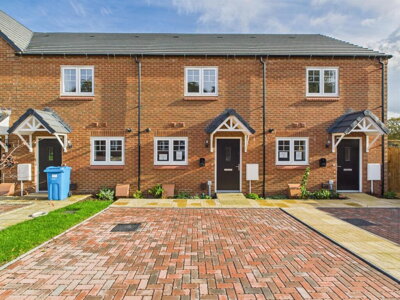
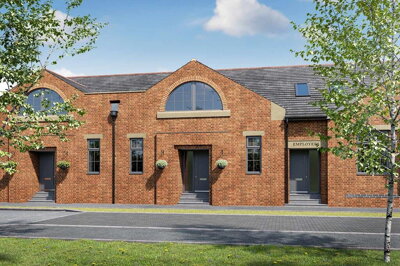
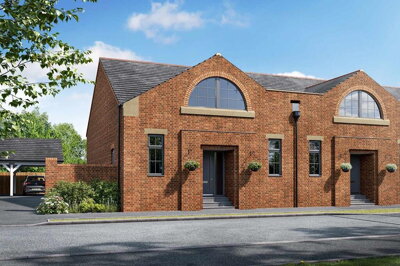
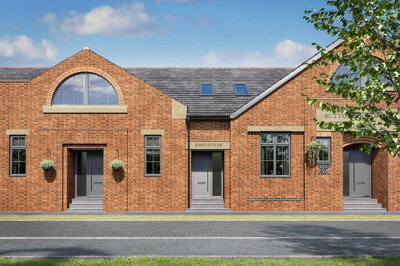
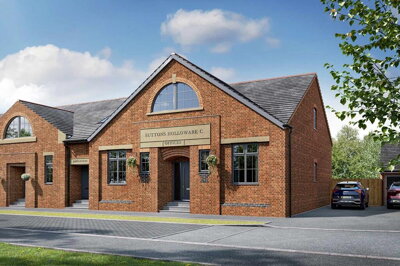
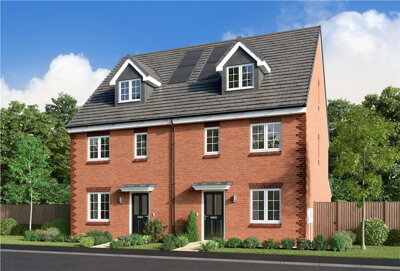
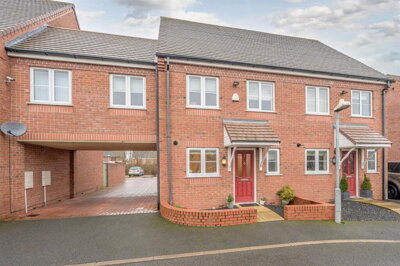
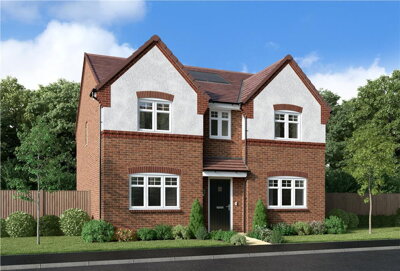
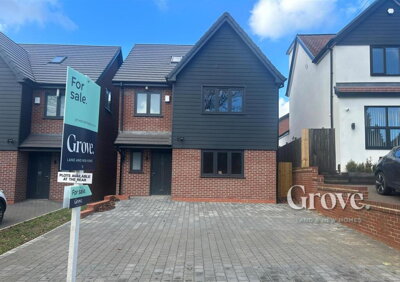
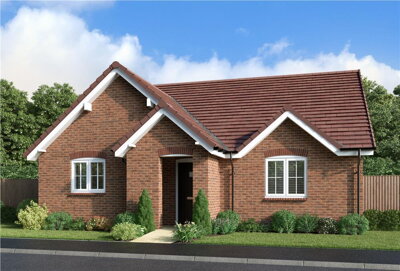
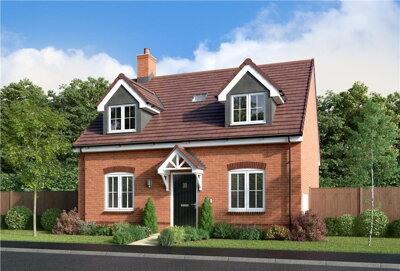
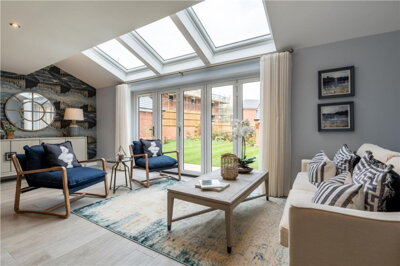
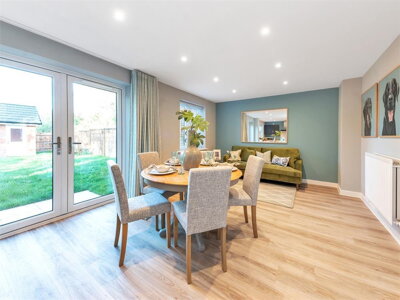
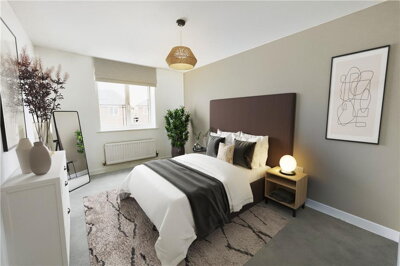
Browse 27 homes new builds in Kinver, South Staffordshire from local developer agents.
£458k
66
0
139
Source: home.co.uk
Source: home.co.uk
Detached
23 listings
Avg £763,646
Semi-Detached
12 listings
Avg £317,404
Semi-Detached Bungalow
7 listings
Avg £335,350
Detached Bungalow
5 listings
Avg £588,000
Terraced
5 listings
Avg £255,250
Apartment
2 listings
Avg £244,975
Cottage
2 listings
Avg £329,975
End of Terrace
2 listings
Avg £195,313
House
2 listings
Avg £637,500
Barn
1 listings
Avg £1.35M
Source: home.co.uk
Source: home.co.uk
£468,250
Average Sold Price
+3%
12-Month Price Change
£501,143
Peak Price 2023
£603,250
Detached Average
£400,750
Semi-Detached Average
48
Grade II Listed Buildings
The Austwick property market has demonstrated remarkable resilience despite broader national fluctuations. Over the past year, the average property price reached £468,250, representing a 3% increase on the previous year. However, prices remain 7% below the 2023 peak of £501,143, creating a favourable window for buyers seeking to enter this prestigious rural market. The market benefits from limited supply, with traditional stone properties rarely coming to market, which helps support values even during periods of broader economic uncertainty.
Property prices in Austwick vary significantly by type, reflecting the diverse housing stock available. Detached properties command the highest average prices at £603,250, appealing to families seeking generous space and gardens in an idyllic setting. Semi-detached homes average £400,750, offering excellent value for buyers looking for period character at a more accessible price point. Terraced properties, including charming stone cottages, have sold for amounts around £300,000 in recent transactions, demonstrating the range of entry points into this desirable village community.
New development in Austwick remains constrained by National Park planning policies. While planning permissions exist for sites including the Venturi Homes development off Pant Lane and the amended scheme at the former MOT Centre on Town Head, the pace of new construction is slow. This controlled supply, combined with consistent demand from buyers seeking rural lifestyles, underpins the long-term stability of Austwick property values. Properties in the village benefit from the protection afforded by its conservation area status and the 48 Grade II listed buildings that define the traditional character.
The majority of properties sold in Austwick over recent months have been semi-detached homes, followed by detached properties, reflecting the village's traditional housing stock. Given the prevalence of older construction and the National Park setting, buyers should expect a market where properties in good condition command premiums, and where character properties with sensitive modernisations are particularly sought after.
Austwick is a small civil parish with a population of approximately 525 residents, creating an intimate village atmosphere where neighbours know one another and community spirit thrives. The village sits within a limestone landscape shaped by millennia of geological processes, with Austwick Beck meandering through the heart of the settlement. The surrounding countryside offers breathtaking walks, with ancient clapper bridges constructed from local limestone flags providing picturesque crossing points over the beck. The Yorkshire Dales National Park designation ensures the area's natural beauty is protected for future generations.
The village centre features a traditional public house, the Game Cock Inn, which has served locals and visitors for centuries and remains a focal point for community gatherings. A historic market cross and the Church of the Epiphany add to Austwick's quintessential Dales village character. The local economy is shaped by agriculture and tourism, with many residents working in the surrounding national park or commuting to nearby Settle or Lancaster. The village benefits from an active community association, regular events, and strong social networks that make newcomers feel genuinely welcome.
Austwick's limestone geology influences both the built environment and the landscape. The use of local limestone flags in traditional buildings and the ancient clapper bridges over Austwick Beck demonstrates how local materials have shaped the village's distinctive character. Walking routes from the village extend across the limestone pavements and pastures of the Dales, with destinations including the White Scar Caves and the Three Peaks of Pen-y-ghent, Whernside, and Ingleborough accessible as day walks. This exceptional countryside access is a major factor in the village's appeal to outdoor enthusiasts and those seeking an active rural lifestyle.
For day-to-day amenities, residents rely on surrounding market towns. Settle, approximately 6 miles distant, provides a doctors surgery, dentist, veterinary practice, and a good selection of independent shops. The larger town of Lancaster offers comprehensive retail, hospital facilities, and leisure centres. This arrangement is typical of Dales villages, where the compact village centre focuses on community facilities rather than commercial retail.

Families considering a move to Austwick will find a selection of educational options within easy reach. The village is served by local primary schools in surrounding villages, with secondary education available in nearby Settle, approximately 6 miles away. The rural location means school transport arrangements are well established, with dedicated bus services operating for secondary pupils. Parents should research current catchment areas and admission arrangements with North Yorkshire Council, as these can influence school placement.
For those seeking additional educational opportunities, the wider area offers several well-regarded schools. Settle College provides secondary education with a strong local reputation, while further education options are available in Lancaster and Skipton. Private schooling options in the region include institutions in Skipton and further afield in Lancashire. Given the village's small population, prospective parents are advised to check current Ofsted ratings and availability well in advance of any purchase decision, as rural school spaces can be limited.
The primary school serving Austwick typically draws from a catchment spanning several small villages, meaning class sizes are generally smaller than in urban areas. This can offer benefits in terms of individual attention, though parents should verify current arrangements with North Yorkshire Council as school catchments are reviewed periodically. For secondary education, Settle College serves a wide rural area and provides a traditional academic curriculum alongside vocational options. The journey from Austwick to Settle takes approximately 20 minutes by car, with school buses operating on established routes.

Transport connectivity from Austwick combines the tranquility of rural living with practical access to major cities. The nearest railway station is located in Settle, offering connections on the scenic Settle-Carlisle line to Leeds and Carlisle. Journey times to Leeds typically take around 90 minutes, making day trips to the city perfectly feasible. For longer-distance travel, Lancaster provides additional rail options and motorway access to the M6, connecting residents to Manchester, Liverpool, and the national motorway network.
Bus services connect Austwick with surrounding villages and market towns, providing essential transport for those without private vehicles. The village is approximately 15 miles from the M6 motorway at Lancaster, providing straightforward access to the national road network. For commuters working from home, superfast broadband has been rolled out across the village, enabling professional remote working. Cyclists benefit from scenic routes through the Dales, while the landscape offers excellent opportunities for walking and outdoor pursuits without the need for transport.
Those commuting to Leeds for work should factor in the 90-minute train journey from Settle, which operates on a regular schedule though services can be less frequent than on major urban routes. Many Austwick residents who work in professional occupations have embraced hybrid working arrangements, commuting to city offices two or three days per week while working from the village the remainder of the time. The broadband infrastructure supports video conferencing and large file transfers, making this lifestyle practical for a range of occupations. For those considering Austwick as a retirement location, the transport connections provide access to healthcare appointments and family visits without requiring car ownership.
Spend time exploring Austwick at different times of day and week. Visit local amenities, speak to residents, and understand the community atmosphere. Check planning applications with Craven District Council to identify any proposed developments nearby, including the approved Venturi Homes site on Pant Lane and the L Preston and Sons development at Town Head.
Contact a mortgage broker to obtain an agreement in principle before viewing properties. With average prices around £468,250, securing financing for a property in Austwick requires careful financial planning and appropriate mortgage product selection. Rural properties may sometimes require specialist lenders familiar with traditional construction and non-standard properties.
Work with local estate agents to arrange viewings of suitable properties. Given the village's small size, properties may be limited at any one time. View multiple properties to compare condition, character, and value before making an offer. Be prepared to act quickly on desirable properties, as the limited supply means competition can be strong.
For traditional stone properties and listed buildings, a RICS Level 2 or Level 3 survey is essential. These surveys identify common issues in older properties including structural concerns, damp, roof condition, and the condition of period features. Budget approximately £400-600 for a Level 2 survey, with Level 3 surveys ranging from £500-1000 for larger or more complex properties.
Appoint a conveyancing solicitor with experience in rural and listed properties. They will handle searches, check planning permissions, and ensure all legal requirements for the purchase are met, including any restrictions related to conservation areas and listed building status. Specialist solicitors familiar with National Park properties can advise on permitted development rights and renovation constraints.
Once all surveys and searches are satisfactory, your solicitor will exchange contracts and set a completion date. Allow time for moving logistics, as rural locations may require specialist removal services and careful timing coordination. Buildings insurance must be in place from exchange of contracts.
Purchasing property in Austwick requires careful consideration of several village-specific factors. The high proportion of listed buildings means many properties will be subject to conservation area restrictions and listed building consent requirements for any alterations. Prospective buyers should review the extent of listed status with their solicitor and factor potential renovation costs accordingly. Planning restrictions can affect everything from window replacements to extensions, so understanding these constraints before purchase is essential.
The traditional stone construction of most Austwick properties brings specific considerations for buyers. Stone walls with slate roofs are characteristic but require ongoing maintenance, and older properties may lack modern damp-proof courses or cavity insulation. Many properties will have solid walls rather than cavity construction, which affects both thermal performance and moisture management. A thorough building survey is strongly recommended for any property, particularly given the prevalence of centuries-old buildings. Austwick Beck running through the village also warrants investigation regarding flood risk, and buyers should request drainage and flood risk searches during conveyancing.
Energy efficiency deserves particular attention in older stone properties. Many heritage homes will have high heating costs due to solid walls and period features that cannot easily be upgraded. While schemes exist to improve energy efficiency in historic buildings, this process can be complex and expensive. Buyers should request Energy Performance Certificate details and consider the potential costs of improving thermal performance while preserving character. Properties that have undergone sympathetic modernisation with secondary glazing, internal wall insulation, and efficient heating systems will command premiums but offer lower ongoing costs.
The subsidence risk in Austwick, while not historically significant, should be considered given the village's geology. Properties built on limestone can be affected by ground movement, though this is less common than in clay soil areas. Foundations of older properties may be shallow, and any trees or significant vegetation near buildings should be assessed during surveys. Drainage issues can also lead to ground movement, making it important to check that surface and foul water drainage is functioning correctly and that soakaways are not compromised.
Understanding the predominant construction methods in Austwick helps buyers appreciate both the character and the maintenance requirements of village properties. The majority of homes in Austwick are constructed from locally sourced limestone, typically in a traditional rubble stone style with dressed stone quoins and window surrounds. This vernacular building tradition has produced properties of considerable charm, with thick walls typically measuring 450-600mm in depth providing excellent thermal mass but limited insulation value.
Roof construction in Austwick properties is predominantly slate, sourced historically from Welsh quarries or local sources where available. The pitch of traditional roofs reflects the local weather patterns, designed to shed rainfall quickly while accommodating snow load. Roof timbers are generally oak or softwood, with purlins and ridge beams creating the structural framework. Given the age of many properties, roof timbers should be checked for signs of woodworm, wet rot, or dry rot, which can be more prevalent where ventilation has been compromised by modern alterations.
Period features common in Austwick properties include flagstone floors, exposed beam ceilings, multi-pane sash windows, and open fireplaces. Many properties have been sensitively updated to include modern kitchen and bathroom facilities while retaining these features. However, some properties may retain original but failing features such as single-glazed windows, period plumbing, or outdated electrical systems that will require attention. When viewing properties, assess the condition of these features and factor any necessary updates into your budget alongside the purchase price.
The presence of 48 Grade II listed buildings in Austwick means that many properties fall under special planning controls. Listed building consent is required for alterations that might affect the character of the building, internally or externally. This can include replacing windows, altering doors, removing internal features, or undertaking extensions. Buyers considering renovation projects should consult with North Yorkshire National Park Authority before purchase to understand what works may be permissible and what conditions may apply.
The average sold house price in Austwick is currently £468,250 based on transactions over the past year. This represents a 3% increase compared to the previous year. Detached properties average £603,250, semi-detached homes £400,750, and terraced cottages around £300,000. Prices have settled from a 2023 peak of £501,143, creating a relatively favourable buying window in this desirable Yorkshire Dales village. Despite the recent modest correction, Austwick property has historically shown strong long-term appreciation, supported by limited supply and consistent demand.
Properties in Austwick fall under Craven District Council and North Yorkshire Council for council tax purposes. Most traditional stone cottages and period properties in the village typically fall within council tax bands B to D, though specific bands depend on the property's valuation band. The banding reflects the property's rateable value as assessed, with larger detached homes often in higher bands. Prospective buyers should request the council tax band from the seller or check with North Yorkshire Council before completing a purchase.
Austwick itself is a small village, so primary education is accessed through schools in surrounding villages, which are well regarded for their community focus. The nearest primary schools are located in nearby villages within a few miles, serving Austwick families with dedicated school transport. Secondary education is available at Settle College, approximately 6 miles away, which serves a wide rural catchment area including Austwick and surrounding parishes. Parents should verify current catchment boundaries with North Yorkshire Council, as these can affect school placement for families moving to the village.
Austwick is served by local bus services connecting the village to Settle, Giggleswick, and surrounding communities on scheduled routes. The nearest railway station is in Settle, providing access to the scenic Settle-Carlisle line with direct services to Leeds and Carlisle. The train journey to Leeds takes approximately 90 minutes, making day trips feasible for work or leisure. For national rail services and motorway access, Lancaster station offers greater frequency and connections, with the M6 motorway approximately 15 miles west of the village.
Austwick's location on the edge of the Yorkshire Dales National Park, combined with limited property supply and strong demand from buyers seeking rural lifestyles, makes it an attractive investment location. Property values have shown resilience, with prices recovering after the 2023 peak. The village's heritage, with 48 listed buildings, ensures character properties remain highly desirable. New development is strictly controlled by National Park planning policies, which helps maintain property values over time. However, buyers should note that rental demand in the village is likely to be modest given the small population and limited local employment.
Stamp Duty Land Tax applies to all property purchases in England with no SDLT on the first £250,000 of property value. Between £250,001 and £925,000, the rate is 5%. For properties priced between £925,001 and £1.5 million, the rate is 10%, and above £1.5 million it rises to 12%. First-time buyers benefit from relief on the first £425,000, with 5% charged between £425,001 and £625,000. With Austwick's average price around £468,250, most buyers purchasing at this price point would pay SDLT at the 5% rate on the £218,250 above the nil-rate threshold.
While new build development in Austwick is constrained by National Park planning policies, planning permissions do exist for modest schemes. Venturi Homes received approval for 8 dwellings on land off Pant Lane, including affordable housing provision, though the development timeline should be confirmed with the developer. L Preston and Sons have planning permission for 5 dwellings at the former MOT Centre on Town Head, though this application was awaiting final decision as of early 2026. Properties on these sites would represent rare opportunities to purchase new construction in the village.
Austwick Beck runs through the village, and properties near the beck should be subject to appropriate drainage and flood risk enquiries during conveyancing. Surface water flooding can occur in low-lying areas after heavy rainfall, particularly where drainage systems are overwhelmed. The limestone geology of the area can lead to swallow holes and underground drainage channels, meaning water may not always follow expected above-ground routes. A thorough local search and drainage survey will identify any specific flood risk affecting a particular property, and buildings insurance should be arranged from exchange of contracts.
Understanding the full costs of purchasing property in Austwick requires careful budgeting beyond the advertised purchase price. Stamp Duty Land Tax for England applies to all transactions, with standard rates of 0% on the first £250,000, 5% on £250,001 to £925,000, 10% on £925,001 to £1.5 million, and 12% on amounts exceeding £1.5 million. Given Austwick's average property price of £468,250, a typical buyer purchasing at this price would incur SDLT of approximately £10,913 after the nil-rate threshold.
First-time buyers purchasing residential property benefit from increased thresholds, paying 0% on the first £425,000 and 5% on amounts between £425,001 and £625,000. However, no first-time buyer relief applies above £625,000. For a property priced at £468,250, a first-time buyer would pay SDLT of approximately £2,163. Additional purchase costs include solicitor fees, typically ranging from £500 to £1,500 depending on complexity, survey costs of £350-600 for a Level 2 survey, and search fees of around £250-400 for local authority, drainage, and environmental searches.
When budgeting for a move to Austwick, factor in removal costs, which can be higher for rural locations due to distance from major population centres. Buildings insurance must be in place from exchange of contracts, and you should budget for any immediate repairs or improvements identified in surveys. For listed building purchases, factor in potential costs for obtaining any necessary consents and the premium pricing of materials required for period property maintenance. A contingency fund of at least 10% of the purchase price is advisable to cover unexpected costs that frequently arise with traditional stone properties.
For buyers financing their purchase with a mortgage, arrangement fees typically range from £0 to £2,000 depending on the lender and product chosen. Valuation fees are often included but higher value properties may incur additional charges. Broker fees, if applicable, are typically charged as a percentage of the loan amount or a fixed fee. Factor in these costs alongside the purchase price and SDLT when calculating the total budget required for your Austwick property purchase.
From 4.5%
Expert mortgage advice for rural properties including listed buildings
From £499
Specialist solicitors for National Park properties
From £350
Professional survey for conventional properties
From £500
Detailed survey for older and complex properties
Properties New Builds In London

Properties New Builds In Plymouth

Properties New Builds In Liverpool

Properties New Builds In Glasgow

Properties New Builds In Sheffield

Properties New Builds In Edinburgh

Properties New Builds In Coventry

Properties New Builds In Bradford

Properties New Builds In Manchester

Properties New Builds In Birmingham

Properties New Builds In Bristol

Properties New Builds In Oxford

Properties New Builds In Leicester

Properties New Builds In Newcastle

Properties New Builds In Leeds

Properties New Builds In Southampton

Properties New Builds In Cardiff

Properties New Builds In Nottingham

Properties New Builds In Norwich

Properties New Builds In Brighton

Properties New Builds In Derby

Properties New Builds In Portsmouth

Properties New Builds In Northampton

Properties New Builds In Milton Keynes

Properties New Builds In Bournemouth

Properties New Builds In Bolton

Properties New Builds In Swansea

Properties New Builds In Swindon

Properties New Builds In Peterborough

Properties New Builds In Wolverhampton

Enter your details to see if this property is within your budget.
Loans, cards, car finance
Estimated property budget
Borrowing + deposit
You could borrow between
Typical borrowing
Monthly repayment
Est. at 4.5%
Loan-to-value
This is an estimate only. Your actual budget may vary depending on interest rates, credit history, and personal circumstances. For an accurate affordability assessment, speak to one of our free mortgage advisors.
This calculator provides estimates for illustrative purposes only and does not constitute financial advice. Your home may be repossessed if you do not keep up repayments on your mortgage. Estimates based on 4.5% interest rate, repayment mortgage. Actual rates depend on your circumstances.
Homemove is a trading name of HM Haus Group Ltd (Company No. 13873779, registered in England & Wales). Homemove Mortgages Ltd (Company No. 15947693) is an Appointed Representative of TMG Direct Limited, trading as TMG Mortgage Network, which is authorised and regulated by the Financial Conduct Authority (FRN 786245). Homemove Mortgages Ltd is entered on the FCA Register as an Appointed Representative (FRN 1022429). You can check registrations at NewRegister or by calling 0800 111 6768.

We use cookies to show you personalised content and improve your experience of our website. Find out more in our Privacy policy and Cookie policy.