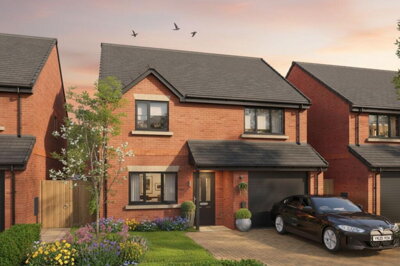
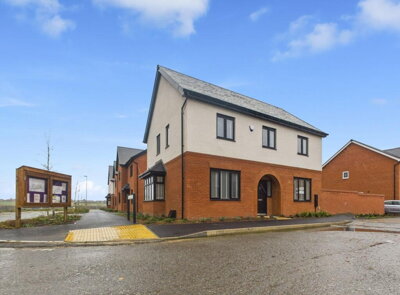
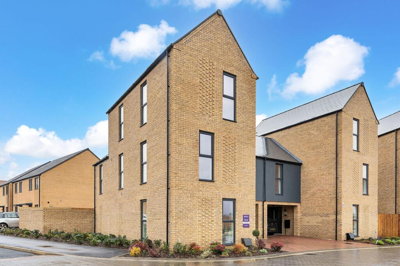
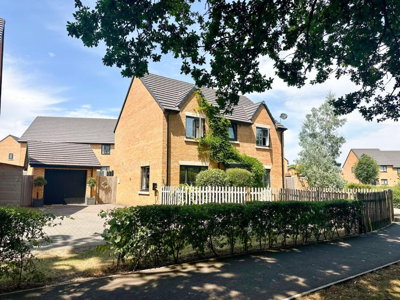
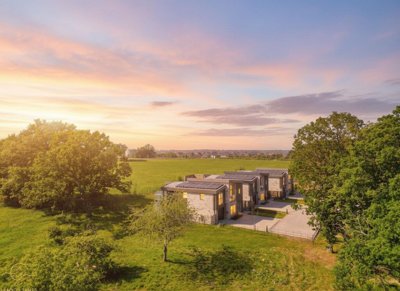
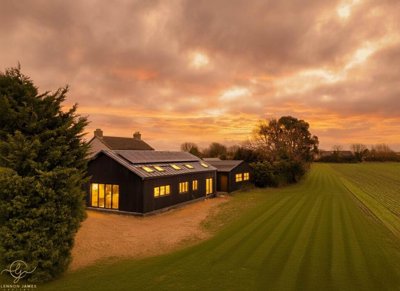
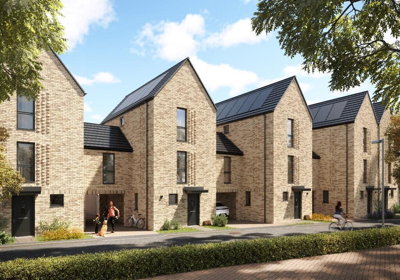
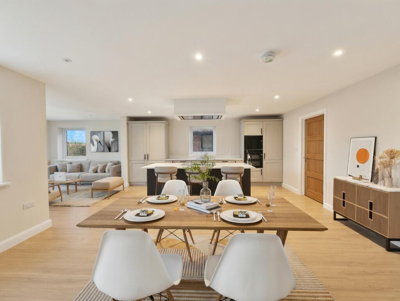
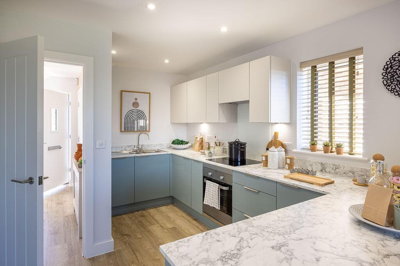
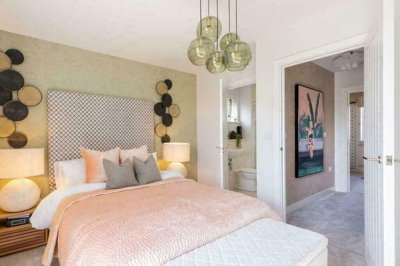
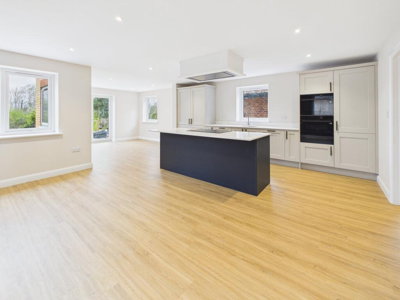
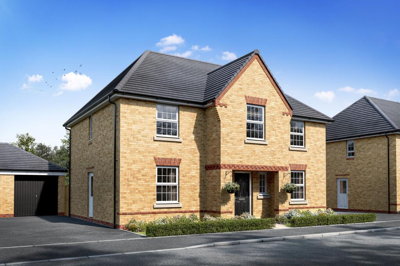
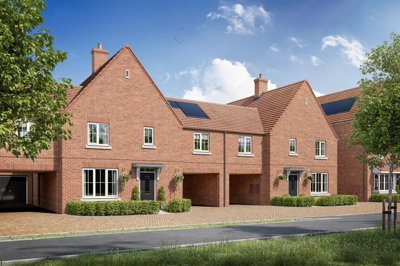
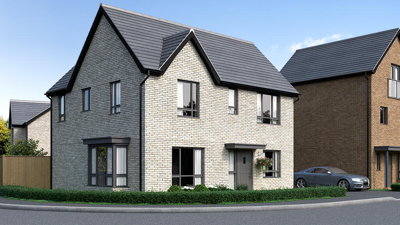
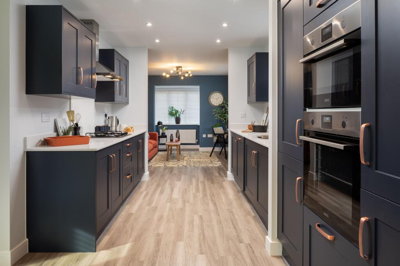
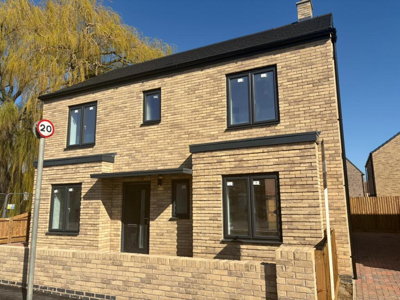
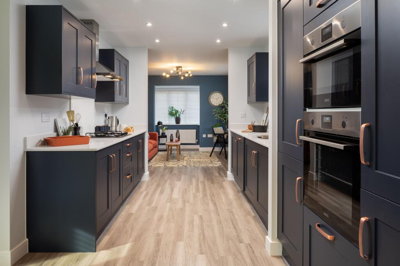
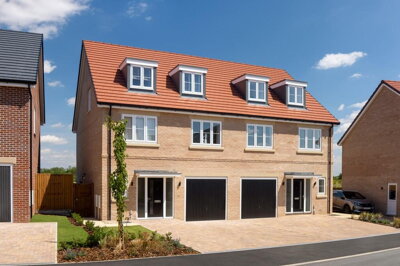
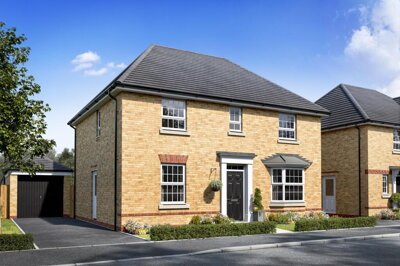
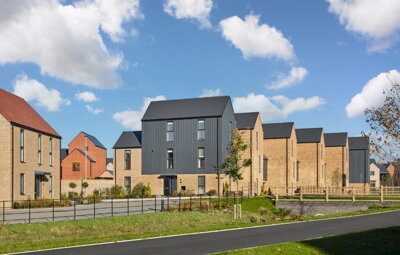
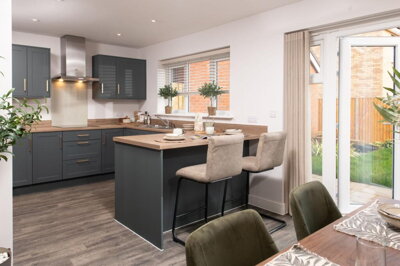
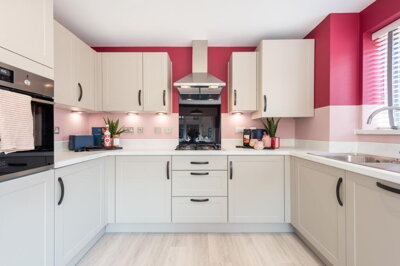
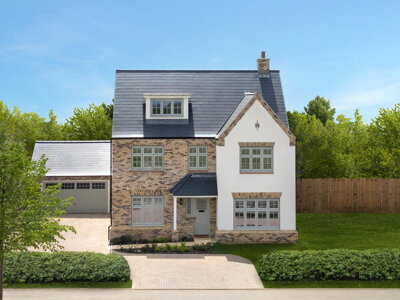
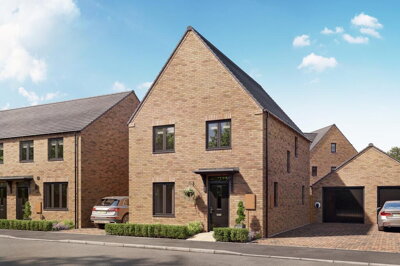
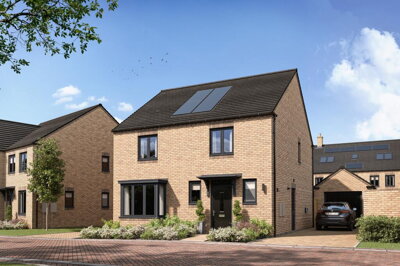
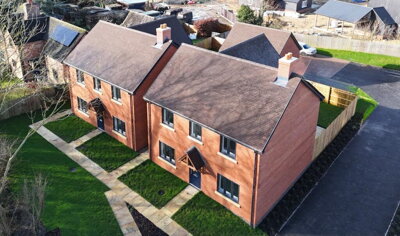
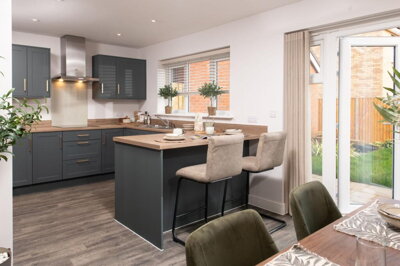
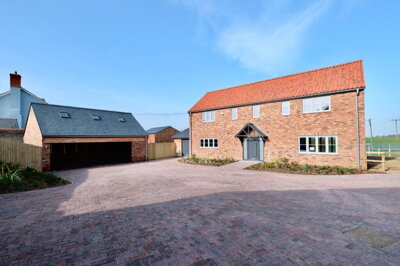
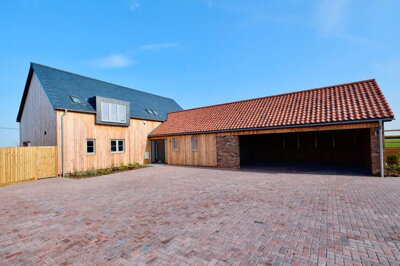
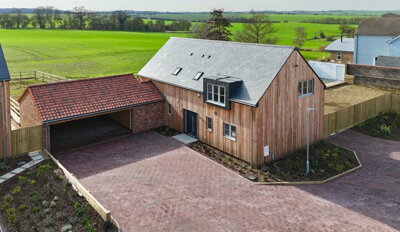
Browse 81 homes new builds in Huntingdonshire, Cambridgeshire from local developer agents.
The larger property sector typically features multiple bathrooms, substantial reception space, and private gardens or off-street parking. Four bedroom houses in Huntingdonshire span detached, semi-detached, and occasionally terraced configurations, with styles ranging from period properties to modern executive homes.
£475k
364
33
100
Source: home.co.uk
Showing 364 results for 4 Bedroom Houses new builds in Huntingdonshire, Cambridgeshire. 33 new listings added this week. The median asking price is £475,000.
Source: home.co.uk
Detached
314 listings
Avg £530,834
Semi-Detached
42 listings
Avg £391,976
Terraced
8 listings
Avg £329,375
Source: home.co.uk
Source: home.co.uk
The Huntingdonshire property market demonstrates healthy growth and diversity, with property types to suit every budget and lifestyle. Detached properties command the highest prices, averaging £488,000, reflecting the strong demand for spacious family homes with gardens in this desirable Cambridgeshire district. Semi-detached homes average £306,000, making them an attractive option for families seeking more room without the premium attached to detached living. Terraced properties, averaging £243,000, offer excellent value for first-time buyers and investors, while flats and maisonettes provide the most affordable entry point at around £151,000. Our listings include properties across all these categories, ensuring you can find the right property type to match your circumstances and aspirations.
Recent market activity shows particular strength in the semi-detached segment, which experienced a 4.4% price increase over the twelve months to December 2025. Flat prices remained relatively stable, while detached properties continued to attract premium pricing due to limited supply. Historical data indicates that sold prices in Huntingdonshire over the last year have been similar to the previous year and approximately 1% below the 2022 peak of £359,917, suggesting a market that has found its equilibrium after the post-pandemic surge. Several new build developments are active within the district, including the substantial Alconbury Weald development near Huntingdon, where Crest Nicholson, David Wilson Homes, and Barratt Homes are constructing two, three, four, and five-bedroom properties. These new homes complement the existing stock and provide opportunities for buyers seeking modern construction and energy efficiency.
Rightmove data for Huntingdon town specifically shows an average price of £360,982 over the last year, with detached properties averaging £495,090, semi-detached at £317,851, and terraced homes at £254,154. Zoopla recorded similar sold prices in Huntingdon town over the twelve months, with detached homes at £471,901, semi-detached at £311,961, terraced at £258,524, and flats at £162,537. These town-specific figures help buyers understand the premium or discount that may apply compared to the wider district average, particularly useful when budgeting for specific property types in specific locations.

Huntingdonshire encompasses a population of 183,700 residents across 75,900 households, creating vibrant communities that balance rural character with modern convenience. The district benefits from excellent road infrastructure, with the A1 running through its western edge and the A14 providing crucial east-west connections to Cambridge and the East Coast ports. Towns like Huntingdon, St Ives, and St Neots serve as local hubs, offering comprehensive shopping facilities, restaurants, and recreational amenities that serve both residents and the surrounding villages. The area attracts a diverse demographic, from young families drawn by good schools and affordable housing compared to Cambridge, to professionals who commute to the city, and retirees seeking a peaceful Cambridgeshire lifestyle with full access to necessary services.
The geology of Huntingdonshire plays a significant role in the character of its housing stock and the lived experience of residents. The district sits largely on clay soils, including Gault Clay and Oxford Clay, particularly in the south and east, which create the fertile agricultural land the region is known for. These underlying clay formations influence local building styles, with traditional properties typically featuring brick construction, often using the distinctive Fletton brick from the Peterborough area. The landscape varies from rolling farmland to the river valleys of the Great Ouse and its tributaries, providing scenic beauty and recreational opportunities including riverside walks, nature reserves, and country parks. Conservation areas throughout the district, including designated areas in Huntingdon, St Ives, St Neots, Godmanchester, Ramsey, Kimbolton, and numerous villages, preserve the architectural heritage and distinctive character of these historic settlements.
The River Great Ouse and its tributaries shape much of the landscape, with towns like Huntingdon, St Ives, St Neots, and Godmanchester all situated along its banks. This riverside setting provides recreational opportunities including rowing clubs, fishing beats, and riverside parks, but also means these towns have areas of historical flood risk that buyers should understand. The district includes RAF Alconbury and RAF Molesworth as significant local employers, contributing to the diverse economic base alongside logistics companies attracted by the strategic road connections, agricultural businesses in the rural areas, and the healthcare and education sectors. For those working in Cambridge's technology and biomedical sectors, Huntingdonshire provides an attractive residential base with manageable commute times, particularly for those able to work from home for part of the week.
Education provision in Huntingdonshire serves families well, with a range of primary and secondary schools across the district that cater to children of all ages and abilities. Primary schools in market towns and larger villages typically offer good standards of education, while secondary education is concentrated in the main towns where schools can draw from wider catchment areas. Parents considering a move to Huntingdonshire will find that school performance data, including Ofsted ratings, should be researched carefully for each specific school, as standards can vary between institutions even within the same town. The district's proximity to Cambridge means that some families also consider schools in the city as options, particularly for secondary education, though this requires careful planning given the distances involved and the availability of school transport.
Several towns within Huntingdonshire offer a good selection of schools within reasonable travelling distance, making the district attractive to families prioritising educational opportunities. Huntingdon itself provides multiple primary and secondary options, while St Ives and St Neots similarly offer comprehensive educational coverage. For families with specific educational preferences, including faith schools, academies, or grammar school options, research into individual school admissions criteria and catchment areas is essential before committing to a property purchase. The presence of good schools throughout the district contributes significantly to property values and demand, with homes in sought-after school catchment areas commanding premiums that reflect the value placed on educational access by buyers with children.
Beyond state education, Huntingdonshire offers access to independent schools in the wider Cambridgeshire area for families considering private education options. The distribution of schools across the district means that most residential areas are within reasonable reach of at least one primary school, though secondary school catchment areas can be larger and may require longer journeys in rural parts. When searching for property in villages, parents should verify school transport arrangements and bus routes, as these can significantly impact daily logistics and family life. School holiday periods can also affect local property demand, with families often timing moves to coincide with academic years or seeking properties that avoid the disruption of changing schools mid-term.

Transport connectivity from Huntingdonshire makes it an attractive location for commuters working in Cambridge, Peterborough, and beyond, with the district benefiting from a strategic position in the heart of Cambridgeshire. Huntingdon railway station provides direct services to London, with journey times to King's Cross taking approximately 90 minutes, making the capital accessible for those who need to commute for work. St Neots station offers similar London connectivity, while the wider area is served by additional railway connections that provide flexibility for residents. The A14 trunk road runs through the district, connecting the East Coast ports with the Midlands via the M1 motorway, and the A1 passes through the western part of Huntingdonshire, providing north-south connectivity to London and the north of England.
Local bus services connect the towns and larger villages within Huntingdonshire, though frequencies and routes are naturally more limited than in major urban areas. Many residents in rural villages rely on car ownership as essential for daily logistics, while towns offer more flexibility with parking provision at shopping centres and town centre car parks. Cycling infrastructure has improved in recent years, with cycle paths connecting towns and providing alternatives for shorter journeys, particularly popular among commuters to local employment sites. The presence of RAF Alconbury and RAF Molesworth as significant local employers provides defence-related commuting patterns, while the broader Cambridge Biomedical Campus and science and technology parks in the wider region draw commuters from throughout Huntingdonshire, reinforcing the district's role as a key residential area for the Cambridge economy.
For those working from home or with flexible arrangements, Huntingdonshire's strategic position offers significant advantages, combining space for home offices with easy access when needed. The improving digital connectivity across the district supports this way of working, though rural areas may still face challenges with broadband speeds that should be checked before purchasing in more isolated locations. The A14 remains the primary artery for road commuters, and journey times to Cambridge can vary significantly depending on time of day and specific destination within the city. Peak hour congestion on the A14 is well documented, and those considering commuting by road should factor this into their property search, potentially prioritising locations closer to the A141 or other routes that avoid the worst bottlenecks.
Before beginning your property search in Huntingdonshire, research the local market thoroughly and establish a realistic budget. Consider the full range of property types available, from terraced homes at around £243,000 to detached family houses at £488,000, and factor in additional costs including stamp duty, solicitor fees, surveys, and moving expenses. Getting a mortgage agreement in principle before viewing properties demonstrates your seriousness to estate agents and gives you a clear understanding of what you can afford. Use our platform to compare prices across different towns and property types, noting that Huntingdon town averages differ slightly from the wider district figures.
Register your interest with multiple estate agents active in Huntingdonshire, including those with offices in Huntingdon, St Ives, and St Neots. Arrange viewings of properties that match your criteria, taking time to assess not only the property itself but also the surrounding neighbourhood, local amenities, and commuting options. Keep notes during viewings to help compare properties later and maintain a clear perspective on what makes each property suitable or unsuitable for your needs. When viewing period properties in conservation areas, ask about any planned works or known issues with the property.
Once you have had an offer accepted, arrange a RICS Level 2 Homebuyer Report survey to assess the condition of the property you are purchasing. Given that Huntingdonshire has extensive clay geology that can cause subsidence issues, and many older properties that may have structural concerns, a thorough survey is particularly valuable in this area. The survey will identify any defects that may require attention or negotiation with the seller before completion, potentially saving you significant expense and stress. For older properties or those showing signs of movement, a RICS Level 3 Building Survey may be more appropriate for a more comprehensive assessment.
Choose a conveyancing solicitor to handle the legal aspects of your purchase, including local searches with Huntingdonshire District Council, title checks, and the preparation of contracts. Your solicitor will liaise with the seller's legal representatives, coordinate with your mortgage lender, and ensure that all necessary documentation is in order. Conveyancing in Huntingdonshire follows standard English property law, though your solicitor should be aware of any local factors such as conservation area restrictions or flood risk designations that may affect the property. Local searches typically take two to three weeks but may take longer if the Local Authority is experiencing delays.
Once all surveys, searches, and legal checks are satisfactory, you will exchange contracts with the seller and pay your deposit, typically 10% of the purchase price. The completion date will be set, usually a few weeks after exchange, during which time your solicitor will register your ownership with the Land Registry and arrange for the remaining funds to be transferred to the seller's solicitors. On completion day, you will receive the keys to your new Huntingdonshire home and can begin moving in and settling into your new community. We recommend arranging buildings insurance to be in place from the date of exchange, as you become legally responsible for the property at that point.
Property buyers in Huntingdonshire should be aware of several area-specific factors that can affect their purchase, from geological considerations to planning restrictions that are common across the district. The prevalence of clay soils throughout much of Huntingdonshire, particularly the Gault and Oxford Clay formations, creates a shrink-swell risk that can lead to subsidence or structural movement in properties with shallow foundations. Signs of subsidence, including cracking to walls, doors or windows that stick, and uneven floors, should be investigated thoroughly before purchase. A RICS Level 2 survey is strongly recommended for any property, but becomes especially important when purchasing an older home in an area where clay-related ground movement has historically affected properties. Properties built before the 1970s may have foundations that do not meet modern standards for depth in clay soils, making professional assessment particularly valuable.
Flood risk is another consideration for buyers, as several towns and villages in Huntingdonshire sit on the floodplains of the River Great Ouse and its tributaries. Huntingdon, St Ives, St Neots, and Godmanchester all have historical areas of flood risk that buyers should understand before committing to a purchase. Properties in designated flood risk areas may face higher insurance premiums and may be subject to restrictions on development or insurance coverage. Surface water flooding, which occurs when drainage systems are overwhelmed during heavy rainfall, is also a concern across the district and should be considered alongside fluvial flood risk when evaluating any property. The Environment Agency provides detailed flood maps that can help identify specific risk levels for individual properties, and these should be checked as part of your due diligence.
The extensive conservation areas and listed buildings throughout Huntingdonshire add character to the district but also bring planning considerations that buyers must understand. Properties within conservation areas are subject to stricter planning controls that may restrict extensions, alterations, or even external changes like window replacements or roof alterations. Listed buildings, which include many properties from medieval through to Victorian eras, require Listed Building Consent for any alterations that would affect their special character, a more stringent process than standard planning permission. If you are considering a period property or a home in a conservation area, factor in the additional time and potential costs associated with obtaining necessary consents before undertaking any work. The Cambridgeshire Historic Buildings Team can provide guidance on works to listed buildings, and early engagement with the planning authority is advisable.
Older properties in Huntingdonshire commonly feature traditional construction methods that differ significantly from modern standards, including shallower foundations, solid walls rather than cavity walls, and older electrical and plumbing systems. Properties built before the 1980s frequently require updating of electrical systems to meet current requirements, and this should be factored into renovation budgets when purchasing older stock. Timber-framed elements in older properties may be susceptible to rot or woodworm, particularly where dampness has been an issue, and a thorough survey should assess these elements carefully. The use of Fletton brick in many local properties gives them their distinctive character, but this brick type can be more porous than modern alternatives and may require repointing or other maintenance over time.
The average house price in Huntingdonshire was £311,000 in December 2025, according to provisional Land Registry data. This represents a 3.3% increase over the previous year, outpacing the wider East of England regional average of 1.5%. Property prices vary significantly by type, with detached homes averaging £488,000, semi-detached properties at £306,000, terraced homes at £243,000, and flats at £151,000. The Rightmove average for the area stands slightly higher at £355,187, reflecting recent listing prices rather than completed sales, while Zoopla data for Huntingdon town specifically shows an average sold price of £350,091 over the last twelve months.
Council tax bands in Huntingdonshire are set by Huntingdonshire District Council and follow the national system from Band A through to Band H. The specific band for any property depends on its assessed value as of April 1991, with bands ranging from Band A (properties valued up to £40,000) to Band H (properties valued over £320,000). You can check the council tax band for any specific property through the Valuation Office Agency website, and the associated annual charges through Huntingdonshire District Council's website. Properties in higher bands pay more council tax, which is a recurring cost to factor into your budget when buying in the area. Council tax rates in Huntingdonshire are comparable to surrounding Cambridgeshire districts, though specific charges vary depending on the banding and any applicable discounts.
Huntingdonshire offers a good selection of primary and secondary schools across its towns and larger villages, though school performance varies and parents should research individual schools and their Ofsted ratings before buying. The main towns of Huntingdon, St Ives, and St Neots provide the widest choice of schools at both primary and secondary level, with catchment areas that can influence property desirability in surrounding streets. Parents should verify current school performance data, catchment areas, and admissions policies directly with the schools or through official government databases like theDfE school finder, as this information changes regularly and is crucial for families with school-age children. Properties in popular school catchment areas in towns like Huntingdon and St Ives often command premiums that reflect the demand for access to good schools.
Huntingdonshire is reasonably well connected by public transport, with railway stations at Huntingdon and St Neots providing direct services to London King's Cross with journey times of approximately 90 minutes. Bus services operate throughout the district, connecting towns and villages, though frequencies in rural areas may be limited compared to urban locations. The A14 provides major road connections east-west through the district, while the A1 passes through the western edge. For commuters to Cambridge, road connections via the A14 are the primary option, with journey times varying depending on traffic conditions and your specific location within the district, typically ranging from 30 to 60 minutes depending on destination and time of travel.
Huntingdonshire has historically shown steady property price growth and benefits from its proximity to Cambridge, one of the UK's most successful economic areas. The district's status as a commuter belt for Cambridge, combined with ongoing new build developments like Alconbury Weald, maintains demand for housing from a variety of buyers. The recent 3.3% annual price increase, while modest by historical standards, demonstrates a stable market rather than the volatility seen in some other areas. For landlords, the mix of young professionals, families, and commuters creates demand for rental property, though specific investment returns will depend on property type, location, and prevailing rental market conditions. The presence of RAF Alconbury and RAF Molesworth also creates a tenant base associated with military postings, which can provide steady rental demand in certain locations.
Stamp Duty Land Tax rates from April 2025 apply to all property purchases in Huntingdonshire and the rest of England. The standard rates are 0% on the first £250,000 of the purchase price, 5% on the portion from £250,001 to £925,000, 10% on the portion from £925,001 to £1.5 million, and 12% on any amount above £1.5 million. First-time buyers who have never owned property before may qualify for relief, paying 0% on the first £425,000 and 5% on the portion from £425,001 to £625,000, with no relief available above £625,000. Your solicitor will calculate and submit the SDLT return as part of the conveyancing process. For a typical property in Huntingdonshire at the current average price of £311,000, a standard buyer would pay SDLT of £3,050.
The main risks when buying older properties in Huntingdonshire include subsidence related to clay soils, which are prevalent throughout much of the district, as well as damp issues in solid-walled properties and outdated electrical systems in pre-1980s construction. Properties in conservation areas or listed buildings face additional constraints on alterations and renovations that can affect future plans. Our inspectors regularly see properties affected by these issues, particularly in areas with historical mining or where foundations may not be deep enough for modern standards. A thorough RICS Level 2 or Level 3 survey is essential for older properties to identify these issues before completion, allowing you to renegotiate or budget for necessary works.
Several new build developments are active in Huntingdonshire, with the most significant being Alconbury Weald near Huntingdon, where Crest Nicholson, David Wilson Homes, and Barratt Homes are constructing two, three, four, and five-bedroom homes. Other developments include Romans Edge in Godmanchester and various sites in St Ives. New build properties offer advantages including modern construction standards, energy efficiency, and typically lower maintenance requirements in the early years, though they may command premiums over equivalent older properties. Buyers should factor in the additional costs of fittings and furnishings that may not be included in the purchase price when comparing new build costs with second-hand alternatives.
From £400
A detailed inspection of the property condition, ideal for most properties in Huntingdonshire including those at risk from clay subsidence
From £499
Legal services for your property purchase including local searches with Huntingdonshire District Council
From 3.79%
Competitive mortgage rates available for Huntingdonshire property purchases
From £80
Energy Performance Certificate required for all property sales
Understanding the full costs of buying a property in Huntingdonshire is essential for budgeting accurately, as the purchase price represents just one element of your total expenditure. Stamp Duty Land Tax applies to all purchases above £250,000 at standard rates, with the amount calculated on a sliding scale that increases with the property price. For a typical property in Huntingdonshire at the current average price of £311,000, a standard buyer would pay SDLT of £3,050, calculated as 0% on the first £250,000 and 5% on the remaining £61,000. First-time buyers may benefit from relief that raises the zero-rate threshold to £425,000, potentially reducing or eliminating SDLT for eligible purchasers of properties within that price range.
Beyond stamp duty, buyers should budget for solicitor conveyancing fees, which typically range from £500 to £2,000 depending on the complexity of the transaction and whether the property is freehold or leasehold. Local searches with Huntingdonshire District Council form part of the standard conveyancing process and incur additional costs, typically £200 to £400. A mortgage arrangement fee may apply if you are using a lender that charges upfront fees for arranging your mortgage, though many buyers opt for fee-free products. Survey costs should also be factored in, with a RICS Level 2 Homebuyer Report typically costing between £400 and £1,000 depending on the property value and size. Removal costs, potential estate agent fees if you are selling simultaneously, and disconnecting or reconnecting utilities all add to the total cost of moving.
For those purchasing a property in Huntingdonshire with a mortgage, the deposit required will typically be between 5% and 25% of the purchase price, depending on your mortgage product and lender requirements. With an average property price of £311,000, a 10% deposit would be £31,100, with the remaining £279,900 financed through your mortgage. Buyers should also consider the costs of furnishing and any immediate repairs or improvements needed once you take ownership. Setting aside a contingency fund equivalent to at least 5% of the purchase price is prudent for covering unexpected costs that may arise during the buying process or immediately after moving in, particularly given the age of many properties in this part of Cambridgeshire where hidden defects are more common. Our experience shows that buyers who budget conservatively for additional costs are better prepared for the realities of property purchase in this area.
Properties New Builds In London

Properties New Builds In Plymouth

Properties New Builds In Liverpool

Properties New Builds In Glasgow

Properties New Builds In Sheffield

Properties New Builds In Edinburgh

Properties New Builds In Coventry

Properties New Builds In Bradford

Properties New Builds In Manchester

Properties New Builds In Birmingham

Properties New Builds In Bristol

Properties New Builds In Oxford

Properties New Builds In Leicester

Properties New Builds In Newcastle

Properties New Builds In Leeds

Properties New Builds In Southampton

Properties New Builds In Cardiff

Properties New Builds In Nottingham

Properties New Builds In Norwich

Properties New Builds In Brighton

Properties New Builds In Derby

Properties New Builds In Portsmouth

Properties New Builds In Northampton

Properties New Builds In Milton Keynes

Properties New Builds In Bournemouth

Properties New Builds In Bolton

Properties New Builds In Swansea

Properties New Builds In Swindon

Properties New Builds In Peterborough

Properties New Builds In Wolverhampton

Enter your details to see if this property is within your budget.
Loans, cards, car finance
Estimated property budget
Borrowing + deposit
You could borrow between
Typical borrowing
Monthly repayment
Est. at 4.5%
Loan-to-value
This is an estimate only. Your actual budget may vary depending on interest rates, credit history, and personal circumstances. For an accurate affordability assessment, speak to one of our free mortgage advisors.
This calculator provides estimates for illustrative purposes only and does not constitute financial advice. Your home may be repossessed if you do not keep up repayments on your mortgage. Estimates based on 4.5% interest rate, repayment mortgage. Actual rates depend on your circumstances.
Homemove is a trading name of HM Haus Group Ltd (Company No. 13873779, registered in England & Wales). Homemove Mortgages Ltd (Company No. 15947693) is an Appointed Representative of TMG Direct Limited, trading as TMG Mortgage Network, which is authorised and regulated by the Financial Conduct Authority (FRN 786245). Homemove Mortgages Ltd is entered on the FCA Register as an Appointed Representative (FRN 1022429). You can check registrations at NewRegister or by calling 0800 111 6768.

We use cookies to show you personalised content and improve your experience of our website. Find out more in our Privacy policy and Cookie policy.