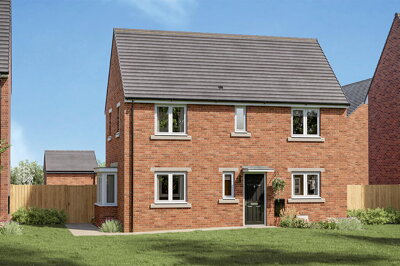
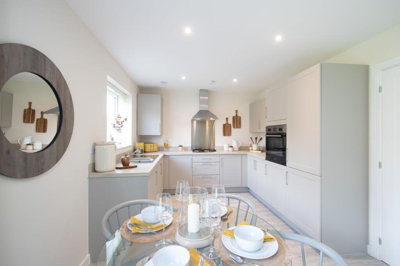
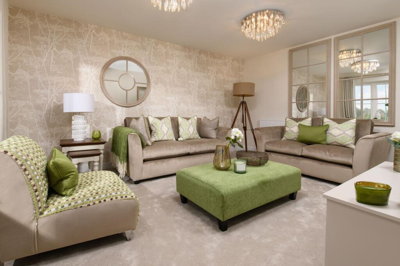
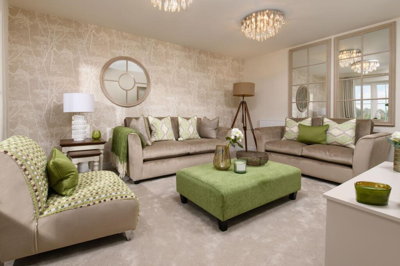
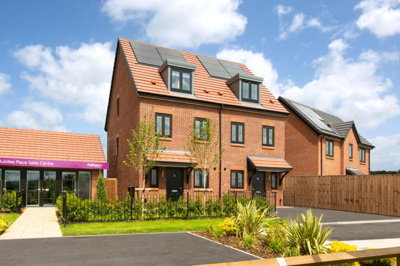
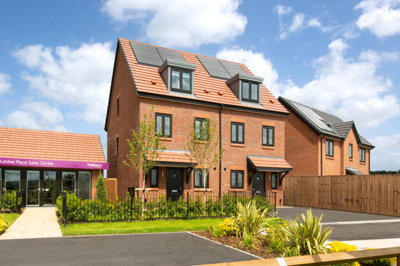
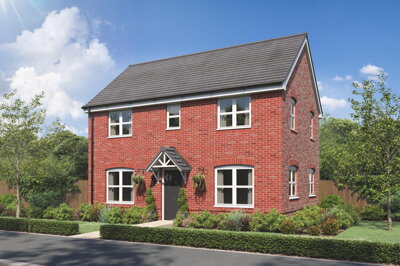
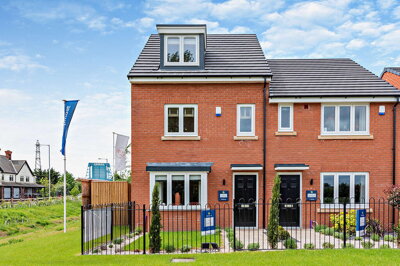
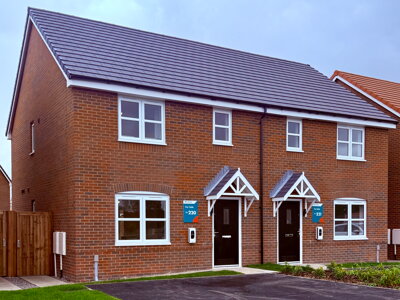
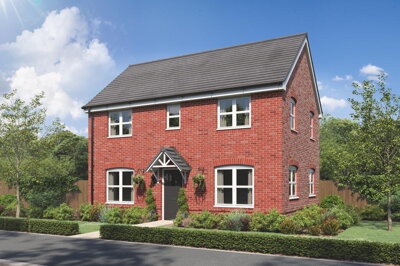
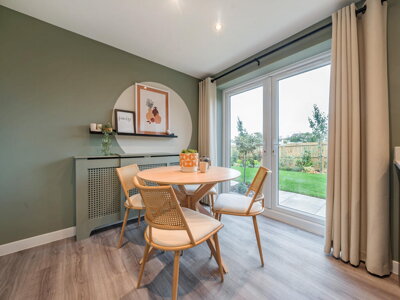
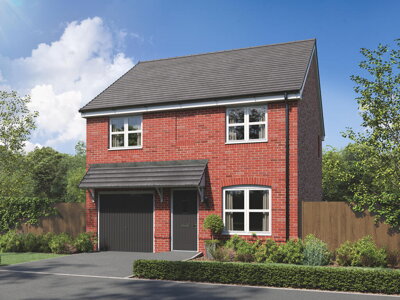
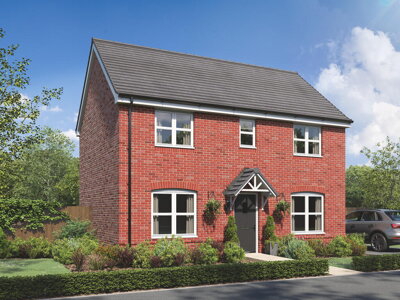
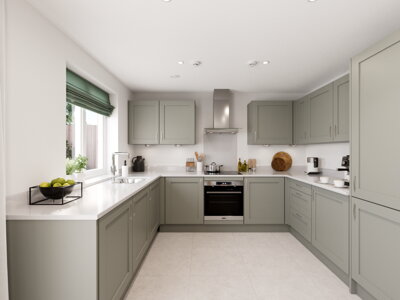
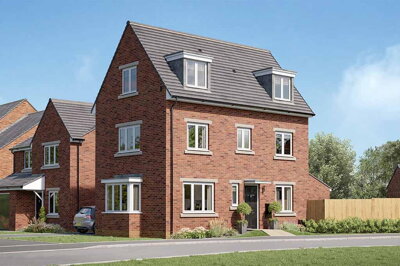
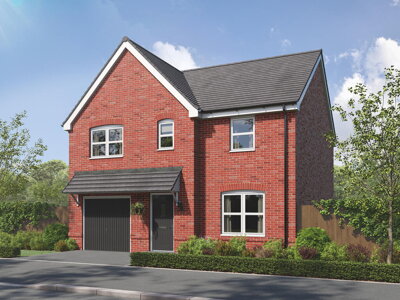
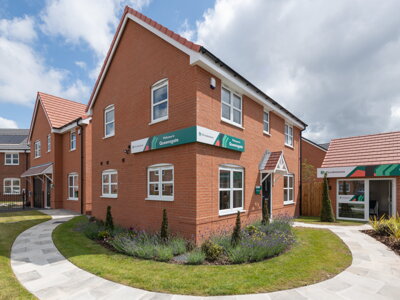
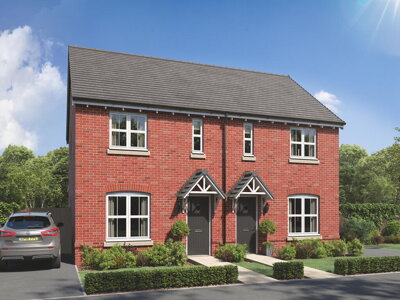
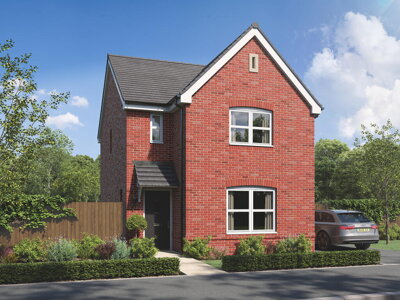
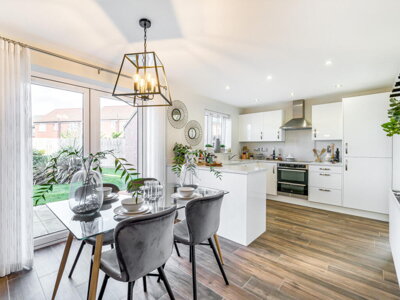
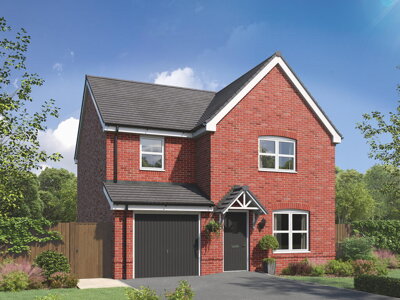
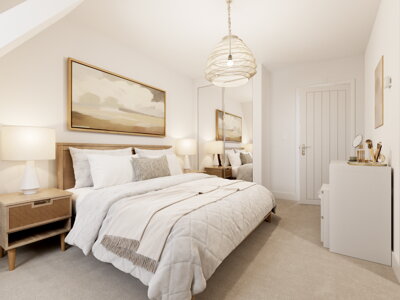
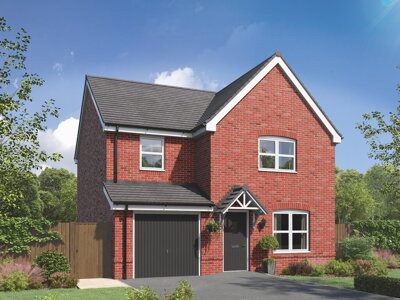
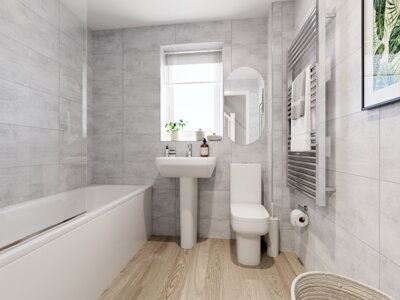
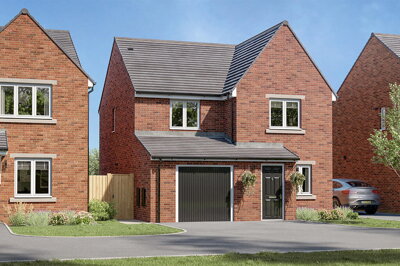
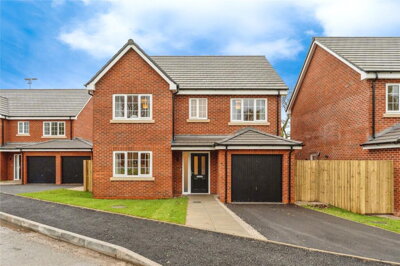
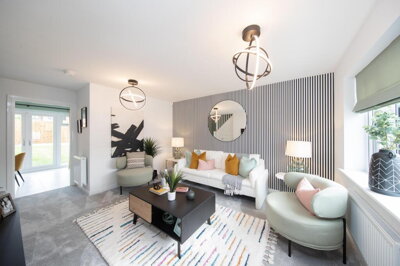
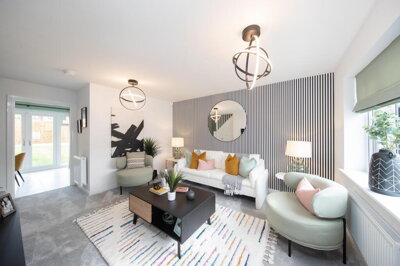
Browse 40 homes new builds in Hawarden, Flintshire from local developer agents.
The Hawarden property market offers detached, semi-detached, and terraced houses spanning various price ranges and neighbourhoods. Each listing includes detailed property information, photographs, and direct contact with the marketing agent.
£325k
41
0
144
Source: home.co.uk
Showing 41 results for Houses new builds in Hawarden, Flintshire. The median asking price is £325,000.
Source: home.co.uk
Detached
25 listings
Avg £421,998
Semi-Detached
12 listings
Avg £248,000
Terraced
4 listings
Avg £202,500
Source: home.co.uk
Source: home.co.uk
The Woodhurst property market reflects its status as one of Cambridgeshire's more affordable village locations while still offering strong value for those seeking space and character. Detached properties command an average of around £610,000, while semi-detached homes typically sell for approximately £425,000. For buyers seeking more modest accommodation, two-bedroom houses start from around £260,000, with three-bedroom properties averaging £355,000. Larger family homes with four bedrooms average £542,000, while the most substantial five-bedroom properties reach around £771,000. The variation between property portals reflects the village's diverse housing stock, with Zoopla recording an overall average of £635,000 and Rightmove around £517,500, alongside the lower Hutch average of £459,000 that captures a broader range of property types including smaller dwellings.
Property prices in Woodhurst have demonstrated robust growth, with the market showing a 12% increase over the previous 12 months and a 14% rise compared to the 2022 peak of £453,833. This growth trajectory places the village among the stronger-performing Cambridgeshire market locations, driven by demand from buyers seeking rural lifestyles without sacrificing access to employment centres. The village housing stock is predominantly detached, comprising 55% of properties, with semi-detached homes accounting for 24% and terraced properties making up just 8%. This housing mix creates a village atmosphere characterised by generous plots and a sense of space that newer developments cannot replicate.
The housing stock in Woodhurst includes a notable proportion of older properties, with several buildings dating back to the 12th, 16th, 17th, and 19th centuries. Swan Weir represents the village's oldest surviving house from the late 16th century, while Horseshoe Cottage dates from the 17th century. Few historic houses remain due to significant fires in 1834 and 1877 that destroyed many original structures, yet those buildings that survived provide an authentic sense of historical continuity. For buyers seeking character properties, this mix of historic and modern housing provides genuine choice within the village.
Several new build developments have emerged in neighbouring areas, offering modern specifications and energy-efficient designs to supplement Woodhurst's older housing stock. At Houghton Grange in nearby Houghton, prices range from £500,000 to over £1.2 million for larger homes. Alconbury Weald, one of the more significant developments in the wider area, offers two-bedroom homes from around £332,000, three-bedroom properties from £360,000, four-bedroom houses from £423,000, and substantial five-bedroom options up to £728,000. These developments in surrounding villages give buyers a broader range of options when searching for property in this part of Cambridgeshire.
Woodhurst presents itself as a largely agricultural village where working arable and livestock farms define the surrounding landscape. The parish consists of productive farmland situated on clay-based soils, creating the classic Cambridgeshire countryside that has characterised the region for centuries. This rural setting provides residents with expansive views across open fields, footpaths winding through farmland, and the kind of tranquility that city dwellers often seek when relocating to the countryside.
The village takes considerable pride in its heritage, having been established as a Conservation Area in May 1991 to protect its distinctive character. Several historic buildings contribute to the village's visual appeal, including the Church of St John the Baptist, a Grade II* listed building with origins dating back to the 12th century. This church features pebble rubble construction with freestone and Barnack Stone dressings, along with a characteristic weather-boarded bell turret. Other notable properties include Swan Weir, believed to be the oldest surviving house in the village from the late 16th century, and Harradine House and Farmhouse, both 19th-century Grade II listed buildings featuring characteristic white-washed brick construction. The village has endured significant challenges, including major fires in 1834 and 1877 that destroyed many original structures, yet those buildings that remain provide an authentic sense of historical continuity.
The community atmosphere in Woodhurst centres around its small population of approximately 394 residents across 150 households. This scale creates genuine neighbourliness where residents tend to know one another, and village events foster a strong sense of belonging. The nearby market towns of Huntingdon and St Ives provide access to supermarkets, restaurants, healthcare facilities, and other amenities that complement daily life in this smaller community. Cambridgeshire itself is recognised for its strong and growing knowledge-intensive economy, with particular strengths in life sciences, IT, and high-tech manufacturing centred around Greater Cambridge, providing employment opportunities for those willing to commute.

Understanding the construction materials used in Woodhurst properties helps buyers appreciate the character of homes in this Cambridgeshire village while identifying potential maintenance considerations. The older properties reflect traditional building techniques prevalent in rural Cambridgeshire, with brick and pebble rubble featuring prominently in the village's architectural heritage. The Church of St John the Baptist exemplifies this approach, constructed from pebble rubble with freestone and Barnack Stone dressings - materials sourced locally from the limestone-rich Cambridgeshire region. Weather-boarding, visible on the church's bell turret, represents another traditional construction technique found throughout the village's older buildings.
The 19th-century properties in Woodhurst, including Harradine House and Farmhouse, showcase characteristic white-washed brick construction that remains a defining feature of the village's built environment. This use of local brick, supplemented by the presence of builders' merchants in the wider area specialising in building materials, reflects the practical approach to construction that has served Cambridgeshire villages for generations. For buyers considering older properties, understanding these traditional materials is essential, as conservation area requirements often mandate their use for any repairs or alterations.
Properties in Woodhurst range from historic buildings constructed with traditional lime-based mortars and shallow strip foundations to more recent additions built to modern Building Regulations standards. The clay-based soils that characterise the parish create specific challenges for buildings of all ages, as these soils shrink during dry periods and swell when wet, potentially affecting foundations over time. Properties constructed before the mid-20th century typically feature shallower foundations that may be more susceptible to movement on this type of ground. A thorough RICS Level 2 survey will assess whether appropriate foundation depths were used and whether any movement has occurred that might require attention.
Families considering a move to Woodhurst will find educational provision available within reasonable travelling distance, primarily through primary schools in surrounding villages and the wider Huntingdonshire area. The village's small scale means that younger children typically attend schools in neighbouring communities, with several primary schools serving the surrounding rural area providing education for ages 5 through 11. Parents are advised to research specific catchment areas and admissions criteria when considering properties in Woodhurst, as school places can be competitive in popular villages.
Secondary education is available at schools in nearby market towns, with Huntingdon and St Ives offering a range of options including grammar schools and comprehensive schools serving students aged 11 through 16 or 18. Schools in these larger settlements typically offer broader curricula, specialist facilities, and extracurricular activities that smaller village primary schools cannot provide. For families prioritising educational outcomes, the presence of good secondary schools within a manageable commute significantly influences property values in surrounding villages.
Further education opportunities are readily accessible in Cambridge and Peterborough, both of which offer sixth-form colleges, further education colleges, and access to the University of Cambridge. For families with older children pursuing higher education or vocational qualifications, the proximity of these major educational centres adds significant value to properties throughout Cambridgeshire, including villages like Woodhurst that sit within commuting distance.
Woodhurst benefits from its position within Cambridgeshire that balances rural tranquility with practical connectivity to larger centres. The village sits within the PE28 postcode area, providing access to the major road network that connects Cambridgeshire to London, the Midlands, and East Anglia. The A14 trunk road passes through Huntingdon, providing links to Cambridge approximately 25 miles to the south and Peterborough around 20 miles to the north. This road infrastructure makes regular commuting feasible for those working in these larger centres but preferring village living.
Rail services from nearby stations in Huntingdon and St Ives provide access to London and other major destinations. Huntingdon railway station offers regular services to London King's Cross, with journey times of approximately 50 minutes to an hour, making day commuting to the capital practical for those working in professional or financial services. St Ives railway station, served by the Fen Line, provides additional options for accessing Cambridge and beyond. For residents working in Cambridge itself, the journey by car takes around 40 minutes outside peak hours, while public transport options continue to improve.
Local bus services connect Woodhurst with surrounding villages and market towns, providing essential connectivity for those without private vehicles. The village position within open countryside means that cycling can be a viable option for shorter journeys, with dedicated routes available between some settlements. For international travel, London Stansted Airport and London Luton Airport are both accessible within approximately 90 minutes by car, while Cambridge Airport offers domestic and European flights.

Spend time exploring Woodhurst at different times of day and week to understand the community, local amenities, and neighbourhood dynamics. Visit nearby Huntingdon and St Ives to assess retail, healthcare, and leisure facilities. Review the specific flood risk and ground conditions in Cambridgeshire before committing to a purchase. Given the clay-based soils throughout the parish, understanding local subsidence risks and foundation depths is particularly important for this area.
Before viewing properties, obtain a mortgage agreement in principle from a lender to confirm your budget and demonstrate your seriousness to sellers. Woodhurst's average prices of around £459,000 mean most buyers will require substantial mortgages, with detached properties averaging significantly higher at around £610,000. Our partners can help you compare rates and find the most suitable mortgage product for your circumstances, including options tailored to rural properties and those with land.
Schedule viewings of homes matching your criteria in Woodhurst. Pay attention to property construction given the area's clay soils and potential for subsidence. Check whether properties are freehold or leasehold, and review service charges for any flats. Our estate agent partners can provide detailed information on individual properties, including details about conservation area restrictions for period homes.
Commission a RICS Level 2 survey before completing your purchase to assess the property condition thoroughly. Given the number of older and listed properties in Woodhurst, a comprehensive survey is essential to identify any structural issues, timber defects, or renovation requirements. Properties in conservation areas may require specialist assessments, while those on clay soils should be checked for subsidence-related movement. Our surveyors understand the specific construction methods used in Cambridgeshire properties and can identify defects common to older buildings.
Appoint a conveyancing solicitor to handle the legal aspects of your purchase. Your solicitor will conduct local searches with Huntingdonshire District Council, investigate title deeds, and manage the transfer of funds on completion. We offer conveyancing services through specialist property solicitors at competitive fixed fees.
Once all searches are satisfactory and mortgage offers are confirmed, your solicitor will exchange contracts and agree a completion date. On completion day, you will receive the keys to your new Woodhurst home and can begin settling into this Cambridgeshire village.
Properties in Woodhurst present several common issues that prospective buyers should investigate carefully before committing to a purchase. Given the village's significant stock of older properties, including buildings dating from the 16th through 19th centuries, understanding typical defect patterns helps buyers make informed decisions. Structural issues such as cracks in walls and ceilings, uneven floors, and doors not closing properly often indicate foundation movement, particularly relevant in an area with clay-based soils susceptible to shrink-swell behaviour.
Roofing problems feature prominently in older Cambridgeshire properties, with broken or missing tiles, sagging roof lines, and inadequate insulation representing common defects identified during surveys. The presence of Barnack Stone and freestone in older properties means roof structures may have been constructed using traditional techniques that differ from modern standards. Chimney instability also warrants attention, as these structures often suffer from weathering and mortar deterioration over time. A thorough survey will assess roof condition and identify any remedial work required.
Timber defects, including woodworm and wood-boring beetle infestation, represent particular concerns in older properties with original timber frames or floor joists. The traditional construction methods used in Woodhurst's historic buildings - including weather-boarding and timber elements - mean that thorough timber inspections are essential. Additionally, dampness issues, whether rising damp from inadequate damp-proof courses or water ingress through roofs and walls, commonly affect period properties and can lead to more significant problems if left unaddressed.
Outdated plumbing and electrical systems frequently require updating in older homes, particularly those constructed before modern Building Regulations were introduced. Rewiring and replumbing projects represent significant costs that buyers should factor into their budgets. Our surveyors check these systems as part of a comprehensive assessment, identifying works required to bring properties up to current standards while retaining their character features.
The underlying clay soils throughout the parish create potential for shrink-swell subsidence, where soil contracts during dry periods and expands when wet. This geological characteristic can affect building foundations, particularly in older properties constructed before modern foundation depth standards were established. Cambridgeshire is recognised as having significant shrink-swell clay risk, and this hazard is expected to increase with climate change as weather patterns become more extreme. A thorough RICS Level 2 survey will assess whether any movement has occurred and whether properties have been constructed with appropriate foundations for local ground conditions.
The village's Conservation Area status, established in 1991, brings specific planning controls that affect what owners can do with their properties. Any significant alterations, extensions, or demolitions within the Conservation Area typically require consent from Huntingdonshire District Council. Those purchasing period properties should budget for potential requirements to use traditional materials and techniques when carrying out repairs or improvements, which can increase maintenance costs compared to standard properties. Listed buildings carry additional requirements under the Listed Building Consent regime.
Flood risk deserves consideration despite no specific flood mapping being available for Woodhurst itself. Cambridgeshire has experienced significant flooding events, including surface water flooding in nearby Huntingdon during Storm Henk in January 2024 and river flooding from the River Great Ouse in December 2020. The county's clay soils and low-lying geography create susceptibility to surface water accumulation, particularly during periods of heavy rainfall. Properties on higher ground or with good drainage may present lower risk, but buyers should investigate drainage conditions and consider whether flood insurance is readily available before purchasing.
The mix of freehold houses and potential leasehold flats means buyers should clarify tenure arrangements early in their search. For houses, freehold ownership is standard and provides full control over the property and land. For any flats or apartments, understanding the remaining lease term, annual service charges, and ground rent arrangements is essential. These costs can significantly affect the overall affordability of a property purchase.
Average house prices in Woodhurst vary between property portals, with recent figures showing approximately £459,000 according to Hutch, £517,500 on Rightmove, and £635,000 on Zoopla. Detached properties average £610,000, semi-detached homes around £425,000, and two-bedroom houses from approximately £260,000. Prices have risen 12% over the past year and are 14% above the 2022 peak of £453,833, indicating strong demand for properties in this Cambridgeshire village. First-time buyers and those with smaller budgets may find better value in smaller terraced properties or flats, which can start from around £140,000 for a one-bedroom flat.
Properties in Woodhurst fall under Huntingdonshire District Council's jurisdiction for council tax purposes, with bands ranging from A through H based on property value. Detached family homes typically fall into bands E, F, or G, with annual charges ranging from approximately £1,500 to £2,800 depending on the band and property characteristics. Smaller terraced properties or flats often occupy bands A through D, with annual council tax costs between £1,000 and £1,500. Contact Huntingdonshire District Council directly or check the Valuation Office Agency website to confirm the exact council tax band for any specific property you are considering purchasing.
Woodhurst itself is a small village without a primary school on-site, with children typically attending schools in surrounding villages within the PE28 postcode area. Several primary schools serve the wider rural catchment, providing education for ages 5 through 11. Secondary education is provided in nearby Huntingdon and St Ives, where several schools serve students aged 11-18, including grammar school options for academically selective families. Families should research individual school Ofsted ratings, admissions catchment areas, and transport arrangements when considering properties in Woodhurst, as competition for places can be strong in popular village locations.
Local bus services connect Woodhurst with surrounding villages and market towns, providing essential public transport links for daily travel and school transport. Rail services are available from Huntingdon and St Ives stations, with regular trains to London King's Cross taking approximately 50 minutes to an hour. The village is situated near the A14 trunk road, providing road connections to Cambridge, Peterborough, and the wider national motorway network. For those commuting to Cambridge, the journey takes around 40 minutes by car outside peak hours, while improved public transport options continue to develop for the wider region.
Woodhurst offers several characteristics that make it attractive for property investment. The village has seen price growth of 12% over the past year and 14% above the previous peak, demonstrating sustained demand from buyers seeking rural Cambridgeshire locations. Its position within commuting distance of Cambridge and Huntingdon, combined with rural character and heritage conservation protections, suggests continued appeal for buyers prioritising quality of life. Properties in the Conservation Area with character features may hold particular appeal, though planning restrictions limit development potential which can support values of existing stock.
Stamp Duty Land Tax rates for purchases in England start at 0% on the first £250,000 of property value, rising to 5% on the portion between £250,001 and £925,000. For properties priced between £925,001 and £1.5 million, the rate is 10%, with 12% applying above £1.5 million. First-time buyers benefit from relief on the first £425,000, paying 5% on the portion between £425,001 and £625,000. At Woodhurst's average price of £459,000, a first-time buyer would pay no stamp duty on the first £425,000 and 5% on the remaining £34,000, resulting in liability of approximately £1,700.
Woodhurst has a predominantly detached housing stock, with approximately 55% of properties being detached homes, 24% semi-detached, 8% terraced, and 14% comprising other types including flats. The village contains several historic properties dating back to the 12th, 16th, 17th, and 19th centuries, alongside newer developments offering contemporary construction. This mix provides options ranging from period cottages and farmhouses to modern family homes, with prices spanning from around £140,000 for flats to over £770,000 for substantial five-bedroom properties.
Purchasing a property in Woodhurst involves several costs beyond the purchase price itself, with stamp duty being one of the most significant additional expenses. For a property at the current average price of approximately £459,000, standard buyers pay stamp duty on the portion above £250,000, resulting in a charge of around £10,450. First-time buyers benefit from more generous thresholds, paying nothing on the first £425,000 and 5% on the remaining £34,000, reducing their stamp duty liability to approximately £1,700. Those purchasing buy-to-let properties or second homes pay an additional 3% surcharge on all bands.
Survey costs represent another important consideration, particularly given the age and character of many properties in Woodhurst. A RICS Level 2 Homebuyer Report typically costs between £400 and £600 depending on property size and value, with costs rising for larger homes or those over £500,000 in value. For older properties, listed buildings, or those with apparent structural concerns, a more comprehensive RICS Level 3 Building Survey may be advisable despite the higher cost. These surveys identify defects that could affect value or require remedial work, providing essential negotiating leverage or helping buyers avoid costly purchases.
Legal costs for conveyancing in Woodhurst typically range from £500 to £1,500 depending on the complexity of the transaction and whether the property is freehold or leasehold. Your solicitor will conduct local searches with Huntingdonshire District Council, investigate the title deeds, and manage the contract process through to completion. Additional costs may include mortgage arrangement fees, valuation fees charged by your lender, and search fees for drainage, environmental, and planning history checks. Buildings insurance must be in place from exchange of contracts, and removals costs complete the typical purchase expense list.
Properties New Builds In London

Properties New Builds In Plymouth

Properties New Builds In Liverpool

Properties New Builds In Glasgow

Properties New Builds In Sheffield

Properties New Builds In Edinburgh

Properties New Builds In Coventry

Properties New Builds In Bradford

Properties New Builds In Manchester

Properties New Builds In Birmingham

Properties New Builds In Bristol

Properties New Builds In Oxford

Properties New Builds In Leicester

Properties New Builds In Newcastle

Properties New Builds In Leeds

Properties New Builds In Southampton

Properties New Builds In Cardiff

Properties New Builds In Nottingham

Properties New Builds In Norwich

Properties New Builds In Brighton

Properties New Builds In Derby

Properties New Builds In Portsmouth

Properties New Builds In Northampton

Properties New Builds In Milton Keynes

Properties New Builds In Bournemouth

Properties New Builds In Bolton

Properties New Builds In Swansea

Properties New Builds In Swindon

Properties New Builds In Peterborough

Properties New Builds In Wolverhampton

Enter your details to see if this property is within your budget.
Loans, cards, car finance
Estimated property budget
Borrowing + deposit
You could borrow between
Typical borrowing
Monthly repayment
Est. at 4.5%
Loan-to-value
This is an estimate only. Your actual budget may vary depending on interest rates, credit history, and personal circumstances. For an accurate affordability assessment, speak to one of our free mortgage advisors.
This calculator provides estimates for illustrative purposes only and does not constitute financial advice. Your home may be repossessed if you do not keep up repayments on your mortgage. Estimates based on 4.5% interest rate, repayment mortgage. Actual rates depend on your circumstances.
Homemove is a trading name of HM Haus Group Ltd (Company No. 13873779, registered in England & Wales). Homemove Mortgages Ltd (Company No. 15947693) is an Appointed Representative of TMG Direct Limited, trading as TMG Mortgage Network, which is authorised and regulated by the Financial Conduct Authority (FRN 786245). Homemove Mortgages Ltd is entered on the FCA Register as an Appointed Representative (FRN 1022429). You can check registrations at NewRegister or by calling 0800 111 6768.

We use cookies to show you personalised content and improve your experience of our website. Find out more in our Privacy policy and Cookie policy.