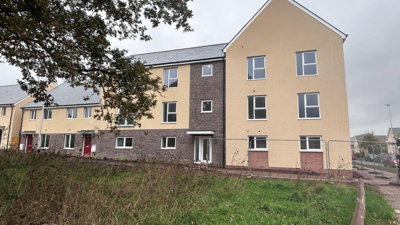
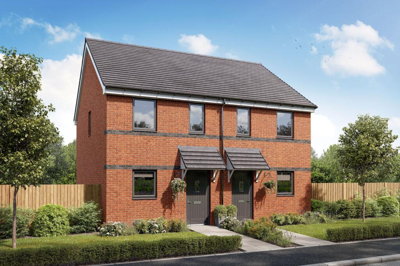
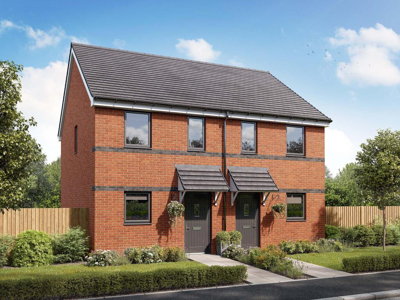
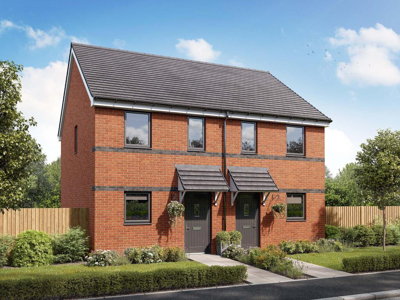
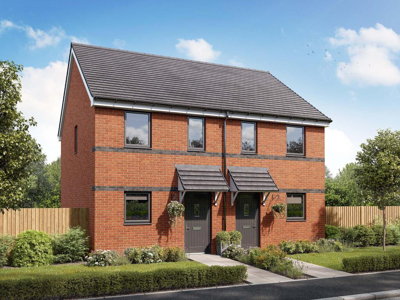
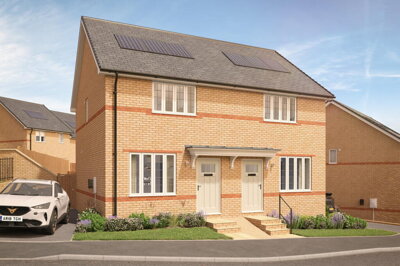
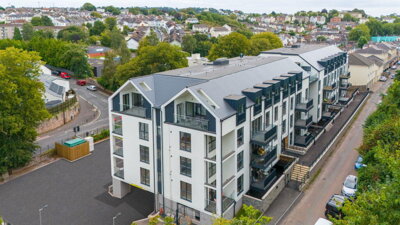
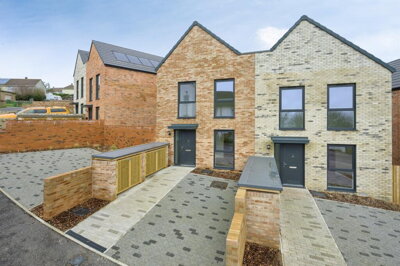
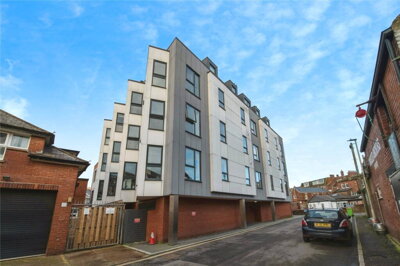
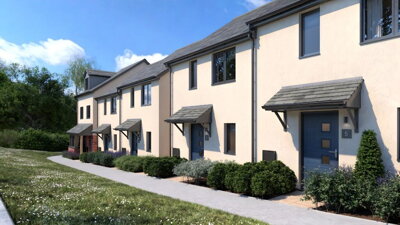
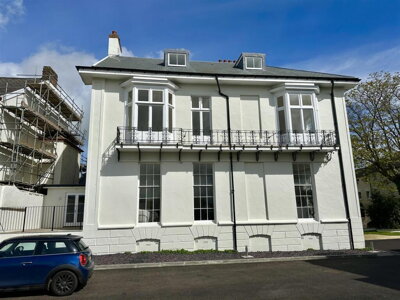
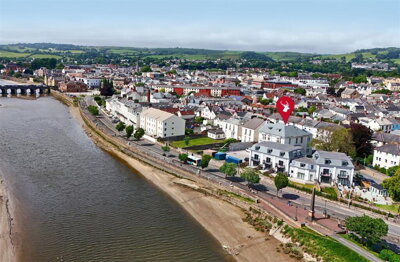
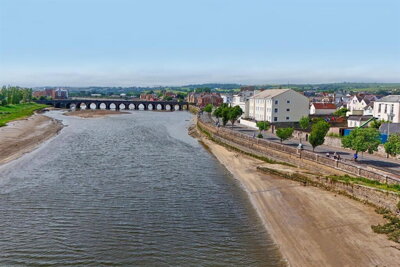
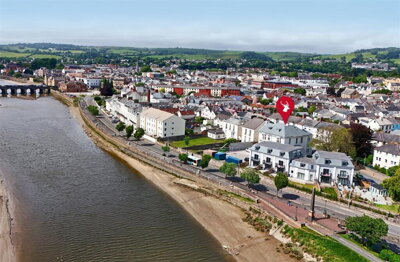
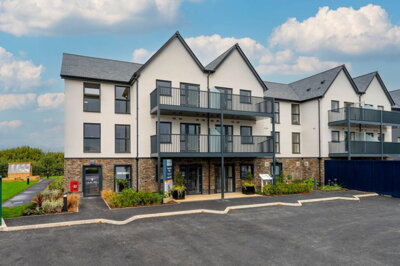
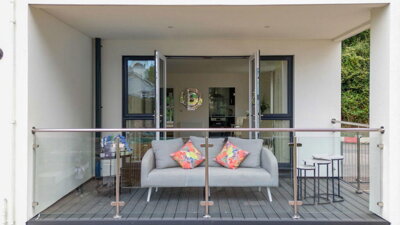
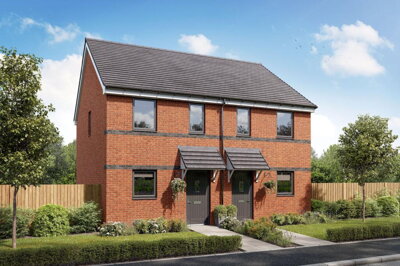
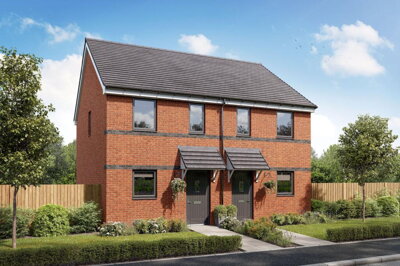
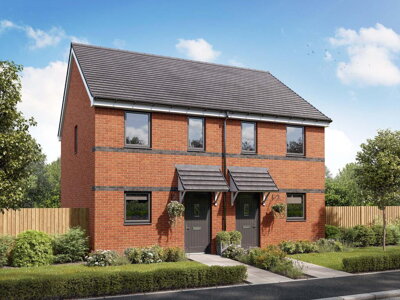
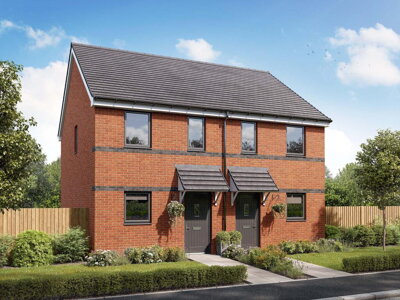
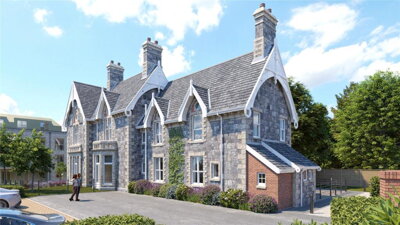
Browse 46 homes new builds in Devon, England from local developer agents.
The 2 bed flat sector typically includes two separate bedrooms, dedicated living areas, and bathroom facilities. Properties in Devon span purpose-built blocks, converted period houses, and modern apartment complexes on various floors.
£185k
562
26
157
Source: home.co.uk
Showing 562 results for 2 Bedroom Flats new builds in Devon, England. 26 new listings added this week. The median asking price is £185,000.
Source: home.co.uk
Flat
562 listings
Avg £206,595
Source: home.co.uk
Source: home.co.uk
The Devon housing market has experienced a modest correction over the past twelve months, with average property prices declining by approximately 2% from the previous year. Our data shows the current average price sits at £324,837, down from the 2023 peak of £339,918, representing a reduction of around £15,000. This price adjustment has created welcome opportunities for buyers seeking value in one of Britain's most desirable counties, with many properties now available at more accessible price points than the recent market high.
Property types in Devon vary significantly depending on location, from affordable flats in town centres to prestigious detached homes in coastal and rural settings. The average detached property commands £468,541, while semi-detached homes average £302,554 and terraced properties around £252,272. Flats remain the most affordable option at an average of £180,313, making them popular choices for first-time buyers and those seeking low-maintenance living in popular towns like Exeter, Torquay, and Plymouth. New build activity remains modest, with only 389 newly built properties sold in the past year, representing just 2.5% of total transactions.
Sales volumes have dropped by around 15.6% compared to the previous year, with approximately 3,100 fewer transactions completed. This reduction in market activity has created more balanced conditions in many areas, giving buyers additional negotiating power compared to the competitive market conditions seen during the pandemic years. Asking prices have also softened by around 2.6% in the past six months, suggesting continued price adjustment as the market finds its equilibrium.

Devon's housing stock reflects centuries of construction history, with properties ranging from medieval thatched cottages to contemporary new builds. The county's geology has shaped its building traditions significantly. Red sandstone from the Permian period dominates many areas around Exeter and the south coast, while Dartmoor granite features prominently in properties throughout the national park and surrounding villages. Carboniferous culm measures, a distinctive type of sedimentary rock, are common in North Devon and influence both the appearance and construction methods of local properties.
Traditional cob construction represents one of Devon's most distinctive building methods. Cob - a mixture of earth, straw, and water - was used extensively for cottages and farmhouses throughout the county from medieval times through to the 19th century. These thick-walled properties offer excellent thermal mass but require specialist maintenance knowledge. Many cob properties in villages like in South Hams or along the Otter Valley have survived for centuries, though deterioration of render and structural movement remain common concerns that surveyors encounter regularly.
Victorian and Edwardian properties form a significant proportion of Devon's urban housing stock, particularly in Exeter, Plymouth, Torquay, and Barnstaple. These terraces and semi-detached houses typically feature solid brick construction, slate roofing, and cast iron detailing. Properties built during these periods often show signs of aging infrastructure, including outdated electrical systems, original plumbing, and rising damp. The inter-war period (1919-1945) brought some suburban development, though this represents a smaller portion of Devon's housing compared to older periods. Post-war construction includes both council housing estates and private developments from the 1950s through to the present day.
Devon offers an extraordinary diversity of lifestyles within a single county, from the vibrant city atmosphere of Exeter and Plymouth to the peaceful isolation of remote moorland villages and unspoiled coastal hamlets. The county's population includes families drawn by excellent schools, professionals seeking better work-life balance, and retirees attracted by the mild climate, stunning scenery, and strong sense of community that defines Devon life. Towns like Totnes, Dartmouth, and Barnstaple retain their historic character while offering modern amenities, creating communities where heritage and contemporary living coexist harmoniously.
The local economy benefits from a healthy mix of industries that provide employment across skill levels and sectors. Tourism remains a cornerstone of Devon's economy, supporting hotels, restaurants, and attractions throughout the county, particularly during the summer months when visitors flock to the Jurassic Coast and Exmoor and Dartmoor National Parks. Agriculture continues to employ significant numbers in rural areas, while the public sector, including the NHS and education, provides stable employment in larger towns. Exeter has emerged as a growing hub for digital and technology businesses, bringing young professionals to the area, while Plymouth's naval base maintains its importance to the local economy and housing market.
The retirement migration pattern that Devon has experienced for decades continues to shape both demographics and housing demand. Properties suitable for retirees - particularly single-storey homes, bungalows, and low-maintenance apartments - command premium prices in desirable locations. This demand also supports a thriving care home sector and associated healthcare employment. The county's growing popularity among remote workers has increased demand for homes with dedicated office spaces and reliable broadband, influencing development patterns and property values in well-connected areas.

Devon provides educational opportunities across all levels, from outstanding primary schools in picturesque villages to highly regarded secondary schools and sixth-form colleges in the major towns. Parents moving to Devon will find a good selection of both state and independent schools, with several grammar schools operating in areas like Torquay and Plymouth for academically selective families. The county's schools consistently perform well in national comparisons, with institutions like Exeter School, The King's School Ottery St Mary, and Colyton Grammar School attracting applications from across the region due to their excellent academic records.
Higher education is well served by the University of Exeter, a respected research university that contributes significantly to the city's economy and cultural life, and the University of Plymouth, which offers vocational and academic courses across many disciplines. Plymouth also hosts the Royal Navy's flagship training establishment, HMS Raleigh, and marine-focused education through the marine school. For families considering private education, Devon offers several preparatory and senior independent schools including Exeter Cathedral School, West Buckland School, and schools in Bideford, providing options for those seeking alternative educational approaches within the county.
Further education colleges across Devon, including Exeter College and Plymouth College of Art, provide vocational pathways and apprenticeship opportunities for young people entering the workforce. The presence of these institutions supports local skill development and provides employers with a trained workforce. For families prioritising educational outcomes, the correlation between school performance data and property prices in school catchment areas remains a significant factor in location decisions throughout the county.
Devon is well connected despite its rural character, with efficient transport networks linking towns to major cities and the rest of the UK. The M5 motorway runs through the eastern edge of the county, providing direct access to Bristol, Birmingham, and the M4 corridor, while Exeter's international airport offers flights to UK destinations, Europe, and beyond. The A38 road provides a vital north-south link through the county, connecting Plymouth to Exeter and the motorway network, making car travel practical for those working in different parts of Devon or commuting to adjacent counties.
Rail services operate from several Devon stations, with Exeter St David's providing regular connections to London Paddington (journey time around 2 hours 20 minutes), Bristol, and cross-country services to Birmingham and the North. Plymouth has direct train services to London Paddington taking approximately 3 hours 20 minutes, while regional services connect coastal towns and villages, though these routes can be slower and less frequent than urban networks. Bus services run throughout the county, with Exeter and Plymouth having the most comprehensive local networks, though rural areas may require car ownership for full convenience.
For those relying on public transport, journey planning requires careful attention to service frequency and timing. The Tarka Line connects Exeter with Barnstaple via crediton and Umberleigh, serving communities in North Devon that are otherwise relatively isolated. The Avocet Line runs from Exeter to Exmouth along the Estuary, a popular route for both commuters and tourists. Coastal bus services provide seasonal connections along the English Riviera, though winter services are reduced significantly compared to summer timetables.
Browse listings on Homemove to understand current prices, property types, and availability across different areas of the county. Devon offers very different markets depending on location, with coastal towns like Torquay commanding different prices than rural villages or city suburbs around Exeter.
Before viewing properties, obtain a mortgage agreement in principle from a lender. This strengthens your position when making offers and demonstrates to sellers that you have financing secured. Devon properties, particularly in popular areas, can attract competitive interest.
Visit properties that match your criteria, paying attention to factors specific to Devon properties such as flood risk in valley locations, coastal erosion near seafront properties, and the maintenance needs of older buildings constructed with traditional materials like cob, stone, or thatch.
Commission a RICS Level 2 Survey to assess the property's condition before committing to purchase. Given Devon's older housing stock and varied geology, surveys are particularly valuable for identifying issues like damp, subsidence risk from clay soils, and roof condition on period properties.
Choose a conveyancing solicitor to handle the legal aspects of your purchase. They will conduct searches on the property, check for planning restrictions common in Devon's numerous conservation areas, and manage the transfer of ownership.
Once all searches are satisfactory and your mortgage is finalised, you will exchange contracts and pay your deposit. Completion typically follows within days or weeks, when you will receive the keys to your new Devon home.
Property buyers in Devon should be aware of several local-specific factors that can affect their purchase and future ownership costs. The county's varied geology creates different foundation challenges depending on location, with clay soils prevalent in many valley areas presenting shrink-swell risks that can cause subsidence, particularly during periods of drought followed by heavy rainfall. Properties on hillsides or near mature trees may face additional structural considerations, making a thorough survey essential before purchasing any property in affected areas.
Devon's extensive coastline means that flood risk affects properties in numerous locations, particularly low-lying areas near rivers like the Exe, Taw, Torridge, Dart, and Teign, as well as coastal towns such as Exmouth, Teignmouth, and Lynmouth. Prospective buyers should check flood risk assessments for specific properties and consider the potential impact on insurance costs and property values. Surface water flooding can also occur in urban areas during intense rainfall events, so understanding the drainage characteristics of a location is important when evaluating a property.
The county's rich architectural heritage means that many properties sit within conservation areas or are listed buildings, bringing additional responsibilities and restrictions. Listed properties require consent for alterations and must adhere to strict maintenance standards using appropriate traditional materials, which can increase ownership costs. Conservation area designation may limit permitted development rights, affecting plans for extensions or outbuildings. Properties in Dartmoor and Exmoor National Parks face additional planning controls designed to protect the landscape, which buyers should understand before committing to a purchase.
Historical mining activity across parts of Devon, particularly around Dartmoor and West Devon where tin, copper, and other minerals were extracted for centuries, can create localised ground stability concerns. Residual mining features including old shafts, adits, and surface workings may affect properties in affected areas. A mining search is typically included in standard conveyancing but buyers with concerns should request additional investigation.
Understanding the full costs of buying property in Devon helps you budget accurately and avoid surprises during the transaction process. Beyond the property purchase price, buyers must account for Stamp Duty Land Tax (SDLT), which applies at rates of 0% on the first £250,000, rising through 5%, 10%, and 12% tiers for higher-value properties. For a typical Devon property at the county average of £324,837, a standard buyer would pay approximately £3,742 in stamp duty under current thresholds, while first-time buyers benefit from relief that increases the nil-rate band to £425,000.
Additional costs include solicitor fees for conveyancing, typically ranging from £500 to £1,500 depending on complexity and whether the property is freehold or leasehold. Property surveys are strongly recommended given Devon's older housing stock, with RICS Level 2 Surveys costing between £350 and £800 depending on property size and value. Local authority searches, which investigate planning history, flood risk, and other local factors relevant to Devon's varied geography, usually cost between £200 and £400. Surveyors will check for issues common in Devon properties including damp in period buildings, roof condition on slate or thatched properties, and potential subsidence in areas with shrink-swell clay soils.
Ongoing costs after purchase include council tax, which varies by local authority across Devon, ground rent and service charges for leasehold properties (particularly flats in Exeter, Plymouth, and coastal towns), and buildings insurance. Properties in flood-risk areas may face higher insurance premiums, while those in conservation areas or listed buildings should budget for potentially higher maintenance costs using traditional building materials and specialist contractors. Getting a mortgage agreement in principle before property hunting is essential, as it demonstrates serious intent to sellers and helps you understand your borrowing capacity based on current interest rates, which have risen from the historically low levels of recent years.
The average house price in Devon is currently £324,837 based on sold prices over the last twelve months, according to property data sources. The median price sits at £278,000, providing a more typical reflection of what buyers might expect to pay for a standard property. Prices have declined by approximately 2% over the past year from the 2023 peak of £339,918, creating opportunities for buyers in the current market. Property prices vary significantly by type, with detached homes averaging £468,541, semi-detached properties at £302,554, terraced houses around £252,272, and flats averaging £180,313.
Council tax bands in Devon vary depending on the specific local authority administering the property. The county is divided between several district and borough councils including Exeter City Council, Teignbridge District Council, South Hams District Council, Torridge District Council, North Devon District Council, Mid Devon District Council, East Devon District Council, and West Devon Borough Council. Each authority sets its own council tax rates based on the property's band (A through H), with bands determined by the property's assessed value. Prospective buyers should check the specific council tax band and associated annual costs for any property they are considering, as these can significantly impact the overall cost of ownership.
Devon offers excellent educational options at all levels, with standout primary schools including Woodbury Church of England Primary School and Countess Wear Community School in Exeter, while notable secondary schools include Colyton Grammar School (consistently among the best in Devon), Torquay Boys' Grammar School, and Torquay Girls' Grammar School. Independent schools such as Exeter School, The King's School Ottery St Mary, and West Buckland School provide alternatives for families seeking private education. The University of Exeter and University of Plymouth serve higher education needs within the county, both offering research-led programmes across numerous disciplines.
Devon is reasonably well connected by public transport, with the M5 motorway providing road access to Bristol and the national motorway network, while Exeter Airport offers flights to UK and European destinations. Rail services operate from major stations including Exeter St David's with regular trains to London Paddington (around 2 hours 20 minutes), Plymouth with direct services to London (approximately 3 hours 20 minutes), and Barnstaple with connections to Exeter via the Tarka Line. Bus services connect most towns and villages, though rural areas may require a car for complete accessibility. Cross-country rail services also connect Devon to Birmingham and the North, making regional travel practical for commuters and visitors alike.
Devon remains an attractive location for property investment due to strong demand driven by tourism, retirement migration, and remote workers seeking quality of life. The county's constrained supply of housing, particularly in coastal towns and rural villages, supports long-term property values, while the growing technology sector in Exeter suggests potential for continued economic development. Holiday let investments can generate significant income in popular tourist areas, though recent regulatory changes affecting short-term lets require careful consideration. The modest price correction of around 2% over the past year may present buying opportunities for investors with medium to long-term horizons, particularly in areas with strong rental demand or anticipated infrastructure improvements.
Stamp Duty Land Tax rates for Devon follow national thresholds, with the standard rates being 0% on the first £250,000 of property value, 5% on the portion from £250,001 to £925,000, 10% on £925,001 to £1,500,000, and 12% on any amount above £1,500,000. First-time buyers benefit from increased thresholds, paying 0% on the first £425,000 and 5% on the portion between £425,001 and £625,000, though this relief does not apply above £625,000. Second home buyers and property investors pay an additional 3% surcharge on all bands. Given Devon's average property price of £324,837, many buyers purchasing at around the median price would pay minimal or no stamp duty under current thresholds.
Older Devon properties, which form a significant portion of the county's housing stock, require careful inspection for issues that may not be immediately apparent. Rising damp and penetrating damp are common in stone, cob, and brick properties due to Devon's wet climate and the age of construction. Roof conditions should be thoroughly assessed, particularly on slate or thatch-covered properties where repair costs can be substantial. Properties with thatched roofs require specialist contractors for maintenance and insurance purposes. Electrical and plumbing systems in properties built before the 1970s often require complete replacement to meet current standards. Foundations may be affected by the shrink-swell behaviour of clay soils, particularly during dry periods followed by heavy rainfall. Historic mining activity in some areas of Devon may also present ground stability concerns that warrant professional assessment.
New build development in Devon remains relatively limited, with only 389 newly built properties sold in the past year representing just 2.5% of total transactions. Available new homes include three and four-bedroom developments in locations such as Dawlish and Barnstaple, with prices starting from around £289,000 for energy-efficient homes near the coast. Retirement living options from developers like McCarthy Stone are available in towns including Cullompton and Dartmouth, often with incentives for buyers. Search for new build listings on Homemove to see current availability across the county.
Properties New Builds In London

Properties New Builds In Plymouth

Properties New Builds In Liverpool

Properties New Builds In Glasgow

Properties New Builds In Sheffield

Properties New Builds In Edinburgh

Properties New Builds In Coventry

Properties New Builds In Bradford

Properties New Builds In Manchester

Properties New Builds In Birmingham

Properties New Builds In Bristol

Properties New Builds In Oxford

Properties New Builds In Leicester

Properties New Builds In Newcastle

Properties New Builds In Leeds

Properties New Builds In Southampton

Properties New Builds In Cardiff

Properties New Builds In Nottingham

Properties New Builds In Norwich

Properties New Builds In Brighton

Properties New Builds In Derby

Properties New Builds In Portsmouth

Properties New Builds In Northampton

Properties New Builds In Milton Keynes

Properties New Builds In Bournemouth

Properties New Builds In Bolton

Properties New Builds In Swansea

Properties New Builds In Swindon

Properties New Builds In Peterborough

Properties New Builds In Wolverhampton

Enter your details to see if this property is within your budget.
Loans, cards, car finance
Estimated property budget
Borrowing + deposit
You could borrow between
Typical borrowing
Monthly repayment
Est. at 4.5%
Loan-to-value
This is an estimate only. Your actual budget may vary depending on interest rates, credit history, and personal circumstances. For an accurate affordability assessment, speak to one of our free mortgage advisors.
This calculator provides estimates for illustrative purposes only and does not constitute financial advice. Your home may be repossessed if you do not keep up repayments on your mortgage. Estimates based on 4.5% interest rate, repayment mortgage. Actual rates depend on your circumstances.
Homemove is a trading name of HM Haus Group Ltd (Company No. 13873779, registered in England & Wales). Homemove Mortgages Ltd (Company No. 15947693) is an Appointed Representative of TMG Direct Limited, trading as TMG Mortgage Network, which is authorised and regulated by the Financial Conduct Authority (FRN 786245). Homemove Mortgages Ltd is entered on the FCA Register as an Appointed Representative (FRN 1022429). You can check registrations at NewRegister or by calling 0800 111 6768.

We use cookies to show you personalised content and improve your experience of our website. Find out more in our Privacy policy and Cookie policy.