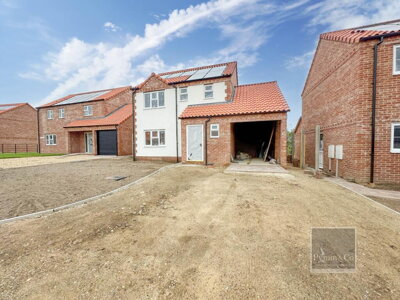
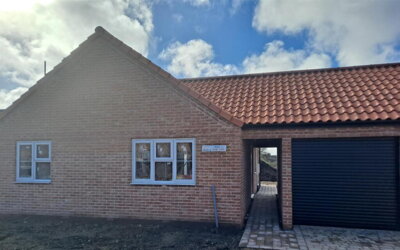
Browse 2 homes new builds in Cromer, North Norfolk from local developer agents.
Three bedroom properties represent a significant portion of the Cromer housing market, offering space for families with multiple reception rooms and gardens in many cases. Browse detached, semi-detached, and terraced options ranging across new residential developments.
£358k
16
0
147
Source: home.co.uk
Showing 16 results for 3 Bedroom Houses new builds in Cromer, North Norfolk. The median asking price is £357,500.
Source: home.co.uk
Semi-Detached
9 listings
Avg £357,777
Terraced
4 listings
Avg £292,500
Detached
3 listings
Avg £463,333
Source: home.co.uk
Source: home.co.uk
Our property listings show Cromer's market presents attractive opportunities across all property types, with prices reflecting the town's desirability as a North Norfolk coastal destination. Detached properties command the highest prices, averaging £448,517, offering generous space and gardens that appeal to families seeking room to grow. Semi-detached homes, averaging £310,381, represent excellent value for buyers looking for period features combined with modern convenience, while terraced properties at around £280,300 provide an accessible entry point into this sought-after coastal location.
The flat market in Cromer, averaging £188,967, includes conversions of elegant Victorian buildings along the seafront as well as purpose-built apartments near the town centre. These properties attract buyers seeking low-maintenance living or holiday let opportunities, particularly given Cromer's strong tourism economy. When evaluating flat purchases, we recommend checking service charges carefully as these can vary significantly between developments, especially for period buildings with maintenance requirements related to their age and coastal exposure.
New build opportunities exist in nearby villages including The Links development at West Runton on Cromer Road and The Pastures at Northrepps on Hall Road, both offering two to four-bedroom homes that blend contemporary construction with the area's traditional character. Our platform aggregates listings from all major estate agents, giving you a complete picture of available properties whether you are looking for a characterful cottage or a modern family home.

Understanding the construction of properties in Cromer helps you appreciate their characteristics and potential maintenance needs. Many older properties in the town feature traditional Norfolk building methods, including red brick construction with distinctive flint detailing that is common throughout the coastal area. This combination of materials reflects centuries of local building practice, with flint gathered from the surrounding fields and coastline providing both structural strength and visual interest in walls.
Victorian and Edwardian properties, which make up a substantial portion of Cromer's housing stock, typically feature solid wall construction with nine-inch thick brick or brick and flint mix walls. These properties often have timber floor structures, slate or clay tile roofs, and original sash windows that require careful maintenance in the coastal environment. Our inspectors frequently note that the salt-laden air accelerates wear on metal components including window ironmongery, fixings, and structural ironwork in these older properties.
Properties built during the inter-war and post-war periods (1919-1980) typically use cavity wall construction, which offers better thermal performance than solid walls. However, cavity wall insulation may be absent or inadequate in these properties, and our surveyors often identify improvements that could reduce heating costs. The geology of the Cromer area, dominated by glacial tills containing boulder clay, sand, and gravels over chalk bedrock, means some properties may be built on clay subsoils that present a moderate shrink-swell risk to foundations during periods of extreme wet and dry weather.
Cromer is home to a resident population of 8,140 across approximately 3,929 households, combining the warmth of a close-knit community with the cultural offerings typically found in much larger towns. The town occupies a distinctive position on the North Norfolk coast, with its Victorian and Edwardian heritage evident throughout streetscapes including Augusta Street, Cabbell Road, and the seafront properties overlooking the pier. Elegant terraces, imposing hotels, and ornate public buildings reflect Cromer's golden age as a fashionable seaside resort during the late nineteenth and early twentieth centuries.
The local economy thrives on a diverse mix of tourism, healthcare, retail, and the enduring fishing industry that brings fresh catches to Cromer's harbour each morning. The town attracts visitors throughout the year, but particularly during summer months when holidaymakers fill the guesthouses along properties like Overstrand Road and the surrounding streets. This tourism demand supports a vibrant town centre with independent shops along Church Street and Chapel Street, art galleries, and excellent eateries serving local produce including the famous Cromer crab.
The Conservation Area encompasses much of the historic town centre and seafront, protecting the architectural character that makes Cromer so distinctive. Properties along the seafront, including the iconic Hotel Victoria and numerous Victorian terraces, fall within this protected zone, meaning exterior alterations require consent from North Norfolk District Council. Many residents are attracted by the relaxed coastal lifestyle, excellent walking opportunities along the Norfolk Coast Path, and the strong sense of community that defines village life within a town setting.

Families considering a move to Cromer will find a good selection of educational establishments serving children of all ages within the town and surrounding villages. Primary education is well-catered for, with Cromer Primary School serving the town centre and several primaries in nearby villages including Northrepps, Overstrand, and Roughton providing additional options. The town's family-friendly atmosphere and smaller class sizes in local schools appeal to parents seeking a more personal educational experience for their children compared to larger urban areas.
Secondary education options serve students from across the wider North Norfolk area, with schools providing comprehensive curricula and extracurricular activities including sports, music, and drama programmes. Students from Cromer typically attend schools in the surrounding area, with transport arrangements supporting families who prefer specific academic or vocational pathways. Sixth form provision allows older students to continue their education locally, while further education colleges in Norwich and King's Lynn offer vocational and academic courses for students seeking specialist qualifications.
The presence of quality educational facilities throughout Cromer and nearby towns means families have genuine choice when selecting schools, with admission policies based on catchment areas that prospective buyers should investigate when house hunting. Primary school catchment areas can be quite specific, with properties on one street potentially attending a different school than those on an adjacent road. We recommend contacting North Norfolk primary schools directly to confirm current catchment arrangements, particularly for families with children approaching school age who have specific preferences.
Cromer benefits from excellent rail connections that make commuting to Norwich and beyond remarkably straightforward, with services taking approximately 45 minutes to reach Norwich. The Bittern Line runs through Cromer railway station, connecting the town to the regional rail network with services stopping at North Walsham, Worstead, and Salhouse before arriving at Norwich. The scenic journeys through the North Norfolk countryside make the commute pleasant, and the railway station on Priory Road provides convenient access for residents.
For residents working in Norwich but preferring coastal living, Cromer offers the ideal balance of beautiful surroundings and practical commuting options that avoid the need for long-distance travel. Norwich provides comprehensive employment opportunities in healthcare, education, retail, and professional services, with the journey by train offering a comfortable working environment. Many residents find the clear mental separation between their coastal home and city workplace enhances their quality of life significantly.
Road connections serve those preferring to drive, with the A149 coast road linking Cromer to surrounding villages and larger towns including Holt and King's Lynn. The town is approximately 30 miles from Norwich, making it accessible for shopping, entertainment, and specialist services not available locally. Local bus services including the Coasthopper route connect Cromer with neighbouring communities along the coast, while the proximity to the Norfolk coast opens up opportunities for cycling and walking as sustainable travel options. Parking in the town centre accommodates residents and visitors, though availability can tighten during peak summer season when tourist numbers increase substantially.
Explore Cromer's different neighbourhoods, from the seafront conservation area around the pier to residential streets inland like those on the Newstead and Mill Road estates. Consider factors like proximity to the cliff edge if you are considering coastal erosion risk, conservation restrictions if you are considering renovations, and access to amenities including the town centre shops and railway station.
Contact lenders or brokers to obtain a mortgage agreement in principle before viewing properties. This strengthens your position when making offers and demonstrates your financial credibility to sellers. Several lenders offer competitive rates for properties in North Norfolk, though availability can vary for unusual property types or those with complex ownership arrangements.
Visit multiple properties across different price ranges and property types. Note construction materials, signs of coastal weathering, and any maintenance concerns specific to older properties. We recommend viewing properties at different times of day and in various weather conditions to assess natural light, noise levels, and how the property responds to wind and rain exposure.
Given Cromer's high proportion of Victorian and Edwardian properties, commission a thorough RICS Level 2 survey from one of our qualified inspectors. We typically recommend budgeting £400 to £700+ depending on property size and complexity, with larger detached homes and period properties commanding higher fees due to their inspection requirements.
Appoint a conveyancing specialist familiar with North Norfolk properties to handle legal work, searches, and contract exchanges efficiently. Your solicitor will conduct local searches including environmental, drainage, and planning searches specific to the Cromer area, identifying any issues that might affect your purchase.
Finalise your mortgage, complete legal transfers, and collect your keys to begin your new life in Cromer. Your solicitor will coordinate with the seller's representatives to ensure smooth completion, typically arranged for a weekday to allow time for funds transfer and key collection from the estate agent.
Prospective buyers should pay particular attention to the construction and condition of properties in Cromer, given the coastal environment and age of much of the housing stock. The combination of salt-laden air and exposure to North Sea weather accelerates wear on external elements, meaning roof conditions, window frames, and external render require careful inspection during viewings and survey. Our inspectors frequently identify issues with mortar pointing, render cracking, and timber decay that develop more rapidly in exposed coastal positions compared to inland properties.
Properties constructed with flint detailing, traditional throughout the North Norfolk coastal area, may require specialist maintenance knowledge that differs from standard brick properties. Repointing flint work requires experienced craftsmen familiar with the material, and inappropriate repairs using modern cement mortars can trap moisture and accelerate deterioration. When viewing Victorian and Edwardian properties in areas like West Street, the seafront terraces, and elevated positions overlooking the town, look for signs of previous repairs and ask vendors about maintenance history.
Timber defects including rot and woodworm are more common in older coastal homes, particularly where ventilation has been inadequate or where original features like timber sash windows and floorboards have been exposed to damp conditions. Our surveyors often identify wet rot, dry rot, and woodworm activity in properties of this age, with costs for treatment and repair varying significantly depending on extent. Check for warped or sticking doors, soft timber in window frames, and any musty odours that might indicate underlying damp problems.
Flood risk awareness is essential when evaluating properties near the seafront, harbour area, or in low-lying areas of Cromer. While the town centre benefits from established flood defences, properties on the cliff top and those close to the harbour require thorough investigation of their flood history and any mitigation measures in place. The Environment Agency flood maps indicate varying levels of risk across the town, and your solicitor should include specific flood risk searches when conducting conveyancing. Buildings in the Conservation Area or those listed as historically significant may face planning restrictions on alterations and improvements, adding complexity to renovation projects.
The current average house price in Cromer stands at £328,217, based on recent Rightmove data. Detached properties average £448,517, semi-detached homes around £310,381, terraced properties £280,300, and flats approximately £188,967. Prices have increased by 2.22% over the past twelve months, with terraced properties showing the strongest growth at 2.65% and flats at 3.65%, indicating particularly strong demand for accessible entry-level properties in this North Norfolk coastal town.
Properties in Cromer fall under North Norfolk District Council, with council tax bands ranging from A to H depending on property value and type. Most standard residential properties in the town, including Victorian terraces on streets like Mount Street and Fisher Street, fall within bands A through D. Your solicitor will confirm the specific council tax band during conveyancing, and you can verify current charges through North Norfolk District Council's online portal before completing your purchase.
Cromer offers educational provision for all age groups, with primary schools serving the local community from reception through Year 6. Families should research specific school performance data through Ofsted reports and examination results, and check admission catchment areas carefully as these directly affect which schools your children would attend. Several primary schools in surrounding North Norfolk villages including Northrepps and Overstrand also serve Cromer families, providing additional options particularly for those living on the town's periphery.
Cromer enjoys good rail connectivity via the Bittern Line, with services to Norwich taking approximately 45 minutes and stopping at intermediate stations including North Walsham for connections to the wider rail network. Local bus services connect the town to surrounding villages and towns along the coast, with the Coasthopper service particularly useful for visitors and residents accessing nearby beaches and attractions. Norwich Airport offers domestic and European flights approximately 35 miles from Cromer, while the A149 coast road provides direct road access to larger centres including Norwich approximately 30 miles away.
Cromer's property market benefits from consistent demand driven by tourism, retirement relocation, and buyers seeking coastal lifestyle opportunities at more accessible price points than comparable locations in Cornwall or Devon. The town's Heritage Coast status, strong rental demand from holidaymakers seeking traditional seaside accommodation, and limited new housing supply support long-term property values. Holiday let potential is particularly strong for properties near the seafront and town centre, though you should verify current planning requirements for commercial letting through North Norfolk District Council before purchasing specifically for this purpose.
Standard Stamp Duty rates apply in North Norfolk. For properties up to £250,000, no stamp duty is payable. Properties between £250,000 and £925,000 attract 5% on the portion above £250,000. First-time buyers benefit from relief on properties up to £425,000, paying 5% only on the amount between £425,000 and £625,000. Properties above £625,000 do not qualify for first-time buyer relief. For a typical semi-detached property at £310,381, a standard buyer would pay £3,019 in stamp duty, while first-time buyers would pay nothing on the first £425,000 of value.
Understanding the full costs of purchasing property in Cromer extends beyond the sale price to include stamp duty, legal fees, survey costs, and moving expenses that can add significantly to your overall budget. Stamp Duty Land Tax applies to all purchases above £250,000 at standard rates, with first-time buyer relief available for qualifying purchasers on properties up to £625,000. Your solicitor will calculate the exact stamp duty liability based on the purchase price and your buyer status, ensuring you have funds available for completion.
Additional costs include RICS Level 2 survey fees ranging from £400 to £700+ depending on property size and complexity, with our inspectors providing quotes based on the specific property characteristics. Given Cromer's significant proportion of older properties including Victorian and Edwardian homes, buyers should budget for potential renovation costs identified during survey, which might include electrical rewiring, plumbing upgrades, or damp treatment. Obtaining quotes from multiple service providers helps ensure you secure competitive rates while accessing quality professional support for your Cromer property purchase.
Conveyancing fees typically start from £499 upwards depending on complexity, with leasehold properties and those in the Conservation Area generally requiring additional work that affects costs. Mortgage arrangement fees vary by lender, with some offering attractive rates but significant upfront charges while others have higher rates but lower fees. Removal costs, Land Registry fees, and potential estate agent fees if you are selling simultaneously complete the financial picture. We recommend obtaining written quotes for all services before committing, as this allows accurate budgeting and helps avoid unexpected expenses during the transaction.
From 3.9%
Compare competitive mortgage rates from trusted lenders
From £499
Expert legal support for your Cromer property purchase
From £400
Thorough inspection of your potential new home
From £85
Energy performance certificate for your property
Properties New Builds In London

Properties New Builds In Plymouth

Properties New Builds In Liverpool

Properties New Builds In Glasgow

Properties New Builds In Sheffield

Properties New Builds In Edinburgh

Properties New Builds In Coventry

Properties New Builds In Bradford

Properties New Builds In Manchester

Properties New Builds In Birmingham

Properties New Builds In Bristol

Properties New Builds In Oxford

Properties New Builds In Leicester

Properties New Builds In Newcastle

Properties New Builds In Leeds

Properties New Builds In Southampton

Properties New Builds In Cardiff

Properties New Builds In Nottingham

Properties New Builds In Norwich

Properties New Builds In Brighton

Properties New Builds In Derby

Properties New Builds In Portsmouth

Properties New Builds In Northampton

Properties New Builds In Milton Keynes

Properties New Builds In Bournemouth

Properties New Builds In Bolton

Properties New Builds In Swansea

Properties New Builds In Swindon

Properties New Builds In Peterborough

Properties New Builds In Wolverhampton

Enter your details to see if this property is within your budget.
Loans, cards, car finance
Estimated property budget
Borrowing + deposit
You could borrow between
Typical borrowing
Monthly repayment
Est. at 4.5%
Loan-to-value
This is an estimate only. Your actual budget may vary depending on interest rates, credit history, and personal circumstances. For an accurate affordability assessment, speak to one of our free mortgage advisors.
This calculator provides estimates for illustrative purposes only and does not constitute financial advice. Your home may be repossessed if you do not keep up repayments on your mortgage. Estimates based on 4.5% interest rate, repayment mortgage. Actual rates depend on your circumstances.
Homemove is a trading name of HM Haus Group Ltd (Company No. 13873779, registered in England & Wales). Homemove Mortgages Ltd (Company No. 15947693) is an Appointed Representative of TMG Direct Limited, trading as TMG Mortgage Network, which is authorised and regulated by the Financial Conduct Authority (FRN 786245). Homemove Mortgages Ltd is entered on the FCA Register as an Appointed Representative (FRN 1022429). You can check registrations at NewRegister or by calling 0800 111 6768.

We use cookies to show you personalised content and improve your experience of our website. Find out more in our Privacy policy and Cookie policy.