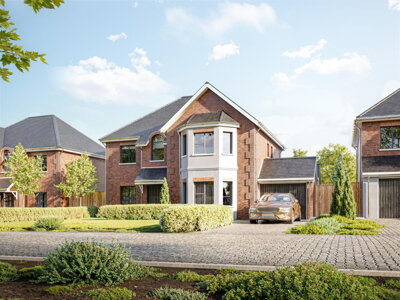
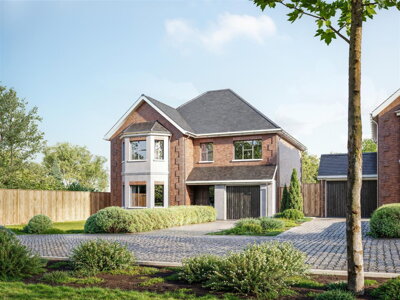
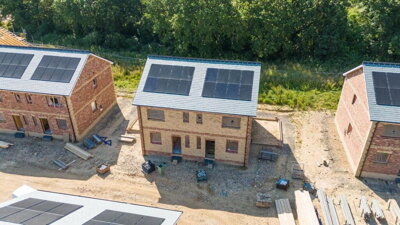
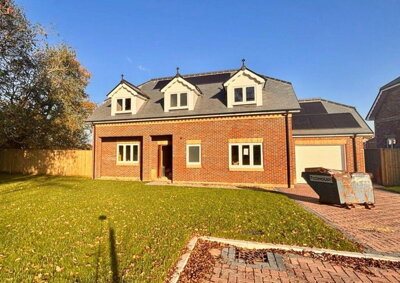
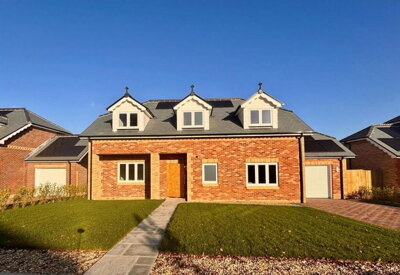
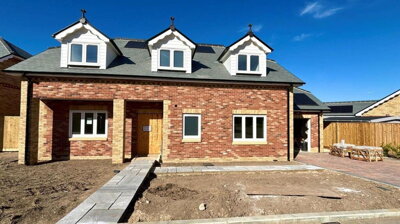
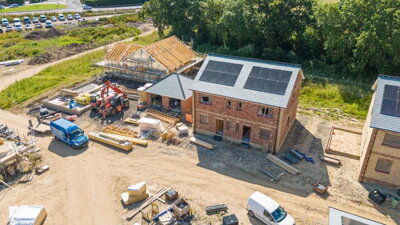
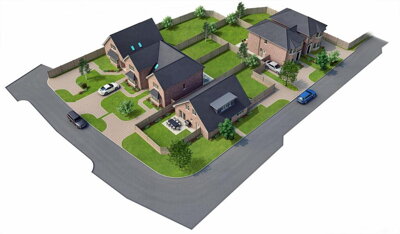
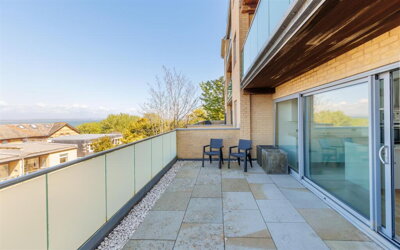
Browse 9 homes new builds in Cowes, Isle of Wight from local developer agents.
£310k
217
14
134
Source: home.co.uk
Source: home.co.uk
Apartment
41 listings
Avg £333,741
Semi-Detached
33 listings
Avg £363,300
Terraced
30 listings
Avg £300,317
House
27 listings
Avg £366,569
Detached
23 listings
Avg £769,887
Flat
17 listings
Avg £221,200
Bungalow
8 listings
Avg £289,375
End of Terrace
6 listings
Avg £388,250
Detached Bungalow
5 listings
Avg £457,800
Town House
5 listings
Avg £701,990
Source: home.co.uk
Source: home.co.uk
The Cowes property market demonstrates steady growth with overall prices increasing by 0.67% over the twelve months to February 2026, according to Rightmove data. Detached properties command the highest prices, averaging around £526,000, reflecting the desirability of spacious family homes with gardens in this coastal location where sea views and proximity to the water add significant premium to property values. Semi-detached homes, which represent 29.5% of the local housing stock, sell for an average of £351,000, offering excellent value for families seeking more room to grow within reach of excellent local schools. Terraced properties in Cowes average £296,000 and account for 32.2% of housing stock, providing popular options for first-time buyers and those seeking character homes in the town centre conservation area.
The market remains active with approximately 104 property sales completed in the past year, indicating healthy demand from buyers attracted to island living and the unique lifestyle that Cowes offers. Flats in Cowes average £211,000, making them the most accessible entry point to the local property market, particularly popular with first-time buyers, investors seeking holiday let opportunities, and those downsizing from larger family homes. New-build developments currently under construction include The Gables off Newport Road (Barratt Homes, offering 2, 3, and 4-bedroom homes) and Hawthorn Meadows by David Wilson Homes providing additional family-sized options in the same area. For those preferring waterfront living, Medina Yard on the Cowes waterfront and Victoria Quay at Arctic Road both offer contemporary apartments and houses combining modern design with stunning harbour views across the Solent.
When considering property in Cowes, buyers should understand how the island location influences pricing compared to mainland markets. The ferry crossing adds complexity to moving logistics and commuting, which affects the types of buyers attracted to different areas. Properties with off-road parking command premiums in the town centre where parking during summer months and Cowes Week can be competitive. The Cowes conservation area covers much of the historic town centre, including the High Street, The Parade, and surrounding streets, meaning planning controls may restrict alterations to period properties in these sought-after locations.

Cowes is a prosperous maritime town with a population of approximately 10,483 residents across 4,834 households, according to the 2021 Census. The local economy centres heavily on the marine and maritime industry, with numerous yacht-building firms, marine electronics companies, and sailing services providing skilled employment that attracts professionals from across the UK. Tourism also plays a significant role, particularly during Cowes Week when the town welcomes thousands of visitors for one of the world's premier sailing events, supporting local hotels, restaurants, and retail businesses throughout the summer season. The combination of maritime heritage and modern industry creates a distinctive character that attracts both families and professionals to the area.
The town centre features a pleasant mix of independent shops, cafes, and restaurants lining the historic High Street and waterfront promenade where visitors can watch yachts and ferries passing through the Solent. The Parade, a Georgian-era terrace overlooking the Solent, remains the focal point for watching marine traffic and enjoying panoramic sea views across to the mainland on clear days. Gurnard Bay, just west of Cowes, offers a quieter beach area popular with families and water sports enthusiasts, with a beachside cafe and watersports hire facilities attracting both residents and day-trippers during summer months.
Essential services including healthcare facilities at the NHS GP surgery on Market Street, major supermarkets for weekly shopping, and banking services are all accessible within the town itself. The Isle of Wight's status as a retirement destination influences the local demographic, with a higher proportion of retired residents than the national average, contributing to the peaceful and established atmosphere of many residential neighbourhoods. The town also serves as a gateway to the rest of the Isle of Wight, with regular bus connections to Newport, Ryde, and other island destinations, making car-free living practical for those working locally or running businesses from home.

Families considering a move to Cowes will find several primary education options within the town and immediate surrounding area, serving residential neighbourhoods stretching from the town centre towards Newport Road where many newer housing developments are located. Primary schools in Cowes include institutions assessed by Ofsted for educational quality, with parents encouraged to review individual school performance data when making property decisions. The proximity of properties to local schools can influence both daily family routines and long-term property values, particularly for streets within specific school catchment areas.
Secondary education options include schools in Cowes and nearby East Cowes, with the island's grammar schools in Newport and Ryde admitting students based on entrance examination results. The Isle of Wight College in Newport offers a range of vocational and academic courses including apprenticeships and university-level qualifications, accessible via regular bus services from Cowes. Sixth form provision is available at secondary schools across the island, with students also having the option of travelling to colleges in Portsmouth or Southampton for specialised courses, though the ferry crossing adds complexity to this option and requires careful planning.
Parents should research specific catchment areas and admission policies when evaluating properties in Cowes, as these factors significantly influence family buying decisions and can create premiums for homes within desirable school zones. School performance data including examination results and Ofsted ratings is published annually and provides useful comparative information for evaluating educational options across the island. For families with children requiring childcare, several nurseries and after-school clubs operate within the town, supporting working parents in the local community.
Transport connections to and from Cowes centre around the Red Jet high-speed passenger ferry service and the Wight Link vehicle ferry, both operating between Cowes and Southampton on the mainland. The Red Jet crossing takes approximately 25 minutes, making it practical for regular commuters who work on the mainland, while the vehicle ferry takes around 55 minutes and allows residents to bring cars to the island. Many Cowes residents who work in Southampton or Portsmouth factor ferry costs and schedules into their daily commute, with some employers offering season ticket loans or remote working arrangements to accommodate island living arrangements.
Within the Isle of Wight, regular bus services connect Cowes to Newport, Ryde, and other island destinations, with journey times of around 15-20 minutes to Newport where the island's hospital and major shopping centres are located. The island's compact size means that most destinations are accessible within an hour, though the ferry crossing to the mainland must be factored into any journey off the island. For those working from home, superfast broadband is available in most of Cowes, supporting the growing trend for remote work among island residents who appreciate the quality of life while maintaining mainland employment.
Cyclists appreciate the relatively flat terrain around Cowes town centre, making cycling a practical option for local journeys, though the wider island offers challenging hills for recreational riding. Parking in Cowes town centre can be competitive during summer months and especially during Cowes Week when the population swells significantly, so prospective residents should consider parking provisions when viewing properties in central locations. Several public car parks serve the town, including facilities near the waterfront and town centre, though residential streets without off-road parking may experience congestion during peak visitor periods.
Explore our listings for Cowes properties and understand the market by reviewing comparable sales prices in different neighbourhoods. Consider your priorities regarding property type, proximity to the water, and access to ferry services. The island location adds complexity to moving logistics that mainland buyers do not face, including ferry bookings for vehicles and furniture transport.
Contact a mortgage broker to obtain an agreement in principle before making offers on properties. Island lenders may have specific products suited to Isle of Wight properties, and having your finances confirmed strengthens your position with sellers in what can be a competitive market. Budget for ferry transport costs if you will be commuting to mainland employment and factor in the unique costs of island property ownership.
View multiple properties in different areas of Cowes to understand the variation between neighbourhoods from the town centre conservation area to the newer estates off Newport Road. Pay attention to flood risk areas, especially for waterfront properties and homes near the River Medina, and note the condition of older buildings given the coastal environment. Take photographs and notes during viewings to compare properties thoroughly after each visit.
For most properties in Cowes, a Level 2 Survey is essential due to the prevalence of older Victorian and Edwardian construction and coastal weather exposure. Our inspectors understand local issues such as damp in solid-walled properties, timber defects from salt air exposure, and the effects of shrink-swell clay soils on foundations. Survey costs range from around £450 for a small flat to £600 for a terraced house, rising to £700-950 for larger detached properties.
Choose a solicitor experienced in island property transactions to handle your purchase efficiently. They will manage local searches including Isle of Wight Council searches, title checks, and coordinate with the Land Registry for registration of your ownership. Be aware that island transactions may involve additional steps compared to mainland purchases, including coordination with ferry schedules for document delivery.
Once all searches are satisfactory and financing is confirmed, your solicitor will exchange contracts and set a completion date. Arrange your move carefully, considering ferry bookings for vehicles and furniture which require advance planning particularly during summer peak periods. On completion day, you will receive the keys to your new Cowes home and can begin enjoying island living.
Prospective buyers should be aware of several location-specific factors when considering property in Cowes, where the coastal environment and island geology create unique challenges for property condition. Flood risk is a primary concern, particularly for homes along the waterfront, adjacent to the River Medina, or in low-lying areas prone to surface water accumulation during heavy rainfall combined with high tides. The Cowes conservation area covers much of the historic town centre, including the High Street, The Parade, and surrounding streets, meaning properties here are subject to stricter planning controls that may restrict alterations, extensions, or renovations.
Many older properties in Cowes are constructed with solid walls rather than cavity insulation, which affects both energy efficiency and renovation options for modern living standards. Traditional building materials include brick with render or painted finishes, with some historic buildings using local Isle of Wight stone such as Bembridge Limestone or Binstead Stone in their construction. Timber sash windows are common in period properties, often requiring maintenance or eventual replacement, while more modern homes typically feature uPVC double glazing. Properties with sea views or waterfront access command premium prices but also carry higher maintenance requirements due to exposure to wind, salt air, and moisture.
The geological conditions in Cowes include clay soils from the Tertiary deposits underlying the area, including materials from the Headon Beds and Osborne Beds, presenting a moderate to high shrink-swell risk particularly in areas with mature trees or where ground conditions have been disturbed by development. This can lead to subsidence or foundation movement in some properties, making a thorough structural survey particularly valuable for older homes that may have shallow foundations unsuitable for current building standards. Salt corrosion from the coastal environment can accelerate deterioration of metal components including roof fixings, plumbing, and window frames, so buyers should look for signs of rust or corrosion during viewings and factor potential replacement costs into their offer.
Our inspectors commonly identify damp issues in older Cowes properties, particularly those with solid walls or inadequate damp-proof courses, exacerbated by the humid coastal air and salt-laden atmosphere. Roof condition is another frequent concern, with older roofs potentially suffering from slipped tiles, degraded felt, or failing leadwork around chimneys and valleys. Timber defects including wet rot, dry rot, and woodworm can develop in properties where ventilation is poor or where timber elements are exposed to persistent moisture. Properties within the conservation area or those listed as historic buildings may require specialist surveys and repairs meeting conservation principles, which can increase renovation costs significantly.
The average house price in Cowes as of February 2026 is approximately £364,000, according to Rightmove data. Detached properties average £526,000, semi-detached homes around £351,000, terraced properties at £296,000, and flats at approximately £211,000. Prices have increased by 0.67% over the past twelve months, indicating a stable market with modest growth. First-time buyers may find more affordable options among terraced properties in the town centre and flats, while family buyers seeking detached homes with gardens should budget accordingly for the premium that waterfront locations command.
Properties in Cowes fall under the Isle of Wight Council administration, with council tax bands ranging from A to H depending on property value as assessed by the Valuation Office Agency. The bands relate to the property's value as of April 1991, with newer properties assessed separately at their first occupation. Prospective buyers can check specific bandings on the Valuation Office Agency website using the property address. Island council tax rates are generally competitive compared to many mainland authorities, though services and amenities should be evaluated individually when comparing the overall cost of living in different locations.
Cowes offers several primary school options serving the local community, with individual schools assessed by Ofsted for educational quality and performance data published annually. Secondary education is available at schools in Cowes and East Cowes, with the Isle of Wight's grammar schools in Newport and Ryde admitting students based on entrance examination performance. Parents should research individual school Ofsted reports, examination results, and admission catchment areas when evaluating properties, as these factors can significantly influence family buying decisions and create premiums for homes within desirable school zones.
Cowes is connected to the mainland via two ferry services. The Red Jet high-speed passenger ferry operates between Cowes and Southampton in approximately 25 minutes, while the Wight Link vehicle ferry takes around 55 minutes for the crossing. Within the Isle of Wight, regular bus services link Cowes to Newport, Ryde, and other destinations with journey times of 15-20 minutes to the island capital. The island's compact geography makes most destinations accessible by public transport, though ferry schedules should be considered when planning regular commutes to mainland employment or travel to specialist services not available on the island.
Cowes property offers several investment characteristics worth considering for landlords and property investors. The town's international reputation for sailing attracts holidaymakers and sailing professionals during the summer season, supporting a rental market for furnished holiday lets and short-term rentals. Waterfront apartments and properties with moorings can command premium rents during Cowes Week and the sailing season. However, island properties may experience slower capital growth compared to mainland towns with stronger economic growth, and buyers should factor in ferry transport costs for tenants or guests when calculating rental yields. The stable market with modest price increases suggests a measured approach to investment rather than expecting rapid gains.
Stamp duty rates for England apply to all Cowes property purchases, calculated on the purchase price at standard rates of 0% on the first £250,000, 5% on £250,001 to £925,000, 10% on £925,001 to £1.5 million, and 12% above £1.5 million. First-time buyers benefit from relief on the first £425,000 at 5%, with no relief above £625,000. Most Cowes properties fall within the £250,001 to £925,000 bracket, meaning standard buyers would pay 5% on the portion above £250,000. For a typical £364,000 Cowes property, stamp duty would amount to £5,700 under standard rates, or £0 for qualifying first-time buyers purchasing properties up to £425,000.
Flood risk is a significant consideration for Cowes property buyers, particularly for waterfront homes and those near the River Medina. Coastal flooding during high tides combined with storm surges can affect areas along the waterfront, including parts of the High Street and properties adjacent to the Solent. River flooding poses a risk to properties directly bordering the Medina, especially during periods of heavy rainfall combined with high tides when water cannot drain effectively to the sea. Surface water flooding can occur in low-lying areas when heavy rainfall overwhelms drainage systems. Buyers should request flood risk searches from their solicitor and consider the property's history, existing flood resilience measures, and insurance implications before proceeding.
Get a mortgage quote for your Cowes property
From 4.5%
Expert solicitors for island property transactions
From £499
Essential survey for Cowes properties
From £450
Energy performance certificate
From £80
Understanding the full costs of buying property in Cowes helps you budget accurately beyond the purchase price itself. In addition to stamp duty, buyers should budget for solicitor conveyancing fees averaging £1,000 to £2,000, survey costs of £450 to £950 depending on property size and type, and Land Registry fees for title registration. Removal costs will include ferry transport for furniture and vehicles, which adds a unique element to island moving that mainland buyers do not face, with many removal firms experienced in the logistics of ferry transport providing comprehensive quotes.
For a typical £364,000 Cowes property, stamp duty under standard rates would amount to £5,700, calculated as 5% on the £114,000 above the £250,000 threshold. First-time buyers purchasing properties up to £425,000 would pay no stamp duty, providing significant savings for those entering the property market on the island. Mortgage arrangement fees typically range from £0 to £2,000 depending on the lender and product chosen, while valuation fees vary based on property value and lender requirements.
Buildings insurance should be arranged from the point of completion, with premiums potentially higher for waterfront properties due to flood risk exposure and the coastal environment. Local authority searches specific to the Isle of Wight Council typically cost around £200 to £400 and cover drainage, planning history, and environmental factors including flood risk assessments specific to the island. When calculating total buying costs, factor in survey costs for older properties, which often reveal defects requiring attention in coastal environments, and budget for potential renovation works identified during the conveyancing process.
Properties New Builds In London

Properties New Builds In Plymouth

Properties New Builds In Liverpool

Properties New Builds In Glasgow

Properties New Builds In Sheffield

Properties New Builds In Edinburgh

Properties New Builds In Coventry

Properties New Builds In Bradford

Properties New Builds In Manchester

Properties New Builds In Birmingham

Properties New Builds In Bristol

Properties New Builds In Oxford

Properties New Builds In Leicester

Properties New Builds In Newcastle

Properties New Builds In Leeds

Properties New Builds In Southampton

Properties New Builds In Cardiff

Properties New Builds In Nottingham

Properties New Builds In Norwich

Properties New Builds In Brighton

Properties New Builds In Derby

Properties New Builds In Portsmouth

Properties New Builds In Northampton

Properties New Builds In Milton Keynes

Properties New Builds In Bournemouth

Properties New Builds In Bolton

Properties New Builds In Swansea

Properties New Builds In Swindon

Properties New Builds In Peterborough

Properties New Builds In Wolverhampton

Enter your details to see if this property is within your budget.
Loans, cards, car finance
Estimated property budget
Borrowing + deposit
You could borrow between
Typical borrowing
Monthly repayment
Est. at 4.5%
Loan-to-value
This is an estimate only. Your actual budget may vary depending on interest rates, credit history, and personal circumstances. For an accurate affordability assessment, speak to one of our free mortgage advisors.
This calculator provides estimates for illustrative purposes only and does not constitute financial advice. Your home may be repossessed if you do not keep up repayments on your mortgage. Estimates based on 4.5% interest rate, repayment mortgage. Actual rates depend on your circumstances.
Homemove is a trading name of HM Haus Group Ltd (Company No. 13873779, registered in England & Wales). Homemove Mortgages Ltd (Company No. 15947693) is an Appointed Representative of TMG Direct Limited, trading as TMG Mortgage Network, which is authorised and regulated by the Financial Conduct Authority (FRN 786245). Homemove Mortgages Ltd is entered on the FCA Register as an Appointed Representative (FRN 1022429). You can check registrations at NewRegister or by calling 0800 111 6768.

We use cookies to show you personalised content and improve your experience of our website. Find out more in our Privacy policy and Cookie policy.