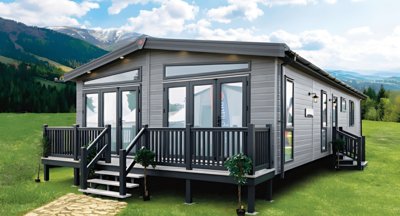
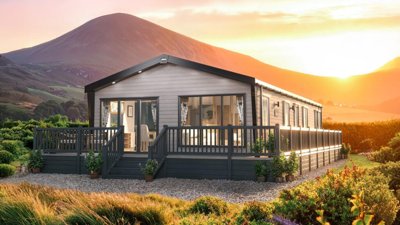
Browse 3 homes new builds in AB51 from local developer agents.
£290k
43
2
226
Source: home.co.uk
Source: home.co.uk
Detached
17 listings
Avg £424,359
Flat
7 listings
Avg £96,356
Semi-Detached
5 listings
Avg £154,790
Country House
2 listings
Avg £510,000
Not Specified
2 listings
Avg £511,475
Park Home
2 listings
Avg £145,000
detached
2 listings
Avg £1.11M
Bungalow
1 listings
Avg £280,000
Cottage
1 listings
Avg £125,000
End of Terrace
1 listings
Avg £115,000
Source: home.co.uk
Source: home.co.uk
AB51 has seen a gentle correction over the last twelve months, with values easing by approximately 2 percent. For buyers, that opens a useful window. Detached homes now average around £376,357, semi-detached properties sit at approximately £161,328, and terraced homes come in at around £160,000. Flats remain the cheapest choice, with average prices approaching £96,356, which keeps them attractive for first-time buyers and investors looking at rental demand in this commuter-friendly patch.
Across AB51, the housing mix says a lot about Aberdeenshire living. Detached houses make up 45 percent of the stock, using ONS Census 2021 data, with semi-detached homes at 25 percent and terraced properties and flats both at 15 percent. The age profile is equally mixed, as 40 percent of homes were built after 1980 and 30 percent date from 1945 to 1980, so buyers get a choice of newer stock and older homes with more character.
Different property types have moved at different speeds over the past year. Detached homes fell by minus 1 percent, which hints at continued demand from families who want room to spread out and like the area’s lifestyle. Semi-detached properties dropped by minus 3 percent, terraced homes by 2 percent, and flats by 4 percent. That spread gives buyers options at several budget levels, and our search platform lets us sort by property type so the right values are easier to spot.

AB51 covers Inverurie, a lively market town, together with a string of historic villages that show Aberdeenshire at its best. The town sits where the Don and Ury meet, so riverside walks are part of everyday life here. Inverurie also has major supermarkets, independent shops along the tree-lined High Street, family-friendly pubs, and restaurants using fresh local produce. Regular farmers markets and community events help give the place a strong local feel.
About 25,000 people live across 10,000 households, which gives AB51 a welcoming feel without it ever becoming crowded. Families make good use of the green spaces, and Bennachie Hill is visible from much of the area, with walking and mountain biking trails close at hand. Aberdeen is nearby, yet the local economy still has its own shape through agriculture, local businesses, and hospitality. Buyers often point to the balance of rural quiet and urban convenience as the real draw.
Each village within AB51 brings something slightly different. Oldmeldrum still has a clear sense of history around its market square and independent shops, while Kintore has expanded quickly with new housing and better amenities. Sauchen, where The Grange development by Kirkwood Homes sits, represents the newer side of the market, with contemporary homes priced from £300,000 to £550,000. Across the postcode, there is room for period charm, modern practicality, and village calm.

Families in AB51 are well served on education. Inverurie Academy provides secondary schooling for the town and surrounding villages, with a broad curriculum and plenty of extracurricular activities. For younger children, Inverurie Primary School, Port Elphinstone Primary School, and Kelloc Primary School all provide solid local foundations.
Oldmeldrum, Kintore, and Sauchen each have their own primary schools, which keeps school runs shorter for families in more rural spots. There are also independent schools in the area, and Aberdeen’s private schools are within a reasonable commute for those looking further afield. Parents moving into AB51 should check catchment areas closely, as admission rules can affect which school serves a property, and popular schools often need early registration.
Because 30 percent of properties in AB51 were built between 1945 and 1980, many family homes sit within established school catchments and communities with long roots. Education Scotland makes school performance data and inspection reports publicly available, so buyers can compare areas with a clear view of their priorities. For families focused on school access, filtering searches by proximity to particular schools can cut the list down quickly, especially where catchments are tightly contested.

Getting from AB51 to Aberdeen is simple enough, thanks to the A96 trunk road, which links Inverurie to the city in around 30 to 40 minutes, depending on traffic and your starting point. Plenty of residents commute into Aberdeen by car, especially those in oil and gas related roles where shift work or equipment makes public transport less practical. Inverurie station also has a park and ride facility for anyone who wants to mix driving with rail travel into the city centre.
Inverurie railway station runs regular ScotRail services to Aberdeen, with journey times of around 45 minutes to Aberdeen station. From Aberdeen, direct trains also run on to Edinburgh and London via the East Coast Main Line, so business travel further afield is still realistic. Stagecoach and other operators link AB51 villages with Inverurie and Aberdeen by bus, although weekend frequencies can drop. For anyone heading to Elgin or the north, the A96 gives a direct route, while the A90 links to Dundee and Edinburgh via the Peripheral Route.
Kintore has seen transport links improve alongside residential growth, and regular buses now serve commuters bound for Aberdeen. Buyers looking at more rural spots such as Sauchen should still plan on having a car for day-to-day travel, even though Inverurie station remains within a sensible drive. For people working in Aberdeen’s energy sector, AB51’s lower prices make the commute easier to justify, especially when the space on offer is better value than in the city centre.

Much of AB51 is older stock, yet new build schemes still give buyers a chance to take on a fresh home with modern methods and warranties. The Grange in Sauchen, built by Kirkwood Homes, is one of the main new build opportunities in the AB51 postcode, with three, four, and five bedroom detached and semi-detached homes priced from £300,000 to £550,000. The designs are contemporary, but they still sit comfortably within the Aberdeenshire countryside, with specifications including energy-efficient heating systems
There are clear practical upsides to new build homes in AB51. The NHBC or similar structural warranty gives cover against construction defects, early maintenance demands are usually lighter, and parts of the purchase can often be personalised. Energy efficiency is typically much stronger than in period properties too, with cavity wall insulation, modern boilers, and double glazing helping to keep utility bills down. For anyone wary of older granite homes, a new build removes a lot of the uncertainty, while still giving the comfort of a ten-year warranty.
That said, the new build premium in AB51 is real and worth factoring in carefully. Homes at The Grange in Sauchen start well above the AB51 average of £260,000, which reflects both the new build label and the village setting. Buyers should also remember that developments like this may carry factor fees for communal areas and shared infrastructure maintenance, on top of council tax and utility bills.
AB51 property stock is varied, and the construction methods tell a long story about Aberdeenshire building traditions. The 20 percent of homes built before 1919 usually have solid granite walls, often finished with traditional harling to help them stand up to Scottish weather. These buildings were made for the long haul, with thick walls that hold heat well even without modern insulation. Pre-1919 roofs were normally slate, and many original examples are still in use, though they do need maintenance and, in time, replacement.
The homes built between 1919 and 1980, which account for 40 percent of the housing stock, sit in the middle of that construction story. Many were made with solid walls in stone, brick, or concrete blockwork, and some were given harl render for weather protection. Roofs from this period were often clay tile or slate, depending on supply and budget. Timber sash and case windows are also common, and while they look right for the era, they need regular attention to stay weather-tight and efficient.
After 1980, construction in AB51 shifted again, and those properties now make up 40 percent of the stock. They generally use modern cavity wall build, with brick, render, or a mix of both, plus built-in insulation in the cavity, UPVC windows, and tiled roofs. That usually means lower maintenance and better energy performance. The build method matters when we arrange a survey, because each type brings different risks and upkeep issues, so our team adjusts the inspection to suit the property’s age and structure.
Contact a mortgage broker to discuss your borrowing capacity and obtain an Agreement in Principle before starting your property search. This strengthens your position when making offers and demonstrates your commitment to sellers. Given the property values in AB51, with detached homes averaging £330,000 and flats around £110,000, understanding your budget upfront helps you focus your search on appropriate properties and avoid disappointment.
Explore different neighbourhoods within AB51 to find areas that match your lifestyle requirements, whether you prioritise proximity to schools, commuting convenience, or rural village character. Consider visiting at different times of day and week to gauge noise levels, traffic patterns, and the availability of parking, particularly in the town centre areas of Inverurie.
Use Homemove to browse all available properties in AB51, setting up alerts for new listings that match your criteria. Arrange viewings through listed estate agents to assess properties in person, taking time to examine the condition of internal fittings, storage space, and the orientation and size of gardens. View multiple properties before making offers to ensure you have comparison points.
Once you have found your ideal home, submit a formal offer through the selling agent, typically at or near the asking price in this active market where approximately 150 properties sell each year. Your solicitor should review the title deeds and property information forms to identify any unusual terms or restrictions that might affect your enjoyment of the property.
Arrange a RICS Level 2 Survey to assess the property condition, particularly important for the many older properties in AB51 with granite construction or period features. Our inspectors see common issues in the area including damp in solid-walled properties, roof deterioration on older homes, and timber defects that require treatment. Your solicitor will conduct searches and manage the legal transfer, including checking local authority records for any planning permissions or proposals affecting the property.
Finalise your mortgage, pay your deposit, and agree a completion date with the seller. On completion day, you receive the keys and collect your belongings for the move to your new AB51 home. Our team can connect you with recommended conveyancing solicitors and mortgage brokers experienced in AB51 transactions to ensure a smooth process.
Older homes in AB51 need a closer look, because the area contains a wide spread of ages and building styles. Granite properties built before 1919, which make up 20 percent of the stock, often have solid walls with no modern damp-proof course, so a damp check is important. We would look for penetrating damp on external walls, wear to original sash and case windows, and the state of traditional slate roofs, which can need ongoing repairs or full replacement.
Local geology matters here too. Glacial till deposits bring shrink-swell potential in clay soils, and that can affect foundations. Properties on slopes, or those with large trees nearby, deserve extra attention in a survey. Boulder clay is present across the AB51 area, so in some locations foundations can shift during long dry spells or periods of heavy rain, and our surveyors check carefully for cracking or subsidence that might point to movement.
Flooding along the River Don and River Ury is another factor buyers should keep in mind, especially for low-lying homes near those watercourses, where Flood Risk Assessments and suitable insurance need to be considered. Surface water flooding can also affect other parts of AB51 when drainage falls short, particularly in heavy rain. The Inverurie Conservation Area, along with listed buildings in villages such as Oldmeldrum and Kintore, also brings planning restrictions on alterations and renovations, so specialist surveys and Aberdeenshire Council consent are needed for significant works.
Homes built after 1980, which now account for 40 percent of the housing stock, usually benefit from cavity wall construction and modern standards, but they still deserve a survey to pick up defects or maintenance concerns. It is also wise to check service charges and factor responsibilities for communal areas in modern schemes, together with any maintenance plans for shared elements like roofs or external walls. Even newer properties can hide issues, and a proper survey gives buyers room to negotiate on price or ask for repairs before completion.

The average house price in AB51 currently sits around £260,000 across all property types. Detached properties average approximately £330,000, semi-detached homes around £200,000, terraced properties near £160,000, and flats approximately £110,000. Prices have decreased by roughly 2 percent over the past twelve months, creating a favourable buying environment compared to the previous market peak, with approximately 150 properties sold during this period indicating healthy market activity.
Properties in AB51 fall under Aberdeenshire Council's jurisdiction and are assigned council tax bands from A through H based on their assessed value. Band A properties typically include smaller flats and terraced homes, while larger detached properties often fall into bands E to H. Prospective buyers should check the specific band for any property they are considering, as this directly affects ongoing running costs alongside energy bills and maintenance. The Band A to H classification can significantly impact annual costs, with Band A properties paying considerably less than Band H homes.
Inverurie Academy serves as the main secondary school, with strong academic performance records and good facilities for students across a range of subjects and extracurricular activities. Primary schools serving the area include Inverurie Primary School, Port Elphinstone Primary School, and several village primaries in Oldmeldrum, Kintore, and Sauchen. Families should verify current catchments and admission policies, as these can change and directly impact which school serves a specific property address, particularly in growing areas where school capacity is under pressure.
Inverurie railway station offers regular ScotRail services to Aberdeen in approximately 45 minutes, with connections to Edinburgh, London, and other major cities from Aberdeen station. The A96 provides direct road access to Aberdeen city centre in around 35 minutes. Local bus services operated by Stagecoach connect AB51 villages to Inverurie and Aberdeen, though frequencies reduce on evenings and weekends, making car ownership practical for most residents. Kintore benefits from additional bus links following its population growth, while more rural villages rely more heavily on private vehicle transport.
AB51 presents solid investment fundamentals driven by its proximity to Aberdeen and the oil and gas industry, good schools attracting family tenants, and relative affordability compared to Aberdeen itself. Rental demand remains steady from commuting professionals, and the 150 properties sold in the past twelve months indicate an active market with reasonable liquidity. The recent modest price decrease may offer entry opportunities for investors anticipating future market stabilisation or growth as economic conditions evolve, particularly for detached properties which have shown the most resilience to price adjustments.
For standard purchases, stamp duty rates start at 0 percent on the first £250,000 of purchase price, rising to 5 percent on amounts between £250,001 and £925,000. Properties priced above £925,000 attract 10 percent on the next portion and 12 percent on amounts exceeding £1.5 million. First-time buyers benefit from relief on the first £425,000, paying 5 percent only on the portion between £425,001 and £625,000, though no relief applies above that threshold. For the average £260,000 property in AB51, standard buyers pay £500 while first-time buyers under £425,000 pay nothing.
Given that 60 percent of properties in AB51 were built before 1980, buyers should watch for damp issues particularly in granite properties without modern damp-proof courses, roof problems with slate or tile coverings on older homes, timber defects including woodworm and rot, outdated electrical systems and plumbing in period properties, and potential movement or cracking related to shrink-swell clay soils prevalent in glacial till areas. Our inspectors regularly find these issues during surveys and can provide detailed advice on repair options and costs. A thorough RICS Level 2 Survey is strongly recommended before committing to purchase.
Yes, The Grange in Sauchen by Kirkwood Homes represents the main new build opportunity within AB51, offering three, four, and five bedroom detached and semi-detached homes priced from £300,000 to £550,000. These modern properties feature contemporary construction with cavity walls, modern insulation, and energy-efficient systems, along with structural warranties typically lasting ten years. New builds command a premium over older properties in the area, but offer the benefits of modern living standards and reduced maintenance requirements in the early years of ownership.
From 4.5%
Competitive mortgage rates from trusted lenders
From £499
Expert solicitors for AB51 property transactions
From £450
Thorough condition surveys for all AB51 properties
From £85
Energy performance certificates for AB51 homes
Stamp duty is one of the bigger costs to plan for when buying in AB51, so it pays to understand the current thresholds. On a typical £260,000 property in AB51, a standard buyer would pay £500 in stamp duty, worked out as 0 percent on the first £250,000 and 5 percent on the remaining £10,000. First-time buyers buying under £425,000 pay no stamp duty at all, which can free up a useful amount for moving costs or improvements.
Solicitor fees come on top of that, and for an AB51 purchase they typically run from £800 to £1,500 for conveyancing work. Survey costs depend on property size and type, with RICS Level 2 Surveys usually ranging from about £450 to £650 for standard three-bedroom semi-detached homes, rising to £850 for larger four-bedroom detached properties. Given how many older granite homes are in the area, our surveyors would also set aside money for possible damp treatment, roof repairs, or timber work found during inspection.
Mortgage arrangement fees, where they apply, usually sit between 0 to 2 percent of the loan amount, and buyers should also budget for valuation fees, Land and Buildings Transaction Tax registration costs, and moving expenses when working out the total purchase budget. Factor fees on modern developments are worth checking too, because they can run from a few hundred to several thousand pounds annually, depending on the scheme and the scope of upkeep responsibilities. Our recommended solicitors and mortgage brokers can talk through detailed cost estimates for a specific purchase.

Properties New Builds In London

Properties New Builds In Plymouth

Properties New Builds In Liverpool

Properties New Builds In Glasgow

Properties New Builds In Sheffield

Properties New Builds In Edinburgh

Properties New Builds In Coventry

Properties New Builds In Bradford

Properties New Builds In Manchester

Properties New Builds In Birmingham

Properties New Builds In Bristol

Properties New Builds In Oxford

Properties New Builds In Leicester

Properties New Builds In Newcastle

Properties New Builds In Leeds

Properties New Builds In Southampton

Properties New Builds In Cardiff

Properties New Builds In Nottingham

Properties New Builds In Norwich

Properties New Builds In Brighton

Properties New Builds In Derby

Properties New Builds In Portsmouth

Properties New Builds In Northampton

Properties New Builds In Milton Keynes

Properties New Builds In Bournemouth

Properties New Builds In Bolton

Properties New Builds In Swansea

Properties New Builds In Swindon

Properties New Builds In Peterborough

Properties New Builds In Wolverhampton

Enter your details to see if this property is within your budget.
Loans, cards, car finance
Estimated property budget
Borrowing + deposit
You could borrow between
Typical borrowing
Monthly repayment
Est. at 4.5%
Loan-to-value
This is an estimate only. Your actual budget may vary depending on interest rates, credit history, and personal circumstances. For an accurate affordability assessment, speak to one of our free mortgage advisors.
This calculator provides estimates for illustrative purposes only and does not constitute financial advice. Your home may be repossessed if you do not keep up repayments on your mortgage. Estimates based on 4.5% interest rate, repayment mortgage. Actual rates depend on your circumstances.
Homemove is a trading name of HM Haus Group Ltd (Company No. 13873779, registered in England & Wales). Homemove Mortgages Ltd (Company No. 15947693) is an Appointed Representative of TMG Direct Limited, trading as TMG Mortgage Network, which is authorised and regulated by the Financial Conduct Authority (FRN 786245). Homemove Mortgages Ltd is entered on the FCA Register as an Appointed Representative (FRN 1022429). You can check registrations at NewRegister or by calling 0800 111 6768.