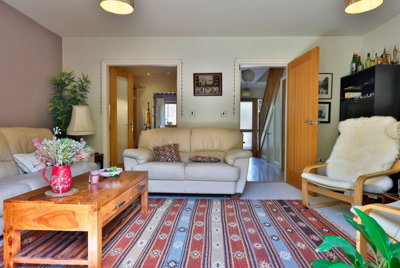
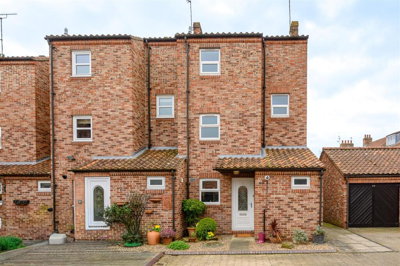
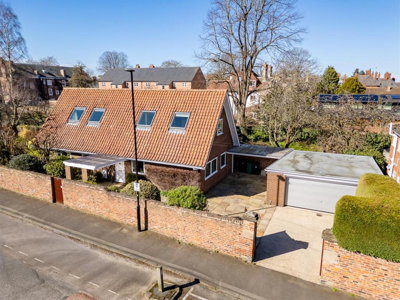
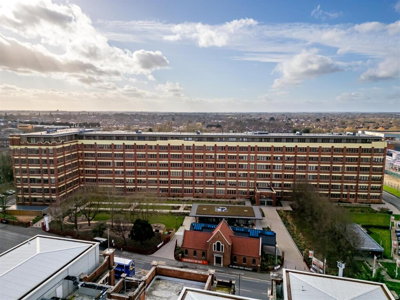
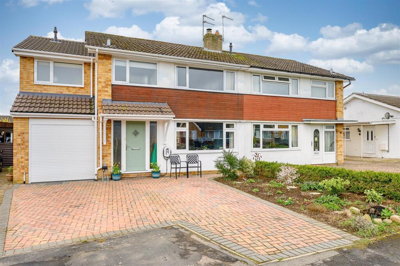
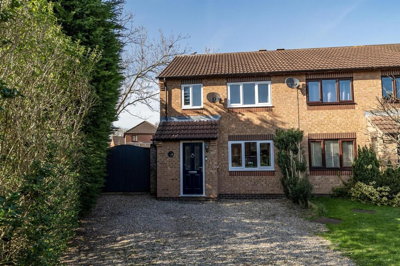
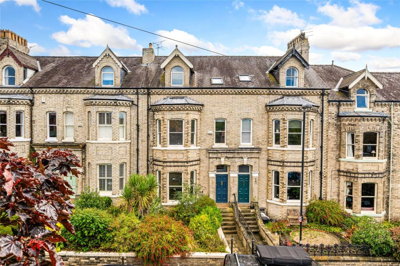
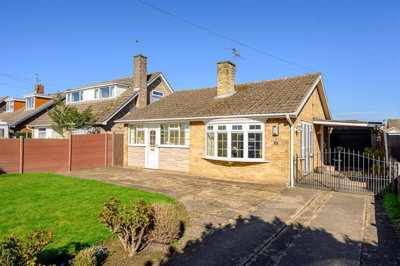
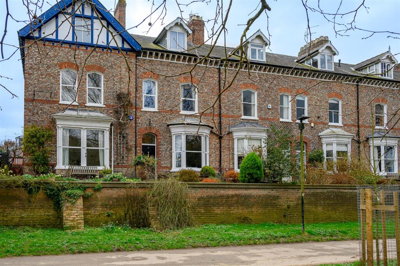
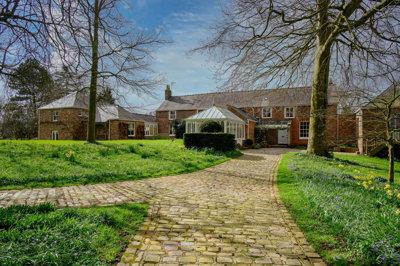
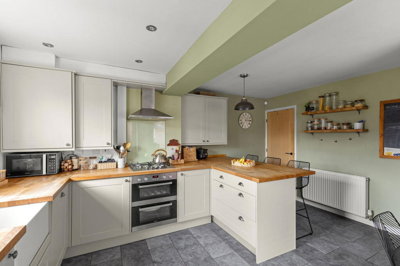
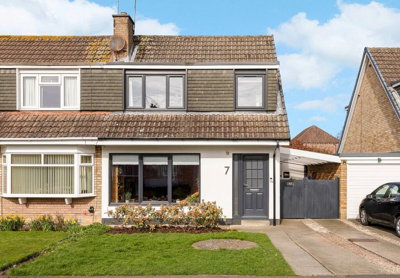
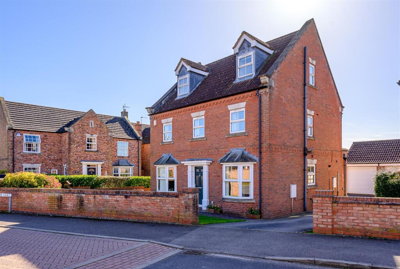
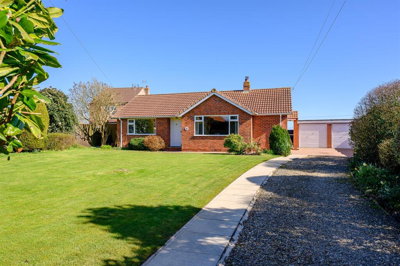
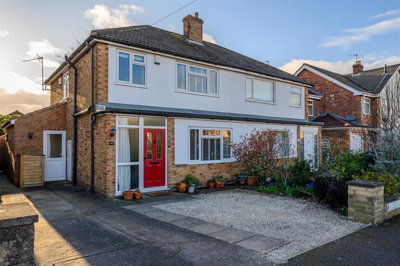
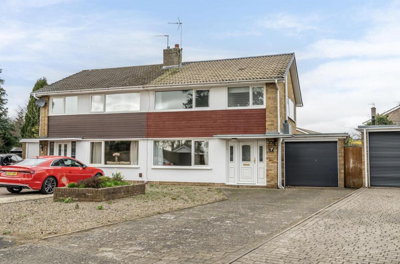
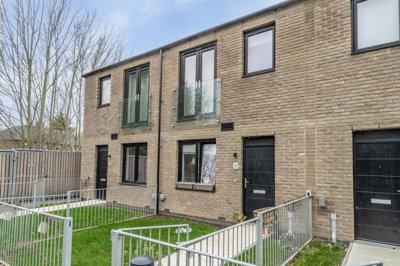
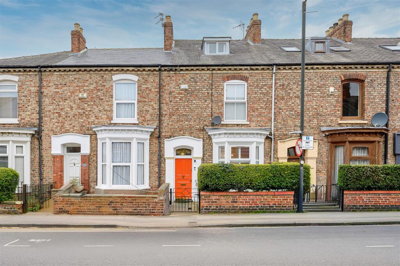
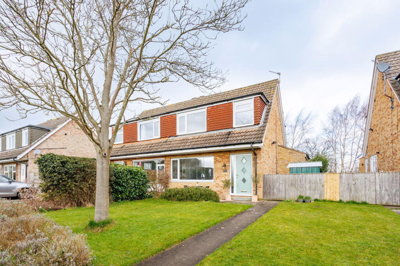
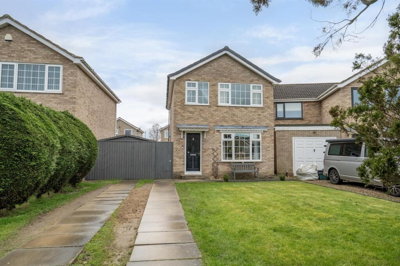
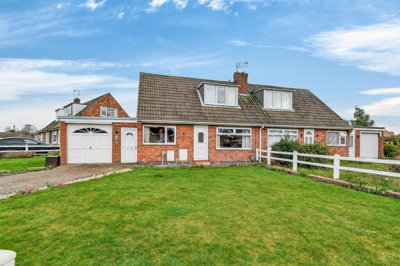
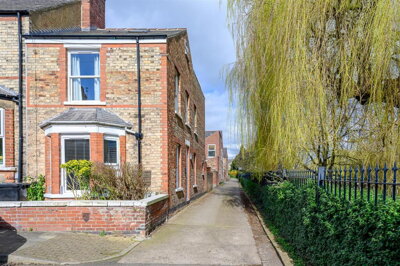
Browse 2,870 homes for sale in York, North Yorkshire from local estate agents.
£335k
1,622
42
120
Source: home.co.uk
Source: home.co.uk
Semi-Detached
315 listings
Avg £378,937
Apartment
283 listings
Avg £265,351
Detached
271 listings
Avg £631,759
Terraced
237 listings
Avg £378,584
Flat
77 listings
Avg £239,837
End of Terrace
76 listings
Avg £402,144
Town House
69 listings
Avg £480,942
Bungalow
46 listings
Avg £327,956
Detached Bungalow
46 listings
Avg £402,282
Semi-Detached Bungalow
42 listings
Avg £300,448
Source: home.co.uk
Source: home.co.uk
The Wells-Next-the-Sea property market has demonstrated remarkable resilience despite broader national fluctuations. Over the past year, house prices in the NR23 postcode area showed a modest increase of 0.37%, with the average sold price standing at £479,302. The asking price average currently sits at £507,366, reflecting seller confidence in the area's enduring appeal. Properties in this coastal town are selling after experiencing a 7% correction from the 2022 peak of £514,778, making this an opportune moment for buyers seeking value in a premium location.
The market in Wells-Next-the-Sea is characterised by its diversity of housing stock, reflecting the town's rich architectural history spanning several centuries. Detached properties command the highest prices, averaging £594,942, while semi-detached homes trade around £467,500. Terraced properties, including the historic flint cottages that line the harbour approach, average £351,600. Flats, many situated within converted maltings buildings and the iconic granary, start from approximately £200,000. The town saw 31 residential property sales over the past twelve months, with detached homes comprising the majority of transactions, indicating strong demand for family-sized accommodation with garden space.
New build activity in Wells-Next-the-Sea remains limited, with no active developments currently under construction in the NR23 postcode area. This scarcity of new housing stock means existing properties, many of which are centuries old, form the backbone of the market. For buyers seeking modern specifications and energy-efficient finishes, the converted industrial buildings offer contemporary living spaces within characterful shells. The absence of new developments also contributes to the town's unspoiled character, preserving the architectural diversity that makes Wells-Next-the-Sea so distinctive.

Wells-Next-the-Sea offers a lifestyle that modern buyers increasingly seek: unhurried mornings overlooking the harbour, evening walks along the beach accessed by the famous wooden beach huts, and weekends exploring the adjacent Holkham National Nature Reserve. The town centre centres on Staithe Street and The Buttlands, a wide green space surrounded by impressive Georgian and Victorian houses, many of which are listed buildings. The population of 2,147 creates an intimate community where newcomers are quickly recognised by local shopkeepers and cafe owners.
The local economy revolves around the historic working harbour, where fishing boats still land fresh crab and lobster, alongside the tourism that draws visitors to the area's outstanding natural beauty. The iconic maltings and granaries that once stored barley for the brewing trade have been sensitively converted into luxury apartments, symbolising the town's ability to honour its heritage while adapting for contemporary living. The presence of second homes and holiday lets influences the local market dynamics, contributing to the character of the community while creating opportunities for buy-to-let investors seeking properties in this popular holiday destination.
Local amenities include independent shops, art galleries, traditional pubs serving locally caught seafood, and restaurants overlooking the harbour. The community hosts various events throughout the year, from the annual carnival to the Christmas lights switch-on, fostering a strong sense of belonging among residents. For families, the combination of excellent local schools, safe streets, and access to outdoor activities makes Wells-Next-the-Sea an ideal place to raise children, while retirees appreciate the excellent healthcare facilities in nearby towns and the peaceful environment.

Education provision in Wells-Next-the-Sea serves families with children of all ages, though some families choose to travel to nearby towns for secondary education. Wells-Next-the-Sea Primary School serves the local community and has received positive reports for its nurturing approach and quality teaching. These smaller schools benefit from dedicated teaching staff who know each child individually, often resulting in excellent pastoral care alongside academic achievement. For families considering a move to the area, understanding the catchment areas and admission arrangements for local schools is essential when selecting a property.
Secondary education options in the surrounding North Norfolk area include well-regarded schools in towns such as Fakenham, King's Lynn, and Norwich, which can be accessed via school transport services. Several schools in the wider area have achieved outstanding Ofsted ratings, making them popular choices for families willing to travel. For sixth form education, students typically attend colleges in nearby towns, with transport links facilitating daily commutes. The proximity to the University of East Anglia in Norwich also makes Wells-Next-the-Sea a viable option for families with older children pursuing higher education.
Early years and preschool provision in Wells-Next-the-Sea includes nurseries and playgroups that support working parents and provide socialisation opportunities for young children. These settings often have waiting lists, so families are advised to register interest well before completing a property purchase. For parents seeking alternative educational approaches, several independent schools in Norfolk offer boarding and day options, with some providing transport from the Wells area. The combination of local primary provision and accessible secondary options makes the area suitable for families at all stages of their educational journey.
Transport connections from Wells-Next-the-Sea reflect its status as a small coastal town rather than a major commuter hub, but options exist for those working in nearby cities. The nearest railway station is in King's Lynn, approximately 25 miles away, providing connections to Cambridge and London King's Cross. Norwich railway station, around 40 miles distant, offers East Anglia's mainline services including direct trains to London Liverpool Street. Many residents who commute to London choose to drive to their nearest major station, taking advantage of free parking at locations such as King's Lynn.
Local bus services operated by Norfolk Green and other providers connect Wells-Next-the-Sea with surrounding towns including Fakenham, Hunstanton, and the market town of Holt. These services are particularly valued by residents without cars, providing access to supermarkets, healthcare appointments, and shopping facilities. The Coast Hopper bus service is popular with tourists and locals alike, running along the North Norfolk Coast between Wells and the various beaches and villages. For daily commuting to Norwich, which takes approximately 90 minutes by car, some residents choose to work from home for several days per week, reducing the burden of travel.
Road access to Wells-Next-the-Sea is via the A149 coast road, which runs between King's Lynn and Cromer, passing through the key towns of Hunstanton and Sheringham. The town is approximately 50 miles from Norwich and 120 miles from London, making occasional business trips feasible by car. For air travel, Norwich International Airport offers domestic flights and connections to European destinations. Cyclists benefit from the National Cycle Network, which includes routes through the town and along the coast, while the flat Norfolk landscape makes cycling a practical option for local journeys.
Before viewing properties in Wells-Next-the-Sea, obtain a mortgage agreement in principle from a lender. This demonstrates your financial readiness to estate agents and sellers, strengthening your position when making an offer on a coastal cottage or period property. Having this documentation ready signals to sellers that you are a serious buyer in a competitive market where desirable properties can attract multiple offers.
Study property prices in the NR23 postcode, understand the different neighbourhoods from the harbour area to the Buttlands, and familiarise yourself with the types of properties available. Working with a local estate agent who knows the Wells market intimately will give you valuable insights into which properties represent genuine value and which are priced optimistically. Pay particular attention to how factors like flood risk, listed building status, and proximity to the harbour affect values in different street locations.
Arrange viewings of properties that match your requirements, taking time to assess the condition of older properties given the prevalence of listed buildings and period construction. When you find your ideal home, submit a competitive offer promptly as good properties in Wells-Next-the-Sea attract multiple interested buyers. Given the limited supply of quality homes in this sought-after location, can mean missing out to another buyer.
Given the age of many properties in Wells-Next-the-Sea, commissioning a RICS Level 2 survey before proceeding is essential. Our inspectors frequently identify issues specific to local construction types, including damp in solid-walled flint cottages, timber decay in Georgian joinery, and roof problems in Victorian properties. This survey will identify any structural issues, damp problems, or roof defects common in Georgian, Victorian, and flint construction properties.
Your solicitor will handle the legal aspects of the purchase, including searches on the property, review of the contract, and registration of your ownership at the Land Registry. For properties in conservation areas or listed buildings, additional approvals may be required that your solicitor should flag early in the process. Given the concentration of listed buildings in areas like Staithe Street, Brigg Square, and Church Plain, this is particularly important for Wells buyers.
Once all legal work is finished and your mortgage is finalised, you will exchange contracts and pay your deposit. Completion typically follows within days or weeks, when you will receive the keys to your new Wells-Next-the-Sea home and can begin unpacking. Our team recommends scheduling your removal company well in advance, as the town's popularity means reputable firms book up quickly during peak moving periods.
Properties in Wells-Next-the-Sea require careful inspection given the prevalence of older construction and the coastal environment. The town's geology, featuring chalk bedrock overlain by sand and gravel deposits, combined with clay in till formations, means that some properties may be susceptible to ground movement. Subsidence manifesting as cracks in walls or ill-fitting doors and windows can occur in properties with shallower foundations, particularly during periods of drought followed by heavy rainfall. Our inspectors regularly encounter these issues in local properties and can advise on appropriate remediation.
Flood risk is an important consideration for any buyer considering properties near the harbour or the low-lying areas between the town and the beach. Wells-Next-the-Sea sits on a dynamic coastline where salt marshes and sand dunes are shaped by tides and storms. Properties along Staithe Street and near the harbour may be more exposed to surface water flooding, and insurance premiums can reflect this risk. However, the town has invested significantly in flood defences, and many homeowners live safely in these areas by taking appropriate precautions. The Environment Agency flood maps show that areas closest to the harbour and along the approach roads to the beach carry the highest risk of surface water flooding during extreme weather events.
The conservation area status of much of Wells-Next-the-Sea brings both benefits and responsibilities. Properties with listed building status require consent for alterations and must adhere to specific maintenance standards. Several streets including Brigg Square, Church Plain, Staithe Street, Park Road, and High Street have concentrations of Grade II listed buildings, while St Nicholas Church holds Grade II* status and dates from the 13th century. Many former coaching inns and public houses throughout the town are centuries-old listed structures. These requirements can increase the cost of renovation projects but also protect the character and value of the property. Many flint cottages and Georgian townhouses feature traditional construction methods that differ from modern standards, including solid walls without cavity insulation and original timber windows. Understanding these characteristics helps buyers appreciate the maintenance obligations that come with owning a piece of this historic town.
The architectural character of Wells-Next-the-Sea reflects its evolution from a busy medieval port to a Victorian seaside resort to the beloved coastal community it is today. Traditional flint fishermen's cottages cluster near the harbour approach, their knapped flint walls and clay pantile roofs representing centuries of local building practice. These properties, some dating back hundreds of years, were built by craftspeople using materials readily available from the surrounding landscape. Our surveyors frequently encounter the distinctive construction methods used in these historic properties, including lime mortar pointing, solid stone walls, and timber-framed structures with brick infill panels.
The elegant Georgian and Victorian townhouses surrounding The Buttlands represent a different era of prosperity for the town. These properties typically feature brick construction with sash windows, decorative plasterwork, and generous room proportions characteristic of their periods. Many have been sensitively modernised over the years, though original features such as fireplaces, cornicing, and timber floors remain in many cases. Properties in this area are likely to be listed buildings, requiring any renovation work to respect their historic character while meeting modern building regulations.
The conversion of the town's industrial heritage into residential use has added a distinctive layer to Wells-Next-the-Sea's housing stock. The iconic maltings buildings and granary, which once stored barley for the brewing trade, have been transformed into luxury apartments that combine contemporary living spaces with remarkable architectural features. Exposed brickwork, high ceilings, and industrial steel windows characterise these conversions, offering buyers a different proposition to the traditional cottages and townhouses. Properties in these converted buildings generally benefit from modern insulation and heating systems while retaining the character that makes Wells properties so desirable.
The average house price in Wells-Next-the-Sea is £479,302 based on sales over the past year. Detached properties average £594,942, semi-detached homes around £467,500, terraced properties approximately £351,600, and flats start from £200,000. The current average asking price sits at £507,366, slightly above the average sold price, reflecting ongoing demand for properties in this coastal location. The market saw a 7% correction from the 2022 peak of £514,778, creating buying opportunities for those entering the market now.
Properties in Wells-Next-the-Sea fall under North Norfolk District Council. Most period properties, including the Georgian and Victorian houses around The Buttlands and the flint cottages near the harbour, are likely to be in council tax bands C through E. Exact bands depend on the property's valuation, and prospective buyers can check specific properties on the Valuation Office Agency website using the property address or council tax reference number. Properties converted from commercial buildings such as the maltings may have different bandings depending on their size and current use.
Wells-Next-the-Sea Primary School serves the local community and has received positive reports for its nurturing approach and quality teaching. For secondary education, families often consider schools in nearby towns including Fakenham Academy and St Peter's School in Huntingdonshire, with some choosing independent schools in the wider Norfolk area. It is advisable to check current Ofsted ratings and admission catchment areas when choosing a property, as these can change over time and directly affect your eligibility for places at local schools.
Wells-Next-the-Sea is primarily served by bus services connecting the town to Fakenham, Hunstanton, Holt, and other North Norfolk destinations. The Coast Hopper service is particularly popular during summer months, running along the coastal route between Wells and the surrounding beaches and villages. The nearest railway stations are in King's Lynn (approximately 25 miles away) and Norwich (around 40 miles), both offering direct services to London. Most residents rely on cars for daily commuting, though the town is compact enough for cycling and walking for local journeys.
Wells-Next-the-Sea attracts strong rental demand from holidaymakers seeking coastal accommodation, making buy-to-let investments potentially lucrative. The town's popularity as a tourist destination, combined with limited new housing supply, supports capital values over the long term. However, buyers should be aware of the impact of second homes and holiday lets on the local housing market, as well as potential changes to holiday let regulations that could affect rental income. Properties near the harbour and beach typically command premium rental rates during the summer season, while year-round lets to local workers provide more modest but consistent returns.
Stamp duty rates in England for residential properties purchased in 2024-25 are 0% on the first £250,000, 5% on £250,001 to £925,000, 10% on £925,001 to £1.5 million, and 12% on anything above £1.5 million. First-time buyers pay 0% on the first £425,000 and 5% on £425,001 to £625,000, with no relief above that threshold. Most properties in Wells-Next-the-Sea fall within the lower tax bands. For a typical property priced at the area average of £479,302, standard stamp duty would amount to £11,465, while a first-time buyer could pay significantly less depending on their eligibility.
Properties near the harbour and in low-lying areas between the town and the beach do carry increased flood risk due to the town's coastal position and dynamic shoreline. The Environment Agency's flood mapping shows that areas along Staithe Street and near the harbour are most susceptible to surface water flooding during extreme weather events. However, the town has invested in flood defences, and many homeowners in these desirable locations manage the risk successfully. Insurance premiums may be higher for properties in flood risk zones, and we recommend discussing these costs with insurers before completing a purchase.
Flint cottages in Wells-Next-the-Sea often feature traditional construction methods that require specialist knowledge to assess properly. Our inspectors pay particular attention to the condition of lime mortar pointing, which erodes faster than modern cement in the coastal environment. The knapped flint work itself can deteriorate over time, particularly where water penetrates or vegetation establishes in the joints. Roof coverings on these properties, typically clay pantiles, should be checked for slipped or broken tiles, while the timber frame elements hidden within flint walls may show signs of damp or woodworm. A RICS Level 2 survey will flag any issues requiring attention or further specialist investigation.
Understanding the additional costs of buying a property in Wells-Next-the-Sea helps you budget accurately for your purchase. Beyond the property price, buyers should budget for stamp duty, solicitor fees, survey costs, and removal expenses. Stamp duty on a typical property priced at the area average of £479,302 would amount to £11,465 for a main residence purchase, calculated at 0% on the first £250,000 and 5% on the balance. First-time buyers purchasing properties under £625,000 may qualify for relief, reducing their stamp duty to £2,715.
Survey costs are particularly important in Wells-Next-the-Sea given the age and construction of many properties. A RICS Level 2 survey typically costs between £400 and £800 depending on the property value, size, and complexity. For a £479,302 property in Wells, you should budget approximately £500 to £600 for this essential inspection. Listed buildings or non-standard construction may incur additional charges due to the specialist knowledge required. An EPC assessment, required for all property sales, typically costs around £100 to £150 depending on property size.
Solicitor fees for conveyancing in the Wells-Next-the-Sea area generally range from £500 to £1,500 depending on the complexity of the transaction and whether the property is freehold or leasehold. Disbursements, including Land Registry fees, searches, and bank transfer charges, typically add £200 to £400. Mortgage arrangement fees vary by lender but often range from 0% to 1.5% of the loan amount. Finally, removal costs for relocating to your new coastal home should be budgeted at £500 to £2,000 depending on the distance and volume of belongings.
From 4.5%
From 4.5% mortgage rates available for Wells-Next-the-Sea buyers
From £499
Expert solicitors familiar with North Norfolk properties
From £350
Essential for inspecting older coastal properties
From £60
Required for all property sales
Properties for Sale In London

Properties for Sale In Plymouth

Properties for Sale In Liverpool

Properties for Sale In Glasgow

Properties for Sale In Sheffield

Properties for Sale In Edinburgh

Properties for Sale In Coventry

Properties for Sale In Bradford

Properties for Sale In Manchester

Properties for Sale In Birmingham

Properties for Sale In Bristol

Properties for Sale In Oxford

Properties for Sale In Leicester

Properties for Sale In Newcastle

Properties for Sale In Leeds

Properties for Sale In Southampton

Properties for Sale In Cardiff

Properties for Sale In Nottingham

Properties for Sale In Norwich

Properties for Sale In Brighton

Properties for Sale In Derby

Properties for Sale In Portsmouth

Properties for Sale In Northampton

Properties for Sale In Milton Keynes

Properties for Sale In Bournemouth

Properties for Sale In Bolton

Properties for Sale In Swansea

Properties for Sale In Swindon

Properties for Sale In Peterborough

Properties for Sale In Wolverhampton

Enter your details to see if this property is within your budget.
Loans, cards, car finance
Estimated property budget
Borrowing + deposit
You could borrow between
Typical borrowing
Monthly repayment
Est. at 4.5%
Loan-to-value
This is an estimate only. Your actual budget may vary depending on interest rates, credit history, and personal circumstances. For an accurate affordability assessment, speak to one of our free mortgage advisors.
This calculator provides estimates for illustrative purposes only and does not constitute financial advice. Your home may be repossessed if you do not keep up repayments on your mortgage. Estimates based on 4.5% interest rate, repayment mortgage. Actual rates depend on your circumstances.
Homemove is a trading name of HM Haus Group Ltd (Company No. 13873779, registered in England & Wales). Homemove Mortgages Ltd (Company No. 15947693) is an Appointed Representative of TMG Direct Limited, trading as TMG Mortgage Network, which is authorised and regulated by the Financial Conduct Authority (FRN 786245). Homemove Mortgages Ltd is entered on the FCA Register as an Appointed Representative (FRN 1022429). You can check registrations at NewRegister or by calling 0800 111 6768.

We use cookies to show you personalised content and improve your experience of our website. Find out more in our Privacy policy and Cookie policy.