Powered by Home

Houses For Sale in Woolpit, Mid Suffolk

Browse 129 homes for sale in Woolpit, Mid Suffolk from local estate agents.

129 listings Woolpit, Mid Suffolk Updated daily

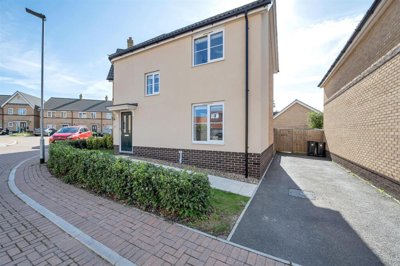
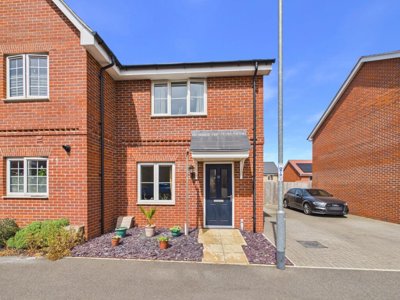
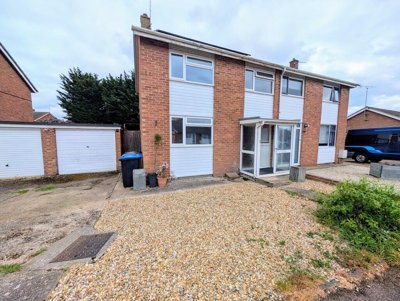
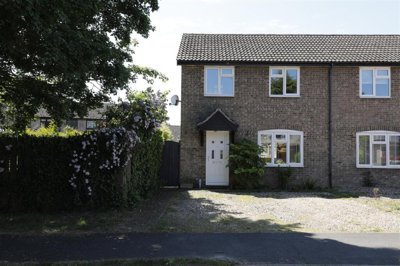
The Woolpit property market offers detached, semi-detached, and terraced houses spanning various price ranges and neighbourhoods. Each listing includes detailed property information, photographs, and direct contact with the marketing agent.

Woolpit, Mid Suffolk Market Snapshot

Median Price

£425k

Total Listings

13

New This Week

0

Avg Days Listed

143

Source: home.co.uk

Showing 13 results for Houses for sale in Woolpit, Mid Suffolk. The median asking price is £425,000.

Price Distribution in Woolpit, Mid Suffolk

£200k-£300k
3
£300k-£500k
7
£500k-£750k
1
£1M+
2

Source: home.co.uk

Property Types in Woolpit, Mid Suffolk

69%
31%

Detached

9 listings

Avg £699,439

Semi-Detached

4 listings

Avg £285,000

Source: home.co.uk

Bedrooms Available in Woolpit, Mid Suffolk

2 beds 2
£280,000
3 beds 4
£370,000
4 beds 5
£448,990
7 beds 1
£1.40M
8 beds 1
£1.75M

Source: home.co.uk

The Property Market in Woolpit

The Woolpit property market reflects the village's position as a desirable residential location within Mid Suffolk. Detached properties dominate the local housing stock at 49.3%, with semi-detached homes accounting for 28.5% and terraced properties making up 15.4%. Flats represent just 6.8% of the market, meaning buyers seeking apartment living may find limited options locally. Current prices for detached homes average £492,000, while semi-detached properties command around £316,000 and terraced homes typically sell for £280,000. The scarcity of flats in Woolpit means rental opportunities for investors are relatively rare, which can support premium rents when properties do become available.

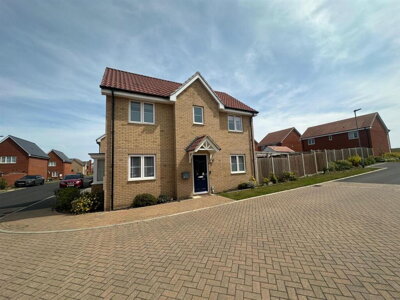
Two significant new build developments are currently bringing fresh options to the market. Woolpit Nurseries, developed by Hopkins Homes on Old Stowmarket Road (IP30 9QS), offers 2, 3, 4, and 5 bedroom homes priced from £319,995 for a 3-bedroom semi-detached property up to £675,000 for a 5-bedroom detached home. Simultaneously, Taylor Wimpey's The Paddocks development on the same road provides similar house types ranging from £319,995 to £579,995. These developments present attractive opportunities for buyers seeking modern construction with energy efficiency and warranty protection, though they represent a limited window given the village's constrained development boundaries.

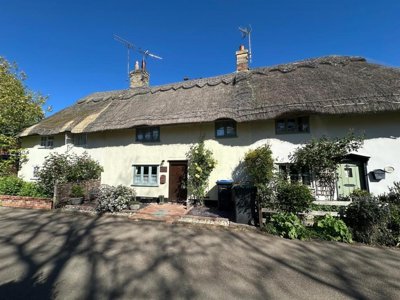
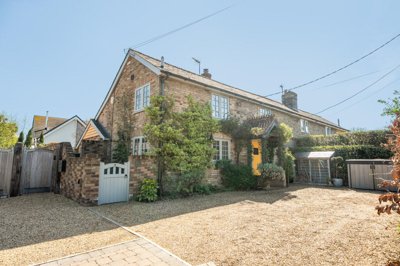
When searching for homes for sale in Woolpit, buyers will encounter properties spanning several eras of construction. The historic core around The Street and Church Street features buildings from the 16th to 18th centuries, many constructed with traditional Suffolk White brick and timber framing methods that require specific maintenance knowledge. Mid-20th century expansion added post-war housing in various styles, while the current new build developments represent the most recent phase of the village's growth. Understanding these construction periods helps buyers appreciate the different maintenance requirements and potential issues associated with each property type they view.

Homes for sale in Woolpit

Living in Woolpit

Woolpit nestles comfortably in the Suffolk countryside, offering residents a village lifestyle backed by centuries of history and a strong sense of community. The village centre clusters around The Street and Church Street, where you will find the historic St Mary's Church, a Grade I listed building dating from the medieval period. The surrounding area features numerous Grade II listed properties and farmhouses from the 16th to 18th centuries, reflecting the village's agricultural heritage and enduring character. Walking through the conservation area, you encounter an appealing mix of Suffolk White brick, timber-framed cottages, and flint features that define rural East Anglian architecture.

The local economy centres on small businesses, agricultural enterprises, and services that serve both residents and visitors passing through on the A14. Local shops, traditional pubs, and community facilities provide everyday necessities without requiring a trip to larger towns. The village hosts community events throughout the year, fostering connections between established residents and newcomers. Many Woolpit residents commute to Bury St Edmunds, Stowmarket, or Ipswich for employment, taking advantage of the village's strategic position while returning to a peaceful home environment each evening.

The community spirit in Woolpit remains one of its most appealing characteristics for newcomers. The village hall serves as a hub for events ranging from horticultural shows to quiz nights, while local sports teams and interest groups provide regular social opportunities. New residents often comment on how quickly they feel integrated into village life, aided by the manageable scale of the community where neighbours become familiar faces rather than strangers. This welcoming atmosphere proves particularly attractive to families and those seeking a quieter lifestyle without the anonymity of larger towns.

Local Construction Methods in Woolpit

Properties in Woolpit reflect the evolution of building techniques used throughout Suffolk over several centuries. The oldest properties in the conservation area typically feature timber-framed construction with wattle and daub or brick nogging infill panels, supported by oak frames that have endured for generations. These buildings often have solid brick or flint external walls, frequently rendered to protect against the elements. Roofs on historic properties were traditionally covered with clay tiles or thatch, with the latter still visible on some character cottages adding to the village's picturesque appearance.

Victorian and Edwardian properties in Woolpit followed contemporary building practices with solid brick construction using locally produced red bricks. These properties typically feature slate or clay tile roofs, sash windows with their characteristic narrow glazing bars, and more generous ceiling heights than modern construction. The solid wall construction found in these period properties requires different maintenance approaches compared to modern cavity walls, particularly regarding insulation and damp prevention. Understanding these construction differences helps buyers appreciate why surveys on older properties require specialist knowledge of traditional building methods.

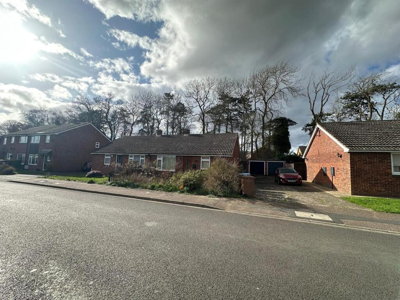
Post-war construction in the village introduced cavity wall technology, allowing for better insulation and moisture resistance than solid wall equivalents. These properties often feature concrete tile roofs, uPVC windows, and more standardised floor plans reflecting the building practices of their era. New build homes from developments such as Woolpit Nurseries and The Paddocks incorporate contemporary timber frame or masonry construction with modern insulation standards, brick or rendered exteriors, and uPVC windows throughout. When viewing properties across these different eras, buyers should consider how construction type influences maintenance costs, energy efficiency, and potential defect patterns.

Schools and Education in Woolpit

Families considering a move to Woolpit will find educational provision centred on Woolpit Primary School, a community school serving children from reception through to Year 6. The school provides a foundation for primary education within walking distance for most village residents, reducing the need for school transport and allowing children to participate fully in village life. For secondary education, pupils typically travel to nearby towns where a wider selection of secondary schools and grammar schools operate. Parents are advised to research current catchment areas and admission arrangements, as these can change and may influence which schools children attend based on their home address.

Beyond compulsory education, the surrounding area offers various further education opportunities. Colleges and training providers in Bury St Edmunds and Ipswich serve students from Woolpit and the surrounding villages, providing A-levels, vocational qualifications, and apprenticeships. The presence of good educational links adds to Woolpit's appeal for families, though prospective buyers should verify current school performance data and admission policies before committing to a purchase, particularly given the village's growing popularity and associated pressure on local school places. Speaking directly with school administrators can clarify specific admission criteria and waiting list situations that may not be immediately apparent from published data.

Transport and Commuting from Woolpit

The A14 dual carriageway passes close to Woolpit, placing the village on a major arterial route connecting Felixstowe port to the Midlands. This strategic position makes car travel straightforward for residents commuting to Bury St Edmunds (approximately 15 minutes), Ipswich (around 25 minutes), or Cambridge (roughly one hour). The road also provides access to the wider motorway network for those travelling further afield for work. Commuters who drive should note that parking provision varies by employer, and many larger workplaces offer dedicated parking although town centre locations may require permits or public car parks.

For those preferring public transport, bus services connect Woolpit to nearby towns, though frequencies may be limited on evenings and weekends. The nearest railway stations are in Bury St Edmunds and Stowmarket, offering connections to Cambridge, Ipswich, and London Liverpool Street via the Greater Anglia network. Journey times to London from these stations typically range from 90 minutes to two hours, making occasional London visits practical without a car. Cyclists will find some rural roads manageable, though the surrounding countryside features flat terrain that can be surprisingly accessible by bicycle with appropriate planning and equipment.

How to Buy a Home in Woolpit

1

Get Mortgage Agreement in Principle

Before viewing properties, obtain a mortgage agreement in principle from a lender. This confirms your budget and demonstrates to sellers that you have financing in place, strengthening your position when making offers on homes in Woolpit's competitive market. Having this document ready shows sellers you are a serious buyer and can proceed quickly once your offer is accepted.

2

Research the Local Market

Study property prices, recent sales data, and the character of different neighbourhoods within Woolpit. Understanding the difference between properties in the conservation area versus new developments helps you identify which properties match your requirements and budget. Our inspectors frequently survey properties across both eras, giving us insight into the different considerations each requires.

3

Arrange Property Viewings

Visit multiple properties to assess their condition, location within the village, and proximity to amenities, schools, and transport links. Take notes and photographs to help compare options later and identify any concerns that warrant professional survey investigation. Viewing properties at different times of day reveals noise levels, parking availability, and neighbour activity that single visits may miss.

4

Commission a RICS Level 2 Survey

Once you have an offer accepted, instruct a RICS Level 2 Survey (Homebuyer Report) to assess the property condition. For a 3-bedroom semi-detached in Woolpit, expect to pay £450-£650, while larger detached properties may cost £550-£800 or more depending on size and complexity. Our team uses local knowledge of Woolpit's construction types and geology to identify issues specific to properties in this area.

5

Instruct a Solicitor

Choose a conveyancing solicitor to handle the legal aspects of your purchase, including searches, contracts, and registration. Your solicitor will liaise with the seller's representatives and flag any issues revealed during the conveyancing process. Local solicitors familiar with Woolpit properties can streamline the process, particularly for transactions involving listed buildings or conservation area restrictions.

6

Exchange Contracts and Complete

After all searches return satisfactory results and finance is confirmed, you will exchange contracts and pay your deposit. Completion typically follows within days or weeks, after which you receive the keys and can move into your new Woolpit home. Your solicitor will coordinate timing with all parties and notify Land Registry once the transaction completes.

What to Look for When Buying in Woolpit

Properties in Woolpit present several area-specific considerations that buyers should investigate before committing to a purchase. The underlying boulder clay geology presents a shrink-swell risk, meaning clay soils expand when wet and contract during dry periods. This can affect foundations, particularly for older properties without deep footings. When viewing properties, examine walls for cracking that might indicate foundation movement, and ask sellers about any history of subsidence or underpinning that may have been carried out previously. Our surveyors frequently identify foundation concerns in period properties across Mid Suffolk where original footings were not designed for clay soil conditions.

Surface water flooding deserves attention in Woolpit. While river and coastal flood risk remains very low to low, certain areas experience medium to high surface water flooding during heavy rainfall. This occurs because clay soils struggle to drain water quickly, causing surface runoff to accumulate in low-lying areas. Prospective buyers should check the government flood risk maps for specific properties and consider requesting a Drainage and Water Search to understand any history of flooding or drainage issues. The village centre and areas near minor watercourses are particularly susceptible during periods of heavy rainfall.

Properties within the conservation area or those that are Listed Buildings require additional consideration. Any modifications to listed properties need Listed Building Consent, which can restrict renovations and improvements. Buyers considering older properties should budget for potential maintenance costs associated with traditional construction methods and period features. A RICS Level 3 Building Survey may prove more appropriate than a standard Level 2 Survey for listed buildings or particularly old properties, as it provides more detailed assessment of complex construction and specialist repair requirements. Our team has experience surveying many of the historic properties in Woolpit and understands the specific issues these buildings present.

Find properties for sale in Woolpit

Frequently Asked Questions About Buying in Woolpit

What is the average house price in Woolpit?

The average house price in Woolpit stands at £403,171 as of February 2026, according to Rightmove data. Prices vary significantly by property type, with detached homes averaging £492,000, semi-detached properties at £316,000, terraced homes around £280,000, and flats at approximately £175,000. House prices in Woolpit have increased by 1.8% over the past twelve months, indicating a stable and gradually growing market. The village's desirability stems from its village character combined with strong commuter links to Bury St Edmunds and the A14 corridor, supporting continued demand across all property types.

What council tax band are properties in Woolpit?

Properties in Woolpit fall under Mid Suffolk District Council's jurisdiction for council tax purposes. Bands range from A through H based on property value, with most detached family homes falling into bands D to F, smaller terraced properties often in bands B to D, and flats typically occupying bands A to C. You can check the specific band for any property via the Valuation Office Agency website using the property address or postcode IP30 9QS. Council tax bills include contributions to Suffolk County Council services and the local police authority alongside the district council portion.

What are the best schools in Woolpit?

Woolpit Primary School serves children from reception through Year 6 within the village itself, providing local primary education within walking distance for most residents. For secondary education, families typically look to schools in nearby Bury St Edmunds or Stowmarket, with several options available including grammar schools for academically selective pupils. Parents should consult the latest Ofsted reports and admission criteria when selecting schools, as catchment areas can influence eligibility significantly. Visiting schools and speaking with current parents provides valuable insight beyond official statistics and helps families understand the daily reality of school life.

How well connected is Woolpit by public transport?

Woolpit has limited direct public transport, with bus services providing connections to surrounding towns though frequencies may restrict weekday-only commuting. The nearest railway stations are Bury St Edmunds and Stowmarket, both offering regular services to Cambridge, Ipswich, and London Liverpool Street with journey times typically between 90 minutes and two hours to the capital. The A14 passes near the village, making car travel the most practical option for most residents, providing straightforward access to employment centres throughout Suffolk and beyond including the port at Felixstowe and connections to the motorway network.

Is Woolpit a good place to invest in property?

Woolpit offers several attractions for property investors, including stable price growth shown by the 1.8% annual increase, a desirable village location, and proximity to growing employment centres in Bury St Edmunds and Ipswich. The limited supply of flats and the presence of commuters seeking rental accommodation suggest potential demand for quality rentals. However, investors should consider the costs of conservation area restrictions if purchasing listed property, factor in potential void periods between tenancies, and ensure compliance with landlord regulations including energy performance certificate requirements.

What stamp duty will I pay on a property in Woolpit?

Standard Stamp Duty Land Tax rates start at 0% on the first £250,000 of residential property purchases, rising to 5% on the portion between £250,001 and £925,000, 10% up to £1.5 million, and 12% above that threshold. For a typical Woolpit property at the current average price of £403,171, a non-first-time buyer would pay SDLT of £7,658.50, calculated on the portion between £250,000 and £403,171. First-time buyers benefit from relief on the first £425,000 with 5% applying between £425,001 and £625,000, though eligibility requires never having owned property anywhere in the world. Your solicitor will calculate the exact SDLT due based on your purchase price and circumstances.

What common defects should I look for in Woolpit properties?

Given the predominance of older properties in Woolpit's conservation area, damp issues appear frequently, including rising damp in solid-walled buildings and penetrating damp where pointing or rendering has deteriorated. The boulder clay geology causes foundation movement in some properties, so significant cracking or doors that stick warrants professional investigation. Roof conditions on period properties often require attention, with missing tiles, worn leadwork, and timber decay being common findings. Properties built before the 1980s frequently have electrical systems and plumbing that fall short of current standards, requiring budgeting for upgrades. Our inspectors regularly encounter these issues when surveying properties throughout Woolpit and can provide detailed reports on their condition and implications.

Stamp Duty and Buying Costs in Woolpit

Budgeting for your Woolpit purchase requires careful consideration of all costs beyond the property price itself. Stamp Duty Land Tax represents a significant upfront expense, with standard rates applying 0% to the first £250,000, 5% between £250,001 and £925,000, 10% on £925,001 to £1.5 million, and 12% on any amount above £1.5 million. For a typical Woolpit property at the current average price of £403,171, a non-first-time buyer would pay SDLT of £7,658.50, calculated on the portion between £250,000 and £403,171. First-time buyers purchasing properties up to £425,000 pay no SDLT at all, with 5% applying to the portion between £425,001 and £625,000, which can substantially reduce purchase costs for those eligible.

Beyond stamp duty, budget for legal fees typically ranging from £500 to £1,500 depending on complexity, survey costs of £450 to £800 for a standard RICS Level 2 Survey on most Woolpit properties, and lender arrangement fees if your mortgage product includes these charges. Removal costs, valuation fees, and potential mortgage broker fees add to the total alongside search fees for local authority, drainage, and environmental searches. Building insurance must be in place from exchange of contracts, and you should factor in potential costs for immediate repairs or furnishings after moving into your new Woolpit home.

Planning these expenses carefully ensures you are not caught out by costs that arise alongside the excitement of completing on your new Woolpit home. Our team can provide guidance on typical survey costs for different property types in the village, helping you budget appropriately based on the specific property you are purchasing. Whether you are buying a modern detached home on one of the new developments or a character cottage in the conservation area, understanding the full cost picture allows you to proceed with confidence once your offer is accepted.

Property search in Woolpit

Browse Homes for Sale Across the UK

Terms of use Privacy policy All rights reserved © homemove.com | Properties for Sale » England » Woolpit, Mid Suffolk

Homemove is a trading name of HM Haus Group Ltd (Company No. 13873779, registered in England & Wales). Homemove Mortgages Ltd (Company No. 15947693) is an Appointed Representative of TMG Direct Limited, trading as TMG Mortgage Network, which is authorised and regulated by the Financial Conduct Authority (FRN 786245). Homemove Mortgages Ltd is entered on the FCA Register as an Appointed Representative (FRN 1022429). You can check registrations at NewRegister or by calling 0800 111 6768.