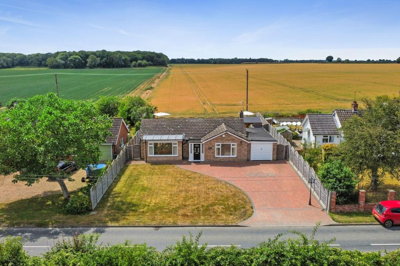
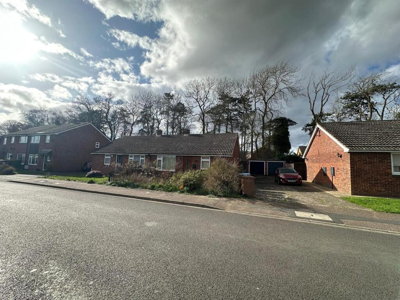
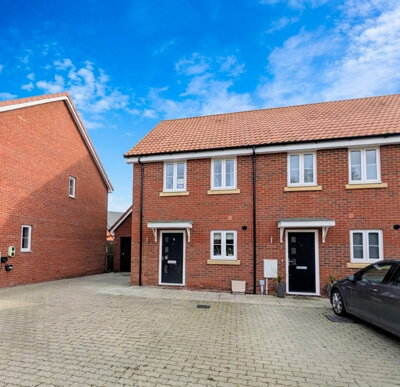
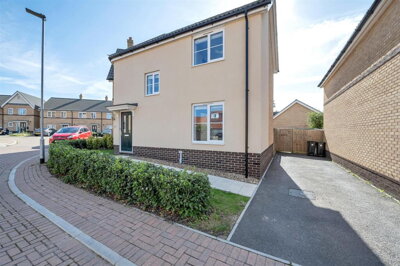
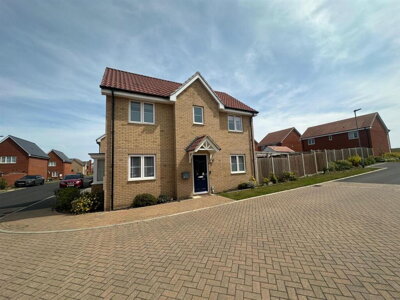
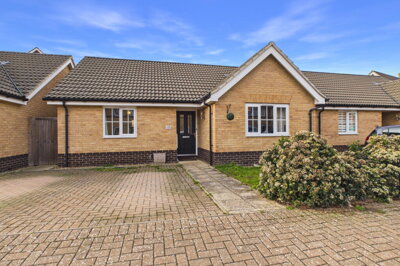
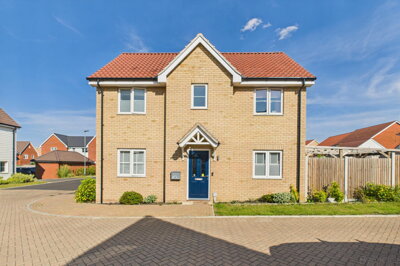
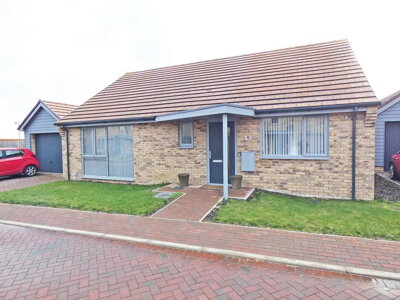
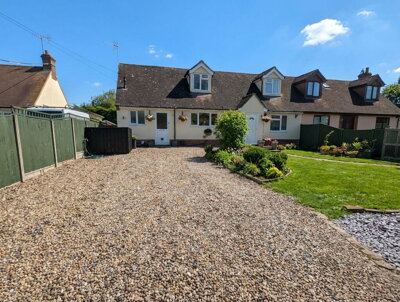
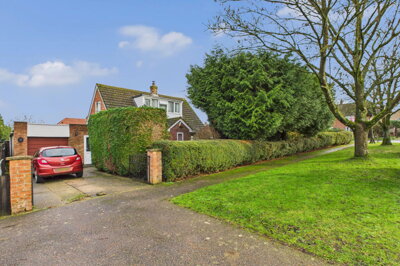
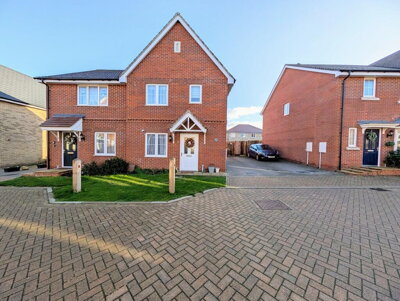
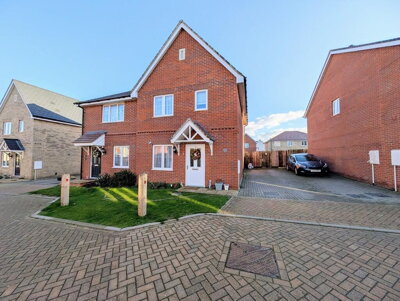
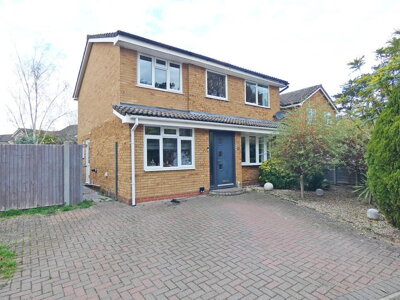
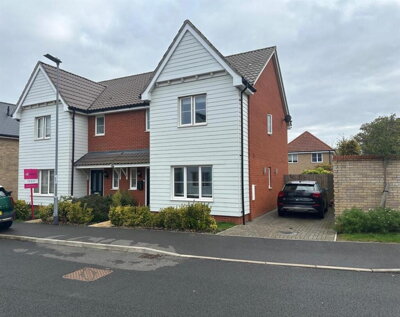
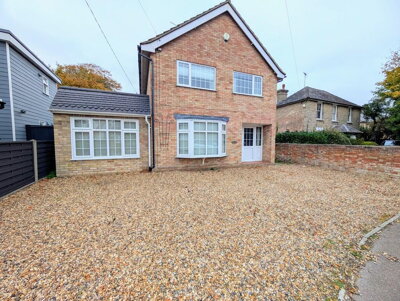
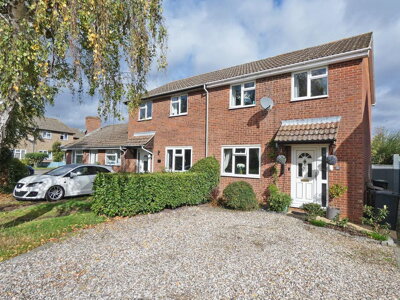
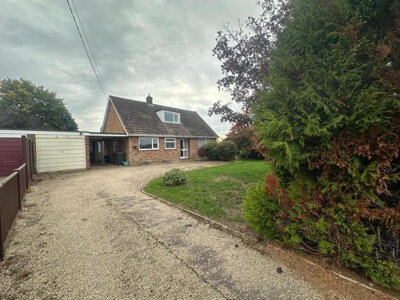
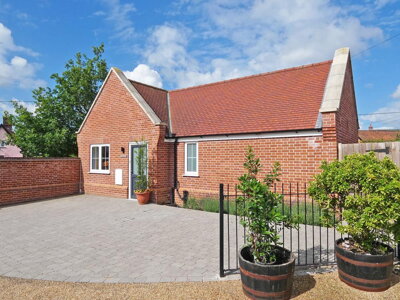
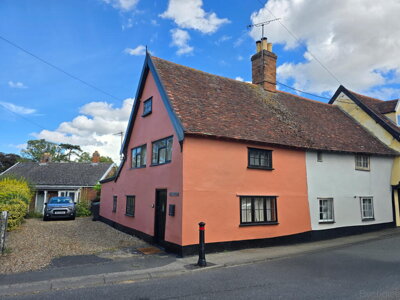
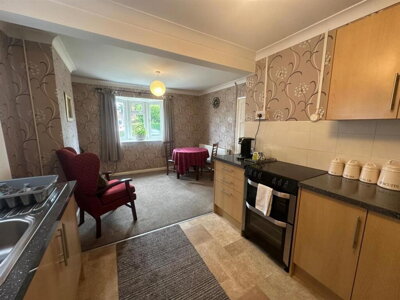
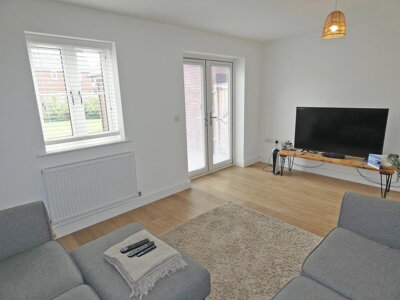
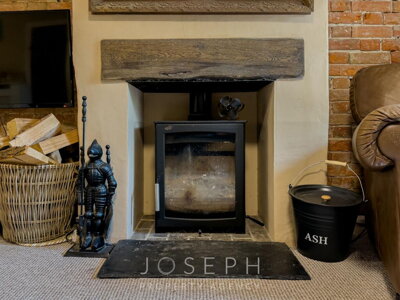
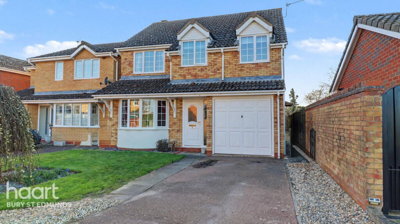
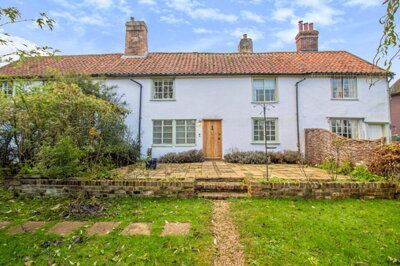
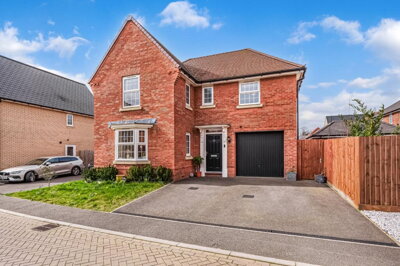
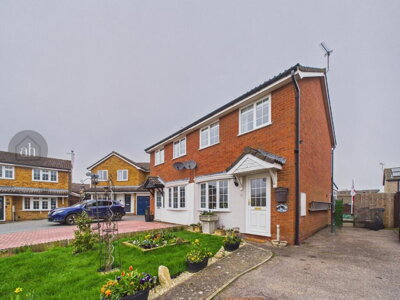
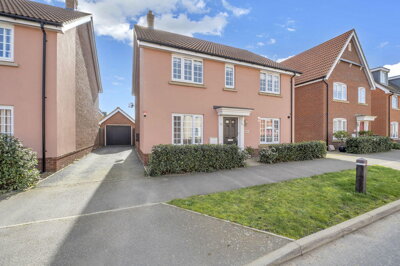
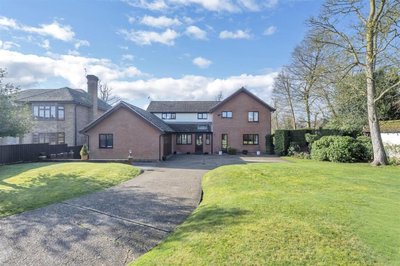
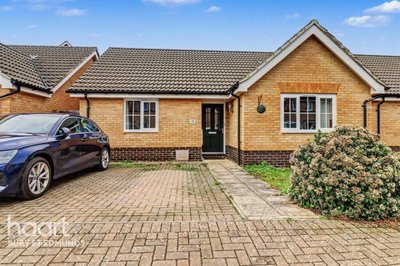
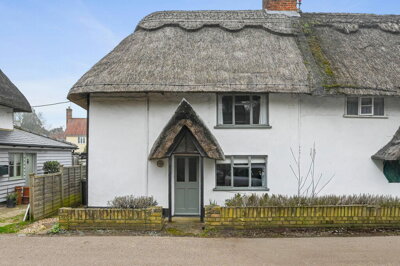
Browse 141 homes for sale in Woolpit, Mid Suffolk from local estate agents.
The Woolpit property market offers detached, semi-detached, and terraced houses spanning various price ranges and neighbourhoods. Each listing includes detailed property information, photographs, and direct contact with the marketing agent.
£440k
17
1
147
Source: home.co.uk
Showing 17 results for Houses for sale in Woolpit, Mid Suffolk. 1 new listing added this week. The median asking price is £440,000.
Source: home.co.uk
Detached
11 listings
Avg £631,359
Semi-Detached
6 listings
Avg £347,000
Source: home.co.uk
Source: home.co.uk
The Ticehurst property market has demonstrated notable resilience despite broader national fluctuations. Over the past year, house prices in the village experienced a 17% reduction compared to the previous year, and stand 6% below the 2022 peak of £493,751. This adjustment presents genuine opportunities for buyers seeking value in a premium rural location, with terraced properties averaging £323,750 and one purpose-built flat selling for £221,750 in October 2024. The current market conditions favour well-informed buyers who move decisively on quality properties, particularly given the limited supply of character homes in this desirable village setting.
New build activity in Ticehurst continues to add variety to the housing landscape. Hillbury Fields, developed by Fernham Homes, offers thirty private homes on the edge of the village with an all-inclusive specification including fitted wardrobes, en-suites, integrated kitchen appliances, and dedicated parking. Meanwhile, Newington Court on Pickforde Lane provides affordable housing options through Southern Housing, offering eight 1, 2, 3, and 4-bedroom houses under shared ownership and social rent schemes. For those seeking something truly unique, three custom build plots adjacent to the High Street are available with planning permission, priced between £265,000 and £285,000 for traditional Kentish-style detached homes. This mix of new developments ensures that first-time buyers, families, and those seeking character properties all find viable options within the village.
The village's historic core contains several notable listed buildings that occasionally come to market, including The Long House, Cerne Cottage, Clare House, and Little Clayhams along the High Street. These properties represent centuries of Wealden building tradition, with characteristic jettied upper floors, crown-post roofs, and the distinctive tile-hanging that defines the local vernacular. Properties in the Conservation Area, which encompasses the historic village centre, are subject to additional planning controls that help preserve this distinctive character. For buyers interested in period properties, understanding the implications of listed building status and Conservation Area designation is essential before making an offer.

Life in Ticehurst centres on its strong sense of community and access to beautiful countryside. The village sits within the High Weald Area of Outstanding Natural Beauty, characterised by rolling hills, ancient woodlands, and the distinctive orange-red tiled roofs that define Wealden architecture. The village has evolved over centuries, with its historic core containing Wealden Hall Houses dating from the 15th and 16th centuries, alongside Victorian-era properties and traditional weather-boarded cottages. This architectural variety creates a visually rich environment that reflects centuries of continuous habitation and development. The local geology includes the clay-rich soils typical of the Weald, which have shaped both the landscape and building traditions of the area.
The village provides essential amenities for daily life, including a village shop, public houses, and local services that serve both residents and the surrounding farming community. The Ticehurst Neighbourhood Plan actively fosters sustainable economic growth and supports local businesses, ensuring the village maintains its vitality as a place to live and work. The population has grown modestly from 3,813 at the 2021 Census to an estimated 3,995 in 2024, reflecting organic growth rather than rapid development. This careful approach to growth helps preserve the character that makes Ticehurst attractive while ensuring the community remains viable and self-sustaining for generations to come.
The local economy benefits from its position within the High Weald, with agriculture, local services, and tourism all contributing to village employment. The area's historical significance as a centre for Wealden ironworking adds cultural depth to the community, with remnants of this industrial heritage visible in the landscape surrounding the village. For residents, the combination of rural amenities, community spirit, and proximity to larger towns creates a quality of life that consistently attracts buyers seeking a balanced lifestyle away from urban pressures.
Education provision in Ticehurst serves families with children of all ages, with several well-regarded schools within easy reach of the village. Primary education is available at local schools in Ticehurst and the surrounding villages, providing a strong foundation for younger children in a rural setting that many parents find ideal for early development. The broader Rother district offers additional primary options, while secondary education is accessible through schools in nearby towns that are served by school transport from the village. Parents considering a move to Ticehurst should research specific catchment areas and admission arrangements with East Sussex County Council, as these can influence school placement.
For families requiring private education, the Tunbridge Wells area provides several independent school options within reasonable commuting distance. Sixth form provision and further education opportunities are available at colleges in Tunbridge Wells and surrounding towns, ensuring that teenagers have access to a wide range of academic and vocational pathways. The village's proximity to quality schools, combined with its safe, rural environment, makes Ticehurst particularly appealing to families who value both educational opportunity and the benefits of countryside living. Prospective buyers with school-age children should always verify current Ofsted ratings and admission policies, as these can change and may significantly impact their decision.
The journey time from Ticehurst to secondary schools in Battle, Robertsbridge, or Tunbridge Wells typically ranges from 15 to 30 minutes by car, with school bus services operating from the village for several local options. Primary-aged children generally have shorter journeys, with Ticehurst and the neighbouring village of Hurst Green both offering primary school provision. Given the rural setting, many families appreciate the strong community atmosphere found in local schools, where smaller class sizes often allow for more individual attention and closer relationships between teachers, pupils, and parents.
Transport connectivity from Ticehurst balances rural charm with practical commuting options for those who need to travel to work. The village sits at a crossroads of country lanes that connect to the A21 trunk road, providing access to Tunbridge Wells to the north (approximately 12 miles) and Hastings to the south (approximately 15 miles). The A21 offers relatively straightforward access to the M25 motorway at Sevenoaks, opening up broader London commuting possibilities for those willing to accept longer journey times. For local journeys, a car remains essential for most residents, though the village's compact nature means that daily necessities can often be reached on foot or by bicycle.
Rail services are accessible from nearby stations including Etchingham (approximately 8 miles), Stonegate (approximately 9 miles), and Wadhurst (approximately 7 miles), with connections to London Bridge, Charing Cross, and Cannon Street. The journey to London typically takes around an hour from these stations, making regular commuting feasible for those working in the capital, though the driving time to the station must be factored into overall journey planning. Bus services provide limited but useful connections to neighbouring villages and towns, serving those who prefer not to drive for everyday journeys. For cyclists, the quiet country lanes offer scenic routes for local travel, though the rolling Wealden terrain can be demanding. Parking within the village is generally adequate, though spaces may be limited during village events or busy periods.
For those working in Tunbridge Wells, the daily commute by car takes approximately 25-35 minutes outside peak hours, though this can extend significantly during busy periods on the A21. The road passes through some attractive countryside, with the section between Flimwell and the Wells being particularly scenic. Many residents who work in London choose to drive to a nearer station rather than commute all the way, finding this provides a better balance of journey time and flexibility.
Contact local mortgage advisers to obtain an agreement in principle before beginning your property search. Understanding your financial position helps you focus on properties within your range and demonstrates your seriousness to sellers when making offers. With Ticehurst's average price of £462,857, most buyers will need a substantial mortgage, and agreement in principle can streamline the process considerably.
Browse the current listings in Ticehurst to identify homes that match your requirements. Consider the full range available, from Victorian terraces to contemporary new builds at Hillbury Fields, and note that some properties may be subject to local eligibility criteria or shared ownership restrictions. Newington Court offers shared ownership options that can be particularly valuable for first-time buyers seeking to get onto the property ladder in this desirable village location.
Visit properties that interest you, taking time to assess the neighbourhood, nearby amenities, and the condition of the building itself. A RICS Level 2 Survey is strongly recommended given Ticehurst's varied housing stock, including many older properties that may have age-related maintenance needs. Pay particular attention to properties near the High Street, where historic buildings may have specific maintenance requirements or be subject to listed building controls.
Once you have found your ideal home, submit an offer through the estate agent. Given recent market adjustments, there may be room for negotiation on price or conditions. Be prepared to move quickly, as quality properties in Ticehurst continue to attract interest from discerning buyers. The village's limited supply of character homes means that well-priced properties can sell rapidly.
Appoint a conveyancing solicitor to handle the legal aspects of your purchase, including local searches, title verification, and contract preparation. Given Ticehurst's Conservation Area status and listed buildings, your solicitor should check for any planning restrictions or listed building consent issues that may affect the property. Environmental searches should investigate ground conditions, as the clay soils of the Weald can create subsidence risks for some properties.
Once all searches are satisfactory and finance is confirmed, you will exchange contracts and pay a deposit. Completion typically follows shortly after, at which point you will receive the keys to your new Ticehurst home and can begin enjoying village life in this beautiful part of East Sussex. We recommend arranging buildings insurance from the point of completion.
Purchasing a property in Ticehurst requires attention to several area-specific considerations that may not apply in other locations. The prevalence of clay soils throughout the High Weald creates potential for shrink-swell behaviour, where ground conditions expand in wet weather and contract during dry periods. This movement can cause subsidence issues that affect foundations and structural integrity. Prospective buyers should commission a thorough survey, particularly for older properties, and check whether any subsidence claims have been made on the property or neighbouring homes. The British Geological Survey provides a Property Subsidence Assessment dataset that offers valuable insights into ground conditions for specific locations.
The extensive listed building stock in Ticehurst means that many properties carry statutory protections that significantly affect what works can be undertaken. With one Grade I, four Grade II*, and 152 Grade II listed buildings in the village, buyers purchasing such properties face restrictions on alterations, extensions, and even internal changes that might be permitted on unlisted homes. If you are considering a listed property, factor in the additional costs and requirements of obtaining listed building consent, and ensure your solicitor verifies the property's listed status before proceeding. A specialist survey from a conservation-experienced surveyor may be advisable for such properties.
Properties within the Ticehurst Conservation Area are subject to additional planning controls that limit permitted development rights. This means that extending a home, adding outbuildings, or making significant external alterations may require full planning permission rather than relying on permitted development allowances. New developments like Hillbury Fields are encouraged to incorporate local building traditions, including the distinctive orange-red tiles and tile-hanging that characterise the village's historic properties. Buyers should review the Ticehurst Neighbourhood Plan to understand the community's aspirations for development and any specific policies that may affect their property.
The local building materials used throughout Ticehurst reflect centuries of Wealden tradition. Orange-red clay tiles, tile-hanging, and weather-boarding are characteristic features, with many Victorian and earlier properties featuring these materials. Properties with original timber frames should be checked for evidence of woodworm or wet and dry rot, which can be more prevalent in older constructions. Roof condition is particularly important given the age of many village properties, and the distinctive steep pitches common to Wealden Hall Houses require specialist knowledge to assess accurately.
The average house price in Ticehurst over the last year was £462,857. Detached properties average £629,062, semi-detached homes cost around £376,944, and terraced properties sell for approximately £323,750. House prices have fallen 17% from the previous year and are 6% below the 2022 peak of £493,751, presenting opportunities for buyers in this desirable village location. One purpose-built flat sold for £221,750 in October 2024, indicating the lower end of the market.
Properties in Ticehurst fall under Rother District Council and East Sussex County Council for council tax purposes. Bands range from A through to H depending on the property's assessed value, with most family homes in the village falling within bands C to E. Specific bands for individual properties can be verified through the Valuation Office Agency website or your solicitor during the conveyancing process, and these bands affect the ongoing cost of ownership alongside mortgage payments and maintenance.
Ticehurst and the surrounding Rother district offer good primary education options, with schools serving the village and neighbouring communities including Hurst Green. Secondary schools are accessible in nearby towns including Battle and Robertsbridge via school transport, with journey times of 15-25 minutes. The Tunbridge Wells area provides additional options, including independent schools for families seeking private education. Always verify current Ofsted ratings and admission criteria with East Sussex County Council, as catchment areas can influence placements and change over time.
Ticehurst is a rural village where car travel remains essential for most journeys. The village connects to the A21 trunk road, providing swift access to Tunbridge Wells (approximately 12 miles north) and the M25 motorway at Sevenoaks. Rail services are available from nearby stations including Etchingham, Stonegate, and Wadhurst, all within approximately 10 miles, with direct trains to London Bridge taking around an hour. Limited bus services connect Ticehurst to surrounding villages, though frequency is limited compared to urban routes.
Ticehurst offers several factors that appeal to property investors, including its location within the High Weald Area of Outstanding Natural Beauty, the rarity of properties coming to market, and strong demand from buyers seeking village living. The presence of new developments like Hillbury Fields and Newington Court indicates ongoing investment in the area. However, investors should consider the Conservation Area restrictions that limit permitted development, the potential for voids between tenants, and the importance of maintaining listed buildings to appropriate standards if purchasing historic property.
Stamp Duty Land Tax rates for 2024-25 apply as follows: 0% on purchases up to £250,000, 5% on the portion from £250,001 to £925,000, 10% from £925,001 to £1.5 million, and 12% above £1.5 million. First-time buyers benefit from relief on the first £425,000, with 5% applying between £425,001 and £625,000. At Ticehurst's average price of £462,857, a standard buyer would pay approximately £10,643 in stamp duty after the zero-rate threshold, while a first-time buyer would pay around £1,893.
Ticehurst is situated inland within the High Weald, reducing coastal flood risks significantly. However, the clay-rich soils typical of the Weald create potential for ground movement and subsidence, particularly during prolonged dry or wet periods. Surface water flooding can occur in the wider region, particularly following heavy rainfall. Your solicitor should commission drainage and water searches, and we recommend checking East Sussex County Council flood maps before purchasing any property, particularly those in lower-lying areas near watercourses.
Given Ticehurst's heritage, including 15th and 16th-century Wealden Hall Houses and Victorian properties, buyers should pay particular attention to roof condition, timber frame integrity, damp proofing, and the condition of any original features. Local building materials include tile-hanging and local orange-red tiles that may require specialist repair. Properties with exposed timber should be checked for woodworm or rot by a qualified surveyor. A RICS Level 2 Survey is strongly recommended for most properties, and a Level 3 Building Survey may be advisable for historically significant or complex properties.
Several new build options exist in Ticehurst for buyers seeking modern accommodation. Hillbury Fields offers thirty private homes by Fernham Homes with all-inclusive specifications including fitted wardrobes, en-suites, and parking. Newington Court on Pickforde Lane provides eight affordable homes through Southern Housing under shared ownership and social rent schemes. Three custom build plots near the High Street are available at £265,000 to £285,000 for buyers wanting to create their own Kentish-style detached home, with planning permission already granted under reference RR/2022/1265/P.
Understanding the full costs of purchasing property in Ticehurst is essential for budgeting effectively. Stamp Duty Land Tax represents the most significant upfront cost beyond the purchase price itself. For a property at Ticehurst's average price of £462,857, a standard buyer pays £10,643 after the £250,000 threshold. First-time buyers enjoy enhanced relief, paying nothing on the first £425,000 and 5% on the amount between £425,001 and £462,857, resulting in total SDLT of approximately £1,893. These thresholds are fixed until March 2025, after which they may be adjusted by the government.
Beyond stamp duty, buyers should budget for solicitor fees, which typically range from £500 to £2,000 depending on complexity and property value. Your solicitor will conduct local searches including drainage and water searches, local authority checks, and environmental searches that investigate ground conditions and flood risk in this part of the Weald. Survey costs should also be factored in, with RICS Level 2 Surveys starting from around £495 for a standard three-bedroom property, rising for larger homes or those requiring more detailed assessment. Given Ticehurst's concentration of listed buildings and historic properties, you may wish to budget for specialist surveys that go beyond the standard RICS Level 2 Report.
Removal costs vary based on distance and volume, while mortgage arrangement fees typically range from £0 to £2,000 depending on your chosen lender and product. Buildings insurance must be in place from the point of completion, and life or mortgage protection insurance is worth considering. For new build purchases at developments like Hillbury Fields, you may need to budget for window dressings, turf installation, and other items that may not be included in the specification despite the premium pricing. Obtaining a mortgage agreement in principle before searching for properties in Ticehurst will help you move quickly when you find your ideal home, demonstrating your seriousness to sellers in a competitive village market.

Properties for Sale In London

Properties for Sale In Plymouth

Properties for Sale In Liverpool

Properties for Sale In Glasgow

Properties for Sale In Sheffield

Properties for Sale In Edinburgh

Properties for Sale In Coventry

Properties for Sale In Bradford

Properties for Sale In Manchester

Properties for Sale In Birmingham

Properties for Sale In Bristol

Properties for Sale In Oxford

Properties for Sale In Leicester

Properties for Sale In Newcastle

Properties for Sale In Leeds

Properties for Sale In Southampton

Properties for Sale In Cardiff

Properties for Sale In Nottingham

Properties for Sale In Norwich

Properties for Sale In Brighton

Properties for Sale In Derby

Properties for Sale In Portsmouth

Properties for Sale In Northampton

Properties for Sale In Milton Keynes

Properties for Sale In Bournemouth

Properties for Sale In Bolton

Properties for Sale In Swansea

Properties for Sale In Swindon

Properties for Sale In Peterborough

Properties for Sale In Wolverhampton

Enter your details to see if this property is within your budget.
Loans, cards, car finance
Estimated property budget
Borrowing + deposit
You could borrow between
Typical borrowing
Monthly repayment
Est. at 4.5%
Loan-to-value
This is an estimate only. Your actual budget may vary depending on interest rates, credit history, and personal circumstances. For an accurate affordability assessment, speak to one of our free mortgage advisors.
This calculator provides estimates for illustrative purposes only and does not constitute financial advice. Your home may be repossessed if you do not keep up repayments on your mortgage. Estimates based on 4.5% interest rate, repayment mortgage. Actual rates depend on your circumstances.
Homemove is a trading name of HM Haus Group Ltd (Company No. 13873779, registered in England & Wales). Homemove Mortgages Ltd (Company No. 15947693) is an Appointed Representative of TMG Direct Limited, trading as TMG Mortgage Network, which is authorised and regulated by the Financial Conduct Authority (FRN 786245). Homemove Mortgages Ltd is entered on the FCA Register as an Appointed Representative (FRN 1022429). You can check registrations at NewRegister or by calling 0800 111 6768.

We use cookies to show you personalised content and improve your experience of our website. Find out more in our Privacy policy and Cookie policy.