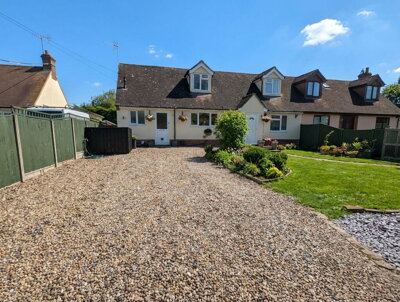
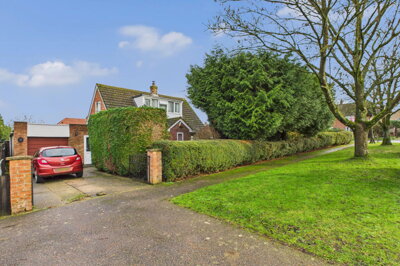
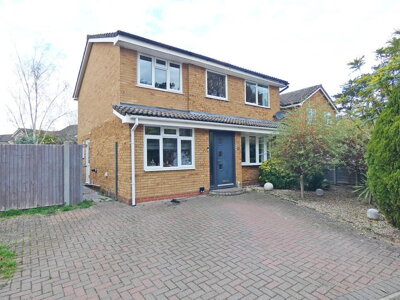
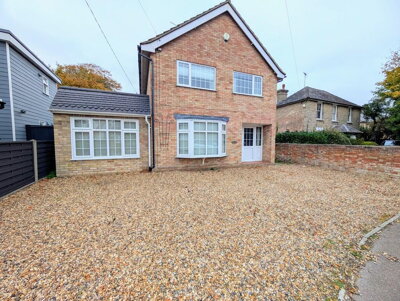
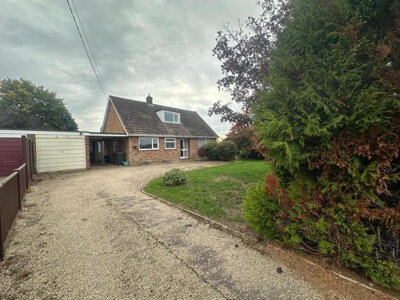
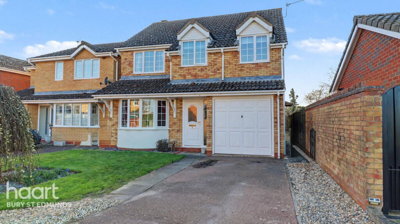
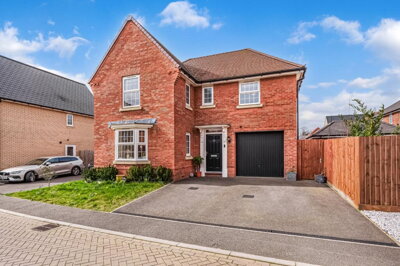
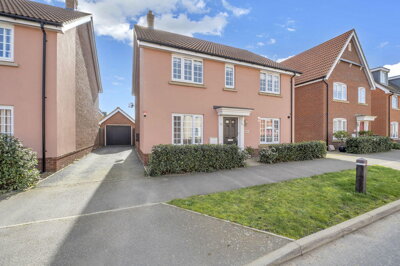
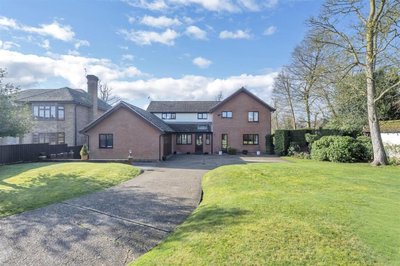
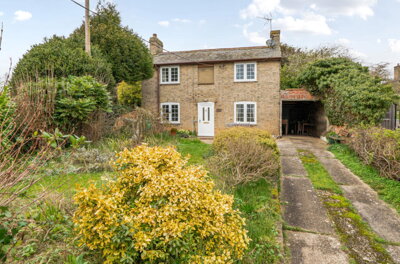
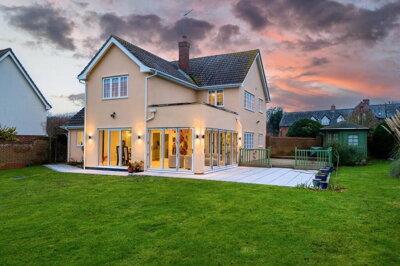
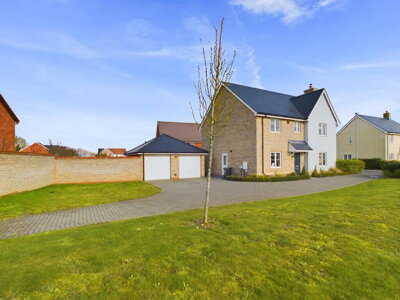
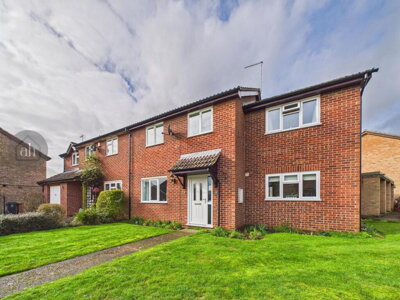
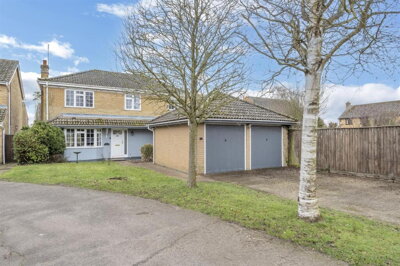
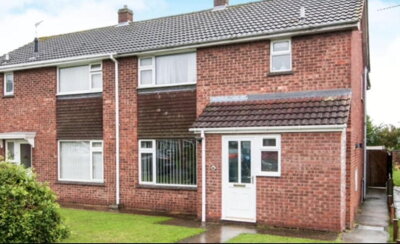
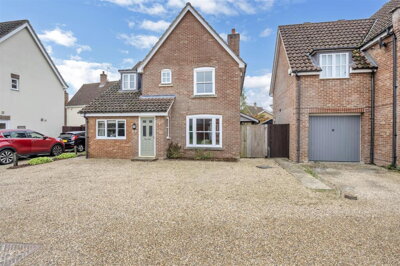
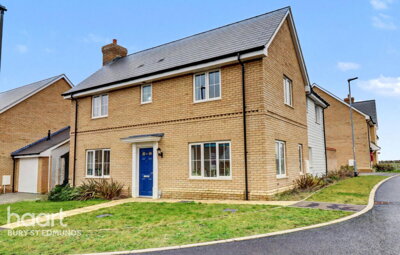
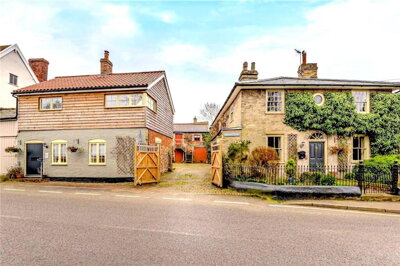
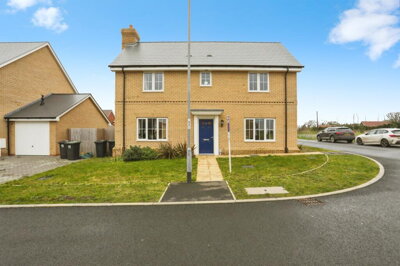
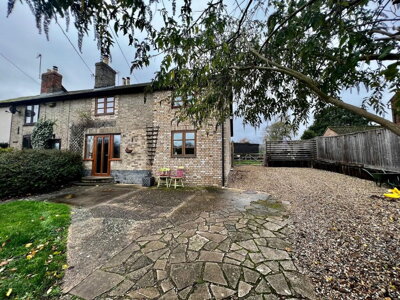
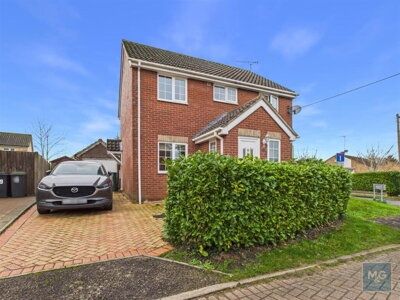
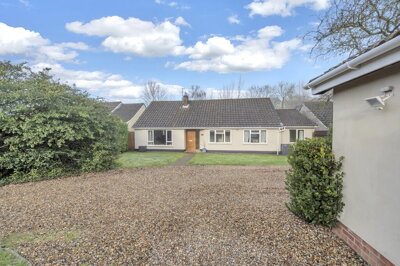
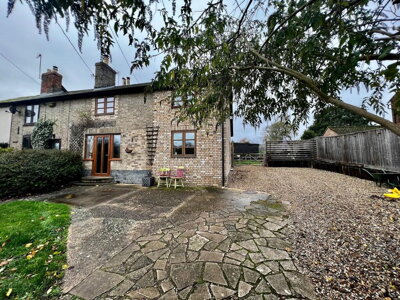
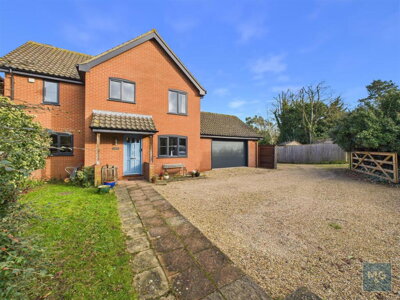
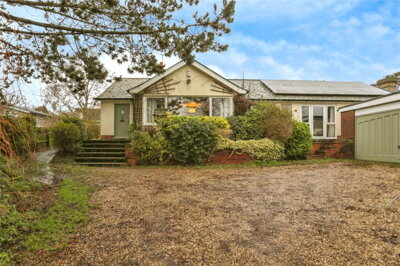
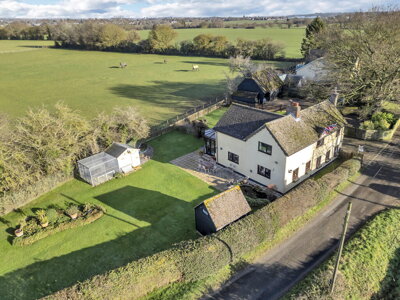
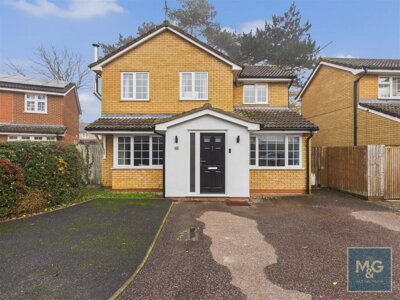
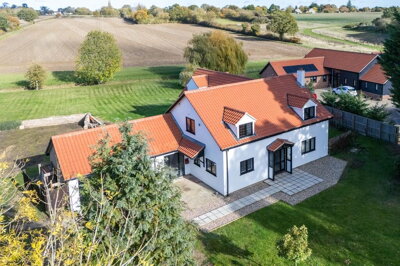
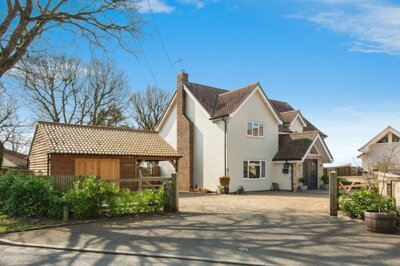
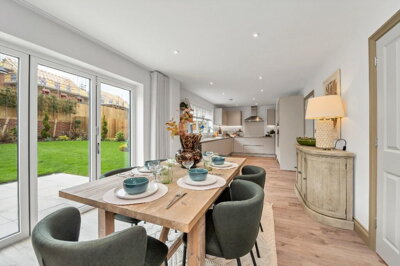
Browse 55 homes for sale in Woolpit, Mid Suffolk from local estate agents.
The larger property sector typically features multiple bathrooms, substantial reception space, and private gardens or off-street parking. Four bedroom houses in Woolpit span detached, semi-detached, and occasionally terraced configurations, with styles ranging from period properties to modern executive homes.
£520k
9
0
124
Source: home.co.uk
Showing 9 results for 4 Bedroom Houses for sale in Woolpit, Mid Suffolk. The median asking price is £520,000.
Source: home.co.uk
Detached
9 listings
Avg £516,106
Source: home.co.uk
Source: home.co.uk
The Ticehurst property market has experienced notable shifts over the past year, with house prices falling 17% compared to the previous year and 6% below the 2022 peak of £493,751. Despite this correction, the market remains active with 811 properties changing hands within the last year, demonstrating sustained buyer interest in the village. Detached properties command the highest prices, averaging £629,062, reflecting the premium placed on space and privacy in this desirable rural location. Semi-detached homes average £376,944, offering more accessible entry points for families seeking quality village living without the premium associated with detached stock.
New build activity in Ticehurst is contributing fresh options to the market. Hillbury Fields, located at TN5 7EX, offers thirty private homes with generous specifications including fitted wardrobes, en-suites, integrated kitchen appliances, and allocated parking. For those seeking more affordable routes onto the property ladder, Newington Court on Pickforde Lane provides eight new 1, 2, 3, and 4-bedroom houses through shared ownership and social rent schemes. Additionally, three custom build plots just off the High Street are available with planning permission, priced between £265,000 and £285,000 for the plots alone, allowing buyers to create their dream home in the heart of the village. The proposed Drill Hall development on Pashley Road, if approved, would add two more semi-detached dwellings to further expand choices.
Property types in Ticehurst reflect centuries of architectural development, from medieval Wealden Hall Houses to Victorian terraces and contemporary new builds. The village is home to one Grade I listed building, four Grade II* listed buildings, and 152 Grade II listed buildings, creating a rich of historic architecture that attracts buyers seeking character properties. Terraced homes in the village average around £323,750, providing the most accessible entry point into the Ticehurst market for first-time buyers and those seeking a village lifestyle at a more modest price point.

Life in Ticehurst revolves around its strong sense of community and the abundant natural beauty of the High Weald landscape. The village centre features a selection of independent shops, traditional pubs, and essential services that cater for everyday needs without requiring journeys to larger towns. The surrounding countryside offers extensive walking and cycling routes through ancient woodlands, rolling farmland, and along historic lanes that have changed little over centuries. The Ticehurst Neighbourhood Plan actively supports sustainable economic growth and affordable living, ensuring the village maintains its vitality for future generations while preserving the character that makes it special.
The demographic composition of Ticehurst reflects a balanced mix of families, working-age couples, and older residents who have chosen to remain in the community they know and love. The population stands at approximately 3,995 residents across over 1,500 households within the wider parish, with around 1,900 people residing within the development boundary of the village itself. This scale creates sufficient critical mass for local services while maintaining the intimate scale that makes village life so appealing. The local economy benefits from proximity to agriculture, village services, and tourism generated by the Area of Outstanding Natural Beauty status, with many residents commuting to nearby towns like Tunbridge Wells for work while enjoying the best of rural Sussex living.
The High Weald geology beneath Ticehurst creates a distinctive landscape of rolling hills and sandstone ridges, with numerous streams and ponds dotting the countryside. The clay-rich soils that characterise the region have historically supported the Wealden ironworking industry, and remnants of this industrial heritage can still be found in the local landscape. For residents, this geology means that gardens generally drain well and the underlying rock provides stable foundations for most properties, though the shrink-swell behaviour of clay soils during wet and dry periods requires consideration when assessing period properties. The combination of productive farmland, extensive woodlands, and historic settlements creates the quintessential English countryside that draws buyers to the area decade after decade.

Education provision in Ticehurst serves families with children of all ages, from early years through to further education. The village hosts primary school facilities that provide a solid foundation for younger children, with the intimate class sizes typical of rural primary schools allowing for personalised attention and strong community ties. Parents considering secondary education will find options in nearby towns, with several well-regarded secondary schools and grammar schools accessible via school transport from Ticehurst. The village location means that families do not need to compromise on educational opportunities while benefiting from the developmental advantages of growing up in a supportive village environment.
For families prioritising educational outcomes in their property search, Ticehurst offers a compelling combination of village primary provision and access to quality secondary options within reasonable commuting distance. The presence of the Ticehurst Neighbourhood Plan demonstrates community commitment to maintaining viable local services, including educational facilities, ensuring the village remains an attractive option for families at all stages. Prospective buyers with school-age children should research specific catchment areas and admission arrangements, as these can significantly impact which schools serve particular properties. The village benefits from its proximity to the wider Rother district educational network, providing choices that suit different learning approaches and family circumstances.
Beyond school-age education, the proximity of Ticehurst to larger towns means access to further education colleges and training providers. Students can commute daily to institutions in Tunbridge Wells and nearby market towns, avoiding the need for residential arrangements that might otherwise be required from more remote locations. This practical access to further education and vocational training options adds another dimension to Ticehurst's appeal for families planning their children's educational journey through to adulthood.
Ticehurst benefits from convenient road connections that link the village to surrounding towns and cities. The A21 passes nearby, providing direct access to Tunbridge Wells and onward connections to the M25 motorway network for those working in London or traveling further afield. The village sits within reasonable distance of mainline railway stations in nearby towns, offering commuters options for reaching London Bridge and other major destinations. For those working locally, the scenic country lanes are popular with cyclists, and the High Weald offers excellent routes for recreational riding that draw enthusiasts from across the region.
Local bus services connect Ticehurst with neighbouring villages and market towns, providing essential links for those without private vehicles. The village position within the High Weald Area of Outstanding Natural Beauty means that many journeys involve travelling through attractive countryside, transforming routine trips into pleasurable experiences. Parking provision in the village accommodates residents and visitors, with new developments typically including allocated parking spaces as standard. For commuters seeking to balance rural lifestyle benefits with career requirements in larger towns or London, Ticehurst represents a practical base that does not sacrifice accessibility for charm.
For commuters working in London, the journey from stations in the wider Rother area provides a manageable balance between city employment and countryside living. Many residents report that the scenic approach to railway stations, passing through farmland and woodland, makes the daily commute feel less arduous than equivalent urban journeys. The village also benefits from reliable mobile signal coverage and improving broadband speeds, supporting those who work from home for part or all of their working week.
Before viewing properties, spend time understanding current market conditions in Ticehurst. Our data shows average prices of £462,857 with detached homes averaging £629,062 and terraced properties around £323,750. Recent price corrections of 17% from the previous year may present buying opportunities. Consider whether you prefer the character of period properties in the conservation area or the modern convenience of new builds at Hillbury Fields.
Obtain a mortgage agreement in principle before starting property viewings. This demonstrates your seriousness to sellers and helps you understand your true budget. Factor in additional costs like stamp duty, solicitor fees averaging £499-1,500, and survey costs of £420-495 for a typical Ticehurst home. For a £462,857 property, home movers pay approximately £10,643 in SDLT while first-time buyers may pay nothing.
Focus your search on properties matching your requirements within Ticehurst. Consider the conservation area restrictions if you prefer period properties, or new builds at Hillbury Fields or Newington Court for modern specifications and parking. Remember that 152 Grade II listed buildings and numerous conservation area properties may restrict future alterations and require additional maintenance considerations.
Given Ticehurst's diverse housing stock including 15th-century Wealden Hall Houses, Victorian houses, and modern properties, a thorough survey is essential. Budget £420 for a 2-bedroom home, rising to £495+ for larger properties. The survey will identify concerns common to period properties including damp, timber decay, and potential subsidence risks from clay soils. For listed buildings or complex historic structures, consider a RICS Level 3 Survey instead.
Choose a conveyancing solicitor experienced in East Sussex property transactions. They will handle local searches including drainage and environmental assessments, check planning permissions affecting your property, and guide you through the legal process of transferring ownership. Local search turnaround times in Rother district typically run 2-4 weeks.
Once all searches are satisfactory and finances are confirmed, your solicitor will exchange contracts and agree a completion date. On completion day, the remaining balance is transferred and you receive the keys to your new Ticehurst home. Our recommended solicitors can handle the entire process efficiently, keeping your purchase on track from accepted offer through to moving day.
The distinctive architectural character of Ticehurst means that buyers should pay particular attention to building materials and construction methods when considering period properties. Many older homes feature traditional Wealden construction techniques including timber frames, lime mortars, and local orange-red tiles that differ significantly from modern building standards. Weatherboarding and tile-hanging are common features that require ongoing maintenance, and prospective buyers should look for signs of deterioration or previous repairs that may indicate underlying issues. The presence of 152 Grade II listed buildings and numerous properties within the conservation area means that any significant works may require planning permission and adherence to specific conservation guidelines.
Environmental considerations form an important part of property assessment in Ticehurst. The village sits on clay-rich soils within the High Weald, creating potential for shrink-swell ground movement that can cause subsidence in susceptible properties. This risk is particularly relevant for older buildings with mature trees nearby, as clay soils expand significantly when wet and contract during dry periods. Prospective buyers should review any existing subsidence history, check the condition of foundations, and consider the proximity of large trees to the property. While specific flood risk areas within Ticehurst are not extensively documented, the wider East Sussex region has experienced surface water flooding, so drainage and ground conditions warrant careful inspection. A comprehensive RICS Level 2 Survey will identify these concerns and help you make an informed decision before committing to purchase.
Given Ticehurst's long history of occupation, dating back to at least the 15th century, many properties will have been modified and extended over generations. Original features such as exposed timber beams, original fireplaces, and period joinery add significant value but may also reveal previous structural alterations that a survey should assess. Lead pipes, outdated electrical systems, and inadequate insulation are common in older properties and represent both maintenance obligations and potential negotiation points on price. Properties that have been recently updated by previous owners often represent good value, combining period character with modern comfort at prices below those of unmodernised equivalents.
The average house price in Ticehurst over the past year was £462,857, based on 811 property sales. Detached properties average £629,062, semi-detached homes £376,944, and terraced properties around £323,750. The market has seen a 17% price correction from the previous year and sits 6% below the 2022 peak of £493,751, presenting potential opportunities for buyers seeking to enter this desirable High Weald village market. One purpose-built flat in Ticehurst sold for £221,750 in October 2024, demonstrating that smaller properties remain available at accessible price points within the village.
Properties in Ticehurst fall under Rother District Council, and council tax bands range from A through to H depending on property value and size. Most typical family homes in the village fall within bands B to E. Prospective buyers should check specific bandings with Rother District Council or view the property details on listing portals, as bands affect ongoing annual costs for local services, police, and county council provisions. Banding information is included in property listing details and can be verified through the Valuation Office Agency website.
Ticehurst offers primary school provision within the village, providing education for younger children in a supportive rural environment. For secondary education, families typically access schools in nearby towns accessible via school transport. The village location within the Rother district means access to the wider educational network across East Sussex. Parents should research specific catchment areas, Ofsted ratings, and admission criteria for schools they are considering, as these factors significantly influence which schools serve particular properties in and around Ticehurst. Many families choose Ticehurst specifically for the combination of village primary schooling and access to grammar schools in nearby towns.
Ticehurst is connected to surrounding villages and towns through local bus services, providing essential links for residents without private vehicles. The village sits near the A21, offering road connections to Tunbridge Wells and onwards to the M25 motorway network. Mainline railway stations in nearby towns provide access to London and the south coast. For cyclists, the scenic country lanes and High Weald routes offer excellent recreational and commuter options, though hilly terrain requires some fitness consideration. The journey by road to Tunbridge Wells takes approximately 20-25 minutes under normal traffic conditions.
Ticehurst offers several investment considerations for property buyers. The village benefits from its position within the High Weald Area of Outstanding Natural Beauty, which tends to maintain property values over the long term. Recent price corrections of 17% may present buying opportunities for investors seeking to enter the market at reduced entry levels. The new build developments at Hillbury Fields and Newington Court offer different investment profiles, with shared ownership properties providing lower entry points and traditional homes offering standard market appreciation potential. The village's 152 listed buildings and conservation area status protect the historic character that attracts buyers, though this also brings restrictions on alterations that investors should factor into their plans.
Stamp duty rates for 2024-25 apply as follows: no tax on purchases up to £250,000, 5% on the portion between £250,001 and £925,000, 10% up to £1.5 million, and 12% above that threshold. First-time buyers benefit from relief on the first £425,000, with 5% applying between £425,001 and £625,000. For a typical Ticehurst home priced around the £462,857 average, a first-time buyer would pay no stamp duty, while a home mover would pay approximately £10,643 in total SDLT. Those purchasing premium detached properties averaging £629,062 would pay approximately £17,843 in SDLT as a home mover.
Period properties in Ticehurst, including the 15th and 16th-century Wealden Hall Houses and Victorian-era houses, carry specific risks that buyers should understand. Clay-rich soils in the High Weald create potential for shrink-swell ground movement and subsidence, particularly affecting properties with nearby trees. Traditional construction using lime mortars and timber frames requires different maintenance approaches than modern properties. Many homes are listed buildings or within the conservation area, restricting permitted development and requiring planning permission for alterations. Common defects identified in RICS surveys of older properties include damp, roofing problems, outdated electrics, and timber decay. A thorough RICS Level 2 Survey is strongly recommended before purchase, with a RICS Level 3 Survey advised for listed buildings and complex historic structures.
RICS surveys are particularly valuable in Ticehurst given the age and variety of the housing stock. Properties dating from the medieval period through to modern new builds require different survey approaches, and a RICS qualified surveyor will identify issues specific to each construction era. The prevalence of traditional building materials like lime mortar, weatherboarding, and tile-hanging means that defects may not be visible to untrained buyers, yet could indicate significant repair costs. Our surveyors are familiar with Wealden construction methods and can advise on maintenance strategies appropriate to historic properties, potentially saving buyers thousands in unexpected repair bills.
Understanding the full costs of buying a property in Ticehurst extends beyond the purchase price to include stamp duty, solicitor fees, surveys, and moving expenses. For a property priced at the Ticehurst average of £462,857, a home buyer who has previously owned property would pay approximately £10,643 in stamp duty under current 2024-25 rates. First-time buyers benefit significantly, with SDLT potentially reduced to nil on purchases up to £425,000, meaning many first-time buyers in Ticehurst would pay no stamp duty at all on an average-priced village home. Above £625,000, first-time buyer relief phases out, so those purchasing premium detached properties averaging £629,062 would receive no relief.
Solicitor and conveyancing costs typically range from £499 to £1,500 depending on the complexity of the transaction and property type. For Ticehurst properties, additional local searches may be required given the conservation area status and potential environmental considerations from clay soils. Survey costs vary by property: a 2-bedroom home in Ticehurst would cost approximately £420 for a RICS Level 2 Survey, rising to £495 or more for larger 4-bedroom properties. Properties in the village often benefit from more competitive survey pricing compared to urban areas. When budgeting for your Ticehurst purchase, factor in mortgage arrangement fees of £0-2,000, removal costs of £500-2,000, and potential renovation costs if purchasing a period property requiring updating. Obtaining a mortgage agreement in principle before commencing your property search is strongly recommended, as this clarifies your budget and demonstrates your seriousness to sellers in what remains a competitive village market.
Properties for Sale In London

Properties for Sale In Plymouth

Properties for Sale In Liverpool

Properties for Sale In Glasgow

Properties for Sale In Sheffield

Properties for Sale In Edinburgh

Properties for Sale In Coventry

Properties for Sale In Bradford

Properties for Sale In Manchester

Properties for Sale In Birmingham

Properties for Sale In Bristol

Properties for Sale In Oxford

Properties for Sale In Leicester

Properties for Sale In Newcastle

Properties for Sale In Leeds

Properties for Sale In Southampton

Properties for Sale In Cardiff

Properties for Sale In Nottingham

Properties for Sale In Norwich

Properties for Sale In Brighton

Properties for Sale In Derby

Properties for Sale In Portsmouth

Properties for Sale In Northampton

Properties for Sale In Milton Keynes

Properties for Sale In Bournemouth

Properties for Sale In Bolton

Properties for Sale In Swansea

Properties for Sale In Swindon

Properties for Sale In Peterborough

Properties for Sale In Wolverhampton

Enter your details to see if this property is within your budget.
Loans, cards, car finance
Estimated property budget
Borrowing + deposit
You could borrow between
Typical borrowing
Monthly repayment
Est. at 4.5%
Loan-to-value
This is an estimate only. Your actual budget may vary depending on interest rates, credit history, and personal circumstances. For an accurate affordability assessment, speak to one of our free mortgage advisors.
This calculator provides estimates for illustrative purposes only and does not constitute financial advice. Your home may be repossessed if you do not keep up repayments on your mortgage. Estimates based on 4.5% interest rate, repayment mortgage. Actual rates depend on your circumstances.
Homemove is a trading name of HM Haus Group Ltd (Company No. 13873779, registered in England & Wales). Homemove Mortgages Ltd (Company No. 15947693) is an Appointed Representative of TMG Direct Limited, trading as TMG Mortgage Network, which is authorised and regulated by the Financial Conduct Authority (FRN 786245). Homemove Mortgages Ltd is entered on the FCA Register as an Appointed Representative (FRN 1022429). You can check registrations at NewRegister or by calling 0800 111 6768.

We use cookies to show you personalised content and improve your experience of our website. Find out more in our Privacy policy and Cookie policy.