Pick the right path and we'll point you to the next step.
I'm the homeowner
Track this property, get market updates, and list it on Home when you're ready to sell or let.
I'm an estate agent
Claim your branch on Home.co.uk, list your properties for free, and reach buyers actively searching your area.
From riverside apartments to country cottages, search hundreds of thousands of properties for sale, to rent, and recently sold, all enriched with three decades of market data.
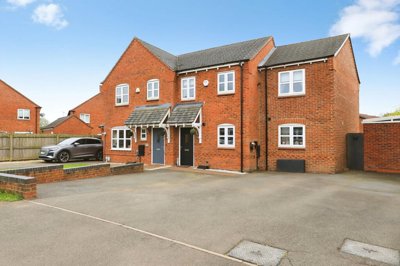
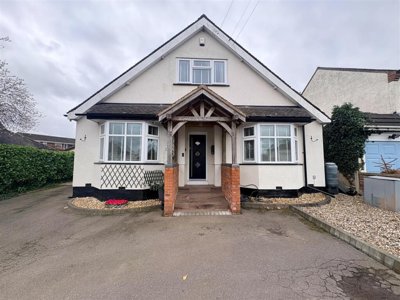
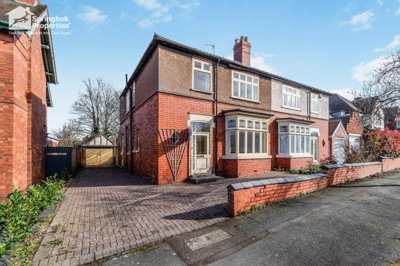
Browse 13 homes for sale in Wolverhampton, West Midlands from local estate agents.
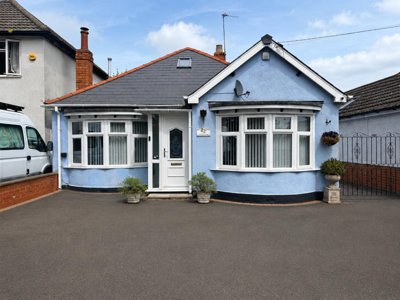
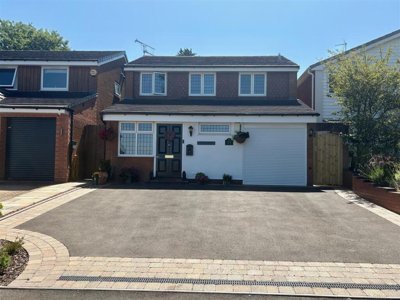
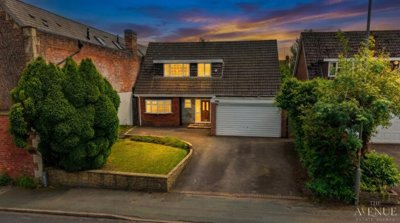
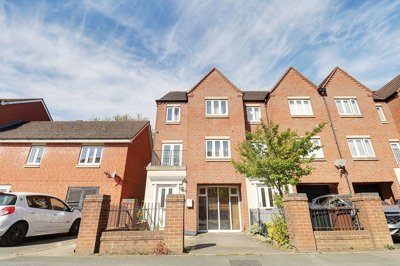
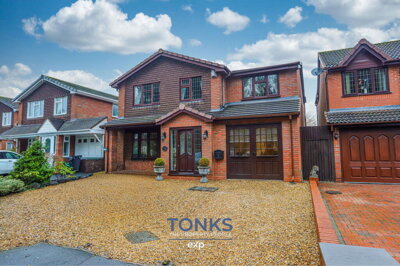
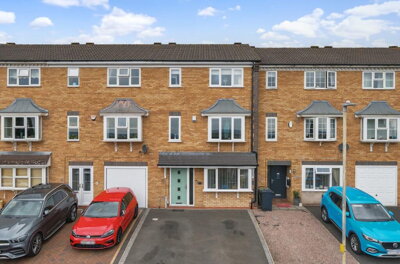
The larger property sector typically features multiple bathrooms, substantial reception space, and private gardens or off-street parking. Four bedroom houses in Wolverhampton span detached, semi-detached, and occasionally terraced configurations, with styles ranging from period properties to modern executive homes.
£405k
148
12
124
Source: home.co.uk
Showing 148 results for 4 Bedroom Houses for sale in Wolverhampton, West Midlands. 12 new listings added this week. The median asking price is £405,000.
Source: home.co.uk
Detached
94 listings
Avg £510,152
Semi-Detached
45 listings
Avg £366,888
Terraced
9 listings
Avg £243,328
Source: home.co.uk
Source: home.co.uk
Across Wolverhampton, homedata.co.uk records show a market that has stayed fairly steady rather than racing ahead. Prices are down 0.8% over the last 12 months overall. Detached homes posted the largest annual drop at 1.7%, semi-detached homes slipped 0.6%, terraced homes edged down 0.2% and flats softened by 0.7%. We find that buyers here are price-sensitive, presentation counts, and homes near schools with workable transport and parking usually get the closest attention.
New-build choice is spread across the city rather than tied to one pocket. home.co.uk listings show The Lock in WV10 from £220,000, Bilston Urban Village in WV14 from £199,995, The Marches in Bushbury from £209,995 and The Wickets in Fallings Park from £229,995. Across those schemes, buyers can find 2, 3 and 4 bedroom layouts at different entry points. For many people, that mix matters because a newer home can mean lower upkeep and stronger energy performance.

One reason Wolverhampton feels so distinct is its housing mix. Semi-detached homes account for about 38.5% of the stock, terraced houses around 30.5%, detached homes about 17.5% and flats or apartments roughly 13.5%. The 2021 census counted 263,700 residents and 106,600 households, which gives the city real scale without blurring the identity of areas from one street to the next. We see that on the ground, red-brick terraces, 1930s semis, post-war estates and newer apartment blocks all sit side by side.
Green space is one of the parts of Wolverhampton that people often underestimate. West Park opens up the centre, while Bantock House and its grounds bring heritage into the mix close to the city. Smestow Valley Local Nature Reserve changes the feel again in the south-west. Then there is Tettenhall and Wightwick. Alongside that, everyday life is shaped by the Grand Theatre, Wolverhampton Art Gallery and Molineux.
School choice has a big effect on where people focus, especially around Penn, Tettenhall, Compton and longer-established suburban streets. Wolverhampton has a broad spread of primary and secondary schools, with post-16 routes through City of Wolverhampton College and the University of Wolverhampton. We also hear regular searches for Wolverhampton Girls' High School and Wolverhampton Grammar School. Catchment lines can shift quickly, so we always suggest checking the current admissions maps before an offer goes in.
For many families, the real trade-off is not just school access but the type of home they can buy nearby. Streets close to the best-known schools can feel more competitive, while larger terraces and semis elsewhere may stretch the budget further if the search area is widened. Wolverhampton also works well for older pupils and students who want to remain in the city, given the college and university options. Where school travel matters, we tell clients to check walking routes, bus links and parking outside the school run, because that often shapes daily life more than the headline catchment.

Rail is a practical strength here. Wolverhampton railway station sits on major West Midlands and national routes, and the quickest trains reach Birmingham New Street in roughly 20 minutes. Direct services also run to London Euston and Manchester. The city centre bus station, plus the wider local bus network, means day-to-day travel can work without a car, especially near the centre or on main routes. For plenty of commuters, that is a major draw.
Drivers usually notice the road network early on. Wolverhampton links into the M6, M54 and the A41 corridor, which helps with trips towards Birmingham, the wider Black Country, Staffordshire or Shropshire. That position has supported logistics, engineering and service-sector employers, and it gives buyers more than one commuting option. We would still check parking carefully at viewings, because in many residential streets car ownership remains a big part of daily life.
Parking and cycling can change a lot from one neighbourhood to the next. In the city centre, apartments and older terraces may come with tighter parking, permit controls or limited on-street space. Out in suburban areas, semis and detached homes more often have driveways or garages. Cyclists do have useful local routes, though the network tends to suit shorter trips and leisure use better than every commute. Where a vehicle is essential, we think it is worth checking access, parking pressure and overnight availability before settling on a street.
We suggest comparing city-centre apartments with suburban semis and larger family homes in Penn, Tettenhall, Wednesfield, Bilston and Bushbury. Before we book viewings, check transport, parking, schools and flood maps.
Before the search gets moving, we recommend speaking to a broker, securing a mortgage agreement in principle and setting a budget range. Sellers and agents usually take buyers more seriously once the paperwork is already in place.
Try a property at more than one time of day. We would check traffic, parking, noise and light, and in Wolverhampton that matters on busy urban streets just as much as in quieter residential areas.
Local condition issues make a survey worthwhile more often than not. Clay-rich ground, older roofs, damp and drainage defects come up often enough in Wolverhampton. Our surveyors usually find a RICS Level 2 survey suits many standard homes, while older properties or altered ones may justify a fuller inspection.
Legal work needs proper attention, especially with older stock. Our conveyancing side will deal with searches, title checks, enquiries and contract work. Where a property sits near a conservation area, in an older terrace or close to land with mining history, we would want those checks carried out thoroughly.
Once every search and check is resolved, the move can go to exchange and then towards completion. We tell buyers to keep funds ready for the deposit, legal fees, survey costs and moving expenses, so the last stage does not become a scramble.
One of the first local points we would check is the ground beneath the house. Wolverhampton sits on Mercia Mudstone and glacial deposits, and that can bring a moderate to high shrink-swell risk, so older homes with shallow foundations deserve extra attention. It does not mean the city is risky by default. It does mean our surveyors often look closely at cracks, movement and signs of previous repair work. With a pre-war semi or an older terrace, ask about historic movement and any underpinning.
Flood risk needs a street-by-street look rather than a broad assumption. The strongest river-related risk is near the River Penk and its tributaries, while surface water can affect parts of the city centre, Bilston and Wednesfield after heavy rain. We would also pay attention to drainage, gullies and the condition of nearby roads, because those details can matter as much as the postcode. Wolverhampton includes conservation areas in the city centre, Tettenhall, Wightwick, Compton and parts of Penn, where external changes may face tighter control.
Older housing can come with a familiar run of maintenance work, and Wolverhampton is no exception. Damp, timber defects, worn roofs and ageing drains turn up across Victorian terraces, post-war semis and older mixed-age properties. In the centre, leasehold flats may also carry service charges, ground rent and building rules that need close checking, while freehold houses are usually more straightforward to own. Where a home falls within the wider Black Country mining belt, we often think a mining search is sensible as part of due diligence.
Price ranges are wide across the city. homedata.co.uk records show an overall average house price of £220,028 in Wolverhampton, with detached homes at £356,128, semi-detached homes at £224,960, terraced homes at £172,034 and flats at £118,506. That spread gives buyers room to move from entry-level flats up to substantial family houses. It also shows why the right area and property type can shift a budget quite sharply.
Council tax comes from City of Wolverhampton Council, and the exact home matters more than the neighbourhood label. There is no single band across the city. Flats, terraces and semis often sit in lower bands, while larger detached homes usually land higher. When we arrange a viewing, we suggest asking the agent for the current band and annual charge, because that figure can alter the monthly budget more than many buyers expect.
School shortlists often start with catchment and admissions criteria, then narrow further once buyers decide what type of home they want. Names many people check include Wolverhampton Girls' High School, Wolverhampton Grammar School and St Peter's Collegiate Academy, with City of Wolverhampton College also coming up for post-16 study. The exact address matters more than the school name alone. Before offering, we would always check the latest admissions rules and the current Ofsted report.
For a city of this size, Wolverhampton gives people a lot of travel options. The railway station has direct services to Birmingham New Street and London Euston, while the bus station covers a wide spread of local and regional routes. The West Midlands Metro also connects the city centre with Bilston and other nearby stops, which is useful for commuters without a car. We find that this mix is one of the city's clearest advantages.
It can be, especially in the right sub-market. homedata.co.uk shows a steady market and a small 12-month fall of 0.8%, which can suit buyers who prefer value over rapid price spikes. Demand is backed by major employers including the NHS, the council, the university and manufacturing and logistics businesses. Regeneration work in the city centre adds another point of interest. Rental demand is often strongest near transport links, the university and the hospitals.
Stamp duty is often lighter than buyers expect at the city average. On a main home bought at Wolverhampton's average price of £220,028, a standard buyer would normally pay no stamp duty because it sits below the £250,000 threshold. First-time buyers also pay 0% up to £425,000, so the average city home remains inside that relief zone. Buy an additional property and the 3% surcharge can apply on top of the normal rates. At higher prices, the bill climbs quickly, so we always suggest checking the numbers before an offer is made.
Penn, Tettenhall, Wightwick and Compton come up often in family searches because they offer larger homes on established streets, with schools and green space nearby. Some buyers also turn to quieter parts of Wednesfield, Bushbury and other suburban pockets when the aim is more house for the money. The best fit usually depends on transport, parking, school access and whether the setting feels more urban or more suburban. We think a viewing list works better when it includes one or two different neighbourhood types for a proper comparison.
At Wolverhampton's average price of £220,028, SDLT is fairly manageable for many standard main-home purchases. Under the current rules, the 0% band runs to £250,000, so a buyer paying the city average would owe no SDLT on the purchase itself. First-time buyers get 0% up to £425,000, which means the average Wolverhampton home also sits inside first-time buyer relief. That is one reason the city can suit people moving on from a flat into a house, or stepping onto the ladder.
A move brings extra costs beyond the agreed price, and they need pencilling in early. Legal fees, survey costs, mortgage fees, removals and repairs can all add to the total. With older Wolverhampton homes, we sometimes recommend a more detailed survey because clay soil, damp or roof issues may need closer attention. Buyers of a second home or an investment property will usually see the SDLT bill rise because of the 3% additional property surcharge. A quick budget check before viewings can keep the search focused on homes that genuinely fit the finances.
Running through the figures early usually gives buyers more confidence once the right place appears. Where the property is below £250,000 and bought as a main residence, stamp duty may be nil, leaving more room for furnishings, maintenance or moving costs. At higher price points, the tax can rise quite sharply, especially on detached homes, so we would factor it in before committing. For finance, legal work and a survey, we suggest using the services above and keeping the agreement in principle up to date.
Properties for Sale In London

Properties for Sale In Plymouth

Properties for Sale In Liverpool

Properties for Sale In Glasgow

Properties for Sale In Sheffield

Properties for Sale In Edinburgh

Properties for Sale In Coventry

Properties for Sale In Bradford

Properties for Sale In Manchester

Properties for Sale In Birmingham

Properties for Sale In Bristol

Properties for Sale In Oxford

Properties for Sale In Leicester

Properties for Sale In Newcastle

Properties for Sale In Leeds

Properties for Sale In Southampton

Properties for Sale In Cardiff

Properties for Sale In Nottingham

Properties for Sale In Norwich

Properties for Sale In Brighton

Properties for Sale In Derby

Properties for Sale In Portsmouth

Properties for Sale In Northampton

Properties for Sale In Milton Keynes

Properties for Sale In Bournemouth

Properties for Sale In Bolton

Properties for Sale In Swansea

Properties for Sale In Swindon

Properties for Sale In Peterborough

Properties for Sale In Wolverhampton

Enter your details to see if this property is within your budget.
Loans, cards, car finance
Estimated property budget
Borrowing + deposit
You could borrow between
Typical borrowing
Monthly repayment
Est. at 4.5%
Loan-to-value
This is an estimate only. Your actual budget may vary depending on interest rates, credit history, and personal circumstances. For an accurate affordability assessment, speak to one of our free mortgage advisors.
This calculator provides estimates for illustrative purposes only and does not constitute financial advice. Your home may be repossessed if you do not keep up repayments on your mortgage. Estimates based on 4.5% interest rate, repayment mortgage. Actual rates depend on your circumstances.
Homemove is a trading name of HM Haus Group Ltd (Company No. 13873779, registered in England & Wales). Homemove Mortgages Ltd (Company No. 15947693) is an Appointed Representative of TMG Direct Limited, trading as TMG Mortgage Network, which is authorised and regulated by the Financial Conduct Authority (FRN 786245). Homemove Mortgages Ltd is entered on the FCA Register as an Appointed Representative (FRN 1022429). You can check registrations at NewRegister or by calling 0800 111 6768.

We use cookies to show you personalised content and improve your experience of our website. Find out more in our Privacy policy and Cookie policy.