Powered by Home

Properties For Sale in Wattisham, Babergh

Browse 55 homes for sale in Wattisham, Babergh from local estate agents.

55 listings Wattisham, Babergh Updated daily

Wattisham, Babergh Market Snapshot

Median Price

£500k

Total Listings

1

New This Week

0

Avg Days Listed

630

Source: home.co.uk

Price Distribution in Wattisham, Babergh

£500k-£750k
1

Source: home.co.uk

Property Types in Wattisham, Babergh

100%

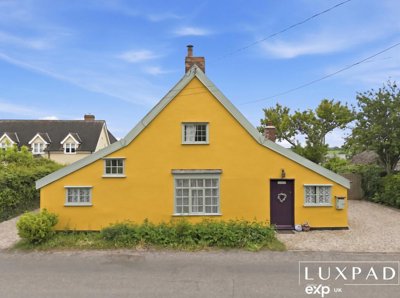
Cottage

1 listings

Avg £500,000

Source: home.co.uk

Bedrooms Available in Wattisham, Babergh

3 beds 1
£500,000

Source: home.co.uk

The Property Market in Wattisham

The property market in Wattisham reflects the character of the village itself, offering buyers a range of traditional homes built using local materials and construction methods. Average house prices in the Wattisham area stand at approximately £186,500, though this figure can vary significantly depending on property type, size, and condition. Recent market data indicates that prices have experienced a 10% adjustment compared to the previous year, creating potential opportunities for buyers who are ready to proceed. Detached properties in comparable areas have sold for around £358,000, while semi-detached homes have achieved prices near £335,000, suggesting that larger family homes command premiums in this sought-after location.

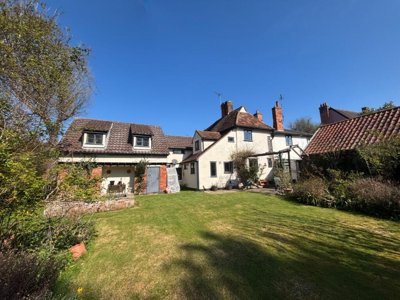
The village's housing stock is predominantly composed of older properties, with many homes dating from the 16th and 17th centuries. Timber-framed construction is a notable feature of local architecture, with buildings typically finished in plaster and topped with either thatched or tiled roofs. Property listings in Wattisham include detached houses, semi-detached homes, and terraced cottages, catering to various buyer requirements and budgets. The presence of so many historic properties means that buyers should budget for potential renovation costs or specialist surveys when purchasing older homes. Our inspectors frequently encounter properties with original beam work, period fireplaces, and traditional fenestration that require specialist knowledge to assess properly.

Several notable listed buildings define the character of Wattisham's residential landscape. Bay Tree Farmhouse, Box Tree Cottage, Clayhill Farm, Corner Cottage, Manor Cottage, Primrose Cottage, Rose Cottage, Stone Cottage, and The Cottage all represent the village's vernacular architecture. The Pheasantry, The Smithy, and Ware Cottages add further variety to the housing stock, demonstrating how agricultural buildings were converted to residential use over the centuries. This diversity of property types means that buyers in Wattisham can find everything from compact cottages to substantial farmhouses, though availability on the open market is limited by the village's small size and the tendency for properties to remain in families for generations.

Homes for sale in Wattisham

Living in Wattisham

Life in Wattisham offers residents a genuinely rural Suffolk experience, characterised by peaceful lanes, agricultural landscapes, and a strong sense of community. The village population stands at around 110 residents according to the 2011 census, making it a close-knit community where neighbours often know one another. The village has evolved over centuries, with its origins recorded in the Domesday Book of 1086 when nine households were documented in the settlement. Today, the community maintains its agricultural heritage while embracing modern requirements for connectivity and convenience.

The village centre features several notable landmarks that reflect its long history. Wattisham Hall, a substantial Grade II listed building dating from the 16th and 17th centuries, stands as testament to the area's historical significance. The hall's history includes damage during World War II when a plane crashed into the building, destroying the south wing, which was rebuilt in 1945, meaning some sections of this historic property feature post-war construction methods within a historic framework. The Wattisham Strict Baptist Chapel, built in 1825 and replacing an earlier Georgian structure, continues to serve the spiritual needs of the community. Wattisham Castle, dating from the 18th and 19th centuries, adds another layer to the village's historical character, while Wattisham Airfield provides modern economic activity through its military aviation operations.

Local amenities within the village itself are limited, reflecting its small scale, but essential services are available in nearby towns that many residents visit for shopping, healthcare, and leisure activities. The village hall serves as a community hub for events and gatherings, while the local pub, where one exists, provides a focal point for social interaction. The Wattisham Parish Council website keeps residents informed of local matters, including flood reporting procedures and community initiatives. For everyday shopping, residents typically travel to Hadleigh, which offers a good range of independent shops, cafes, and major supermarkets, or to Sudbury and Stowmarket for more extensive retail therapy.

Find properties for sale in Wattisham

Schools and Education in Wattisham

Families considering a move to Wattisham will find that educational provision requires travel to nearby towns and villages. The village itself does not have a school on-site, so parents should research options in the surrounding area. Primary education is typically provided in villages within a reasonable distance, with many families travelling to schools in towns such as Hadleigh, Sudbury, or Stowmarket. Secondary education options include schools in these larger towns, and parents should check specific catchment areas and admission policies when planning a move to the village.

Hadleigh offers several primary school options within reasonable travelling distance of Wattisham, with schools serving the Babergh district providing education for children from Reception through to Year 6. Parents should verify current catchment boundaries, as these can change annually based on demand and capacity. Stowmarket provides additional options including primary schools with strong academic records and good Ofsted ratings. For secondary education, the Ormiston Sudbury Academy and Stowmarket High School provide GCSE and A-Level programmes, with transport arrangements often organised through the local council for families living beyond walking distance.

For further and higher education, the market towns of Suffolk offer good provision. Students can access sixth form colleges and further education facilities in towns like Ipswich, Sudbury, and Bury St Edmunds, all of which are within reasonable driving distance of Wattisham. The University of Suffolk in Ipswich and the University of East Anglia in Norwich provide higher education opportunities within the region. The presence of Wattisham Airfield and its associated facilities provides childcare services that are available to both the local community and military families, offering flexible childcare options for working parents. Parents are advised to visit potential schools, review Ofsted reports, and understand transportation arrangements before committing to a property purchase in the village.

Property search in Wattisham

Transport and Commuting from Wattisham

Transport connectivity from Wattisham centres on road travel, with the village positioned within the Suffolk countryside yet reasonably accessible to major road networks. The A14 trunk road passes nearby, providing connections to the port of Felixstowe to the east and Cambridge to the west. This makes Wattisham suitable for commuters who work in larger towns or cities but prefer the pace of rural life. The village's position in the Babergh district means that residents have access to the scenic Suffolk countryside while remaining connected to regional infrastructure.

For rail travel, residents typically travel to stations in nearby towns that offer connections to London and other major destinations. Ipswich station provides regular services to London Liverpool Street, with journey times making day commuting feasible for some workers. Sudbury station offers connections to Cambridge and London's Stratford, providing additional options for commuters. Manningtree station, slightly further afield, provides access to the Great Eastern mainline with services to London Liverpool Street and Norwich. Bus services connect Wattisham to nearby towns, though frequencies are likely to reflect the rural nature of the village with limited evening and weekend provision.

Many residents find that owning a car is essential for daily life in Wattisham, particularly for accessing supermarkets, healthcare facilities, and schools. The local road network consists primarily of country lanes, which can be narrow in places but offer pleasant driving through the Suffolk countryside. Journey times to nearby towns are typically 15-20 minutes by car, making regular trips practical. The village is approximately 15 miles from Ipswich, 12 miles from Hadleigh, and 20 miles from Bury St Edmunds, providing good access to regional employment centres while maintaining the benefits of rural living. Traffic on country lanes increases seasonally with agricultural machinery, so residents should allow extra time during harvest periods.

Buy property in Wattisham

How to Buy a Home in Wattisham

1

Research the Area

Spend time exploring Wattisham before making an offer. Visit at different times of day and week, check local amenities in nearby towns, and understand the commute to your workplace. The village's flood risk profile and the condition requirements of older properties should factor into your decision-making process. Drive the country lanes in wet weather to assess drainage, and speak with existing residents about their experiences of living in the village throughout the seasons.

2

Get Mortgage Agreement in Principle

Speak to a mortgage broker before viewing properties. Having an agreement in principle strengthens your position when making offers and demonstrates to sellers that you are a serious buyer. Current rates make borrowing accessible for buyers with appropriate deposits. Given that the average property price in Wattisham is around £186,500, many buyers will find that they require smaller mortgages than in surrounding commuter areas, potentially benefiting from more favourable loan-to-value ratios.

3

Arrange Property Viewings

View multiple properties in Wattisham to compare the condition, character, and value on offer. Pay particular attention to the construction type of older homes, roof conditions, and any signs of damp or structural movement that may require remedial work. Given the prevalence of timber-framed construction, look for evidence of woodworm treatment, check when the property was last rewired, and assess the condition of thatched roofs if present. Listed buildings may have restrictions on improvements that buyers should understand before committing.

4

Book a RICS Level 2 Survey

Given Wattisham's historic housing stock, a thorough survey is essential. Many properties are over 50 years old with timber-framed construction and listed building status. A Level 2 survey will identify defects including damp, rot, and structural issues that may not be visible during a standard viewing. Properties with non-standard construction, such as timber-framed and plastered buildings or those with thatched roofs, typically require additional inspection time and specialist expertise. Survey costs for these properties typically range from £380 to £629 depending on size and complexity.

5

Instruct a Solicitor

Choose a conveyancing solicitor experienced in rural Suffolk properties. They will handle searches, check planning permissions, and ensure the title is clean for properties that may have unusual boundaries or rights of way associated with agricultural land. Local solicitors familiar with Babergh district will understand any local authority requirements and be able to advise on specific issues affecting historic properties. They will also handle any queries relating to listed building consents or restrictions that may affect your plans for the property.

6

Exchange and Complete

Once all searches are satisfactory and your mortgage offer is confirmed, your solicitor will coordinate the exchange of contracts. Completion typically follows within days or weeks, after which you will receive the keys to your new Wattisham home. Our team can recommend local tradespeople who understand the requirements of historic properties, including conservation specialists for listed building maintenance and repairs.

What to Look for When Buying in Wattisham

Buyers searching for property in Wattisham should pay particular attention to the construction methods and condition of the village's historic homes. Timber-framed and plastered construction is common, and such properties require careful inspection for timber decay, woodworm, and signs of damp penetration. The prevalence of clay soils in parts of Suffolk means that foundations may be susceptible to shrink-swell movement during prolonged dry periods, potentially causing subsidence issues that require professional assessment. Our inspectors have extensive experience surveying properties in rural Suffolk and understand the specific defect patterns found in historic timber-framed buildings.

The presence of thatched roofs on some properties indicates heritage status but also brings ongoing maintenance requirements and specialist insurance considerations. Thatched properties typically require re-ridging every 10-15 years and full re-thatching every 30-40 years, costs that should be factored into your budget. Insurance premiums for thatched properties are typically higher than for tiled equivalents, and specialist insurers should be consulted before purchasing. Wattisham has 21 listed buildings, and purchasing a listed property means accepting obligations regarding maintenance and alterations that preserve the building's historic character. Listed building consent may be required for various works including window replacement, internal modifications, and extensions.

Flood risk assessment deserves thorough attention when considering properties in Wattisham. While the village has no current flood warnings, long-term risk from rivers, groundwater, and surface water exists. Research has identified that nearby Walsham le Willows has experienced significant pluvial flooding affecting Wattisham Road and Finningham Road, indicating that surface water runoff can be a concern in this part of Suffolk. Properties near watercourses or in low-lying areas warrant extra caution, and you should review the Environment Agency flood maps for any specific property before committing to a purchase. A comprehensive RICS Level 2 survey will identify these concerns and help you budget for any necessary remedial works. The parish council maintains information on flood reporting and can advise on local flood risk management measures.

Home buying guide for Wattisham

Frequently Asked Questions About Buying in Wattisham

What is the average house price in Wattisham?

The average house price in the Wattisham area is approximately £186,500 based on recent market data. Prices can vary considerably depending on property type and condition, with detached homes typically commanding higher prices around £358,000 in comparable areas of Suffolk. Recent market trends show a 10% adjustment compared to the previous year, which may present opportunities for buyers who are ready to proceed with a purchase. The relatively modest average price compared to commuter belt areas makes Wattisham accessible for first-time buyers and those seeking more space for their money.

What council tax band are properties in Wattisham?

Properties in Wattisham fall under Babergh District Council administration, which handles local authority services for the village including waste collection, planning applications, and council tax collection. Council tax bands range from A to H depending on property value, and you can check specific bands on the government council tax valuation website. Band A properties typically attract charges of around £1,200-1,400 per year, while higher bands increase proportionally. Contact Babergh District Council directly for the most current information regarding council tax charges and any local levy schemes that may apply.

What are the best schools in Wattisham?

Wattisham itself does not have a school within the village, so families should plan for daily travel to educational establishments in surrounding areas. Primary schools are located in nearby villages and towns, with many parents choosing schools in Hadleigh, which is approximately 6 miles from Wattisham and accessible via country roads. Secondary education is typically provided in towns such as Hadleigh, Sudbury, or Stowmarket, with school transport provided for families living beyond walking distance. Parents should check specific catchment areas, review Ofsted ratings, and consider transportation arrangements when choosing a property in the village. Schools in nearby Bury St Edmunds and Ipswich offer additional options for families willing to travel further, including grammar school provision in Suffolk.

How well connected is Wattisham by public transport?

Public transport options in Wattisham are limited, reflecting the village's rural character and small population of approximately 110 residents. Bus services connect the village to nearby towns including Hadleigh and Sudbury, though services typically operate hourly or less frequently with reduced provision on evenings and weekends. The nearest railway stations are in surrounding towns offering connections to London Liverpool Street via Ipswich or Manningtree. Most residents find that car ownership is essential for daily life, though the village is positioned within reasonable driving distance of the A14 trunk road for regional travel. Commuters to Ipswich typically allow 25-30 minutes for the journey, while Cambridge is accessible within approximately one hour via the A14.

Is Wattisham a good place to invest in property?

Wattisham offers potential for buyers seeking character properties in a rural Suffolk location, though investment returns differ from those achievable in urban areas. The village's heritage, with 21 listed buildings and properties dating back centuries, appeals to buyers who appreciate historic architecture and traditional building methods. The presence of Wattisham Airfield contributes to the local economy and provides employment for military and civilian personnel, creating a stable demographic of potential buyers. Property values may appreciate as demand for rural homes with character continues, particularly as buyers seek more space following changes to working patterns. The small village scale means limited rental demand compared to larger towns, so properties may suit buyers planning to occupy rather than those seeking rental income.

What stamp duty will I pay on a property in Wattisham?

Stamp duty rates from April 2024 apply to all property purchases in England, and on a typical Wattisham property with an average price around £186,500, most buyers will pay no stamp duty at all. First-time buyers pay nothing on properties up to £425,000, then 5% on the portion between £425,000 and £625,000, meaning virtually all first-time buyers purchasing in Wattisham will incur zero stamp duty. For other buyers, the nil rate band applies to the first £250,000 of purchase price, with 5% charged between £250,000 and £925,000. This zero stamp duty threshold makes Wattisham particularly attractive for buyers budget-conscious buyers seeking value in rural Suffolk.

Are there any flood risks associated with properties in Wattisham?

Wattisham has long-term flood risk from rivers, groundwater, and surface water sources, though there are currently no active flood warnings in the village. Pluvial flooding, caused by surface water runoff, is a consideration in the wider area, particularly during periods of heavy rainfall when local clay soils can struggle to absorb water quickly. Research has identified that nearby Walsham le Willows has experienced significant surface water flooding affecting roads including Wattisham Road and Finningham Road, suggesting that properties accessed via these routes or in similar topographic positions warrant additional caution. Properties near watercourses or in low-lying positions require careful assessment, and you should review Environment Agency flood maps before purchasing. A professional survey will help identify any specific flood risk affecting a particular property.

What defects are common in Wattisham's historic properties?

Given Wattisham's significant heritage, with buildings dating from the 14th century through to the 19th century, common defects include issues associated with age and traditional construction methods. Timber decay and woodworm are frequently found in the village's many timber-framed and plastered properties, where original structural timbers may have been in place for centuries. Damp penetration through plaster and around window openings is common in historic properties, particularly those without modern damp-proof courses. Roof condition requires careful inspection on both thatched and tiled properties, as re-roofing costs can be substantial. Thatched properties may harbour birds or insects that damage the roof structure, requiring specialist assessment. Electrical systems in older properties often require complete rewiring to meet current standards, and heating systems may be inadequate for modern requirements.

Stamp Duty and Buying Costs in Wattisham

Purchasing a property in Wattisham involves several costs beyond the purchase price itself, and understanding these expenses helps you budget accurately. Stamp duty, now formally known as Stamp Duty Land Tax, applies to all property purchases in England. On a typical Wattisham property with an average price around £186,500, most buyers will pay no stamp duty at all, as the purchase price falls below the standard nil rate threshold of £250,000. This represents a significant saving compared to purchasing in higher-value areas and makes Wattisham an attractive option for budget-conscious buyers. First-time buyers purchasing at the average price point will certainly qualify for complete stamp duty relief.

Additional buying costs include solicitor fees for conveyancing, typically ranging from £500 to £1,500 depending on complexity and whether the property involves listed building considerations or unusual title arrangements. Survey costs should be budgeted at around £380 to £629 for a standard RICS Level 2 survey, though older or listed properties in Wattisham may require higher fees due to their complex construction and the additional inspection time required. Search fees, land registry fees, and mortgage arrangement fees complete the typical cost structure, usually totalling between £300 and £500. First-time buyers should also budget for removal costs, while all buyers should consider the costs of relocating to a rural village, including potential car purchases or adaptations to daily routines.

For buyers purchasing listed properties in Wattisham, additional costs may include specialist surveys, building surveyors experienced with historic construction, and potentially higher insurance premiums. Thatched properties require specialist insurance that can cost significantly more than standard buildings insurance. Budget for potential renovation works identified in surveys, as properties of this age frequently require updating of electrics, plumbing, and heating systems. However, the character and charm of Wattisham's historic properties often makes these investments worthwhile, with many buyers finding that the combination of competitive purchase prices and the opportunity to create a bespoke home in a beautiful Suffolk village makes the overall cost of buying in Wattisham excellent value compared to urban alternatives.

Property market in Wattisham

Browse Homes for Sale Across the UK

Terms of use Privacy policy All rights reserved © homemove.com | Properties for Sale » England » Wattisham, Babergh

Homemove is a trading name of HM Haus Group Ltd (Company No. 13873779, registered in England & Wales). Homemove Mortgages Ltd (Company No. 15947693) is an Appointed Representative of TMG Direct Limited, trading as TMG Mortgage Network, which is authorised and regulated by the Financial Conduct Authority (FRN 786245). Homemove Mortgages Ltd is entered on the FCA Register as an Appointed Representative (FRN 1022429). You can check registrations at NewRegister or by calling 0800 111 6768.