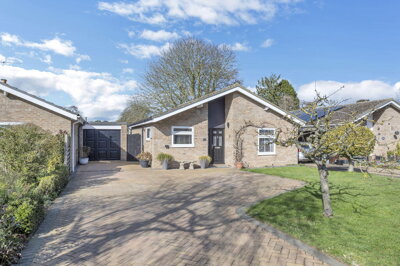
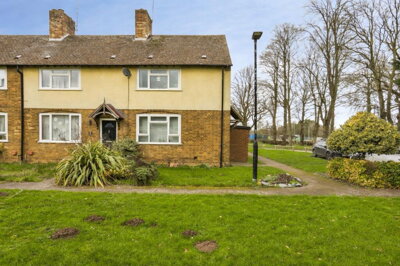
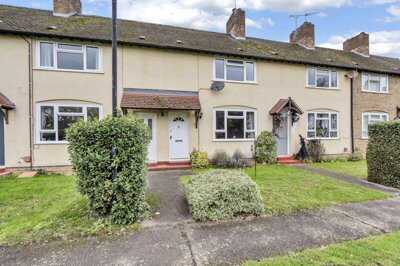
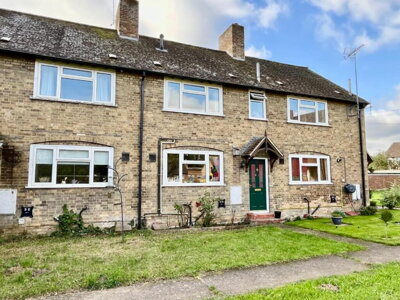
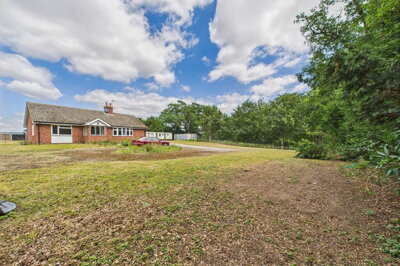
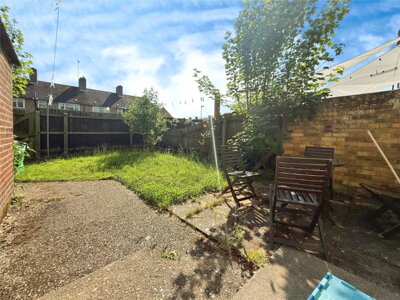
Browse 6 homes for sale in Troston, West Suffolk from local estate agents.
The 2 bed house market features detached, semi-detached, and terraced properties with two separate bedrooms plus living spaces. Properties in Troston range from Victorian and Edwardian period homes to modern new builds, with pricing varying across different neighbourhoods.
£0k
0
0
0
Source: home.co.uk
Showing 0 results for 2 Bedroom Houses for sale in Troston, West Suffolk.
£442,500
Average Property Price
+10.6%
12-Month Price Change
304 residents
Village Population
4 homes
Annual Property Sales
The Troston property market has demonstrated remarkable resilience and growth, with house prices increasing by 10.6% over the last twelve months. Our current listings reflect a market dominated by detached properties, which account for approximately 60.5% of the housing stock, with an average price of £495,000. Semi-detached homes offer more accessible entry points at around £350,000, while terraced properties, representing just 10.5% of the village's homes, occasionally appear on the market for those seeking character properties at moderate price points. With only four property sales recorded in the past year, Troston operates as a tight market where quality homes rarely stay available for long.
When you find properties through our search, you will notice the distinct character of Troston's housing stock. The village features a high proportion of traditional construction, predominantly brick exteriors in the characteristic Suffolk red that defines much of the region's architecture. Flint and local stone detailing appears on several older buildings, particularly those clustered near St Mary's Church and along the main village lanes. These older properties often have solid walls rather than cavity construction, which affects insulation performance and requires specific maintenance approaches that differ from modern homes.
The age profile of properties in Troston means that many homes fall into the pre-1919 category, with a significant number being listed buildings or situated within areas of conservation interest. These heritage properties carry planning restrictions that affect what changes owners can make, and anyone considering renovation should factor this into their decision. Post-1980 developments offer more contemporary specifications whilst retaining the village aesthetic, providing alternatives for buyers who prefer modern conveniences without the maintenance demands of older construction. We help you understand these distinctions so you can filter listings according to your preferences and tolerance for maintenance investment.
There are currently no active new-build developments within the IP31 postcode area, which contributes to the scarcity of available properties. This supply constraint, combined with strong demand from buyers seeking village living, explains the competitive nature of transactions in Troston. For buyers, this means acting decisively when suitable properties become available and ensuring mortgage financing is arranged before commencing your property search in earnest.
Troston presents itself as a quintessential English village where community spirit thrives and rural Suffolk living reaches its finest expression. With just 304 residents across 114 households, the village maintains an intimate scale that fosters genuine neighbourly connections whilst offering easy access to the services of nearby towns. The presence of St Mary's Church and Troston Hall adds architectural interest and historical depth to the village centre, creating a setting that appeals to those who appreciate heritage and traditional English village aesthetics.
Local residents enjoy walking through surrounding countryside, with the nearby River Lark providing scenic routes for outdoor pursuits and wildlife observation. The river valley offers pleasant walking paths that connect Troston to neighbouring villages, making it ideal for dog owners and families who value countryside access. These rural footpaths form part of a wider network of public rights of way that crisscross the West Suffolk landscape, providing endless exploration opportunities for those who choose to make Troston their home.
The local economy revolves around agriculture, local services, and commuting connections to larger employment centres. Many residents work in Bury St Edmunds, which offers a broader range of employment opportunities across retail, healthcare, and professional services sectors. The village itself provides essential amenities for daily needs, with larger weekly shops and specialist services readily available in the nearby market towns. For families and professionals alike, Troston represents a balanced lifestyle choice, combining the tranquility of village living with practical access to employment, shopping, and leisure facilities that a modern household requires.
The village benefits from an active community spirit, with local events and social gatherings contributing to a strong sense of belonging. New residents quickly find themselves welcomed into the community, whether through the village hall activities, church events, or simply through the friendly nods exchanged at the local bus stop. This community aspect proves particularly valuable for families with children, who benefit from the safe, nurturing environment that village life provides whilst having access to comprehensive educational and social opportunities in surrounding towns.

Families considering a move to Troston will find a selection of educational options within reasonable travelling distance. Primary education is available through village schools in surrounding communities, with several well-regarded primaries located in nearby towns and larger villages. These include schools in Bury St Edmunds and the surrounding market towns, where Ofsted ratings indicate good or outstanding provision. Parents should research specific catchment areas and admissions criteria, as these can vary depending on the precise location of a property within the Troston area and the administrative arrangements of the local education authority.
Secondary education options include schools in Bury St Edmunds and surrounding market towns, many of which have established reputations for academic achievement and strong extracurricular programmes. Schools in the area regularly feature in parent satisfaction surveys, with particular praise often directed towards the range of subjects offered and the quality of teaching staff. For families prioritising educational outcomes, the wider West Suffolk area offers several primary and secondary schools with positive Ofsted ratings that serve the Troston community.
Sixth form and further education provision is concentrated in Bury St Edmunds, where students can access a broader range of A-level subjects and vocational courses. The commute to these educational facilities is manageable from Troston, with most schools reachable within 20-30 minutes by car. The availability of sixth form provision in the nearby town means that families do not need to relocate when children reach post-16 education, allowing continuity of schooling within a manageable distance of the family home. Prospective buyers with school-age children should factor travel arrangements and school admissions policies into their property search, particularly for secondary school placements where competition for places in popular schools can be significant.
Troston benefits from its position within West Suffolk, offering reasonable connectivity to the regional transport network whilst maintaining its peaceful village character. The village lies within easy reach of major road connections, with the A14 providing access to Cambridge to the west and the Suffolk coast to the east. This strategic position means that destinations including Newmarket, Ely, and the university city of Cambridge are all accessible within reasonable driving times, making Troston practical for those who need to travel beyond the immediate area for work or leisure.
Bury St Edmunds, approximately 8 miles from Troston, offers mainline railway services with regular connections to London Liverpool Street, typically taking around 90 minutes for the direct service. This makes Troston viable for commuters who need to reach the capital regularly whilst enjoying the lifestyle benefits of rural Suffolk living. The station also provides connections to other regional destinations, including Cambridge, Norwich, and Peterborough, expanding travel options for those who need them. We help buyers understand the practical realities of commuting from Troston so they can make informed decisions about property locations within the village.
Local bus services connect Troston to surrounding villages and Bury St Edmunds, providing essential access for those without private vehicles. These services operate on limited timetables typical of rural provision, so residents should verify schedules before purchasing property if public transport dependency is high. The village's rural setting means that cycling is popular for shorter journeys, with quiet country lanes offering pleasant routes to nearby destinations. For air travel, Norwich Airport provides a range of domestic and European connections within reasonable driving distance, whilst Stansted Airport is accessible via the M11 for international destinations. Parking within the village is generally straightforward given the low traffic volumes, though visitors to larger events in the area should anticipate seasonal pressures.
Start by exploring current property listings in Troston and surrounding West Suffolk villages. Understanding price trends, with the average property at £442,500 and detached homes averaging £495,000, helps set realistic expectations for your budget and what each property type offers. We recommend familiarising yourself with different property ages and construction types, as this affects both purchase price and ongoing maintenance costs. Setting up property alerts ensures you receive immediate notification when new listings appear in this fast-moving local market.
Before arranging viewings, obtain a mortgage agreement in principle from a lender. This strengthens your position when making offers and demonstrates to sellers that you have the financial capacity to proceed. Local brokers familiar with Suffolk properties can provide tailored advice on products suited to rural properties, including those with land or non-standard construction. Having your financing arranged before viewing properties allows you to move quickly when you find the right home in Troston.
Visit properties that match your requirements, paying attention to construction quality, age of the property, and any signs of damp or structural issues. Older properties in Troston may have character features but could require maintenance investment. Take notes and photographs to help compare options later. We recommend viewing properties at different times of day and in various weather conditions to assess how the property performs across different scenarios.
Once you have had an offer accepted, arrange a RICS Level 2 Survey to assess the property condition thoroughly. Given that many Troston properties are over 50 years old, this survey can identify issues such as damp, timber defects, or potential subsidence risks from local clay soils. Budget from £400-900 depending on property size. Our team can connect you with local surveyors who understand Troston's housing stock and know what defects are commonly found in properties of different ages and construction types.
Appoint a solicitor to handle the legal aspects of your purchase, including searches, contracts, and land registry checks. They will investigate planning permissions, drainage arrangements, and any covenants affecting the property. Exchange and completion typically follow within weeks of satisfactory survey results. For properties in Troston, searches should specifically address flood risk from the River Lark and any planning constraints affecting listed buildings or properties in conservation areas.
Purchasing a property in Troston requires careful attention to several area-specific considerations that reflect the village's rural Suffolk character. The geology of the region includes boulder clay deposits, which create potential shrink-swell risks for property foundations. This is particularly relevant for older properties with potentially shallower foundations, and buyers should look for signs of subsidence such as cracking, uneven floors, or doors that stick. Properties with large trees positioned close to the building warrant extra scrutiny, as root systems can exacerbate ground movement in clay soils. A thorough survey will identify these concerns before you commit to purchase.
Traditional construction in Troston often features solid brick walls rather than modern cavity construction, which affects both insulation performance and susceptibility to damp. Properties built before the 1980s may lack adequate damp-proof courses, and we frequently see issues arising from defective rainwater goods that allow water ingress into wall structures. When viewing properties, examine window frames for signs of rot, check that gutters and downpipes are clear and intact, and look for any staining or mould that might indicate ongoing damp problems. These issues are correctable but add to the overall cost of ownership.
Flood risk represents another consideration for Troston buyers, as properties near the River Lark or in low-lying areas may face elevated flood risk from rivers and surface water. The Environment Agency provides flood maps that can help identify affected properties, and buyers should query any history of flooding with vendors or their solicitor. We recommend requesting specific information about flood events during the conveyancing process, as well as checking whether the property has appropriate flood resilience measures in place. Properties in lower-risk positions within the village generally offer more straightforward insurance arrangements.
Given the village's heritage status and presence of listed buildings, properties may be subject to planning restrictions that affect alterations, extensions, or listed building consent requirements. Understanding these constraints before purchase prevents costly surprises. St Mary's Church and Troston Hall are prominent listed buildings in the village, and nearby properties may have Listed Building Consent requirements for even minor works. We advise buyers to obtain a copy of the listing description from Historic England for any listed property and to discuss any planned alterations with the local planning authority before committing to purchase. Finally, verify leasehold arrangements and any service charges for properties that are not freehold, as these ongoing costs vary significantly and affect overall affordability.
The character of Troston's housing stock means that professional surveys provide exceptional value for prospective buyers. With a significant proportion of properties built before 1919 and many featuring traditional construction methods, understanding the true condition of a property requires more than a visual inspection. We work with surveyors who understand the specific challenges presented by older Suffolk properties, including those constructed with solid brick walls, traditional timber roofs, and period features that require specialist knowledge to assess properly.
Common defects found in Troston properties include damp issues arising from inadequate or failed damp-proof courses, particularly in properties where original construction predates modern building regulations. Timber defects affect both the structural elements and finishes of older properties, with woodworm and wet rot frequently identified in properties of this age. Roof conditions on traditional properties often require close examination, as slipped tiles, failing felt, and deteriorated leadwork can allow water ingress that damages rafters and ceiling timbers. Our recommended surveyors know to check these specific areas when inspecting properties in Troston.
The clay soils underlying much of West Suffolk create particular challenges for property foundations, and our surveyors pay close attention to signs of subsidence or heave in properties throughout Troston. Properties with large trees, particularly those planted near the building footprint, can experience foundation movement as tree roots extract moisture from clay soils during dry periods. We ensure that surveys address these geological considerations, providing buyers with a clear picture of any remedial work that may be required now or in the future. This thorough approach helps you budget accurately for your purchase and avoid unexpected costs after completion.

The average house price in Troston is £442,500 as of February 2026. Detached properties average £495,000, whilst semi-detached homes are more accessible at around £350,000. The market has shown strong growth with a 10.6% increase over the past twelve months, reflecting growing demand for rural Suffolk properties. With only four sales recorded in the past year, buyers should be prepared for competitive conditions and act quickly when suitable properties become available. Our listings are updated regularly to help you stay informed about new market entrants.
Properties in Troston fall under West Suffolk Council's jurisdiction. Council tax bands vary by property depending on the valuation band assigned by the Valuation Office Agency, with bands ranging from A to H. The majority of village properties typically fall within bands B through E, though specific properties may vary based on their assessed value. Prospective buyers should check the specific band for any property they are considering, as this affects annual running costs alongside other factors such as utilities, maintenance, and any service charges for leasehold properties.
Troston itself has limited school provision, with primary schools located in surrounding villages and towns. Families typically access primary education at nearby village schools and secondary education at schools in Bury St Edmunds, which is approximately 8 miles away. The wider West Suffolk area includes several schools with positive Ofsted ratings, with schools in Bury St Edmunds particularly well-regarded for both academic and extracurricular provision. Parents should research specific catchment areas, as school admissions depend on geographic boundaries and can vary by year. Sixth form and further education options are concentrated in Bury St Edmunds, where students can access a comprehensive range of A-level subjects and vocational courses.
Troston has limited public transport options, with local bus services providing connections to Bury St Edmunds and surrounding villages on restricted timetables. The village is best suited to those with private vehicles for daily commuting, as rural bus services may not meet the needs of those requiring regular weekday travel. Bury St Edmunds railway station, approximately 8 miles away, offers direct services to London Liverpool Street in around 90 minutes, making day commuting feasible for those who travel to the capital occasionally. The A14 road provides convenient access by car to Cambridge and the Suffolk coast. Those relying on public transport should verify local bus timetables and routes before committing to a property purchase.
Troston has demonstrated consistent price growth, with a 10.6% increase over the past twelve months, suggesting healthy demand for village properties in West Suffolk. The predominantly detached housing stock, limited new-build supply, and presence of listed buildings contribute to the village's appeal and support long-term value retention. Rural lifestyle demand continues to drive interest in villages like Troston, particularly from buyers seeking space, character, and the peaceful environment that village living provides. However, the small market size with only four sales annually means liquidity is limited, and properties may take longer to sell during broader market downturns. Investors should consider their long-term holding strategy and factor in potential maintenance costs for older properties.
Stamp duty rates for 2024-25 are 0% on properties up to £250,000, 5% on the portion from £250,001 to £925,000, 10% from £925,001 to £1.5 million, and 12% above £1.5 million. First-time buyers benefit from relief on properties up to £625,000, paying 0% on the first £425,000 and 5% between £425,001 and £625,000. For a typical Troston property at £442,500, a first-time buyer would pay £875 in stamp duty, whilst an additional purchaser would pay £9,625. These calculations should be verified with a solicitor or mortgage advisor, as individual circumstances may affect liabilities.
When surveying properties in Troston, our recommended inspectors pay particular attention to the effects of clay soils on foundations, signs of damp in traditional solid-wall construction, and the condition of older timber elements including roof structures and window frames. Properties near the River Lark require specific checks for flood risk and any history of water ingress. For listed buildings, surveyors assess the condition of period features and identify any maintenance backlogs that might require listed building consent for repairs. We connect buyers with surveyors who understand Troston's housing stock and can provide comprehensive assessments that account for the specific characteristics of properties in this part of Suffolk.
Understanding the full costs of purchasing property in Troston requires careful budgeting beyond the purchase price itself. The stamp duty land tax (SDLT) on a typical Troston property priced at £442,500 depends on your buyer status. For standard purchasers, the calculation is straightforward: zero on the first £250,000, then 5% on the remaining £192,500, totalling £9,625. First-time buyers benefit from relief that reduces this to £875, as the first £425,000 attracts zero rate with 5% applied only to the £17,500 above that threshold. These savings can significantly improve your purchasing power or reduce overall costs.
Beyond stamp duty, buyers should budget for solicitor fees, which typically range from £500 to £1,500 depending on complexity and whether the property is freehold or leasehold. The inclusion of agricultural land, listed building status, or unusual tenure arrangements can increase legal costs. A RICS Level 2 Survey costs from £400 to £900 depending on property size, and this investment is particularly valuable for Troston's older properties where defects such as damp, timber issues, or foundation concerns may be present. Detached properties at the higher end of the price range will typically require surveys at the upper end of this scale.
Search fees, including local authority, drainage, and environmental searches, typically cost £250-400. These searches investigate planning history, flood risk, and environmental concerns that might affect the property. Surveyors in the Bury St Edmunds area familiar with rural Suffolk properties can provide quotes specific to Troston. Building insurance must be in place from completion, and costs vary depending on property value, construction type, and flood risk assessment. We recommend obtaining insurance quotes before completion so there are no gaps in coverage. Moving costs, whilst variable depending on distance and volume of belongings, should not be overlooked when calculating your total budget for moving to Troston.
Secure your funding before property searching
From 4.5%
Professional legal services for your property purchase
From £499
Thorough property condition assessment for Troston homes
From £400
Energy performance certificate for your new home
From £80
Properties for Sale In London

Properties for Sale In Plymouth

Properties for Sale In Liverpool

Properties for Sale In Glasgow

Properties for Sale In Sheffield

Properties for Sale In Edinburgh

Properties for Sale In Coventry

Properties for Sale In Bradford

Properties for Sale In Manchester

Properties for Sale In Birmingham

Properties for Sale In Bristol

Properties for Sale In Oxford

Properties for Sale In Leicester

Properties for Sale In Newcastle

Properties for Sale In Leeds

Properties for Sale In Southampton

Properties for Sale In Cardiff

Properties for Sale In Nottingham

Properties for Sale In Norwich

Properties for Sale In Brighton

Properties for Sale In Derby

Properties for Sale In Portsmouth

Properties for Sale In Northampton

Properties for Sale In Milton Keynes

Properties for Sale In Bournemouth

Properties for Sale In Bolton

Properties for Sale In Swansea

Properties for Sale In Swindon

Properties for Sale In Peterborough

Properties for Sale In Wolverhampton

Enter your details to see if this property is within your budget.
Loans, cards, car finance
Estimated property budget
Borrowing + deposit
You could borrow between
Typical borrowing
Monthly repayment
Est. at 4.5%
Loan-to-value
This is an estimate only. Your actual budget may vary depending on interest rates, credit history, and personal circumstances. For an accurate affordability assessment, speak to one of our free mortgage advisors.
This calculator provides estimates for illustrative purposes only and does not constitute financial advice. Your home may be repossessed if you do not keep up repayments on your mortgage. Estimates based on 4.5% interest rate, repayment mortgage. Actual rates depend on your circumstances.
Homemove is a trading name of HM Haus Group Ltd (Company No. 13873779, registered in England & Wales). Homemove Mortgages Ltd (Company No. 15947693) is an Appointed Representative of TMG Direct Limited, trading as TMG Mortgage Network, which is authorised and regulated by the Financial Conduct Authority (FRN 786245). Homemove Mortgages Ltd is entered on the FCA Register as an Appointed Representative (FRN 1022429). You can check registrations at NewRegister or by calling 0800 111 6768.

We use cookies to show you personalised content and improve your experience of our website. Find out more in our Privacy policy and Cookie policy.