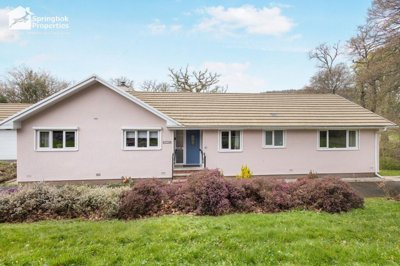
Browse 12 homes for sale in Trallong, Powys from local estate agents.
£515k
3
0
235
Source: home.co.uk
Source: home.co.uk
Detached
2 listings
Avg £532,500
Semi-Detached
1 listings
Avg £280,000
Source: home.co.uk
Source: home.co.uk
The Trallong property market reflects the character of the village itself, offering primarily period properties that showcase traditional Welsh building techniques. Recent sales data shows detached houses commanding prices between £270,000 and £575,000, with a standout property at Ffynnon on LD3 8HP achieving £575,000 in September 2025. Semi-detached properties have sold for around £352,250, while traditional mid-terrace cottages can be found in the £200,000 to £225,000 range. Our data indicates that prices on the main Trallong street have experienced a modest 0.4% decrease since September 2025, suggesting a stable market environment. Over the past decade, the Trallong sales market has grown by 48.5%, demonstrating sustained demand for rural Welsh property despite wider national fluctuations.
The Trallong property market reflects the character of the village itself, offering primarily period properties that showcase traditional Welsh building techniques. Recent sales data shows detached houses commanding prices between £480,000 and £550,000, with a standout property at Ffynnon on LD3 8HP achieving £550,000 in September 2025. Semi-detached properties have sold for around £280,000, while traditional mid-terrace cottages can be found in the £200,000 to £225,000 range. Our data indicates that prices on the main Trallong street have experienced a modest 0.4% decrease since September 2025, suggesting a stable market environment. Over the past decade, the Trallong sales market has grown by 48.5%, demonstrating sustained demand for rural Welsh property despite wider national fluctuations.

Trallong embodies the timeless appeal of rural Wales, with buildings constructed predominantly from natural stone and timber that blend seamlessly into the surrounding countryside. The village sits within easy reach of the Brecon Beacons National Park, giving residents immediate access to mountains, moorlands, and diverse wildlife habitats. Traditional cottages in the village often feature the characteristic natural stonework and timber beams that define the architectural heritage of Powys, creating streetscapes that have changed little over generations. The agricultural character of the area remains evident, with working farms scattered throughout the parish and traditional field patterns visible in the surrounding landscape. Local communities maintain strong ties to Welsh traditions, with the Welsh language still spoken in everyday life by many residents. The River Usk flows through the valley below the village, supporting local wildlife and providing attractive riverside walks for residents and visitors alike.
The community spirit in Trallong reflects the close-knit nature of rural Welsh villages, where neighbours know one another and local events draw participation from across the wider area. The village has limited facilities consistent with its small size, though a small chapel or meeting place likely serves as a focal point for community gatherings. Daily necessities require short journeys to neighbouring villages or the market town of Brecon, approximately 8 miles away, where larger supermarkets, independent shops, and professional services are available. The area attracts outdoor enthusiasts who appreciate mountain biking, horse riding, and climbing opportunities within the national park boundaries. Cultural attractions in the surrounding area include historic churches, ancient monuments, and cultural events celebrating Welsh heritage and traditions. Families moving to Trallong often speak of the benefits their children gain from growing up in a tight-knit rural community with freedom to explore and experience nature firsthand.
The LD3 postcode area encompasses not only Trallong but also neighbouring settlements including Pentrebach and the surrounding rural farmland of the Usk valley. This broader area shares the same rural character and similar property types, with period stone cottages and traditional farmhouses dominating the housing stock. The postcode area has seen consistent interest from buyers seeking to relocate from urban centres, drawn by the combination of outstanding natural beauty and the practical accessibility of Brecon for daily necessities. Property availability in the LD3 area remains limited compared to larger towns, which can result in competitive situations when quality properties come to market. Buyers prepared to act decisively when the right property becomes available often find success in this desirable corner of Powys.

Education options within Trallong itself are limited, consistent with a village of its small size, meaning families typically rely on schools in nearby communities for primary education. The nearest primary schools serve surrounding villages and would likely be located within a few miles of Trallong, offering the small class sizes and individual attention that rural schools are known for providing. For secondary education, pupils typically travel to Brecon, approximately 8 miles distant, where the local secondary school offers a comprehensive curriculum and serves as the main educational hub for the surrounding rural area. Parents should research specific catchment areas and admissions policies, as these can be complex in rural Wales where school transport arrangements and geographic boundaries significantly influence placement. School performance data for specific local schools can be found on the Welsh Government website and Estyn reports, providing detailed information about academic standards and extracurricular offerings.
Brecon Grammar Schools serve secondary pupils from the wider area, with the school benefiting from its location in the historic market town and offering strong academic programmes alongside extensive extracurricular activities. Sixth form provision is available in Brecon for students continuing their education beyond GCSE, eliminating the need for younger residents to travel further afield for advanced qualifications. Further education college options exist in Brecon and the surrounding larger towns, providing vocational courses and apprenticeships that offer alternatives to traditional academic routes. Welsh medium education is available in the area, reflecting the strong Welsh language presence in Powys communities and offering families the opportunity for bilingual education for their children. Parents moving to Trallong from urban areas may find the educational landscape smaller in scale but characterised by dedicated teachers, supportive communities, and educational environments where children are known individually rather than treated as numbers in large year groups.

Trallong occupies a rural location that prioritises access to countryside over proximity to major transport routes, meaning private vehicle ownership is essential for most residents. The village sits approximately 8 miles from Brecon, the nearest town offering comprehensive shopping facilities, healthcare services, and secondary schools, making a car necessary for daily logistics. The A40 trunk road passes through Brecon, providing connections eastward to Abergavenny and the M50 motorway network, and westward towards Llandovery and Carmarthen. This road serves as the main arterial route for residents commuting to work or accessing services not available locally. Journey times to major cities require significant planning, with Bristol approximately 60 miles distant and Birmingham around 80 miles away via the motorway network. The rural nature of the area means traffic congestion is virtually unknown, with village roads quiet throughout most of the day.
Public transport options serving Trallong are limited, reflecting the pattern of declining rural bus services across Wales that makes private vehicles increasingly essential for rural residents. Bus services connecting the village to Brecon operate on reduced timetables, typically serving commuter needs rather than providing frequent all-day connectivity. Train services are available at stations in Abergavenny or Hereford, both requiring a drive of approximately 40 minutes from Trallong, making them viable for occasional commuting but impractical for daily use. Cycling infrastructure in the area ranges from quiet country lanes suitable for confident cyclists to more challenging mountain routes within the Brecon Beacons for recreational riders. Many residents embrace the walking opportunities available directly from their doorstep, with footpaths and bridleways providing car-free routes to neighbouring villages and into the mountains. Those considering Trallong as a home base should view the lack of public transport as a defining characteristic of rural Welsh living rather than a disadvantage, recognising that the trade-off involves genuine tranquility and landscape access that urban locations cannot offer.

Review current property listings and recent sales data to understand the range of properties available and price points for different house types in this rural Powys village. The village primarily offers period properties built between 1800 and 1911, so understanding the maintenance requirements and potential renovation costs for traditional construction is essential before committing to a purchase.
Contact a mortgage broker or lender to obtain an agreement in principle before viewing properties, as this demonstrates your financial credibility to sellers and agents in what can be a competitive local market where cash buyers may also be active.
Visit multiple properties across different price ranges to compare the condition, character, and practical considerations of homes in the village and surrounding area. Pay particular attention to the construction materials typical of period properties, including stone walls, slate roofs, and timber elements that may require ongoing maintenance or specialist care.
Commission a Level 2 Survey (Homebuyer Report) for any property you seriously consider, as this will identify defects common in older properties including dampness issues, roof condition, timber defects, and any signs of movement or structural concerns that might affect your purchase decision or negotiating position.
Choose a solicitor experienced in rural property transactions to handle the legal work, searches, and local authority inquiries specific to Powys and the Trallong area. They will conduct drainage searches, environmental searches, and verify any planning constraints or rights of way affecting the property.
Work with your solicitor and mortgage lender to ensure all conditions are satisfied before proceeding to completion. On the agreed completion date, you will receive the keys to your new Trallong home, though the process from offer acceptance to completion typically takes 8-12 weeks for standard transactions.
Properties in Trallong predominantly consist of period houses built between 1800 and 1911, meaning buyers should expect traditional construction methods including solid stone walls, timber floor structures, and slate or tile roofing that differ significantly from modern building standards. A thorough survey is particularly important for these older properties, as common defects include rising damp from groundwater penetration through solid walls, timber rot affecting floor joists and window frames, and slate roofs that may have exceeded their expected lifespan despite appearing sound from ground level. The presence of natural stone construction throughout most properties means that repairs and maintenance often require specialist contractors experienced in traditional building techniques, which can affect both the timeline and cost of any renovation work. Electrical systems in period properties frequently require updating to meet current safety standards, and buyers should budget for potential rewiring alongside other renovation costs that period homes may require.
Flood risk warrants consideration given Trallong's proximity to the River Usk, with low-lying areas adjacent to the river carrying potential flood risk that buyers should verify through appropriate searches before completing a purchase. Conservation considerations and listed building status may apply to certain properties in the village, potentially restricting permitted development rights and requiring planning permission for alterations that would not normally need consent. Ground conditions in Powys generally present low risk from mining activity, though professional searches should always be conducted to verify this for specific properties. Freehold properties dominate the Trallong market, with houses typically sold on freehold terms unlike urban properties where leasehold arrangements are more common. Service charges and ground rent are therefore less of a concern for house buyers in the village, though flats or converted properties may still operate on leasehold terms if they exist within converted buildings. Understanding the full cost implications of maintaining a period property, including regular maintenance of stone walls, roof inspections, and potential insulation improvements, should form part of any purchase decision in this village of traditional Welsh homes.

The village contains approximately 64 properties according to Bricks&Logic records, with 38 houses and 26 other properties forming the core housing stock. The dominant property type consists of period houses built between 1800 and 1911, representing the agricultural and domestic architecture of that transformative century. No active new-build developments exist specifically within the Trallong postcode area, meaning buyers seeking modern conveniences may need to consider nearby towns or accept the renovation potential that period properties offer. Properties range from modest two-bedroom cottages suitable for first-time buyers or retirees to substantial five-bedroom freehold houses with gardens that can exceed £800,000 in certain locations. The market attracts buyers specifically seeking period character, including exposed stonework, timber beams, and traditional features that modern construction cannot replicate.
Properties in Trallong fall under Powys County Council jurisdiction, with homes typically ranging from council tax bands A through D depending on property value and type. Band A properties generally pay the lowest annual charges while band D and above apply to higher-value properties. You can verify the specific council tax band for any property through the Land Registry records or by contacting Powys County Council directly.
Primary education for Trallong residents is provided by schools in surrounding villages, with the nearest primary schools likely located within a few miles of the village. For secondary education, pupils typically travel to Brecon, approximately 8 miles distant, where both comprehensive and grammar secondary schools serve the wider area. Catchment areas and admissions policies can be complex in rural Wales, with school transport arrangements and geographic boundaries significantly influencing placement. Welsh medium education is available in the area for families seeking bilingual schooling for their children, reflecting the strong Welsh language presence in Powys communities.
Public transport connections from Trallong are limited, consistent with its rural village setting. Bus services operate on reduced timetables connecting to Brecon, but private vehicle ownership is essential for most residents. The nearest train stations are located in Abergavenny and Hereford, approximately 40 minutes drive away, making them suitable for occasional travel rather than daily commuting. The village sits approximately 8 miles from the A40 trunk road at Brecon, which provides onward connections to the broader road network including eastward routes to the M50 motorway and westward routes towards Carmarthen.
Trallong and the surrounding Powys countryside continues to attract buyers seeking rural lifestyles, with the 48.5% price growth over ten years demonstrating sustained demand for village properties. The proximity to the Brecon Beacons National Park adds appeal for buyers prioritising access to outdoor recreation and natural landscapes. However, investors should note the limited rental demand in such small rural communities and the fact that no new build development activity exists in the village, limiting supply growth. Properties in Trallong are predominantly freehold houses, which eliminates ground rent and service charge concerns that can affect returns on leasehold investments in urban areas.
The average sold house price in Trallong over the past year stands at £448,333, according to available sales data. This figure represents an 18% decrease from the 2019 peak of £515,000, though the market has still grown by 48.5% over the past decade. Individual property prices vary considerably depending on type and condition, with detached houses ranging from £480,000 to £550,000, while terraced cottages may be available from around £200,000 to £225,000. The village contains approximately 64 properties within the LD3 postcode area, predominantly period houses built between 1800 and 1911 that reflect the traditional Welsh agricultural heritage of this Brecon Beacons community.
Surveying period properties in Trallong requires particular attention to defects common in homes built between 1800 and 1911, including rising damp through solid walls, timber condition in floors and roof structures, slate roof wear, and the condition of traditional pointing and stonework. A RICS Level 2 Survey is recommended for all properties in the village, with potential buyers encouraged to consider a Level 3 Survey for more complex properties or those showing signs of structural movement. Electrical systems in period properties frequently require updating to current safety standards, so budget for potential rewiring costs alongside any other renovation expenses identified in the survey report.
Standard Land Transaction Tax (LTT) rates apply in Wales, set by the Welsh Revenue Authority rather than following English SDLT rules. For a property purchased at the current average price of £448,333, you would pay no duty on the first £250,000, then 5% on the amount between £250,000 and £448,333, totaling approximately £9,917 under current temporary increased thresholds. First-time buyers purchasing properties up to £425,000 may qualify for full relief, potentially eliminating this cost entirely. Use Welsh Revenue Authority calculators rather than HMRC tools when budgeting for a Trallong purchase, as the rates and bands differ from those in England.
Purchasing a property in Trallong involves several costs beyond the purchase price, with Land Transaction Tax (LTT) representing the most significant additional expense for most buyers. The Welsh Government sets its own LTT rates, which differ from those in England and Northern Ireland, and buyers should use Welsh Revenue Authority calculators rather than HMRC counterparts when budgeting. For a property purchased at the village average price of £448,333, the LTT calculation would start at zero for the first £250,000, then apply the 5% rate to the amount between £250,000 and £448,333. This results in LTT of approximately £9,917 for standard purchasers under the current thresholds, which have been temporarily increased from previous levels. First-time buyers purchasing properties up to £425,000 may qualify for full relief, meaning no LTT would be payable on purchases within that threshold.

Properties for Sale In London

Properties for Sale In Plymouth

Properties for Sale In Liverpool

Properties for Sale In Glasgow

Properties for Sale In Sheffield

Properties for Sale In Edinburgh

Properties for Sale In Coventry

Properties for Sale In Bradford

Properties for Sale In Manchester

Properties for Sale In Birmingham

Properties for Sale In Bristol

Properties for Sale In Oxford

Properties for Sale In Leicester

Properties for Sale In Newcastle

Properties for Sale In Leeds

Properties for Sale In Southampton

Properties for Sale In Cardiff

Properties for Sale In Nottingham

Properties for Sale In Norwich

Properties for Sale In Brighton

Properties for Sale In Derby

Properties for Sale In Portsmouth

Properties for Sale In Northampton

Properties for Sale In Milton Keynes

Properties for Sale In Bournemouth

Properties for Sale In Bolton

Properties for Sale In Swansea

Properties for Sale In Swindon

Properties for Sale In Peterborough

Properties for Sale In Wolverhampton

Enter your details to see if this property is within your budget.
Loans, cards, car finance
Estimated property budget
Borrowing + deposit
You could borrow between
Typical borrowing
Monthly repayment
Est. at 4.5%
Loan-to-value
This is an estimate only. Your actual budget may vary depending on interest rates, credit history, and personal circumstances. For an accurate affordability assessment, speak to one of our free mortgage advisors.
This calculator provides estimates for illustrative purposes only and does not constitute financial advice. Your home may be repossessed if you do not keep up repayments on your mortgage. Estimates based on 4.5% interest rate, repayment mortgage. Actual rates depend on your circumstances.
Homemove is a trading name of HM Haus Group Ltd (Company No. 13873779, registered in England & Wales). Homemove Mortgages Ltd (Company No. 15947693) is an Appointed Representative of TMG Direct Limited, trading as TMG Mortgage Network, which is authorised and regulated by the Financial Conduct Authority (FRN 786245). Homemove Mortgages Ltd is entered on the FCA Register as an Appointed Representative (FRN 1022429). You can check registrations at NewRegister or by calling 0800 111 6768.