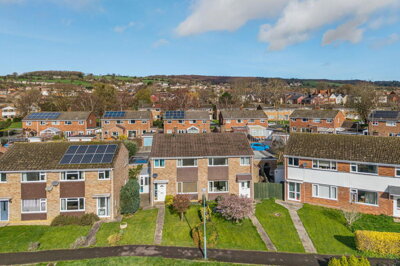
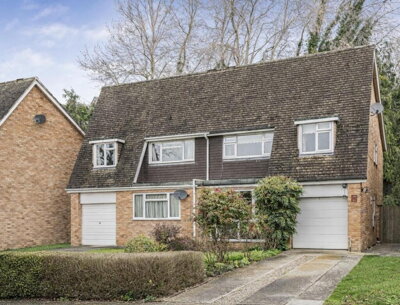
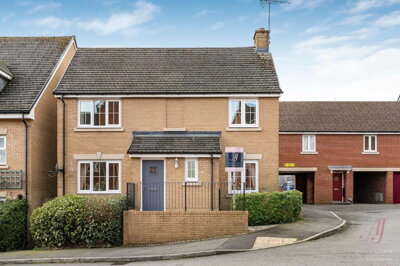
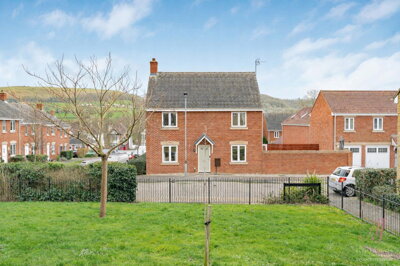
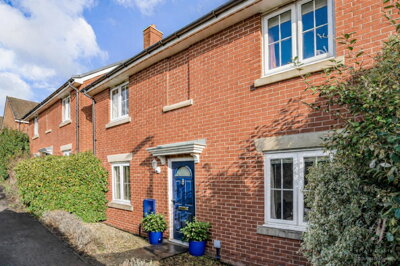
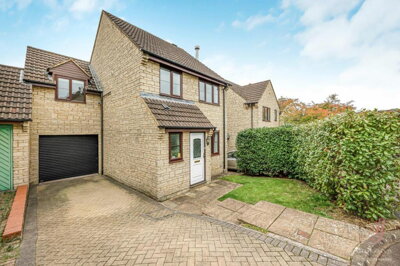
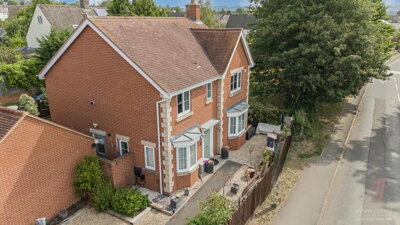
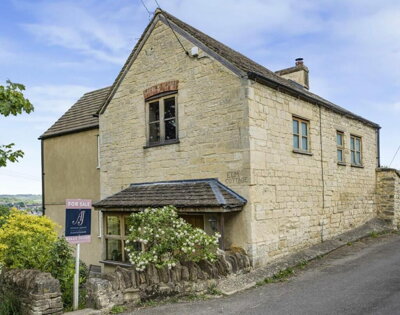
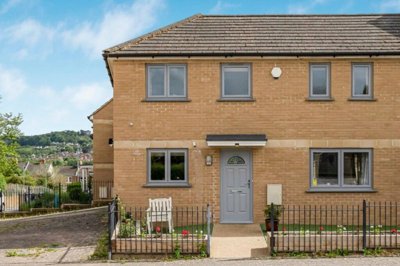
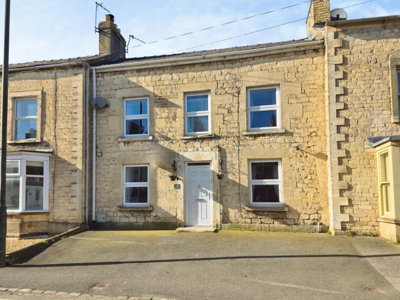
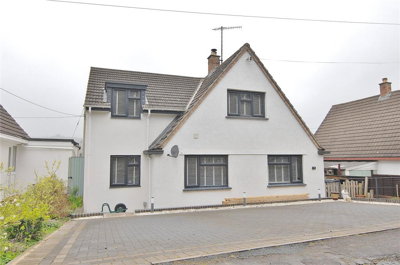
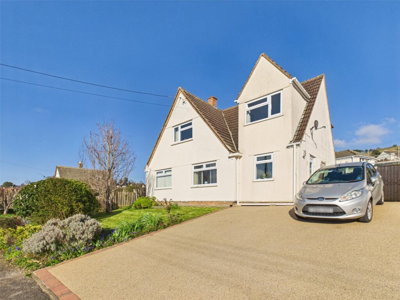
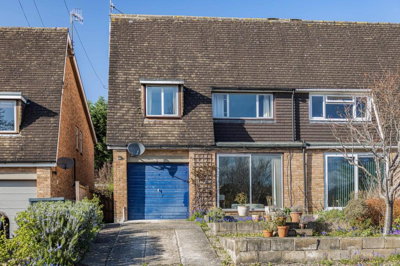
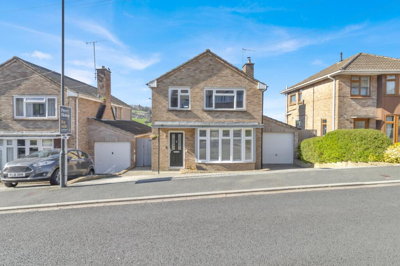
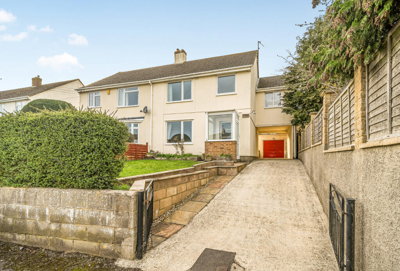
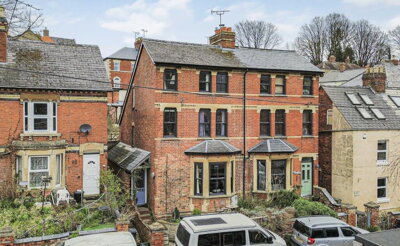
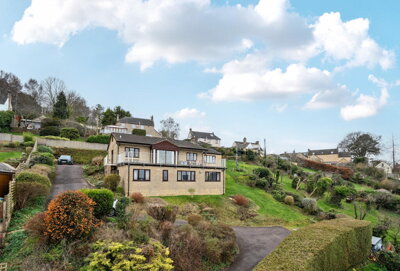
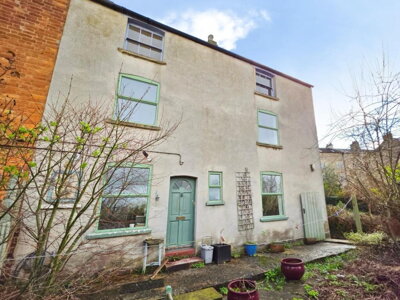
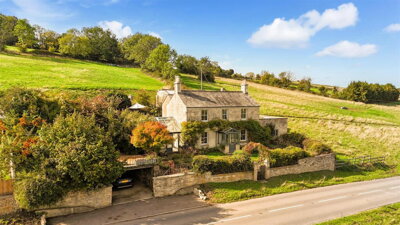
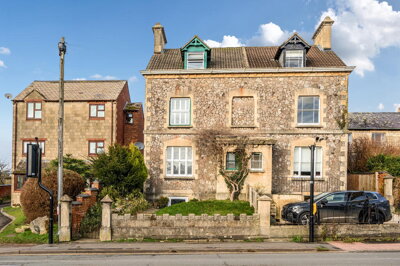
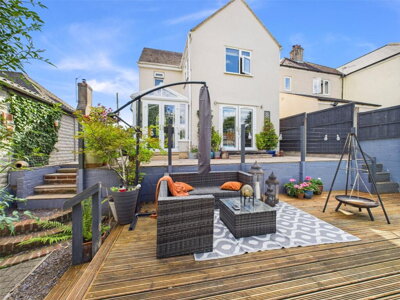
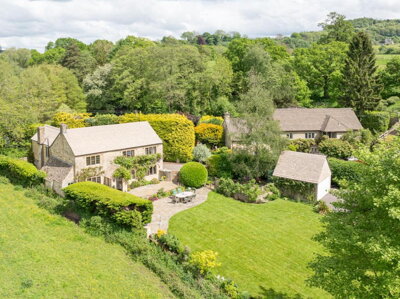
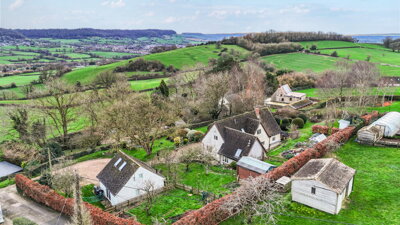
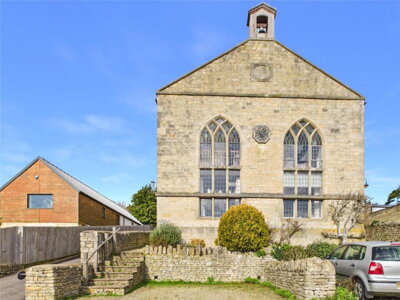
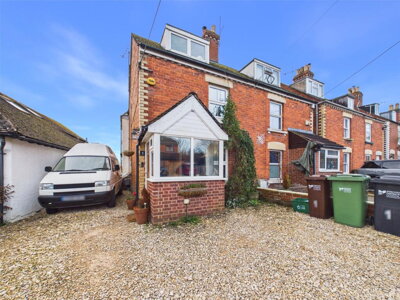
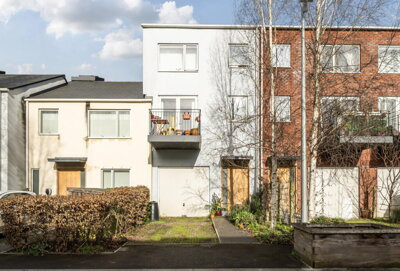
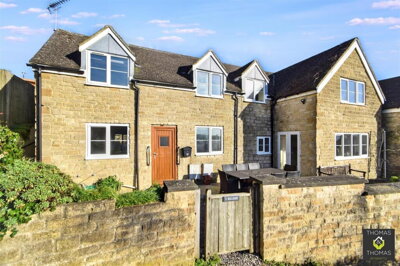
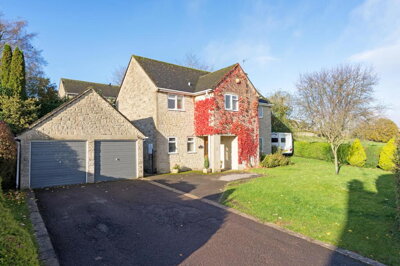
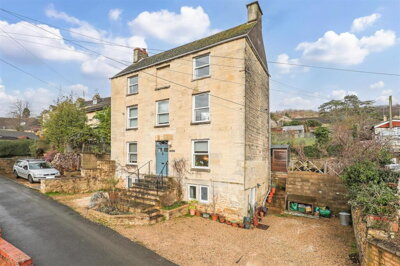
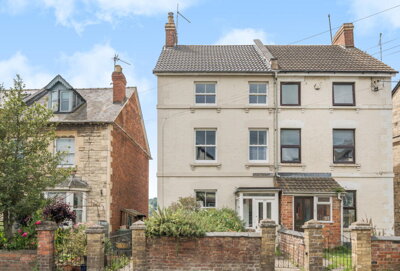
Browse 83 homes for sale in Stroud, Stroud from local estate agents.
The larger property sector typically features multiple bathrooms, substantial reception space, and private gardens or off-street parking. Four bedroom houses in Stroud span detached, semi-detached, and occasionally terraced configurations, with styles ranging from period properties to modern executive homes.
£450k
13
0
90
Source: home.co.uk
Showing 13 results for 4 Bedroom Houses for sale in Stroud, Stroud. The median asking price is £450,000.
Source: home.co.uk
Detached
6 listings
Avg £575,000
Terraced
4 listings
Avg £431,250
Semi-Detached
3 listings
Avg £490,000
Source: home.co.uk
Source: home.co.uk
The Stroud property market has demonstrated remarkable resilience, with average house prices sitting comfortably between £350,000 and £370,000 as of early 2026. This figure places Stroud firmly within the upper mid-range of the regional market, reflecting the area's desirability and the quality of housing stock available. The market has shown slight stabilisation over the past twelve months, with some sources indicating marginal adjustments of around 1-3%, suggesting a healthy balance between supply and demand rather than the volatile conditions seen in some other parts of the country.
Property types in Stroud span an impressive range to suit varying budgets and lifestyles. Detached homes command prices of £500,000 to £550,000 on average, offering generous space and often benefitting from elevated views across the valley. Semi-detached properties, popular with families, typically range from £300,000 to £330,000, while terraced homes start from £270,000 to £290,000, presenting an accessible entry point to this sought-after area. Flats and apartments remain the most affordable option at £180,000 to £200,000, ideal for first-time buyers or those seeking a lock-and-leave lifestyle close to the town centre.
New build opportunities in the Stroud postcode area include The Steppes, developed by Newland Homes, featuring a selection of 2, 3, and 4-bedroom homes priced from approximately £300,000 to over £600,000. This development exemplifies the modern standards expected by today's buyers, including energy-efficient construction, open-plan layouts, and off-street parking. Beyond major developments, smaller infill sites and individual custom build projects continue to emerge across the area, adding to the diversity of housing options available.

Stroud occupies a special place in the heart of the Cotswolds, offering residents an exceptional blend of rural charm and practical urban amenities. The town centre features a vibrant mix of independent shops, artisan cafes, and traditional pubs that line the historic streets leading down to the River Frome. Weekly markets have traded here for centuries, and today the award-winning farmers market draws visitors from across the region every Saturday, showcasing the best of local produce and crafts. The town's artistic heritage remains strong, with numerous galleries, studios, and creative businesses contributing to a cultural atmosphere rarely found in towns of this size.
The demographic composition of Stroud reflects its appeal across generations. The Stroud district, with a population of approximately 120,000 across 50,000 households, maintains a balanced community mix of families, professionals, and retirees. The area has attracted significant numbers of people relocating from London and other major cities, drawn by the lower cost of living, outstanding natural beauty, and strong community spirit. This influx has strengthened the local economy while preserving the authentic character that makes Stroud so distinctive.
Outdoor recreation forms a cornerstone of life in Stroud, with the Cotswold Way National Trail passing through the town and offering spectacular walking opportunities along the limestone escarpment. The surrounding countryside provides mountain biking at Woodchester Park, sailing at the Lake at Ebley, and numerous golf courses within easy reach. For families, the combination of excellent local amenities, safe neighbourhoods, and rich educational provision makes Stroud an ideal place to put down roots and raise children in a stimulating environment.

Education provision in Stroud serves all age groups and has established a strong reputation for quality across the district. Primary education is well-served by numerous schools within the town and surrounding villages, many of which have earned good or outstanding Ofsted ratings. Schools such as Stroud Valley Primary School and Amberley Primary School provide solid foundations for younger children, while the cluster of primary schools serving the various valleys ensures that families throughout the area have reasonable access to local schooling options. Many primary schools benefit from their picturesque settings within converted Cotswold stone buildings, offering children an inspiring environment in which to begin their educational journey.
Secondary education in Stroud includes several well-regarded options, with Archway School and Maidenhill School serving significant portions of the town population. The Stroud High School, a foundation school with a strong academic tradition, continues to attract pupils from across the district. For families prioritising grammar school education, access to selective schools in Gloucestershire requires careful consideration of catchment areas and registration deadlines, as competition for places can be keen. The town's comprehensive schools have worked hard to broaden their curriculum offerings and extracurricular programmes, providing diverse pathways for students of all abilities and aspirations.
Beyond secondary education, Stroud offers sixth form provision through Stroud High School and Archway School, while the Stroud campus of South Gloucestershire and Stroud College provides further education and vocational training opportunities. The college has established strong links with local employers, particularly in the engineering and creative sectors, ensuring students can pursue career-focused qualifications close to home. For families considering private education, several independent schools in the surrounding area provide alternative options, including schools in Cheltenham and Cirencester that offer boarding facilities for those requiring a fuller educational package.
Stroud benefits from excellent railway connections that position it as an increasingly popular choice for commuters working in Bristol, Gloucester, Cheltenham, and beyond. Stroud railway station, located on the Golden Valley Line between Gloucester and Swindon, provides regular services to Bristol Temple Meads with journey times of approximately 40 minutes. Direct trains to London Paddington take around 90 minutes, making Stroud viable for professionals who need occasional access to the capital without bearing the full cost of living there. The station has undergone improvements in recent years, with enhanced facilities and better accessibility making daily commuting more comfortable.
Road connectivity from Stroud is equally strong, with the A419 providing swift access to the M5 motorway at Junction 13, connecting northward to Birmingham and the Midlands or southward to Bristol and the South West. The A46 links Stroud eastward toward Cheltenham and Stratford-upon-Avon, opening up additional commuting corridors. For those working from home, the superfast broadband rollout across the town and surrounding villages has made Stroud an attractive base for remote workers who need reliable connectivity without sacrificing quality of life.
Local bus services operated by Stagecoach and other providers connect Stroud with surrounding villages and market towns throughout the day, though frequencies reduce in evenings and weekends. Cycling infrastructure has received attention in recent years, with dedicated lanes improving safety along key routes into the town centre. For air travel, Bristol Airport is approximately 45 minutes away by car, offering international destinations, while Birmingham Airport provides additional options for longer-haul travel. The combination of transport links makes Stroud exceptionally well-connected for a town of its size.
Start by exploring different neighbourhoods in Stroud, from the town centre conservation areas to the valley villages. Consider your commute requirements, school catchment areas, and proximity to amenities. Our platform allows you to filter properties by price, type, and location to narrow down your search effectively.
Before viewing properties, obtain a mortgage agreement in principle from a lender. This demonstrates to estate agents and sellers that you are a serious buyer with financing in place. Stroud's local mortgage brokers understand the regional market and can help you find competitive rates suitable for properties in this price range.
Once you have identified suitable properties, contact the listing estate agents to arrange viewings. We recommend viewing multiple properties to compare condition, character, and value. Pay attention to construction materials, potential maintenance issues, and any planning restrictions that might affect your plans.
For most properties in Stroud, particularly those over 50 years old, a RICS Level 2 Survey is essential. Given the prevalence of Cotswold stone construction, clay soils, and historic buildings in the area, a professional survey will identify any defects, subsidence risk, or renovation requirements before you commit to purchase.
Once your offer is accepted, instruct a solicitor to handle the legal aspects of your purchase. They will conduct searches with Stroud District Council, check drainage and flooding risks specific to the property's location, and manage the transfer of ownership through to completion.
After all surveys, searches, and mortgage arrangements are finalised, you will exchange contracts and pay your deposit. Completion typically follows within weeks, at which point you will receive the keys to your new Stroud home.
Properties in Stroud present unique considerations that buyers should evaluate carefully before committing to purchase. The town's beloved Cotswold stone construction, while undeniably beautiful, requires ongoing maintenance and specialist understanding. Traditional stone walls often lack the damp-proof courses found in modern properties, meaning rising damp can be a concern, particularly in older properties or those that have been vacant. A thorough survey will assess the condition of stonework, identify any structural issues, and evaluate the integrity of traditional lime mortar pointing that may have deteriorated over decades.
The Stroud area sits on Jurassic limestone (Cotswold Oolite) at the surface, with areas of Lias Clay beneath in the valley bottoms where properties are often built. This combination of geology creates potential for shrink-swell subsidence, especially where mature trees are present or drainage is inadequate. Properties near the River Frome and its tributaries face elevated flood risk, with certain areas designated as Flood Zone 2 and 3 by the Environment Agency. Surface water flooding can also affect various parts of the town during periods of heavy rainfall when local drainage systems are constrained by the valley topography.
Roof defects represent a significant concern in Stroud's older properties, where traditional Cotswold stone tiles are prone to deterioration over time. Slipped tiles, failed lead flashing, and timber decay in roof structures occur frequently in properties dating from the Victorian era and earlier. Many homes pre-dating 1980 also contain outdated electrical systems and plumbing that may require upgrading to meet current standards. The potential presence of asbestos in materials such as Artex ceilings, pipe lagging, and old floor tiles should be considered in any property built before 2000.
The extensive conservation areas and listed buildings throughout Stroud bring both opportunities and obligations for buyers. Properties with listed status benefit from protections that preserve their architectural character and often their market value, but they also carry restrictions on alterations that typically require Listed Building Consent from Stroud District Council. These requirements can add complexity and cost to renovation projects, and specialist survey advice is strongly recommended for any historic property purchase. Budget considerations should account for potentially higher maintenance costs and the specialist expertise required to work on traditional Cotswold stone construction.
The average house price in Stroud sits between £350,000 and £370,000 according to recent market data for early 2026. Detached properties typically command £500,000 to £550,000, while semi-detached homes range from £300,000 to £330,000. Terraced properties in Stroud start from approximately £270,000 to £290,000, and flats offer the most accessible entry point at £180,000 to £200,000. The market has shown slight stabilisation over the past year with modest adjustments of around 1-3%, suggesting healthy conditions for both buyers and sellers in this desirable Cotswold market town.
Council tax in Stroud is managed by Stroud District Council, with property bands ranging from A through to H depending on the assessed value of the home. Most standard three-bedroom semi-detached properties in Stroud fall into Band C or D, with the exact amount determined by the property's rateable value. Band D properties in Stroud currently pay around £1,800 to £2,000 per year, though buyers should verify the specific band with their solicitor during conveyancing as bands can occasionally be re-assessed following sales or improvements to the property.
Stroud offers strong educational provision across all levels, with several primary schools rated good or outstanding by Ofsted, including Stroud Valley Primary and Amberley Primary. At secondary level, Stroud High School maintains a strong academic reputation with a proven track record of examination success, while Archway School and Maidenhill School serve the wider community. The town also benefits from sixth form provision and the nearby Stroud College campus for further education and vocational courses. Families should verify current catchment areas and registration deadlines, particularly for oversubscribed schools, as these boundaries can change and vary between primary and secondary phases.
Stroud railway station provides excellent connectivity on the Golden Valley Line, with direct services to Bristol Temple Meads taking approximately 40 minutes and London Paddington reachable in around 90 minutes. Regular bus services operated by Stagecoach connect the town centre with surrounding villages and nearby towns including Dursley, Minchinhampton, and Nailsworth throughout the day. Road access is equally strong, with the A419 linking to the M5 motorway at Junction 13 within a short drive, providing straightforward routes to Gloucester, Cheltenham, and Birmingham. The combination of rail and road connections makes Stroud particularly attractive to commuters who split their working week between home and office.
Stroud has historically demonstrated strong capital growth and rental demand, making it an attractive option for property investors seeking returns in the Gloucestershire market. The town's excellent transport links, combined with the continuing trend of buyers seeking space and quality of life beyond major cities, supports sustained demand from both purchasers and tenants. Rental yields in Stroud typically range from 4% to 6% depending on property type and location, with demand strongest for family homes near good schools and for properties offering home working space. The local economy, with its mix of public sector employment at Stroud General Hospital and Stroud District Council, creative industries, and manufacturing businesses, provides a stable base of renters including NHS staff, teachers, and remote workers.
Stamp Duty Land Tax rates from April 2025 start at 0% on the first £250,000 of residential property purchases, rising to 5% on the portion between £250,001 and £925,000, then 10% up to £1.5 million, and 12% above that threshold. First-time buyers benefit from relief on the first £425,000, with 5% applying between £425,001 and £625,000, though no relief is available above £625,000. For an average Stroud property priced at £350,000, a standard buyer would pay approximately £1,250 in stamp duty, while a first-time buyer would pay £0 on the first £425,000 of their purchase.
Older properties in Stroud, which make up over 70% of the housing stock given the high proportion of Victorian and earlier construction, require careful scrutiny due to several area-specific risks. The prevalence of clay soils in valley areas creates potential for subsidence and heave, particularly where mature trees are present or drainage is poor. Traditional Cotswold stone construction often lacks modern damp-proofing, making rising and penetrating damp more common than in newer properties. Roof conditions frequently require attention, with traditional stone tiles prone to deterioration and the potential for timber decay in roof structures. Outdated electrical systems and plumbing are common in properties pre-dating 1980, often requiring upgrades to meet current standards and regulations. A RICS Level 2 Survey is strongly recommended for any older property purchase to identify these issues before commitment.
Properties located near the River Frome and its tributaries face elevated flood risk, with certain areas designated as Flood Zone 2 and 3 by the Environment Agency where river flooding is a material possibility. Surface water flooding can also affect various parts of the town during periods of heavy rainfall, particularly where drainage systems are constrained by the local valley topography. Buyers should review flood risk designations for any specific property, check for historic flood incidents in local records, and factor potential insurance implications into their budgeting. Properties in higher-risk areas may face higher insurance premiums and may benefit from flood resilience measures that reduce the impact of any future flooding events.
From 3.5% APR
Finding the right mortgage for your Stroud property purchase
From £499
Legal services for your property purchase in Stroud
From £450
Professional survey for your Stroud home
From £80
Energy performance certificate for Stroud properties
Understanding the full costs of purchasing property in Stroud extends well beyond the advertised asking price. Stamp duty Land Tax represents the most significant additional expense, and calculating this correctly ensures you budget appropriately for your purchase. For properties at Stroud's average price point of £350,000, a standard buyer would pay approximately £1,250 in stamp duty, calculated as 5% on the £100,000 portion above the £250,000 threshold. First-time buyers purchasing properties up to £425,000 would pay no stamp duty at all under current first-time buyer relief, representing a meaningful saving for those entering the property market in this sought-after area.
Survey costs merit particular attention in Stroud given the age and character of much of the housing stock. A RICS Level 2 Survey for a typical three-bedroom semi-detached property typically costs between £450 and £700, while larger detached homes or those with complex histories may require surveys ranging from £600 to £900 or more. For the significant proportion of Stroud properties over 50 years old, including those constructed from Cotswold stone or located in conservation areas, this investment in professional assessment provides essential protection against discovering costly defects after you have committed to purchase.
Solicitors fees for conveyancing in the Stroud area typically range from £499 to £1,500 or more depending on the complexity of the transaction. These fees cover the legal work of investigating title, conducting local authority searches with Stroud District Council, and managing the transfer process through to completion. Additional costs include search fees, Land Registry fees, and bank transfer charges that together add several hundred pounds to your legal bill. Mortgage arrangement fees vary between lenders, ranging from flat fees of a few hundred pounds to percentage-based charges that can reach 1-2% of the loan amount, so comparing the overall cost of different mortgage products is worthwhile before committing.
Moving costs should also be factored into your overall budget, with removal firms in the Stroud area typically charging between £300 and £1,500 depending on the volume of belongings and distance traveled. Buildings insurance must be in place from the moment you become the legal owner, and contents cover can be arranged at the same time. For properties in higher flood risk areas, specialist insurance may be required, and excess levels can be higher than for properties in lower-risk locations. Planning these costs carefully ensures your move to Stroud proceeds smoothly without unexpected financial surprises at any stage of the process.
Properties for Sale In London

Properties for Sale In Plymouth

Properties for Sale In Liverpool

Properties for Sale In Glasgow

Properties for Sale In Sheffield

Properties for Sale In Edinburgh

Properties for Sale In Coventry

Properties for Sale In Bradford

Properties for Sale In Manchester

Properties for Sale In Birmingham

Properties for Sale In Bristol

Properties for Sale In Oxford

Properties for Sale In Leicester

Properties for Sale In Newcastle

Properties for Sale In Leeds

Properties for Sale In Southampton

Properties for Sale In Cardiff

Properties for Sale In Nottingham

Properties for Sale In Norwich

Properties for Sale In Brighton

Properties for Sale In Derby

Properties for Sale In Portsmouth

Properties for Sale In Northampton

Properties for Sale In Milton Keynes

Properties for Sale In Bournemouth

Properties for Sale In Bolton

Properties for Sale In Swansea

Properties for Sale In Swindon

Properties for Sale In Peterborough

Properties for Sale In Wolverhampton

Enter your details to see if this property is within your budget.
Loans, cards, car finance
Estimated property budget
Borrowing + deposit
You could borrow between
Typical borrowing
Monthly repayment
Est. at 4.5%
Loan-to-value
This is an estimate only. Your actual budget may vary depending on interest rates, credit history, and personal circumstances. For an accurate affordability assessment, speak to one of our free mortgage advisors.
This calculator provides estimates for illustrative purposes only and does not constitute financial advice. Your home may be repossessed if you do not keep up repayments on your mortgage. Estimates based on 4.5% interest rate, repayment mortgage. Actual rates depend on your circumstances.
Homemove is a trading name of HM Haus Group Ltd (Company No. 13873779, registered in England & Wales). Homemove Mortgages Ltd (Company No. 15947693) is an Appointed Representative of TMG Direct Limited, trading as TMG Mortgage Network, which is authorised and regulated by the Financial Conduct Authority (FRN 786245). Homemove Mortgages Ltd is entered on the FCA Register as an Appointed Representative (FRN 1022429). You can check registrations at NewRegister or by calling 0800 111 6768.

We use cookies to show you personalised content and improve your experience of our website. Find out more in our Privacy policy and Cookie policy.