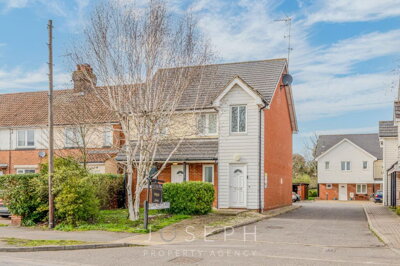
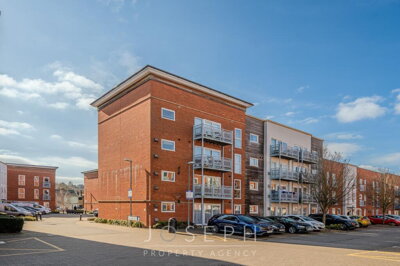
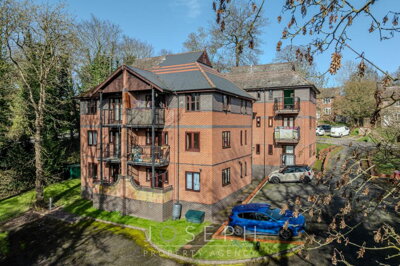
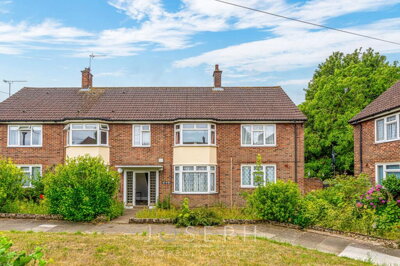
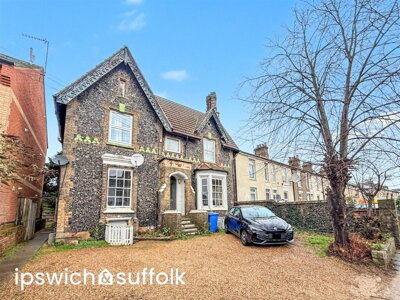
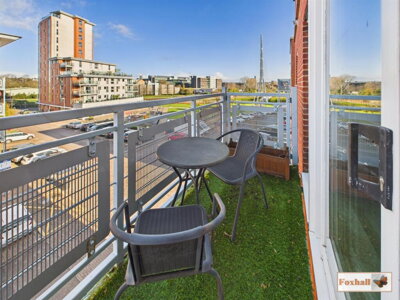
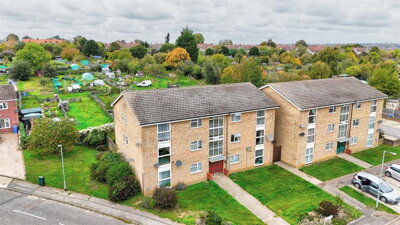
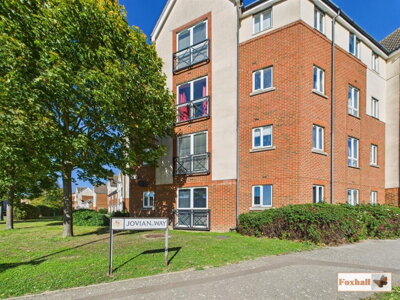
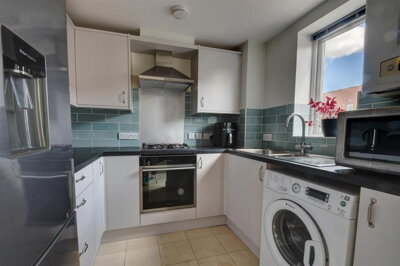
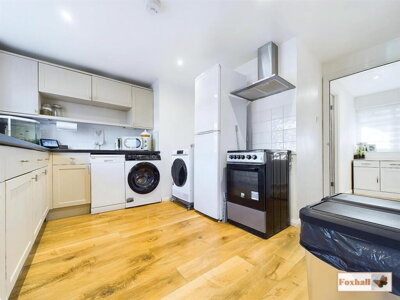
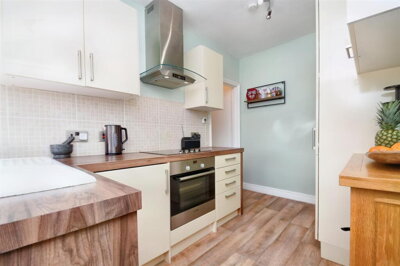
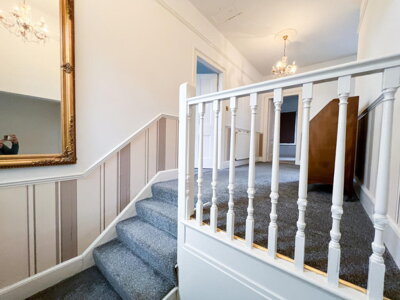
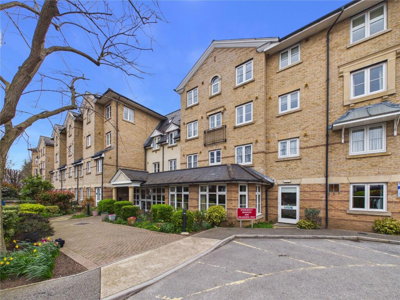
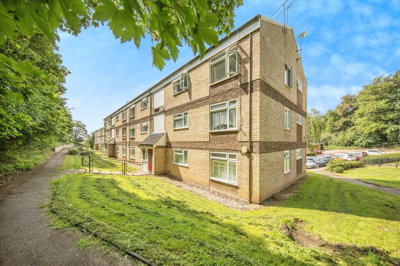
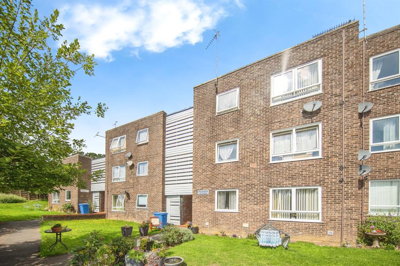
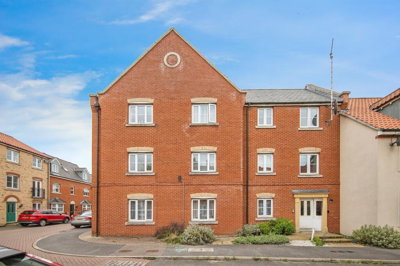
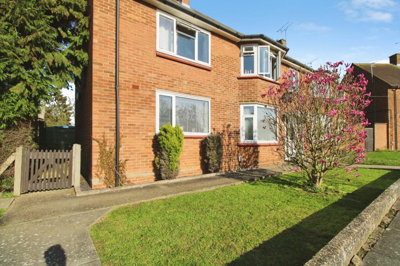
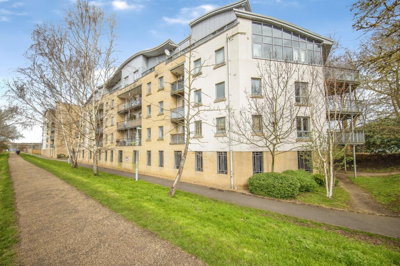
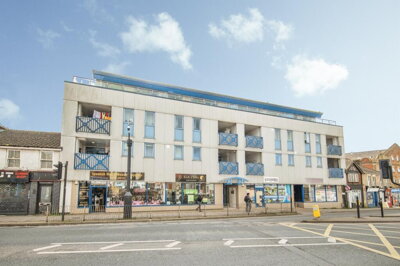
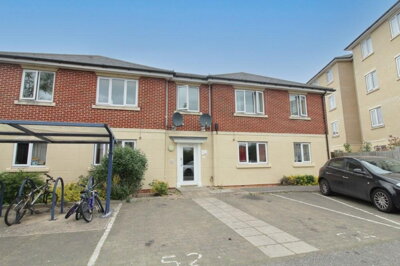
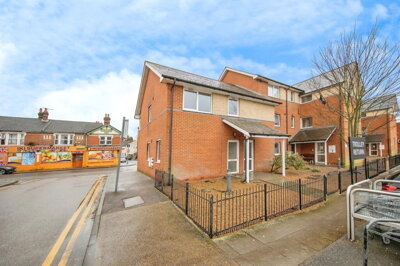
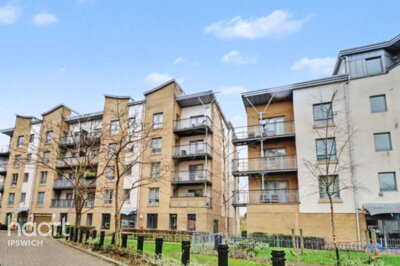
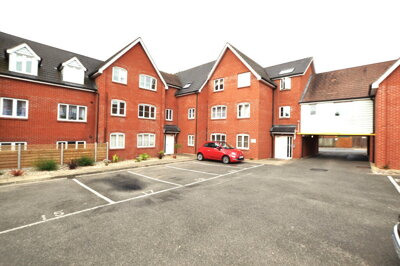
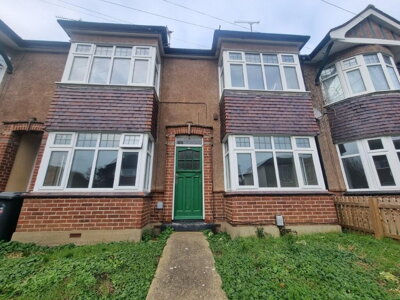
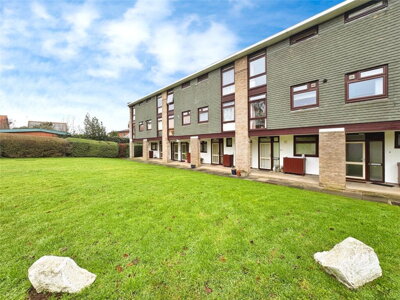
Browse 79 homes for sale in Sproughton, Babergh from local estate agents.
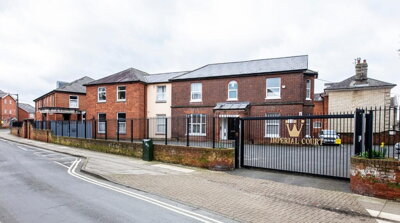
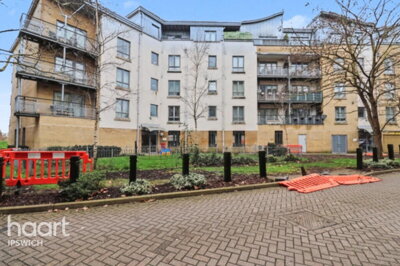
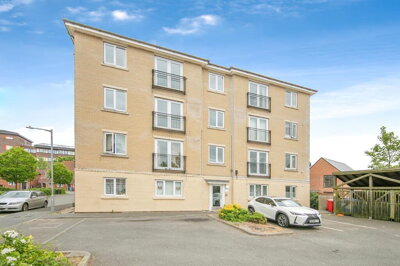
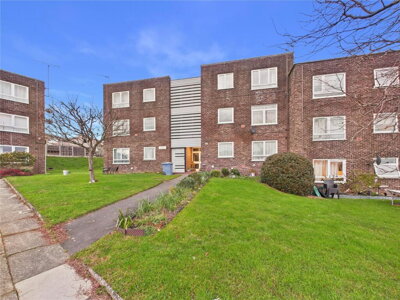
The 2 bed flat sector typically includes two separate bedrooms, dedicated living areas, and bathroom facilities. Properties in Sproughton span purpose-built blocks, converted period houses, and modern apartment complexes on various floors.
£0k
0
0
0
Source: home.co.uk
Showing 0 results for 2 Bedroom Flats for sale in Sproughton, Babergh.
£549,999
Average Property Price
£750,000
Detached Average
£420,000
Semi-Detached Average
£360,000
Terraced Average
+10%
Price Change (12 months)
10
Sales (last 12 months)
The Dullingham property market reflects its semi-rural character with a housing stock dominated by detached properties, which make up 52.8% of all homes in the village. Semi-detached homes represent 23.2% of the market, while terraced properties account for 16.0%, with flats comprising the remaining 8.0%. This distribution means buyers seeking generous space and privacy will find Dullingham particularly well-suited to their requirements. The village has seen a 10% increase in property prices over the past 12 months, with 10 property sales completing in the same period, indicating sustained demand despite the smaller market.
Price data reveals distinct segments within the local market. Detached properties command an average of £750,000, reflecting the premium associated with larger homes on generous plots in this desirable Cambridgeshire village. Semi-detached homes average £420,000, while terraced properties typically sell for around £360,000. The village's property age distribution shows a significant proportion of older homes, with 25% built pre-1919, 15% constructed between 1919 and 1945, and 30% built between 1945 and 1980. This blend of period and post-war housing provides buyers with character properties alongside more modern alternatives, though no active new-build developments exist within the immediate postcode area.
Given that 70% of properties in Dullingham were built before 1980, buyers should budget for potential renovation costs when purchasing older properties. Traditional construction methods common in these homes, including solid walls, timber framing, and original windows, often require different maintenance approaches compared to modern buildings. We recommend arranging a RICS Level 2 Survey before purchase to assess the condition of any property you are considering, particularly those showing their age.
Life in Dullingham offers the quintessential English village experience, with a population of 760 residents across 300 households creating an intimate community atmosphere. The village economy historically centred on agriculture and equestrian activities, a heritage that remains visible in the surrounding farmland and local countryside pursuits. The proximity to Newmarket, the headquarters of British horse racing, means equestrian connections run deep in the area, with yards, stud farms, and racing establishments providing employment and shaping local character. Village life is complemented by a strong sense of community, with local events and gatherings drawing residents together throughout the year.
The local landscape comprises the characteristic chalk geology of East Cambridgeshire, with overlying deposits of clay, sand, and gravel that create the gently undulating terrain typical of the region. Traditional building materials reflect this local geology, with many older properties constructed from distinctive gault brick alongside timber framing and rendered finishes, roofs typically finished with tiles or slate. The village centre and areas along the B1061 feature pockets where surface water flooding presents a medium to high risk during periods of heavy rainfall, though flood risk from rivers and the sea remains very low given Dullingham's inland position. Residents enjoy access to countryside walks, local pub, and village amenities, with more extensive shopping, dining, and cultural offerings available in nearby Newmarket and Cambridge.

The traditional buildings of Dullingham reflect the local geology and building customs of East Cambridgeshire. Gault brick, quarried from the chalk geology underlying the area, appears extensively in older properties and contributes to the distinctive amber tones visible throughout the village. This locally-sourced brick has been used for centuries and remains a defining feature of the village's architectural character. Many period properties combine gault brick with traditional timber framing, where the structural frame is visible either internally or externally, creating the characteristic black-and-white aesthetic found in older buildings throughout Cambridgeshire.
Rendered finishes are common on properties throughout Dullingham, particularly on elevations exposed to prevailing weather patterns. These renders protect underlying masonry or timber from rain and frost, though they require periodic maintenance to remain effective. Original windows in older properties may be single-glazed box sashes or casement designs, often featuring putty glazing rather than modern sealed units. Roofs throughout the village typically feature clay tiles or natural slate, materials that complement the traditional aesthetic while providing durable weatherproofing when properly maintained.
The village's Conservation Area encompasses the historic core, including St Mary's Church and several listed buildings that contribute to Dullingham's distinctive character. Properties in this designation require planning approval from East Cambridgeshire District Council for significant alterations or extensions, helping preserve the village's architectural heritage for future generations. Understanding the implications of Conservation Area status is important before purchasing, as certain works that might be permitted on properties outside the designation may require consent within it.
Families considering a move to Dullingham should research schooling options carefully, as the village itself has limited educational facilities. Primary school-aged children typically attend schools in nearby villages, with several options within a short drive serving the local catchment area. Parents should verify current catchment boundaries and admission arrangements with Cambridgeshire County Council, as these can change and may affect placement offers. The village's small population means primary class sizes are typically manageable, offering more individual attention than larger schools in towns.
Secondary education options in the surrounding area include schools in Newmarket, Cambridge, and Bury St Edmunds, with several achieving strong Ofsted ratings and providing comprehensive curricula. For families seeking grammar school education, the Kent-based grammar system does not apply in Cambridgeshire, though selective entrance exams may be available at particular schools if pursued. Sixth form and further education provision is available in nearby towns, with Cambridge colleges offering extensive higher education opportunities. Transport arrangements for secondary school students typically involve school bus services or private transport, an important consideration for families without personal vehicles.
For families prioritising educational access, properties across the wider Dullingham area offer varying commute times to schools in surrounding towns. The A14 corridor provides relatively straightforward access to secondary schools in Cambridge, while Newmarket-based schools are reachable via the A142. Families should consider both current school requirements and the stability of catchment arrangements when evaluating properties at different distances from potential schools.

Commuters choose Dullingham for its strategic position linking rural village living with access to major employment centres. The A14 trunk road passes nearby, providing direct connections to Cambridge to the west and Felixstowe port to the east, with the M11 accessible via Cambridge for connections to London and the north. The village sits on the B1061, a local road connecting to the wider road network, while Newmarket provides additional transport options including rail services. Journey times by car to Cambridge city centre typically take around 30-40 minutes, making day-to-day commuting feasible for those working in the city.
Rail access has historically been available via Dullingham railway station on the Ipswich-Cambridge line, though service frequencies have reduced in recent years. For regular commuting, many residents travel by car to larger stations in Newmarket, Cambridge, or Bury St Edmunds, which offer more frequent services. Cambridge railway station provides direct services to London King's Cross, with journey times of approximately 50 minutes, while Bury St Edmunds offers connections to Cambridge and Norwich. Local bus services connect Dullingham with surrounding villages and towns, though frequency is limited compared to urban routes. Cycling is popular for shorter journeys, with the flat Cambridgeshire terrain making cycling accessible for commuters of varying fitness levels.
For professionals working in Cambridge's growing technology and biotechnology sectors, Dullingham offers a viable base with manageable commute times. The journey to Cambridge Science Park takes approximately 35 minutes by car, while access to the Cambridge Biomedical Campus requires around 40 minutes. Those working in London can drive to Cambridge station in approximately 35 minutes before catching the direct train, making day commuting to the capital feasible for those with flexible arrangements.
Explore current property listings and recent sales data in Dullingham to understand price ranges for different property types. Our platform shows homes ranging from terraced properties at around £360,000 to detached houses reaching £750,000. Understanding the local market helps you identify properties that match your budget and requirements before scheduling viewings.
Contact estate agents representing properties in Dullingham to arrange viewings at times that suit you. Viewing multiple properties helps you compare condition, character, and value across the village. Consider viewing properties both during the day and in the evening to assess different aspects of each home and the surrounding neighbourhood.
Before making an offer, secure a mortgage agreement in principle from a lender. Having this document strengthens your position when negotiating with sellers, demonstrating that financing is in place. Local brokers familiar with Cambridgeshire properties can advise on available mortgage products and competitive rates for your circumstances.
Given that approximately 70% of properties in Dullingham were built before 1980, a RICS Level 2 Survey is strongly recommended for most purchases. This detailed inspection identifies defects common in older properties, including damp, timber issues, and potential concerns with clay soil foundations. Survey costs typically range from £450 to £800 depending on property size and value.
Choose a conveyancing solicitor to handle the legal aspects of your purchase. They will conduct searches, review contracts, and manage the exchange of documentation with the seller's solicitors. For properties in Dullingham's Conservation Area or listed buildings, additional searches regarding planning permissions and listed building consents may be required.
Once all searches are satisfactory and mortgage finance is confirmed, your solicitor will coordinate the exchange of contracts and set a completion date. On completion day, the remaining balance is transferred and keys are collected from the estate agent. Properties in Dullingham typically complete within 4-8 weeks of exchange, though this timeline can vary depending on chain complexity.
Properties in Dullingham require careful inspection given the significant proportion of older homes in the village. With 25% of properties built pre-1919 and a further 45% constructed before 1980, buyers should pay particular attention to the condition of traditional construction features. Traditional brickwork, timber framing, thatch or slate roofing, and original windows are common in period properties and may require ongoing maintenance or specialist care. A thorough survey helps identify any issues before purchase, particularly for homes showing signs of damp, timber deterioration, or structural movement.
The local geology presents specific considerations for property buyers. The chalk and clay composition of the underlying ground means some areas carry a shrink-swell risk to foundations, particularly during extended periods of drought or heavy rainfall. Properties with shallow foundations, typical of older buildings, can be more susceptible to movement on clay soils. Commissioning a RICS Level 2 Survey that specifically assesses foundation condition and signs of subsidence is advisable for any property in the village. Surface water flooding represents another consideration, particularly for properties near the village centre and along the B1061 road.
Dullingham's Conservation Area status affects what owners can do with their properties. Any significant alterations, extensions, or demolitions within the Conservation Area require planning permission from East Cambridgeshire District Council, with particular attention paid to preserving the historic character of the village. Listed buildings carry additional restrictions, and owners must seek consent for alterations that might affect the building's special architectural or historic interest. These designations protect the village's character but require buyers to understand their responsibilities before purchasing. Service charges and maintenance arrangements for any flats or managed properties should be verified, along with lease terms for leasehold homes.
The average property price in Dullingham is £549,999, with detached properties averaging £750,000, semi-detached homes at £420,000, and terraced properties around £360,000. Prices have increased by 10% over the past 12 months, reflecting strong demand for properties in this semi-rural Cambridgeshire village. The market is relatively small with approximately 10 sales completing in the past year, meaning buyer competition for well-presented properties can be significant. Flats in the village are less common, comprising only 8% of the housing stock, which can limit options for buyers seeking more affordable accommodation.
Properties in Dullingham fall under East Cambridgeshire District Council for council tax purposes. Bands vary by property based on assessed value, with most period properties in the village likely to fall within bands C through E, while newer or more valuable detached homes may be in higher bands. You can check specific bandings on the Valuation Office Agency website using the property address. Council tax charges in East Cambridgeshire are generally competitive compared to neighbouring authorities, though amounts vary by band.
Dullingham itself has limited schooling facilities, with primary school children typically attending schools in surrounding villages. Secondary education options in nearby Newmarket, Cambridge, and Bury St Edmunds include several well-regarded schools with strong academic records. Parents should verify current catchment areas and admission arrangements through Cambridgeshire County Council as these can influence which school children are allocated. The nearest secondary schools typically serve catchment areas that include Dullingham and surrounding villages, with school transport arrangements varying by provider and distance.
Dullingham has limited public transport options, with bus services connecting the village to surrounding towns but at frequencies lower than urban routes. Rail services via Dullingham station have reduced in recent years, so most residents rely on car travel for regular commuting. The nearby A14 provides road connections to Cambridge and beyond, with Cambridge station offering direct trains to London in approximately 50 minutes. Cycling is popular for shorter journeys given the flat terrain, and many residents cycle to nearby villages or to Dullingham station when rail services are available.
Property in Dullingham has shown consistent value growth, with prices rising 10% over the past year, indicating investor confidence in the area. The village's proximity to Cambridge, Newmarket, and Bury St Edmunds supports demand from commuters seeking village living. The Conservation Area status and limited new-build supply help protect property values by maintaining the village's character and restricting housing stock expansion. However, the small market size with only around 10 annual sales means liquidity may be lower than in larger towns, and investors should consider the relatively long marketing times typical of smaller village markets.
Stamp Duty Land Tax (SDLT) rates from April 2024 apply 0% tax on the first £250,000 of property value, 5% on the portion from £250,001 to £925,000, 10% from £925,001 to £1.5 million, and 12% above £1.5 million. First-time buyers benefit from relief on the first £425,000 (0% rate), with 5% applying between £425,001 and £625,000. Given Dullingham's average price of £549,999, a first-time buyer would pay approximately £6,250 in SDLT, while additional rate purchases would incur higher charges. Buyers purchasing terraced properties at around £360,000 would pay no SDLT under first-time buyer relief.
Dullingham contains several listed buildings, including St Mary's Church and various historic houses and cottages throughout the village. Properties designated as listed buildings are protected for their architectural or historic interest, and owners require Listed Building Consent from East Cambridgeshire District Council for alterations that might affect the building's character. Purchasing a listed building in Dullingham requires careful consideration of maintenance obligations and the planning restrictions that apply to historic properties. A detailed survey by a surveyor experienced with historic buildings is advisable for any listed property purchase.
Flood risk in Dullingham varies across the village, with river and sea flooding remaining very low given the village's inland position. However, surface water flooding presents a medium to high risk in certain areas, particularly near the village centre and along sections of the B1061 road. Properties in these areas may require additional consideration during the buying process, including verification of any flood resilience measures already in place. A RICS Level 2 Survey can identify signs of previous flooding or water damage that might not be apparent during a standard viewing.
Purchasing a property in Dullingham involves several costs beyond the purchase price, with Stamp Duty Land Tax representing a significant consideration for most buyers. From April 2024, the standard SDLT threshold is £250,000, meaning buyers pay 0% on this initial amount before the 5% rate applies to values between £250,001 and £925,000. Given that the average Dullingham property costs £549,999, a buyer purchasing at this price point would incur SDLT of approximately £15,000 under standard rates, though first-time buyer relief can reduce this substantially.
First-time buyers purchasing in Dullingham benefit from increased thresholds, with SDLT applying at 0% on the first £425,000 and 5% on the portion between £425,001 and £625,000. This means a first-time buyer purchasing a terraced property at £360,000 would pay no SDLT at all, while those buying at the village average of £549,999 would face approximately £6,250 in SDLT charges. Properties priced above £625,000 do not receive first-time buyer relief on any portion of the purchase price, so investors or those who have previously owned property will pay the full standard rates.
Beyond SDLT, buyers should budget for solicitor conveyancing costs typically ranging from £499 to £1,500 depending on complexity and property value. Survey costs for a RICS Level 2 HomeBuyer Report in the Dullingham area typically range from £450 to £800 depending on property size and type, with larger detached homes commanding higher fees. Search fees, Land Registry registration, and mortgage arrangement fees add further costs, with total ancillary costs typically ranging from £2,000 to £4,000 on a standard purchase. VAT may apply on some services, and buyers should confirm final costs with their chosen providers before committing.
From 4.5%
Finance your Dullingham property purchase with competitive mortgage rates
From £499
Expert legal services for your property purchase
From £450
Detailed property survey recommended for older Dullingham homes
From £80
Energy performance certificate for your Dullingham property
Properties for Sale In London

Properties for Sale In Plymouth

Properties for Sale In Liverpool

Properties for Sale In Glasgow

Properties for Sale In Sheffield

Properties for Sale In Edinburgh

Properties for Sale In Coventry

Properties for Sale In Bradford

Properties for Sale In Manchester

Properties for Sale In Birmingham

Properties for Sale In Bristol

Properties for Sale In Oxford

Properties for Sale In Leicester

Properties for Sale In Newcastle

Properties for Sale In Leeds

Properties for Sale In Southampton

Properties for Sale In Cardiff

Properties for Sale In Nottingham

Properties for Sale In Norwich

Properties for Sale In Brighton

Properties for Sale In Derby

Properties for Sale In Portsmouth

Properties for Sale In Northampton

Properties for Sale In Milton Keynes

Properties for Sale In Bournemouth

Properties for Sale In Bolton

Properties for Sale In Swansea

Properties for Sale In Swindon

Properties for Sale In Peterborough

Properties for Sale In Wolverhampton

Enter your details to see if this property is within your budget.
Loans, cards, car finance
Estimated property budget
Borrowing + deposit
You could borrow between
Typical borrowing
Monthly repayment
Est. at 4.5%
Loan-to-value
This is an estimate only. Your actual budget may vary depending on interest rates, credit history, and personal circumstances. For an accurate affordability assessment, speak to one of our free mortgage advisors.
This calculator provides estimates for illustrative purposes only and does not constitute financial advice. Your home may be repossessed if you do not keep up repayments on your mortgage. Estimates based on 4.5% interest rate, repayment mortgage. Actual rates depend on your circumstances.
Homemove is a trading name of HM Haus Group Ltd (Company No. 13873779, registered in England & Wales). Homemove Mortgages Ltd (Company No. 15947693) is an Appointed Representative of TMG Direct Limited, trading as TMG Mortgage Network, which is authorised and regulated by the Financial Conduct Authority (FRN 786245). Homemove Mortgages Ltd is entered on the FCA Register as an Appointed Representative (FRN 1022429). You can check registrations at NewRegister or by calling 0800 111 6768.

We use cookies to show you personalised content and improve your experience of our website. Find out more in our Privacy policy and Cookie policy.