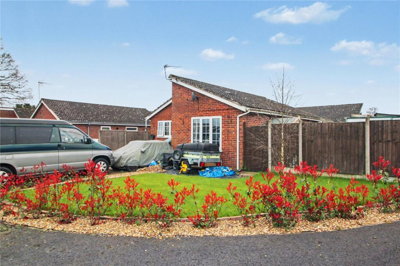
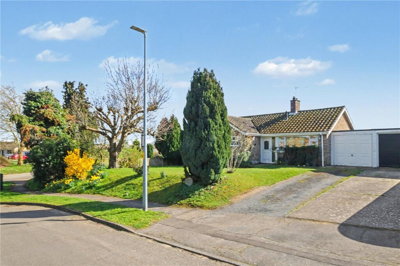
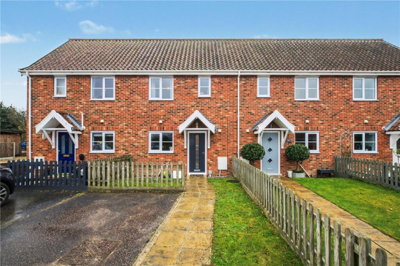
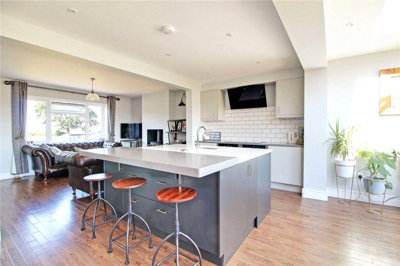
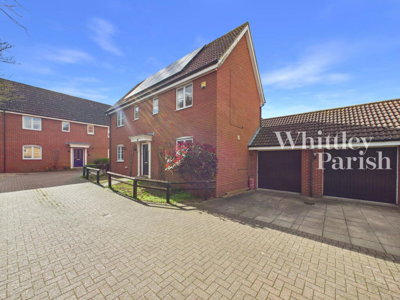
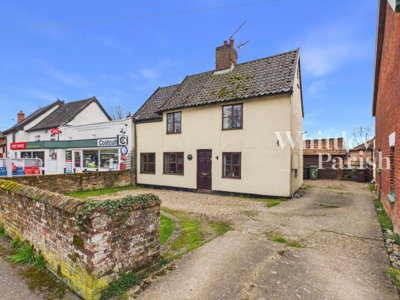
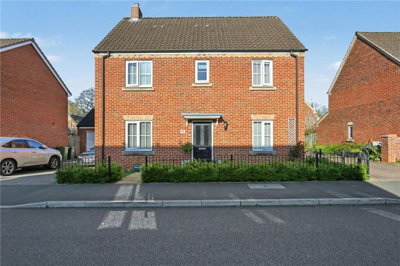
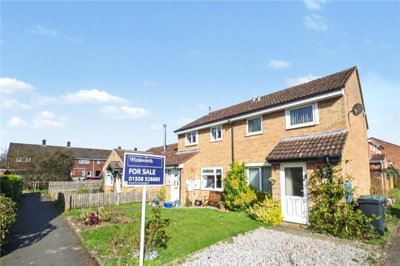
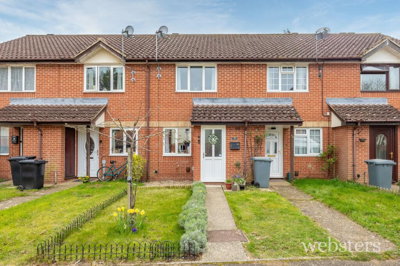
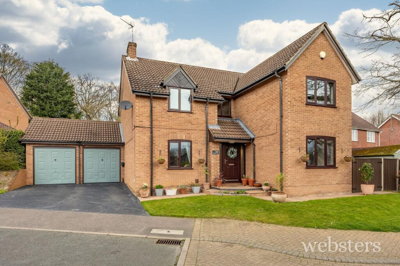
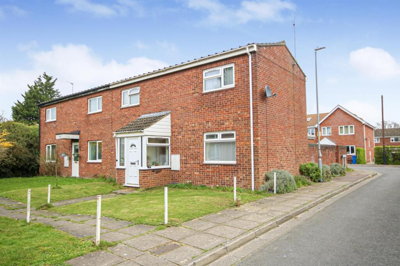
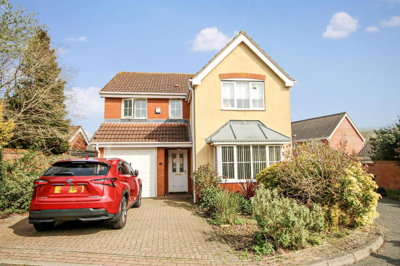
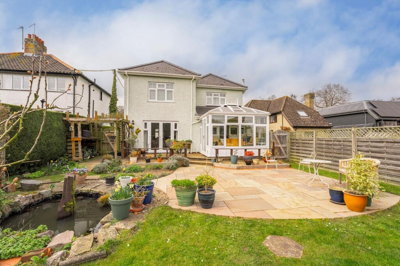
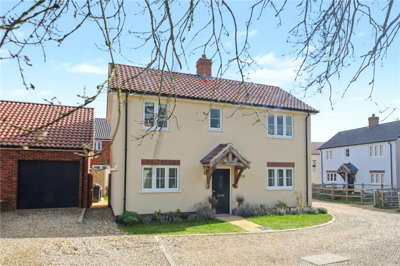
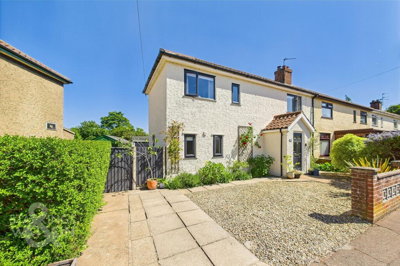
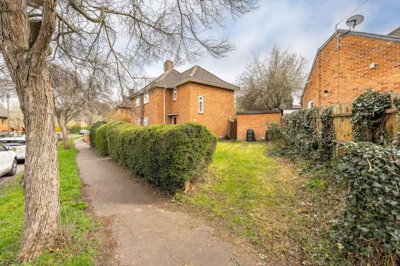
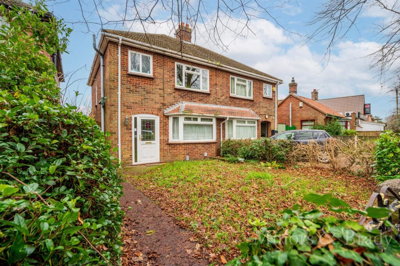
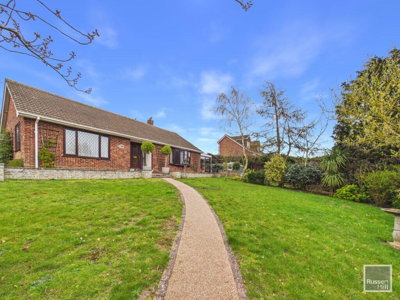
Browse 3,772 homes for sale in South Norfolk from local estate agents.
The South Norfolk property market offers detached, semi-detached, and terraced houses spanning various price ranges and neighbourhoods. Each listing includes detailed property information, photographs, and direct contact with the marketing agent.
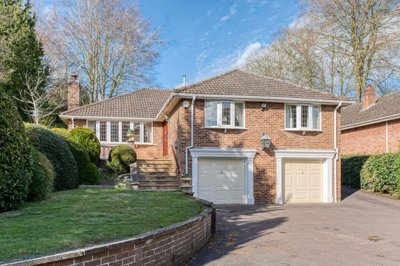
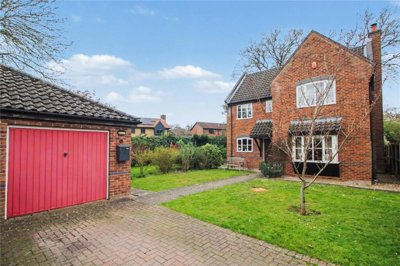
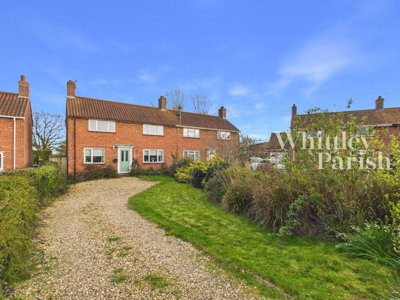
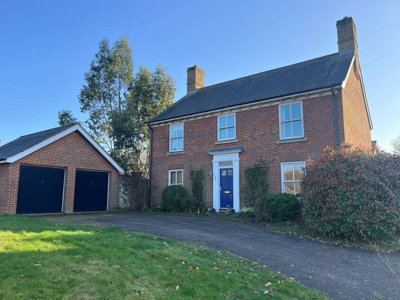
The South Norfolk property market presents a varied landscape of property types and price points, making it accessible to a wide range of buyers. Detached properties command the highest average price at £429,000, offering generous space and gardens that appeal to families seeking room to grow. These homes are often found in villages like Framingham Earl,, and the surrounding countryside where larger plots are more readily available. The premium for detached living reflects the desirability of space and privacy that characterises the Norfolk lifestyle.
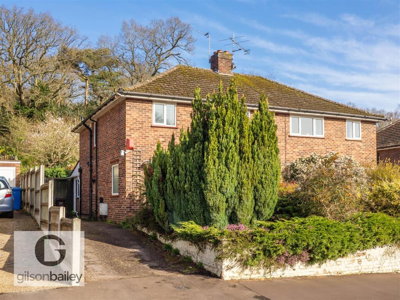
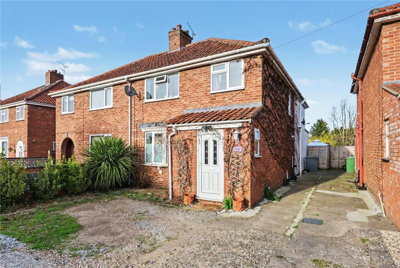
Semi-detached homes, averaging £278,000, represent excellent value for those looking for a comfortable three-bedroom property without the premium associated with larger detached houses. These homes often feature the period character that buyers love about Norfolk properties, with many constructed during the Victorian and Edwardian eras when the railway brought prosperity to market towns across the district. Semi-detached properties led the market growth with a 4.0% annual increase, suggesting strong demand from families upsizing from terraced homes. In Wymondham particularly, Victorian and Edwardian semi-detached properties along streets like Fairland Street and Market Street offer excellent examples of this period architecture.
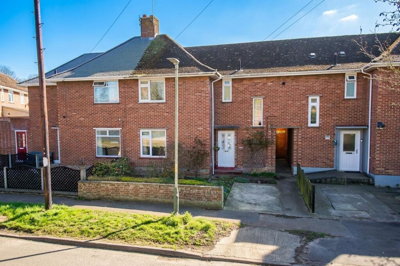
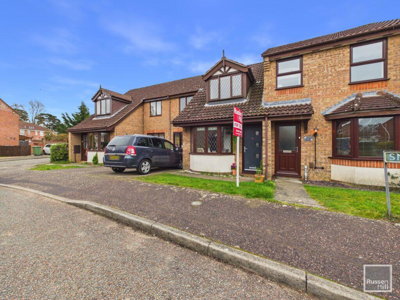
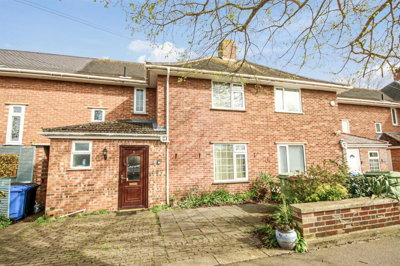
Terraced properties in South Norfolk average £232,000, providing an attractive entry point for first-time buyers or investors seeking rental opportunities in a stable market. Properties in towns like Diss and Harleston often feature charming period features including exposed brickwork, original fireplaces, and stripped wooden floors that appeal to buyers seeking character properties. Flats and maisonettes, with an average price of £135,000, offer affordable options in convenient locations close to local amenities and transport links. The property type mix in South Norfolk reflects its blend of historic market towns and rural villages, with demand consistently strong across all categories.

South Norfolk embodies the quintessential English countryside experience, with rolling farmland, ancient woodlands, and tranquil villages connected by winding country lanes. The district spans a substantial area of eastern England, taking in the landscape between Norwich and the Suffolk border. Towns such as Wymondham retain their medieval Market Place and historic architecture, featuring cobbled streets lined with independent shops, cafes, and traditional pubs. The twice-weekly markets in Wymondham and Diss have been trading for centuries and continue to provide fresh local produce, creating focal points for community interaction that newer developments simply cannot replicate.
The area's communities are known for their warmth and strong social bonds, with regular events including farmers markets, village fetes, and seasonal festivals celebrating local produce and traditions. South Norfolk benefits from a thriving food scene, with farm shops such as Stradbroke Farmers' Market and artisanal producers like Birchwood Blue Cheese in nearby Winfarthing serving locally sourced ingredients. The acclaimed recipes at gastropubs including The Fox in Woodton and The Swan at Old Buckenham draw food lovers from across the region. For recreation, the district offers numerous public footpaths, bridleways, and cycling routes that traverse the beautiful Norfolk countryside, including sections of the Angles Way and Waveney Valley footpaths.
The River Waveney forms part of the southern boundary, providing opportunities for fishing, boating, and riverside walks between Norfolk and Suffolk. Sailing clubs at Beccles and Bungay attract enthusiasts throughout the summer months, while the river's meadows support diverse wildlife that draws nature lovers year-round. Cultural attractions include historic churches such as St Mary the Virgin in Wymondham with its famous Abbey Gate, and manor houses including Homersfield Hall. The annual Norfolk and Norwich Festival bringing arts events to venues across the region, while Diss Corn Hall and Harleston's smaller venues host regular live music and theatre performances throughout the year.

Education is a significant consideration for families moving to South Norfolk, and the district offers a range of educational options across all levels. Primary education is well-served by village schools and larger primary schools in market towns, many of which have received good or outstanding Ofsted ratings. Schools in towns like Wymondham and Diss serve their local communities with strong reputations for pastoral care and academic progress. The primary school in Wymondham, for example, regularly features among the top-performing schools in Norfolk for Key Stage 2 results, attracting families willing to factor school catchment areas into their property search.
For secondary education, options include high schools in the main towns, with schools such as Framingham Earl High School and Wymondham High Academy serving as notable institutions in the area. Framingham Earl has earned particular recognition for its arts and technology programmes, while Wymondham High Academy offers extensive extracurricular activities including the Duke of Edinburgh's Award scheme. Many secondary schools offer a broad curriculum and extensive extracurricular programmes including sports, music, and drama. The space available in rural South Norfolk means schools often have excellent sports facilities including playing fields and all-weather pitches that urban schools struggle to match.
Parents should research specific catchment areas when considering properties, as school places can be competitive in popular locations like Wymondham and the villages surrounding Diss. Some families opt for the independent education options available in Norwich, accessible via the excellent road and bus connections from South Norfolk. Sixth form provision is available at several secondary schools and colleges in the district, with Diss High School and other institutions offering A-level programmes across a range of subjects. For younger children, the area has numerous nurseries and preschool settings, many operating from village halls and community centres. The presence of well-regarded schools throughout South Norfolk makes it an attractive destination for families prioritising education in their property search.
South Norfolk enjoys excellent transport connectivity that makes commuting and regional travel highly practical for residents. The market town of Diss sits on the main railway line between Norwich and London Liverpool Street, with journey times to the capital taking approximately 90 minutes to two hours depending on the service. This direct connection has made Diss and surrounding villages increasingly popular with remote workers and commuters who want Norfolk's lifestyle benefits without sacrificing career opportunities in London. Properties within walking distance of Diss railway station command a premium from commuters seeking to minimise their daily travel time.
Norwich provides additional rail services including connections to Cambridge and services to London via multiple routes, with improved journey times following investments in the Great Eastern Main Line. The journey from Norwich to Cambridge takes around 90 minutes, opening up employment and cultural opportunities in the university city. Road infrastructure in South Norfolk includes the A140 running north-south through the district, connecting Norwich to the market towns and eventually to Ipswich. The A11 provides swift access to Cambridge and the M11 motorway, opening up the Greater London area and Stansted Airport for international travel. The recently improved dualling of sections of the A11 has significantly reduced journey times to Cambridge.
Bus services operated by First Group and other providers connect the smaller villages with town centres, including the 1A route serving numerous villages between Norwich and Attleborough. However, car ownership remains advantageous for those in more rural locations where public transport frequency is limited. Cycling is popular for shorter journeys, with quiet country lanes and dedicated routes in some areas making cycling a viable option for local trips. Norwich Airport offers domestic flights and connections to European destinations including Amsterdam's Schiphol hub, making South Norfolk surprisingly well-connected for an area often perceived as purely rural.
Spend time exploring different towns and villages within South Norfolk to understand which communities best match your lifestyle preferences. Visit during different times of day and week, check local amenities, and speak to residents about their experiences living in the area. Consider factors like commute times to work, proximity to schools if relevant, and the availability of the property type you are seeking.
Speak to a mortgage broker or lender to obtain an Agreement in Principle before viewing properties. This strengthens your position when making offers and demonstrates to sellers that you are a serious buyer with financing already considered. Given the South Norfolk market where properties can attract multiple interest, having your finances arranged upfront can make the difference between success and disappointment.
Work with local estate agents to arrange viewings of properties matching your criteria. Take notes during each viewing, ask about the property's history, any renovation work undertaken, and enquire about the local area and any planned developments nearby. In South Norfolk's market towns like Wymondham and Diss, properties in good condition often sell quickly, so being ready to move fast when you find the right home is important.
Once your offer is accepted, instruct a qualified surveyor to conduct either a RICS Level 2 HomeBuyer Report or Level 3 Building Survey. This essential step identifies any structural issues or necessary repairs before you commit to purchase. For older properties common in South Norfolk, a Level 3 survey is often advisable given the potential for period defects in Georgian, Victorian, or Edwardian construction.
Appoint a conveyancing solicitor to handle the legal aspects of your purchase, including searches, contracts, and registration with the Land Registry. Your solicitor will liaise with the seller's representatives to progress your transaction through to completion. Many South Norfolk property transactions involve properties with unusual features or conservation area restrictions that require specialist attention.
After satisfactory survey results and contract negotiations, you will exchange contracts and pay your deposit. Completion typically follows within weeks, when the remaining funds are transferred and you receive the keys to your new South Norfolk home. Your solicitor will coordinate the final arrangements and notify the estate agents when completion is confirmed.
Property buyers in South Norfolk should pay particular attention to flood risk assessments, as the district includes areas near rivers and low-lying land that may be susceptible to flooding. The River Waveney and its tributaries create flood risk for some properties in villages along its course, including Homersfield and Bungay. The Environment Agency publishes flood maps that can help identify properties in flood zones, and obtaining buildings insurance quotes before completing is advisable. Some villages have historic flood defences or natural drainage systems that buyers should understand before committing to purchase.
Conservation areas exist in several South Norfolk towns and villages, meaning properties may be subject to planning restrictions regarding extensions, alterations, and exterior changes. Wymondham's conservation area covers significant portions of the town centre, including the historic Market Place and many period properties along Fairland Street and Chapel Lane. Buyers should obtain the relevant planning and building control documents before purchasing in these locations. Listed building status applies to numerous properties across the district, imposing additional obligations on owners and requiring Listed Building Consent for certain works.
Many properties in the district are older, often dating from the Georgian, Victorian, or Edwardian periods, which can bring character but also hidden maintenance issues. Common defects in older Norfolk properties include original timber framed windows requiring attention, period roof coverings reaching the end of their life, and solid walls lacking modern insulation. Understanding the difference between freehold and leasehold tenure is important, as some modern developments and conversions may have lease terms requiring review. Service charges and ground rent should be carefully examined, and the overall condition of shared areas and communal facilities should be assessed during viewings.
Rural properties may also have private water supplies from wells or boreholes, requiring specific surveys and maintenance considerations that differ from standard mains-connected homes. Properties in the more remote villages of South Norfolk may rely on private septic tanks or drainage systems rather than mains sewerage, with associated maintenance responsibilities and costs. Electrical wiring in older properties should be checked, as re-wiring requirements can add significant cost to renovation projects. A thorough building survey will identify these issues before you commit to purchase.
The average house price in South Norfolk was £313,000 as of December 2025, according to official Land Registry data. This represents a year-on-year increase of 2.8%, which outpaced the regional average for the East of England at 1.5%. Property prices vary significantly by type, with detached homes averaging £429,000, semi-detached properties at £278,000, terraced homes at £232,000, and flats at £135,000. An alternative data source cited the average price paid at £360,000 as of February 2026, showing a 4.3% decrease over the previous 12 months for sold prices, illustrating how different measurement methodologies can produce varying results.
Properties in South Norfolk fall under South Norfolk Council (or Norfolk County Council for social services) and the relevant council tax banding. Bands range from A to H based on property value, with most residential properties in the district falling within bands A through D. Prospective buyers should check the specific banding with South Norfolk Council or through the Valuation Office Agency, as council tax forms a significant part of ongoing ownership costs. Band D properties typically pay around £1,500-£1,800 annually, though actual amounts depend on the specific property and any applicable discounts or exemptions. Properties in more rural villages may have different arrangements for parish council precepts.
South Norfolk offers several well-regarded educational institutions across all levels. Notable primary schools include those in Wymondham and Diss, many receiving good or outstanding Ofsted ratings. For secondary education, schools such as Wymondham High Academy and Framingham Earl High School serve the local community with strong academic records and extensive extracurricular offerings. Wymondham High Academy has approximately 1,500 students and offers a wide range of A-level subjects, while Framingham Earl High School is noted for its specialist status in arts and technology. Parents should research specific catchment areas, as school admissions are based on proximity.
South Norfolk benefits from excellent transport connections despite its rural character. The town of Diss provides direct rail services to London Liverpool Street in approximately 90 minutes to two hours, with trains departing roughly every two hours throughout the day. Norwich, accessible from multiple South Norfolk towns, offers additional rail connections including routes to Cambridge and the Midlands. Bus services operated by First Group connect villages to market towns, including the 1A service running between Norwich and Attleborough via Wymondham. The A11 and A140 provide road access to Cambridge, Norwich, and onwards to the national motorway network.
South Norfolk presents a compelling case for property investment, with the area demonstrating consistent price growth and stable transaction volumes despite broader market uncertainties. The district recorded 1,747 property sales in 2025 with a median price of £300,000, indicating healthy market activity. Rental demand is supported by the area's popularity with professionals working in Norwich and surrounding employment hubs, as well as families seeking more affordable housing than available in major cities. Properties in market towns like Wymondham and Diss, particularly those with good transport links, tend to maintain their values well and attract steady tenant interest. Semi-detached properties showing 4.0% annual growth suggest strong underlying demand.
Stamp Duty Land Tax rates for residential properties are set nationally and apply equally in South Norfolk. Standard rates start at 0% for properties up to £250,000, rising to 5% on the portion between £250,001 and £925,000. For a typical South Norfolk property priced at the district average of £313,000, a standard buyer would pay £3,150 in stamp duty (5% on £63,000 above the threshold). First-time buyers benefit from relief on the first £425,000 of their purchase, meaning no stamp duty would be due on a £313,000 purchase if eligible. Properties above £625,000 do not qualify for first-time buyer relief, and an additional 3% surcharge applies for second homes and investment properties.
Get competitive mortgage rates for your South Norfolk property purchase
From 4.5%
Professional solicitors to handle your property legal work
From £499
Ideal for conventional properties in good condition
From £350
Thorough structural survey for older or complex properties
From £550
Understanding the full costs of purchasing property in South Norfolk helps buyers budget accurately and avoid surprises during the transaction. Beyond the property price, the most significant immediate cost is Stamp Duty Land Tax. For a typical South Norfolk property priced at the district average of £313,000, a standard buyer would pay £3,150 in stamp duty (5% on £63,000 above the £250,000 threshold). First-time buyers purchasing at this price point would pay £0 on the first £425,000 if eligible, meaning no stamp duty would be due on a £313,000 purchase. Higher-value properties will incur substantially more, making accurate calculation essential for budgeting purposes.
Additional buying costs include solicitor conveyancing fees typically ranging from £500 to £1,500 depending on complexity, property value, and whether the transaction involves a chain. Rural properties with private water supplies or septic tanks may require additional legal work that increases costs. Survey costs vary from £300 for a basic condition report to £1,500 or more for a comprehensive building survey on larger or older properties. Given the age of many properties in South Norfolk, investing in a thorough RICS Level 3 Building Survey is often money well spent. Mortgage arrangement fees often apply, ranging from £0 to £2,000 depending on the lender and product chosen.
Search fees, land registry fees, and electronic transfer charges add a further £300-£500 to the typical transaction. searches specific to South Norfolk include local authority searches with South Norfolk Council, water and drainage searches, and environmental searches that can reveal flood risk or contamination issues. Land Registry fees for registering the title transfer are calculated on the property price. Buyers should also budget for removals, potential renovation works, and a buffer for unexpected costs identified during surveys. Setting aside 3-5% of the property price for these additional costs provides a realistic contingency for most purchases in South Norfolk, though older properties may require a larger contingency for unforeseen repairs.
Properties for Sale In London

Properties for Sale In Plymouth

Properties for Sale In Liverpool

Properties for Sale In Glasgow

Properties for Sale In Sheffield

Properties for Sale In Edinburgh

Properties for Sale In Coventry

Properties for Sale In Bradford

Properties for Sale In Manchester

Properties for Sale In Birmingham

Properties for Sale In Bristol

Properties for Sale In Oxford

Properties for Sale In Leicester

Properties for Sale In Newcastle

Properties for Sale In Leeds

Properties for Sale In Southampton

Properties for Sale In Cardiff

Properties for Sale In Nottingham

Properties for Sale In Norwich

Properties for Sale In Brighton

Properties for Sale In Derby

Properties for Sale In Portsmouth

Properties for Sale In Northampton

Properties for Sale In Milton Keynes

Properties for Sale In Bournemouth

Properties for Sale In Bolton

Properties for Sale In Swansea

Properties for Sale In Swindon

Properties for Sale In Peterborough

Properties for Sale In Wolverhampton

Enter your details to see if this property is within your budget.
Loans, cards, car finance
Estimated property budget
Borrowing + deposit
You could borrow between
Typical borrowing
Monthly repayment
Est. at 4.5%
Loan-to-value
This is an estimate only. Your actual budget may vary depending on interest rates, credit history, and personal circumstances. For an accurate affordability assessment, speak to one of our free mortgage advisors.
This calculator provides estimates for illustrative purposes only and does not constitute financial advice. Your home may be repossessed if you do not keep up repayments on your mortgage. Estimates based on 4.5% interest rate, repayment mortgage. Actual rates depend on your circumstances.
Homemove is a trading name of HM Haus Group Ltd (Company No. 13873779, registered in England & Wales). Homemove Mortgages Ltd (Company No. 15947693) is an Appointed Representative of TMG Direct Limited, trading as TMG Mortgage Network, which is authorised and regulated by the Financial Conduct Authority (FRN 786245). Homemove Mortgages Ltd is entered on the FCA Register as an Appointed Representative (FRN 1022429). You can check registrations at NewRegister or by calling 0800 111 6768.

We use cookies to show you personalised content and improve your experience of our website. Find out more in our Privacy policy and Cookie policy.