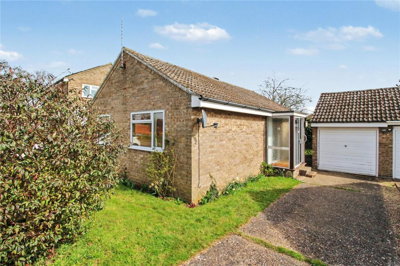
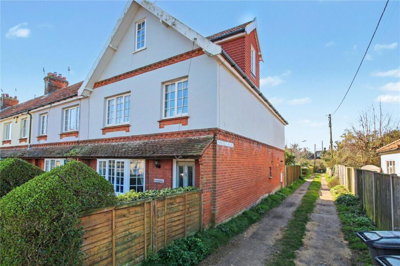
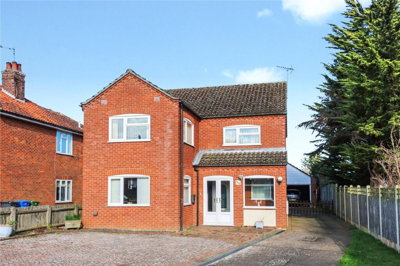
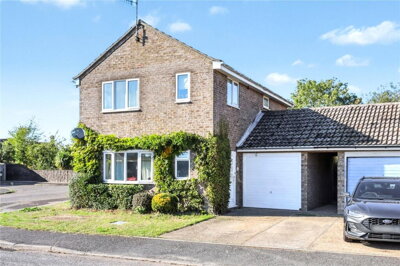
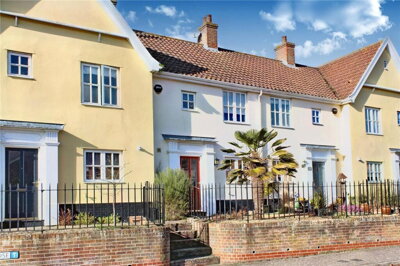
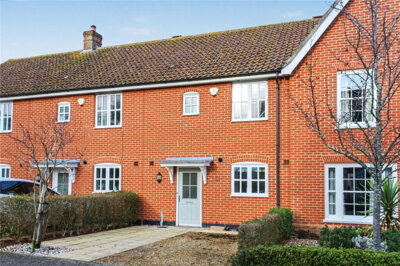
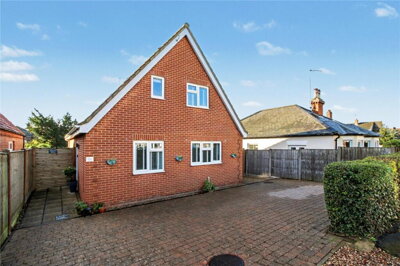
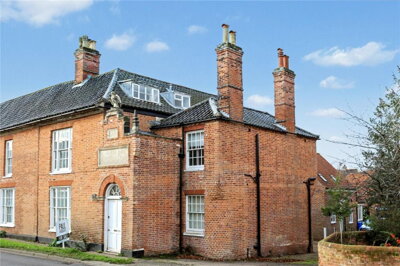
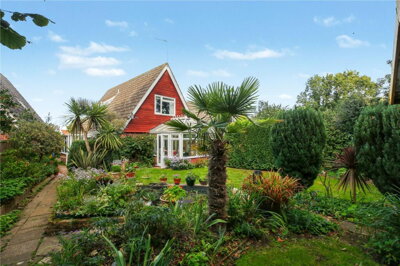
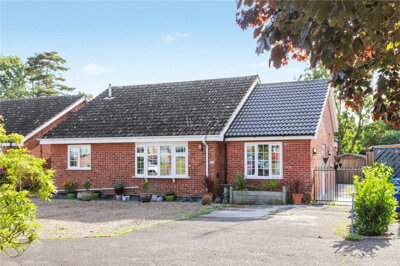
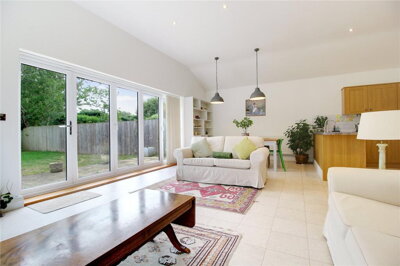
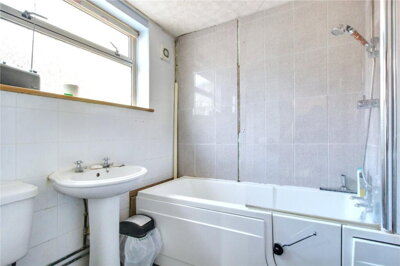
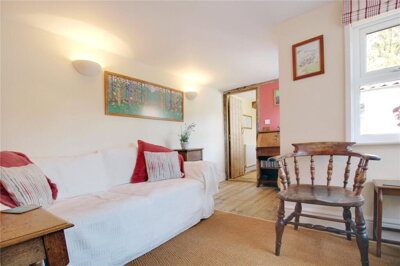
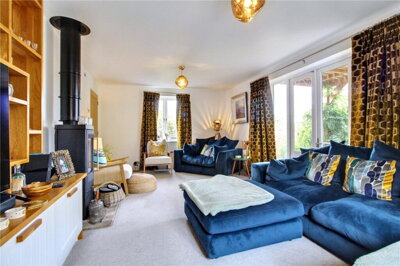
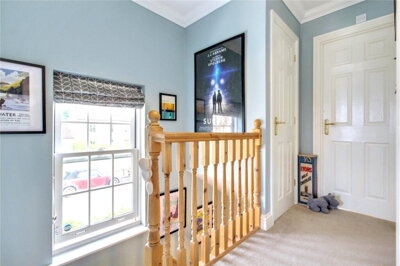
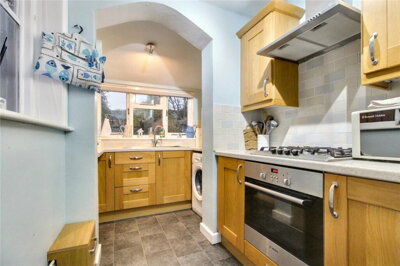
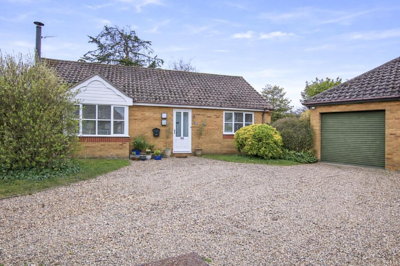
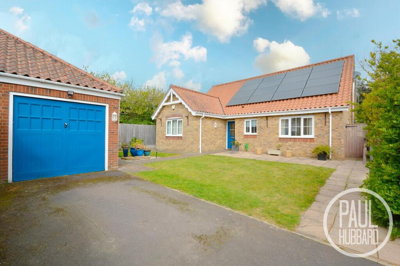
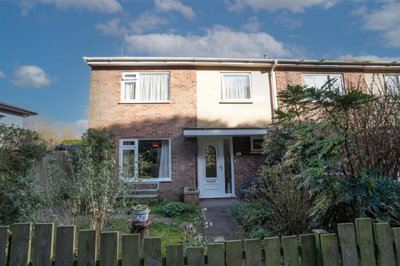
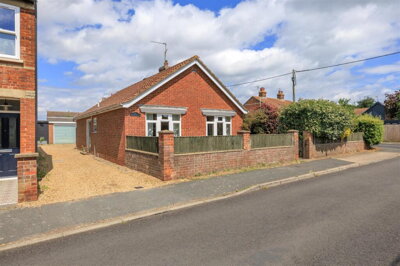
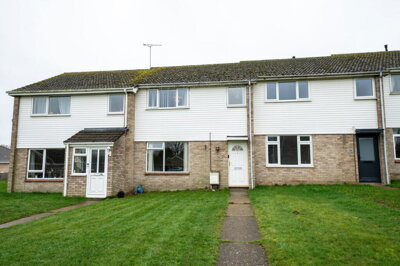
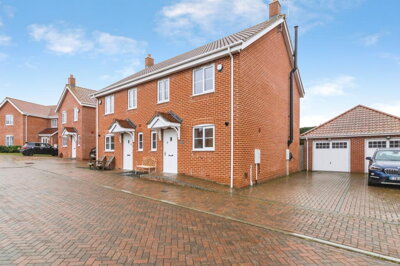
Browse 57 homes for sale in South Cove from local estate agents.
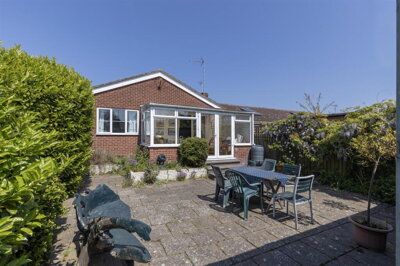
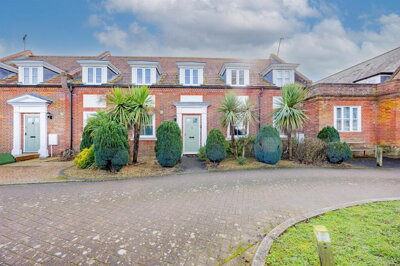
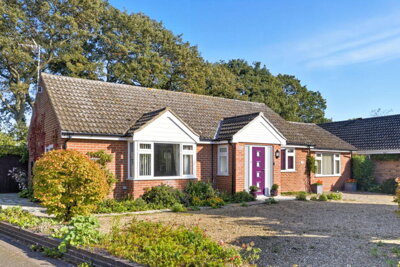
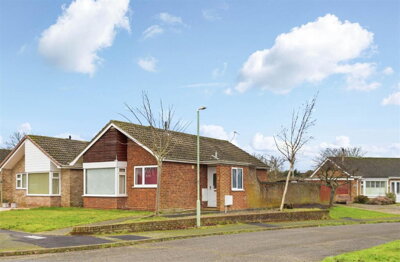
The South Cove property market offers detached, semi-detached, and terraced houses spanning various price ranges and neighbourhoods. Each listing includes detailed property information, photographs, and direct contact with the marketing agent.
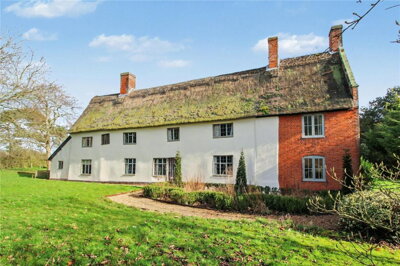
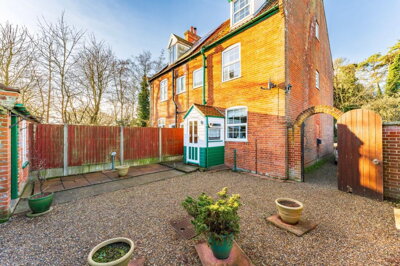
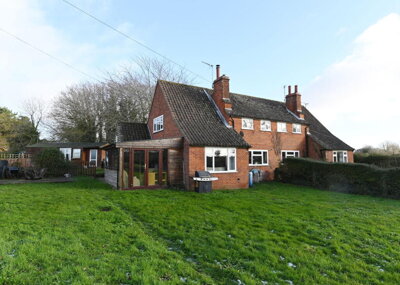
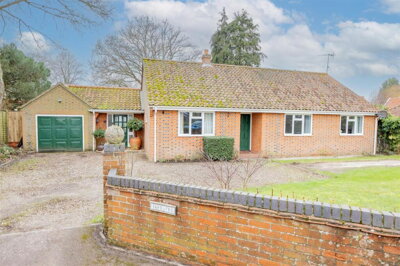
Properties in South Cove and the surrounding NR34 postcode district reflect centuries of traditional building practice adapted to the local Suffolk environment. The predominant construction material for historic properties is local Suffolk brick, typically a distinctive red or gault brick fired from clay deposits found throughout the area. These bricks were handmade by local craftsmen and their colour and texture vary from property to property, giving older buildings their characteristic warm appearance that blends so harmoniously with the landscape.
Timber-framing represents another significant construction tradition in this part of East Suffolk. Many older properties feature oak or elm frames with infill panels of rendered plaster or brick noggin, a technique that allowed for relatively quick construction using locally available materials. The structural timber in these frames, particularly in properties predating the 20th century, should be inspected carefully for signs of decay or pest infestation, as the combination of age and coastal proximity creates conditions where timber defects can develop over decades.
Thatched roofing remains a notable feature of the South Cove area, most dramatically demonstrated by St Lawrence's Church which dominates the village skyline. Some residential properties also feature thatched roofs, requiring specialist maintenance knowledge and affecting both insurance premiums and ongoing upkeep costs. Understanding the construction methods used in local properties helps buyers appreciate the character of the housing stock while recognising the specific maintenance considerations that come with historic homes in this coastal location.
Properties in South Cove face several area-specific challenges that buyers should understand before committing to a purchase. The clay soils present in the northern and eastern parts of the parish carry a shrink-swell risk, meaning foundations can be affected by moisture changes during prolonged dry spells or periods of heavy rainfall. Our inspectors regularly identify signs of ground movement in this region, including diagonal cracking extending from door and window openings, sticking doors or windows, and visible separation between extensions and the main structure.
The marshland areas occupying the southern and eastern boundaries of the parish create additional considerations for prospective buyers. Properties in these low-lying areas may experience damp issues, with rising damp affecting solid floors and penetrating damp through walls that were never designed to cope with modern heating and living patterns. The combination of high water table and coastal air means that properties in these locations require careful assessment of ventilation, damp-proofing measures, and the condition of external joinery.
Coastal proximity accelerates the deterioration of building materials in exposed locations. Salt-laden winds attack metal fixings, corrode leadwork, and degrade mortar joints at a faster rate than in inland areas. Timber windows and doors in coastal properties often show evidence of paint failure, surface checking, and in severe cases, rot affecting the structural members. Buyers should examine all external joinery carefully and factor any restoration work into their budget calculations.
The South Cove property market operates within the broader NR34 postcode district, which recorded 168 property sales in the twelve months to February 2025. Our data shows steady price growth across all property types, with detached homes leading the market at a 2.5% annual increase, reaching an average of £492,000. Semi-detached properties averaged £290,000, terraced homes £280,000, and flats £190,000, reflecting the area's preference for generous living space over apartment-style accommodation.
The overall market demonstrated a 1.7% price increase over the same period, indicating sustained demand for properties in this corner of East Suffolk. Given the limited housing stock within South Cove itself, buyers searching this area should consider surrounding villages in the NR34 district where amenities are more concentrated. Properties in the parish itself are likely to be character homes, with many predating the 20th century and constructed using traditional methods including Suffolk brick, timber-framing, and in some cases, thatched roofing.

The unique combination of factors affecting properties in South Cove makes professional surveying essential for any purchase in this area. Historic building methods, local geology, coastal exposure, and the presence of listed buildings all contribute to a property condition profile that differs significantly from modern suburban housing. A thorough survey will identify defects that may not be apparent during a casual viewing, allowing buyers to negotiate on the purchase price or require remedial work before completion.
Properties in this part of the Suffolk Coast and Heaths AONB often include features that require specialist knowledge to assess properly. Traditional timber-framed buildings may have undergone structural alterations over the centuries, and identifying load-bearing walls versus those added or removed requires expertise. Thatched roofs, where present, need assessment by someone familiar with traditional materials and the specific maintenance regimes they require. Our surveyors understand these local construction traditions and can provide informed assessments of property condition.
The environmental factors affecting South Cove properties add another layer of complexity that general surveys may overlook. Clay soil conditions require assessment against the specific foundations of each property, while flood risk in low-lying areas needs evaluation against the property's individual circumstances rather than relying on broad-brush risk maps. For listed buildings or properties within the AONB, additional considerations around permitted development rights and consent requirements for alterations form an important part of the buying decision that a comprehensive survey should address.
South Cove sits within the Suffolk Coast and Heaths AONB, one of England's finest protected landscapes stretching across coastal heaths, marshland, and ancient woodland. The parish occupies a farmland plateau transitioning to low-lying wetlands along its southern and eastern boundaries, creating a diverse landscape that supports an array of wildlife. The dramatic coastline at neighbouring Covehithe and Easton Bavents experiences some of the fastest coastal erosion rates in Britain, a stark reminder of the dynamic relationship between land and sea in this part of Suffolk.
The local economy historically centred on agriculture and clay extraction, with historical records noting "some clay-pits" in the 1870s. Today, tourism and farming remain the economic backbone of the wider area, with visitors drawn to the unspoiled beaches, coastal paths, and the charming market town of Southwold just a short drive away. The community spirit in villages like South Cove is strong, with residents united by their appreciation for the natural environment and heritage buildings that define the area. Local pubs, farm shops, and seasonal events create a calendar of activities that bring together permanent residents and visitors alike.
Families considering a move to South Cove will find primary education available at several village schools in the surrounding area. Schools in nearby towns like Halesworth and Bungay serve the wider NR34 postcode area, with pupils typically travelling 5-10 miles to reach their nearest primary school. These small rural schools maintain close-knit communities where children benefit from individual attention and strong ties between staff, pupils, and parents.
Secondary education options include St Felix School in Haverhill and other schools in the East Suffolk area, with transport arrangements available for families living in outlying villages. For those seeking independent education, several preparatory and senior schools in Bury St Edmunds and Norwich serve the wider region. Parents should always verify current catchment areas and admissions criteria with Suffolk County Council, as these can change and may affect school placement decisions.
South Cove is located approximately 3 miles from the A12 trunk road, which runs north-south through Suffolk connecting the area to Ipswich to the south and Lowestoft to the north. The A12 provides access to Norwich, approximately 35 miles north, and the county town of Ipswich around 40 miles south. For air travel, Norwich International Airport offers domestic and limited European connections, while London Stansted is approximately 90 minutes by car for international routes.
Rail services are available in nearby towns, with Darsham station providing hourly services to Ipswich and Lowestoft on the East Suffolk Line. For commuting to London, the journey from Ipswich to Liverpool Street takes approximately 80 minutes, making day commuting feasible for those working in the capital. Local bus services connect South Cove with surrounding villages and market towns, though schedules are geared towards school runs and market days rather than peak-hour commuting. Cycling is popular on quieter country lanes, though the marshland terrain can be exposed in poor weather.
Spend time exploring South Cove and neighbouring villages to understand the local property market, lifestyle, and proximity to amenities. Given the small number of properties available, patience is essential when searching for homes in this parish. Visit at different times of year to appreciate how the landscape changes across seasons and speak with existing residents about what daily life involves in this coastal rural location.
Contact a mortgage broker to obtain an agreement in principle before viewing properties. This demonstrates your financial readiness to sellers and helps you understand your budget within the NR34 market where detached homes average £492,000. Given the unique nature of older properties in this area, ensure your lender is comfortable with non-standard construction if applicable.
Work with local estate agents who know the South Cove and wider East Suffolk market. View multiple properties to compare character homes, their conditions, and the factors specific to this coastal rural location. Take time to examine the property in daylight and in poor weather if possible to identify any water ingress or exposure issues.
Given the age of properties in South Cove and local environmental factors including clay soils and proximity to marshland, a thorough survey is essential. For older or listed properties, consider a Level 3 Building Survey for more detailed assessment of traditional construction methods and any structural alterations. Our surveyors understand local building traditions and common defects in this part of Suffolk.
Appoint a solicitor experienced in Suffolk property transactions to handle legal searches, local authority queries, and coordinate with your mortgage lender. Searches should include flood risk and any coastal erosion concerns relevant to properties in low-lying areas of the parish.
Once searches are satisfactory and your mortgage offer is confirmed, your solicitor will coordinate the exchange of contracts and set a completion date. On completion, you receive the keys and can begin your new life in South Cove.
Properties in South Cove require careful inspection due to several area-specific factors. The clay soils present in the north-east of the parish carry a shrink-swell risk, meaning foundations can be affected by moisture changes, particularly in periods of drought or heavy rainfall. A thorough survey should check for signs of subsidence, cracking, or door and window alignment issues that might indicate ground movement. Properties with large trees nearby are particularly susceptible to clay-related foundation problems.
The marshland areas in the southern and eastern parts of the parish present flooding considerations that buyers must investigate carefully. Flood risk and insurance implications should form part of your property survey and legal enquiries. Additionally, the coastal proximity and age of local housing stock mean damp can be an issue in older properties, whether rising damp from the ground, penetrating damp through solid walls, or condensation from modern living in traditional buildings. Check the condition of thatched roofs where present, as these require specialist maintenance and may affect insurance costs.
Properties within the Suffolk Coast and Heaths AONB or those that are listed buildings may face restrictions on alterations and improvements. The Grade II* listed St Lawrence's Church dominates the village, and any nearby residential property may fall within its setting protection zone. Listed building consent may be required for external changes to neighbouring properties, and this should be investigated during the conveyancing process. Timber defects including rot and woodworm affect many older properties in this region, and our inspectors pay particular attention to these issues when surveying homes in the South Cove area.
Purchasing a property in South Cove involves several costs beyond the purchase price. Stamp Duty Land Tax is calculated on a sliding scale from 0% to 12% depending on property value and your buyer status. For a typical property in the NR34 area at the current average of £345,714, standard buyers pay 5% on the amount above £250,000, equating to approximately £4,785. First-time buyers purchasing at this price point would benefit from full relief under current thresholds, paying nothing in SDLT.
Additional purchase costs include solicitor fees typically ranging from £500 to £1,500 for conveyancing, depending on complexity. Survey costs vary by property type and condition, with RICS Level 2 surveys ranging from £400 to £850+ for larger or older homes. For properties in South Cove's marshland areas, additional environmental searches may be required by your solicitor. Mortgage arrangement fees typically range from 0% to 1.5% of the loan amount. When budgeting for your move, allow approximately 3-5% of the property price for these associated costs.

While South Cove itself has very limited property sales due to its tiny population, the broader NR34 postcode district shows an average house price of £345,714 as of February 2025. Detached properties average £492,000, semi-detached homes £290,000, terraced houses £280,000, and flats £190,000. The market has shown steady growth of 1.7% over the past twelve months, with 168 total sales recorded across all property types in the district.
Properties in South Cove fall under East Suffolk Council, which sets council tax rates annually. Council tax bands vary by individual property based on the Valuation Office Agency's assessment, ranging from Band A for lower-valued homes to Band H for the highest-value properties. For the larger character homes and listed buildings in the area, expect bands in the middle to upper range. You can check specific band information on the Valuation Office Agency website or contact East Suffolk Council directly.
Primary education is available at village schools in surrounding communities, with several rated Good or Outstanding by Ofsted in the wider East Suffolk area. The primary schools in Halesworth serve the northern part of the NR34 postcode, while schools in Bungay cater to families in the western areas. For specific school performance and current catchment information, parents should consult the Ofsted website and Suffolk County Council's school admissions pages, as criteria and catchment boundaries can change annually.
South Cove has limited public transport, with local bus services operating on reduced schedules geared toward school runs and market days. The X47 bus route connects surrounding villages to Halesworth and Beccles, though frequency is limited outside peak hours. Darsham railway station on the East Suffolk Line provides hourly connections to Ipswich and Lowestoft, with services running throughout the day. For commuting to London, Ipswich station offers direct trains to Liverpool Street in approximately 80 minutes.
South Cove and the surrounding Suffolk Coast and Heaths AONB attract buyers seeking rural coastal living, which sustains demand despite the limited supply. Property values in the NR34 postcode have shown consistent growth, with detached homes rising 2.5% annually. However, buyers should consider flood risk in low-lying areas, coastal erosion affecting nearby parishes like Covehithe and Easton Bavents, and the age of local housing stock when evaluating investment potential. The AONB designation helps protect the landscape, which supports long-term value in the area.
Standard SDLT rates apply across England: 0% on purchases up to £250,000, 5% between £250,000 and £925,000, 10% between £925,000 and £1.5 million, and 12% above £1.5 million. First-time buyers receive relief on the first £425,000 at 0%, with 5% between £425,000 and £625,000. Given the NR34 average of £345,714, a typical first-time buyer purchasing at this price would pay no stamp duty under current thresholds, making the total SDLT liability zero.
South Cove contains several listed buildings that may affect neighbouring properties or require special consideration. St Lawrence's Church is Grade II* listed, indicating its exceptional national importance, while the 16th-century Church Farmhouse holds Grade II listing. Any works to these buildings or adjacent properties that might affect their character or setting would require listed building consent from East Suffolk Council. If you are considering a purchase near these heritage assets, consult the planning portal for any relevant consents or restrictions.
Older properties in South Cove require inspection for damp given the coastal and marshland proximity, foundation issues related to clay soils in the north-eastern parish, roof condition especially for traditional thatched properties, timber defects including rot and woodworm, and outdated electrical and plumbing systems. Properties within the AONB or those that are listed may face restrictions on alterations. A RICS Level 2 Survey is recommended for standard properties, while a Level 3 Building Survey is advisable for listed buildings or those with unique traditional construction methods.
From £400
A detailed inspection of the property condition, ideal for conventional houses and flats in the South Cove area
From £600
Comprehensive structural survey recommended for older, larger or listed properties in South Cove
From £80
Energy performance certificate required for all property sales
From 4.5%
Compare mortgage deals from leading lenders for your South Cove property purchase
From £499
Expert property solicitors for your South Cove purchase
Properties for Sale In London

Properties for Sale In Plymouth

Properties for Sale In Liverpool

Properties for Sale In Glasgow

Properties for Sale In Sheffield

Properties for Sale In Edinburgh

Properties for Sale In Coventry

Properties for Sale In Bradford

Properties for Sale In Manchester

Properties for Sale In Birmingham

Properties for Sale In Bristol

Properties for Sale In Oxford

Properties for Sale In Leicester

Properties for Sale In Newcastle

Properties for Sale In Leeds

Properties for Sale In Southampton

Properties for Sale In Cardiff

Properties for Sale In Nottingham

Properties for Sale In Norwich

Properties for Sale In Brighton

Properties for Sale In Derby

Properties for Sale In Portsmouth

Properties for Sale In Northampton

Properties for Sale In Milton Keynes

Properties for Sale In Bournemouth

Properties for Sale In Bolton

Properties for Sale In Swansea

Properties for Sale In Swindon

Properties for Sale In Peterborough

Properties for Sale In Wolverhampton

Enter your details to see if this property is within your budget.
Loans, cards, car finance
Estimated property budget
Borrowing + deposit
You could borrow between
Typical borrowing
Monthly repayment
Est. at 4.5%
Loan-to-value
This is an estimate only. Your actual budget may vary depending on interest rates, credit history, and personal circumstances. For an accurate affordability assessment, speak to one of our free mortgage advisors.
This calculator provides estimates for illustrative purposes only and does not constitute financial advice. Your home may be repossessed if you do not keep up repayments on your mortgage. Estimates based on 4.5% interest rate, repayment mortgage. Actual rates depend on your circumstances.
Homemove is a trading name of HM Haus Group Ltd (Company No. 13873779, registered in England & Wales). Homemove Mortgages Ltd (Company No. 15947693) is an Appointed Representative of TMG Direct Limited, trading as TMG Mortgage Network, which is authorised and regulated by the Financial Conduct Authority (FRN 786245). Homemove Mortgages Ltd is entered on the FCA Register as an Appointed Representative (FRN 1022429). You can check registrations at NewRegister or by calling 0800 111 6768.

We use cookies to show you personalised content and improve your experience of our website. Find out more in our Privacy policy and Cookie policy.