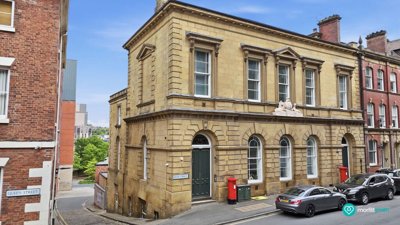
Pick the right path and we'll point you to the next step.
I'm the homeowner
Track this property, get market updates, and list it on Home when you're ready to sell or let.
I'm an estate agent
Claim your branch on Home.co.uk, list your properties for free, and reach buyers actively searching your area.
From riverside apartments to country cottages, search hundreds of thousands of properties for sale, to rent, and recently sold, all enriched with three decades of market data.
Browse 125 homes for sale in Sheffield, South Yorkshire from local estate agents.
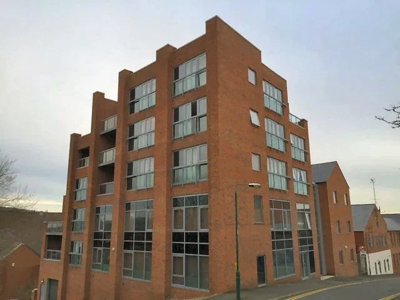
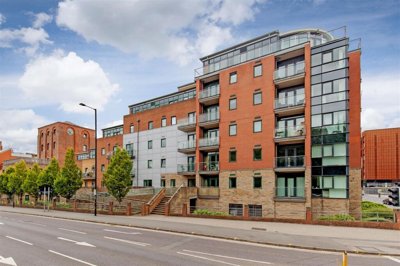
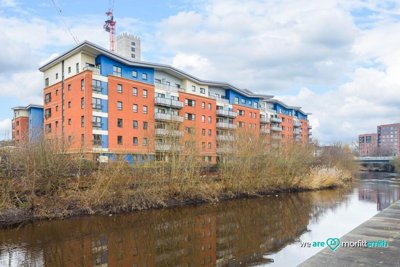
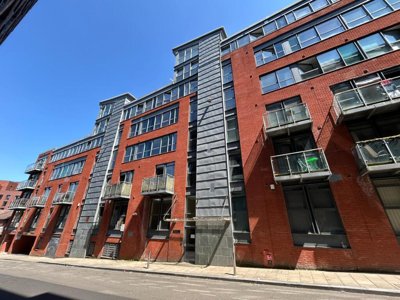
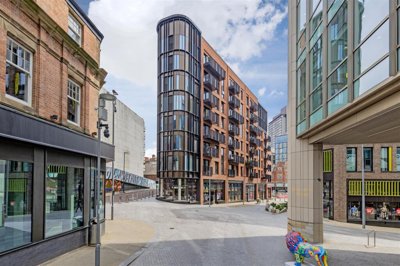
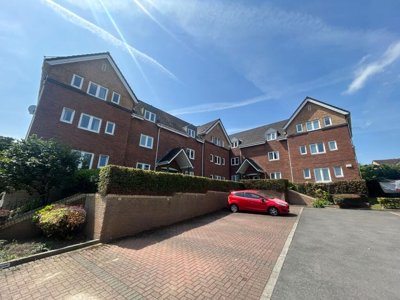
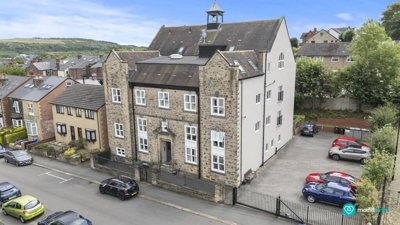
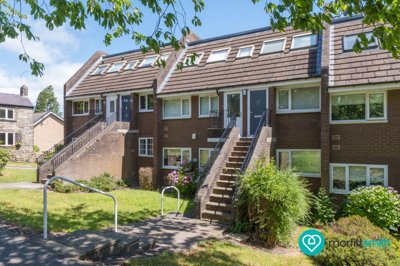
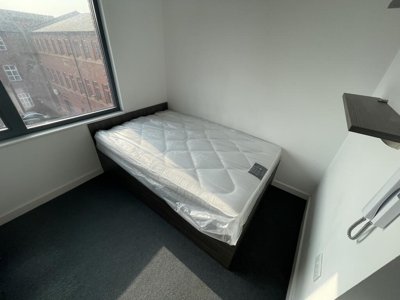
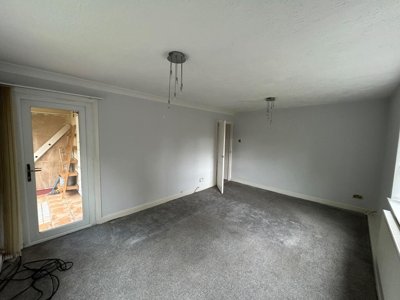
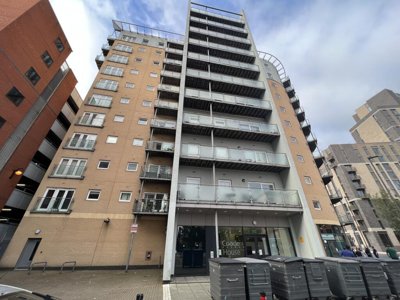
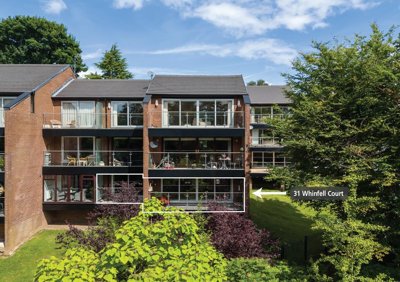
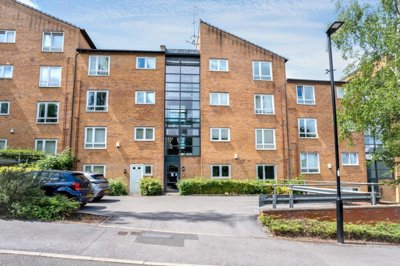
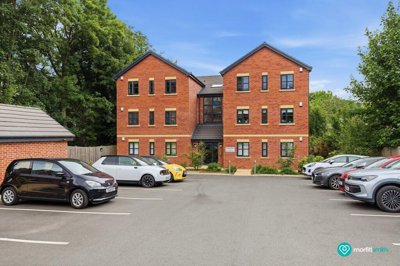
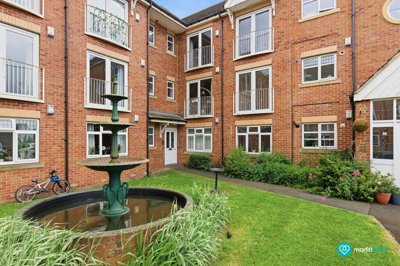
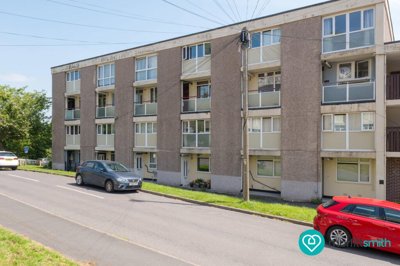
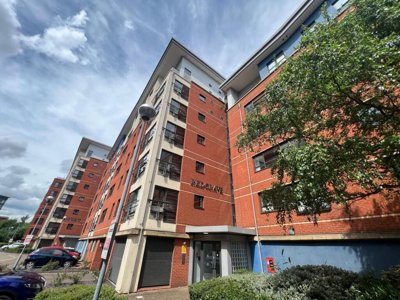
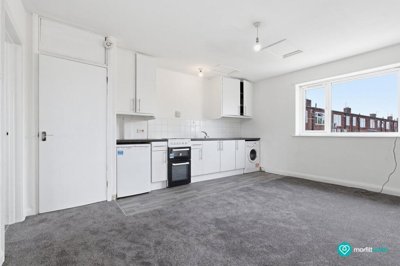
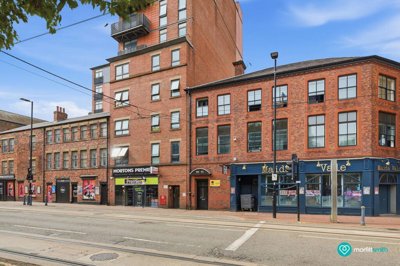
Studio apartments feature open-plan living spaces without separate bedrooms, incorporating sleeping, living, kitchen, and bathroom facilities. The Sheffield studio market includes properties in modern apartment complexes, converted Victorian and Georgian buildings, and purpose-built developments.
£123k
274
15
153
Source: home.co.uk
Showing 274 results for Studio Flats for sale in Sheffield, South Yorkshire. 15 new listings added this week. The median asking price is £122,500.
Source: home.co.uk
Flat
274 listings
Avg £135,517
Source: home.co.uk
Source: home.co.uk
In Sheffield, homedata.co.uk puts the average house price at £220,000. Detached homes sit around £424,664, flats around £142,468, semi-detached homes near £249,408 and terraces close to £214,848. New-build stock is pricier at about £285,000, against £219,000 for established property, which leaves buyers weighing up character, convenience or a lower-maintenance home.
There has still been plenty of movement. Over the last year, 15,118 property sales were recorded, although transactions were down by 20.6% across the same period. Semi-detached homes led with 5,900 sales, terraces followed at 4,500, detached homes reached 3,400 and flats totalled 1,200. Furnace Hill and Neepsend are still adding hundreds of homes through larger schemes, so people can look at new city-centre apartments or turn towards older suburban stock where choice is often wider.

Sheffield's industrial past is written into its housing. Our local data indicates that over 40% of homes were built before 1939, so Victorian housing and early 20th century stock remain a big part of the mix, alongside post-war estates and more recent infill. In conservation areas especially, buyers will often see local sandstone, red brick, timber frames and slate or stone roofs. It gives many streets a settled, older feel that standard estate housing does not always match.
Landscape matters here as much as architecture. Sheffield sits where the Don, Sheaf, Rivelin, Loxley and Porter meet, which helps explain the hills, valleys and wooded edges, as well as the routes out towards the Peak District. The city also has 38 conservation areas, covering central streets and residential districts where appearance is more tightly guarded. For many movers, that combination of heritage and open space is a big part of the draw.
Getting around Sheffield is usually straightforward. Sheffield station handles the main rail connections, while the Supertram and bus network help many districts function without a car for every trip. For drivers, the M1 is the main north-south route, and the inner road system helps with access to the centre, business districts and the outer suburbs. That mix tends to shape where buyers focus.
Parking deserves a proper look before any offer goes in. In the centre, around terraces, and in busier student or mixed-use districts, off-street space can be hard to find. A driveway, an allocated bay or a workable permit arrangement can make daily life much easier. Cycling also works well for shorter journeys, particularly on valley routes into the city centre. We usually suggest testing a regular commute at rush hour before settling on one part of Sheffield.

School catchments can shift from one street to the next, so many families check them early. Across Sheffield there is a broad mix of primaries, secondaries, academies and sixth-form options, but the exact postcode often matters more than the wider district. A house can become far more attractive if it falls inside the right catchment for a child's age and stage. We always suggest checking the latest admissions policy and Ofsted report before committing to viewings.
For buyers with children, the decision is rarely just about the house. In Sheffield, it often means balancing a larger place in a family area against a shorter trip into the centre or an easier run to after-school clubs. Outdoor space and day-to-day travel both come into it. If education is one of the reasons for moving, it makes sense to build the school search into the property search from the outset.
Some families are already thinking past primary school. Sixth forms and further education can shape the move as much as GCSE and post-16 planning, because a home that works now may not suit a few years later. Sheffield is large enough to give you options in several directions, yet postcode-level detail is still what usually narrows the field. That is often where a local property search platform earns its keep.
We would start with a mortgage agreement in principle, then compare what your budget buys in different parts of Sheffield, because the price gap between terraces, semis and new-build homes can be significant.
Try to visit at different times of day. Parking, traffic, nearby shops, parks and commuting routes can change the feel of a Sheffield street very quickly.
Once the right property appears, move fast on viewings, especially with a tidy period home, a family house in a school catchment that gets attention, or a new-build where availability is limited.
Older homes in Sheffield often need a closer check. Roof condition, damp, stonework, drainage and movement are all worth reviewing, which is why a RICS Level 2 or Level 3 survey can be money well spent.
Before you commit, ask your conveyancer to review the searches, title, flood risk, lease terms where relevant, and any conservation area or planning restrictions.
After searches are clear, contracts are agreed and the mortgage offer is in place, the move usually goes to exchange and then completion. We would get removals booked for a date that fits the chain.
Older Sheffield housing can be very appealing, but the building itself needs careful scrutiny. Local sandstone and red brick often wear well, though traditional homes may still have damp, roof wear, dated electrics or patch repairs that deserve a closer look. Quite a few period properties are inside conservation areas, so changes to windows, rooflines or external materials may be more restricted than they would be on a modern estate. If you are planning work after the move, ask early about planning limits and any listed building obligations.
Flood risk is one of the practical checks we would not skip. Our local data shows around 11.56% of properties face surface water flooding risk, and about 6.36% face river and sea flooding risk, with mapping focused around the Don, Sheaf and Porter Brook. Riverside, West Bar and Castlegate are among the places buyers often examine more closely, because heavy rain can trigger problems from urban runoff. A sound survey and a flood search can prevent trouble later.
Ground conditions matter in Sheffield as well. The city's geology includes mudstones, siltstones and historic coalfield ground, so signs of subsidence such as stepped cracks, sticking doors or uneven floors should not be brushed aside, especially in older terraces and semis. Flats bring a different set of checks, including lease length, service charge, ground rent and the state of building maintenance before a price is agreed. In a market with so much older stock, the cheapest house on the street is not always the cheapest one to own.
In December 2025, homedata.co.uk shows Sheffield's average house price at £220,000. Detached homes were far higher at about £424,664, flats were nearer £142,468 and terraces were around £214,848. That range gives buyers plenty to work with, from people buying their first home to families and upsizers. When budgets are tight, we suggest comparing both area and property type rather than relying on the city average.
Council tax in Sheffield can sit anywhere from band A to H, depending on the property's size, value and location. Sheffield City Council sets the charge, so the bill can vary sharply from one address to the next. Smaller flats and terraces are often found in the lower bands, while larger detached homes usually sit higher. It is worth checking the exact band before you offer so the monthly budget reflects the real cost.
The right school usually comes down to postcode. Catchments in Sheffield can change street by street, and the city has a mix of primaries, secondaries, academies and sixth forms, so buyers often compare admissions criteria with recent Ofsted reports before choosing a home. A property inside a catchment that people watch closely can remain attractive when it is time to sell. If schooling matters, it needs to be part of the search from day one.
Rail, tram and bus all play a part in how Sheffield works. Sheffield station provides the main rail links, and the Supertram with the bus network makes it easier to cross the city without driving everywhere. The M1 and the wider road network help motorists too, although parking is often tighter in the centre and around terraces. Anyone commuting should check journey times when they would actually travel, not just in the middle of the day.
As an investment market, Sheffield gives buyers more than one route in. homedata.co.uk shows 15,118 sales in the last 12 months, which signals a market with real movement even during a softer period for sales. Regeneration around the centre and established suburban family areas create different options depending on whether the aim is yield or longer-term growth. The figures still need to stack up, of course, against budget, rental demand and holding costs.
Stamp duty is based on the purchase price, not the Sheffield postcode, so the current England rates apply here. Standard buyers pay 0% up to £250,000, then 5% from £250,000 to £925,000, 10% from £925,000 to £1.5 million and 12% above that. For people buying their first home, the 0% band runs to £425,000, with 5% charged only on the portion from £425,000 to £625,000. On a £220,000 Sheffield home, a standard buyer would pay no stamp duty.
Semi-detached homes and terraces account for a large part of the Sheffield market, so they tend to draw the widest interest. homedata.co.uk records 5,900 semi-detached sales in the last year and 4,500 terrace sales. In practice, that usually means a sensibly priced family home in the right spot can move quickly, particularly if it is well kept and close to schools or public transport. Detached homes and flats still sell, but timing there often hinges more on finish, pricing and the exact address.
The headline price in Sheffield can look manageable, but the whole moving budget still needs care. With an average price of £220,000, many purchases sit below the standard SDLT threshold of £250,000, so a lot of buyers pay no stamp duty on the main purchase price. People buying their first home also get the 0% band up to £425,000, which can help on smaller houses and starter flats. That saving can free up room for deposits, legal fees and removals.
Once the price rises above £250,000, SDLT starts applying to the portion above that point, so it pays to run the numbers before offering. Take a £300,000 purchase, a standard buyer would usually pay £2,500 in SDLT, while someone buying their first home at £300,000 would still be in a better position under the current relief. The overall moving bill should also cover solicitor fees, survey costs, mortgage fees, search fees and the cost of moving your belongings. With a flat, service charges and any ground rent need adding into the yearly picture as well.
We find that a good local solicitor can map these costs out before exchange, especially where a property is in a conservation area, includes leasehold terms or has a more complex title. Buyers in Sheffield should also budget for repairs, upgrades or energy improvements that may be needed soon after completion. Sorting that out early makes the move steadier and cuts the risk of last-minute shocks. With the numbers laid out properly, Sheffield remains a practical place to buy, whether you are moving into your first home or trading up.
Properties for Sale In London

Properties for Sale In Plymouth

Properties for Sale In Liverpool

Properties for Sale In Glasgow

Properties for Sale In Sheffield

Properties for Sale In Edinburgh

Properties for Sale In Coventry

Properties for Sale In Bradford

Properties for Sale In Manchester

Properties for Sale In Birmingham

Properties for Sale In Bristol

Properties for Sale In Oxford

Properties for Sale In Leicester

Properties for Sale In Newcastle

Properties for Sale In Leeds

Properties for Sale In Southampton

Properties for Sale In Cardiff

Properties for Sale In Nottingham

Properties for Sale In Norwich

Properties for Sale In Brighton

Properties for Sale In Derby

Properties for Sale In Portsmouth

Properties for Sale In Northampton

Properties for Sale In Milton Keynes

Properties for Sale In Bournemouth

Properties for Sale In Bolton

Properties for Sale In Swansea

Properties for Sale In Swindon

Properties for Sale In Peterborough

Properties for Sale In Wolverhampton

Enter your details to see if this property is within your budget.
Loans, cards, car finance
Estimated property budget
Borrowing + deposit
You could borrow between
Typical borrowing
Monthly repayment
Est. at 4.5%
Loan-to-value
This is an estimate only. Your actual budget may vary depending on interest rates, credit history, and personal circumstances. For an accurate affordability assessment, speak to one of our free mortgage advisors.
This calculator provides estimates for illustrative purposes only and does not constitute financial advice. Your home may be repossessed if you do not keep up repayments on your mortgage. Estimates based on 4.5% interest rate, repayment mortgage. Actual rates depend on your circumstances.
Homemove is a trading name of HM Haus Group Ltd (Company No. 13873779, registered in England & Wales). Homemove Mortgages Ltd (Company No. 15947693) is an Appointed Representative of TMG Direct Limited, trading as TMG Mortgage Network, which is authorised and regulated by the Financial Conduct Authority (FRN 786245). Homemove Mortgages Ltd is entered on the FCA Register as an Appointed Representative (FRN 1022429). You can check registrations at NewRegister or by calling 0800 111 6768.

We use cookies to show you personalised content and improve your experience of our website. Find out more in our Privacy policy and Cookie policy.