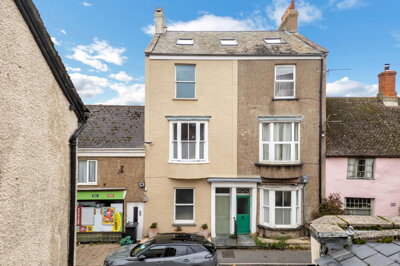
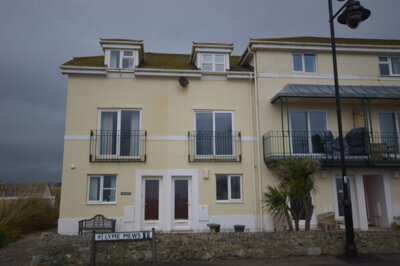
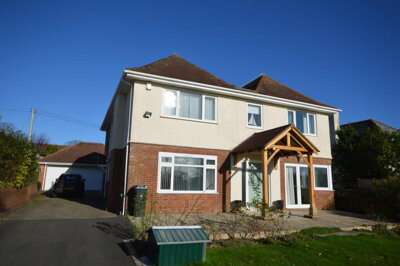
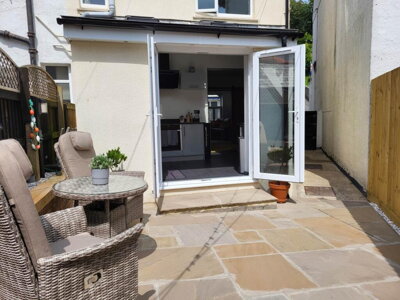
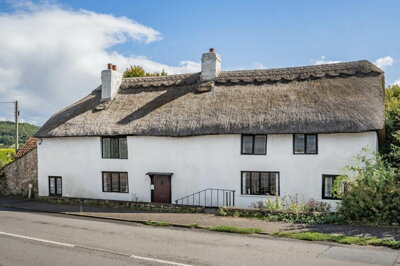
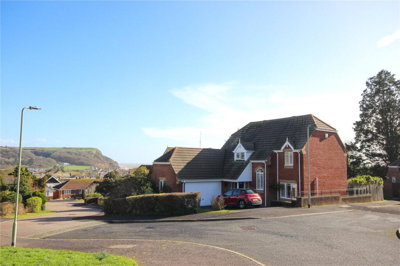
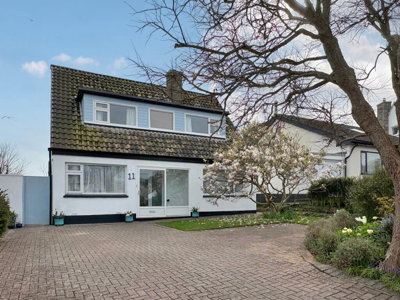
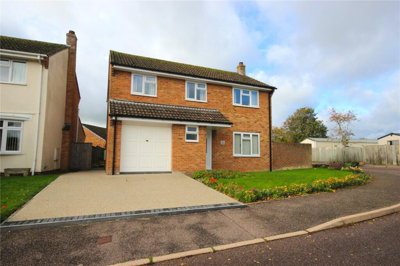
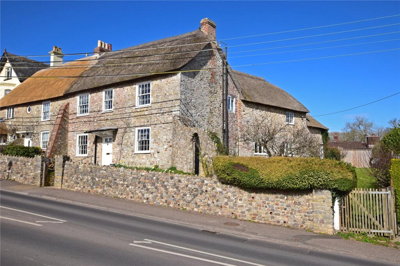
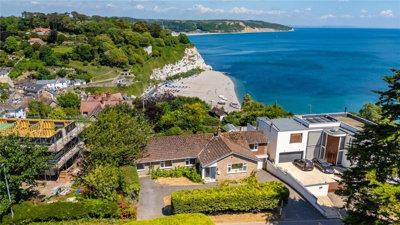
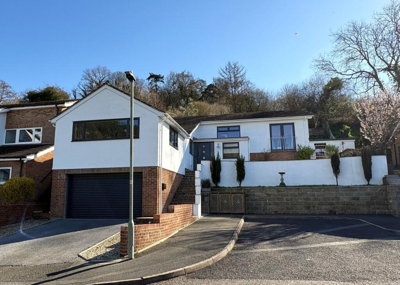
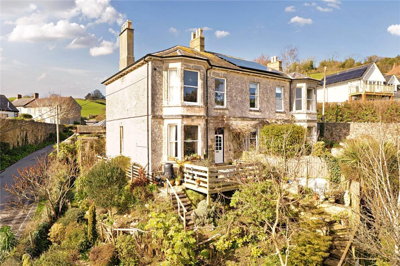
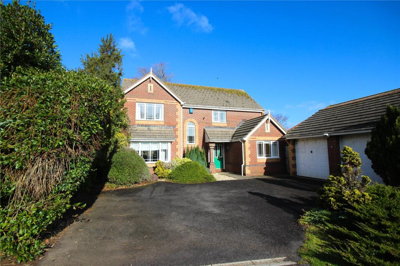
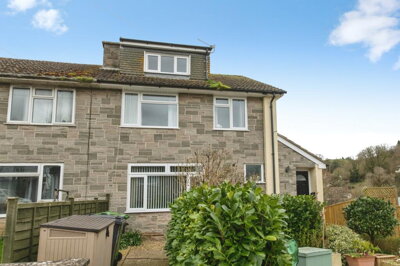
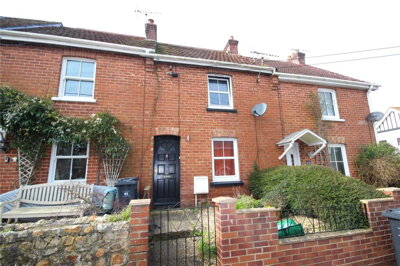
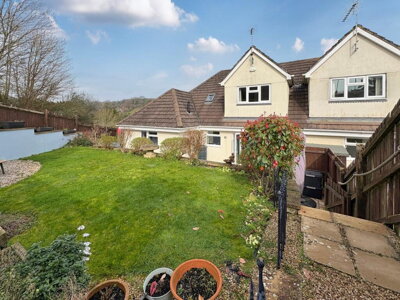
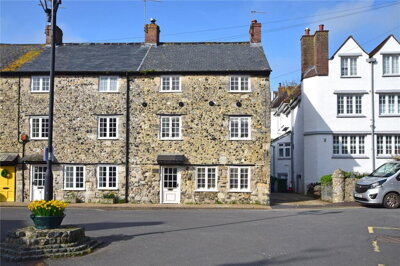
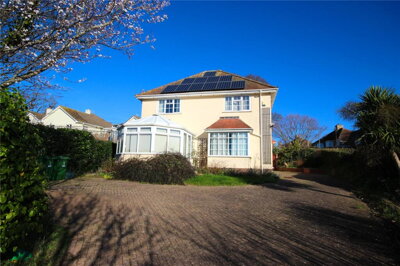
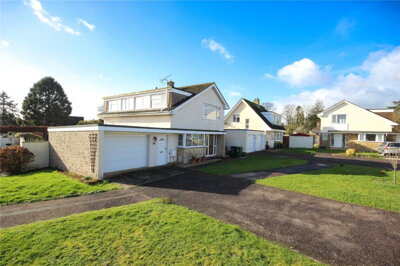
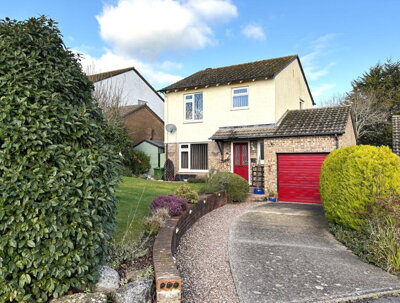
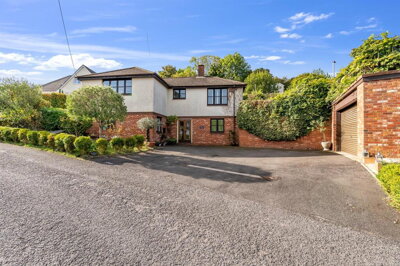
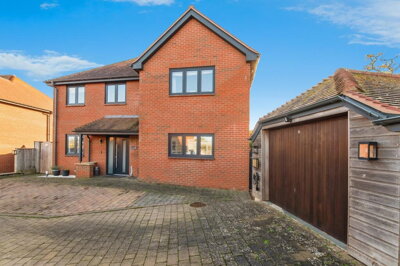
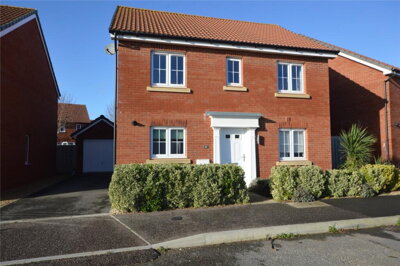
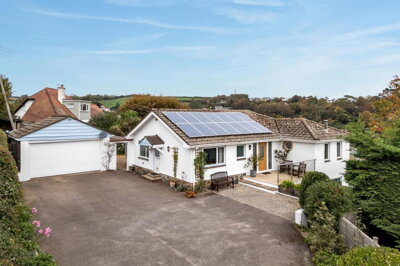
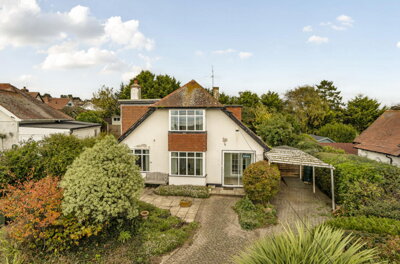
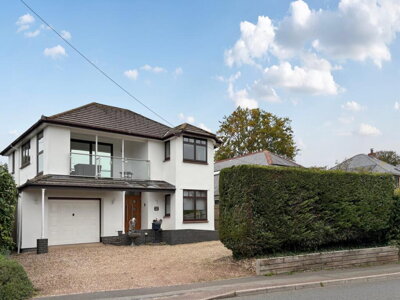
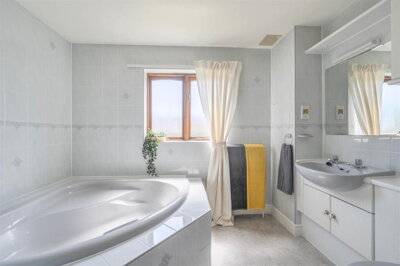
Browse 37 homes for sale in Seaton, East Devon from local estate agents.
The larger property sector typically features multiple bathrooms, substantial reception space, and private gardens or off-street parking. Four bedroom houses in Seaton span detached, semi-detached, and occasionally terraced configurations, with styles ranging from period properties to modern executive homes.
£490k
14
3
93
Source: home.co.uk
Showing 14 results for 4 Bedroom Houses for sale in Seaton, East Devon. 3 new listings added this week. The median asking price is £490,000.
Source: home.co.uk
Detached
11 listings
Avg £553,182
Terraced
3 listings
Avg £399,983
Source: home.co.uk
Source: home.co.uk
The Seaton property market presents a diverse range of options for buyers, from traditional Victorian terraces along The Strand and Marsh Road to contemporary new-build apartments with sea views across Lyme Bay. According to recent data, detached properties in the area command an average price of around £412,000, while semi-detached homes typically sell for approximately £309,000. Flats and apartments offer the most accessible entry point at around £175,000 to £250,000, making them popular choices for first-time buyers and those looking to downsize to coastal living. The market has experienced a slight cooling, with prices falling roughly 3% to 13% over the past year depending on the data source, creating opportunities for buyers who are ready to act before any potential recovery.
New build developments are adding fresh inventory to the local market. Pebble Beach, located just 500 metres from the beach on the western edge of town and developed by Bovis Homes, offers two to four-bedroom properties with the next phase launching soon. Seaton Quay represents another significant development, featuring luxury waterfront apartments and houses ranging from two to four bedrooms, positioned along the Jurassic Coast with direct access to the waterfront. These new-build options provide modern specifications and energy efficiency, though they typically command a premium over comparable older properties in the area. Buyers considering new-build properties should factor in the additional costs of Stamp Duty that often apply to recent constructions.
The housing stock in Seaton reflects its Victorian heritage, with many properties built during the 19th century when the town developed as a popular holiday resort. Traditional construction uses local red sandstone and brick, often with solid walls rather than cavity insulation. Terraced properties cluster around the town centre and along routes leading to the seafront, offering convenient access to amenities. Larger detached homes tend to be situated along the outskirts, particularly on the western side of town where plots are larger and sea views more achievable. Understanding the age and construction of your potential property helps inform decisions about survey requirements and potential renovation work.

Life in Seaton revolves around the sea and the stunning natural environment that surrounds this East Devon town. Residents enjoy direct access to the Jurassic Coast, a UNESCO World Heritage Site spanning 95 miles of coastline from Exmouth to Studland in Dorset. The dramatic red cliffs to the east, part of the Branscombe Mudstone Formation, are capped by Upper Greensand and chalk, creating the striking landscape that defines the area. This geology, representing 185 million years of Earth's history, makes Seaton a destination of international scientific interest while providing residents with breathtaking views and access to coastal walks. The Seaton Fault, visible at Seaton Hole, offers a fascinating glimpse into the area's complex geological past.
The local economy centres on tourism, fishing, and eco-tourism, with the town benefiting from its position within the East Devon Area of Outstanding Natural Beauty. The Seaton Wetlands, comprising several fields and hide structures, attract birdwatchers throughout the year, while the Jurassic Coast Trust runs educational programmes from their base in the town. Key occupations among residents include skilled trades at 16.5%, caring and leisure services at 14.1%, and professional roles at 11.8%. The East Devon region as a whole attracts visitor spending exceeding £350 million annually, demonstrating the economic importance of tourism to communities like Seaton. This economic base supports local shops, restaurants, and service businesses that give the town its vibrant character.
The physical geography of Seaton is shaped by its coastal setting and the underlying geology of the area. The town sits on red Triassic Mercia Mudstone, which is notably soft and prone to erosion. This characteristic has shaped the coastline over millennia, creating the distinctive red cliffs that attract geologists and tourists alike. Impressive chalk cliffs extend westward towards Beer Head, a famous landmark visible from many parts of the town. The interplay between these different rock formations creates varied terrain and micro-climates that influence everything from garden growing conditions to the types of building materials that have proven most durable in local construction.

Families considering a move to Seaton will find educational establishments serving children from early years through to secondary level. The town is served by primary schools within Seaton itself, with primary education available in the town for Reception through Year 6. For secondary education, students typically travel to nearby towns, with Colyton Royal Grammar School being a notable selective option situated in the neighbouring village of Colyton, approximately four miles inland. This historic grammar school consistently achieves strong academic results and attracts students from across East Devon. The presence of these schools makes Seaton a viable option for families with children of various ages, though parents should research catchment areas and admission arrangements carefully before committing to a property purchase.
The East Devon area has several primary and secondary schools rated Good or Outstanding by Ofsted, though specific ratings for Seaton's own schools should be verified through official sources like the Ofsted website. For families with younger children, the town offers early years settings and primary education within reasonable travelling distance. Secondary school options include both comprehensive and grammar schools, with selective admission based on academic ability at grammar schools. Parents moving to the area should contact Devon County Council's education department or directly consult schools to confirm current admission arrangements and any changes to catchment boundaries that might affect their children.
Beyond school-age education, Seaton benefits from its proximity to further education colleges in Exeter and Axminster, providing vocational and A-level pathways for older students. Exeter College offers a wide range of courses and has strong connections with employers in the region. The Jurassic Coast also offers unique educational opportunities, with the area serving as an outdoor classroom for geology, ecology, and environmental studies. The Jurassic Coast Trust runs regular events and workshops that provide hands-on learning experiences for all ages. Families who value outdoor learning and access to natural wonders will find Seaton's setting invaluable for children's education beyond the classroom.
Access to major transport routes shapes daily life for Seaton residents, many of whom work in surrounding towns while enjoying coastal living. The town is connected to the wider region by bus services, providing links to Exeter, Axminster, and surrounding villages along the Jurassic Coast. The nearest mainline railway station is at Axminster, approximately six miles away, offering direct services to Exeter, Bristol, and London Waterloo. This connectivity supports both commuters who work in larger cities and residents who prefer to remain closer to home while maintaining access to broader employment markets.
For those who drive, the A3052 runs through nearby villages, connecting Seaton to the A30 and A303 for onward travel across the South West peninsula. Journey times to Exeter typically take around 45 minutes in normal traffic conditions, while access to the M5 motorway at Exeter provides connections to Bristol and Birmingham. The coastal road network offers scenic routes for those exploring East Devon and Dorset, though some roads can be narrow and winding, particularly through the picturesque villages of Branscombe and Beer. Parking in the town centre is generally manageable compared to larger urban areas, with several public car parks available throughout the town.
Cycling and walking infrastructure in Seaton has improved in recent years, with the Coly Valley and coastline offering popular routes for recreational and commuting purposes. The National Cycle Route 2 passes through nearby Colyton, connecting to the wider network across Devon. The town benefits from its compact size, meaning many amenities can be reached on foot within minutes from residential areas. For longer journeys, Exeter Airport provides domestic and limited international flights, while Plymouth and Southampton ports offer ferry connections for those travelling further afield. The combination of coastal tranquility and reasonable connectivity makes Seaton practical for residents who occasionally need to travel for work or leisure.
Spend time exploring different neighbourhoods within Seaton, from the seafront and town centre to the residential areas around Harbour Road and The Crescent. Drive or walk the area at different times of day, and visit local amenities including shops, the beach, and Seaton Wetlands to ensure the location matches your lifestyle expectations. Consider visiting on different days of the week to experience how the town feels during weekdays versus weekends, as the atmosphere can vary considerably depending on tourist season.
Contact a mortgage broker or lender to obtain an Agreement in Principle before viewing properties. With average prices around £325,000, most buyers will need a mortgage. Having this in place demonstrates your seriousness to estate agents and sellers, and helps you understand exactly how much you can afford to spend on a property in Seaton. Brokers familiar with the local market can advise on lenders who have experience with properties in coastal and rural areas.
Work with local estate agents to arrange viewings of properties that match your criteria. Take notes and photographs during each viewing, paying attention to the condition of properties, the direction of views, and proximity to the seafront. Given the coastal location, note any signs of damp or maintenance issues that may be more common in older Victorian properties. Properties near the seafront may show signs of salt weathering on external walls and metalwork.
Before committing to a purchase, especially for older properties, book a Level 2 Survey to assess the condition of the building. With many Victorian properties in Seaton, a professional survey can identify issues with the roof, damp penetration, electrics, and potential concerns related to the local geology and coastal environment. Survey costs typically range from £400 to £600 depending on property size, and choosing a surveyor with experience of local construction types adds value to the assessment.
Choose a conveyancing solicitor to handle the legal aspects of your purchase. They will conduct searches, review the contract, and manage the transfer of ownership. For properties near the River Axe or coastal areas, your solicitor should specifically check for flood risk assessments and any environmental surveys related to the local geology. The 2011 flood mitigation work and the underlying Mercia Mudstone geology are specific concerns that local solicitors will be familiar with.
Once all searches are satisfactory and mortgage offer is confirmed, you will exchange contracts and pay your deposit. Completion typically follows within days or weeks, at which point you will receive your keys and can move into your new Seaton home. Our team can recommend local removal firms and connect you with utility providers to make the transition as smooth as possible.
Property buyers in Seaton should pay particular attention to flood risk, given the town's position at the mouth of the River Axe estuary. Historically, the area east of the town centre near the river was a floodplain, and significant engineering work took place in 2011 when a million tons of sand were brought in to raise ground levels for development. When viewing properties, ask about past flooding incidents, check the property's elevation relative to surrounding areas, and review any flood risk assessments available through your solicitor's searches. Properties in the newer developments near the estuary should have been built to modern standards that account for these historical flood risks.
The geological conditions around Seaton warrant careful consideration during the buying process. The local Mercia Mudstone is described as very soft and prone to erosion, and the Jurassic Coast is renowned for its actively eroding cliffs. While substantial coastal defences protect the town, including a sea wall and boulder bank along the beach, buyers should investigate the stability of specific sites, particularly for properties on the eastern side of town or those with views over the sea. A thorough survey can identify any signs of ground movement or subsidence that might indicate underlying issues related to the clay-rich geology. The shrink-swell potential of the local clay should be assessed for any new-build or recently constructed properties.
Many homes in Seaton are Victorian, reflecting the town's development as a holiday resort in the 19th century. These properties often feature traditional construction methods and materials, including solid brick walls, local stone, and lime mortar pointing. However, they may have outdated electrics, plumbing, or insulation by modern standards. When purchasing an older property, budget for potential upgrades and renovations. Check whether the property is listed or falls within a conservation area, as Seaton falls within the East Devon Area of Outstanding Natural Beauty and the Jurassic Coast World Heritage Site, both of which carry planning considerations. Also verify the tenure, as flats in the town may be leasehold with associated service charges and ground rent. The 14th-century church with its 15th-century squat tower indicates the historic character of the town centre, and surrounding properties may have listed status.
The average house price in Seaton is approximately £325,000 to £430,000 depending on the data source. According to HM Land Registry data from March 2024, the average stands at £430,333, while Rightmove reports £316,589 over the past year, and OnTheMarket states £325,000 as of early 2026. Detached properties average around £412,000, semi-detached homes approximately £309,000, and flats start from around £175,000. Prices have shown slight declines of 3% to 13% over the past year depending on the source, creating potential opportunities for buyers in this coastal market before any price recovery.
Properties in Seaton fall under East Devon District Council jurisdiction, with most homes in Bands A through D. The specific band depends on the property's valuation, with typical Victorian terraces often in Band B or C, and larger detached properties or modern homes potentially in Band D or E. New-build properties like those at Pebble Beach or Seaton Quay may be valued higher and fall into upper bands. Current council tax rates for East Devon can be confirmed through the district council website, where bands are listed alongside current charges for each valuation band.
Seaton and the surrounding East Devon area offer a range of educational options for families. The town has primary schools serving Reception through Year 6, with several rated Good or Outstanding by Ofsted. For secondary education, nearby options include Colyton Royal Grammar School, a selective grammar school with a strong academic reputation situated in the village of Colyton approximately four miles from Seaton. Other secondary schools in Axminster provide comprehensive education for students across the region. Families should verify current Ofsted ratings and admission criteria directly with schools, as ratings and catchment areas can change over time.
Seaton has reasonable public transport connections for a coastal town of its size. Bus services link Seaton to Exeter, Axminster, and surrounding villages including the picturesque communities of Branscombe and Beer along the coast. Axminster railway station, approximately six miles away, provides direct train services to Exeter, Bristol, and London Waterloo, with journey times to the capital taking around three hours. Within Seaton itself, the town is compact enough for most amenities to be reached on foot, and the regional bus network connects residents to larger centres for work and leisure purposes.
Seaton offers several factors that may appeal to property investors. The town has a strong tourist economy linked to the Jurassic Coast and Seaton Wetlands, with approximately 5.4% of properties being second homes. This demand supports rental potential for holiday lets and long-term tenancies, particularly during the summer season when visitor numbers peak. In 2017, 227 out of 4,231 properties in Seaton were second homes, representing about 5.4% of total dwellings. The stable price trends, with modest annual changes of less than 1%, suggest a market that has not experienced the volatility of larger cities. However, investors should be aware of potential seasonal variations in rental demand and the need to comply with any regulations affecting holiday let properties.
For standard residential purchases, stamp duty applies at 0% on the first £250,000 of the purchase price, 5% on the portion from £250,001 to £925,000, 10% on £925,001 to £1.5 million, and 12% on any amount above £1.5 million. First-time buyers benefit from relief on the first £425,000, with 5% applied between £425,001 and £625,000. Given that most Seaton properties fall well below £625,000, with the average price around £325,000 to £430,000, many buyers will pay minimal or no stamp duty beyond the nil-rate threshold. First-time buyers purchasing typical Seaton properties may pay nothing at all.
Flood risk is an important consideration for Seaton buyers due to the town's location at the River Axe estuary. Historically, areas east of the town centre were floodplains, though significant ground raising work took place in 2011 when approximately a million tons of sand were brought in to reduce flood risk for new development. Your solicitor will conduct drainage and flood risk searches as part of the conveyancing process. Properties near the seafront, the estuary, or lower-lying areas should be checked carefully, and buildings insurance costs may reflect the coastal location. The presence of the sea wall and coastal defences provides some protection, but buyers should still review Environment Agency flood maps.
Seaton contains several buildings of historical significance, including a 14th-century church with a 15th-century squat tower, reflecting the town's long history dating back to medieval times. Many buildings in the town centre are Victorian, dating from the 19th century when Seaton developed as a holiday resort. The town falls within the East Devon Area of Outstanding Natural Beauty and the Jurassic Coast World Heritage Site, both of which carry planning considerations that protect the character of the built environment. Listed building status typically applies to properties of special architectural or historical interest, and any works to such properties require consent from the local planning authority. Buyers considering older properties should check whether listed building consent is required for any planned modifications.
From 3.84%
Get matched with competitive mortgage rates from trusted lenders
From £499
Expert legal services to handle your property purchase
From £400
Professional property survey by qualified inspectors
From £85
Energy performance certificate for your new home
Understanding the full costs of buying a property in Seaton helps you budget accurately and avoid surprises during the transaction. Stamp Duty Land Tax applies to all purchases above £250,000 for standard buyers, with rates of 5% on the portion between £250,001 and £925,000. For a typical property in Seaton priced at around £325,000, you would pay approximately £3,750 in stamp duty after the nil-rate threshold. First-time buyers purchasing properties up to £425,000 pay no stamp duty at all, making Seaton particularly accessible for those taking their first step onto the property ladder in this beautiful coastal location.
Beyond stamp duty, you should budget for solicitor fees typically ranging from £500 to £1,500 depending on the complexity of the transaction and whether the property is freehold or leasehold. Survey costs for a RICS Level 2 HomeBuyer Report usually fall between £400 and £600 for properties in this price range, rising to around £500 to £700 for larger homes with four or more bedrooms. Mortgage arrangement fees vary by lender but often range from £500 to £1,500, though many deals offer cashback or fee-free options that can offset this cost. Land Registry fees for registering your ownership are typically modest at around £200 to £500.
For cash buyers or those with smaller mortgages, factor in buildings insurance from around £200 annually and contents insurance from £150 per year, with premiums potentially higher for coastal properties. If purchasing a leasehold flat at developments like Seaton Quay, review the service charge and ground rent carefully, as these can vary significantly between developments and may include maintenance of communal areas and buildings insurance. Moving costs vary based on distance and volume, but typically range from £500 to £2,000 for a local move within the Seaton area. Setting aside a contingency fund of around £2,000 to £5,000 for unexpected repairs or issues discovered during the survey is prudent, particularly for Victorian properties where hidden defects related to age, damp, or outdated services are more common.
Properties for Sale In London

Properties for Sale In Plymouth

Properties for Sale In Liverpool

Properties for Sale In Glasgow

Properties for Sale In Sheffield

Properties for Sale In Edinburgh

Properties for Sale In Coventry

Properties for Sale In Bradford

Properties for Sale In Manchester

Properties for Sale In Birmingham

Properties for Sale In Bristol

Properties for Sale In Oxford

Properties for Sale In Leicester

Properties for Sale In Newcastle

Properties for Sale In Leeds

Properties for Sale In Southampton

Properties for Sale In Cardiff

Properties for Sale In Nottingham

Properties for Sale In Norwich

Properties for Sale In Brighton

Properties for Sale In Derby

Properties for Sale In Portsmouth

Properties for Sale In Northampton

Properties for Sale In Milton Keynes

Properties for Sale In Bournemouth

Properties for Sale In Bolton

Properties for Sale In Swansea

Properties for Sale In Swindon

Properties for Sale In Peterborough

Properties for Sale In Wolverhampton

Enter your details to see if this property is within your budget.
Loans, cards, car finance
Estimated property budget
Borrowing + deposit
You could borrow between
Typical borrowing
Monthly repayment
Est. at 4.5%
Loan-to-value
This is an estimate only. Your actual budget may vary depending on interest rates, credit history, and personal circumstances. For an accurate affordability assessment, speak to one of our free mortgage advisors.
This calculator provides estimates for illustrative purposes only and does not constitute financial advice. Your home may be repossessed if you do not keep up repayments on your mortgage. Estimates based on 4.5% interest rate, repayment mortgage. Actual rates depend on your circumstances.
Homemove is a trading name of HM Haus Group Ltd (Company No. 13873779, registered in England & Wales). Homemove Mortgages Ltd (Company No. 15947693) is an Appointed Representative of TMG Direct Limited, trading as TMG Mortgage Network, which is authorised and regulated by the Financial Conduct Authority (FRN 786245). Homemove Mortgages Ltd is entered on the FCA Register as an Appointed Representative (FRN 1022429). You can check registrations at NewRegister or by calling 0800 111 6768.

We use cookies to show you personalised content and improve your experience of our website. Find out more in our Privacy policy and Cookie policy.