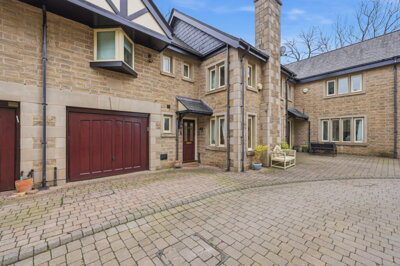
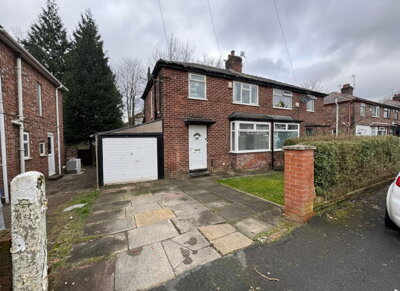
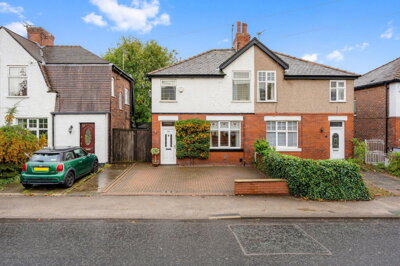
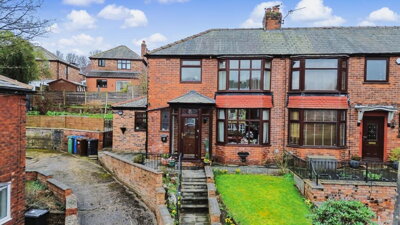
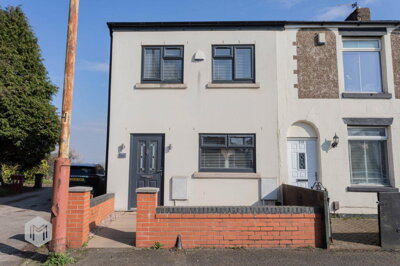
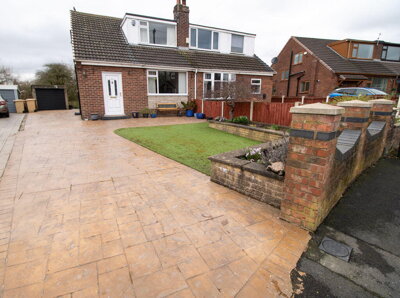
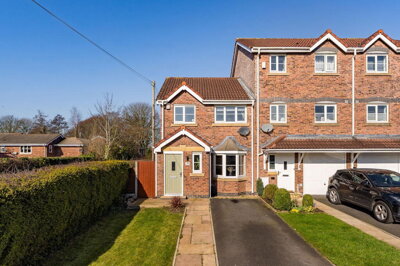
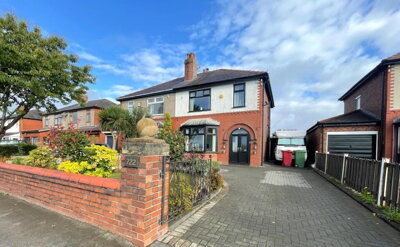
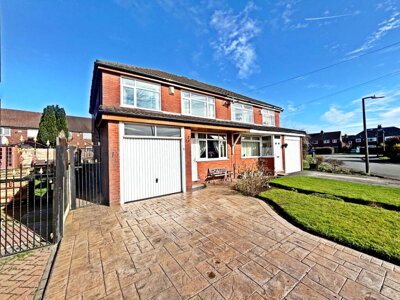
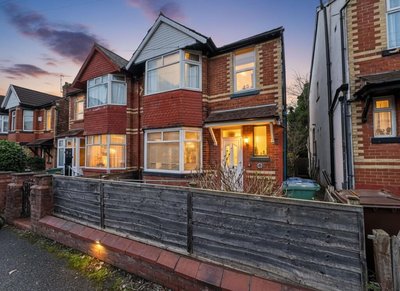
Browse 1,535 homes for sale in Salford, Greater Manchester from local estate agents.
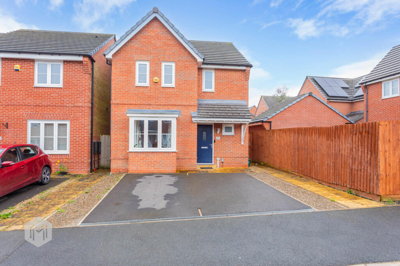
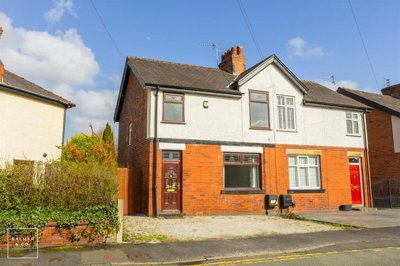
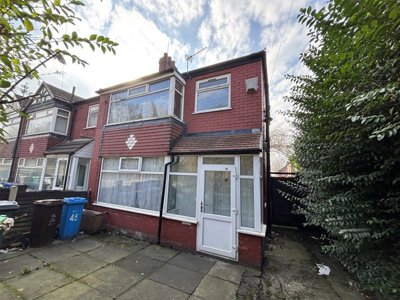
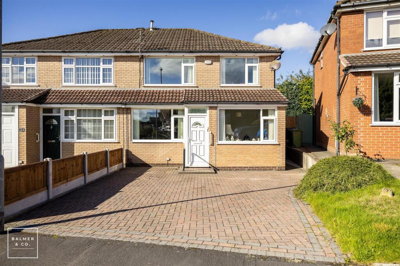
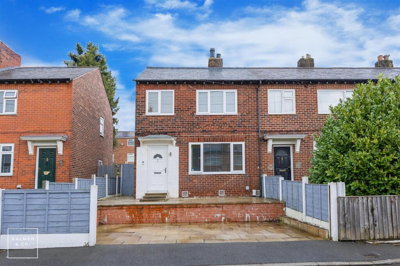
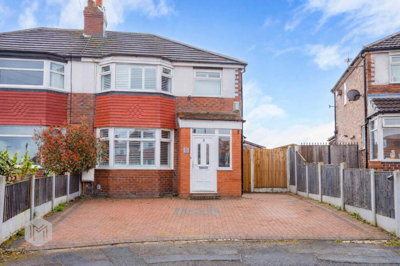
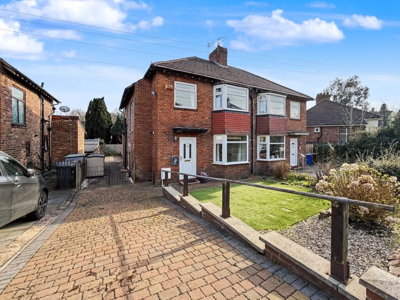
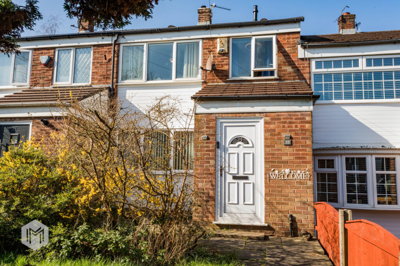
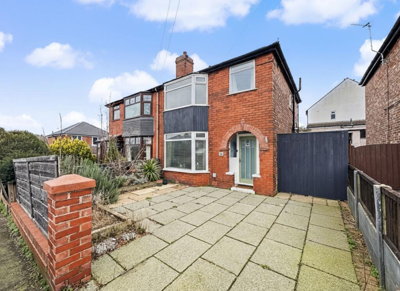
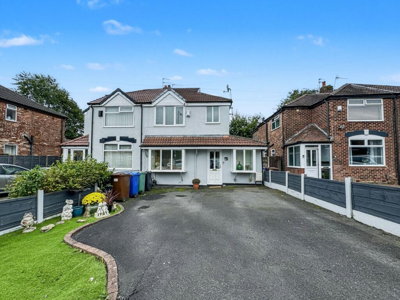
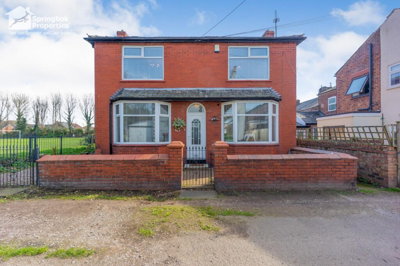
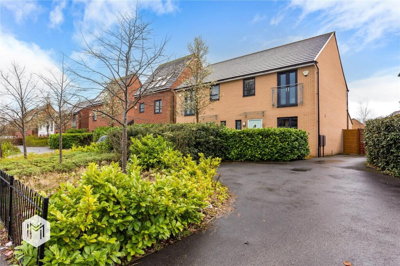
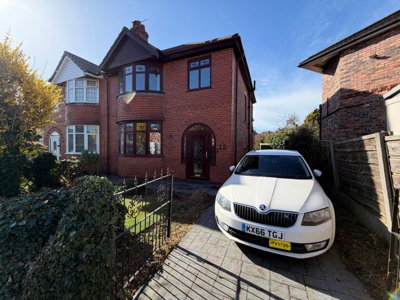
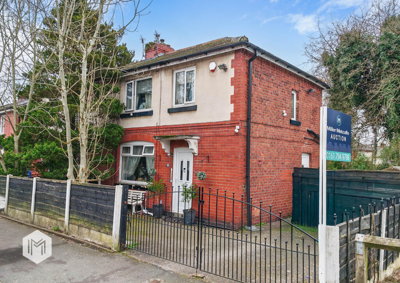
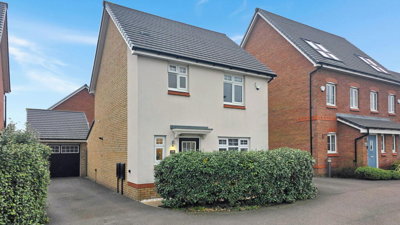
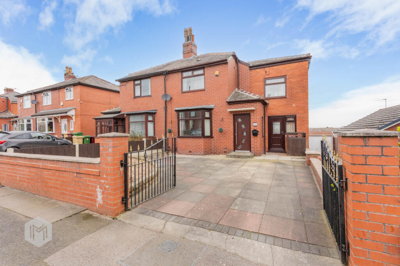
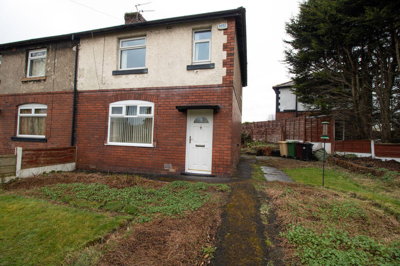
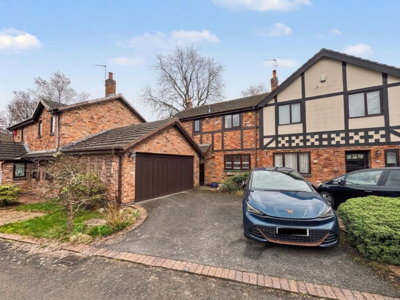
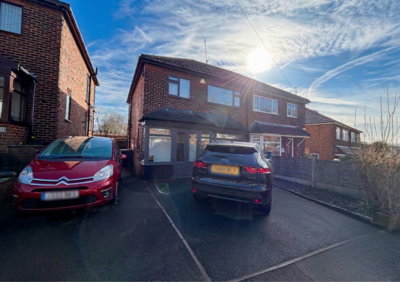
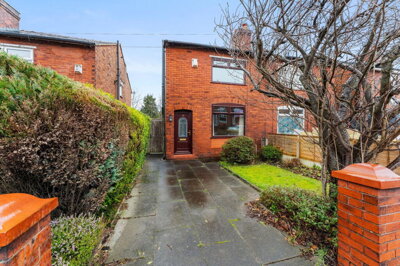
Three bedroom properties represent a significant portion of the Salford housing market, offering space for families with multiple reception rooms and gardens in many cases. Browse detached, semi-detached, and terraced options ranging from period character homes to contemporary developments.
£280k
325
36
81
Source: home.co.uk
Showing 325 results for 3 Bedroom Houses for sale in Salford, Greater Manchester. 36 new listings added this week. The median asking price is £280,000.
Source: home.co.uk
Semi-Detached
195 listings
Avg £290,241
Terraced
81 listings
Avg £253,639
Detached
49 listings
Avg £355,356
Source: home.co.uk
Source: home.co.uk
Salford's property market has demonstrated remarkable resilience and growth, with 1,600 property sales recorded between January and December 2025, representing a 6.1% increase on the previous year. The average house price in Salford currently stands at £247,000, with more recent data showing the average price paid in the last three months at £224,234. Property prices across the wider Salford district have stabilised, sitting just 2% below the 2022 peak of £265,693, while the city itself shows stronger performance at 7% up on the previous year.
Different property types command significantly different prices in Salford. Detached homes fetch the highest prices at an average of £696,250, reflecting their relative scarcity in the urban landscape. Semi-detached properties average £291,041, making them popular with families seeking more space. Terraced properties, which dominate the city centre market, average £212,439, while flats average between £217,518 and £219,917 depending on location. The M50 3 postcode area has shown particularly strong growth at 7.2% annually, making it worth watching for investors and buyers alike.
New build activity is flourishing across Salford, with major regeneration schemes bringing hundreds of new homes to the area. The Crescent Salford masterplan, delivered in partnership with English Cities Fund and Homes England, is transforming the former Adelphi University site with 263 new apartments and duplexes. Meanwhile, the Adelphi Village zone continues to expand, with plans for 42 affordable Passivhaus homes and 185 apartments at the Farmer Norton car park site. Other notable developments include Furness Quay in Salford Quays, where shared ownership options start from £88,375 for a 35% share, making homeownership more accessible for first-time buyers.
For buyers considering the wider Salford area, developments like Hazelhurst Farm in Worsley are expanding the housing supply, with Story Homes and Taylor Wimpey delivering over 155 new properties including a significant proportion of affordable housing. Properties at Worrall Street in Salford M5 offer one and two-bedroom apartments through shared ownership and rent-to-buy schemes, with over 90% of rent-to-buy units already reserved, indicating strong demand for affordable homeownership options in the area.

Salford offers a distinctive living experience shaped by its rich industrial heritage and ambitious regeneration programme. The city forms part of the wider City of Salford, which had a population of 245,600 according to the 2021 census, making it one of the most densely populated urban areas in the North West. The character of Salford varies dramatically from neighbourhood to neighbourhood, with Victorian and Edwardian terraces standing alongside sleek modern apartment blocks and everything in between. The area's diversity is one of its greatest strengths, attracting residents from all walks of life who appreciate its blend of history and contemporary living.
The housing stock in Salford reflects its historical development, with terraced properties making up a significant portion of homes in the city centre, while flats are the most common type overall, accounting for 30.7% of all sales over the past two years. The older housing stock, particularly the Victorian and Edwardian terraces built from traditional red brick, gives many neighbourhoods their distinctive character and charm. These properties often feature original period details such as fireplaces, cornicing, and high ceilings that are highly sought after by buyers who appreciate period features.
Major employers significantly influence life in Salford and contribute to the area's appeal as a place to live. MediaCityUK, located on the Salford Quays waterfront, is home to the BBC, ITV, and numerous creative and digital businesses, attracting young professionals and families to the area. The University of Salford serves over 20,000 students and employs thousands of staff, creating a vibrant campus atmosphere. Salford Royal Hospital provides crucial healthcare services and is one of the area's largest employers. Port Salford, the major inland logistics hub, continues to drive employment in distribution and logistics sectors, while ongoing urban regeneration projects across the city create additional job opportunities.
The mix of property ages across Salford creates both opportunities and considerations for buyers. Victorian and Edwardian terraces built before 1919 are abundant in areas such as Ordsall, Weaste, and Seedley, often featuring solid brick construction with traditional lime mortars and timber floor joists. Mid-century properties built between 1945 and 1980 introduced cavity wall construction to the area, while post-1980 developments, particularly around Salford Quays and the city centre, include modern apartment blocks with steel and concrete frames. When viewing properties, we recommend noting the construction type as this can indicate potential maintenance requirements and renovation possibilities.

Families considering a move to Salford will find a comprehensive range of educational options across all levels. The city is served by numerous primary schools, many of which are rated Good or Outstanding by Ofsted, providing young children with strong foundations in their education. Primary schools in areas such as Ordsall, Weaste, and Seedley serve their local communities well, while the surrounding districts of Swinton and Worsley offer additional options for families seeking larger homes with good school access. Parents should research individual school performance and catchment areas, as these can significantly impact property values and availability in specific neighbourhoods.
Secondary education in Salford includes several well-established schools that prepare students for further education and employment. The city's grammar schools, including QEII School in Latitude and schools serving the wider Salford area, provide academic pathways for students who pass the entrance examinations. For families considering Salford, understanding the secondary school admissions process and catchment areas is essential when choosing where to buy. Many parents specifically target areas with access to high-performing secondary schools, which can make certain neighbourhoods more competitive and potentially drive up property prices.
Higher and further education opportunities are abundant in Salford, making it attractive to students and academic professionals. The University of Salford, located near the city centre and MediaCityUK, offers a wide range of undergraduate and postgraduate courses and is a major employer in the area. The university's presence contributes to the local economy and creates demand for both rental and purchase accommodation. Students and staff frequently look for properties in surrounding areas, making the rental market particularly active. Additionally, the university's expansion plans and partnerships with MediaCityUK ensure its ongoing influence on the Salford property market.
Salford enjoys excellent transport connections that make commuting to Manchester city centre and beyond straightforward and convenient. The area is served by several railway stations, including Salford Crescent, Salford Central, and Manchester Victoria, providing regular services to destinations across the North West. Salford Crescent station offers connections to Manchester Piccadilly, Liverpool Lime Street, and other major destinations, while the Metrolink tram network extends through Salford, offering further public transport options. Journey times to Manchester city centre are typically under 15 minutes by train, making Salford particularly attractive to commuters who work in the city but prefer to live somewhere more affordable.
Road connectivity is another major strength of Salford's location. The M602 motorway provides direct access to Manchester city centre and connects to the wider motorway network, including the M60 orbital road around Greater Manchester. The A580 East Lancashire Road runs through Salford, providing a major arterial route for car travel. For those who need to travel further afield for work, the M6, M61, and M62 motorways are all easily accessible from Salford. Bus services operated by Stagecoach Manchester and other providers offer extensive coverage throughout Salford and connect to surrounding areas, while the proximity to Manchester Airport makes international travel accessible.
Cycling infrastructure has improved significantly in Salford in recent years, with dedicated cycle paths and routes making cycling a viable option for commuting and leisure. The River Irwell corridor offers scenic cycling routes, while the connection to Manchester's wider cycling network makes it possible to cycle to the city centre and beyond. For commuters, cycling can offer a faster door-to-door journey than public transport during peak hours, while also providing health and environmental benefits. Many of the newer developments in Salford, including those at Salford Quays and MediaCityUK, have been designed with cyclists in mind, featuring secure bike storage and excellent connections to the wider cycling network.
Contact a mortgage broker or bank to obtain an agreement in principle before viewing properties. This demonstrates your financial readiness to sellers and estate agents, giving you a competitive edge in Salford's active property market where properties can sell quickly. With average property prices around £224,234, many buyers will find their mortgage requirements fall within manageable brackets, particularly for terraced properties and flats which dominate the local market.
Explore different areas of Salford to find the neighbourhood that best suits your lifestyle and budget. Consider proximity to work, schools, transport links, and local amenities. The M50 3 postcode area has shown strong growth at 7.2% annually, while Salford Quays offers waterside living with modern apartments. Families may prefer the residential areas of Worsley or Swinton with their good schools and semi-detached housing, whereas young professionals might gravitate towards the city centre or MediaCityUK vicinity.
Work with local estate agents to arrange viewings of properties that match your criteria. Take notes on property condition, potential issues, and any red flags such as signs of damp, roof damage, or flood risk near the River Irwell. Ask about service charges, ground rent, and any planned regeneration nearby. When viewing older properties, we suggest checking for damp-proof course installation dates and examining the condition of original features like windows and chimneys.
Before purchasing any property in Salford, especially an older Victorian or Edwardian terrace, commission a RICS Level 2 Survey to identify any structural issues, damp problems, or necessary repairs. Given Salford's clay soils and aging housing stock, this step is crucial for protecting your investment. Our team regularly surveys properties throughout Salford and understands the common issues that affect local homes, from slate roof deterioration on Victorian terraces to subsidence concerns in areas with mature trees.
Appoint a solicitor to handle the legal aspects of your purchase. They will conduct searches for flood risk, mining records (important given Salford's coal mining history), and planning restrictions. Request a mining report as part of the conveyancing process since Salford sits above Carboniferous coal measures where past mining activity may have left underground voids or caused ground movement.
Once all searches are satisfactory and your mortgage is approved, you will exchange contracts and pay your deposit. Completion typically follows within 2-4 weeks, after which you will receive the keys to your new Salford home. We recommend arranging a final walkthrough before completion to verify the property's condition matches your expectations.
Buying property in Salford requires careful consideration of several area-specific factors that could affect your investment. Flood risk is a genuine concern in parts of Salford due to its proximity to the River Irwell and the potential for surface water flooding in urbanised areas. Before purchasing, check the Environment Agency's flood maps and ask the seller about any previous flooding incidents. Properties near the river or in low-lying areas may face higher insurance premiums or may be difficult to insure, so factor these ongoing costs into your budget. A thorough survey can identify any signs of previous water damage or damp issues that might indicate a property is susceptible to flooding.
The local geology of Salford presents another important consideration for buyers. The area sits on glacial till (boulder clay) overlying Permo-Triassic sandstones and Carboniferous coal measures, and the prevalence of clay soils creates a potential shrink-swell risk, particularly for properties with mature trees nearby. This ground movement can cause subsidence or heave, leading to structural problems that may be expensive to remedy. During surveys, we frequently check for signs of structural movement such as cracks in walls, sticking doors or windows, and uneven floors. Properties in areas with significant tree cover should be carefully assessed for root moisture fluctuations that can affect clay soils.
Salford's industrial heritage as a coal mining area means that mining reports are an essential part of the conveyancing process. While active mining has ceased, legacy issues from past mining activity can include underground voids, ground instability, and surface subsidence. Your solicitor should obtain a mining report from the Coal Authority to check for any historical mining features that might affect the property. In some areas of Salford, particularly older neighbourhoods, we have seen properties with minor structural movement attributed to historical mining subsidence.
Conservation areas and listed buildings are found throughout Salford, particularly in older neighbourhoods around Chapel Street, Bexley Square, and the former docks. If you are considering purchasing a property in a conservation area or a listed building, be aware that planning restrictions may limit what you can do with the property. Listed buildings require Listed Building Consent for any alterations or extensions, and you may be required to use specific materials or methods for any renovation work. For these properties, we typically recommend a more comprehensive RICS Level 3 Building Survey rather than the standard Level 2, as the complex construction and historic materials require specialist expertise to assess properly.
The average property price in Salford currently stands at £224,234 based on the last three months of data, with the median price at £226,000. Property prices have increased by 13% (£29,000) over the past twelve months, with prices in the city itself showing 7% growth. Detached properties average £696,250, semi-detached homes £291,041, terraced properties £212,439, and flats around £217,518 to £219,917 depending on location. The variation between property types reflects the urban nature of Salford where detached homes are relatively scarce compared to terraced and flat properties.
Salford properties fall into council tax bands A through H, with the majority of terraced houses and smaller flats typically in bands A to C. Band A properties in Salford pay around £1,200-£1,400 per year, while higher-band properties command proportionally higher charges. You can check the specific band for any property through Salford City Council's website or the Valuation Office Agency. Properties in prestigious areas or larger detached homes in locations like Worsley often fall into higher bands, which should be factored into your ongoing household budget.
Salford offers a range of educational options including numerous primary schools rated Good or Outstanding by Ofsted. Secondary schools in the area include Buile Hill Visual Arts College, Harrop Fold School, and the city's grammar schools. The University of Salford provides higher education opportunities. Parents should research individual school performance, catchment areas, and admissions criteria, as these factors significantly influence where families choose to live. Areas with good school access, such as Swinton and Worsley, often see strong demand from families, which can support property values over time.
Salford is exceptionally well connected, with Salford Crescent, Salford Central, and Manchester Victoria stations providing regular train services to Manchester city centre in under 15 minutes. The Metrolink tram network serves the area, while extensive bus services operated by Stagecoach Manchester provide coverage across the city. The M602 motorway offers direct road access to Manchester, and Manchester Airport is easily accessible for international travel. For commuters working in Manchester city centre, living in Salford offers significant cost savings compared to city centre prices while maintaining excellent transport connections.
Salford offers strong investment potential due to its proximity to Manchester city centre, ongoing regeneration projects, and major employers like MediaCityUK and the University of Salford. The area has seen consistent price growth, with the M50 3 postcode showing 7.2% annual growth. New developments like Furness Quay offer accessible entry points through shared ownership, while the strong rental market driven by students and young professionals makes buy-to-let attractive. However, always research specific neighbourhoods and factor in costs like flood risk and service charges. Properties near regeneration zones such as the Crescent Salford masterplan may see additional appreciation as new facilities and amenities are delivered.
For properties in England, standard Stamp Duty Land Tax rates are 0% on the first £250,000, 5% on £250,001 to £925,000, 10% on £925,001 to £1.5 million, and 12% above £1.5 million. First-time buyers pay 0% on the first £425,000, 5% on £425,001 to £625,000, with no relief above that. For a typical Salford property averaging £224,234, most buyers would pay no stamp duty, while first-time buyers would pay nothing at all. This favourable position for first-time buyers, combined with shared ownership options available at developments like Furness Quay and Worrall Street, makes Salford an accessible market for those entering the property ladder.
Understanding the total costs of buying a property in Salford is essential for budgeting effectively. Stamp Duty Land Tax (SDLT) is a significant cost for many buyers, though the good news for those purchasing in Salford is that the average property price of £224,234 falls well within the zero-rate threshold for standard buyers. This means most buyers purchasing a typical Salford property will pay no stamp duty at all. First-time buyers enjoy an even more generous allowance, with the zero-rate threshold extending to £425,000 and relief available up to £625,000, meaning that the vast majority of first-time buyers in Salford will not pay any stamp duty.
For those purchasing higher-value properties, such as the semi-detached homes averaging £291,041 or detached properties at £696,250, stamp duty will apply on the portion of the price above the relevant threshold. A buyer purchasing a £291,041 semi-detached property would pay 5% on the amount above £250,000, which equates to approximately £2,052 in stamp duty. Those buying premium properties will need to budget accordingly, with the highest rates of 12% applying to properties above £1.5 million. Your solicitor will calculate the exact amount due and include it in their completion statement.
Beyond stamp duty, buyers should budget for several other costs when purchasing in Salford. Survey costs typically range from £350 for a basic RICS Level 2 Survey on a flat to £600 or more for a larger property. Given Salford's housing stock includes many older properties with potential issues like damp, subsidence, or outdated electrics, investing in a thorough survey is money well spent. Conveyancing fees typically start from around £499 for standard purchases, though more complex transactions involving leasehold properties, conservation areas, or listed buildings may cost more. Search fees, bank transfer charges, and land registry fees add a few hundred pounds more. Finally, if you are buying with a mortgage, you will need to budget for arrangement fees, valuation fees, and broker costs, which can add several thousand pounds to your total budget.
Properties for Sale In London

Properties for Sale In Plymouth

Properties for Sale In Liverpool

Properties for Sale In Glasgow

Properties for Sale In Sheffield

Properties for Sale In Edinburgh

Properties for Sale In Coventry

Properties for Sale In Bradford

Properties for Sale In Manchester

Properties for Sale In Birmingham

Properties for Sale In Bristol

Properties for Sale In Oxford

Properties for Sale In Leicester

Properties for Sale In Newcastle

Properties for Sale In Leeds

Properties for Sale In Southampton

Properties for Sale In Cardiff

Properties for Sale In Nottingham

Properties for Sale In Norwich

Properties for Sale In Brighton

Properties for Sale In Derby

Properties for Sale In Portsmouth

Properties for Sale In Northampton

Properties for Sale In Milton Keynes

Properties for Sale In Bournemouth

Properties for Sale In Bolton

Properties for Sale In Swansea

Properties for Sale In Swindon

Properties for Sale In Peterborough

Properties for Sale In Wolverhampton

Enter your details to see if this property is within your budget.
Loans, cards, car finance
Estimated property budget
Borrowing + deposit
You could borrow between
Typical borrowing
Monthly repayment
Est. at 4.5%
Loan-to-value
This is an estimate only. Your actual budget may vary depending on interest rates, credit history, and personal circumstances. For an accurate affordability assessment, speak to one of our free mortgage advisors.
This calculator provides estimates for illustrative purposes only and does not constitute financial advice. Your home may be repossessed if you do not keep up repayments on your mortgage. Estimates based on 4.5% interest rate, repayment mortgage. Actual rates depend on your circumstances.
Homemove is a trading name of HM Haus Group Ltd (Company No. 13873779, registered in England & Wales). Homemove Mortgages Ltd (Company No. 15947693) is an Appointed Representative of TMG Direct Limited, trading as TMG Mortgage Network, which is authorised and regulated by the Financial Conduct Authority (FRN 786245). Homemove Mortgages Ltd is entered on the FCA Register as an Appointed Representative (FRN 1022429). You can check registrations at NewRegister or by calling 0800 111 6768.

We use cookies to show you personalised content and improve your experience of our website. Find out more in our Privacy policy and Cookie policy.