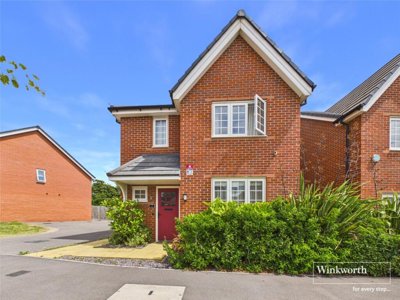
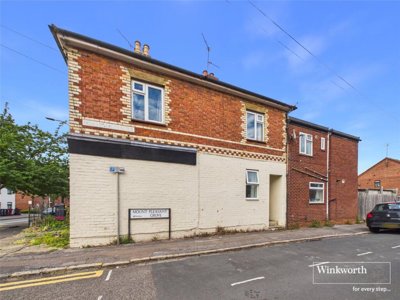
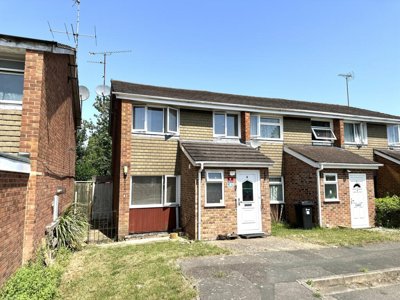
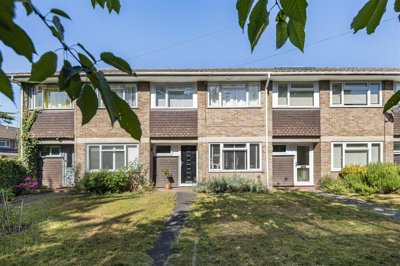
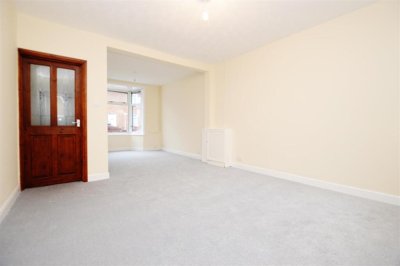
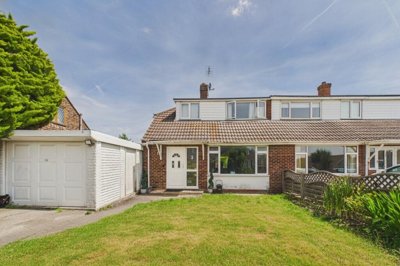
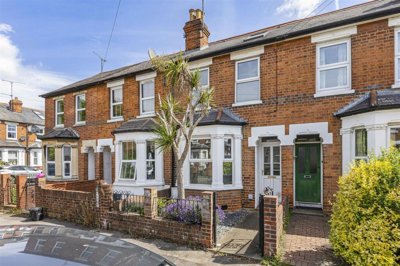
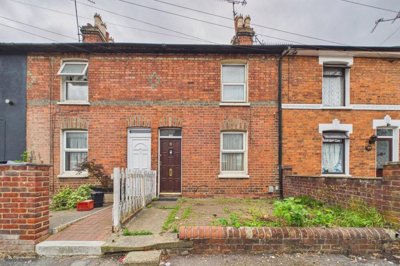
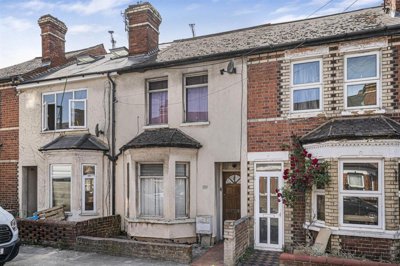
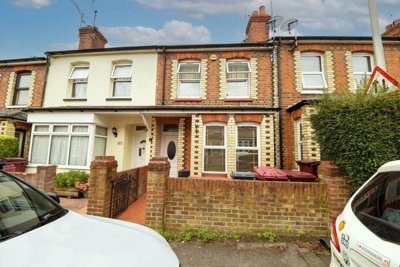
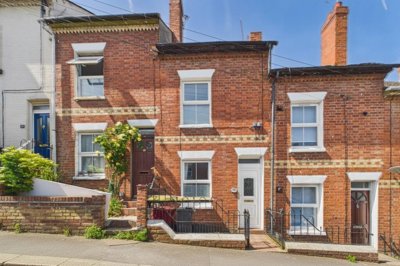
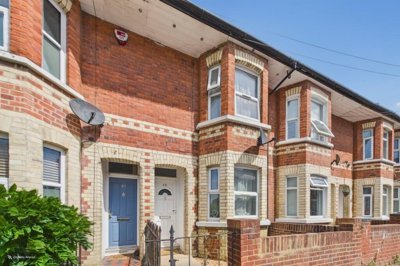
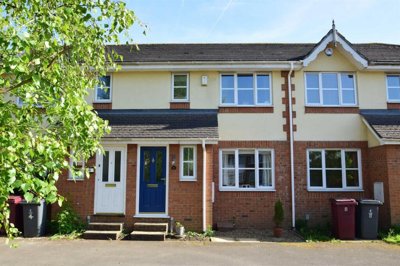
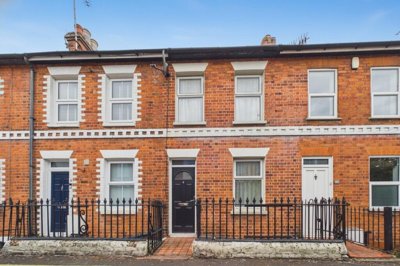
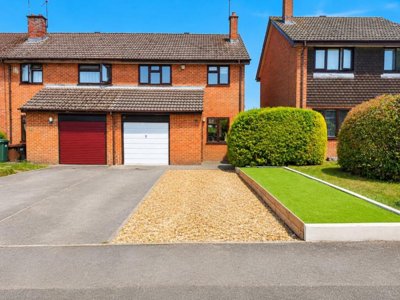
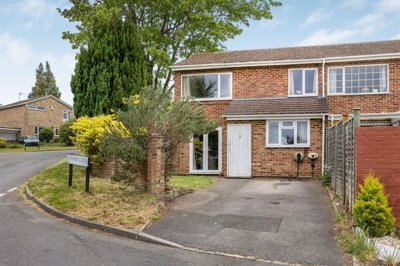
Browse 767 homes for sale in Reading, Berkshire from local estate agents.
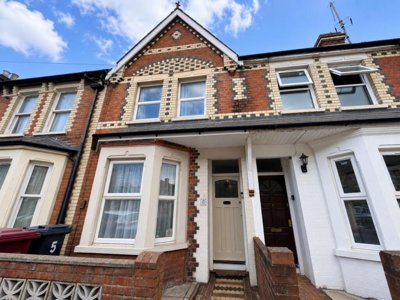
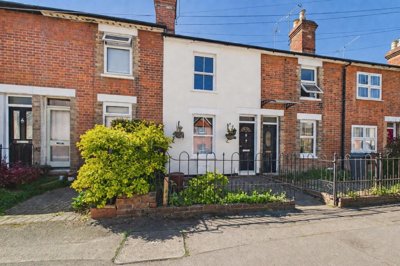
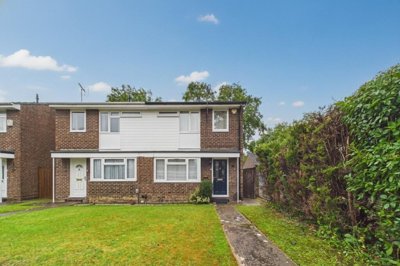
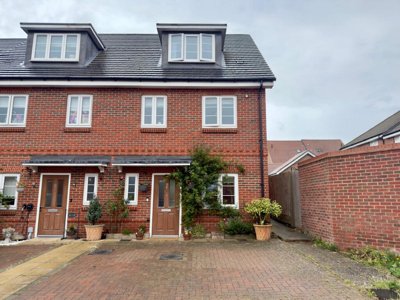
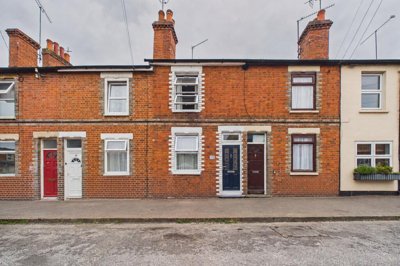
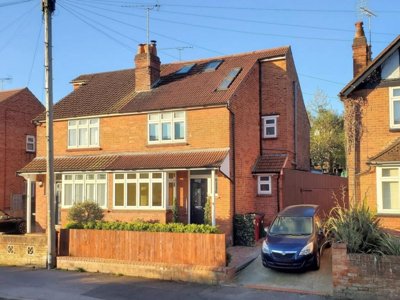
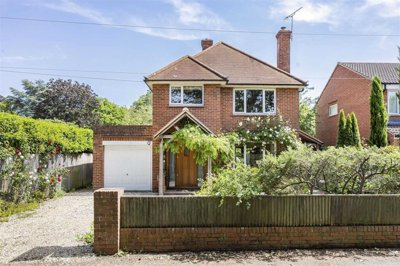
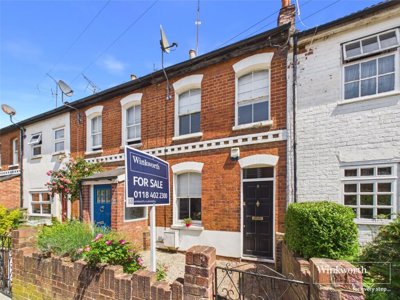
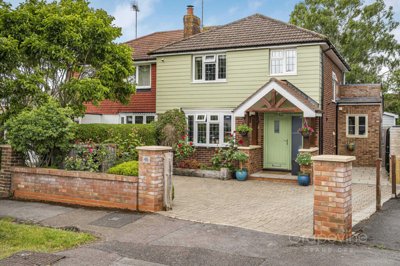
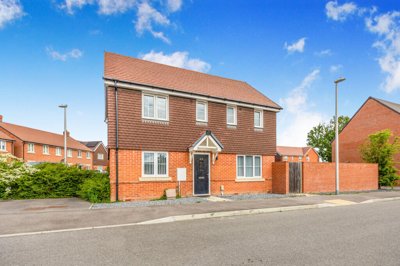
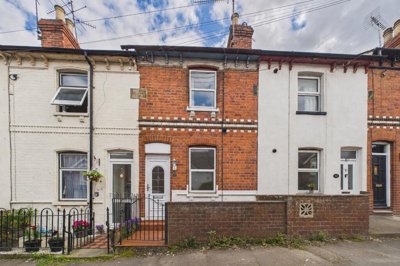
Three bedroom properties represent a significant portion of the Reading housing market, offering space for families with multiple reception rooms and gardens in many cases. Browse detached, semi-detached, and terraced options ranging from period character homes to contemporary developments.
£400k
167
20
68
Source: home.co.uk
Showing 167 results for 3 Bedroom Houses for sale in Reading, Berkshire. 20 new listings added this week. The median asking price is £400,000.
Source: home.co.uk
Terraced
82 listings
Avg £365,163
Semi-Detached
69 listings
Avg £468,986
Detached
16 listings
Avg £552,500
Source: home.co.uk
Source: home.co.uk
Reading’s property market has a rather resilient feel to it, with steady growth still showing through the figures. Over the last twelve months, the city average has risen by 1% (£5,700) to roughly £407,000. The postcode area average sits at around £462,000, while terraced homes average £358,922, semi-detached properties £463,132, and detached houses £557,316. Flats remain the most affordable way in at approximately £230,679, which keeps them appealing to first-time buyers and professionals working in the town's technology sector.
Sales activity has softened, with transaction volumes down by around 17.3% and about 9,800 property sales recorded in the Reading postcode area over the past year. That drop mirrors the wider national adjustment after the busier pandemic period. Even so, prices have stayed fairly steady, which points to continued demand from buyers who see long-term value here. New build stock has been especially strong, averaging £585,000 and posting a notable 15% rise, a sign that modern homes in well-planned developments are still in demand.
Breaking down the market by property type gives a clear picture of Reading’s varied housing stock. Terraced homes make up around 28.8% of all transactions, so they are the most commonly sold. Detached houses account for 27.0%, semi-detached properties 25.1%, and flats 19.1%. That spread reflects everything from Victorian terraces in the town centre to contemporary apartments and larger family homes in the suburbs. New build activity is still fairly limited at around 2.6% of total sales, and most of those homes are selling in the £500,000 to £750,000 bracket.

Reading’s new build market keeps attracting buyers who want modern homes in strong locations. Christchurch Wharf is a good example, offering stylish 2 and 3 bedroom apartments with river views, with prices starting from £545,000. As a Berkeley Homes development, it shows the standard of new construction now appearing along the waterways that have become such a feature of Reading’s residential offer.
Green Park Village is another major name in the Reading area, with 3 to 5 bedroom family homes aimed at buyers who need more space. The Thames Quarter on Napier Road brings apartment living into the town centre, only minutes from Reading railway station. Together with other schemes across the town, these developments have helped drive the performance of newly built homes, which have seen prices rise by 15% over the past year.
For anyone looking at a new build, around 254 newly built properties were sold in the Reading postcode area over the past twelve months. Most of those sales were in the RG40 4 area, which borders Reading and gives good access to the town centre. Buyers should still allow for snagging, and it makes sense to commission an independent inspection so any issues are picked up before legal completion.

Reading manages to combine everyday convenience with plenty of green space, and that balance is a big part of its appeal in the South East. Friar Street and the Oracle shopping centre offer high street names, independent shops, and well-known restaurants, while Reading Abbey Ruins and Forbury Gardens provide open space right by the centre. The riverside along the Thames and Kennet has also been transformed in recent years, with walking and cycling routes now linking neighbourhoods neatly back into town.
With a population of approximately 88,026, Reading still has a cosmopolitan edge, but each neighbourhood keeps its own sense of community. The Hexagon theatre, gyms, swimming pools, and a wide spread of sports clubs, from rugby and rowing to tennis and athletics, all add to the town’s leisure offer. Families also benefit from good schools, quieter residential streets, and parks such as Prospect Park and Caversham Court Gardens, which give children plenty of room to play and explore.
Reading’s cultural life remains busy, with events at the Hexagon theatre, live music venues, and an independent food and drink scene that keeps growing. Regeneration has brought real investment to places such as the Thames Quarter and the area around the railway station, along with new public spaces and facilities. Add in the Chiltern Hills and the Berkshire countryside nearby, and residents get easy access to countryside walks and outdoor activities without losing the benefits of town living.

Families looking at Reading will find a wide spread of schools, which is one reason the town draws so many buyers. Primary options include St Mary's RC Primary School, Reading Blue Coat School, an established independent choice, and Wilson Primary School in the Dee Park area, all well regarded. At secondary level, Reading School, a selective grammar school with an exceptional academic record, sits alongside St Joseph's College and the Thames Education trust schools, which have built strong reputations for academic success and extracurricular achievement.
Higher education is well covered too, mainly through the University of Reading, a research-led institution that is consistently ranked among the UK's top universities. It is especially known for arts, humanities, and business studies. The campus in Earley gives the university a pleasant setting and plays a major part in the town’s cultural and intellectual life. Reading College provides a broad range of vocational courses and apprenticeships, while the Thames Valley University campus offers further higher education options.
Anyone buying in Reading would be wise to check catchment areas carefully, because school admissions can have a real effect on both property values and day-to-day family life. Homes in the catchment areas of popular schools such as Reading School, which admits pupils through selective testing, often come at a premium. First-time buyers planning ahead for a family should think about school locations early in the search. Competition for places at outstanding primary schools can be fierce, especially in Caversham, Woodley, and Earley, where school ratings are strongest.

Transport is one of Reading’s biggest advantages, and it is a major reason so many London commuters look here. Reading railway station offers fast services to London Paddington in approximately 25 minutes via the Elizabeth line, and direct trains also run to Oxford, Basingstoke, and the south coast. After major redevelopment in recent years, the station now works as a busy hub with strong facilities, plus links to local bus services and the town’s growing cycling network.
Road links are just as good. Reading sits where the M4 motorway meets the A329(M), giving direct access to London, the West, the M25, and the wider motorway network. That makes it a practical choice for people whose work still depends on the car, or for anyone needing Heathrow Airport, which is approximately 40 minutes away, for international travel. Cyclists have benefited from major investment in cycle lanes, the National Cycle Network runs through the town, and Reading Buses provides wide coverage of the centre and surrounding suburbs.
The Elizabeth line has changed the daily commute for many Reading residents, with direct services to Bond Street, Liverpool Street, and Canary Wharf and no need to change trains. That extra convenience has strengthened Reading’s appeal for London workers who want more affordable property prices alongside a good quality of life. Heathrow Airport is also easy to reach, taking approximately 40 minutes by car or via the RailAir coach service, so international travel stays straightforward.

Reading’s economy has grown into one of the most dynamic outside London, helped by major employers in technology, financial services, and wider corporate sectors. Global names such as Microsoft, Oracle, Cisco, and Huawei have major operations in the town’s business parks and town centre offices. With so much tech presence, Reading has picked up the nickname of the "Silicon Valley of the South East", and it keeps drawing skilled workers looking for digital and innovation-driven careers.
The corporate side of the economy is equally strong, with PwC, KPMG, and Deloitte all maintaining substantial offices in Reading. Life sciences and biotech are also well represented, with firms such as Bayer and Syngenta expanding their local presence and broadening the employment base. Near the University of Reading, the Thames Valley Science Park supports start-ups and established businesses working in technology and innovation.
That employment strength feeds directly into housing demand, with professionals at all stages of their careers looking to buy in Reading. Average salaries in the town’s key sectors sit well above the national average, which supports the property market and gives buyers more confidence in what they are purchasing. Regeneration around the railway station, the riverfront, and the town centre is still under way, and each project adds another layer to Reading’s appeal as a place to live and work.

Before starting viewings in Reading, we would recommend securing a mortgage agreement in principle from a lender. It shows estate agents that you can proceed and gives your offer more weight. A whole-of-market mortgage broker can help us compare the best rates available. With average prices around £407,000, most buyers will need a sizeable mortgage, so sorting finances early makes the purchase run more smoothly.
Take time to walk different parts of Reading before settling on an area. Think about the commute, school catchment areas, local amenities, and how easy it is to get to London. Caversham has more of a village feel and good schools, while locations nearer the station work better for commuters. Tilehurst and Pangbourne tend to offer more affordable choices, along with decent transport links.
Plenty of Reading homes are sold before they ever reach portal websites. Registering directly with agents such as those listed on Homemove means you hear about new properties as soon as they appear. In a market like this, being early to view can make all the difference between securing the right home and missing it.
Once a property ticks the right boxes, arrange viewings and, if you want to proceed, commission a RICS Level 2 Survey before committing to the purchase. Reading has everything from Victorian terraces to modern apartments, so a professional survey is the best way to understand the condition of the home and set aside money for any repairs that may be needed.
Your conveyancing solicitor will deal with the legal searches, contracts, and registration. At exchange of contracts, you pay your deposit and the sale becomes legally binding, with completion usually 4-6 weeks later. The solicitor will carry out local searches, including drainage and water checks, land registry searches, and any planning searches that apply to the property.
Buyers in Reading should keep a close eye on several local factors that can affect both the purchase and long-term comfort of a home. The geology of the Thames Valley includes London Clay, which has shrink-swell potential and can lead to subsidence in homes with shallow foundations or properties close to mature trees. A thorough RICS Level 2 Survey is especially useful for Victorian, Edwardian, or inter-war properties, since older houses may show movement or have foundations that need specialist attention.
Flood risk is another issue to think about, especially for homes near the River Thames or River Kennet. New developments usually include proper mitigation, but older properties in flood-risk zones can face higher insurance costs or limits on some mortgage products. Surface water flooding can also affect lower-lying parts of the town centre and surrounding residential areas during heavy rain. Buyers should check the Environment Agency flood risk maps for any property they are considering.
Reading also includes several Conservation Areas, including parts of the town centre and areas around the university, where planning controls apply to protect the character of the streetscape. Listed buildings found across the town may need specialist surveys and consent before any alterations, which can add extra steps to renovation plans. When buying a period property in Reading, especially in the town centre, Caversham, or near the university campus, it is sensible to allow for those additional requirements before planning future work.

According to homedata.co.uk property data, average house prices in Reading currently range from £340,963 to approximately £407,000 for the city centre and £462,000 for the wider postcode area. Detached homes average £557,316, semi-detached houses around £456,742, terraced properties £352,124, and flats approximately £227,886. The market has held fairly steady over the past year, with the city centre showing modest 1% growth and the wider postcode area staying broadly in line with the previous twelve months.
Reading is covered by Reading Borough Council, and homes across the area fall into council tax bands A through to H, although most residential properties sit in bands B through E. The band is based on the property’s assessed value, and buyers can check it on the Valuation Office Agency website before they buy. Newer developments and larger detached homes usually land in higher bands, F, G, or H, while flats and smaller terraced homes are often in bands A through C.
Reading gives families a strong spread of schooling options, including Reading School, a selective grammar school with exceptional academic results, St Mary's RC Primary School, and Reading Blue Coat School at primary level. At secondary stage there are the highly academic grammar schools as well as a range of comprehensive schools with strong Ofsted ratings. The University of Reading adds higher education into the mix, so the town works well for families who put educational outcomes first at every stage.
Reading railway station has fast services to London Paddington in approximately 25 minutes via the Elizabeth line, plus direct trains to Oxford, Basingstoke, and the south coast. Reading Buses gives the town broad local coverage, and the M4 motorway junction provides excellent road links to London and Heathrow Airport, which is approximately 40 minutes away. The Elizabeth line has also made central London destinations such as Bond Street, Liverpool Street, and Canary Wharf much easier to reach.
Reading continues to look strong from an investment point of view, helped by a busy technology sector, solid transport links, and its closeness to London. Employers including Microsoft, Oracle, Cisco, PwC, and KPMG create steady demand from professionals looking for rental homes. New build prices have risen by 15% over the past year, which shows healthy demand for quality housing, while regeneration across the town keeps adding to its appeal for owner-occupiers and investors alike. Life sciences firms such as Bayer and Syngenta are also expanding in Reading.
At the current SDLT thresholds (2024-25), buyers pay nothing on the first £250,000, then 5% on £250,001 to £925,000, 10% on £925,001 to £1.5 million, and 12% above £1.5 million. First-time buyers get relief too, with 0% on the first £425,000 and 5% on £425,001 to £625,000, although there is no relief above £625,000. With Reading’s average property price around £407,000, many buyers would qualify for meaningful first-time buyer relief.
Reading’s housing stock is nicely balanced across the main property types. Terraced properties make up around 28.8% of all sales, making them the most common type to change hands. Detached homes account for 27.0%, semi-detached properties 25.1%, and flats 19.1%. That range gives buyers plenty to choose from, whether they want a Victorian terrace in the town centre, a modern apartment, or a larger family home in the suburbs.
Because Reading sits where the River Thames and River Kennet meet, homes close to the rivers can face some flood risk, particularly in low-lying spots. Surface water flooding can also affect built-up parts of the town when heavy rain overwhelms drainage systems. Modern developments usually include the right mitigation, but buyers looking at older homes in flood-risk zones should allow for higher insurance premiums and check mortgage availability. The Environment Agency’s flood risk maps are useful for identifying specific risks at any property.
From 3.85%
Expert mortgage advice from whole-of-market brokers
From £499
Specialist property solicitors for your Reading purchase
From £350
Professional property surveys by qualified inspectors
From £80
Energy performance certificates for your new home
It is important to understand the full cost of buying in Reading, because stamp duty can add a sizeable sum to the purchase price. For a typical property at the current average of £407,000, a standard buyer with a mortgage would pay SDLT of £7,850, made up of 0% on £250,000 plus 5% on £157,000. First-time buyers do much better, paying only £0 on the first £425,000, so many first-time buyers in Reading would owe no stamp duty at all on homes within that range.
There are also several other costs to budget for, including mortgage arrangement fees, which are usually 0.5-1.5% of the loan, valuation fees, survey costs, and conveyancing fees. A RICS Level 2 Survey starts from approximately £350-600 depending on property value, while legal work, including local searches, contracts, and registration, typically ranges from £500-1,500. Buildings insurance needs to be in place from completion, and removal costs can vary a lot depending on distance and the amount being moved.
We always suggest putting aside a contingency fund of at least 10-15% above the purchase price so there is room for these costs and any surprises during conveyancing. On a Reading property priced at the average of £407,000, buyers should plan for total costs in the region of £450,000-470,000 once stamp duty, legal fees, survey costs, and moving expenses are included. First-time buyers purchasing at or below £425,000 may find their total spend much lower because of SDLT relief.

Properties for Sale In London

Properties for Sale In Plymouth

Properties for Sale In Liverpool

Properties for Sale In Glasgow

Properties for Sale In Sheffield

Properties for Sale In Edinburgh

Properties for Sale In Coventry

Properties for Sale In Bradford

Properties for Sale In Manchester

Properties for Sale In Birmingham

Properties for Sale In Bristol

Properties for Sale In Oxford

Properties for Sale In Leicester

Properties for Sale In Newcastle

Properties for Sale In Leeds

Properties for Sale In Southampton

Properties for Sale In Cardiff

Properties for Sale In Nottingham

Properties for Sale In Norwich

Properties for Sale In Brighton

Properties for Sale In Derby

Properties for Sale In Portsmouth

Properties for Sale In Northampton

Properties for Sale In Milton Keynes

Properties for Sale In Bournemouth

Properties for Sale In Bolton

Properties for Sale In Swansea

Properties for Sale In Swindon

Properties for Sale In Peterborough

Properties for Sale In Wolverhampton

Enter your details to see if this property is within your budget.
Loans, cards, car finance
Estimated property budget
Borrowing + deposit
You could borrow between
Typical borrowing
Monthly repayment
Est. at 4.5%
Loan-to-value
This is an estimate only. Your actual budget may vary depending on interest rates, credit history, and personal circumstances. For an accurate affordability assessment, speak to one of our free mortgage advisors.
This calculator provides estimates for illustrative purposes only and does not constitute financial advice. Your home may be repossessed if you do not keep up repayments on your mortgage. Estimates based on 4.5% interest rate, repayment mortgage. Actual rates depend on your circumstances.
Homemove is a trading name of HM Haus Group Ltd (Company No. 13873779, registered in England & Wales). Homemove Mortgages Ltd (Company No. 15947693) is an Appointed Representative of TMG Direct Limited, trading as TMG Mortgage Network, which is authorised and regulated by the Financial Conduct Authority (FRN 786245). Homemove Mortgages Ltd is entered on the FCA Register as an Appointed Representative (FRN 1022429). You can check registrations at NewRegister or by calling 0800 111 6768.