Pick the right path and we'll point you to the next step.
I'm the homeowner
Track this property, get market updates, and list it on Home when you're ready to sell or let.
I'm an estate agent
Claim your branch on Home.co.uk, list your properties for free, and reach buyers actively searching your area.
From riverside apartments to country cottages, search hundreds of thousands of properties for sale, to rent, and recently sold, all enriched with three decades of market data.
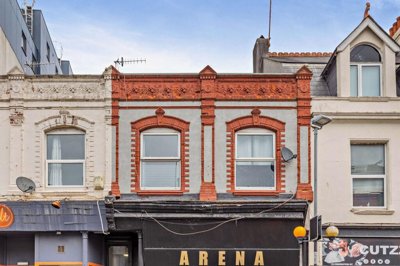
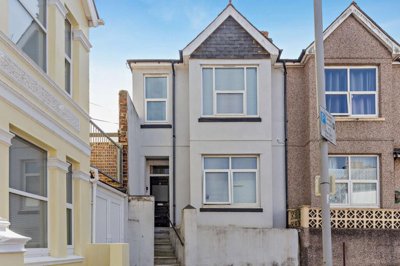
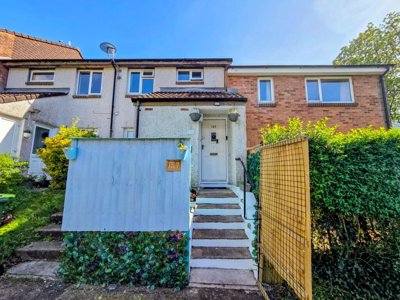
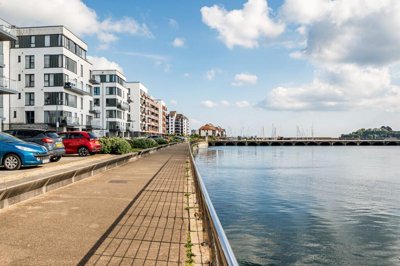
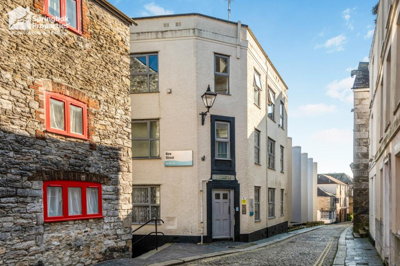
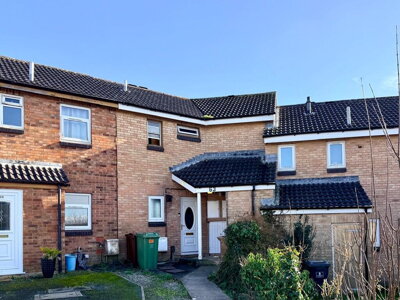
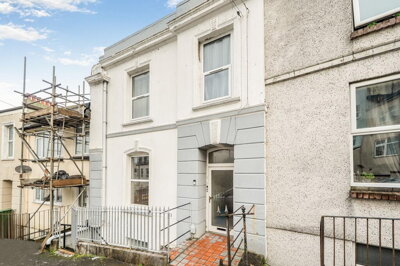
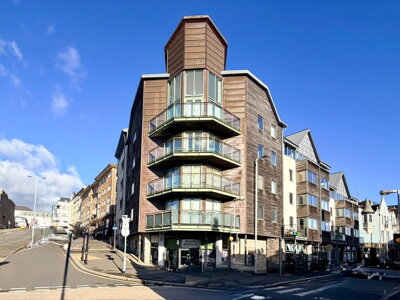
Browse 9 homes for sale in Plymouth, England from local estate agents.
One bed apartments provide a separate bedroom alongside distinct living space, bathroom, and kitchen areas. Properties in Plymouth are available in various building types including mansion blocks, contemporary developments, and house conversions.
£115k
73
7
104
Source: home.co.uk
Showing 73 results for 1 Bedroom Flats for sale in Plymouth, England. 7 new listings added this week. The median asking price is £114,995.
Source: home.co.uk
Flat
73 listings
Avg £111,540
Source: home.co.uk
Source: home.co.uk
Plymouth has kept moving, even with buyers taking a harder look before they commit. homedata.co.uk records show the average property price in the city rose by £4,300, or 2%, over the last twelve months, while the wider Plymouth postcode area averaged £288,000 with a median of £250,000. Set against that wider figure, the city core still looks relatively accessible, especially for people trying to stay near work, schools or the waterfront. Terraced homes were the busiest part of the market, with 2,528 sales, which fits Plymouth’s long-established neighbourhoods.
The sales mix tells its own story. Detached homes made up 1,916 sales, semi-detached homes 1,759, and flats 936, so family housing is still changing hands at pace alongside smaller homes. New-builds are part of that picture too, with Saltram Meadow listing homes from £162,995 to £369,995 and The Avenue in Plymstock from £319,995 to £525,000. Beyond individual schemes, Plymouth City Council and Homes England have set out plans for 10,000 to 12,000 homes over 15 years, which points to more choice in the short and medium term.

Work still shapes where people buy in Plymouth. HMNB Devonport remains one of the city’s main employers, and marine, defence, advanced manufacturing, business services, creative industries and digital all feed into the local economy. Plymouth supports about 110,300 jobs and produces £5.03 billion of economic output, which helps keep day-to-day housing demand in place. Add in the University of Plymouth, and the city keeps a steady spread of owner-occupiers, renters and investors.
From one part of Plymouth to the next, the housing stock changes quickly. Around 74.6% of homes are houses, and 32.5% of households are one-person homes, so there is no shortage of either compact places or family-sized streets. The city also has 15 conservation areas and more than 750 listed buildings, including the Barbican and the first post-war city centre conservation area in the country. That helps explain the split in buyer taste, some want historic stone and timber buildings, others lean towards post-war rebuilds or modern apartments that are simpler to look after.
For many families, the real question is not one headline school. It is the street. Plymouth has a broad spread of primary, secondary, sixth-form and further education provision, and the University of Plymouth adds another strong education presence that influences both housing demand and rental demand. That can matter later on if we come to sell, because homes near well-regarded school routes and education hubs often reach a wider pool of buyers. In practice, many parents end up weighing travel time, after-school care and the shape of the school run as much as the postcode itself.
We would treat school research as part of the viewing stage, not something to leave until an offer is already in. Local detail varies by exact address, so we work from your property rather than a town-wide figure. A better route is to check current admissions arrangements, intake areas and transport links for any home under consideration, especially when comparing central streets with suburban family districts. If schools are a priority, shortlist homes first, then confirm the exact catchment before committing.

Compared with much of Devon, Plymouth is one of the more practical places to buy for a regular commute. Plymouth station provides direct rail access to major regional and national destinations, while local buses connect the centre with the waterfront, the suburbs and surrounding districts. By road, the A38 corridor does much of the heavy lifting, so many parts of the city work reasonably well by car across the wider South West. For anyone buying with commuting in mind, it helps to compare the station journey, the route to work and the amount of on-street parking outside the property.
Parking is not a minor detail here. In central streets, older terraces, and areas near the university or the waterfront, it can shape day-to-day life quite a bit. Cyclists may find the flatter coastal and central corridors easier to use, while some of the steeper inland roads are less appealing for daily riding. A driveway, a garage or a resident permit can therefore make a noticeable difference. In Plymouth, we would weigh transport alongside price, garden size and school access before choosing between homes.
Before viewing homes in Plymouth, we would work out borrowing limits, pin down the deposit and decide what monthly payment feels manageable, then get a mortgage agreement in principle in place. That leaves us in a stronger position if a terrace, flat or family house is snapped up quickly.
Area comparison matters in Plymouth. The Barbican, city centre, coastal districts, Plymstock and the northern suburbs can differ sharply on parking, commute time, flood exposure and school access. Two nearby streets may not feel alike at all, so local knowledge counts.
It helps to visit more than once. Checking traffic, noise, natural light and parking at different times of day can tell us far more, especially around older terraces and hillside roads. If the property is a flat, we would also ask about the communal areas and the overall condition of the block.
For many standard homes, a RICS Level 2 Survey is a sensible place to start. Older properties, altered homes or places exposed to the weather may need something more detailed. In Plymouth that extra care can pay off, particularly where damp, roof wear or movement might be present.
Before exchange, our conveyancer should go through the title, local searches, flood risk, conservation restrictions and any leasehold terms. This matters even more near the waterfront, or inside one of Plymouth’s protected areas.
Once the finance is ready, the searches are back and the survey results have been dealt with, the next step is agreeing a completion date that works for removals, school terms and any chain above or below. After completion, the keys can be collected and the move into the new Plymouth home can begin.
Flood risk needs proper attention in Plymouth. The city can be affected by rivers, the sea, surface water and groundwater, and Plymouth City Council acts as the lead local flood authority. Low-lying streets may be more exposed when heavy rain meets older drainage systems, which is why local searches, a careful look at street level and a sensible survey all matter. If damp is visible, we would ask whether the cause was properly repaired rather than simply covered up.
Ground conditions can change the survey conversation as well. Plymouth sits on Devonian slaty mudstones, with limestone, sandstone and volcanic rocks in places, so foundation conditions may vary from plot to plot. In the main area, the bigger concerns are more likely to be limestone cavities, steep slopes, waterlogged deposits and drainage issues, because mine subsidence risk is limited. Homes on awkward plots, split levels or steep streets deserve a closer look, since movement and drainage faults are easy to miss at first glance.
Restrictions and running costs come into this too. Plymouth has 15 conservation areas and more than 750 listed buildings, so some properties come with controls on windows, roof materials or exterior changes, and it helps to know exactly what can and cannot be altered. Flats may also bring service charges, ground rent and building insurance costs, which should be checked before an offer goes in. In post-war and older homes, we would watch for roofs, ventilation, damp patches, outdated electrics and signs of previous repair work, because those issues can turn up in a city rebuilt in stages.

By December 2025, homedata.co.uk records show the average property price in Plymouth at £243,000, with a median sold price of £225,000. Broken down by type, detached homes averaged £407,000, semi-detached homes £268,000, terraced homes £223,000 and flats and maisonettes £132,000. The wider Plymouth postcode area sat higher, at an average of £288,000 and a median of £250,000, so the city core still looks relatively good value by comparison.
Council tax is set property by property, not across Plymouth as one single band. Plymouth City Council charges according to the home’s valuation band, so a terrace, a flat and a detached house may all fall into different bands. Before buying, we would check the listing or ask the solicitor to confirm both the band and the current annual charge.
School choice in Plymouth usually comes back to the exact street. Catchments carry real weight, so families tend to focus on primary and secondary options inside the right intake area, then compare travel time, wraparound care and school-run logistics. The University of Plymouth also adds to the city’s education profile, which supports demand around student and staff housing. Before making an offer, we would always check the current admissions arrangements.
For a South West city, Plymouth is straightforward to get around. Rail services run from Plymouth station, local buses cover the city, and the A38 corridor handles road access, which makes commuting to the centre, the dockyard, the university and surrounding districts easier than in more rural parts of Devon. Parking still needs checking, especially in the city centre and older neighbourhoods, so it is sensible to find out whether a property has a driveway or permit options. Anyone commuting daily should compare the route at peak and off-peak times before deciding.
For the right investor, Plymouth can stack up well. The city combines a large local economy with university demand, naval employment and a steady flow of movers. homedata.co.uk shows 7,139 sales in the last 12 months, which points to an active market with enough depth for resale and rental demand alike. Flats, terraces and smaller family homes are often easier to place, but flood risk, leasehold terms and building condition still need close checking. For a buy-to-let purchase, we would factor in maintenance costs, local demand and any licensing or management issues.
Stamp duty here follows the national bands, not a Plymouth-specific system. Standard buyers pay 0% up to £250,000, then 5% from £250,000 to £925,000, 10% from £925,000 to £1.5 million and 12% above that. First-time buyers pay 0% up to £425,000 and 5% from £425,000 to £625,000, with no relief above £625,000. On Plymouth’s median price of £225,000, many first-time buyers pay no stamp duty, and standard buyers pay none at that level as well.
New-build stock is part of the Plymouth picture, not a niche corner of it. Current examples include Saltram Meadow, where homes run from £162,995 to £369,995, and The Avenue in Plymstock, with prices starting at £319,995 and going up to £525,000. There are also broader regeneration and housing plans across the city, so new supply should stay in the market. For buyers focused on lower maintenance or better energy performance, these homes are often worth a proper look.
The buying costs are driven by the price paid, rather than Plymouth alone. On a £225,000 home, a standard buyer pays no stamp duty under the current rules, and a first-time buyer also pays none because the price is below the £425,000 threshold. At £300,000, a standard buyer pays £2,500, which is 5% on the portion above £250,000. Buy at £500,000 and a first-time buyer pays 5% on the slice between £425,000 and £500,000, while a standard buyer pays more because the 5% band starts much earlier.
That is why we suggest building a full moving budget, not just staring at the asking price. The total should include the deposit, solicitor fees, survey costs, mortgage charges if they apply, removals and a buffer for repairs, decorating and any leasehold fees. Plymouth’s median price of £225,000 keeps many homes in the more affordable part of the market, which can help first-time buyers, upsizers and downsizers. Even then, a flat, a terrace and a semi may look different once the full bill is added up, and the cheapest offer on paper is not always the cheapest move.
Properties for Sale In London

Properties for Sale In Plymouth

Properties for Sale In Liverpool

Properties for Sale In Glasgow

Properties for Sale In Sheffield

Properties for Sale In Edinburgh

Properties for Sale In Coventry

Properties for Sale In Bradford

Properties for Sale In Manchester

Properties for Sale In Birmingham

Properties for Sale In Bristol

Properties for Sale In Oxford

Properties for Sale In Leicester

Properties for Sale In Newcastle

Properties for Sale In Leeds

Properties for Sale In Southampton

Properties for Sale In Cardiff

Properties for Sale In Nottingham

Properties for Sale In Norwich

Properties for Sale In Brighton

Properties for Sale In Derby

Properties for Sale In Portsmouth

Properties for Sale In Northampton

Properties for Sale In Milton Keynes

Properties for Sale In Bournemouth

Properties for Sale In Bolton

Properties for Sale In Swansea

Properties for Sale In Swindon

Properties for Sale In Peterborough

Properties for Sale In Wolverhampton

Enter your details to see if this property is within your budget.
Loans, cards, car finance
Estimated property budget
Borrowing + deposit
You could borrow between
Typical borrowing
Monthly repayment
Est. at 4.5%
Loan-to-value
This is an estimate only. Your actual budget may vary depending on interest rates, credit history, and personal circumstances. For an accurate affordability assessment, speak to one of our free mortgage advisors.
This calculator provides estimates for illustrative purposes only and does not constitute financial advice. Your home may be repossessed if you do not keep up repayments on your mortgage. Estimates based on 4.5% interest rate, repayment mortgage. Actual rates depend on your circumstances.
Homemove is a trading name of HM Haus Group Ltd (Company No. 13873779, registered in England & Wales). Homemove Mortgages Ltd (Company No. 15947693) is an Appointed Representative of TMG Direct Limited, trading as TMG Mortgage Network, which is authorised and regulated by the Financial Conduct Authority (FRN 786245). Homemove Mortgages Ltd is entered on the FCA Register as an Appointed Representative (FRN 1022429). You can check registrations at NewRegister or by calling 0800 111 6768.

We use cookies to show you personalised content and improve your experience of our website. Find out more in our Privacy policy and Cookie policy.