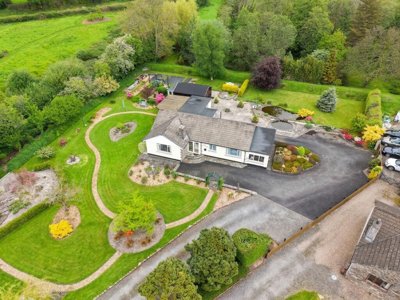
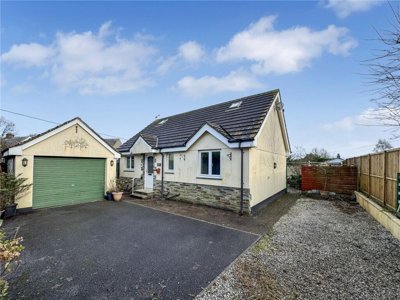
Browse 36 homes for sale in PL16 from local estate agents.
Three bedroom properties represent a significant portion of the PL16 housing market, offering space for families with multiple reception rooms and gardens in many cases. Browse detached, semi-detached, and terraced options ranging from period character homes to contemporary developments.
£265k
8
0
159
Source: home.co.uk
Showing 8 results for 3 Bedroom Houses for sale in PL16. The median asking price is £264,975.
Source: home.co.uk
Semi-Detached
4 listings
Avg £263,725
Detached
2 listings
Avg £432,500
Terraced
2 listings
Avg £175,000
Source: home.co.uk
Source: home.co.uk
Across PL16, the housing stock is varied, and prices reflect that mix as much as the area's long architectural history and newer development. Detached homes sit at the top of the market with an average price of £473,742, typically drawing families and buyers after more space, larger plots and a rural feel. Semi-detached properties come in at £276,656 on average and often look good value beside comparable homes in Cornish coastal towns, where prices can run far higher. Terraced houses average £175,000, making them the most accessible way into the local market, while flats at £333,985 on average suit first-time buyers and anyone wanting a lower-maintenance option.
In the last twelve months, PL16 values have edged down by minus 3.3%. That mirrors the wider national picture and may open the door for buyers who had previously been priced out. It follows a long spell of steady growth, much of it driven by people moving from larger cities and coastal areas. The housing stock itself is fairly evenly spread, with detached homes making up 35%, semi-detached properties 30%, terraced houses 25%, and flats the remaining 10%. That balance gives buyers with different budgets and priorities a decent spread of choice across the postcode.
Buyers looking through PL16 listings will see homes from several clear building periods rather than one dominant type. Roughly 30% of the stock dates from before 1919, with the traditional Cornish stone construction, sash windows and period fireplaces that often come with it. Homes from 1919-1945 make up a further 15%, and these regularly show Arts and Crafts influence alongside solid construction. Another 30% was built between 1945-1980, covering both council-built estates and private schemes that pushed Liskeard's suburbs outward. The final 25% is more recent, including contemporary developments and custom builds that have broadened the choice available locally.
We keep a close watch on the PL16 market so our users can judge current conditions properly. At present, buyers may find a bit more room to negotiate, especially where a property has been listed for several weeks and a vendor is keen to move. Character homes near Liskeard town centre still tend to hold attention, particularly around Lake Lane, Hatton Lane, and the conservation area near the old town hall, where walkability and period appeal remain strong draws.

Liskeard sits at the centre of PL16 and gives the area a practical, lived-in feel rather than a purely scenic one. Around 10,000 residents live across roughly 4,500 households, which keeps the community manageable in scale without leaving it short of services. The town functions as an important market hub for rural east Cornwall, with healthcare provision, supermarkets, independent shops, and a twice-weekly market that has been trading since the Middle Ages. Beyond the town, there is rolling farmland, Bodmin Moor rising to the north, and the beaches around Looe and the south coast within a 30-minute drive.
Agriculture, tourism and core services underpin much of the local economy, with healthcare and education playing a big part too. Major employers include the local hospital, schools and retail businesses. There is also a growing base of remote workers who have realised the area works well for home working, helped by solid broadband infrastructure and the flexibility that Cornwall's lifestyle can offer. Cultural life is not thin on the ground either, with festivals, community groups and straightforward access to arts venues in Plymouth, just over the border in Devon.
For anyone who likes being outdoors, PL16 has plenty going for it. Bodmin Moor is close at hand, with its heather-covered slopes and ancient antiquities, and the wider trail network supports both walking and cycling. The Cheesewring and Minions area gives some of the best wide views across south-east Cornwall. On the coast, Looe, Downderry and Seaton are easy enough for beach days, while the surfing beaches near Bude on the north coast are also within reach. That mix of moorland and coastline, both accessible in a reasonable drive, is something many buyers from inland areas notice straight away.
The local population is a steady mix of families, working households and retirees, which helps the area feel balanced rather than dominated by one group. People tend to know their neighbours, and community events are generally well supported. Thursdays and Saturdays still revolve in part around the weekly market, while the annual Liskeard Show and the carnival bring people together at other points in the year. In the smaller settlements across the postcode, pubs, churches and community halls still matter, and often more than newcomers expect.

PL16 works well for families because schooling runs from primary years through to further education. Liskeard School and Community College is the main secondary school serving the postcode, with a broad curriculum and a range of extracurricular activities that add something beyond classroom study. It is the principal secondary option for pupils living in PL16 and the nearby villages, and public transport links help connect outlying places such as Stoke Climsland, Callington, and communities along the A388 corridor.
Primary provision is spread across the area, with village schools serving their immediate communities and the largest concentration in Liskeard itself. Upton Cross Academy, St. Cleer's Primary School, and the infant and junior schools linked with Liskeard School make up the core options in town. Dobwalls, Stoke Climsland, and Menheniot each have village primaries, often valued for smaller class sizes and strong local ties. For families focusing on a particular school, catchment matters, so we always suggest checking the latest boundaries with Cornwall Council's admissions team before a search is narrowed down.
Some families will also want to look beyond the standard route. In PL16, several primary schools provide a strong start for younger children, and Cornwall's expanding academy network adds more choice at secondary level. For post-16 study, Cornwall College operates campuses across the county with vocational and academic courses, and the nearest substantial provision is in Camborne or St. Austell. Liskeard School also offers sixth form places and has put money into recent facilities upgrades to support students staying local. Combined with house prices that remain relatively accessible, that school picture is one reason PL16 stands out to families relocating from pricier areas where access to good state education often means paying a premium to get into a catchment.

Rail links are one of the practical strengths of the area. Liskeard railway station is on the main Plymouth to Penzance line, with regular trains reaching Plymouth in approximately 35 minutes and onward journeys to London Paddington in around 3 hours. That makes PL16 workable for people who only need occasional trips to the capital or another major city, while living day to day in a more rural part of Cornwall. The station also connects with the Liskeard and Looe Valley branch line for trips down to the south coast at Looe.
By road, PL16 is well placed for east-west travel. The nearby A38 Devon Expressway gives a direct run to Plymouth and then on to the wider motorway network through the M5, while the A390 links west towards Truro and north-coast access via Wadebridge. Most day-to-day journeys are still made by car, although local bus services linking villages back into Liskeard have improved. The area also suits remote working more than it once did, with many residents effectively commuting from home and making the most of a quieter setting paired with strong digital connectivity.
Liskeard itself has seen parking improve, and the new deck car park near the town centre has made access easier for residents using central shops and services. In the outlying villages, the picture is different. Buyers considering places such as Stoke Climsland, Hen, or communities around Tideford should take a close look at bus timetables and school transport, because services to smaller settlements are often less frequent than those in town. We always advise building these travel details into a property search, especially where regular commuting or school runs will shape daily life.

Before viewings start, we recommend having an agreement in principle from a mortgage broker or bank. Sellers generally take offers more seriously when finance is already lined up, and that matters in a market where the best homes can still draw multiple interest. In PL16, buyers will find products from high street banks, building societies, and specialist rural mortgage providers with a better grasp of local market conditions.
It helps to get clear on the layout of PL16 before shortlisting anything. We suggest reviewing current listings on Homemove and getting familiar with the villages and neighbourhoods across the postcode, then weighing up schools, travel needs and the feel of each area. The range is broad, from town-centre terraces to rural farmhouses, so a firm sense of priorities makes the search much easier to narrow. We also encourage buyers to drive around the area and see which locations actually feel right on the ground.
Once a property looks promising, we suggest arranging viewings through the estate agents advertising on Homemove. During those visits, it is worth paying close attention to the construction details mentioned in our area guide, especially traditional Cornish stone and slate elements that turn up in many older homes. We would also ask about the property's age, any recent renovation work, and why the current owner is selling. A second viewing at a different time of day can tell us a lot as well, particularly about noise levels, natural light, and how parking works in the evenings and at weekends.
Before moving ahead with a purchase, we advise instructing a qualified surveyor for a RICS Level 2 survey. Around 75% of properties in PL16 were built before 1980, so a professional inspection is important for spotting the issues that come up repeatedly here, including damp, timber defects, slate roof condition, and possible subsidence linked to clay soils. Our inspectors survey homes across PL16 regularly and know the local construction methods well. Costs are usually in the £400 to £700 range, depending on the size of the property.
After an offer is accepted, the next step is appointing a solicitor to deal with the legal side. The conveyancer will carry out the usual searches, including local authority checks, environmental searches for flood risk or contamination, and mining searches because of Cornwall's historic mining background. They also handle exchange and completion. If needed, we can put buyers in touch with conveyancing specialists who already know PL16 property issues.
Your solicitor then works with the seller's legal team through to exchange of contracts, which is the point where the sale becomes legally binding. Completion often follows within a few weeks. After that, the keys are released and the move into a new PL16 home can begin. Ownership should be registered with the Land Registry, and utility providers need to be told about the change of address.
Buying in PL16 means paying attention to a few local points that do not crop up everywhere. Much of the postcode sits over clay soils formed from Devonian slate and sandstone, and that geology can create shrink-swell risk affecting foundations. During viewings, we suggest looking carefully for movement, such as wall cracks, sticking doors, doors that do not close properly, or uneven floors. Our inspectors pick up foundation-related concerns regularly in PL16 surveys, especially in older buildings where the original foundations were not designed with modern loading in mind.
Traditional construction is a major part of the PL16 housing stock, and it needs to be assessed properly during a purchase. Many older homes have solid stone walls, sometimes under render, along with slate roofs that need regular maintenance. Lead flashings around chimneys and other roof penetrations can fail with age and lead to water ingress and damp. We recommend asking vendors how old the roof covering is, when re-pointing was last done, and whether the render remains sound. Homes with original single-glazed windows may benefit from double-glazing for better energy performance, and older electrical systems can require rewiring to meet current standards.
Flood risk is not the first thing most buyers associate with PL16, but it does matter in some locations. Properties close to the River Fowey and River Lynher tributaries deserve extra attention, and although the postcode is inland without coastal flood risk, heavy rainfall can still bring surface water flooding depending on the topography and drainage. We suggest checking the property's flood history with the vendor, asking whether any flood defences or drainage improvements have been carried out, and reviewing the environmental search results carefully. Homes in or near the Liskeard Conservation Area may also come with extra planning controls affecting alterations or extensions, so Cornwall Council's planning portal is worth checking before committing.
Within Liskeard town centre's conservation area, special rules and maintenance considerations apply. This area covers historic Market Street, Duke Street, and the surroundings of St. Martin's Church, where Georgian and Victorian buildings with original features are common. Work to these homes can call for specialist repair methods, and alterations may need listed building consent. Any extension or modification also has to respect the historic character of the property. Our survey team has experience with period homes in conservation areas and can explain what identified defects or maintenance issues may mean in practice.

The current average house price across PL16 is £285,000, based on recent market data. Beneath that headline figure, there is a wide spread by property type, with detached homes averaging £473,742, semi-detached properties £276,656, terraced houses around £175,000, and flats £333,985. Over the last twelve months, the market has seen a modest 3.3% adjustment in prices, which has given some buyers a better opening than before. That shift has been especially visible among terraced homes, where some well-presented properties are now coming in below £200,000.
For council tax, PL16 properties come under Cornwall Council. Bands run from A to H, and in broad terms most terraced homes and smaller semi-detached properties sit in bands A to C, while larger detached houses and period homes are more often found higher up the scale. The exact band for any address can be checked through the Valuation Office Agency website. Homes in conservation areas, or properties with substantial land, can also end up in higher bands depending on the assessed value.
Schooling is one of the area's practical strengths. PL16 has options from primary through to secondary level, with Liskeard School and Community College acting as the main secondary school for the postcode. Primary places are spread between village schools and the larger schools in Liskeard, including St. Cleer's Primary School and Upton Cross Academy. Standards are generally solid by Cornwall measures, although catchment remains an important point for families with a specific preference. For private education, there are also independent options in Devon and Cornwall, with Mount House in Tavistock and Plymouth Grammar School among the nearest.
PL16 is reasonably well connected, and Liskeard railway station is central to that. Trains run directly to Plymouth in around 35 minutes, with onward connections reaching London Paddington in approximately 3 hours. Local bus services also connect from the station area to villages across the postcode, including Callington, Stoke Climsland, and communities along the A388. In daily life, most people still depend on private vehicles because many settlements are rural, but the rail service makes occasional trips to larger cities entirely practical for those with flexible working patterns. There is also the branch line from Liskeard to Looe, which remains one of the more scenic local routes.
PL16 can appeal to investors for a few straightforward reasons. Prices are still lower here than in many parts of Cornwall and the wider south-west, so buyers may find better value than in coastal markets such as St Ives or Newquay. Rental demand is supported in part by the tourism economy, especially for homes with access to Bodmin Moor or the south coast beaches at Looe and Seaton. Demand from professionals has also grown as remote working has become more common. Even so, we would still look closely at likely void periods, maintenance bills on older Cornish stone properties, and the local rental picture before committing to an investment purchase.
Stamp duty land tax on residential purchases in England is charged at nothing on the first £250,000, then 5% on the portion from £250,001 to £925,000, 10% on the portion from £925,001 to £1.5 million, and 12% on anything above £1.5 million. First-time buyers get relief on the first £425,000, with 5% charged between £425,001 and £625,000. Using the PL16 average price of £333,985, a typical non-first-time buyer would pay £2,000 in stamp duty, calculated on the £40,000 above the threshold. A first-time buyer purchasing up to £425,000 would pay no stamp duty at all.
Because around 75% of PL16 homes were built before 1980, certain defects come up again and again. Damp is common in its different forms, including rising, penetrating, and condensation-related problems. Timber decay, rot, woodworm, ageing slate roofing materials, and foundation movement linked to clay soil conditions also feature regularly. Our inspectors often report issues with solid wall insulation in older houses, older electrical installations that fall short of current standards, and drainage systems that need work. In former mining areas, there can be separate concerns over ground stability as well. For that reason, we strongly advise arranging a RICS Level 2 survey before completion.
PL16 is not one of the main mining districts in the way parts of West Cornwall are, but the wider region does have a history of tin and copper extraction. Some locations, especially near Stoke Climsland and the northern parts of the postcode, may be more influenced by that legacy, although the level of risk varies greatly from one site to another. We regard a mining search through a solicitor as essential for any PL16 purchase, because old workings can affect both ground stability and foundations. Where a property falls within a mining risk area, a specialist structural assessment may be needed before a lender will issue mortgage approval.
Getting the budget right means looking beyond the agreed purchase price. In PL16, buyers need to allow for mortgage costs, stamp duty land tax, solicitor fees, survey charges and a run of smaller expenses that can still add several thousand pounds overall. On a typical property at around the average PL16 price of £333,985, a non-first-time buyer would pay £2,000 in stamp duty on the amount above the £250,000 threshold. First-time buyers purchasing up to £425,000 pay nothing in stamp duty, which can free up funds for other buying costs or early improvements.
Legal costs are another line in the budget that should be pinned down early. Conveyancing fees for PL16 purchases usually range from £500 to £1,500, depending on how complex the transaction is and whether the property is freehold or leasehold. On top of that come the searches, with local authority searches typically £200-300, plus environmental searches for flood risk and contamination, and mining searches because of Cornwall's historic mining activity. These checks are important for understanding the risks tied to the exact location. Solicitors will also add Land Registry registration charges and bank transfer fees, which commonly total £150-250.
For a RICS Level 2 HomeBuyer Report in PL16, survey fees generally fall between £400 and £700, with larger detached houses tending towards the upper end. A lot of homes here are more than 50 years old and built using traditional methods, so paying for a proper survey is often money well spent. It can reveal defects that would not be obvious during a viewing, and that can either prevent an expensive mistake or support a renegotiation on price. We work with qualified RICS surveyors who know PL16 well and can assess the local housing stock in detail.
Moving costs need to be part of the plan as well. Removal charges, utility connection fees at the new address, and the cost of redirecting post or updating details with banks, employers and government bodies can all add up. Buildings insurance should be in place from exchange, and contents insurance can start from completion. For first-time buyers coming from rented accommodation, there may also be spending on furniture and white goods. We find that getting quotes from several providers and setting out all of these costs in advance makes completion much smoother and reduces the risk of last-minute financial pressure.

From £400
Full structural survey for PL16 properties. Ideal for older homes with traditional construction.
From £600
Comprehensive building survey for complex or period properties in PL16.
From £499
Expert legal services for PL16 property purchases including mining searches.
From 4.5% APR
Access to exclusive deals for PL16 property buyers.
Properties for Sale In London

Properties for Sale In Plymouth

Properties for Sale In Liverpool

Properties for Sale In Glasgow

Properties for Sale In Sheffield

Properties for Sale In Edinburgh

Properties for Sale In Coventry

Properties for Sale In Bradford

Properties for Sale In Manchester

Properties for Sale In Birmingham

Properties for Sale In Bristol

Properties for Sale In Oxford

Properties for Sale In Leicester

Properties for Sale In Newcastle

Properties for Sale In Leeds

Properties for Sale In Southampton

Properties for Sale In Cardiff

Properties for Sale In Nottingham

Properties for Sale In Norwich

Properties for Sale In Brighton

Properties for Sale In Derby

Properties for Sale In Portsmouth

Properties for Sale In Northampton

Properties for Sale In Milton Keynes

Properties for Sale In Bournemouth

Properties for Sale In Bolton

Properties for Sale In Swansea

Properties for Sale In Swindon

Properties for Sale In Peterborough

Properties for Sale In Wolverhampton

Enter your details to see if this property is within your budget.
Loans, cards, car finance
Estimated property budget
Borrowing + deposit
You could borrow between
Typical borrowing
Monthly repayment
Est. at 4.5%
Loan-to-value
This is an estimate only. Your actual budget may vary depending on interest rates, credit history, and personal circumstances. For an accurate affordability assessment, speak to one of our free mortgage advisors.
This calculator provides estimates for illustrative purposes only and does not constitute financial advice. Your home may be repossessed if you do not keep up repayments on your mortgage. Estimates based on 4.5% interest rate, repayment mortgage. Actual rates depend on your circumstances.
Homemove is a trading name of HM Haus Group Ltd (Company No. 13873779, registered in England & Wales). Homemove Mortgages Ltd (Company No. 15947693) is an Appointed Representative of TMG Direct Limited, trading as TMG Mortgage Network, which is authorised and regulated by the Financial Conduct Authority (FRN 786245). Homemove Mortgages Ltd is entered on the FCA Register as an Appointed Representative (FRN 1022429). You can check registrations at NewRegister or by calling 0800 111 6768.