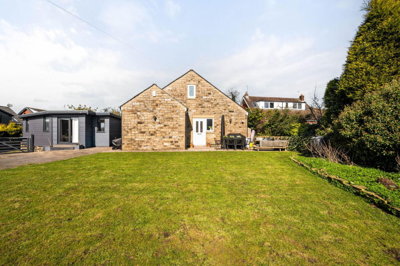
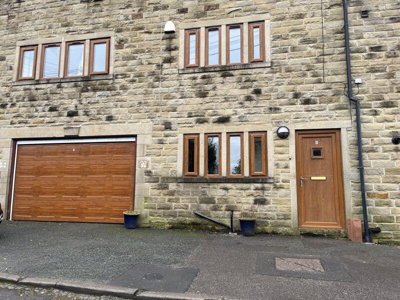
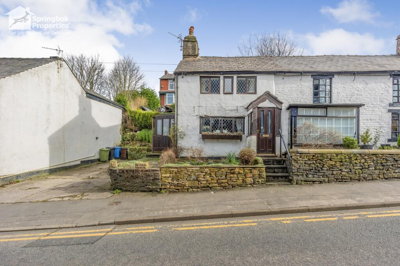
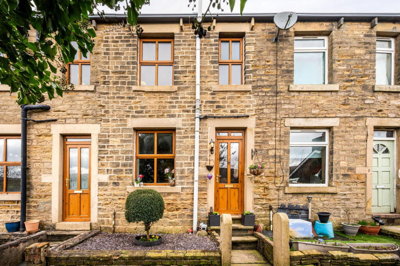
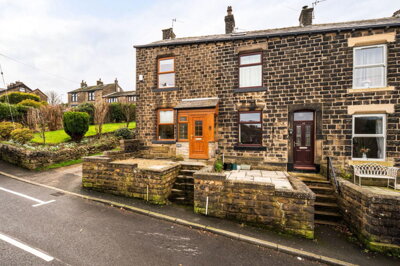
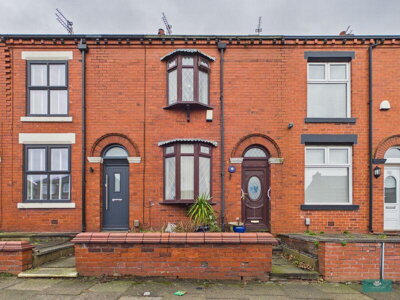
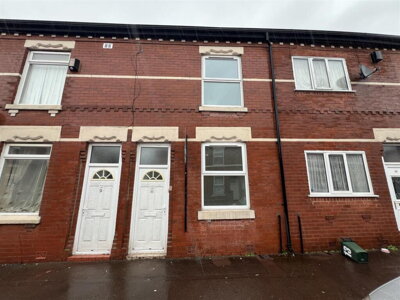
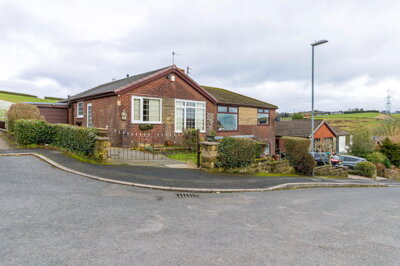
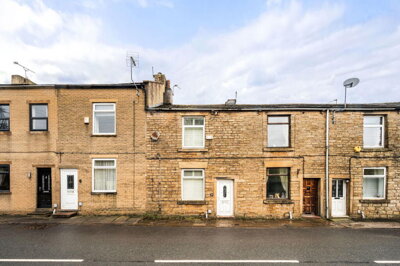
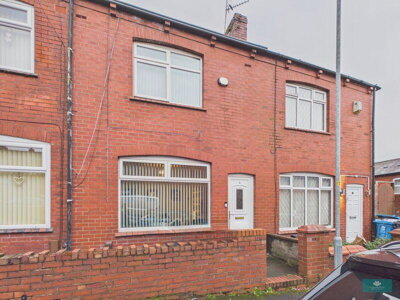
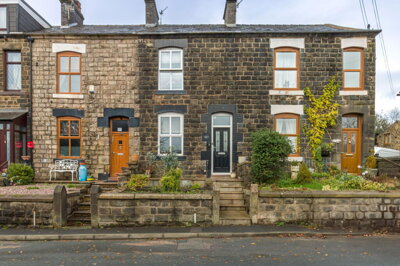
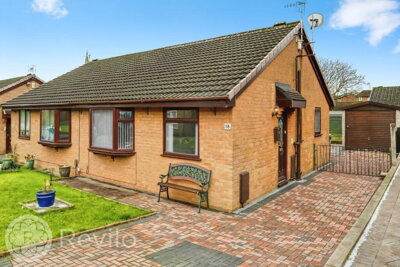
Browse 810 homes for sale in Oldham, Greater Manchester from local estate agents.
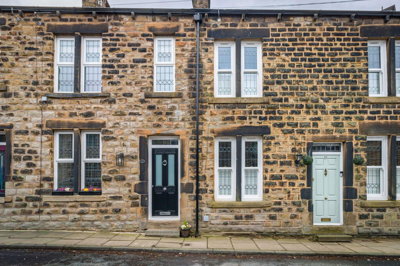
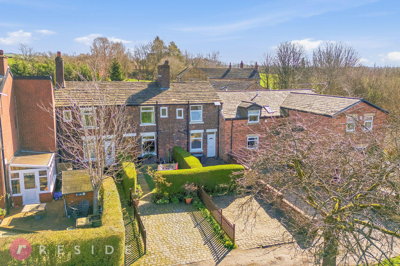
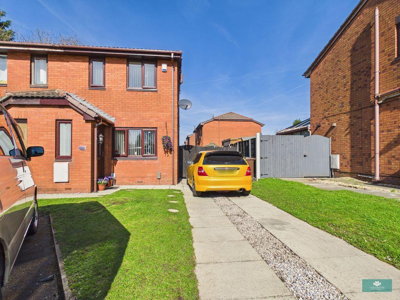
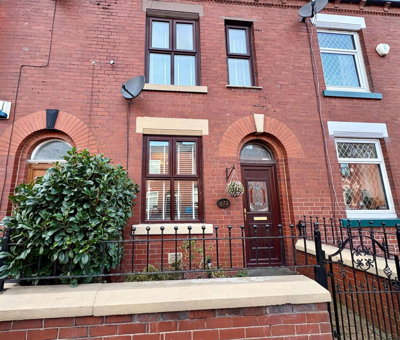
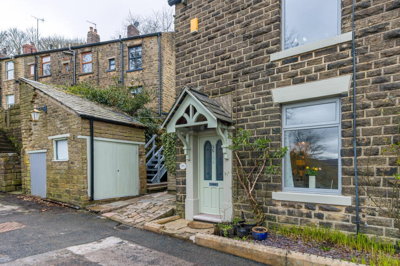
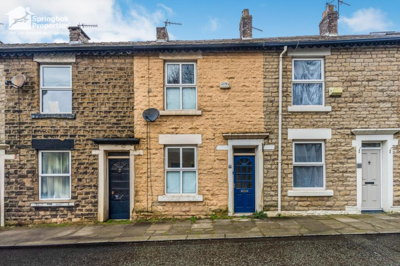
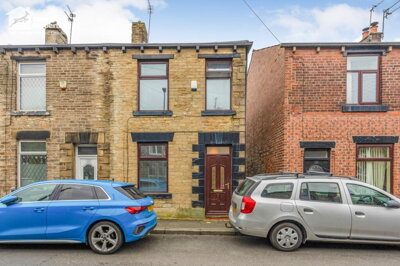
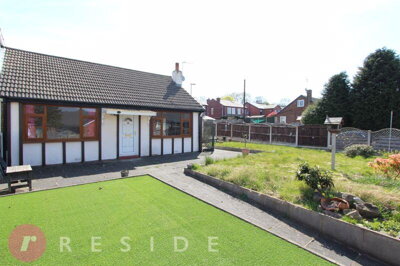
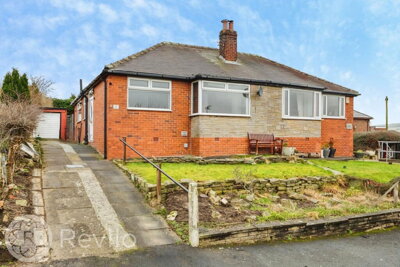
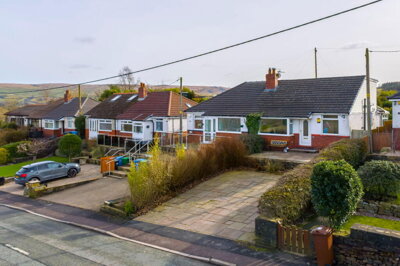
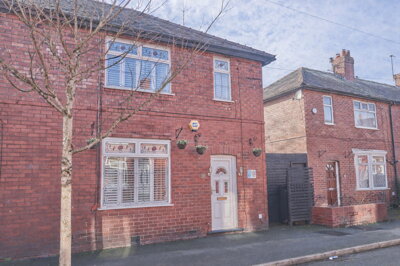
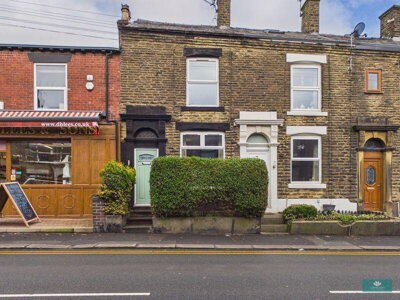
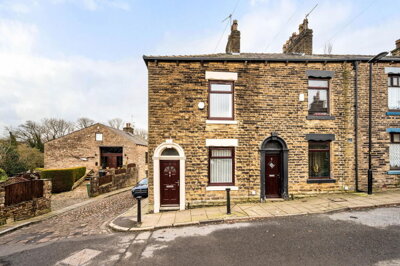
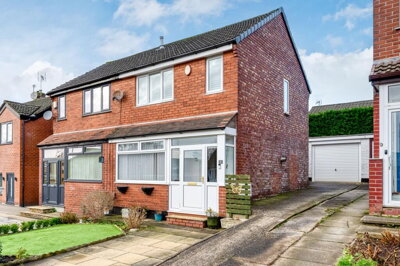
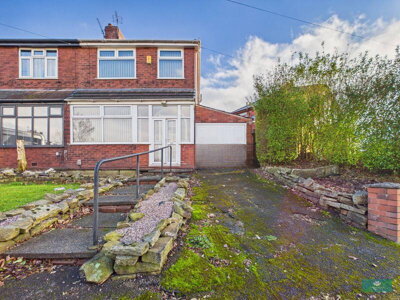
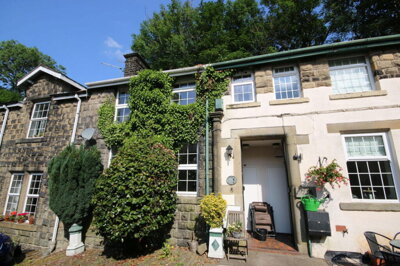
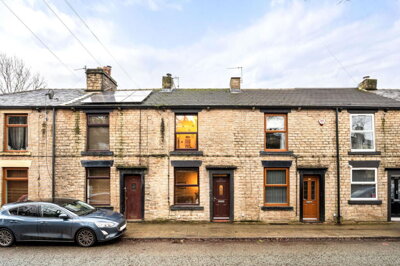
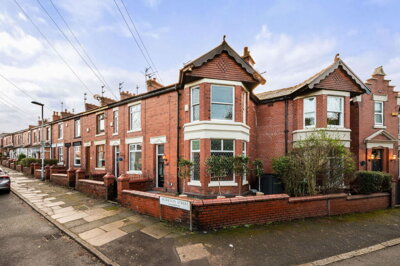
The 2 bed house market features detached, semi-detached, and terraced properties with two separate bedrooms plus living spaces. Properties in Oldham range from Victorian and Edwardian period homes to modern new builds, with pricing varying across different neighbourhoods.
£180k
110
13
81
Source: home.co.uk
Showing 110 results for 2 Bedroom Houses for sale in Oldham, Greater Manchester. 13 new listings added this week. The median asking price is £179,975.
Source: home.co.uk
Terraced
71 listings
Avg £178,929
Semi-Detached
36 listings
Avg £205,967
Detached
3 listings
Avg £323,333
Source: home.co.uk
Source: home.co.uk
The Oldham property market has demonstrated steady growth, with average house prices increasing by 8.4% in the year to December 2025 according to ONS data. This performance places Oldham among the stronger-performing boroughs in Greater Manchester, reflecting growing buyer interest in the area. Property Market Intel records 4,717 property sales in Oldham over the past twelve months, while Plumplot indicates approximately 4,700 transactions in the Oldham postcode area. Both sources note a decline of around 16% in sales volume compared to the previous year, suggesting market activity is moderating after a particularly busy period. Despite this moderation, prices have continued their upward trajectory, demonstrating underlying demand for Oldham property.
Property types in Oldham reflect its industrial heritage and modern development patterns. Terraced homes dominate sales volume at 49.6%, making them the most common purchase in the area, with average prices around £181,000 according to ONS data. Semi-detached properties account for 29.1% of sales and command an average price of approximately £243,000, while detached homes at 15.8% of sales reach around £376,000. Flats and maisonettes represent just 5.5% of transactions, averaging £131,000, which makes Oldham one of the more affordable boroughs in Greater Manchester for first-time buyers looking to enter the property market. The variety of property types available means buyers can find everything from compact starter homes to substantial family residences within the borough.
New build activity continues to shape the local market, with properties averaging £343,000 across 99 sales in the past year, representing a 10% price increase on new build values. Developments such as Radclycke Green offer 2, 3, and 4-bedroom homes from Keepmoat Homes, while Bellway's Southmere development provides family homes in the OL4 postcode. Taylor Wimpey's Highfield development in OL8 also contributes to buyer options, with most new properties sold in the £300,000 to £400,000 price range. The market currently shows good availability across all price ranges, from affordable terraced starter homes priced around £155,000 to £167,000 through to substantial detached family properties reaching £350,000 or more.

Oldham's character is shaped by its dramatic Pennine landscape and rich industrial history, creating a borough that balances heritage with modern living. The area features distinctive conservation villages including Uppermill, Dobcross, and Delph, where traditional stone buildings and cobbled streets reflect the region's textile industry past. Oldham town centre has undergone significant regeneration in recent years, with investment in retail, leisure, and cultural facilities creating improved amenities for residents. The Pennines rise dramatically to the east, offering immediate access to open countryside and outdoor recreation including hiking, cycling, and horse riding along the Saddleworth Moors.
The borough's housing stock tells the story of its development from a major textile centre to a modern residential area. Red brick Victorian terraces dominate many neighbourhoods, built to house mill workers during the industrial boom of the nineteenth century. These properties, many of which pre-date 1919, feature characteristic thick walls, high ceilings, and traditional construction methods including solid wall building techniques. Post-war expansion brought semi-detached and detached family homes to suburban areas like Shaw and Royton, creating quieter residential zones with larger gardens and more modern layouts. Modern developments throughout the borough offer contemporary designs with improved energy efficiency and open-plan living spaces that appeal to today's buyers.
Local amenities throughout Oldham cater to everyday needs, from traditional market halls to modern shopping centres. The Oldham town centre provides high street retailers and independent shops, while neighbourhood parades serve residential areas throughout the borough. Green spaces are abundant, with Alexandra Park offering formal gardens and recreational facilities close to the town centre, while the surrounding Pennine hills provide extensive moorland access. The borough's proximity to Saddleworth Moors and the Peak District National Park makes it an excellent base for outdoor enthusiasts who want countryside access without giving up urban conveniences. Community facilities including libraries, leisure centres, and sports clubs provide social activities for all ages, with the Royal Oldham Hospital serving as a major employer and healthcare facility for the wider area.

Oldham offers a comprehensive range of educational options for families considering the borough as their home. Primary schools in Oldham include several that have achieved good and outstanding Ofsted ratings, providing strong foundations for younger children. The local authority maintains numerous primary schools across both urban and rural areas of the borough, with catchment areas that parents should research carefully when purchasing property. Many primary schools in the conservation villages of Uppermill and Dobcross benefit from their picturesque settings and strong community connections, making them popular choices for families seeking that village atmosphere while remaining within easy reach of Oldham's amenities.
Secondary education in Oldham features a mix of community schools, academies, and faith schools serving diverse student needs. Several secondary schools in the borough have developed strong reputations for academic achievement and extracurricular programmes. Oldham Grammar School and Saddleworth School are among the options available to secondary-age students, with grammar school provision drawing students from across the wider area. Parents should note that secondary school admissions are determined by catchment areas and oversubscription criteria, making property location a significant factor for families with older children. School performance data is publicly available through government databases, allowing buyers to research options before committing to a purchase.
Further and higher education opportunities are accessible from Oldham, with colleges providing vocational and academic routes for post-16 students. The borough's proximity to Manchester means access to major universities including the University of Manchester, Manchester Metropolitan University, and Manchester Metropolitan University. Commuting to higher education institutions is straightforward given the excellent transport connections, making Oldham a practical base for students pursuing university programmes while living at home. The local college offers a wide range of A-level and vocational courses, providing alternatives to traditional academic routes and supporting the borough's young population with clear pathways into employment or further study.
Oldham benefits from excellent transport connections that make commuting to Manchester city centre straightforward and convenient. The Metrolink tram system provides direct services from Oldham town centre to Manchester Victoria and Manchester city centre, with journey times of approximately 30-40 minutes depending on the specific destination. This tram link has transformed Oldham's appeal for commuters who work in the city but want more affordable property prices and space for their money. Several Metrolink stops throughout the borough, including those serving the new build developments in OL8 and OL9, expand accessibility beyond the town centre to more residential areas.
Rail services from Oldham's stations offer additional commuting options to regional destinations. The Northern Rail network connects Oldham to Manchester and beyond, with regular services throughout the day. For those working further afield, the M60 orbital motorway encircles Greater Manchester, providing road connections to Leeds, Liverpool, Sheffield, and the national motorway network. The M62 is easily accessible for those travelling east towards West Yorkshire. Oldham's position on the eastern edge of Manchester gives convenient access to both the city centre and the Pennines, meaning residents can choose between urban employment and countryside recreation without long journeys.
Local bus services operated by Transport for Greater Manchester connect Oldham's neighbourhoods and provide connections to surrounding towns. Bus routes throughout the borough serve schools, shopping areas, and residential communities, providing essential access for those without cars. Cycling infrastructure has improved in recent years, with dedicated routes connecting key areas. However, parking in Oldham town centre and near Metrolink stops can be limited during peak times, so buyers who drive to work should research parking availability at their nearest tram stop. The combination of public transport options makes Oldham an increasingly attractive location for commuters seeking to reduce their travel costs while maintaining career opportunities in Manchester and beyond.
Obtain a mortgage agreement in principle before beginning your property search. This strengthens your position when making offers and demonstrates to estate agents that you are a serious buyer. Oldham's average property price of £213,000 means many buyers will need a mortgage, and getting financial approval early streamlines the buying process considerably. Several mortgage brokers operate in the Oldham area who understand local property values and can help first-time buyers navigate the application process.
Use Homemove to browse all available properties in Oldham and set up instant alerts for new listings. Research different neighbourhoods, from Victorian terraces in the town centre to modern homes in developments near the Metrolink stops. Understanding local price differences between areas like Uppermill, Shaw, Royton, and Oldham town centre helps you target properties that match your budget and priorities. The OL1, OL2, OL8, and OL9 postcodes each offer distinct property types and price points worth exploring.
Once you have identified suitable properties, arrange viewings through the estate agents listed on Homemove. View multiple properties to compare conditions and prices, and take notes on each property's advantages and drawbacks. Pay particular attention to the property's condition, potential maintenance issues, and the neighbourhood's character at different times of day. In conservation areas like Uppermill and Dobcross, also consider the planning restrictions that may affect future alterations.
Before completing your purchase on any older property, arrange a professional survey to assess the property's condition thoroughly. Given Oldham's significant stock of Victorian terraces and post-war properties built before modern standards, a survey is particularly valuable for identifying issues such as damp, roof problems, or potential subsidence related to the local clay geology and historical mining activity. The survey report provides detailed findings that can inform your purchase decision and any price negotiations.
Appoint a solicitor to handle the legal aspects of your purchase, including searches, contracts, and registration with the Land Registry. Your solicitor will liaise with the seller's representatives, arrange local searches including mining records where relevant given Oldham's coal mining history, and ensure all documentation is in order before completion.
Once all enquiries are resolved and mortgage offers are in place, you will exchange contracts and pay your deposit. Completion typically follows within days or weeks, depending on your agreed timeline. On completion day, you receive the keys to your new Oldham home and can begin moving in and making the property your own.
Buying property in Oldham requires awareness of several local factors that can affect your investment and quality of life. Oldham's geology on the western Pennines means underlying clay deposits are present throughout the borough, which can cause shrink-swell movement in soil and potentially affect foundations. This clay-rich geology, combined with Carboniferous rock formations including sandstones and shales, means buyers should understand the potential for foundation movement, particularly during periods of drought or heavy rainfall. Properties in areas with historical coal mining activity require additional investigation, and buyers should consider requesting a mining report from the Coal Authority to check for any past subsidence issues or mine workings that could impact the property.
Flood risk varies across Oldham, with areas near the River Medlock and its tributaries facing potential fluvial flooding during heavy rainfall. Surface water flooding can also occur in urbanised areas with extensive paving, so prospective buyers should check Environment Agency flood maps for specific locations. Properties in conservation areas such as Uppermill, Dobcross, and Delph are subject to stricter planning controls that affect what renovations and extensions are permitted, which is important to understand before purchasing a period property in these villages. These restrictions protect the character of traditional stone buildings but may limit your ability to make significant alterations.
The age of Oldham's housing stock means that many properties will have features requiring attention or updating. Victorian terraces commonly have solid walls rather than cavity wall insulation, original single-glazed windows, and older electrical and plumbing systems that may need upgrading. Properties built before modern wiring standards may require rewireing, and those with original plumbing may need new pipework to meet current regulations and ensure reliable water pressure. Buyers should budget for potential improvement costs when calculating their total purchase and renovation budget. Service charges and ground rent on leasehold properties, particularly flats, should be checked carefully as these ongoing costs can vary significantly between developments and affect overall affordability.
The average house price in Oldham currently sits between £213,000 and £218,000 according to the latest data from ONS and major property portals. Detached properties average around £376,000, semi-detached homes reach approximately £243,000, terraced properties cost around £181,000, and flats average £131,000. Prices have increased by approximately 8.4% over the past year according to ONS figures, showing continued growth in the local market despite some moderation in sales volumes. Zoopla records slightly lower figures for some property types, with terraced homes around £155,000 and semi-detached properties approximately £230,000, while Rightmove shows terraced averages at £167,647 and detached at £359,124.
Council tax bands in Oldham are set by Oldham Metropolitan Borough Council and follow the standard England banding system from A to H. Most terraced properties fall into bands A through C, while semi-detached homes typically occupy bands B to D. Larger detached properties and executive homes often attract higher bands up to H. Prospective buyers should check the specific band with Oldham Council or use online council tax search tools when considering a particular property, as the band affects both monthly costs and overall affordability calculations.
Oldham offers good primary and secondary educational options, with several schools achieving good and outstanding Ofsted ratings. Primary schools in areas like Uppermill and Dobcross are particularly well-regarded for their community connections and village setting, while Saddleworth School serves secondary students from the rural north of the borough. Oldham Grammar School provides an academic selective option that draws students from across the wider area. Parents should research individual school performance data, admission policies, and catchment areas, as school quality and accessibility can significantly influence property values and suitability for families with children.
Oldham benefits from excellent public transport links, primarily through the Metrolink tram system which provides direct services to Manchester city centre in approximately 30-40 minutes. The Metrolink stops throughout the borough, including those serving OL8 and OL9 postcodes where many new developments are located, make tram travel accessible from various neighbourhoods. Rail services connect the area to Manchester and the wider Northern Rail network, while extensive bus services operated by Transport for Greater Manchester serve local neighbourhoods and surrounding towns. The M60 orbital motorway provides road connections to Leeds, Liverpool, and the national motorway network, making Oldham an accessible location for commuters working across the region.
Oldham presents attractive investment potential due to its more affordable property prices compared to central Manchester, combined with strong commuter links and ongoing regeneration in the town centre. The 8.4% annual price increase demonstrates sustained demand, while rental yields are supported by commuter tenants and local families seeking more affordable accommodation. Regeneration projects continue to improve the area's appeal, suggesting continued capital growth potential for property investors. The prevalence of terraced properties at around £181,000 provides accessible entry points for investors, while the borough's mix of housing types from Victorian terraces to modern new builds offers options across different investment strategies.
Stamp Duty Land Tax applies to all property purchases in England, including Oldham. For standard buyers purchasing a property at the Oldham average price of £213,000, no SDLT would be due as this falls within the zero-rate threshold up to £250,000. This represents significant savings compared to purchasing in central Manchester, where higher property prices would trigger SDLT liability. First-time buyers benefit from the increased SDLT relief available on properties up to £625,000. For a terraced property at £181,000, no SDLT would be due, while a semi-detached home at £243,000 would also fall entirely within the zero-rate band.
Oldham comprises several distinct neighbourhoods offering different property types and atmospheres. The town centre features Victorian terraces and modern apartments, while Uppermill and Dobcross provide characterful stone properties in conservation areas with excellent village amenities. Shaw and Royton offer suburban family homes including semi-detached and detached properties from the post-war period. The OL8 and OL9 postcodes include newer developments with modern family homes, while the OL4 area serves properties around the Saddleworth villages. Each area has its own price profile, with conservation villages typically commanding premiums over town centre equivalents.
Property buyers in Oldham should be aware of several local factors. The historical coal mining legacy means some areas may require a Coal Authority mining report to check for past subsidence or mine workings. The clay-rich geology throughout the borough can cause foundation movement, so surveys on older properties are particularly valuable. Properties near the River Medlock and its tributaries face potential flood risk during heavy rainfall. Conservation areas including Uppermill, Dobcross, and Delph have planning restrictions affecting alterations and extensions. Many Victorian properties will have solid walls without cavity insulation, original windows, and older electrical systems requiring potential upgrading.
From 4.5%
Compare mortgage deals and find the best rate for your Oldham purchase
From £499
Expert solicitors to handle your Oldham property purchase
From £350
Professional survey for your Oldham property
From £80
Energy performance certificate for your property
Understanding the total costs of buying property in Oldham helps you budget accurately and avoid unexpected expenses. Stamp Duty Land Tax (SDLT) is calculated based on your purchase price and buyer status. For standard buyers purchasing a property at the Oldham average price of £213,000, no SDLT would be due as this falls within the zero-rate threshold up to £250,000. This represents significant savings compared to purchasing in central Manchester, where higher property prices would trigger SDLT liability. The average property price in Oldham falling below the SDLT threshold makes the borough particularly attractive for buyers seeking to minimise upfront purchase costs.
First-time buyers in Oldham benefit from the increased SDLT relief available on properties up to £625,000. For a terraced property at £181,000, no SDLT would be due, while a semi-detached home at £243,000 would also fall entirely within the zero-rate band. Higher-value purchases above £425,000 would incur 5% SDLT on the portion between £425,001 and £625,000, though relief does not apply above £625,000. Land and Buildings Transaction Tax applies in Scotland and Wales, so England rates as quoted apply specifically to Oldham. Given that most properties in Oldham fall below the standard SDLT threshold, many buyers will not face this cost at all.
Beyond stamp duty, buyers should budget for solicitor fees typically ranging from £500 to £1,500 depending on complexity, mortgage arrangement fees of £0 to £2,000 depending on the deal chosen, and valuation fees around £200 to £500. Survey costs for a professional property survey typically start from £350 for smaller properties, rising with property value and size. Removal costs, mortgage booking fees, and potential renovation budget should also be factored into your total moving costs when purchasing in Oldham. For older Victorian properties, additional costs for electrical rewiring, plumbing updates, or damp remediation may be necessary, so setting aside a contingency fund of around 10% of the purchase price for older properties is prudent.
Properties for Sale In London

Properties for Sale In Plymouth

Properties for Sale In Liverpool

Properties for Sale In Glasgow

Properties for Sale In Sheffield

Properties for Sale In Edinburgh

Properties for Sale In Coventry

Properties for Sale In Bradford

Properties for Sale In Manchester

Properties for Sale In Birmingham

Properties for Sale In Bristol

Properties for Sale In Oxford

Properties for Sale In Leicester

Properties for Sale In Newcastle

Properties for Sale In Leeds

Properties for Sale In Southampton

Properties for Sale In Cardiff

Properties for Sale In Nottingham

Properties for Sale In Norwich

Properties for Sale In Brighton

Properties for Sale In Derby

Properties for Sale In Portsmouth

Properties for Sale In Northampton

Properties for Sale In Milton Keynes

Properties for Sale In Bournemouth

Properties for Sale In Bolton

Properties for Sale In Swansea

Properties for Sale In Swindon

Properties for Sale In Peterborough

Properties for Sale In Wolverhampton

Enter your details to see if this property is within your budget.
Loans, cards, car finance
Estimated property budget
Borrowing + deposit
You could borrow between
Typical borrowing
Monthly repayment
Est. at 4.5%
Loan-to-value
This is an estimate only. Your actual budget may vary depending on interest rates, credit history, and personal circumstances. For an accurate affordability assessment, speak to one of our free mortgage advisors.
This calculator provides estimates for illustrative purposes only and does not constitute financial advice. Your home may be repossessed if you do not keep up repayments on your mortgage. Estimates based on 4.5% interest rate, repayment mortgage. Actual rates depend on your circumstances.
Homemove is a trading name of HM Haus Group Ltd (Company No. 13873779, registered in England & Wales). Homemove Mortgages Ltd (Company No. 15947693) is an Appointed Representative of TMG Direct Limited, trading as TMG Mortgage Network, which is authorised and regulated by the Financial Conduct Authority (FRN 786245). Homemove Mortgages Ltd is entered on the FCA Register as an Appointed Representative (FRN 1022429). You can check registrations at NewRegister or by calling 0800 111 6768.

We use cookies to show you personalised content and improve your experience of our website. Find out more in our Privacy policy and Cookie policy.