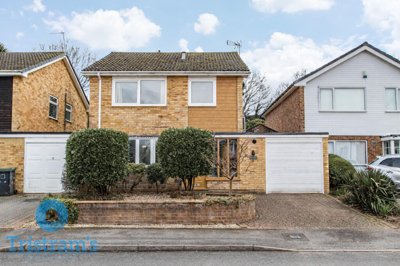
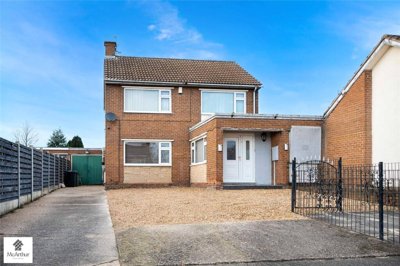
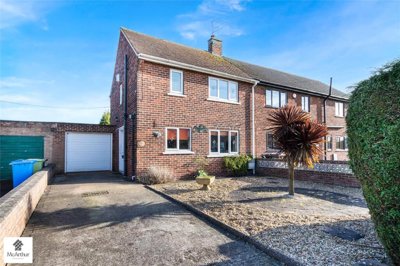
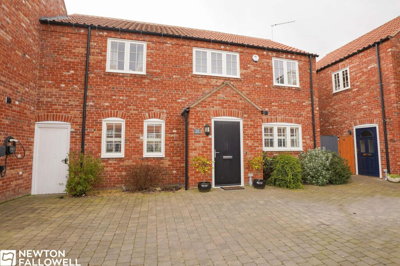
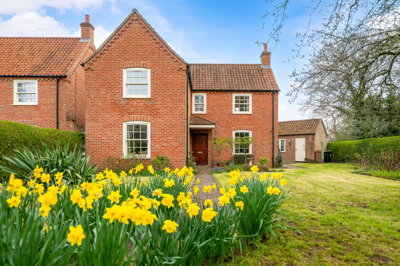
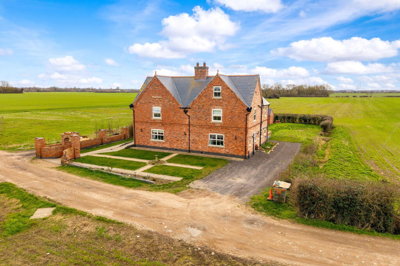
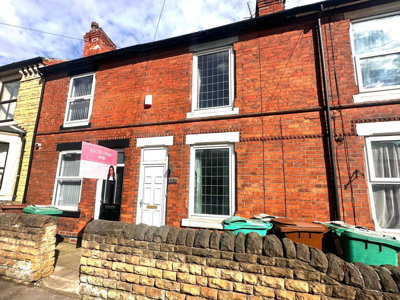
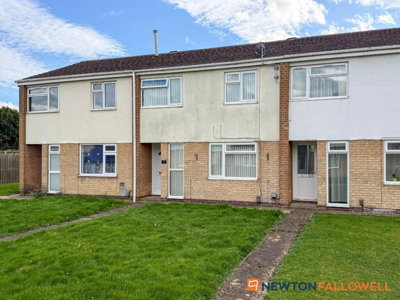
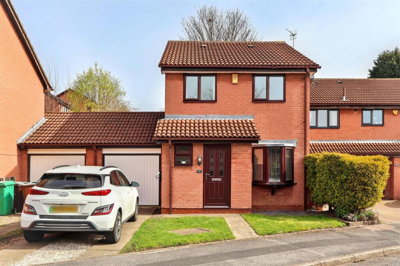
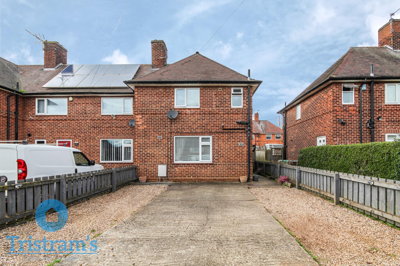
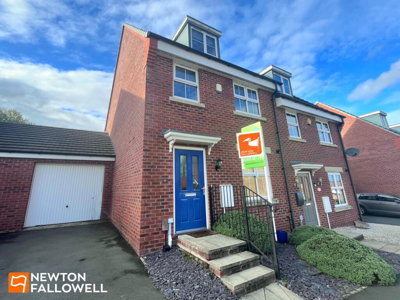
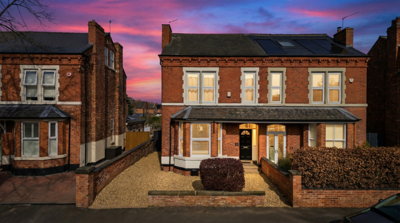
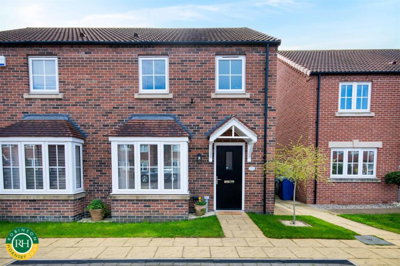
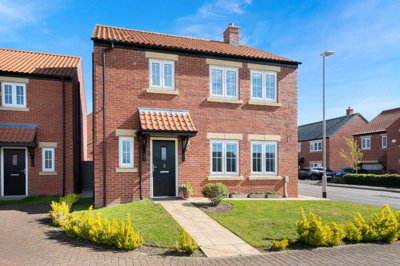
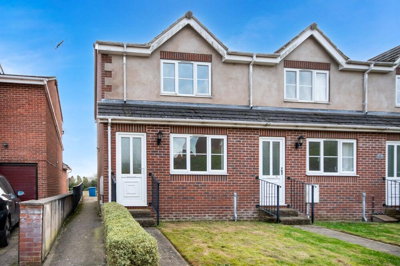
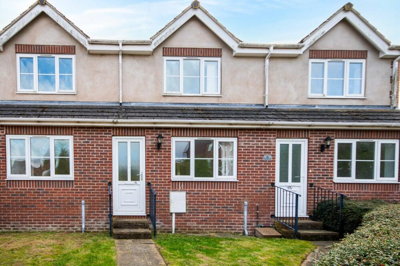
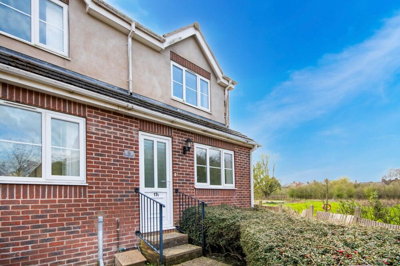
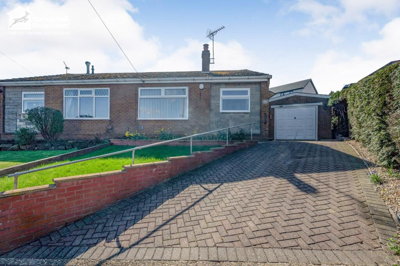
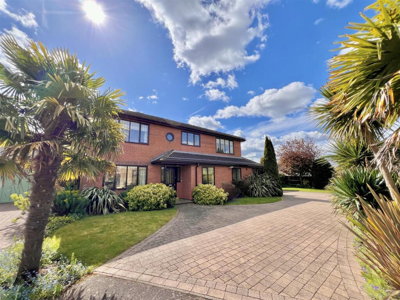
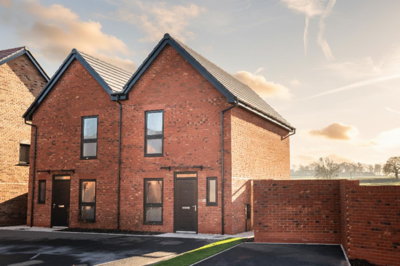
Browse 10,000 homes for sale in Nottinghamshire, East Midlands from local estate agents.
£262k
8,419
761
109
Source: home.co.uk
Source: home.co.uk
Detached
2,653 listings
Avg £481,577
Semi-Detached
2,091 listings
Avg £246,410
Terraced
774 listings
Avg £189,089
Apartment
564 listings
Avg £189,223
Detached Bungalow
526 listings
Avg £345,302
End of Terrace
410 listings
Avg £216,839
Flat
309 listings
Avg £134,639
Bungalow
216 listings
Avg £303,318
Town House
133 listings
Avg £271,663
House
124 listings
Avg £329,690
Source: home.co.uk
Source: home.co.uk
The Nottinghamshire property market has demonstrated remarkable stability over the past twelve months, with overall average prices holding steady between £248,000 and £265,000 across the county depending on the data source consulted. According to recent figures from Rightmove, sold prices were 1% up on the previous year and 4% up on the 2022 peak of £254,876, indicating sustained demand despite broader economic pressures. However, transaction volumes have declined by 17.3% compared to the previous year, with approximately 13,800 property sales recorded across Nottinghamshire, reflecting national trends in market activity.
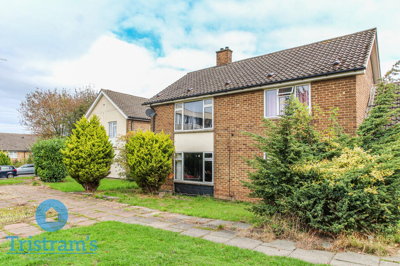
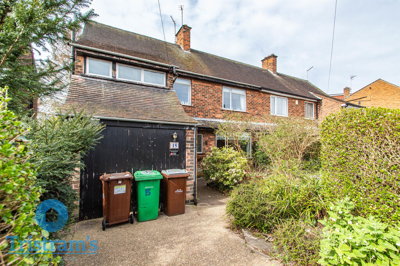
Property types across Nottinghamshire show distinct price brackets that cater to various buyer budgets. Detached properties command an average of £371,734, offering generous space for families seeking larger homes with gardens. Semi-detached houses average £226,132, providing an excellent entry point for growing families, while terraced properties at £179,727 remain popular with first-time buyers and investors seeking rental opportunities. Flats and maisonettes in Nottingham city average around £129,000, making urban living accessible to those prioritising location over space. The variation between property types means buyers can significantly adjust their budget by choosing different housing styles within the same area.
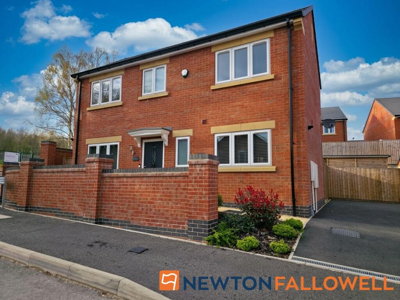
New build properties in Nottinghamshire average £282,000 compared to £247,000 for established homes, reflecting the premium commanded by modern construction, energy efficiency and developer warranties. Recent developments across the county include new housing estates in areas such as Arnold, Beeston, Carlton and the northern suburbs of Nottingham, offering contemporary designs alongside traditional communities. For buyers considering new build properties, warranties typically cover structural defects for 10-12 years, though the premium over equivalent older properties should be weighed against potential renovation opportunities in period homes.
Within Nottingham city specifically, prices tend to sit slightly lower than the county average. ONS data shows Nottingham city average prices at approximately £194,000, with terraced properties averaging £172,000, semi-detached homes around £216,000 and detached properties reaching £321,000. This inner-city discount compared to surrounding areas makes Nottingham attractive for buyers who work in the city centre and want to minimise their commute while benefiting from lower purchase prices than comparable properties in nearby Rushcliffe or West Bridgford.

Nottinghamshire encompasses a rich diversity of landscapes and communities that extend far beyond its famous city centre. The county spans approximately 2,085 square kilometres, from the urban heart of Nottingham through rolling agricultural land, former coalfield communities in the north, and into the picturesque villages of the Trent Valley and Sherwood Forest region. The population of approximately 1.16 million includes diverse communities ranging from students and young professionals in the city to established families and retirees in the market towns and villages. This mix creates a county that offers genuine variety in lifestyle options within a manageable geographic area.
The character of Nottinghamshire varies dramatically across its districts. Nottingham itself offers a vibrant urban lifestyle with cultural venues, restaurants, shopping and nightlife, while surrounding areas like Gedling, Broxtowe and Rushcliffe provide suburban living with excellent schools and commuting links. North of the city, Mansfield and Ashfield districts retain strong industrial heritage while undergoing significant regeneration, offering more affordable property options. The district of Newark and Sherwood combines historic market towns with rural charm, attracting buyers seeking period properties and village life. Each area has its own distinct property market characteristics, from city centre flats to rural farmhouses.
Green spaces define much of Nottinghamshire's appeal, with Sherwood Forest Country attracting visitors to its legendary ancient woodlands and nature trails. The county boasts numerous parks and nature reserves, including Attenborough Nature Reserve near Beeston, Rutland Water, and the Trent Valley riverside walks. Cultural attractions include Nottingham Castle, whose recent £29 million redevelopment has transformed the site into a world-class heritage destination, alongside the Galleries of Justice, Wollaton Hall and the annual Nottingham Goose Fair, one of Europe's largest travelling funfairs. These amenities contribute significantly to quality of life and make Nottinghamshire an attractive destination for buyers seeking cultural activities without city-level prices.
Employment opportunities in Nottinghamshire span diverse sectors, with the public sector, healthcare, education and retail providing significant employment across the county. Nottingham city serves as a regional hub for professional services, creative industries and technology businesses, while manufacturing and logistics remain important in northern areas. Major employers include Nottingham University Hospitals NHS Trust, the University of Nottingham, Boots UK and various distribution centres serving the East Midlands. The county's strategic location between major cities makes it attractive for businesses and commuters alike.

Nottinghamshire offers a comprehensive educational landscape that serves families at every stage of their journey. Nottingham city is home to two major universities - the University of Nottingham, a Russell Group institution with approximately 34,000 students, and Nottingham Trent University, one of the largest universities in the UK with over 30,000 students. These institutions contribute significantly to the local economy and ensure the city maintains a youthful, dynamic character. Higher education options extend to West Nottinghamshire College in Mansfield and Nottingham College, providing vocational pathways alongside traditional degree programmes. The presence of major universities also supports a strong rental market, with significant demand for student accommodation and homes for university staff.
The county's secondary school provision includes several highly regarded schools that regularly appear in regional performance tables. Within Nottingham city, schools such as Christ the King Catholic Academy, Big Creative Education and the Nottingham Free School serve diverse communities. The surrounding county offers options including Rushcliffe School in West Bridgford, consistently ranked among the best-performing secondary schools in the East Midlands, and familiar names like The Kimberley School, which serves the Broxtowe area. Parents should research individual school Ofsted ratings and consider catchment areas, as these significantly impact property values and availability in popular neighbourhoods. The correlation between school performance and property prices means homes near top-performing schools often command premiums.
Primary education across Nottinghamshire includes numerous schools rated Good or Outstanding by Ofsted, with notable examples including Edna G. Olds Academy in Nottingham and many village primary schools that serve their local communities well. The county also offers independent schooling options, including Nottingham High School, one of the oldest independent schools in England founded in 1513, and Worksop College for families seeking private education. Before purchasing property, families should verify current school admissions policies and registered catchments, as these can change and directly affect which schools children can attend. School admission criteria typically prioritise children living within the catchment area, making proximity to good schools a crucial factor in property selection for families with children.
Nottinghamshire enjoys exceptional connectivity that makes it attractive to commuters and businesses alike. The M1 motorway runs through the eastern edge of the county, providing direct access to London (approximately 120 miles, 2-2.5 hours) and Sheffield (approximately 45 miles, 1 hour). The A1 trunk road passes through Newark, connecting the county to Leeds, Newcastle and Edinburgh to the north and Grantham and Peterborough to the south. For air travel, East Midlands Airport, located in Leicestershire but easily accessible from Nottinghamshire, offers domestic and European flights, while Robin Hood Airport Doncaster Sheffield provides additional international options. This combination of road, rail and air connections makes Nottinghamshire well-positioned for both domestic and international travel.
Rail services from Nottingham station provide regular connections to major destinations. East Midlands Railway operates services to London St Pancras International (approximately 1 hour 45 minutes), Birmingham New Street (approximately 1 hour 15 minutes) and Sheffield (approximately 50 minutes). The Robin Hood Airport railway station, serving East Midlands Airport, provides additional flexibility for air travellers. Within the county, local rail services connect Nottingham to Mansfield, Newark, Grantham and other towns, though frequencies vary and some lines serve smaller villages less frequently. Commuters should check timetables carefully for their specific route, particularly if travelling outside peak hours.
Local public transport within Nottinghamshire includes the Nottingham Express Transit tram network, which serves the city and extends to Beeston, Chilwell, Hucknall and other surrounding areas. Bus services operated by Nottingham City Transport and various operators connect towns and villages throughout the county, though rural areas may have limited evening and weekend services. Park-and-ride facilities at several locations around Nottingham, including those near tram stops, offer convenient options for city centre workers who want to avoid parking charges and congestion. For cyclists, the county has invested in several cycling routes with connections to the national cycling network. Parking in Nottingham city centre can be challenging during peak times, so proximity to tram stops or park-and-ride facilities is a valuable consideration for buyers working in the urban area.
Before viewing properties, spend time understanding local price trends and neighbourhood characteristics. Our platform provides current listings across all Nottinghamshire districts, from Nottingham city flats to village properties in Sherwood Forest. Consider factors like school catchments, commute times and local amenities when narrowing your search area, as these can significantly impact both your quality of life and the property's future resale value.
Speak to a mortgage broker to obtain an agreement in principle before making offers. This demonstrates you are a serious buyer and helps you understand your budget. Current mortgage rates vary, and a broker can help you find competitive deals suited to your circumstances. With Nottinghamshire average prices around £248,000, many buyers will need smaller mortgages than those required in southern England, potentially offering access to better interest rates on lower loan amounts.
Once you have identified properties, arrange viewings through Homemove or directly with estate agents listing on our platform. Consider viewing properties at different times of day and visiting local shops, parks and transport links to get a genuine feel for each neighbourhood. For properties in conservation areas, such as those in Southwell, Mapperley Park or Newark, take time to examine the surrounding architecture and understand any restrictions that may apply.
Before completing your purchase, book a RICS Level 2 Homebuyer Report to assess the property's condition and identify any structural issues. This is particularly important for older properties common in areas like Nottingham's Victorian terraces or period properties in villages like Southwell and Newark. Our platform connects you with qualified RICS surveyors who understand local construction methods and common defect patterns in Nottinghamshire properties.
Appoint a solicitor to handle the legal aspects of your purchase, including searches, contracts and registration with HM Land Registry. Conveyancing services in Nottinghamshire typically start from £499 and ensure all local searches are completed properly. Your solicitor will conduct local authority searches, drainage searches and environmental searches relevant to the specific area and property type.
Once all searches are satisfactory and your mortgage is finalised, you will exchange contracts and pay your deposit. Completion typically follows within 2-4 weeks, after which you will receive your keys and can move into your new Nottinghamshire home. Our team can connect you with removal firms and utility providers to make your transition as smooth as possible.
Property buyers in Nottinghamshire should consider several local factors that can significantly impact their purchase. Flood risk varies across the county, with properties near the River Trent, particularly in areas around Newark, Retford and low-lying parts of Nottingham, requiring careful consideration. The Environment Agency flood maps should be consulted for any property near watercourses, and buyers should verify whether the property has a history of flooding or whether appropriate insurance can be obtained. Properties in flood risk zones may face higher insurance premiums or difficulty obtaining cover.
Conservation areas affect many Nottinghamshire properties, particularly in historic towns like Southwell, Newark and the Mapperley Park area of Nottingham. Properties in these designated areas may have restrictions on external alterations, requiring planning permission for extensions, dormer windows or changes to windows and doors. Buyers should obtain a planning search and consult with the relevant district or city council planning department before committing to purchases in these areas. While conservation area status helps preserve property character, it does impose constraints on future modifications.
The distinction between freehold and leasehold ownership is important across Nottinghamshire, particularly for flats and apartments in Nottingham city and newer developments. Ground rent charges and lease terms should be carefully reviewed, with many leasehold properties now subject to reform legislation. Service charges for flats and some new build houses can significantly impact ongoing costs, so buyers should obtain details of these charges and any planned major works or reserve fund deficiencies before purchasing. Properties in former coalfield areas may also have different considerations, including potential mining subsidence risks that require specialist surveys.
The age and construction type of Nottinghamshire properties varies significantly by area. Victorian and Edwardian terraces in Nottingham city were typically built with solid walls rather than cavity insulation, which may affect energy efficiency and renovation options. Properties from the inter-war and post-war periods may have different construction characteristics, including the use of non-traditional building methods in some social housing developments. Understanding the construction type helps buyers budget for maintenance, improvements and potential remediation works.
The average house price in Nottinghamshire currently ranges from £248,000 to £265,000 depending on the data source and specific area within the county. According to recent figures, detached properties average £371,734, semi-detached homes around £226,132, and terraced properties approximately £179,727. Prices have remained relatively stable over the past twelve months, with Rightmove reporting prices 1% up on the previous year and 4% above the 2022 peak of £254,876. Within Nottingham city specifically, the average price sits slightly lower at around £194,000, making city centre properties particularly accessible for buyers working to a tighter budget.
Council tax in Nottinghamshire varies by district council area. Nottingham city properties are administered by Nottingham City Council, while surrounding areas fall under district councils including Gedling, Broxtowe, Rushcliffe, Mansfield, Ashfield, Newark and Sherwood, and Bassetlaw. Band A properties typically start from around £1,400 per year, with the highest bands (such as Band H) reaching over £3,000 annually. The exact band depends on the property's assessed value, and buyers can check the Valuation Office Agency website for current banding details. Properties in higher bands within districts like Rushcliffe often correlate with more expensive homes in desirable areas.
Nottinghamshire offers strong educational options at all levels. Notable secondary schools include Rushcliffe School in West Bridgford, which consistently performs well in regional tables and serves the Rushcliffe district, and Christ the King Catholic Academy in Nottingham for families seeking faith-based education. Primary schools such as Edna G. Olds Academy receive Good Ofsted ratings, while many village primary schools serve their local communities well. The University of Nottingham and Nottingham Trent University provide higher education options, while Nottingham High School offers independent schooling for families considering private education. Families should research individual school performance data and catchment areas relevant to their preferred neighbourhood, as school admissions are determined by proximity.
Nottinghamshire benefits from excellent transport links that make commuting feasible to major cities. Nottingham station provides rail services to London St Pancras (approximately 1 hour 45 minutes), Birmingham (approximately 1 hour 15 minutes) and Sheffield (approximately 50 minutes). The Nottingham Express Transit tram network serves the city and extends to surrounding areas including Beeston, Hucknall, Chilwell and the NET2 extension to Clifton. The M1 motorway runs through the county's eastern edge, providing road access to London and the north. East Midlands Airport offers domestic and European flights from its location in Leicestershire, easily accessible from most parts of Nottinghamshire.
Nottinghamshire offers several advantages for property investors looking for accessible entry points compared to southern England. The average price of approximately £248,000 to £265,000 provides lower barriers to entry, while stable or rising prices indicate solid market fundamentals. The strong rental market, driven by two major universities with over 64,000 students combined, young professionals and MOD personnel at stations like RAF Cranwell, supports consistent tenant demand. Transaction volumes of around 13,800 sales annually demonstrate active market liquidity. However, investors should research specific neighbourhoods, as rental yields and capital growth prospects vary between city centre apartments in Nottingham and family homes in surrounding towns and villages.
Stamp Duty Land Tax (SDLT) applies to all property purchases in England. Standard rates are 0% on the first £250,000, 5% on £250,001 to £925,000, 10% on £925,001 to £1.5 million, and 12% above £1.5 million. First-time buyers pay 0% on the first £425,000, with 5% on £425,001 to £625,000. Given Nottinghamshire's average property price of around £248,000, most buyers would pay no SDLT at all, meaning this is an exceptionally affordable county for property purchases from a stamp duty perspective. Only buyers purchasing above the county average or buying premium properties in areas like West Bridgford or Mapperley Park would typically incur any stamp duty liability.
Nottinghamshire offers diverse property types to suit all requirements and budgets. Nottingham city features Victorian and Edwardian terraces in areas like Arboretum, Forest Fields and Sneinton, period apartments in conservation areas like Mapperley Park and West Bridgford, and modern city centre flats in developments near the train station and Victoria Centre. The market towns of Mansfield, Newark, Sutton-in-Ashfield and Worksop provide terraced, semi-detached and detached housing at various price points suitable for families. Rural Nottinghamshire includes thatched cottages, farmhouses and modern barn conversions in picturesque villages across Sherwood Forest, the Trent Valley and areas near the Lincolnshire Edge. New build developments offer contemporary homes with modern insulation and smart home features.
One of the most attractive aspects of buying property in Nottinghamshire is the favourable stamp duty position created by relatively modest average property prices. With the average Nottinghamshire home priced at approximately £248,000, many buyers will fall entirely below the standard SDLT threshold of £250,000, meaning they pay zero stamp duty on their purchase. Even buyers purchasing at the county average price of around £265,000 would only pay SDLT on £15,000 at the 5% rate, resulting in a charge of just £750. This represents a significant saving compared to buyers in London, the South East or other high-value regions where stamp duty bills can reach tens of thousands of pounds.
First-time buyers in Nottinghamshire benefit from even more generous SDLT relief, with no stamp duty payable on properties up to £425,000 and a 5% rate applying only between £425,001 and £625,000. Given that even detached properties in the county average £371,734, many first-time buyers purchasing typical family homes would pay no SDLT whatsoever. This relief makes Nottinghamshire particularly attractive for those taking their first step onto the property ladder, as they can access larger properties with more space than would be possible in more expensive regions. The combination of lower purchase prices and reduced or zero stamp duty means buyers can potentially afford properties that would be entirely out of reach in southern England.
Beyond SDLT, buyers should budget for additional purchasing costs including mortgage arrangement fees (typically £500-£2,000 depending on the lender and deal), valuation surveys (£200-£500), solicitor conveyancing fees (from £499), local authority searches (£200-£400), Land Registry registration fees (£100-£500 depending on property price), and electronic money transfer charges. For a typical £248,000 Nottinghamshire property, total additional costs beyond the purchase price are likely to be in the region of £2,000 to £4,000, though buyers purchasing at the county average price may pay no SDLT at all. Obtaining quotes from mortgage brokers and conveyancing solicitors early in the process helps ensure you have a complete picture of all costs involved in your Nottinghamshire property purchase.
Properties for Sale In London

Properties for Sale In Plymouth

Properties for Sale In Liverpool

Properties for Sale In Glasgow

Properties for Sale In Sheffield

Properties for Sale In Edinburgh

Properties for Sale In Coventry

Properties for Sale In Bradford

Properties for Sale In Manchester

Properties for Sale In Birmingham

Properties for Sale In Bristol

Properties for Sale In Oxford

Properties for Sale In Leicester

Properties for Sale In Newcastle

Properties for Sale In Leeds

Properties for Sale In Southampton

Properties for Sale In Cardiff

Properties for Sale In Nottingham

Properties for Sale In Norwich

Properties for Sale In Brighton

Properties for Sale In Derby

Properties for Sale In Portsmouth

Properties for Sale In Northampton

Properties for Sale In Milton Keynes

Properties for Sale In Bournemouth

Properties for Sale In Bolton

Properties for Sale In Swansea

Properties for Sale In Swindon

Properties for Sale In Peterborough

Properties for Sale In Wolverhampton

Enter your details to see if this property is within your budget.
Loans, cards, car finance
Estimated property budget
Borrowing + deposit
You could borrow between
Typical borrowing
Monthly repayment
Est. at 4.5%
Loan-to-value
This is an estimate only. Your actual budget may vary depending on interest rates, credit history, and personal circumstances. For an accurate affordability assessment, speak to one of our free mortgage advisors.
This calculator provides estimates for illustrative purposes only and does not constitute financial advice. Your home may be repossessed if you do not keep up repayments on your mortgage. Estimates based on 4.5% interest rate, repayment mortgage. Actual rates depend on your circumstances.
Homemove is a trading name of HM Haus Group Ltd (Company No. 13873779, registered in England & Wales). Homemove Mortgages Ltd (Company No. 15947693) is an Appointed Representative of TMG Direct Limited, trading as TMG Mortgage Network, which is authorised and regulated by the Financial Conduct Authority (FRN 786245). Homemove Mortgages Ltd is entered on the FCA Register as an Appointed Representative (FRN 1022429). You can check registrations at NewRegister or by calling 0800 111 6768.

We use cookies to show you personalised content and improve your experience of our website. Find out more in our Privacy policy and Cookie policy.