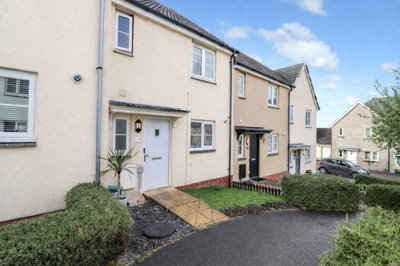
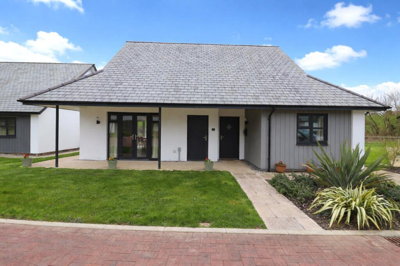
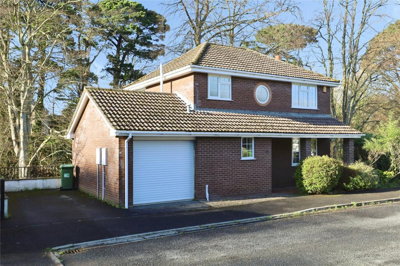
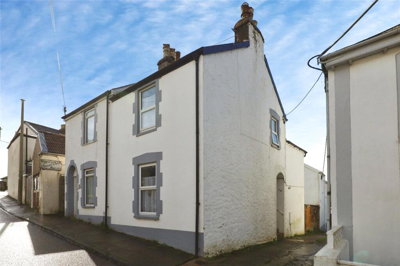
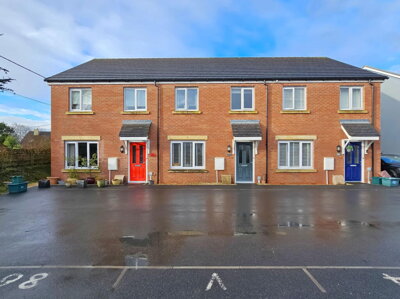
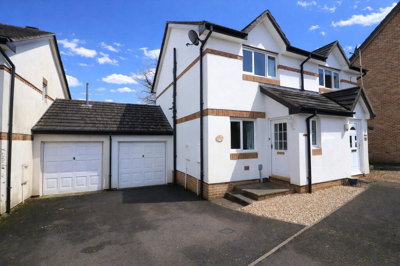
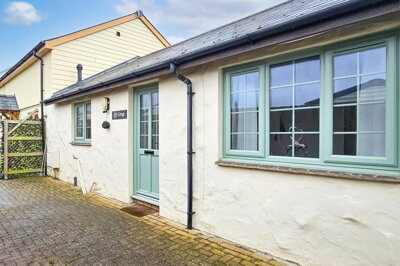
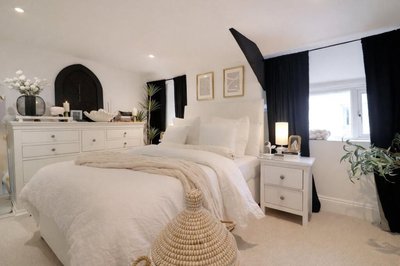
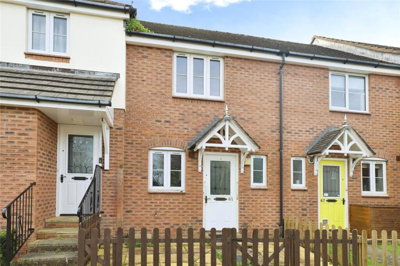
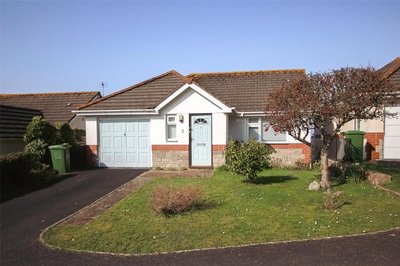
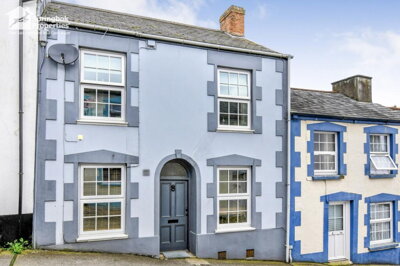
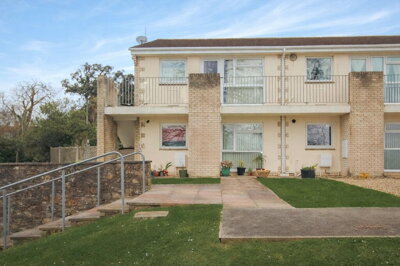
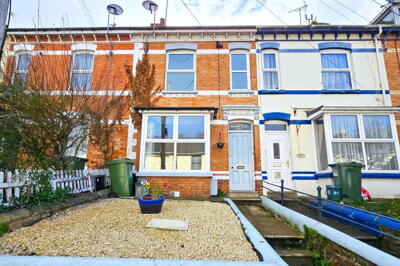
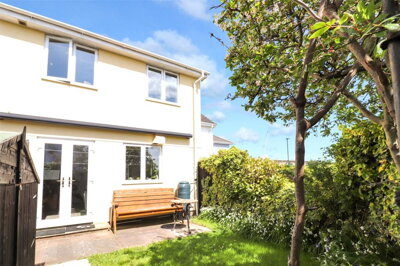
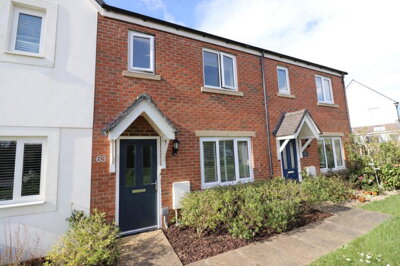
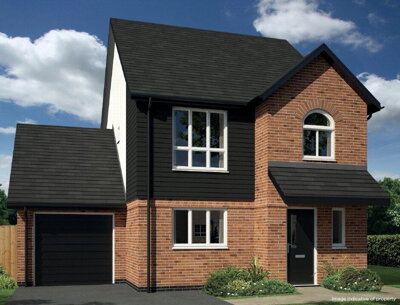
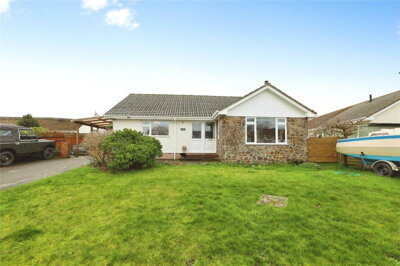
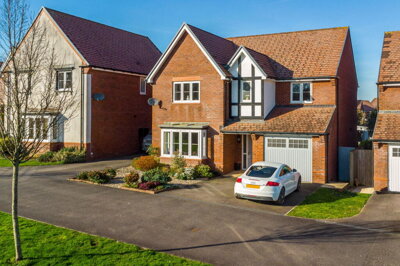
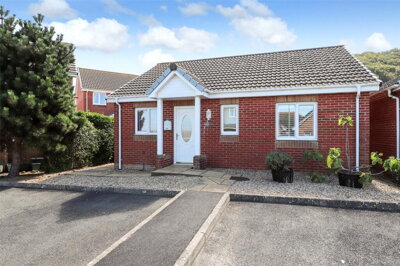
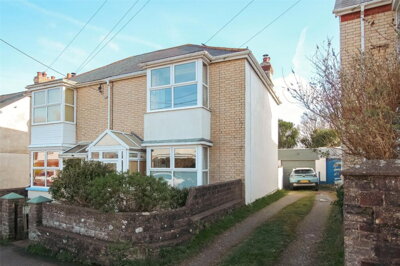
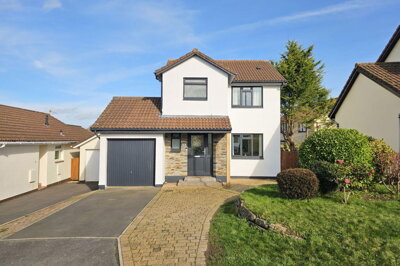
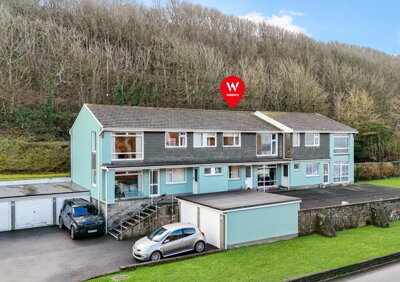
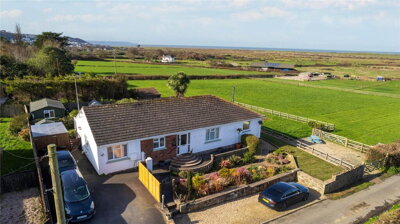
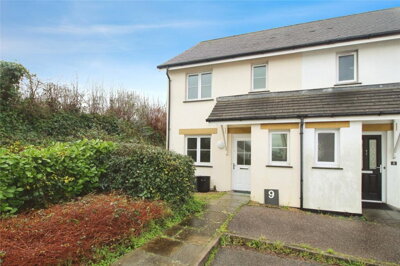
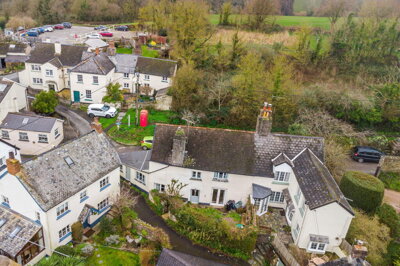
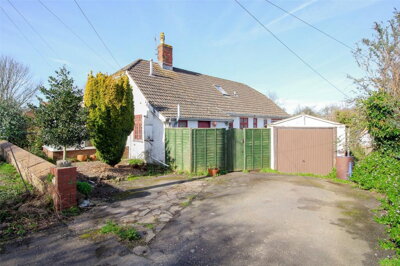
Browse 705 homes for sale in Northam, Torridge from local estate agents.
£373k
268
8
172
Source: home.co.uk
Source: home.co.uk
Detached
85 listings
Avg £603,373
Semi-Detached
30 listings
Avg £295,042
Terraced
30 listings
Avg £353,413
Bungalow
27 listings
Avg £413,776
Apartment
20 listings
Avg £216,465
House
12 listings
Avg £488,958
Detached Bungalow
11 listings
Avg £388,768
End of Terrace
10 listings
Avg £320,490
Cottage
6 listings
Avg £373,325
Penthouse
6 listings
Avg £380,833
Source: home.co.uk
Source: home.co.uk
The Bratton property market offers a diverse range of housing types to suit different budgets and lifestyles. Detached properties command the highest prices, with average sold prices around £556,750, reflecting the premium placed on space and privacy in this sought-after village location. Semi-detached homes average approximately £295,500, while terraced properties in Bratton typically sell for around £322,099, making them attractive options for first-time buyers and families seeking character homes at more accessible price points. Flats in the wider BA13 postcode area, including Bratton Road, have sold for around £172,500 over the past year.
Recent market data shows that property prices in Bratton have experienced a correction, falling approximately 15% from previous highs and around 20% down from the 2021 peak of £475,665. This adjustment presents opportunities for buyers who may have been priced out of the market in previous years. Current listings show properties available across various price ranges, and the market remains active with sales completing on streets such as The Ball, The Butts, and Westbury Road. Rightmove recorded 5 sales on The Ball alone over the past year, while The Butts saw 6 transactions and Westbury Road recorded sales as well.
The village attracts buyers seeking a peaceful rural lifestyle without sacrificing connectivity to employment centres. Bratton functions largely as a commuter village, with residents travelling to nearby towns including Westbury, Devizes, Salisbury, and Bath for work. The high owner-occupancy rate of 91.9% indicates stable demand for housing in the area, while the mix of housing sizes reported in surveys shows that most homes have 3-4 bedrooms, catering primarily to families and those seeking generous living space.

Bratton is a village with roots stretching back 6,000 years, offering residents a tangible connection to English history. The village centre features the remarkable 14th-century timber-framed Court House, one of the oldest inhabited buildings in Wiltshire, alongside the Norman-origin St James' Church, whose spire has graced the local skyline for centuries. Walking through Bratton's streets reveals a pleasing mix of period properties built from local stone and brick, interspersed with 1970s housing estates and contemporary developments, creating a village that honours its past while embracing the present. The village also contains Grade II listed properties beyond the famous Court House, offering buyers the chance to own homes of historical significance.
The village maintains a vibrant community spirit through its range of local amenities and regular events. Residents benefit from a well-stocked village store and Post Office, a traditional public house serving local ale and food, and regular gatherings at the village hall. The surrounding landscape offers exceptional walking opportunities, with the chalk downland of Salisbury Plain providing scenic trails and views across the Wiltshire countryside. A local primary school and doctor's surgery ensure that families have essential services close to home, reducing the need for frequent journeys to larger towns. Historically, Bratton was a key centre for wool production and housed the Bratton Iron Works, which was the largest local employer until it closed in 1970, demonstrating the village's long industrial heritage.
The demographic profile of Bratton reflects its appeal across generations. Census data shows that 21.5% of residents are aged 65 or over, indicating a balanced community mix. Housing surveys in the village reveal that approximately 38.8% of homes have four bedrooms, 33.7% have three bedrooms, while only 13.3% have two bedrooms and 3.8% have one bedroom. This housing mix confirms that Bratton is predominantly a village of family homes, making it particularly suitable for buyers seeking larger properties with gardens and generous proportions.
Education provision in Bratton centres on Bratton Primary School, which serves families with children from Reception through to Year 6. The school has approximately 150 pupils and maintains a strong reputation within the local community for its supportive learning environment and dedicated teaching staff. Parents considering a move to Bratton frequently cite the quality of primary education as a key factor in their decision, with the school providing a solid foundation for children's academic journeys. The village location means children can often walk to school, avoiding the need for complex transportation arrangements that affect families in more rural areas.
Secondary education options are available at schools in nearby towns, with many families travelling to Westbury, Devizes, or Salisbury for secondary provision. Westbury offers several secondary school options within approximately 5 miles of Bratton, while Devizes School provides an alternative in the other direction. For families seeking independent education, there are private school options in Salisbury and the surrounding area. The village's census data shows that 21.5% of residents are aged 65 or over, indicating a balanced demographic mix across generations, and the presence of families with children is reflected in the demand for homes with good access to educational facilities.
For families prioritising educational options, Bratton's location provides access to a good range of state and independent schools within a reasonable commute. Prospective buyers with school-age children should research specific catchment areas and admissions criteria, as these can significantly influence school placements. Property prices can vary significantly within the village depending on proximity to the primary school, with homes closer to Bratton Primary School often commanding a premium due to the desirable catchment area. We recommend contacting Wiltshire Council directly or checking the latest admissions information on the gov.uk website for up-to-date details on school placements and any changes to catchment boundaries.
Bratton benefits from its position near major transport routes while maintaining a peaceful village setting. The village sits close to the A3092, providing direct connections to the market town of Westbury approximately 3 miles away, where residents can access mainline railway services to London, Bristol, and the South West. Westbury station offers regular trains to London Paddington in around 90 minutes, making Bratton a viable option for commuters who need to travel to the capital or other major cities for work. The station also provides connections to Bath and Bristol, opening up employment opportunities in those cities.
For those who drive, the A36 provides a direct route to Salisbury approximately 15 miles to the south, while the A361 connects to Trowbridge and the M4 motorway at junction 17 approximately 10 miles north. The M4 provides crucial access to Swindon, Reading, and the wider motorway network beyond. Journey times by car to major employment centres are reasonable compared to many rural villages, with Bristol accessible in around 45 minutes and Southampton in approximately an hour. Bus services operate between Bratton and surrounding towns, providing public transport options for residents without cars, though car ownership remains common given the rural nature of the area.
The village's location on the northern edge of Salisbury Plain also offers excellent cycling and walking routes for recreational purposes, with miles of bridleways and footpaths accessible directly from the village. The Wiltshire Countryside Access website provides maps of local footpaths and bridleways, allowing residents to explore the chalk downland scenery without needing transport. For commuters who occasionally work from home, the village benefits from improving broadband speeds, though buyers should verify current speeds at specific properties as performance can vary across the village.
Explore property listings in Bratton and understand current price trends. With prices down 15% from previous highs, now may be a favourable time to enter the market. Research different property types and neighbourhoods within the village to identify what best suits your needs and budget. Streets like The Ball, The Butts, and Westbury Road each have distinct characters, with properties near the village centre offering proximity to amenities while homes on the outskirts provide more space and rural views.
Before arranging viewings, contact lenders to obtain an Agreement in Principle. This demonstrates to sellers that you are a serious buyer with finance secured. Given that 91.9% of Bratton residents own their homes outright or with mortgages, sellers will expect buyers to have their finances organised. Having a mortgage Decision in Principle in place is particularly important when bidding on properties, as it strengthens your offer in a village where buyer competition can be significant for desirable homes.
Visit a range of properties in Bratton, from period cottages near the historic Court House to modern homes on newer developments like White Horse Valley. Pay attention to the property's condition, construction materials, and any signs of maintenance issues that might require attention after purchase. Given Bratton's mix of very old properties and modern builds, viewing at different times of day can reveal issues with light, noise, and neighbour activity that may not be apparent during a single visit.
Once your offer is accepted, arrange a RICS Level 2 Survey to assess the property's condition. Given Bratton's mix of historic properties, including Grade II listed buildings, a thorough survey is essential to identify any defects or structural concerns before you commit to the purchase. For older properties built before 1900, additional costs may apply due to the specialist expertise required, and a RICS Level 3 Survey may be recommended for listed buildings or properties of non-standard construction.
Appoint a conveyancing solicitor to handle the legal aspects of your purchase. They will conduct searches, raise enquiries, and manage the contract exchange process. For properties in Bratton's conservation areas or listed buildings, additional searches may be required, and planning consent history may be more complex to verify. We recommend choosing a solicitor with experience in rural village properties to ensure all local considerations are properly addressed.
Once all searches are satisfactory and contracts are signed, your solicitor will coordinate the exchange of contracts and set a completion date. On completion day, the remaining balance is transferred and you receive the keys to your new Bratton home. We recommend arranging buildings insurance to commence from the exchange date, as this is when legal responsibility for the property transfers to you.
Property buyers in Bratton should be aware of several local considerations that could affect their purchase. Given the village's geology on the northern escarpment of Salisbury Plain, with underlying chalk downland, some properties may be built on clay soils that can experience shrink-swell movement. This can lead to subsidence issues in susceptible properties, particularly those with trees nearby or those built to older construction standards. A thorough structural survey can identify any existing or potential problems with foundations and walls. Properties on Westbury Road and newer developments like White Horse Valley may have different ground conditions compared to homes in the historic village centre.
Bratton's historic character means that many properties are either listed buildings or located within areas of historical significance. The 14th-century Court House and Norman St James' Church indicate that properties in the village centre may be subject to planning restrictions or consent requirements for alterations. Buyers should verify whether any property is listed and understand the implications for future modifications. Additionally, older properties built before modern building regulations may feature solid walls, original wiring, or lead plumbing that will require updating for contemporary living standards. Properties at The Ball and The Butts, being among the oldest streets in the village, are most likely to have these characteristics.
The village's housing stock spans several construction eras, from medieval timber-framed buildings to 1970s estates and contemporary new builds. Older properties commonly exhibit defects including rising damp in solid-walled homes lacking modern damp-proof courses, deteriorating roof tiles and ridge mortar on historic buildings, and outdated electrical systems that may not meet current safety standards. Properties built post-1970 will generally have fewer structural concerns but may have different maintenance needs. New builds at White Horse Valley and similar developments include modern features such as air source heat pumps and electric car charging points, reflecting current building regulations and buyer expectations for energy efficiency.
Energy performance varies significantly across Bratton's housing stock. Historic properties with solid walls and limited insulation typically have lower EPC ratings compared to modern builds, resulting in higher heating costs. Buyers should factor potential insulation improvements into their budget when purchasing older properties. Newer homes at White Horse Valley are likely to achieve higher EPC ratings due to modern construction standards and renewable energy features. An EPC assessment is included in the conveyancing process and will provide specific recommendations for improving energy efficiency.
The average house price in Bratton is currently around £379,458 based on last year's data, with more recent valuations placing the figure at approximately £419,000 as of early 2026. Detached properties average around £556,750, semi-detached homes approximately £295,500, and terraced properties fetch around £322,099. Prices have corrected by approximately 15% from previous highs, offering more accessible entry points for buyers compared to the 2021 peak of £475,665. First-time buyers will find that terraced properties averaging £322,099 fall within the lower stamp duty thresholds, potentially reducing purchase costs considerably.
Properties in Bratton fall under Wiltshire Council's jurisdiction. Council tax bands in the village range from Band A through to Band H, depending on the property's assessed value. Most standard three-bedroom homes in Bratton typically fall into Band C or D, while larger detached properties may be in higher bands. Prospective buyers should check the specific band for any property they are considering, as council tax forms part of the ongoing cost of homeownership in the village. You can verify council tax bands on the Valuation Office Agency website using the property address.
Bratton Primary School serves the village and has a strong local reputation for providing quality education for children aged 4 to 11. The school has approximately 150 pupils with dedicated teaching staff and a supportive parent community. For secondary education, families typically consider schools in nearby towns including Westbury, Devizes, and Salisbury, all accessible within a reasonable commute. The village's balanced demographic, with 21.5% of residents aged 65 and over, reflects its appeal to families across generations. Parents should verify current catchment areas with Wiltshire Council, as these can change and may affect school placement decisions.
Bratton has bus services connecting to nearby towns including Westbury, where mainline railway services run to London Paddington, Bristol, and the South West. Westbury station is approximately 3 miles from Bratton village centre, with regular bus connections available. For commuters who drive, the A3092 provides access to Westbury, the A36 connects to Salisbury, and the A361 links to Trowbridge and the M4 motorway at junction 17. The village is reasonably well-served for a rural location, though car ownership remains common among residents. Train services from Westbury reach London Paddington in approximately 90 minutes, making Bratton suitable for hybrid workers who commute to the capital occasionally.
Bratton offers several factors that make it attractive for property investment. The village maintains high owner-occupancy rates at 91.9%, indicating strong demand for housing in the area. Properties benefit from the village's historic character, including listed buildings and conservation elements, which tend to hold their value well over time. The recent price correction of approximately 15-20% from peak values may present buying opportunities for investors seeking long-term growth. Additionally, Bratton's proximity to major employment centres and good transport links makes it appealing to commuters, supporting rental demand. New build developments like White Horse Valley offer modern specifications that may appeal to tenants seeking contemporary living in a rural setting.
Stamp duty rates for properties purchased in Bratton follow standard UK thresholds. For main residences, no stamp duty is payable on purchases up to £250,000. Between £250,000 and £925,000, the rate is 5%, and between £925,000 and £1.5 million, it rises to 10%. Properties above £1.5 million incur 12% stamp duty. First-time buyers benefit from relief on purchases up to £425,000, with 5% charged between £425,000 and £625,000. Given Bratton's average price of around £379,458, many buyers will only need to budget for the 0% band, making the village particularly attractive for those entering the property market. Properties above £625,000 do not qualify for first-time buyer relief.
Bratton's housing stock includes properties built across several eras, each with distinct construction characteristics. Medieval and Tudor properties near the village centre typically feature timber-framed structures with wattle and daub infill, stone or brick external cladding, and solid walls without cavities. Properties from the 1970s housing boom generally have cavity wall construction but may have original single-glazed windows and limited insulation. New builds at White Horse Valley and similar developments incorporate modern cavity wall insulation, UPVC windows, and renewable energy features. When purchasing older properties, buyers should budget for potential upgrades to insulation, heating systems, and electrical wiring to meet contemporary living standards and energy efficiency requirements.
Based on available flood risk data, Bratton does not appear to have significant area-wide flood risk concerns. The village sits on the northern escarpment of Salisbury Plain with chalk downland to the south, and the geology generally provides good drainage. However, as with any property purchase, we recommend checking the Environment Agency flood risk maps for the specific property address and verifying whether the property is in a flood zone. Properties with large gardens or those near watercourses should be assessed individually. Surface water flooding can occur during exceptional rainfall events, so a thorough inspection of drainage systems and neighbouring land is advisable when viewing properties.
Get competitive mortgage rates for your Bratton purchase
From 3.89%
Expert legal services for your property purchase
From £499
Professional property survey for your new Bratton home
From £400
Energy performance certificate for your property
From £85
Understanding the full costs of buying a property in Bratton goes beyond the purchase price. Stamp duty land tax is a significant consideration, with standard rates of 0% on the first £250,000, 5% on the portion from £250,000 to £925,000, 10% on £925,000 to £1.5 million, and 12% on anything above £1.5 million. For first-time buyers purchasing properties up to £625,000, relief is available, reducing costs considerably. Given that Bratton's average property price sits around £379,458, most buyers will only need to budget for the 0% band, making the village particularly attractive for those entering the property market. First-time buyers purchasing at the average price will pay no stamp duty at all.
Additional buying costs include mortgage arrangement fees, typically ranging from £500 to £2,000 depending on the lender and deal chosen. Survey costs should be factored in, with RICS Level 2 Surveys averaging around £455 nationally, rising for larger properties or those requiring specialist assessment due to age or construction type. Properties in Bratton with listed status or non-standard construction may require a RICS Level 3 Survey, which provides more detailed analysis but at higher cost. Solicitors' fees for conveyancing generally start from around £499 for standard transactions, though complex purchases involving listed buildings or conservation areas in Bratton may incur higher costs due to additional searches and legal work required.
Budgeting for removals, potential renovations, and a contingency fund of around 10% of the purchase price is advisable for a smooth move to your new Bratton home. Older properties may require investment in updating electrics, plumbing, or insulation, while listed buildings may need Listed Building Consent for alterations, adding both time and cost to renovation projects. New builds at White Horse Valley typically include a warranty from the developer or NHBC, providing additional protection that may reduce the need for extensive surveys, though a snagging list review is still recommended for newly constructed properties.

Properties for Sale In London

Properties for Sale In Plymouth

Properties for Sale In Liverpool

Properties for Sale In Glasgow

Properties for Sale In Sheffield

Properties for Sale In Edinburgh

Properties for Sale In Coventry

Properties for Sale In Bradford

Properties for Sale In Manchester

Properties for Sale In Birmingham

Properties for Sale In Bristol

Properties for Sale In Oxford

Properties for Sale In Leicester

Properties for Sale In Newcastle

Properties for Sale In Leeds

Properties for Sale In Southampton

Properties for Sale In Cardiff

Properties for Sale In Nottingham

Properties for Sale In Norwich

Properties for Sale In Brighton

Properties for Sale In Derby

Properties for Sale In Portsmouth

Properties for Sale In Northampton

Properties for Sale In Milton Keynes

Properties for Sale In Bournemouth

Properties for Sale In Bolton

Properties for Sale In Swansea

Properties for Sale In Swindon

Properties for Sale In Peterborough

Properties for Sale In Wolverhampton

Enter your details to see if this property is within your budget.
Loans, cards, car finance
Estimated property budget
Borrowing + deposit
You could borrow between
Typical borrowing
Monthly repayment
Est. at 4.5%
Loan-to-value
This is an estimate only. Your actual budget may vary depending on interest rates, credit history, and personal circumstances. For an accurate affordability assessment, speak to one of our free mortgage advisors.
This calculator provides estimates for illustrative purposes only and does not constitute financial advice. Your home may be repossessed if you do not keep up repayments on your mortgage. Estimates based on 4.5% interest rate, repayment mortgage. Actual rates depend on your circumstances.
Homemove is a trading name of HM Haus Group Ltd (Company No. 13873779, registered in England & Wales). Homemove Mortgages Ltd (Company No. 15947693) is an Appointed Representative of TMG Direct Limited, trading as TMG Mortgage Network, which is authorised and regulated by the Financial Conduct Authority (FRN 786245). Homemove Mortgages Ltd is entered on the FCA Register as an Appointed Representative (FRN 1022429). You can check registrations at NewRegister or by calling 0800 111 6768.

We use cookies to show you personalised content and improve your experience of our website. Find out more in our Privacy policy and Cookie policy.