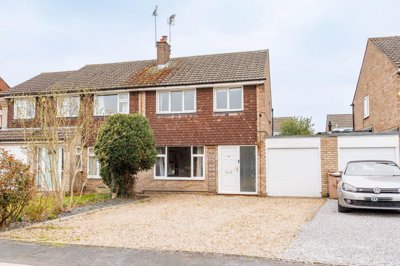
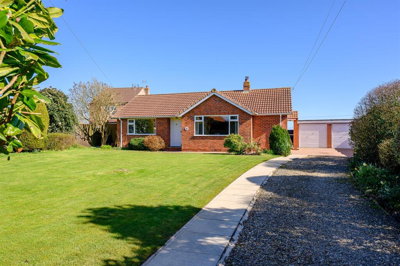
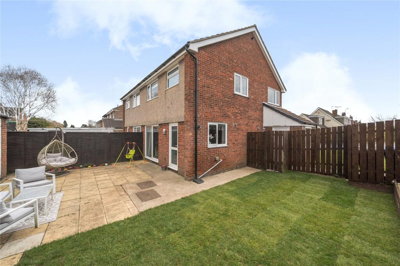
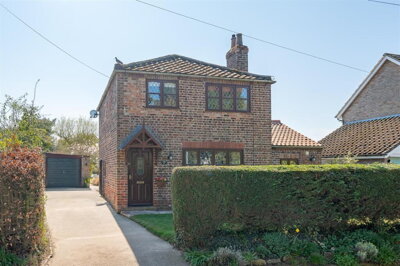
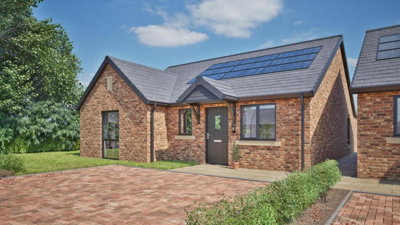
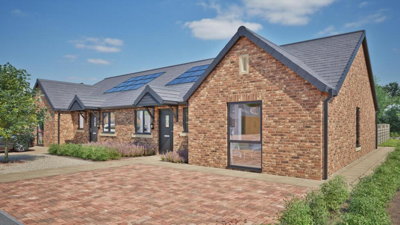
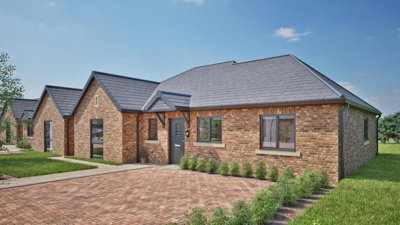
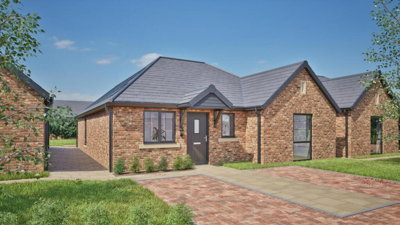
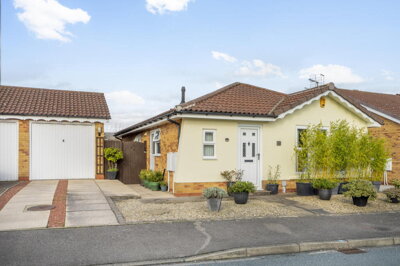
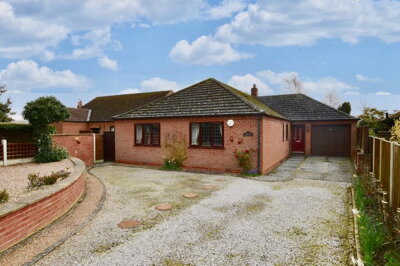
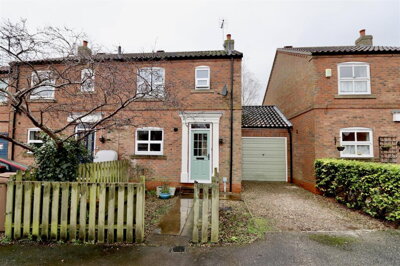
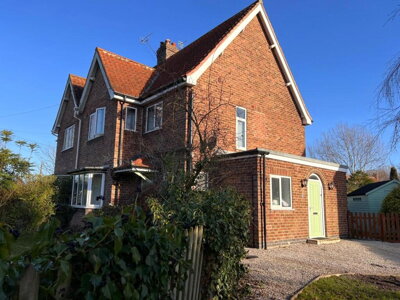
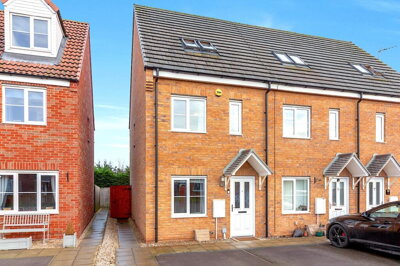
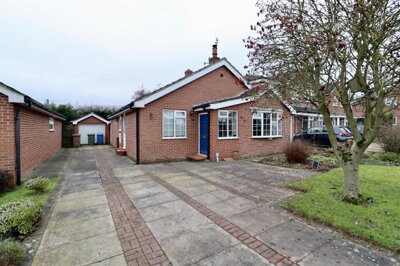
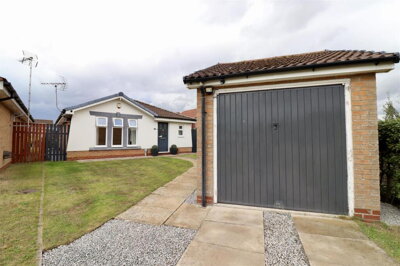
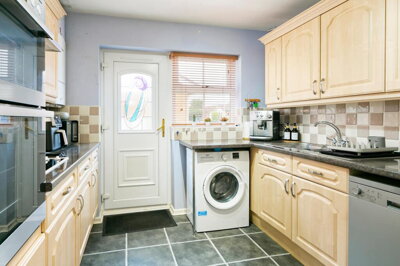
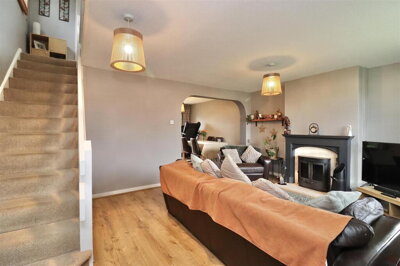
Browse 17 homes for sale in Newton on Derwent from local estate agents.
Three bedroom properties represent a significant portion of the Newton On Derwent housing market, offering space for families with multiple reception rooms and gardens in many cases. Browse detached, semi-detached, and terraced options ranging from period character homes to contemporary developments.
Newton on Derwent's property market has demonstrated steady growth, with house prices increasing by approximately 3% over the past twelve months according to Rightmove data. This consistent upward trajectory reflects the enduring appeal of village life within easy reach of York, as well as the limited supply of quality homes in this sought-after location. The average property price of £275,000 positions Newton on Derwent competitively against comparable villages in the region, offering buyers good value for money in exchange for access to excellent local schools, scenic river walks, and a strong sense of community spirit that larger towns often cannot replicate.
Property types available in the village reflect its diverse architectural heritage. Detached homes command the highest prices, with averages around £450,000, particularly those with generous gardens and river views overlooking the River Derwent. Semi-detached properties, which make up approximately 30% of the housing stock according to ONS Census data, typically sell for around £280,000 and represent excellent value for families seeking their first move up the property ladder. Terraced homes average £210,000 and often feature the charming characteristics of the village's older properties, including original fireplaces, exposed beams, and mature gardens that newer homes simply cannot match.
The age distribution of properties in Newton on Derwent reveals interesting patterns for prospective buyers. Approximately 20% of homes pre-date 1919, representing the historic village core with their solid wall construction and traditional materials. Around 15% of properties were built between 1919 and 1945, with the majority of the housing stock constructed during the post-war expansion period between 1945 and 1980, making up approximately 30% of available homes. Modern developments completed since 1980 account for roughly 35% of the housing stock, including recent additions from Bellway Homes at Derwent Meadows and Persimmon Homes at The Pastures, which offer contemporary construction methods and energy-efficient designs.

Newton on Derwent has seen significant new housing development in recent years, with two major developments bringing fresh options to the local market. Bellway Homes' Derwent Meadows development, located off Main Street in the YO41 4DA postcode, offers a range of 3 and 4-bedroom detached and semi-detached homes priced from £320,000 to £480,000. These properties appeal to families seeking modern accommodation within the village boundaries, complete with the benefits of new-build warranties and contemporary construction standards.
Persimmon Homes' The Pastures development on Kexby Road, Newton on Derwent, YO41 4DF, provides additional new-build options including 2, 3, and 4-bedroom homes across terraced, semi-detached, and detached formats. Prices range from £220,000 to £410,000, making The Pastures particularly attractive to first-time buyers and those seeking more affordable entry points into this desirable village location. Both developments benefit from the village's existing infrastructure while offering the advantages of modern building regulations, including improved insulation and energy efficiency ratings compared to older properties in the area.
Buying new build properties carries distinct advantages and considerations. New homes typically come with a 10-year NHBC warranty or similar guarantee, providing protection against structural defects discovered after purchase. However, buyers should be aware that premium pricing on new developments sometimes reflects the convenience and warranties offered rather than the underlying value of the land and location. We recommend arranging an independent RICS Level 2 Survey even for new build properties, as these can identify snagging issues, quality of finish concerns, and any defects in construction that the developer should rectify before completion.

Life in Newton on Derwent revolves around the rhythms of the River Derwent, which has shaped the village's identity and continues to influence daily life for its approximately 1,500 residents. The village maintains a classic Yorkshire character with its mix of red brick cottages, limestone farmhouses, and thatched roofs that line the historic lanes converging around St John the Baptist Church, a Grade II listed building dating from the medieval period. The designated Conservation Area encompasses the historic core along Main Street, preserving the architectural integrity of properties that contribute to the village's distinctive streetscape and ensuring that new developments complement rather than overwhelm the existing built environment.
The local community thrives through its village hall, which hosts regular events throughout the year, and the nearby pub serves as a gathering point for neighbours and visitors alike. Local employment opportunities remain limited, with agriculture, small businesses, and village services forming the primary economic activities within the parish boundaries. However, the proximity to major employment centres means that most residents commute to York for work, with Hull and Leeds also accessible for those willing to travel further. The A1079 road provides direct access to York and connects to the A64 towards Leeds, while the village's position along the River Derwent valley offers beautiful walking and cycling routes through the surrounding countryside of the East Riding.
The village sits comfortably within the Yorkshire Wolds landscape, offering residents access to some of the most scenic countryside in the region. Public footpaths radiate from the village centre, connecting to longer distance routes that traverse the rolling hills and chalk valleys characteristic of this part of the East Riding. The River Derwent itself provides excellent fishing opportunities, while the surrounding farmland supports a healthy ecosystem that attracts birdwatchers and nature enthusiasts throughout the year. These natural amenities contribute significantly to the quality of life enjoyed by residents and serve as a major draw for buyers seeking a rural lifestyle without complete isolation.
Education provision in Newton on Derwent serves families considering a move to this part of East Yorkshire, with primary age children typically attending schools in the surrounding villages. The village falls within catchment areas for primary schools in nearby settlements, and secondary education is available at schools in York and the surrounding market towns. Parents moving to Newton on Derwent should verify current catchment arrangements with East Riding of Yorkshire Council, as school admissions policies can influence property values significantly and families should confirm school placements before committing to a purchase in any particular street or neighbourhood.
For families seeking alternative educational options, York offers several well-regarded independent schools, while the city also hosts grammar schools that serve students from across the wider region. Sixth form provision is available in York, with colleges and school sixth forms offering a broad range of A-level subjects and vocational courses. The proximity to York St John University and the University of York also means that older students have convenient access to higher education without necessarily having to relocate away from the family home, a factor that many families appreciate when choosing where to settle long-term.
The quality of local schools should form an important part of any property search, as school performance data can significantly impact both the suitability of a home for family buyers and the long-term investment value of a property. Families are encouraged to research current Estyn or Ofsted ratings for schools in the catchment area and to consider how school capacity and future housing development in the surrounding area might affect admissions priorities. Property values in streets with access to well-performing primary schools often command premiums, making this factor particularly relevant when evaluating the overall cost of purchasing in different parts of the village.
Newton on Derwent benefits from its position along the A1079, a major road connecting York to Hull that passes through the village and provides the primary transport artery for residents. This road offers direct access to York city centre within approximately 20 minutes by car, making daily commuting entirely feasible for those working in the city. For residents travelling further afield, the A64 provides connections to Leeds and the motorway network, while York railway station offers regular services to London, Edinburgh, Manchester, and other major destinations, with journey times to London Kings Cross of around two hours.
Public transport options within the village itself are limited, reflecting the rural nature of the settlement and the car-dependent lifestyle that most residents accept when choosing village life. Bus services connect Newton on Derwent to York and nearby villages, though frequencies are reduced compared to urban routes and working from home has become increasingly common among residents who appreciate the village's broadband connectivity. Cycling infrastructure in the area has improved in recent years, with quiet country lanes providing pleasant routes for confident cyclists, though the undulating terrain of the Yorkshire Wolds to the east presents challenges for less experienced riders.
Residents planning regular commutes should factor in the availability of parking at York railway station, where annual season tickets have increased in cost alongside growing demand from commuters. The village's rural position means that traffic congestion on the A1079 can occasionally cause delays during peak hours, particularly during agricultural shows and seasonal events in the surrounding area. Those dependent on public transport should research current bus timetables carefully, as services are subject to change and some routes may operate on reduced schedules during school holidays.
Before viewing properties in Newton on Derwent, obtain a mortgage agreement in principle from a lender to understand your true budget. Factor in solicitor fees, survey costs, and stamp duty alongside the property price, and consider how the village's flood risk areas and conservation designations might affect your intended purchase or renovation plans.
Browse listings on Homemove to see all available homes in Newton on Derwent, including new builds from Derwent Meadows and The Pastures developments. Schedule viewings for properties that meet your criteria, taking time to explore the village at different times of day to assess traffic, noise levels, and community atmosphere before making an offer.
Once you have found your ideal property, submit an offer through the estate agent handling the sale. Negotiate on price and terms, keeping in mind that properties in conservation areas or with historic features may require additional considerations for maintenance and insurance costs that could affect your offer.
Arrange a RICS Level 2 Survey for your new home, particularly important given that approximately 65% of properties in Newton on Derwent are over 50 years old. Survey costs typically range from £450 to £650 for a standard three-bedroom semi-detached home, rising to £600 to £850 for larger detached properties with more complex construction.
Choose a conveyancing solicitor to handle the legal transfer of ownership, including local searches with East Riding of Yorkshire Council, flood risk assessments for properties near the River Derwent, and verification of any planning conditions affecting the property. Your solicitor will also confirm leasehold or freehold status and explain any service charges or ground rent applicable to the property.
Once all searches are satisfactory and financing is confirmed, you will exchange contracts and pay a deposit, typically 10% of the purchase price. Completion usually follows within 28 days, after which you will receive the keys and can begin moving into your new home in Newton on Derwent.
Properties in Newton on Derwent reflect the evolution of British building practices across different eras, and understanding these construction methods helps buyers appreciate the characteristics and potential challenges of different property types. Older properties predating 1945 typically feature solid wall construction using 9-inch brick or local stone, with timber floor structures and slate or clay tile roofs. These solid wall properties often lack cavity insulation and may show signs of damp penetration through the permeable masonry, requiring careful consideration of ventilation and potential remedial works.
Mid-century properties built between 1945 and 1980 generally use cavity wall construction, with a brick outer leaf and block inner leaf separated by a cavity designed to prevent moisture penetration. These properties commonly feature suspended timber ground floors, though some later builds incorporated concrete ground floors. Roof structures typically use traditional timber truss designs with tile or slate coverings that may require renewal after 50-80 years of service. Electrical and plumbing systems in properties of this age frequently fall below current standards and often require upgrading during renovation.
Modern properties constructed since 1980 benefit from contemporary building regulations that mandate higher levels of insulation, improved fire safety standards, and better moisture resistance. Cavity wall construction with brick or render finishes, concrete ground floors, and factory-engineered roof structures characterise this housing stock. However, even newer properties can experience defects related to workmanship, material quality, or design issues that an independent survey will identify. We recommend a RICS Level 2 Survey for all purchases regardless of property age, as even well-maintained homes may harbour hidden defects that only trained inspectors can detect.
Properties in Newton on Derwent present several area-specific considerations that buyers should investigate thoroughly before completing a purchase. The village's proximity to the River Derwent means that flood risk affects certain properties, particularly those in low-lying areas or with gardens extending towards the riverbank. Anyone purchasing a property near the waterway should review Environment Agency flood maps, check the property's flood history, and consider whether buildings insurance will be available and affordable in the future. Surface water flooding also presents concerns in parts of the village due to the relatively flat topography and drainage capacity limitations during heavy rainfall events.
The underlying geology of Newton on Derwent presents another important consideration for prospective buyers. The superficial clay deposits and Mercia Mudstone bedrock create a moderate to high shrink-swell risk that can affect property foundations, particularly during periods of extreme weather. Properties with shallow foundations or those located near large trees may show signs of subsidence or heave movement, and a thorough RICS Level 2 Survey will identify any existing structural issues that require attention. Buyers should also check whether any previous underpinning or foundation repairs have been undertaken and documented, as these works should be accompanied by structural warranties or insurance-backed guarantees where possible.
For properties within the Conservation Area or those designated as Grade II listed buildings, special rules apply to alterations, extensions, and even routine maintenance work. Listed building consent may be required for changes that would otherwise be permitted development, and the Planning department at East Riding of Yorkshire Council should be consulted before purchasing if you have plans to modify the property. These requirements can add time and cost to renovation projects but also protect the character and value of historic properties that form an important part of the village's heritage. Common defects found in older Newton on Derwent properties include damp issues due to the age of materials and exposure, deterioration of slate and tile roofs, outdated electrical systems predating modern safety standards, and timber defects such as woodworm or rot in properties with inadequate ventilation.
Properties constructed using traditional materials require ongoing maintenance that differs from modern construction approaches. Red brick walls may require repointing every 30-50 years depending on exposure and mortar quality, while stone-fronted properties may need specialist repair work using appropriate materials that match the original construction. Roof coverings using natural slate have finite lifespans of 60-100 years depending on quality and exposure, and replacement costs should be factored into the overall purchase budget for older properties. Our inspectors are experienced in assessing traditional Yorkshire construction and can advise on the condition and maintenance requirements of period properties throughout Newton on Derwent.
The average house price in Newton on Derwent is currently £275,000 according to Rightmove data from February 2026. Detached properties average around £450,000, semi-detached homes around £280,000, terraced properties around £210,000, and flats approximately £160,000. House prices in the village have increased by approximately 3% over the past twelve months, reflecting steady demand from buyers seeking village living with convenient access to York and the surrounding area. New build properties from developments such as Derwent Meadows and The Pastures command premiums above the average, with prices ranging from £220,000 for entry-level terraced homes up to £480,000 for large detached properties with modern features.
Properties in Newton on Derwent fall under East Riding of Yorkshire Council's tax banding system. Band A properties start from around £1,200 annually, while Band H properties can exceed £2,500 per year. Most semi-detached and terraced homes in the village fall into Bands B to D, while larger detached properties and period homes may be assigned higher bands. Prospective buyers should check the specific band for any property they are considering, as council tax forms part of the ongoing cost of homeownership. Banding is determined by the property's assessed value at the 1991 national valuation date, so recently constructed properties may have provisional bands awaiting formal assessment.
Newton on Derwent itself has limited school provision, with primary-aged children typically attending schools in nearby villages. The village falls within catchment areas for primary schools in the surrounding area, with secondary education available at schools in York and nearby market towns. Families should verify current catchment arrangements with East Riding of Yorkshire Council before purchasing, as school admission policies can significantly affect the suitability of a property for family buyers. The proximity to York's grammar school system means that academically able students can access selective education with appropriate preparation, while independent school options in York provide alternatives for families seeking private education.
Public transport connections from Newton on Derwent are limited, reflecting its status as a rural village. The A1079 road provides the main transport artery, with bus services connecting the village to York and surrounding settlements, though frequencies are lower than urban routes. Most residents rely on private vehicles for daily transport, though the village's proximity to York means that cycling and walking are viable options for shorter journeys when weather and terrain permit. York railway station, approximately 20 minutes away by car, provides access to national rail services including direct routes to London King's Cross, Edinburgh, Manchester, and Birmingham, making Newton on Derwent practical for those who commute by train rather than road.
Newton on Derwent offers several attractions for property investors, including its proximity to York, good road connections, and the presence of new developments such as Derwent Meadows and The Pastures that continue to bring new residents to the village. The village's Conservation Area designation helps preserve property values by maintaining the character of the built environment, while the limited supply of homes in this desirable location supports prices. However, investors should be aware of factors such as flood risk in certain areas near the River Derwent and the potential for additional costs when purchasing period properties that require maintenance. The village's commuter appeal suggests continued demand from buyers seeking to balance rural living with access to urban employment, suggesting stable rental demand and capital growth potential.
Stamp Duty Land Tax rates for 2024-25 start at 0% on the first £250,000 of residential property purchases, rising to 5% on the portion between £250,001 and £925,000, then 10% up to £1.5 million, and 12% on amounts exceeding £1.5 million. First-time buyers benefit from relief on the first £425,000 of a purchase, with 5% applied between £425,001 and £625,000. Given that the average property price in Newton on Derwent is £275,000, most buyers purchasing at around the average price would pay no stamp duty at all. Higher-value detached properties averaging around £450,000 would incur SDLT of approximately £10,000 under standard rates, though first-time buyer relief could reduce this liability significantly.
Properties near the River Derwent face varying degrees of flood risk depending on their position relative to the waterway and local topography. The Environment Agency designates certain areas as Flood Zone 2 or Flood Zone 3, indicating higher probability of river flooding during significant weather events. Surface water flooding also affects parts of the village during heavy rainfall due to the relatively flat terrain and drainage constraints. Prospective buyers should obtain a property-specific flood risk assessment as part of the conveyancing process, checking both the likelihood of flooding and the potential depth and speed of water during flood events. Buildings insurance costs can be significantly higher for properties in flood risk areas, and some insurers may decline to provide cover, so this factor deserves careful consideration before committing to a purchase.
We recommend arranging a RICS Level 2 Survey for any property purchase in Newton on Derwent, given that approximately 65% of homes in the village are over 50 years old and may harbour defects not visible during a standard viewing. Survey costs typically range from £450 to £650 for a standard three-bedroom semi-detached property, rising to £600 to £850 for larger detached homes with more complex construction. For period properties within the Conservation Area or Grade II listed buildings, a more detailed RICS Level 3 Building Survey may be appropriate to assess the condition of traditional construction materials and identify any works that require listed building consent. Additional investigations for flood risk, ground conditions, and environmental factors should form part of your solicitor's searches, providing a complete picture of any property before you commit to purchase.
Purchasing a property in Newton on Derwent involves several costs beyond the purchase price that buyers should budget for carefully. Stamp Duty Land Tax represents the most significant additional expense for higher-value properties, though at the current average price of £275,000, many buyers purchasing with a mortgage would pay no SDLT at all under the standard thresholds. First-time buyers purchasing properties up to £425,000 can benefit from relief that eliminates stamp duty entirely on the first £425,000 of their purchase, making Newton on Derwent an accessible location for those taking their first steps onto the property ladder.
Solicitor fees for conveyancing typically range from £500 to £1,500 depending on the complexity of the transaction and whether the property is freehold or leasehold. Local searches with East Riding of Yorkshire Council, drainage and water searches, and environmental reports will add several hundred pounds to your legal costs. A RICS Level 2 Survey, which we strongly recommend given the age of much of the housing stock in Newton on Derwent, will cost between £450 and £850 depending on property size and complexity. Mortgage arrangement fees, valuation fees, and insurance costs complete the picture of buying costs that buyers should consider before proceeding with their purchase.
Budgeting for ongoing costs after purchase is equally important when calculating the true cost of homeownership in Newton on Derwent. Council tax charges vary by property band, ranging from approximately £1,200 annually for Band A properties to over £2,500 for Band H homes. Buildings and contents insurance costs will depend on property value, rebuild costs, and flood risk factors, with properties near the River Derwent potentially facing higher premiums. Maintenance costs for period properties typically run higher than for modern homes, as traditional materials and construction methods require more frequent attention and specialist tradespeople for repairs.
From £450
A detailed inspection of the property condition, ideal for most homes in Newton on Derwent's varied housing stock.
From £600
Comprehensive building survey recommended for period properties, listed buildings, or homes with apparent defects.
From £80
Energy performance certificate required for all property sales, showing running costs and environmental impact.
From £499
Solicitors handling the legal transfer of ownership, including local searches and contract preparation.
Properties for Sale In London

Properties for Sale In Plymouth

Properties for Sale In Liverpool

Properties for Sale In Glasgow

Properties for Sale In Sheffield

Properties for Sale In Edinburgh

Properties for Sale In Coventry

Properties for Sale In Bradford

Properties for Sale In Manchester

Properties for Sale In Birmingham

Properties for Sale In Bristol

Properties for Sale In Oxford

Properties for Sale In Leicester

Properties for Sale In Newcastle

Properties for Sale In Leeds

Properties for Sale In Southampton

Properties for Sale In Cardiff

Properties for Sale In Nottingham

Properties for Sale In Norwich

Properties for Sale In Brighton

Properties for Sale In Derby

Properties for Sale In Portsmouth

Properties for Sale In Northampton

Properties for Sale In Milton Keynes

Properties for Sale In Bournemouth

Properties for Sale In Bolton

Properties for Sale In Swansea

Properties for Sale In Swindon

Properties for Sale In Peterborough

Properties for Sale In Wolverhampton

Enter your details to see if this property is within your budget.
Loans, cards, car finance
Estimated property budget
Borrowing + deposit
You could borrow between
Typical borrowing
Monthly repayment
Est. at 4.5%
Loan-to-value
This is an estimate only. Your actual budget may vary depending on interest rates, credit history, and personal circumstances. For an accurate affordability assessment, speak to one of our free mortgage advisors.
This calculator provides estimates for illustrative purposes only and does not constitute financial advice. Your home may be repossessed if you do not keep up repayments on your mortgage. Estimates based on 4.5% interest rate, repayment mortgage. Actual rates depend on your circumstances.
Homemove is a trading name of HM Haus Group Ltd (Company No. 13873779, registered in England & Wales). Homemove Mortgages Ltd (Company No. 15947693) is an Appointed Representative of TMG Direct Limited, trading as TMG Mortgage Network, which is authorised and regulated by the Financial Conduct Authority (FRN 786245). Homemove Mortgages Ltd is entered on the FCA Register as an Appointed Representative (FRN 1022429). You can check registrations at NewRegister or by calling 0800 111 6768.

We use cookies to show you personalised content and improve your experience of our website. Find out more in our Privacy policy and Cookie policy.