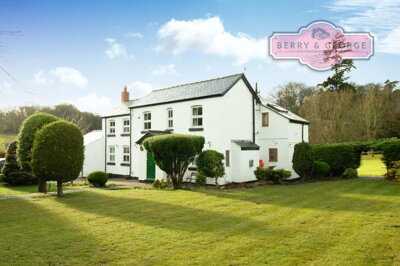
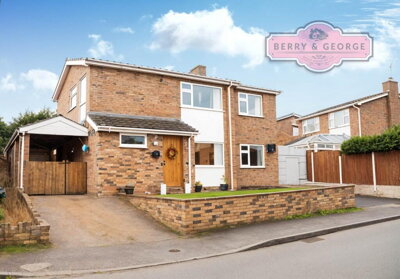
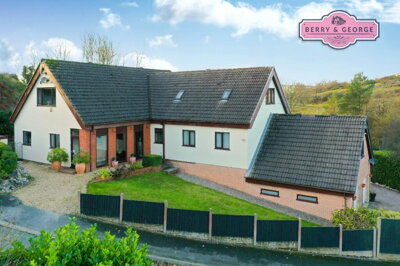
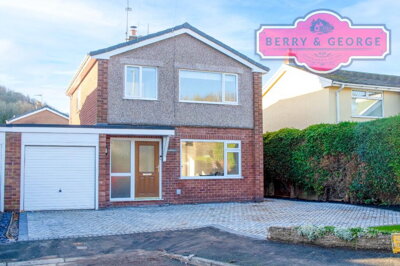
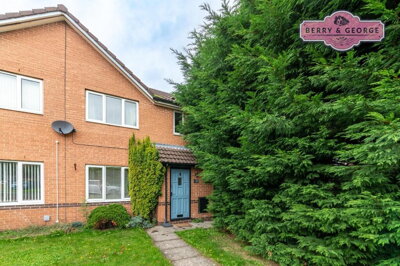
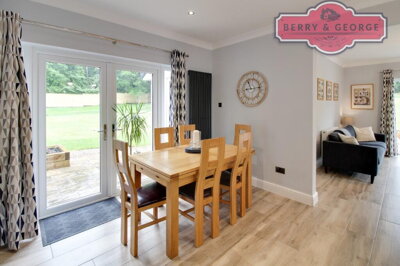
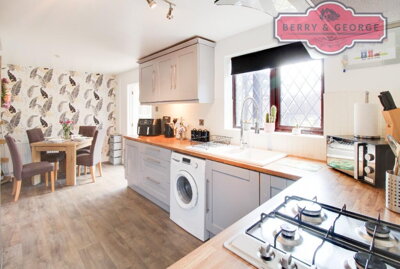
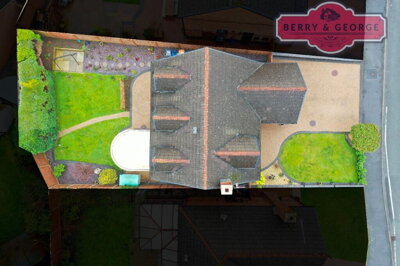
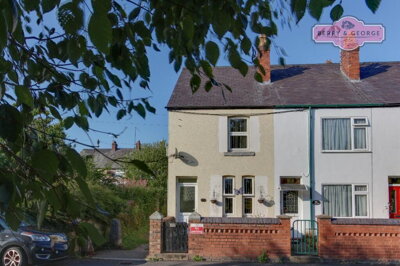
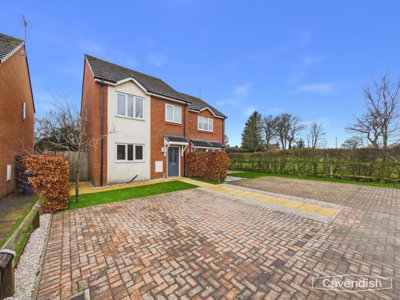
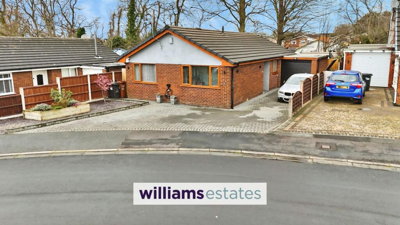
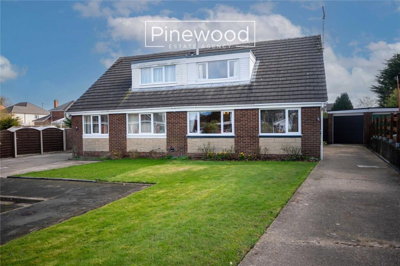
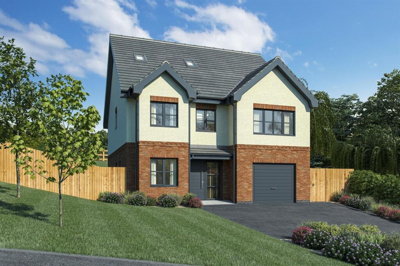
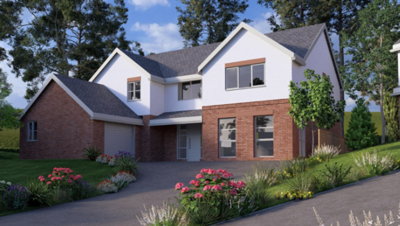
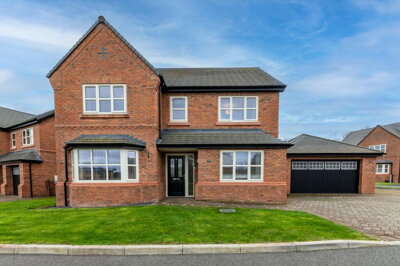
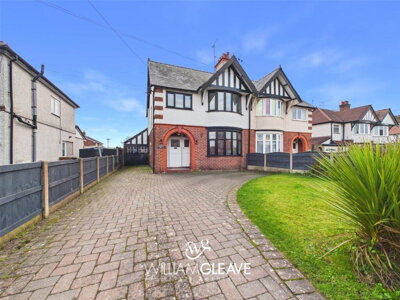
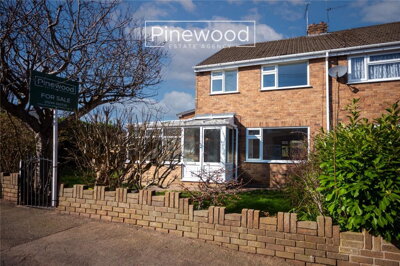
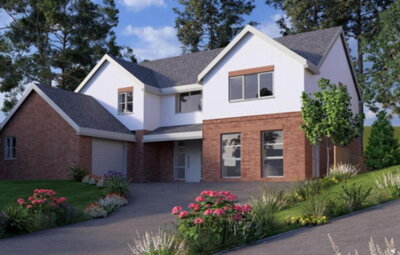
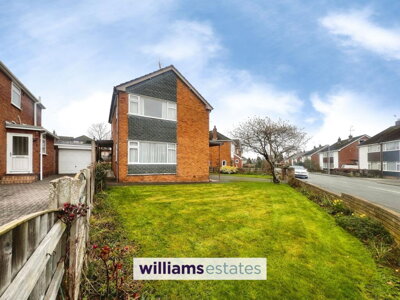
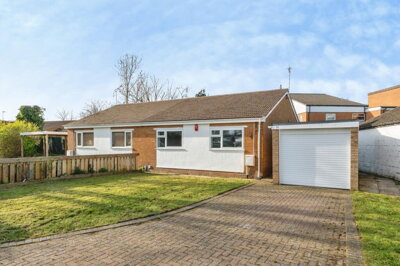
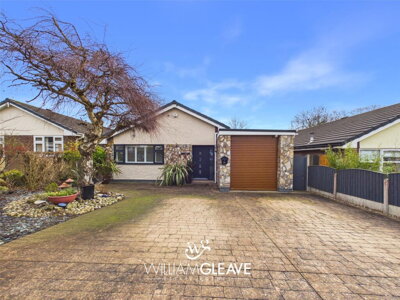
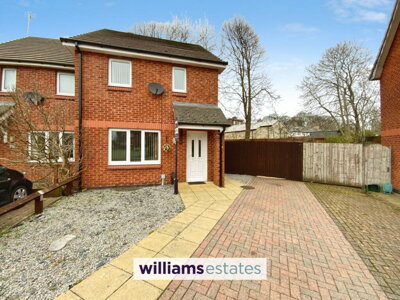
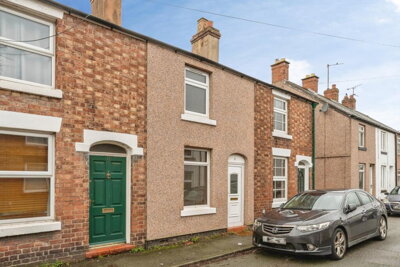
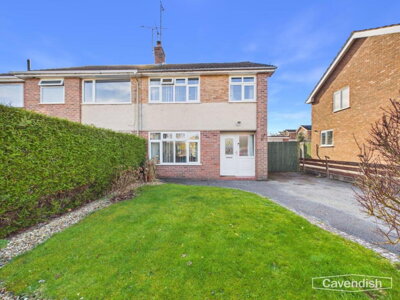
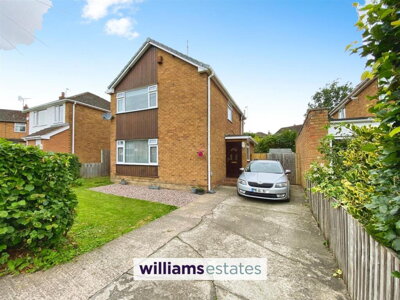
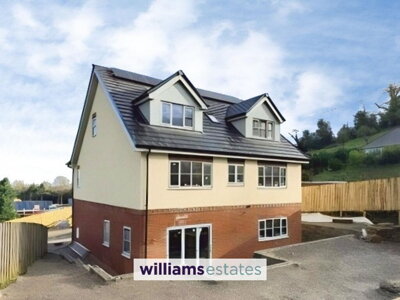
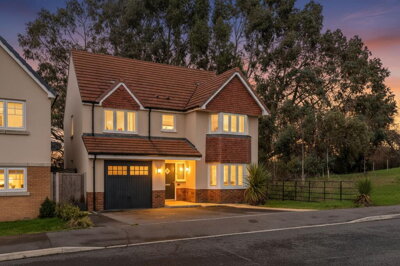
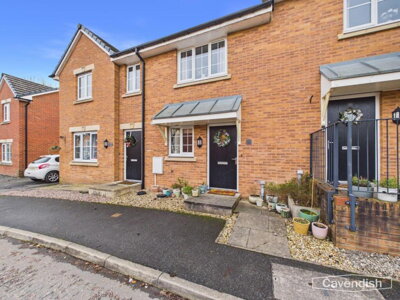
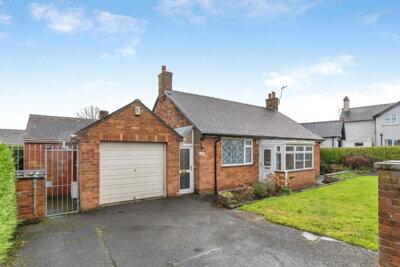
Browse 139 homes for sale in Nercwys, Flintshire from local estate agents.
The Nercwys property market offers detached, semi-detached, and terraced houses spanning various price ranges and neighbourhoods. Each listing includes detailed property information, photographs, and direct contact with the marketing agent.
£295k
5
0
155
Source: home.co.uk
Showing 5 results for Houses for sale in Nercwys, Flintshire. The median asking price is £295,000.
Source: home.co.uk
Detached
3 listings
Avg £546,667
Terraced
2 listings
Avg £185,000
Source: home.co.uk
Source: home.co.uk
The Winterborne St. Martin property market reflects the village's desirable rural character and limited housing supply. Our current listings showcase properties ranging from traditional stone cottages to substantial detached family homes, with the average property price standing at £591,000 as of early 2026. The detached housing market dominates the local offering, with these larger properties averaging around £679,000, while semi-detached homes typically command prices in the region of £385,000. Terraced properties, though less common in this village setting, provide more accessible entry points at approximately £350,000.
Property prices have shown a modest adjustment over the past twelve months, with overall values declining by around 1.5 percent. This slight softening reflects broader national trends while maintaining the village's reputation as a stable investment. New build activity remains minimal within Winterborne St. Martin itself, as the village's Conservation Area designation and historic character limit large-scale development. Prospective buyers will find that properties here rarely come to market, making quick decisions essential when the right home does become available.
The limited stock combined with consistent demand from buyers seeking the Dorset countryside lifestyle ensures that well-presented homes continue to attract strong interest. Properties in the village typically fall within Council Tax Bands A through H, with many of the older period properties occupying mid-range bands given their character and location within the Conservation Area. Sellers often include agricultural land or substantial gardens with their properties, adding to the appeal for buyers seeking outdoor space in a village setting. Local estate agents note that properties meeting modern energy standards while retaining period features command premium prices in the current market.
Life in Winterborne St. Martin centres on community spirit and the rhythms of rural Dorset. With a population of approximately 700 to 800 residents across roughly 300 to 350 households, the village maintains an intimate scale where local events bring neighbours together throughout the year. The village pub serves as a social hub, while the surrounding countryside offers endless opportunities for walking, cycling, and exploring the Dorset Area of Outstanding Natural Beauty that lies just beyond the village boundaries.
The Winterborne stream winds through the village, adding to its scenic appeal while also warranting consideration for buyers researching specific property locations. Properties in the village showcase traditional Dorset architecture, with many built using local Purbeck stone, red brick, and render finishes under slate, tile, or characteristic thatch roofs. The majority of homes predate 1919, lending the village its distinctive historic atmosphere with cobbled lanes, ancient cottages, and farm buildings converted into desirable residences. Employment opportunities locally are limited, with most residents commuting to nearby towns such as Dorchester or travelling further to the Poole and Bournemouth conurbation for work.
The village sits within the DT2 8 postcode area and falls under Dorset Council for local authority services. Residents benefit from the proximity to Dorchester, the county town, where weekly markets, major supermarkets, healthcare facilities, and leisure centres provide comprehensive urban amenities within a 15-minute drive. The nearby Dorset coast at Weymouth and Portland, approximately 30 minutes away by car, offers additional recreational opportunities including sailing, watersports, and beach activities that appeal to families and outdoor enthusiasts.
Understanding the construction methods used in Winterborne St. Martin helps buyers appreciate the character and potential maintenance requirements of properties in this village. The predominant building material throughout the village is local Purbeck stone, a durable limestone quarried from the Isle of Purbeck that has been used in Dorset construction for centuries. Properties built from Purbeck stone typically feature solid walls between 300mm and 450mm thick, providing excellent thermal mass but requiring different treatment than modern cavity wall constructions insulation and damp management.
Traditional brick construction also features prominently, particularly in cottages and farm buildings constructed during the Victorian and Edwardian periods. These red brick properties often incorporate decorative brickwork details including string courses, corbelled cornices, and ornate chimney stacks that contribute to the village's architectural interest. Many properties throughout the village feature rendered exteriors, which may conceal older stone or brickwork beneath or serve as a decorative finish in their own right. Render can suffer from cracking and damp penetration if not properly maintained, making external inspection during the survey process particularly important.
Roofing across the village demonstrates considerable variety, reflecting the different ages and styles of properties present. Traditional slate roofs feature on many Victorian and Edwardian properties, while older cottages and farm buildings commonly feature either clay tile or the distinctive thatch that characterises parts of the Dorset countryside. Thatch requires specialist maintenance and insurance considerations, and prospective buyers should ensure that any thatched property has been professionally re-ridged within the past five to ten years. The timber roof structures supporting these various coverings typically consist of traditional cut rafters with sarking felt, though older properties may feature more elaborate truss designs that should be inspected for signs of deterioration or previous modification.
The age of much of the housing stock in Winterborne St. Martin means that prospective buyers should familiarise themselves with defects commonly encountered during property surveys. Damp affects a significant proportion of older properties throughout the village, manifesting as rising damp where original damp-proof courses have failed, penetrating damp where external walls suffer from weathering or damaged pointing, and condensation related to inadequate ventilation in occupied spaces. Our inspectors frequently identify damp issues in solid-walled stone and brick properties where modern building standards for moisture management have not been applied.
Roof defects represent another common finding during surveys of Winterborne St. Martin properties. Thatch, while visually appealing, has a limited lifespan and requires re-ridging every 15 to 25 years depending on the material quality and exposure. Slate and tile roofs commonly show signs of slipped or broken coverings, failed pointing to ridge tiles, and deterioration of mortar joints throughout the roof structure. Our inspectors examine roof timbers for signs of woodworm activity, wet rot, and dry rot, which can develop when moisture penetrates the roof structure or rises from damp walls into roof void timbers.
Properties built on the areas of Reading Beds and London Clay to the south and east of the village face potential foundation movement due to shrink-swell behaviour in clay soils during periods of extreme wet and dry weather. While the chalk geology underlying much of the village provides generally stable ground conditions, properties with large trees nearby or those on shallow foundations may show signs of subsidence or heave that require professional assessment. Properties within the Conservation Area or those designated as Listed Buildings may require more specialist RICS Level 3 Surveys given the complexity of their construction and the need for expertise in historic building materials and appropriate repair methods.
Families considering a move to Winterborne St. Martin will find several educational options within easy reach. The village itself falls within the catchment area for primary schools in the surrounding area, with institutions in nearby villages serving younger children. Primary schools in the surrounding Dorset villages typically serve small catchments, providing a community-focused education with close teacher-pupil relationships. Parents should verify current catchment arrangements with Dorset Council, as school admissions policies can affect which properties provide access to specific schools.
Secondary education is typically accessed through schools in the nearby market towns, with school transport arrangements making daily commutes manageable for secondary-aged pupils. Dorchester, approximately 15 minutes away by car, hosts several secondary schools including The Grypton School and Dorchester School, while the surrounding area includes institutions such as The Purbeck School in Swanage. For families seeking grammar school education, Poole Grammar School and Bournemouth Grammar for Boys, along with their female counterparts, are accessible to motivated pupils willing to undertake the entrance examinations and longer daily journeys from Winterborne St. Martin.
Parents should research specific school performance data through Ofsted reports and government league tables when narrowing down their property search, as school quality plays a significant role in the local property market. Independent schooling options in Dorset include Sunninghill School in Dorchester and Clayesmore School in Iwerne Minster, both offering private education for families prioritising alternative educational approaches. The proximity to Dorchester's secondary schools and the broader range of independent schooling options in Dorset represents a key consideration when purchasing in this rural village location, with many families choosing to factor school accessibility heavily into their property decisions.
Connectivity from Winterborne St. Martin combines rural tranquility with practical access to major transport routes. The village sits within the DT2 postcode area, placing it within reasonable reach of the A35 trunk road that runs through Dorset, connecting Exeter to Southampton via Honiton, Dorchester, and Poole. This main road provides crucial links for commuters and families who need regular access to larger employment centres, with journey times to Dorchester taking approximately 15 to 20 minutes by car. Poole and Bournemouth, major employment centres on the South Coast, are accessible within approximately 30 to 40 minutes via the A35 and nearby motorway connections.
Public transport options reflect the village's rural nature, with limited bus services operating between Winterborne St. Martin and surrounding villages and towns. The X10 service connects Dorchester to Weymouth, while other routes serve surrounding villages with varying frequencies that may not align with typical commuter requirements. Rail connections are accessed via stations in Dorchester or Poole, with direct services to London Waterloo available from both locations, typically taking around two and a half hours. Many residents of Winterborne St. Martin rely on private vehicles for daily commuting, making off-street parking at properties a valuable feature.
Cyclists benefit from country lanes and designated routes in the surrounding countryside, though the hilly Dorset terrain requires reasonable fitness levels for regular cycling. The Dorset coast road and inland routes through the Area of Outstanding Natural Beauty provide popular cycling territory for recreational riders, while the village lanes connect to wider networks for those seeking more challenging routes. For air travel, Bournemouth Airport offers regional and European destinations within approximately 45 minutes drive, while Southampton Airport and Heathrow provide broader international connectivity within roughly two hours travel time from the village.
Spend time exploring Winterborne St. Martin at different times of day and week to understand the community atmosphere, noise levels, and proximity to amenities. Walk the lanes, visit the local pub, and speak with residents to gain authentic insights into village life before committing to a purchase. Consider attending any village events or services to experience the community firsthand.
Speak with a mortgage broker or bank to obtain an agreement in principle before viewing properties. This demonstrates your financial readiness to estate agents and sellers, giving you a competitive edge in a market where well-priced homes generate quick interest. Local mortgage brokers familiar with Dorset property values can provide accurate borrowing assessments based on current lending criteria for rural properties.
View multiple properties across different price ranges to understand what your budget buys in this village. Pay particular attention to property condition, as many homes are older constructions that may require maintenance or modernisation. Consider viewing properties at various times of day to assess light levels, ambient noise from the surrounding countryside, and any seasonal factors that might affect your enjoyment of the property.
Commission a RICS Level 2 Survey before proceeding with your purchase, particularly given the high proportion of older properties in Winterborne St. Martin. These surveys typically cost between £450 and £900 for properties in this area and can reveal hidden defects in stone walls, thatched roofs, timber structures, and period features that characterise the local housing stock. For Listed Buildings or properties of unusual construction, a RICS Level 3 Survey may be more appropriate.
Appoint a conveyancing solicitor with experience handling rural property transactions, including those involving Listed Buildings or properties within Conservation Areas. Your solicitor will handle searches, contracts, and land registry checks while coordinating with your mortgage provider to ensure a smooth progression toward completion. Specialist knowledge of Dorset planning requirements can prove valuable for transactions involving heritage properties.
Once all surveys, searches, and legal work are satisfactory, your solicitor will arrange the exchange of contracts with a typically four-week completion period. On completion day, the property is officially yours, and you can collect your keys from the estate agent to begin your new life in Winterborne St. Martin. Consider arranging buildings insurance from the point of exchange to protect your investment.
Purchasing property in Winterborne St. Martin requires careful consideration of several local-specific factors that differ from urban property buying. The village's geology presents particular considerations, as the underlying chalk deposits generally offer stable foundations, yet areas with Reading Beds or London Clay to the south and east of the village can experience moderate to high shrink-swell movement affecting foundations. A thorough building survey can identify any existing structural issues related to ground conditions, particularly for properties with large trees nearby or those built on clay soils.
Flood risk awareness forms an essential part of property due diligence in Winterborne St. Martin. While the village sits inland away from coastal flooding risks, properties adjacent to the Winterborne stream face potential fluvial flooding during periods of heavy rainfall. General surface water flooding can affect low-lying areas throughout the village, so prospective buyers should request flood risk reports and carefully consider property elevation and drainage when evaluating individual homes. The village's position on chalk geology means that groundwater flooding is generally less of a concern than in other parts of Dorset, but localised drainage issues can still occur during exceptional rainfall events.
The Conservation Area status covering much of the historic village core brings additional responsibilities and considerations for prospective buyers. Properties within the Conservation Area require planning permission for certain alterations, extensions, and external works that might not need consent elsewhere, and permitted development rights may be more limited than in non-designated areas. Listed Buildings, including St. Martin's Church and numerous cottages and farmhouses throughout the village, are subject to even stricter controls under listed building regulations, requiring consent from the local planning authority for any works that might affect their character or fabric. These designations help preserve the village's character but require careful consideration when planning any future works to a property.
The average house price in Winterborne St. Martin stands at approximately £591,000 based on recent market data, with approximately 10 properties having changed hands in the past twelve months. Detached properties command the highest prices, averaging around £679,000, while semi-detached homes typically sell for £385,000 and terraced properties for approximately £350,000. Property prices have shown a modest 1.5 percent decline over the past twelve months, reflecting broader market conditions while maintaining the village's reputation for stable property values in rural Dorset.
Properties in Winterborne St. Martin fall under the Dorset Council authority for council tax purposes. Council tax bands in the village range from Band A for the smallest properties through to Band H for the most valuable homes, with the majority of period properties falling within Bands C to E. Prospective buyers should check individual property listings or the Dorset Council website for specific band information, as the age, size, and character of many village properties can result in varied banding across the local housing stock.
Winterborne St. Martin falls within catchment areas for primary schools in surrounding villages and secondary schools in nearby towns such as Dorchester, approximately 15 minutes away by car. The Grypton School and Dorchester School serve the immediate area, while several grammar schools in Poole and Bournemouth are accessible to families willing to travel and sit entrance examinations. Parents should consult current Ofsted ratings and government league tables when selecting properties, as school quality significantly influences the local property market and catchment boundaries can affect which schools a property serves.
Public transport options in Winterborne St. Martin are limited, reflecting its rural village character, with bus services operating between the village and surrounding areas at reduced frequencies compared to urban routes. Rail connections require travel to Dorchester or Poole stations, both offering direct services to London Waterloo in approximately two and a half hours. Most residents rely on private vehicles for daily commuting, making car ownership essential for those working outside the village, with the A35 providing crucial road connections to larger employment centres.
Winterborne St. Martin offers strong investment fundamentals for buyers seeking long-term value in rural Dorset, with the village's Conservation Area status and limited development potential helping preserve property values by maintaining character and scarcity. Demand from buyers seeking the Dorset countryside lifestyle, combined with proximity to major employers in Poole and Bournemouth accessible via the A35, supports continued interest in the village. The modest recent price adjustment of 1.5 percent suggests a stable market rather than speculative growth, making this suitable for buyers focused on lifestyle rather than rapid capital appreciation.
Stamp duty rates for 2024-25 apply zero percent duty on the first £250,000 of residential property purchases, five percent on the portion from £250,001 to £925,000, ten percent from £925,001 to £1.5 million, and twelve percent above £1.5 million. First-time buyers benefit from increased thresholds, paying zero percent on the first £425,000 and five percent between £425,001 and £625,000. At the village average price of £591,000, a standard buyer would pay approximately £17,050 in stamp duty, while a first-time buyer would benefit from relief reducing this to around £8,300.
The majority of properties in Winterborne St. Martin predate 1919, meaning buyers should anticipate common issues found in older buildings including damp affecting solid walls, roof deterioration on slate or thatch coverings, timber defects such as woodworm or rot, and outdated electrical and plumbing systems. Properties on areas of Reading Beds or London Clay to the south and east of the village may experience foundation movement during extreme weather, particularly those with large trees nearby that extract moisture from clay soils. We strongly recommend commissioning a RICS Level 2 Survey before proceeding with any purchase in this village, or a RICS Level 3 Survey for Listed Buildings or properties of unusual construction.
From 4.5%
Expert mortgage advice for Winterborne St. Martin buyers
From £499
Specialist property solicitors for rural Dorset transactions
From £450
Comprehensive survey for Winterborne St. Martin properties
From £85
Energy performance certificate for your new home
Understanding the full costs of purchasing property in Winterborne St. Martin helps buyers budget accurately and avoid surprises during the transaction process. The primary cost beyond the property price comes from stamp duty, officially known as Stamp Duty Land Tax. For residential purchases completed in 2024-25, no stamp duty applies to the first £250,000 of property value. The portion between £250,001 and £925,000 attracts five percent duty, with ten percent charged between £925,001 and £1.5 million, rising to twelve percent for any value exceeding £1.5 million.
First-time buyers enjoy enhanced relief, with zero percent stamp duty applying to the first £425,000 of property value and five percent between £425,001 and £625,000. This relief is unavailable for properties priced above £625,000. For a typical Winterborne St. Martin property at the village average of £591,000, a standard buyer would pay approximately £17,050 in stamp duty, while a first-time buyer would benefit from relief reducing this to around £8,300 based on current HMRC rates.
Beyond stamp duty, buyers should budget for solicitor conveyancing fees typically ranging from £500 to £2,000 depending on complexity, with additional costs for local searches, land registry fees, and telegraphic transfer charges that together may add £400 to £600 to the total legal costs. A RICS Level 2 Survey costs between £450 and £900 for properties in this area, rising to £700 or more for larger detached homes with complex period structures or thatched roofing. An Energy Performance Certificate costs approximately £85 to £120 and is required before any property sale can complete. Buildings insurance should be arranged from the point of exchange, and buyers purchasing properties within the Conservation Area or with Listed Building status should budget for potential future costs related to maintaining heritage features. These combined costs typically add between £3,000 and £5,000 to the total purchase budget, though the exact amount varies depending on property price, tenure, and individual solicitor fee structures.
Properties for Sale In London

Properties for Sale In Plymouth

Properties for Sale In Liverpool

Properties for Sale In Glasgow

Properties for Sale In Sheffield

Properties for Sale In Edinburgh

Properties for Sale In Coventry

Properties for Sale In Bradford

Properties for Sale In Manchester

Properties for Sale In Birmingham

Properties for Sale In Bristol

Properties for Sale In Oxford

Properties for Sale In Leicester

Properties for Sale In Newcastle

Properties for Sale In Leeds

Properties for Sale In Southampton

Properties for Sale In Cardiff

Properties for Sale In Nottingham

Properties for Sale In Norwich

Properties for Sale In Brighton

Properties for Sale In Derby

Properties for Sale In Portsmouth

Properties for Sale In Northampton

Properties for Sale In Milton Keynes

Properties for Sale In Bournemouth

Properties for Sale In Bolton

Properties for Sale In Swansea

Properties for Sale In Swindon

Properties for Sale In Peterborough

Properties for Sale In Wolverhampton

Enter your details to see if this property is within your budget.
Loans, cards, car finance
Estimated property budget
Borrowing + deposit
You could borrow between
Typical borrowing
Monthly repayment
Est. at 4.5%
Loan-to-value
This is an estimate only. Your actual budget may vary depending on interest rates, credit history, and personal circumstances. For an accurate affordability assessment, speak to one of our free mortgage advisors.
This calculator provides estimates for illustrative purposes only and does not constitute financial advice. Your home may be repossessed if you do not keep up repayments on your mortgage. Estimates based on 4.5% interest rate, repayment mortgage. Actual rates depend on your circumstances.
Homemove is a trading name of HM Haus Group Ltd (Company No. 13873779, registered in England & Wales). Homemove Mortgages Ltd (Company No. 15947693) is an Appointed Representative of TMG Direct Limited, trading as TMG Mortgage Network, which is authorised and regulated by the Financial Conduct Authority (FRN 786245). Homemove Mortgages Ltd is entered on the FCA Register as an Appointed Representative (FRN 1022429). You can check registrations at NewRegister or by calling 0800 111 6768.

We use cookies to show you personalised content and improve your experience of our website. Find out more in our Privacy policy and Cookie policy.