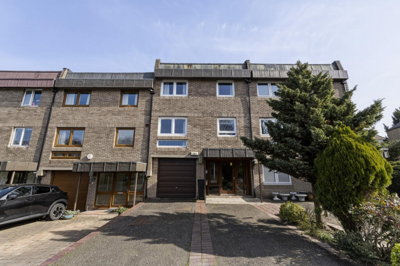
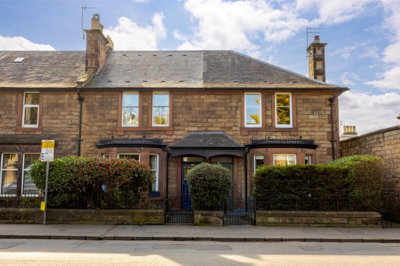
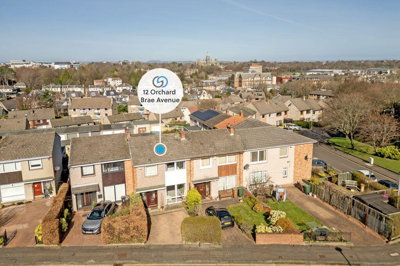
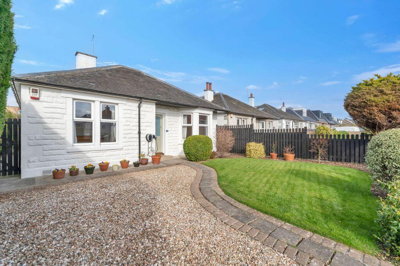
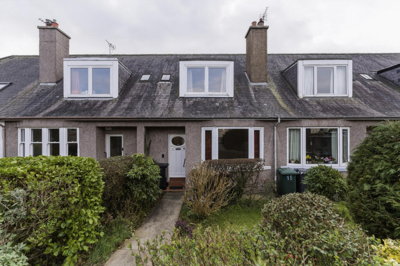
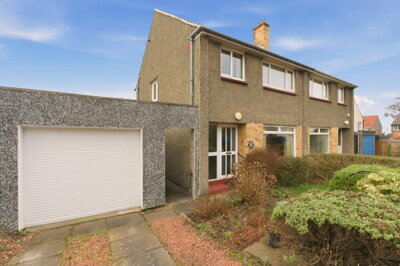
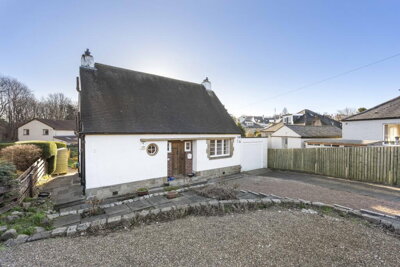
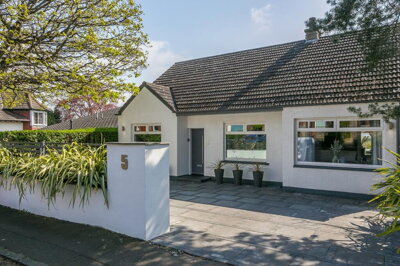
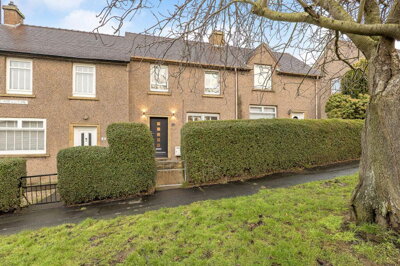
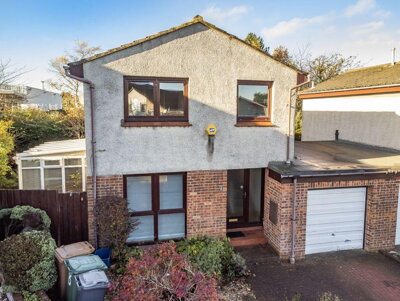
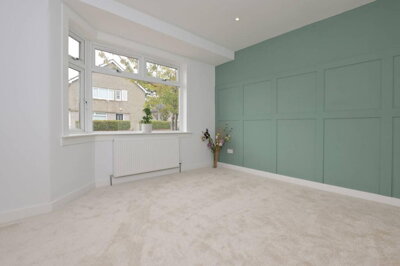
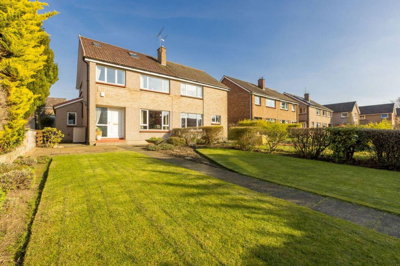
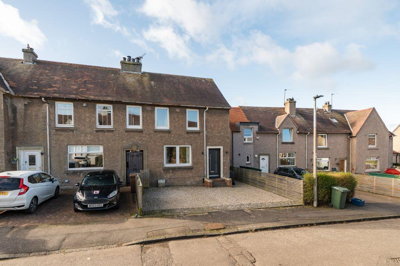
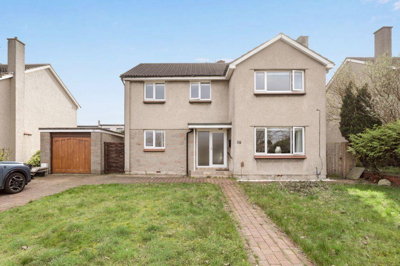
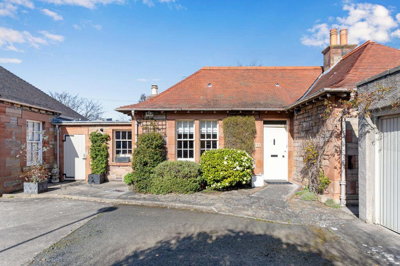
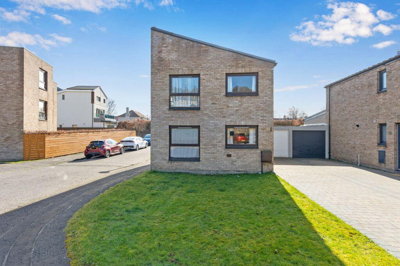
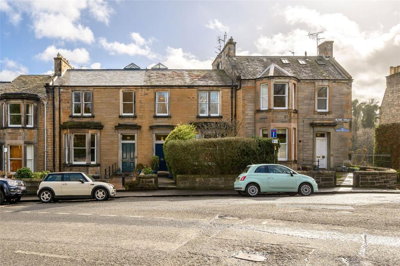
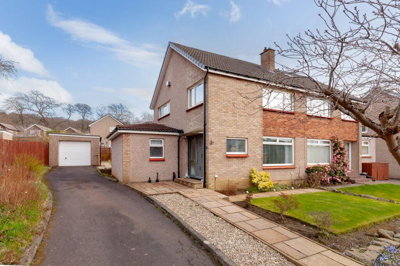
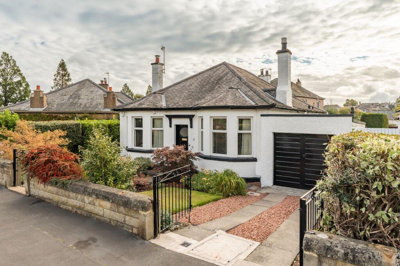
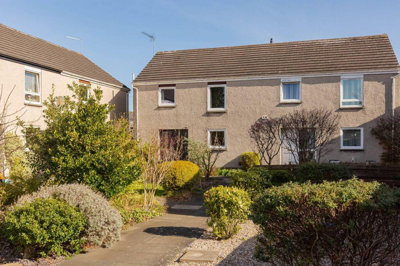
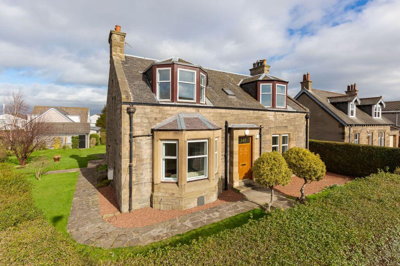
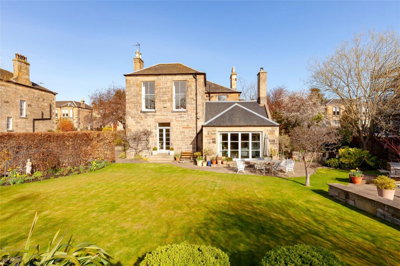
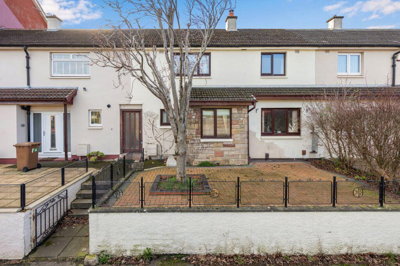
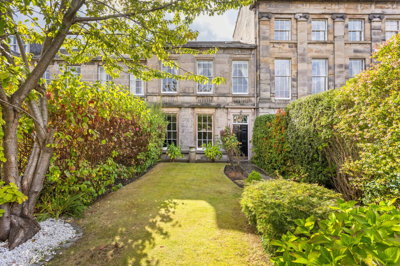
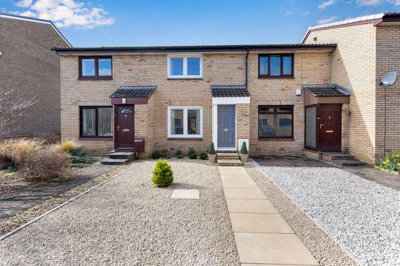
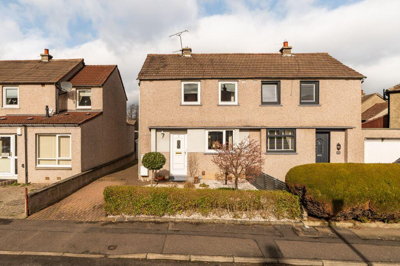
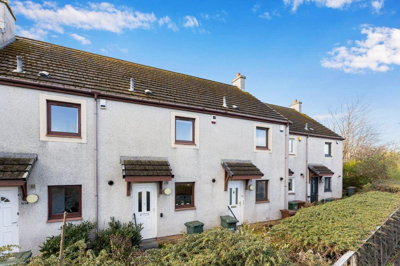
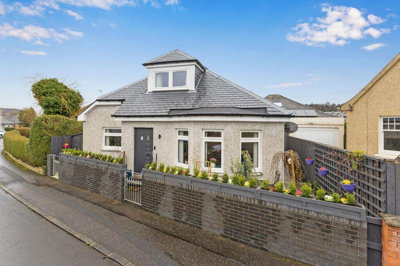
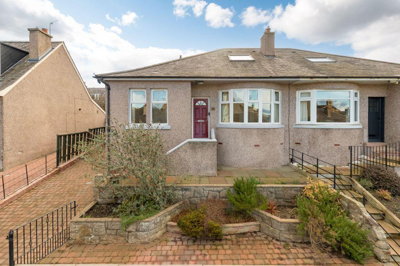
Browse 153 homes for sale in Murrayfield, Edinburgh from local estate agents.
The Murrayfield property market offers detached, semi-detached, and terraced houses spanning various price ranges and neighbourhoods. Each listing includes detailed property information, photographs, and direct contact with the marketing agent.
£625k
9
3
28
Source: home.co.uk
Showing 9 results for Houses for sale in Murrayfield, Edinburgh. 3 new listings added this week. The median asking price is £625,000.
Source: home.co.uk
Detached
5 listings
Avg £1.12M
Terraced
4 listings
Avg £471,250
Source: home.co.uk
Source: home.co.uk
The Murrayfield property market demonstrates the area's standing as one of Edinburgh's most prestigious residential suburbs. Our listings data reveals that detached properties command the highest prices, with the average detached home in Murrayfield selling for around £881,250. These substantial residences, many built in the early 20th century, offer generous room sizes, private gardens, and the characterful architecture that defines the neighbourhood. The premium reflects both the scarcity of such properties and the enduring appeal of spacious family homes in this convenient location.
Semi-detached villas represent another popular segment of the Murrayfield market, with average prices around £599,000. These properties often date from the garden suburb's original development period and feature bay windows, original fireplaces, and private rear gardens that appeal to families seeking period character at a more accessible price point. Terraced properties average £470,000, while flats in the area command around £316,667, offering an entry point for first-time buyers or investors looking to capitalise on strong rental demand from Edinburgh's professional workforce.
Recent market data indicates that property values in Murrayfield have experienced a modest adjustment of -0.7% over the past twelve months, with 100 property sales completing in the area during this period. This stability contrasts with more volatile markets in other parts of the UK and reflects Edinburgh's resilient property fundamentals. The absence of major new-build developments in the EH12 postcode means that buyers seeking modern homes may need to look beyond Murrayfield's borders, though the quality of existing stock more than compensates for this limitation.
The market attracts a diverse range of buyers, from families upgrading from smaller Edinburgh properties to professionals relocating from other UK cities or internationally. Buy-to-let investors also show consistent interest in the area, particularly in flats where rental yields are supported by strong demand from Edinburgh's substantial tenant population. The combination of stable capital values, limited supply, and enduring demand creates favourable conditions for both owner-occupiers and investors considering Murrayfield property.

Murrayfield was conceived as a garden suburb in the early 20th century, and this planned heritage remains evident throughout the neighbourhood today. The Murrayfield Garden Suburb Conservation Area encompasses a significant portion of the residential district, preserving the original vision of tree-lined avenues, generous garden plots, and architecturally cohesive housing. This conservation designation means that properties within the area benefit from stricter planning controls that maintain the neighbourhood's distinctive character and protect property values against inappropriate development.
The housing stock in Murrayfield predominantly consists of substantial stone-built villas constructed from local sandstone, along with brick properties from the interwar period and rendered finishes that add visual variety to the streetscape. Many properties retain original features such as corniced ceilings, sash and case windows, and decorative ironwork that appeal to those seeking period authenticity. The age of much of the housing stock means that properties often require careful maintenance, and prospective buyers should factor potential renovation costs into their budget when viewing properties in the area.
The local economy benefits from proximity to Edinburgh's major employment centres, with finance, education, healthcare, and public administration sectors drawing residents into the city centre and surrounding districts. BT Murrayfield Stadium contributes significantly to the local economy through major rugby events and concerts, generating employment and supporting nearby hospitality businesses. The area's demographics typically include professionals, families, and older residents who have lived in the neighbourhood for many years, creating a stable and established community atmosphere.
Local amenities within Murrayfield include convenience shops along Roseburn Terrace, popular pubs and restaurants serving the local community, and easy access to the extensive green spaces of Murrayfield Park adjacent to the stadium. The nearby Scottish National Gallery of Modern Art and the Water of Leith walkway provide additional recreational options within walking distance, while the extensive retail and cultural amenities of George Street and Princes Street are readily accessible via regular bus services.

Education provision in Murrayfield serves families well, with several primary schools located within reasonable distance of the neighbourhood. The local authority operates schools in the surrounding areas, and many families choose Murrayfield specifically for its access to quality educational institutions. Secondary education is provided through schools in adjacent districts, with the catchment system meaning that specific school allocations depend on residential address. Parents researching the area should verify current catchment boundaries with the City of Edinburgh Council, as these can change and may influence school placements.
Beyond state education, Murrayfield's proximity to Edinburgh city centre provides access to some of Scotland's most prestigious independent schools. These institutions, including Stewart's Melville College and The Edinburgh Academy, offer alternative educational pathways for families seeking private education options. The presence of multiple schooling choices within easy reach enhances Murrayfield's appeal to families, ensuring that educational requirements need not constrain residential decisions. University access is excellent, with the University of Edinburgh and Heriot-Watt University both readily accessible via public transport or car.
For families considering property purchases in Murrayfield, we recommend researching school performance data through the Care Inspectorate and Education Scotland websites, where inspection reports and examination results are publicly available. The combination of strong local authority schools and prestigious independent options within commuting distance makes Murrayfield particularly attractive to families at all stages of education planning. Parent forums and local community groups can also provide valuable insights into the day-to-day experience of schooling in the area, supplementing official performance data with qualitative information about school cultures and extra-curricular opportunities.
Murrayfield enjoys excellent transport connections that make commuting straightforward for residents working across Edinburgh and beyond. The area is served by regular bus routes connecting to Edinburgh city centre, with journey times typically taking 15-25 minutes depending on traffic conditions and specific destination. The Lothian Bus network provides comprehensive coverage, and the area's main roads are well-served by multiple routes, reducing dependence on any single service for daily commuting needs.
For those who travel further afield, the proximity to the A8 corridor provides direct access to Edinburgh Airport, the M8 motorway heading west towards Glasgow, and the broader central Scotland road network. The airport, situated approximately five miles west of Murrayfield, is particularly accessible, making the area suitable for frequent travellers or those who work internationally. Edinburgh Waverley station, offering rail connections across Scotland and to London, is readily reachable by bus or car, typically within 20 minutes.
Cyclists benefit from dedicated infrastructure on major routes into the city centre, and the rolling terrain of the area is generally manageable for those accustomed to cycling. Parking availability varies by street, with some areas offering permit parking schemes typical of Edinburgh residential zones. The combination of multiple transport options means that residents need not rely exclusively on car ownership, and the excellent public transport links contribute to Murrayfield's sustainable credentials as a location for urban living.
Understanding the construction methods used in Murrayfield properties helps buyers appreciate the characteristics and potential maintenance requirements of homes in the area. The predominant construction type consists of solid masonry walls built with local Edinburgh sandstone, particularly in the larger Victorian and Edwardian villas that define the architectural character of the neighbourhood. These stone walls, typically 400-600mm thick, provide excellent thermal mass and durability but require attention to pointing and weathering over time.
Interwar properties built between 1919 and 1945 frequently feature brick construction, often with rendered external finishes that add visual variety to the streetscape. These properties may incorporate cavity wall construction in some cases, though solid wall construction remains prevalent. Timber suspended floors are typical in older properties, with ground floor construction often consisting of timber joists supported on brick dwarf walls or concrete slabs in more recent alterations. Understanding these construction details helps buyers anticipate common issues and plan appropriate maintenance programmes.
Roof construction throughout Murrayfield predominantly features pitched timber roofs covered with natural slate or clay tiles, reflecting the traditional Scottish building practices of the development period. Lead flashings and valleys are common, and their condition should be assessed carefully during any property inspection. Flat roof sections, particularly on rear additions and porches, may use different materials and often require more frequent maintenance or replacement compared to pitched roofs. Properties near mature trees may experience additional debris accumulation on roofs and in gutters, accelerating wear on roofing materials and flashings.
Spend time exploring current listings and recent sales data to understand what your budget can achieve in Murrayfield. The average price of £472,610 provides a useful benchmark, though detached villas at £881,250 and flats at £316,667 offer significantly different options depending on your circumstances. Online property portals, local estate agent websites, and Land Registry data can help you build a picture of current market conditions and recent transaction prices.
Before scheduling viewings, obtain a mortgage agreement in principle from a lender. This document demonstrates your financial credibility to estate agents and sellers, giving you a competitive edge when making offers in a market where multiple bids are possible. Scottish mortgage lenders offer various products suited to different buyer circumstances, and obtaining agreement in principle typically takes one to two weeks for straightforward applications.
Arrange viewings of properties matching your criteria, paying particular attention to construction quality in older properties. Given Murrayfield's significant pre-1919 and interwar housing stock, a RICS Level 2 Survey costing approximately £400-£900 is advisable before committing to purchase. The survey will identify any structural issues, defects, or maintenance requirements that may affect your decision or provide leverage for price negotiations.
Once you have found your ideal property, submit an offer through the estate agent handling the sale. In Scotland, offers are typically made in writing and are legally binding once accepted. Be prepared to negotiate on price and terms, particularly given the modest market adjustment of -0.7% over the past twelve months that may create room for discussion. Your solicitor can advise on offer strategies and any special conditions you wish to include.
Appoint a solicitor to handle the legal transfer of ownership. Your solicitor will conduct searches, review contracts, and coordinate with your mortgage lender to ensure the transaction proceeds smoothly through to completion. Scottish conveyancing involves specific procedures including the Submission of Notes and Date of Entry arrangements, which your solicitor will manage on your behalf throughout the transaction.
Properties in Murrayfield's conservation area require careful consideration before purchase, as external alterations and renovations are subject to stricter planning controls than in non-designated areas. Prospective buyers should check whether their intended modifications, from window replacements to extensions, will require Conservation Area Consent or Listed Building Consent. These requirements can significantly impact renovation budgets and timelines, and understanding them before purchase prevents costly surprises.
The age of Murrayfield's housing stock means that damp problems represent one of the most frequently encountered defects in local property surveys. Rising damp occurs where existing damp-proof courses have failed or were never installed, particularly in properties built before 1920. Penetrating damp may affect stone walls in exposed positions or where pointing has deteriorated, while inadequate ventilation in some properties leads to condensation issues, particularly in recently converted flats where modern lifestyle demands differ from original usage patterns.
Timber defects require careful assessment in Murrayfield properties, where original floor joists, roof timbers, and joinery may be approaching or exceeding a century of service. Wet rot and dry rot can develop where timber is exposed to sustained moisture, with dry rot being particularly serious due to its ability to spread through masonry and plaster. Woodworm infestation may affect roof timbers and floor joists, and a specialist timber treatment survey may be advisable where initial surveys identify any cause for concern.
The geological conditions in parts of Edinburgh, including areas like Murrayfield, mean that some properties may be built on ground containing significant clay content. This can lead to shrink-swell movement affecting foundations, particularly where mature trees draw moisture from the soil during dry periods. Edinburgh's historical coal mining activity in some areas also warrants investigation, as underground workings can cause ground instability. A thorough building survey will identify any signs of subsidence or structural movement, and buyers should pay particular attention to any cracks, sticking doors, or uneven floors in properties they are considering.
Properties near the Water of Leith, which flows to the north of Murrayfield, may be subject to slightly elevated flood risk from surface water and watercourse overflow during extreme weather events. While Murrayfield itself is not directly on a major river and coastal flooding is not a concern, buyers should request information about flood risk from the Scottish Environment Protection Agency and consider appropriate insurance costs when budgeting for their purchase. Surface water flooding during heavy rainfall can affect low-lying areas and properties with compromised drainage systems.
Given the age of much of Murrayfield's housing stock, electrical and plumbing systems in many properties will not meet current standards and may require updating. Rewiring a period property is a significant undertaking that can cost several thousand pounds, and buyers should factor these potential costs into their overall budget. Similarly, heating systems in older properties may be inefficient by modern standards, and upgrading from older storage heaters or open fires to a more efficient system should form part of any renovation planning. A qualified electrician should assess the condition of existing electrical installations, and the presence of old rubber or fabric-covered cabling indicates an immediate need for rewire.
radon gas occurs naturally in some Edinburgh areas due to the underlying geology, and properties in affected areas should be tested and, if necessary, remediated. The Scottish Environment Protection Agency provides information on radon levels across Scotland, and mortgage lenders may require radon testing as part of their survey requirements for properties in higher-risk areas. Combined with the other environmental factors affecting Murrayfield properties, a comprehensive understanding of local conditions helps buyers make informed decisions and budget appropriately for any remediation requirements.
The average property price in Murrayfield, Edinburgh currently stands at £472,610 according to recent market data from Rightmove. Property prices vary significantly by type, with detached properties averaging £881,250, semi-detached homes around £599,000, terraced properties at approximately £470,000, and flats at £316,667. The market has experienced a modest adjustment of -0.7% over the past twelve months, with 100 property sales completing during this period, indicating stable conditions in this prestigious Edinburgh suburb. Price trends in Murrayfield tend to follow broader Edinburgh market patterns, with the area's desirability supporting values even during periods when other UK markets experience more significant volatility.
Properties in Murrayfield fall under the City of Edinburgh Council authority. Council tax bands in Edinburgh are set by the local council based on property valuations, and bands range from A through H. Given Murrayfield's status as an affluent area with substantial period properties, many homes fall into the higher bands, particularly bands E through H. Prospective buyers should verify the specific band for any property they are considering, as this forms part of the annual running costs of owning a home in the area. Council tax bills in Edinburgh typically include refuse collection, street cleaning, and local services funded through this annual charge, with the exact amount depending on the property's band and any applicable discounts.
Murrayfield offers access to several well-regarded primary and secondary schools within the City of Edinburgh Council area. The specific schools serving your address will depend on the current catchment system, which families should verify with the local authority as catchment boundaries can change over time. Additionally, prestigious independent schools including Stewart's Melville College and The Edinburgh Academy are readily accessible from Murrayfield. The University of Edinburgh and Heriot-Watt University are also nearby for those pursuing higher education, making the area excellent for families at all educational stages. Parents should also consider the proximity of after-school activities, music tuition services, and sports clubs when evaluating the overall educational provision available to families in the area.
Murrayfield benefits from excellent public transport connections, with regular Lothian Bus services providing access to Edinburgh city centre in 15-25 minutes. The area's main roads are well-served by multiple bus routes, reducing dependence on any single service and ensuring reliable connections throughout the day and evening. Edinburgh Waverley railway station is readily accessible for rail travel across Scotland and to London, with the East Coast Main Line offering regular services to destinations including Glasgow, Newcastle, and London King's Cross. Edinburgh Airport is approximately five miles west and easily reached by car or bus, making Murrayfield particularly suitable for frequent travellers and those working internationally. The tram line to the airport also passes through the western edge of the area, providing an additional public transport option for airport access.
Murrayfield represents a solid investment opportunity given its prestigious reputation, conservation area status, and proximity to Edinburgh's city centre and major employers. The area's substantial period properties and garden suburb character appeal to families and professionals seeking quality accommodation in a well-established neighbourhood. While the market has shown modest price adjustments recently, Edinburgh's broader property fundamentals, including strong employment, limited supply, and enduring demand from buyers and tenants, support long-term value retention. Flats at around £316,667 offer particularly accessible entry points for buy-to-let investors, though rental regulations in Scotland including the new short-term let licensing requirements should be carefully considered before purchasing property for rental purposes. The absence of significant new-build development in the EH12 postcode means that existing stock maintains its scarcity premium against newly constructed alternatives.
Stamp duty rates in Scotland differ from the rest of the UK, as Land and Buildings Transaction Tax applies to Scottish property purchases. First-time buyers in Scotland may benefit from relief on properties up to £175,000, reducing the immediate cost of buying in this prestigious area. For properties purchased as a main residence above £175,000, rates start at 2% on the portion between £175,001 and £250,000, rising to 5% between £250,001 and £325,000, with higher rates for more expensive properties. For a typical detached villa at £881,250, LBTT would be calculated across multiple bands, resulting in a substantial tax liability that buyers should factor into their overall purchase costs. Buyers should consult the Revenue Scotland website or a solicitor for current rates applicable to their specific purchase price and circumstances.
Properties within the Murrayfield Garden Suburb Conservation Area are subject to additional planning controls that affect what modifications owners can make. Before purchasing, establish whether the property is listed, as Grade A, B, and C listings carry different requirements for maintenance and alteration. Check the condition of original features including sash and case windows, decorative plasterwork, fireplaces, and architectural ironwork, as replacing these with modern alternatives may require consent and could affect the property's character and value. The condition of stone pointing and render should be assessed carefully, as remedial work on period properties requires specialist contractors experienced in traditional building techniques and materials.
From 3.5%
Get competitive mortgage rates for your Murrayfield purchase
From £499
Expert Scottish solicitors to handle your property purchase
From £400
Comprehensive survey of your Murrayfield property
From £80
Energy performance certificate for your property
Understanding the full costs of purchasing property in Murrayfield is essential for budgeting effectively. Beyond the property price, buyers must account for Land and Buildings Transaction Tax, which applies to all Scottish property purchases. First-time buyers may benefit from relief on the first £175,000 of the purchase price, reducing the immediate cost of buying in this prestigious area. For example, a first-time buyer purchasing a flat at the average price of £316,667 would pay LBTT only on the £141,667 above the relief threshold, resulting in costs significantly lower than for repeat purchasers.
Survey costs represent another important consideration, particularly given Murrayfield's significant stock of older properties. A RICS Level 2 Survey typically costs between £400 and £900 depending on the property's size and value, with larger detached villas at the higher end of this range. Given that many Murrayfield properties were built before 1945 and may exhibit common defects including damp, roof wear, or outdated electrics, investing in a thorough survey before purchase is strongly advisable to avoid unexpected repair costs after completion.
Solicitor fees for conveyancing in Scotland typically start from around £499 for straightforward transactions, though more complex purchases involving mortgages or shorter timescales may cost more. Additional costs include Land Registration fees, search fees covering local authority, environmental, and water searches, and potential mortgage arrangement fees depending on your lender. Buyers should budget for total additional costs equivalent to approximately 2-3% of the property purchase price when planning their move to Murrayfield. Obtaining a mortgage agreement in principle before viewing properties can streamline the process and demonstrate your seriousness as a buyer when making offers on this desirable Edinburgh suburb.
Properties for Sale In London

Properties for Sale In Plymouth

Properties for Sale In Liverpool

Properties for Sale In Glasgow

Properties for Sale In Sheffield

Properties for Sale In Edinburgh

Properties for Sale In Coventry

Properties for Sale In Bradford

Properties for Sale In Manchester

Properties for Sale In Birmingham

Properties for Sale In Bristol

Properties for Sale In Oxford

Properties for Sale In Leicester

Properties for Sale In Newcastle

Properties for Sale In Leeds

Properties for Sale In Southampton

Properties for Sale In Cardiff

Properties for Sale In Nottingham

Properties for Sale In Norwich

Properties for Sale In Brighton

Properties for Sale In Derby

Properties for Sale In Portsmouth

Properties for Sale In Northampton

Properties for Sale In Milton Keynes

Properties for Sale In Bournemouth

Properties for Sale In Bolton

Properties for Sale In Swansea

Properties for Sale In Swindon

Properties for Sale In Peterborough

Properties for Sale In Wolverhampton

Enter your details to see if this property is within your budget.
Loans, cards, car finance
Estimated property budget
Borrowing + deposit
You could borrow between
Typical borrowing
Monthly repayment
Est. at 4.5%
Loan-to-value
This is an estimate only. Your actual budget may vary depending on interest rates, credit history, and personal circumstances. For an accurate affordability assessment, speak to one of our free mortgage advisors.
This calculator provides estimates for illustrative purposes only and does not constitute financial advice. Your home may be repossessed if you do not keep up repayments on your mortgage. Estimates based on 4.5% interest rate, repayment mortgage. Actual rates depend on your circumstances.
Homemove is a trading name of HM Haus Group Ltd (Company No. 13873779, registered in England & Wales). Homemove Mortgages Ltd (Company No. 15947693) is an Appointed Representative of TMG Direct Limited, trading as TMG Mortgage Network, which is authorised and regulated by the Financial Conduct Authority (FRN 786245). Homemove Mortgages Ltd is entered on the FCA Register as an Appointed Representative (FRN 1022429). You can check registrations at NewRegister or by calling 0800 111 6768.

We use cookies to show you personalised content and improve your experience of our website. Find out more in our Privacy policy and Cookie policy.