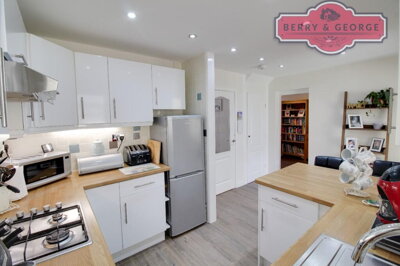
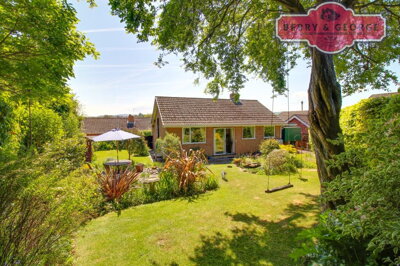
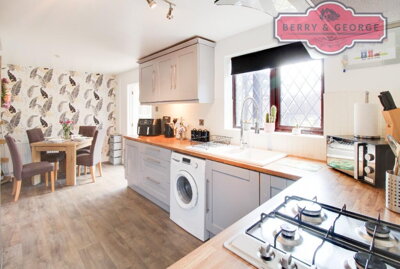
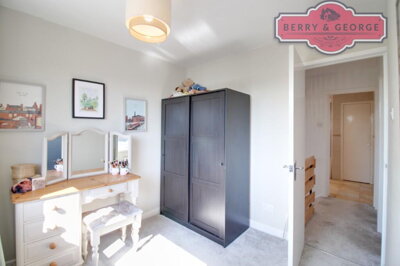
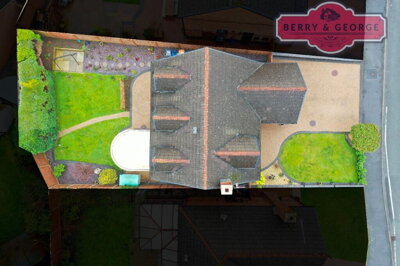
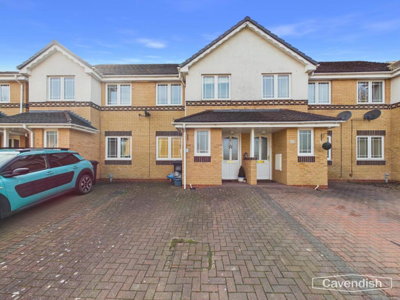
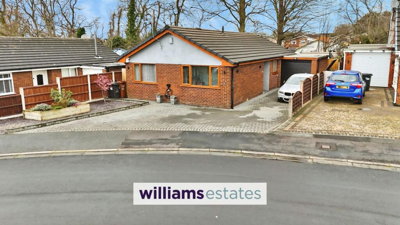
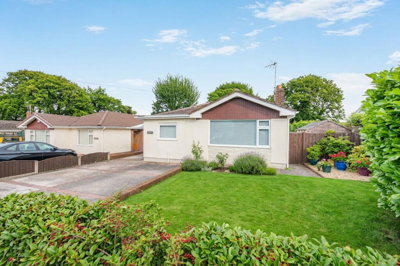
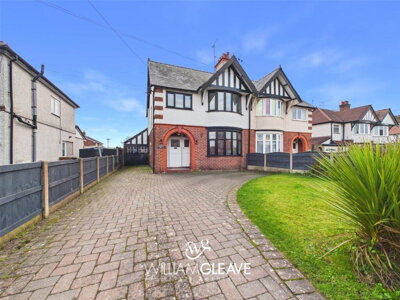
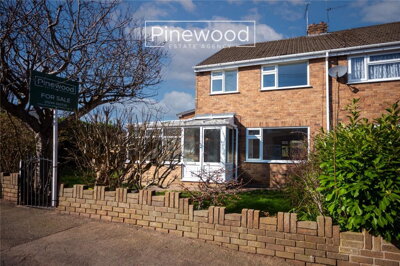
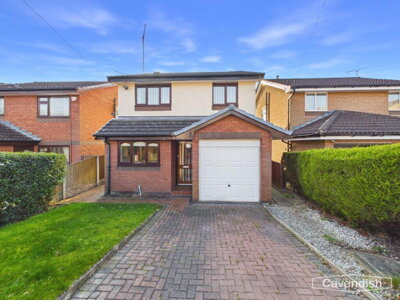
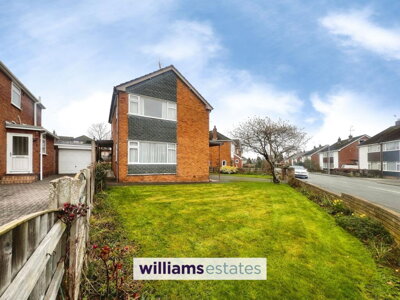
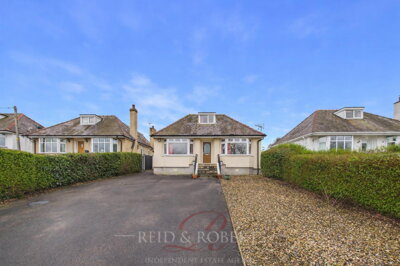
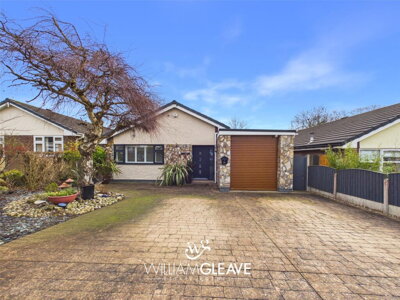
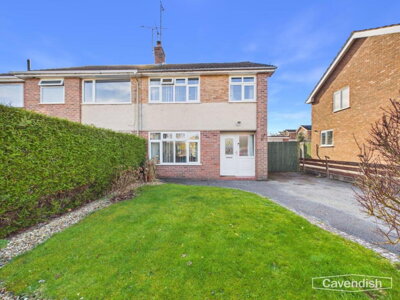
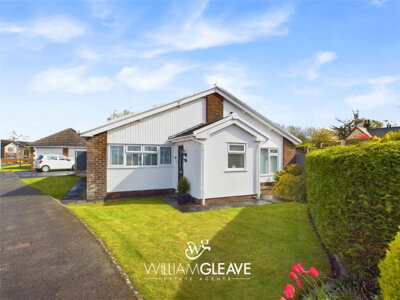
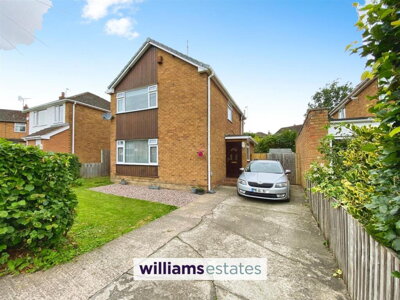
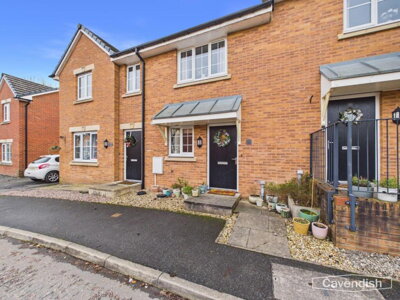
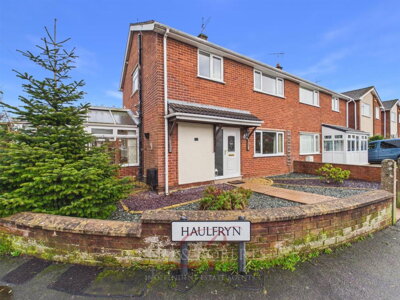
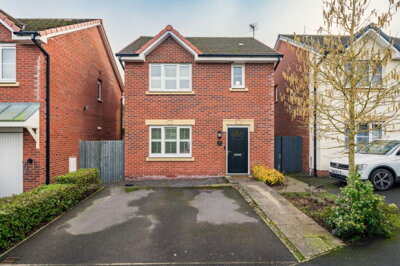
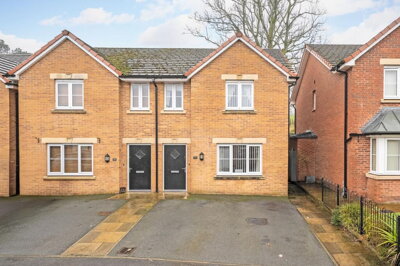
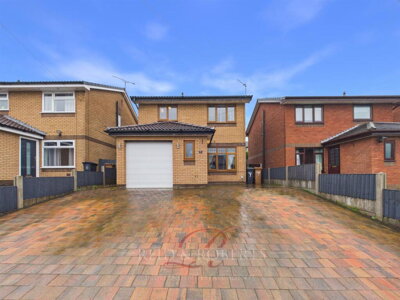
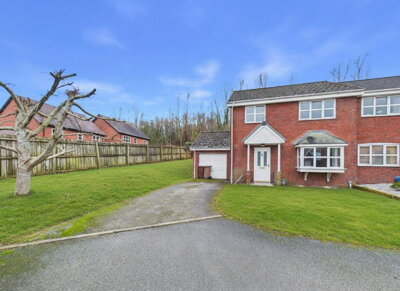
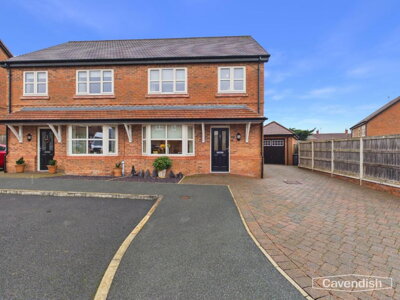
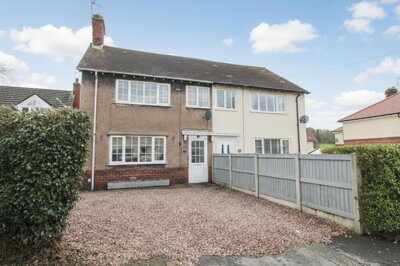
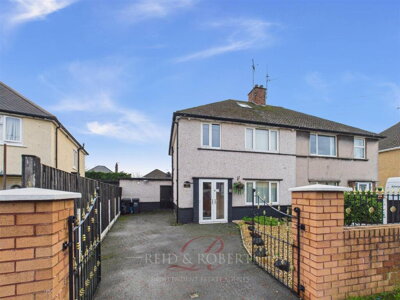
Browse 98 homes for sale in Mold, Flintshire from local estate agents.
Three bedroom properties represent a significant portion of the Mold housing market, offering space for families with multiple reception rooms and gardens in many cases. Browse detached, semi-detached, and terraced options ranging from period character homes to contemporary developments.
£243k
18
1
127
Source: home.co.uk
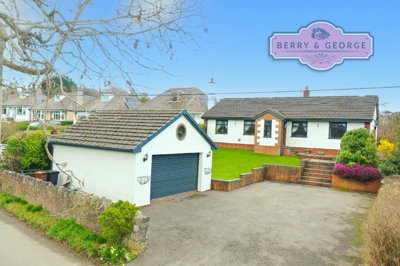
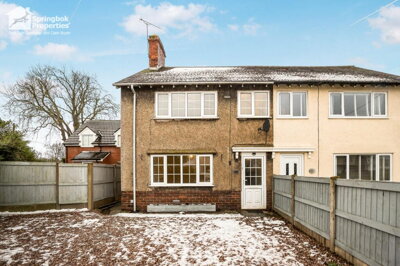
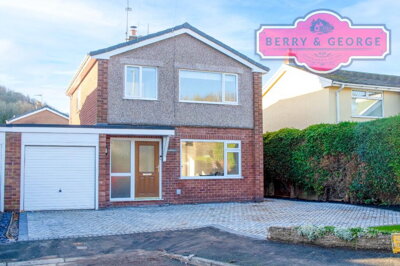
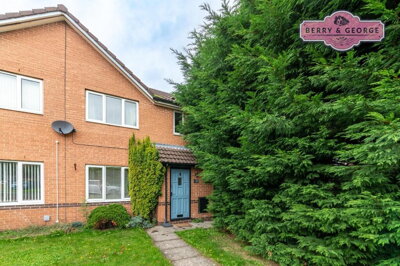
Showing 18 results for 3 Bedroom Houses for sale in Mold, Flintshire. 1 new listing added this week. The median asking price is £242,500.
Source: home.co.uk
Semi-Detached
9 listings
Avg £240,556
Detached
7 listings
Avg £292,136
Terraced
2 listings
Avg £215,000
Source: home.co.uk
Source: home.co.uk
£245,567
Average Property Price
+1.2%
12-Month Price Change
184
Properties Sold (12 months)
10,123
Population
The Mold property market offers something for every buyer, with prices reflecting the town's desirable location and excellent amenities. Detached properties command an average of £352,091, typically offering four bedrooms, generous gardens, and driveways in popular residential areas such as Maes-y-Rhedyn and the outskirts toward Loggerheads. Semi-detached homes, averaging £206,427, represent excellent value for families seeking a comfortable three-bedroom property with a practical layout and easy access to local schools. These interwar and post-war properties form the backbone of many sought-after neighbourhoods and often present opportunities for extension or improvement.
Terraced properties in Mold average £165,373, providing an accessible entry point into this desirable market town. Many of these character homes feature Victorian or Georgian architecture within the conservation area, boasting original fireplaces, exposed brickwork, and stripped wooden floors that add genuine period charm. Flats in Mold average £116,929 and are particularly popular among young professionals and downsizers seeking low-maintenance living close to amenities and transport links. According to Census data, the local housing stock breaks down as approximately 33.6% semi-detached, 29.2% detached, 20.3% terraced, and 15.6% flats, giving buyers a good mix of property types across the town.
Three active new-build developments currently offer modern alternatives to the established housing stock. The Pastures by Anwyl Homes on Chester Road (CH7 1UB) offers three and four-bedroom homes from £269,995. Maes-y-Rhedyn by Castle Green Homes in the CH7 1XF postcode area provides two to four-bedroom properties from £224,995, while The Meadows by Lovell Homes also in CH7 1XF offers similar configurations from £225,000. All three developments feature contemporary construction with modern insulation standards and energy-efficient specifications that older properties may lack.

Mold is a town of approximately 10,123 residents distributed across 4,496 households, creating a close-knit community atmosphere while still offering the conveniences expected of a county town. The town centre has been designated a Conservation Area, preserving its distinctive Georgian and Victorian architecture along High Street and Wrexham Street. St Mary's Church dominates the skyline with its imposing spire, while the historic Shire Hall serves as a reminder of Mold's administrative importance and now houses the local library and registry office. Local sandstone and traditional red brick dominate the building stock, giving the town a warm, cohesive character that newer developments thoughtfully complement rather than overwhelm.
The town's economy benefits from its role as Flintshire's administrative centre, with the County Council employing a significant portion of the local workforce. Retail, leisure, and tourism contribute substantially to the vibrant town centre, where a weekly market has traded for centuries and continues to draw visitors from the surrounding villages. The monthly farmers market, held on the first Saturday of each month, showcases local producers and has become a popular destination for food enthusiasts. Manufacturing and light industry in the wider Deeside area provide additional employment, while Mold's proximity to Chester and the North West economic hub makes it particularly attractive to commuters who appreciate returning to a more tranquil setting at the end of the workday.
For leisure and recreation, Mold offers excellent facilities including the Mold Rugby Club, several football pitches, and the Mold Golf Club set in attractive parkland on the town's outskirts. Loggerheads Country Park, located just a few miles from the town centre, provides stunning walks through wooded valleys along the River Alyn, with the popular Black Forest viewpoint offering panoramic views across the Clwydian Range. The River Alyn winds through the town itself, with riverside walks providing pleasant routes for daily exercise and weekend strolls among mature trees and landscaped banks. The Aura leisure centre offers a swimming pool, gym, and fitness classes, while the nearby market town of Buckley provides additional retail options.
Education provision in Mold serves families well, with a selection of primary and secondary schools catering to children of all ages. The town's primary schools include Mold Alun Church in Wales Primary School, which serves the community with a strong emphasis on both academic achievement and spiritual development within its church foundation. Other primary options include Ysgol Bryn Coch, a Welsh-medium primary school serving families seeking bilingual education, and Ecls (Estyn inspected), providing parents with choices tailored to their educational philosophy and proximity to home. The concentration of primary schools across different educational approaches ensures families can find suitable provision within reasonable walking or driving distance.
Secondary education is centred around the highly regarded Argoed Secondary School, which serves students from Mold and the surrounding villages with a comprehensive curriculum and strong pastoral care. Pupils from Mold also have access to grammar school provision in nearby areas, with St. David's Catholic College and the English-medium Alun School in Mold attracting students who meet academic entry requirements. The Alun School, located on Cannel Road, is a popular choice for secondary pupils and consistently achieves strong examination results that compare favourably with schools across North Wales. For post-16 education, the town's proximity to Deeside College and Further Education establishments in Wrexham and Chester expands options considerably for those pursuing vocational or academic pathways.
The quality of local schooling significantly influences property values in certain neighbourhoods, with homes within good catchment areas often commanding premium prices and maintaining strong demand among family buyers. Properties on the fringes of Mold near the Alun School catchment, particularly on roads such as Cymmer Avenue, Grosvenor Road, and the Maes-y-Rhedyn estate, benefit from this demand. Parents searching for property in Mold frequently cite school quality as a primary factor in their location choice, and estate agents confirm that homes in desirable school catchment zones typically sell faster and closer to asking price than equivalent properties outside these areas.
Mold offers excellent connectivity for commuters and those who regularly travel for business or leisure. The town sits just off the A494 dual carriageway, providing swift access to the M56 motorway at Deeside, which connects to Manchester and Chester. The A494 continues toward Bala and the A5, opening up access to North Wales and Snowdonia National Park for weekend getaways. Journey times by car to Chester typically take around 20 minutes, while Manchester city centre is accessible in approximately 50 minutes via the M56 and M6 corridor. Liverpool John Lennon Airport, offering domestic and European flights, is reachable in approximately 40 minutes via the M56 and M53 route.
Rail connections from nearby Chester station offer frequent services to major destinations including London Euston (approximately two hours), Manchester Piccadilly (around 45 minutes), Liverpool Lime Street (35 minutes), and Birmingham New Street (approximately 90 minutes). Chester station, a major hub on the West Coast Main Line, also provides connections to Holyhead for ferries to Ireland and direct services to Cardiff and Bristol. While Mold itself does not have a railway station, the excellent road links and nearby rail hubs mean residents can access intercity services with minimal journey time. The journey from Chester to London Euston is particularly competitive with air travel, making Mold attractive to professionals working in the capital.
Local bus services operated by Arriva Buses Wales connect Mold with surrounding villages and nearby towns including Flint, Holywell, and Wrexham, providing practical alternatives for those who prefer not to drive. The 5 and 5A bus routes run regular services between Mold and Chester, making them popular with commuters who prefer not to drive to the station. Parking in Mold town centre is generally more accessible than in comparable market towns, with several car parks serving the shopping and market areas. The Town Hall car park and the Old Paper Mill site provide ample long-stay parking for visitors, while most residential areas offer convenient on-street parking for residents.
Start by exploring our current listings to understand what Mold properties offer at different price points, from terraced homes around £165,000 to substantial detached houses exceeding £350,000. Visit the town at different times of day to experience the community atmosphere and check proximity to schools, transport links, and amenities that matter most to your household. Take time to walk the conservation area streets, particularly along High Street and Wrexham Street, to appreciate the character of period properties and imagine how they might suit your lifestyle.
Contact lenders or use our mortgage comparison service to obtain an Agreement in Principle before you start viewing properties. This demonstrates your financial credibility to sellers and estate agents, giving you a competitive edge when you find your ideal home. Current rates vary, so comparing options ensures you secure the most favourable deal for your circumstances. Having mortgage documents ready will streamline the process once you find a property and decide to make an offer.
Contact estate agents in Mold to arrange viewings of properties that match your criteria. Take notes and photographs during each viewing, paying attention to the property's condition, orientation, and any signs of maintenance issues. Our platform provides direct links to agents with properties matching your requirements. When viewing older properties, pay particular attention to signs of damp, the condition of roofs, and any cracks in walls that might indicate subsidence movement.
Once your offer is accepted, we strongly recommend booking a RICS Level 2 Survey before proceeding. Given that a substantial proportion of Mold's housing stock is over 50 years old, a thorough survey by a qualified surveyor will identify any structural issues, damp problems, or roof defects. Survey costs in Mold typically range from £400 to £700 depending on property size and complexity. For period properties in the conservation area, a more detailed RICS Level 3 Building Survey may be advisable to assess historic construction methods and identify issues specific to listed buildings.
Choose a conveyancing solicitor to handle the legal aspects of your purchase. They will conduct searches, review the contract, and coordinate with the seller's solicitor through to completion. Our conveyancing service connects you with experienced solicitors familiar with Mold properties and Flintshire local authority requirements. Searches will include drainage and water authority checks, local authority searches to verify planning history, and environmental searches given the clay soils in parts of the area that may present shrink-swell risks.
Your solicitor will arrange for contracts to be signed and deposit paid at exchange of contracts, committing both parties to the transaction. Completion typically follows within a few weeks, after which you will receive the keys to your new Mold home and can begin settling into your new community. On completion day, arrange to collect keys from the estate agent and take meter readings for gas, electricity, and water to ensure you are only billed for consumption from that date.
Several local factors deserve attention when purchasing property in Mold. The geology of the area, characterised by Carboniferous Limestone and Millstone Grit with overlying glacial till (boulder clay), means that some properties face moderate shrink-swell risk. This occurs when clay soils contract during dry spells and expand when wet, potentially affecting foundations and causing structural movement. A RICS Level 2 Survey will assess foundation depth and identify any signs of subsidence, which is particularly important for older properties with potentially shallower foundations. The presence of large trees near properties increases this risk, and surveyors will typically recommend a specialist arboricultural assessment in such cases. Properties in areas such as Maes-y-Rhedyn and along the A494 corridor should receive careful attention regarding foundation conditions.
Flood risk varies across Mold, with properties near the River Alyn facing higher fluvial flood risk during periods of heavy rainfall. Surface water flooding can also affect lower-lying areas following intense storms, so checking Environment Agency flood maps and discussing any history of flooding with current owners is advisable. The river flows through several residential areas, and properties with gardens backing onto the river should be viewed with particular attention to boundary conditions and any signs of previous water damage. Your survey should include a review of drainage and any indicators of previous water damage. Properties on lower ground near the Alyn are more susceptible to surface water accumulation during heavy rainfall events.
Properties within the Mold Conservation Area are subject to planning restrictions intended to preserve the town's historic character, meaning exterior alterations, extensions, and even window replacements may require consent from Flintshire planning authority. These requirements protect the character of your investment but should be understood before purchase. The conservation area encompasses most of the town centre, including properties on High Street, Wrexham Street, and surrounding residential streets, so any plans for external modifications will require listed building consent or conservation area approval. The predominant construction materials in Mold reflect its historical development: older properties feature solid wall construction with local sandstone or red brick, often using lime mortar and timber floor joists, while post-war homes typically have cavity wall construction with brick or block.
Many properties over 50 years old may still contain original electrical wiring and plumbing systems that require updating to meet current standards. Given that over half of Mold's housing stock predates 1980, timber defects such as woodworm and wet or dry rot can occur, particularly where original damp-proof courses have failed or ventilation is inadequate. Flat buyers should carefully examine lease terms, ground rent clauses, and service charges, as these ongoing costs vary significantly between developments. Newer developments like Maes-y-Rhedyn and The Meadows typically have share of freehold or management company arrangements that differ substantially from older leasehold conversions in the town centre.
The current average house price in Mold stands at £245,567, according to Rightmove data. Detached properties average £352,091, semi-detached homes £206,427, terraced properties £165,373, and flats £116,929. Property prices have increased by 1.2% over the past 12 months, indicating a stable and growing market. The three new build developments currently selling (The Pastures, Maes-y-Rhedyn, and The Meadows) offer homes from £224,995 to £269,995 for those preferring modern construction and energy efficiency. With 184 properties sold in the past year, Mold maintains healthy transaction volumes that indicate a functioning market with good choice for buyers.
Properties in Mold fall under Flintshire County Council jurisdiction, and council tax bands range from A to I depending on the property's assessed value. Most terraced properties and smaller semis fall into bands A to C, mid-range semis and larger terraces typically sit in bands D or E, while substantial detached homes and period properties often attract bands F to H. A typical three-bedroom semi-detached property in Mold would likely fall into band D or E, while the larger detached properties in areas like Maes-y-Rhedyn may be in bands E or F. You can check the specific band for any property through the Welsh Government Valuation Office website.
Mold offers good educational provision across all levels. Primary options include Mold Alun Church in Wales Primary School, which consistently receives positive Estyn reports, and Ysgol Bryn Coch for families seeking Welsh-medium education. Argoed Secondary School serves secondary-age pupils with a strong comprehensive curriculum and good facilities. Grammar schools in the region attract academically able students from Mold, including the Alun School on Cannel Road and St. David's Catholic College. The town's proximity to Deeside College and Chester institutions expands post-16 options considerably. Properties in good school catchment areas, particularly those near highly-rated primaries, maintain strong demand among family buyers.
While Mold does not have its own railway station, nearby Chester station provides excellent rail connections to London (2 hours), Manchester (45 minutes), Liverpool (35 minutes), and Birmingham (90 minutes). The A494 and M56 provide rapid road access to Chester (20 minutes) and Manchester (50 minutes), with the M56 interchange at Deeside offering connections to the wider motorway network. Local bus services operated by Arriva Buses Wales connect Mold with Flint, Holywell, Wrexham, and surrounding villages, with regular services making commuting without a car feasible for many residents. The town is considered well-connected for commuters who drive or travel by rail from Chester, and the proximity to Liverpool John Lennon Airport (40 minutes) is a bonus for those who travel internationally.
Mold presents several characteristics that make it attractive for property investment. The town serves as Flintshire's administrative centre, providing employment stability, while its proximity to Chester and the M56 corridor makes it popular with commuters who prefer more affordable housing than Manchester or Liverpool. House prices have shown consistent growth, with 1.2% increases over the past year, indicating a stable market. Rental demand is supported by professionals working locally and those relocating to the area, with tenant demand strong for family homes near good schools. The conservation area designation helps maintain property values by preserving the town's character and restricting inappropriate development, while new build developments like The Pastures and Maes-y-Rhedyn offer opportunities for investors seeking modern rental properties.
Stamp Duty Land Tax (SDLT) applies to property purchases in Wales and operates under Welsh Government thresholds. The current thresholds for standard buyers are: 0% on the first £250,000 of purchase price, 5% on the portion between £250,001 and £925,000, 10% on £925,001 to £1.5 million, and 12% above £1.5 million. First-time buyers in Wales benefit from relief on the first £425,000 (paying 5% on £425,001 to £625,000), though this relief does not apply above £625,000. Given the average property price of £245,567, most buyers purchasing at or near the average price point would pay no SDLT at all, representing significant savings compared to the English system where the nil-rate threshold is £125,000.
Flood risk in Mold varies significantly by location. Properties near the River Alyn face the highest fluvial flood risk during periods of sustained rainfall, particularly those in close proximity to the river banks and low-lying areas downstream. Surface water flooding affects some areas during heavy storms due to local topography and drainage capacity, especially where clay soils may reduce ground absorption. There is no coastal flood risk as Mold is an inland town. Prospective buyers should request flood risk reports from Natural Resources Wales (the Welsh equivalent of the Environment Agency) and discuss any flood history with current owners. Your survey should include an assessment of drainage and any signs of previous water ingress, particularly in properties with basements or cellars.
Period properties in Mold's conservation area, typically built with solid walls of local sandstone or red brick, require careful inspection for signs of damp, structural movement, and timber defects. Pay attention to the condition of original features such as sash windows, fireplaces, and wooden floors, which may require restoration rather than replacement to comply with conservation requirements. Check whether original damp-proof courses are still effective, as many older properties were built without modern damp-proofing. Roof conditions on Victorian and Georgian properties often reveal defects that require attention, and chimney stacks should be examined for signs of deterioration. Properties with intact original features that have been properly maintained can command premiums in Mold's conservation area.
From £400
A thorough inspection of the property condition, ideal for most homes in Mold's diverse housing stock
From £600
Comprehensive building survey recommended for older, larger, or listed properties in Mold's conservation area
From £80
Energy performance certificate required for all property sales
From £499
Legal services for your property purchase in Mold
Understanding the full costs of buying property in Mold helps you budget accurately and avoid surprises during the transaction. The purchase price itself is naturally the largest expense, with the current average property price in Mold at £245,567. For buyers purchasing at or near this average price point, Stamp Duty Land Tax in Wales is likely to be zero or minimal, as the first £250,000 of residential property purchases incurs 0% SDLT. This represents significant savings compared to the old UK system and makes Mold an attractive option for first-time buyers and those purchasing modestly priced properties. Welsh SDLT thresholds have remained favourable for buyers in the Mold price range, providing an advantage over purchasing in neighbouring England.
Beyond the purchase price and SDLT, additional costs include solicitor conveyancing fees, which typically range from £500 to £1,500 depending on complexity and whether the property is freehold or leasehold. Flintshire local authority searches are required for all purchases and cover planning history, highways, and environmental factors specific to the Mold area. A RICS Level 2 Survey costs between £400 and £700 for properties in Mold, with older homes and larger properties at the higher end. If the property you are buying requires a mortgage, arrangement fees typically range from £0 to £2,000 depending on the lender and product chosen.
Removal costs vary according to the volume of belongings, with local removal firms in the Mold and Chester area typically charging between £300 and £1,500 for a family home. Buildings insurance must be in place from completion, usually costing £150 to £500 per year depending on property value and location. For leasehold properties, ground rent and service charges should be verified, as these can range significantly between developments. Surveyors in Mold recommend budgeting approximately 2-3% of the purchase price for these additional costs to ensure a smooth transaction without financial strain. Mortgage lenders will require a valuation report, which is typically arranged by the lender and often based on a brief inspection rather than the comprehensive assessment provided by a RICS Level 2 Survey.

Properties for Sale In London

Properties for Sale In Plymouth

Properties for Sale In Liverpool

Properties for Sale In Glasgow

Properties for Sale In Sheffield

Properties for Sale In Edinburgh

Properties for Sale In Coventry

Properties for Sale In Bradford

Properties for Sale In Manchester

Properties for Sale In Birmingham

Properties for Sale In Bristol

Properties for Sale In Oxford

Properties for Sale In Leicester

Properties for Sale In Newcastle

Properties for Sale In Leeds

Properties for Sale In Southampton

Properties for Sale In Cardiff

Properties for Sale In Nottingham

Properties for Sale In Norwich

Properties for Sale In Brighton

Properties for Sale In Derby

Properties for Sale In Portsmouth

Properties for Sale In Northampton

Properties for Sale In Milton Keynes

Properties for Sale In Bournemouth

Properties for Sale In Bolton

Properties for Sale In Swansea

Properties for Sale In Swindon

Properties for Sale In Peterborough

Properties for Sale In Wolverhampton

Enter your details to see if this property is within your budget.
Loans, cards, car finance
Estimated property budget
Borrowing + deposit
You could borrow between
Typical borrowing
Monthly repayment
Est. at 4.5%
Loan-to-value
This is an estimate only. Your actual budget may vary depending on interest rates, credit history, and personal circumstances. For an accurate affordability assessment, speak to one of our free mortgage advisors.
This calculator provides estimates for illustrative purposes only and does not constitute financial advice. Your home may be repossessed if you do not keep up repayments on your mortgage. Estimates based on 4.5% interest rate, repayment mortgage. Actual rates depend on your circumstances.
Homemove is a trading name of HM Haus Group Ltd (Company No. 13873779, registered in England & Wales). Homemove Mortgages Ltd (Company No. 15947693) is an Appointed Representative of TMG Direct Limited, trading as TMG Mortgage Network, which is authorised and regulated by the Financial Conduct Authority (FRN 786245). Homemove Mortgages Ltd is entered on the FCA Register as an Appointed Representative (FRN 1022429). You can check registrations at NewRegister or by calling 0800 111 6768.

We use cookies to show you personalised content and improve your experience of our website. Find out more in our Privacy policy and Cookie policy.