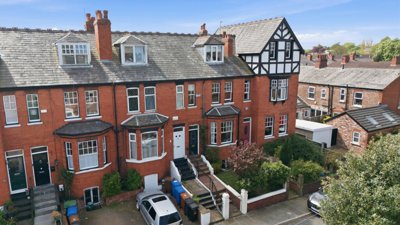
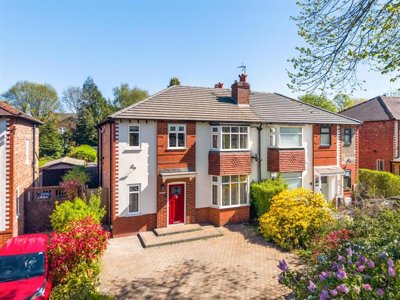
Pick the right path and we'll point you to the next step.
I'm the homeowner
Track this property, get market updates, and list it on Home when you're ready to sell or let.
I'm an estate agent
Claim your branch on Home.co.uk, list your properties for free, and reach buyers actively searching your area.
From riverside apartments to country cottages, search hundreds of thousands of properties for sale, to rent, and recently sold, all enriched with three decades of market data.
Browse 97 homes for sale in Manchester, Greater Manchester from local estate agents.
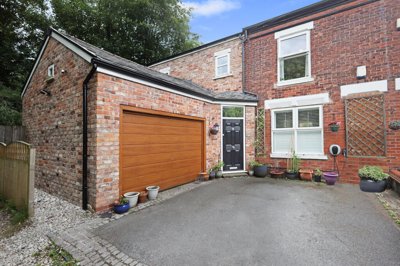
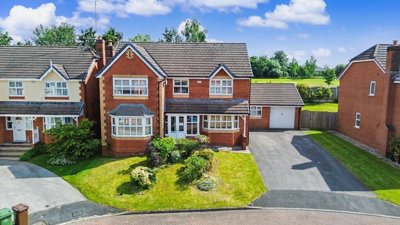
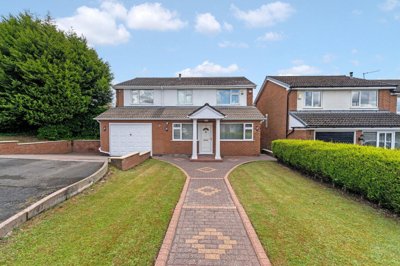
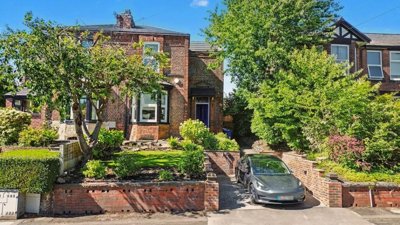
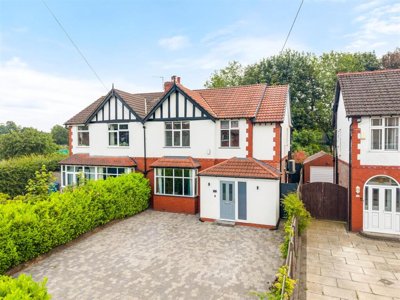
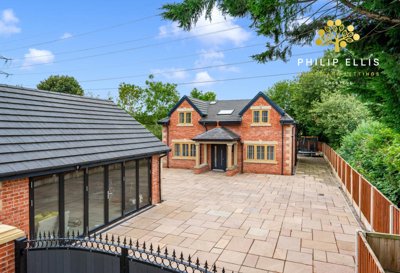
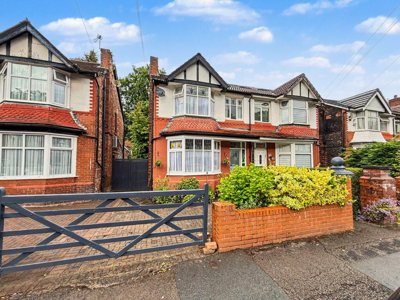
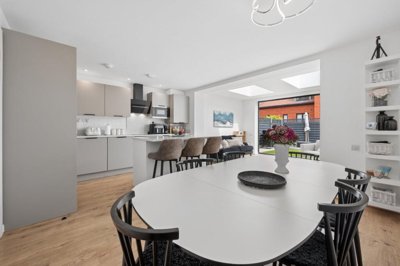
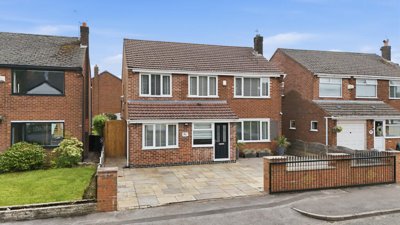
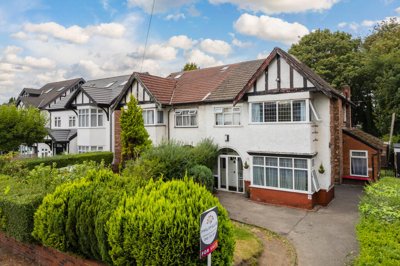
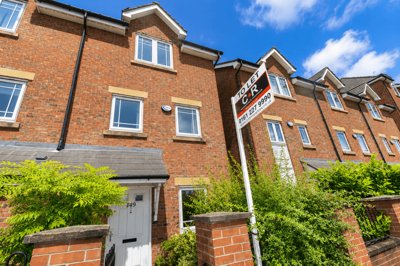
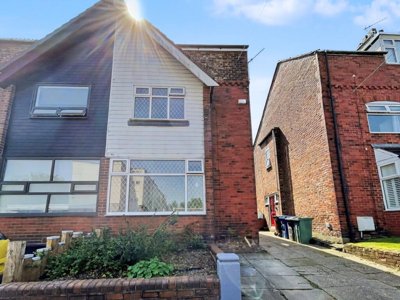
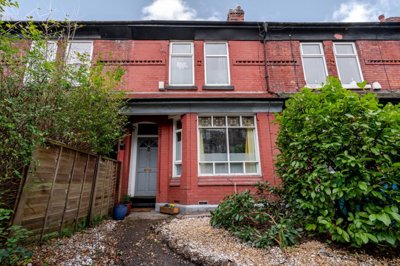
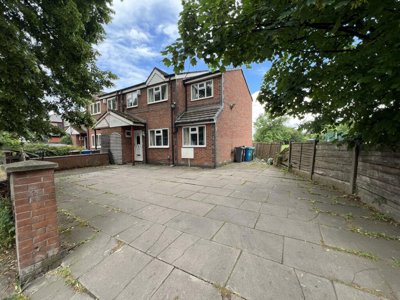
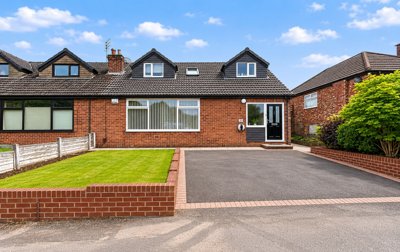
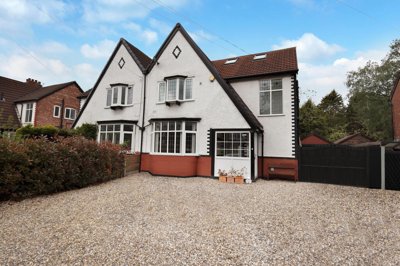
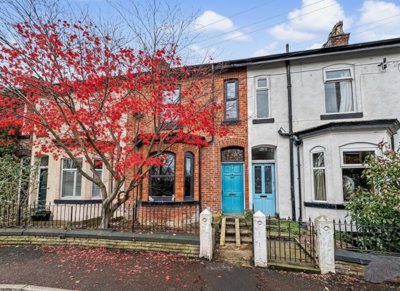
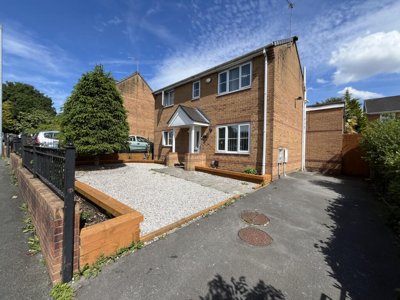
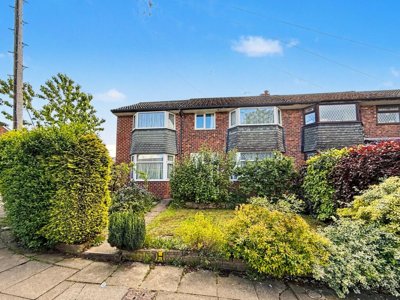
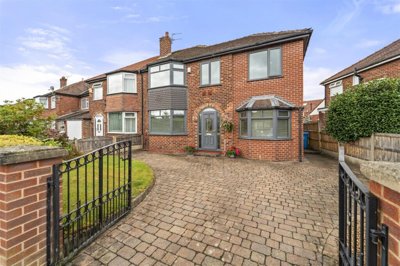
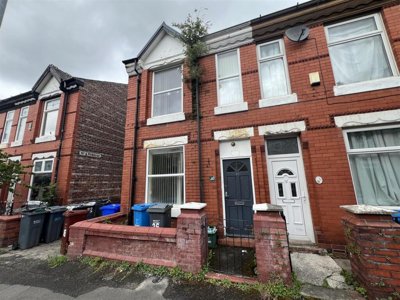
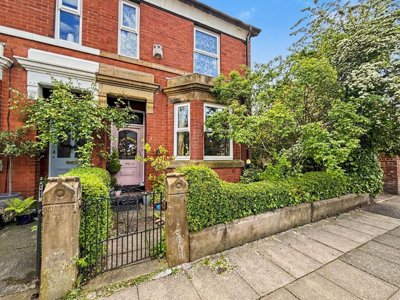
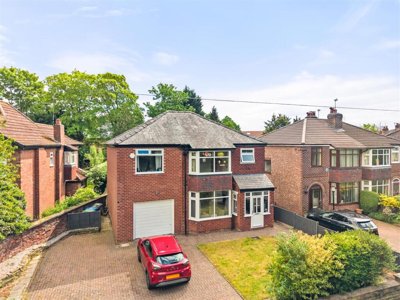
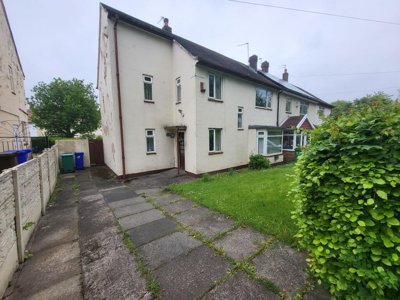
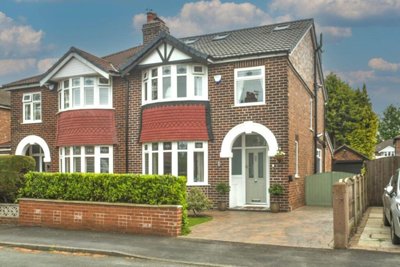
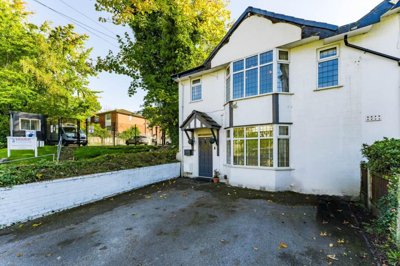
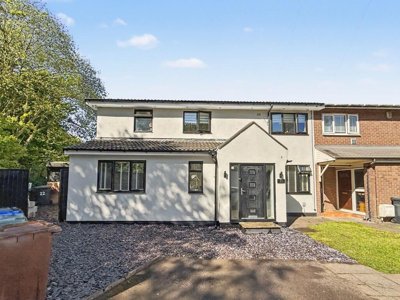
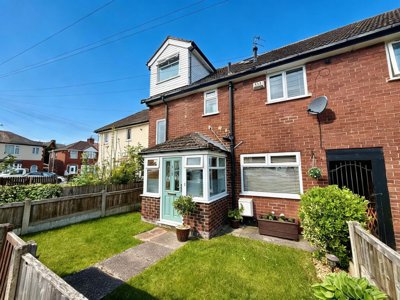
The larger property sector typically features multiple bathrooms, substantial reception space, and private gardens or off-street parking. Four bedroom houses in Manchester span detached, semi-detached, and occasionally terraced configurations, with styles ranging from period properties to modern executive homes.
£450k
186
13
112
Source: home.co.uk
Showing 186 results for 4 Bedroom Houses for sale in Manchester, Greater Manchester. 13 new listings added this week. The median asking price is £450,000.
Source: home.co.uk
Semi-Detached
88 listings
Avg £522,760
Terraced
54 listings
Avg £429,069
Detached
44 listings
Avg £615,431
Source: home.co.uk
Source: home.co.uk
Manchester keeps pulling in a wide range of buyers, so demand is not limited to one corner of the market. In the last 12 months, homedata.co.uk records show 12,800 property sales across the Manchester postcode area, and that happened even with transaction volumes down 19.0%. Prices have not moved evenly either. One sold-price measure has the market up 3% over the year, another puts it at 5.7%, which is a fair sign of a city that stays busy but not straightforward.
If you are checking what is on the market now, home.co.uk shows the biggest share of supply in two-bedroom homes, with one-bedroom stock next and three-bedroom properties after that. That mix often suits people working in and around the centre, sharers, and downsizers who do not want the jump to a larger house. New-build flats are a big part of Manchester’s offer at the moment, with Great Central from £210,000, Uptown from £220,000, The Blade from £245,000, and Victoria Riverside and Elizabeth Tower from £260,000. homedata.co.uk also records newly built homes at an average of £291,000, with 687 new-build sales logged, and 33.5% of those sitting in the £300,000 to £400,000 bracket.

There is no single Manchester house type. In the centre, the stock leans heavily towards apartments, warehouse conversions and newer towers. Move into the older inner districts and you see Victorian and Edwardian red brick terraces, semi-detached homes, and a lot more period detail. Current stock figures show flats account for 43.8% of homes for sale in Manchester, which makes sense once you look at dense regeneration locations such as Ancoats, Castlefield, New Islington and the Northern Quarter.
Where people buy in Manchester is shaped in part by work, because plenty of buyers want a shorter trip into the office and decent access to places they use after hours. Professional services matter here. So do healthcare, education, retail, hospitality, and digital and creative employers. The universities add another steady layer of demand from students, graduates and early-career workers living in the centre and nearby districts. With a 2021 Census population of 552,000 and 240,000 households, Manchester is a large market by any measure, and the pressure can be sharp in the postcodes people target most. We usually find buyers get further by matching the property type to the way they live, not by leaning too hard on city-wide averages.
Families looking across Manchester usually need to get specific quickly. School catchments can change from one street to the next, not just from one district to another, and in a city with 552,000 people and 240,000 households that can make well-regarded spots hard to secure. There is also the pull of higher education in the background, with the University of Manchester and Manchester Metropolitan University both acting as major employers and influencing demand close to the centre.
For buyers with children, we suggest checking primary, secondary and sixth-form options against the exact address before you put in an offer. Price on its own does not tell the full story. One neighbourhood can look right on paper and still miss the schooling setup you want. It is also worth thinking ahead about travel to college or university, especially with so many older students and early-career renters based around the Oxford Road corridor, Fallowfield and Hulme. Start with the home, then the catchment, then the commute.

For day-to-day travel, Manchester is one of the more workable places in the North West if you want city living without making every journey a chore. Rail, tram and bus routes all run into the centre, and the M60, M62 and M56 keep regional movement going in several directions. That matters for buyers splitting time between office days, hybrid working and regular trips across Greater Manchester. Usually the real question is simpler than people expect, which neighbourhood gives you the easiest route to work, school and the weekend.
In the central districts, many buyers end up relying on public transport or walking. Parking can be limited, and some streets are simply busier than others. A new-build apartment may come with an allocated space, but plenty of city-centre homes are set up for people who use trams, trains or cycle routes instead of a car. Further out, more space and easier on-street parking are often part of the picture, especially on traditional terrace roads and semi-detached streets. If the commute matters most, build the shortlist around the route you actually use each day, not just the postcode.
Manchester also suits buyers who need to plug into a wider regional economy. Media matters here, and so do digital, health, education and professional services. That spread helps keep housing demand moving in both central districts and suburban areas. Before we book viewings, we would shortlist the stations, tram stops or road links that fit your week, because a clean commute saves an enormous amount of time over the life of a mortgage. It matters even more when you are weighing up a city-centre flat against a house in one of the suburbs.
Start with a mortgage agreement in principle. It shows estate agents you are serious, and it tells you exactly how far your budget will reach in Manchester’s varied market.
Then compare central apartments with period terraces and family homes in Ancoats, Castlefield, New Islington and the wider suburbs. The right choice usually comes down to commute, lifestyle and schooling needs.
During each viewing, check daylight first. Then look at noise, storage, lease length, service charges and parking, because two homes in the same postcode can feel completely different.
Older homes in Manchester can conceal damp, roof wear, poor insulation or movement linked to local clay soils. For that reason, a RICS survey is a sensible step before you commit.
Your conveyancer will go through the title documents, leasehold terms, searches and any conservation area points. In a city with many listed buildings and protected streets, that work matters.
Once the legal side is complete and the mortgage is in place, you can exchange contracts, complete the purchase and start planning the move into Manchester.
Manchester has a wide mix of housing, but a few patterns come up again and again. Traditional homes often use red brick. Stone turns up more often in older civic buildings and larger period properties, while recent city-centre schemes can feature glass, steel and cladding. Those materials shape how a place looks, but they also affect upkeep. A Victorian terrace in one part of the city and a contemporary apartment in another will not call for the same checks.
Ground conditions deserve close attention in Manchester. The city sits on glacial till over sandstone and marls, and that brings a moderate to high shrink-swell risk. When moisture levels shift, foundations can be affected, so cracks, movement and drainage need a proper look during the survey. Flood risk is another issue in some streets, particularly near the River Irwell and its tributaries, as well as places exposed to surface water in heavy rain. We would always want searches and a survey tied to the exact street, not just the wider city.
What you can change after moving in is not always straightforward either. Castlefield, the Northern Quarter, St John’s, Ancoats and Albert Square all have heritage sensitivity, so windows, repairs, alterations and extensions may need more careful planning. Flats need extra attention on service charges, ground rent and lease length. With older properties, an asbestos survey can also be worth adding, and in Manchester that typically costs £150 to £400 for a domestic home. If a place looks cheap for its size or location, check that the repair duties and running costs are just as clear as the asking price.
Over the last year, homedata.co.uk records an average sold price of £281,827 in the Manchester postcode area, with a median of £237,000. On the live market, home.co.uk puts average asking prices at £294,974, so asking levels are sitting a little above the sold-price benchmark. That gap can be useful in negotiations, especially where a property has sat unsold for a while. We would compare by property type and neighbourhood first, rather than leaning on one figure for the whole city.
Manchester properties can sit in any of the usual council tax bands. Size, style and value all play a part. Smaller flats and terraces often fall into the lower bands, while larger semi-detached and detached homes are usually higher. The band is set by the individual address and the local authority valuation, so it is worth checking the exact listing or bill before making an offer. Small step, but it can change the monthly budget quite a bit.
The right area often comes down to the exact neighbourhood rather than Manchester as a whole, especially once school catchments enter the picture. Families should check primary, secondary and sixth-form options street by street before choosing a property. The city’s education profile is also shaped by the University of Manchester and Manchester Metropolitan University. If children are part of the move, we would match the home to the school plan before settling the final shortlist.
One reason so many buyers start with Manchester is simple, rail, tram and bus networks make the city easy to use. The centre can be reached without a car, which suits people working in professional services, media, education, healthcare or the digital sector. Road travel is strong as well, thanks to the M60, M62 and M56. In the centre, though, parking is often tighter, so anyone who needs a car should check the property’s parking setup before they offer.
Manchester still gets plenty of investor attention because demand is coming from more than one group, including professionals, students, graduates and commuters. In the postcode area, homedata.co.uk shows 12,800 property sales over the last 12 months, and home.co.uk continues to show solid live demand across apartments and family homes. Even so, results vary sharply by neighbourhood. Some central locations have cooled, with a 12% fall in Manchester city centre and an 11% drop from the Northern Quarter’s 2021 peak. In practice, the strongest buys are usually the homes where location, running costs and tenant appeal all line up.
For most buyers in 2024-25, stamp duty is charged at 0% up to £250,000 and then 5% on the portion from £250,000 to £925,000. At Manchester’s current average asking price of £294,974, a standard buyer would pay about £2,249. First-time buyers pay 0% up to £425,000, so many purchases in Manchester will come within that relief where the buyer qualifies. If the agreed price is close to a threshold, calculate the exact figure before offering.
New build stock is a major feature of the Manchester market, especially for buyers who want lower-maintenance homes in central locations. Current examples include Great Central from £210,000, Uptown from £220,000, The Blade from £245,000, and Victoria Riverside or Elizabeth Tower from £260,000. homedata.co.uk shows 687 new-build sales in the postcode area, with the heaviest concentration in the £300,000 to £400,000 range. They can suit owner-occupiers and investors alike, but service charges and longer-term running costs should always be checked carefully.
Older Manchester homes can be rewarding, but they often need a more careful eye. Damp and condensation are common. So are roof wear and possible movement, particularly in Victorian terraces and homes on clay-rich ground. Conservation area rules may affect what can be altered, and if the property predates modern material standards it may also need extra asbestos checks. A good survey helps separate cosmetic wear from a repair bill that could become serious.
Stamp duty is one of the main upfront costs for buyers in Manchester, so the thresholds are worth knowing before you commit. In 2024-25, standard rates are 0% up to £250,000, 5% from £250,000 to £925,000, 10% from £925,000 to £1.5 million, and 12% above that. For first-time buyers, the rates are 0% up to £425,000 and 5% from £425,000 to £625,000, with no relief above £625,000. That leaves a large part of Manchester’s market more manageable for people buying their first home.
At Manchester’s average asking price of £294,974, a standard buyer would pay about £2,249 in stamp duty. At the average sold price of £281,827, the bill would be about £1,591. Those numbers can move fast when the purchase price sits just under or over a threshold, so we suggest working the tax out early. It also helps to budget for survey costs, legal fees, mortgage arrangement fees and moving expenses, because the deposit is only one part of the total spend. With a full cost plan, flats, terraces and new-build homes are much easier to compare on equal terms.
Buying costs in Manchester can change a lot from one postcode to the next. A small apartment in the centre may mean lower stamp duty for some buyers, but higher service charges. An older terrace may bring more maintenance, though fewer communal fees. That is why we suggest checking the full monthly cost rather than the headline price on its own. Once you have a mortgage agreement in principle and a clear budget, moving quickly becomes much easier when the right property comes up.
Properties for Sale In London

Properties for Sale In Plymouth

Properties for Sale In Liverpool

Properties for Sale In Glasgow

Properties for Sale In Sheffield

Properties for Sale In Edinburgh

Properties for Sale In Coventry

Properties for Sale In Bradford

Properties for Sale In Manchester

Properties for Sale In Birmingham

Properties for Sale In Bristol

Properties for Sale In Oxford

Properties for Sale In Leicester

Properties for Sale In Newcastle

Properties for Sale In Leeds

Properties for Sale In Southampton

Properties for Sale In Cardiff

Properties for Sale In Nottingham

Properties for Sale In Norwich

Properties for Sale In Brighton

Properties for Sale In Derby

Properties for Sale In Portsmouth

Properties for Sale In Northampton

Properties for Sale In Milton Keynes

Properties for Sale In Bournemouth

Properties for Sale In Bolton

Properties for Sale In Swansea

Properties for Sale In Swindon

Properties for Sale In Peterborough

Properties for Sale In Wolverhampton

Enter your details to see if this property is within your budget.
Loans, cards, car finance
Estimated property budget
Borrowing + deposit
You could borrow between
Typical borrowing
Monthly repayment
Est. at 4.5%
Loan-to-value
This is an estimate only. Your actual budget may vary depending on interest rates, credit history, and personal circumstances. For an accurate affordability assessment, speak to one of our free mortgage advisors.
This calculator provides estimates for illustrative purposes only and does not constitute financial advice. Your home may be repossessed if you do not keep up repayments on your mortgage. Estimates based on 4.5% interest rate, repayment mortgage. Actual rates depend on your circumstances.
Homemove is a trading name of HM Haus Group Ltd (Company No. 13873779, registered in England & Wales). Homemove Mortgages Ltd (Company No. 15947693) is an Appointed Representative of TMG Direct Limited, trading as TMG Mortgage Network, which is authorised and regulated by the Financial Conduct Authority (FRN 786245). Homemove Mortgages Ltd is entered on the FCA Register as an Appointed Representative (FRN 1022429). You can check registrations at NewRegister or by calling 0800 111 6768.

We use cookies to show you personalised content and improve your experience of our website. Find out more in our Privacy policy and Cookie policy.