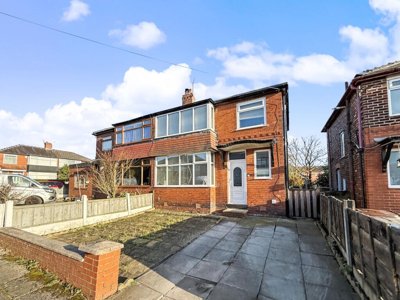
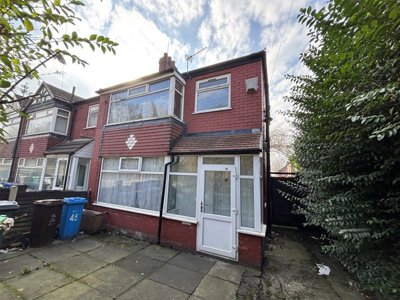
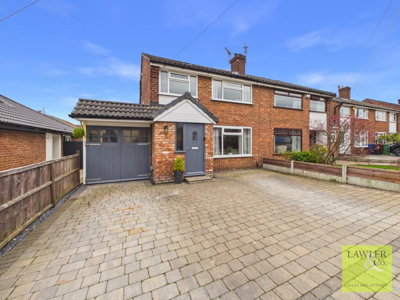
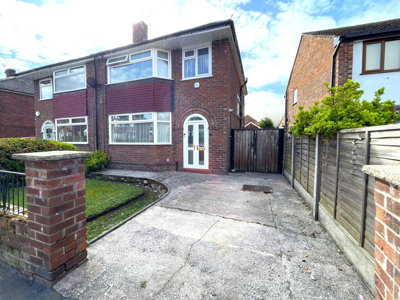
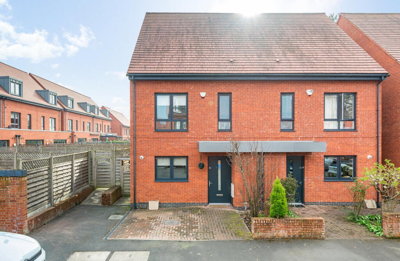
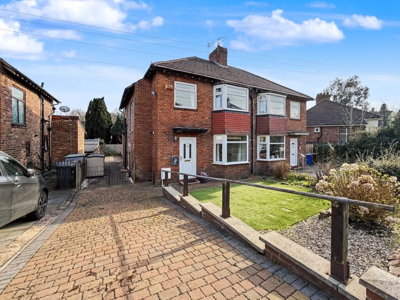
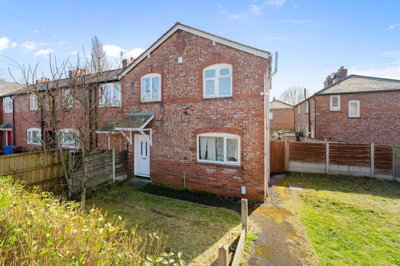
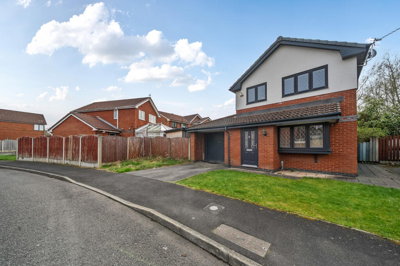
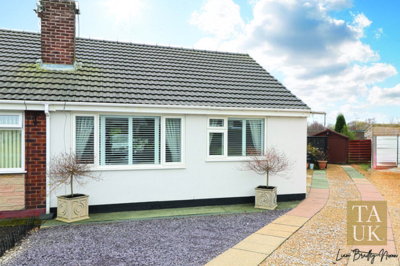
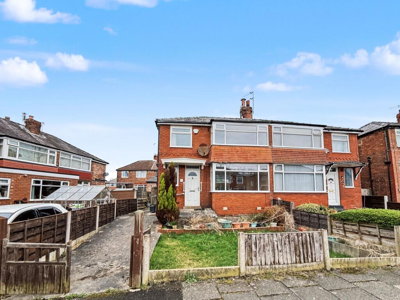
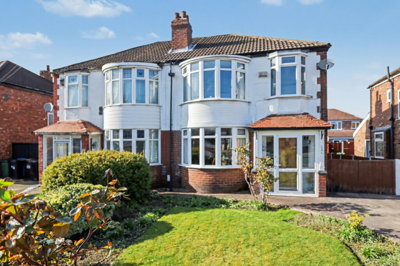
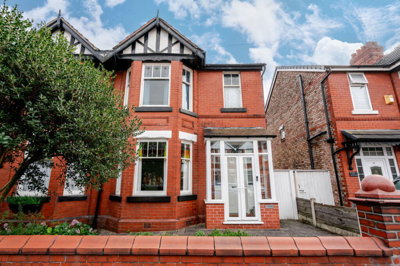
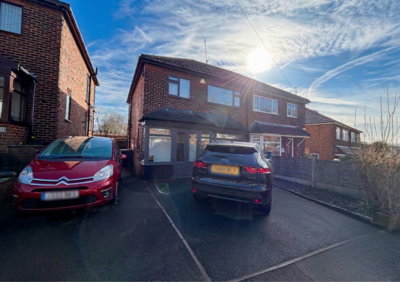
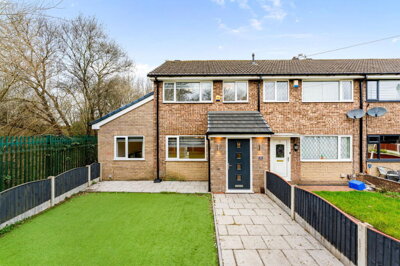
Browse 2,576 homes for sale in Manchester, Greater Manchester from local estate agents.
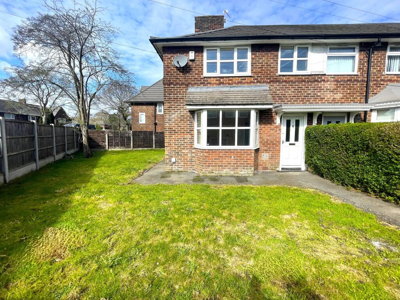
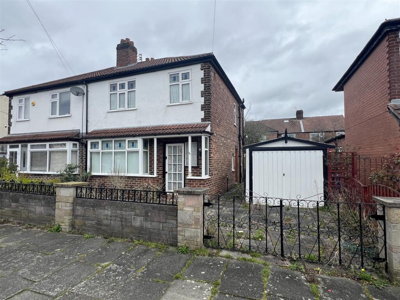
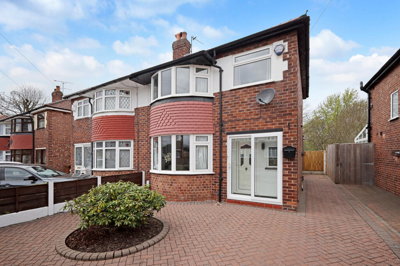
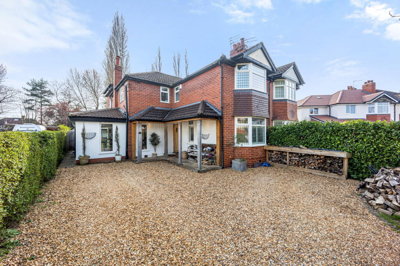
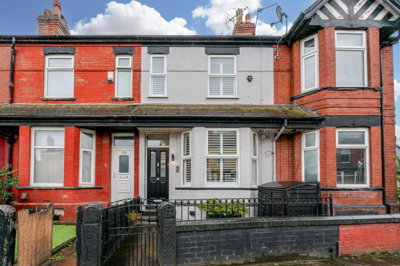
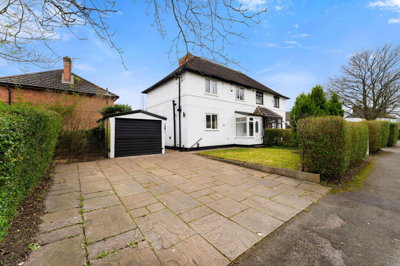
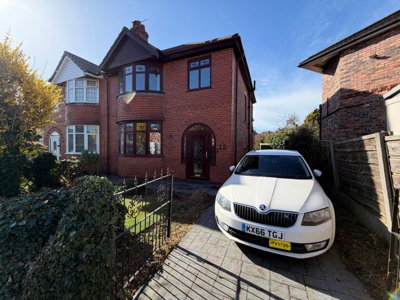
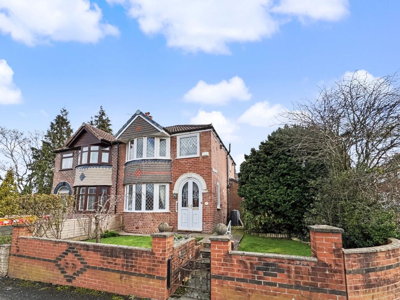
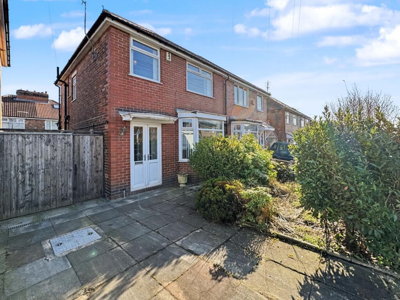
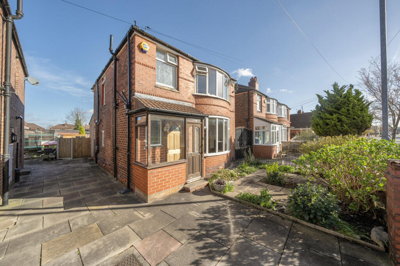
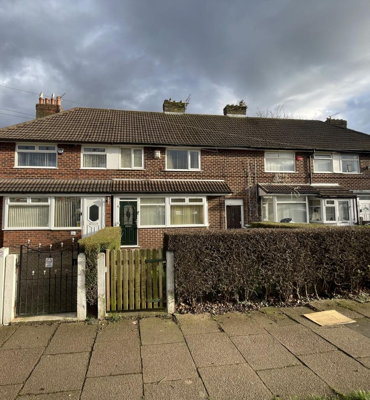
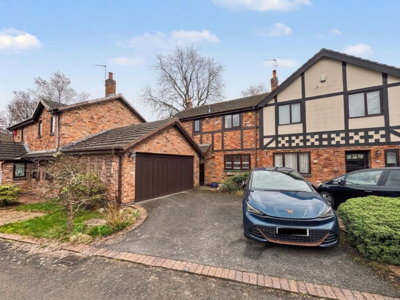
Three bedroom properties represent a significant portion of the Manchester housing market, offering space for families with multiple reception rooms and gardens in many cases. Browse detached, semi-detached, and terraced options ranging from period character homes to contemporary developments.
£290k
417
51
92
Source: home.co.uk
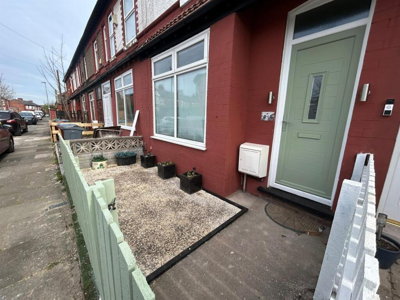
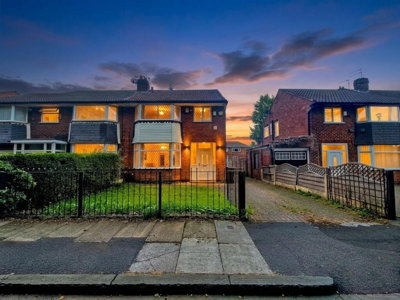
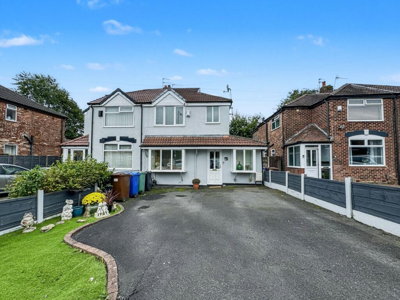
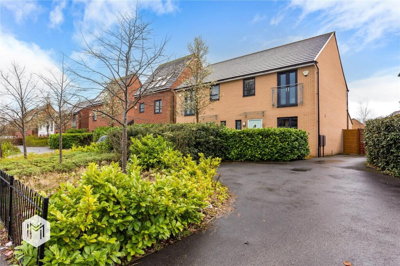
Showing 417 results for 3 Bedroom Houses for sale in Manchester, Greater Manchester. 51 new listings added this week. The median asking price is £290,000.
Source: home.co.uk
Semi-Detached
260 listings
Avg £327,121
Terraced
119 listings
Avg £269,757
Detached
38 listings
Avg £388,355
Source: home.co.uk
Source: home.co.uk
Manchester's property market reflects its status as one of Britain's most vibrant urban centres, with 6,726 homes currently available across the city and surrounding areas. One-bedroom properties average £158,200, two-bedrooms reach £218,667, and three-bedroom homes command around £325,000. The most expensive properties in our listings include prestigious five-bedroom houses in the city centre priced up to £2,500,000, while more modest one-bedroom flats remain accessible from under £20,000 in certain locations.
The city centre dominates the new build market, with major regeneration zones including NOMA, the Northern Quarter, Ancoats, and the emerging St John's district attracting significant development interest. Terraced properties dominate the housing stock at 28.5%, followed by semi-detached homes at 22.7%, purpose-built flats at 20.6%, and converted flats at 10.8%. This diversity means buyers can find everything from period terraces in sought-after areas like Chorlton and Didsbury to sleek contemporary apartments in purpose-built towers.
Investment activity in Manchester remains particularly strong, with institutional investors drawn to the city's consistently high rental yields. City centre one-bedroom apartments typically achieve monthly rents of £1,200-£1,500, while two-bedroom city centre flats command £1,500-£2,000. These rental levels, combined with relatively modest purchase prices, mean gross yields of 5-7% are regularly achievable in prime city centre locations, significantly outperforming many southern markets where yields of 3-4% are more typical.
The buy-to-let sector in Manchester has matured considerably, with major purpose-built developments offering professional management services and amenities such as rooftop terraces, gyms, and concierge facilities. Developments like No. 1 Deansgate and the Green Quarter in the Northern Quarter have become popular choices for investors seeking managed rental income with minimal landlord involvement.

Manchester is home to 552,693 residents, with a notably youthful demographic that contributes to the city's energetic atmosphere and cultural vitality. The median age of 32 reflects a population that is heavily weighted towards residents in their twenties and thirties, with 23.7% of people aged 20-29 and 16.2% aged 30-39. This young population drives demand for city centre living, creative industries, nightlife, and cultural amenities that make Manchester one of Britain's most exciting places to call home.
The city centre is divided into distinct quarters that offer vastly different living experiences. The Northern Quarter is renowned for its independent shops, cafes, and vibrant nightlife scene housed in converted warehouses. Deansgate and Spinningfields cater to professionals with upscale restaurants and office developments, while Castlefield preserves historic canalside character. The Gay Village remains a celebrated cultural hub, and the growing NOMA district represents a billion-pound transformation of the former Northern Quarter. Beyond the centre, areas like Chorlton offer a bohemian village atmosphere, Didsbury provides leafy suburban charm, and Hulme appeals to those seeking affordable character housing.
Each Manchester neighbourhood has its own distinct character and price point. Spinningfields and Deansgate cater to city professionals seeking luxury apartments and proximity to offices, with two-bedroom apartments typically ranging from £300,000 to £600,000. The Northern Quarter attracts young professionals and creatives, with one and two-bedroom apartments generally priced between £180,000 and £350,000. Ancoats has become increasingly popular, combining proximity to the city centre with a village atmosphere, where converted mill apartments command premiums over newer developments nearby.
For families, the southern suburbs of Didsbury, Withington, and Chorlton-cum-Hardy offer excellent primary schools, green spaces including Fletcher Moss Park and the Manchester Golf Course, and a strong sense of community. Three and four-bedroom family houses in these areas typically range from £400,000 to £800,000, with Victorian and Edwardian terraces particularly popular. West Didsbury offers a more relaxed atmosphere with independent shops along Burton Road and a strong café culture that has developed over recent years.

Manchester boasts a comprehensive educational infrastructure that makes it attractive to families at every stage. The city is home to two major universities, the University of Manchester and Manchester Metropolitan University, both ranked among the UK's largest and most prestigious institutions. These universities drive significant demand for rental properties and contribute to the city's youthful atmosphere, with over 100,000 students enrolled across various programmes.
For families with school-age children, Manchester offers a range of educational options. Manchester Grammar School and Sale Grammar School are among the region's most sought-after secondary schools, while the surrounding area includes highly regarded comprehensives and academies. Parents should research specific catchment areas and admission policies carefully, as school places in popular areas can be highly competitive. The city also hosts excellent primary schools, with many achieving outstanding Ofsted ratings and serving as a major draw for families seeking to remain in the area as their children grow.
Independent secondary schools in the area include Manchester Grammar School in Rusholme, which admits boys from age seven and operates a competitive entrance examination, and The Lady Lever Art Gallery in Port Sunlight though this is technically in the Wirral. For girls, St Bede's College in Manchester provides excellent educational provision, while surrounding areas include Wilmslow High School and Altrincham Girls Grammar School, both accessible from central Manchester and popular with commuting families. These selective schools attract pupils from across Greater Manchester, making property location relative to school transport routes an important consideration.
Further education options in Manchester are excellent, with the Manchester College offering vocational courses and Manchester Metropolitan University providing degree programmes alongside the larger University of Manchester. The Manchester Metropolitan University campus in the city centre has undergone significant expansion in recent years, with new facilities attracting increasing numbers of domestic and international students to the area.
Manchester benefits from one of the most comprehensive public transport networks outside London, centred on the Metrolink tram system that spans over 60 miles across Greater Manchester. The network serves key stops including Deansgate-Castlefield, St Peter's Square, and Exchange Square, connecting the city centre with suburbs and surrounding towns. For rail travel, Manchester Piccadilly and Manchester Victoria stations provide extensive connections, with Avanti West Coast services reaching London Euston in approximately two hours via the West Coast Main Line. Northern Rail serves regional destinations across the North, while Manchester Airport handles international flights and offers direct rail connections.
The city is encircled by the M60 orbital motorway, with direct access to the M62 heading towards Leeds, the M6 towards Birmingham and the Lake District, and the M61 towards Preston. However, peak-time congestion on major routes is significant, and parking in the city centre remains expensive, with multi-storey car parks charging £15-25 daily. Many residents choose to commute by cycle, with dedicated infrastructure including the Fallowfield Loop providing a car-free route through eastern suburbs and expanding Dutch-style cycling schemes in the city centre. Park and ride facilities at Metrolink stops help reduce city centre congestion for those who need to drive.
HS2 will transform Manchester's rail connections when complete, with journey times to London reduced to just over an hour. The new high-speed rail station at Manchester Piccadilly will form part of the northern leg of the project, with construction already underway on sections connecting Birmingham to Manchester. For commuters, this infrastructure improvement is expected to drive increased demand for properties in areas with direct Metrolink access to Piccadilly, particularly the southern suburbs along the Airport line and East Manchester districts connected via the Ashton line.
For cyclists, Manchester has invested significantly in infrastructure following the success of the Bee Network initiative, with dedicated cycle lanes now connecting many residential areas to the city centre. The Fallowfield Loop, a former railway line converted to a traffic-free cycling and walking route, provides a direct route from East Manchester through Fallowfield and out to the suburbs, making areas like Victoria Park and the streets surrounding the University of Manchester campus particularly popular with cyclists. Many modern city centre developments now include secure cycle storage and changing facilities, reflecting the growing importance of active travel options.
Explore the 6,726 properties available and understand how prices vary across different neighbourhoods. Manchester city centre flats differ significantly from Chorlton terraces or Didsbury houses in terms of price, character, and investment potential. Use our search tools to filter by price, property type, and location, and set up alerts for new listings in your preferred areas.
Speak to lenders about how much you can borrow. With median prices at £229,995, many buyers will find they can purchase comfortably within standard mortgage lending criteria, though city centre apartments may have specific lender requirements. Brokers familiar with the Manchester market can advise on the best products for different property types, including specialist mortgages for leasehold flats and new builds.
Book viewings through Homemove and visit properties across different areas to find what suits your lifestyle. Consider commute times to work, local amenities, and the character of each neighbourhood before making your decision. Take notes during viewings and photograph properties that interest you, as it can be difficult to distinguish between multiple options after several viewings.
Book a RICS Level 2 Homebuyer Report or Level 3 Building Survey before committing to purchase. Manchester's older housing stock means surveys are particularly valuable for identifying any issues with period properties or converted flats. The city's many Victorian and Edwardian buildings often have specific maintenance requirements that a qualified surveyor can identify before purchase.
Appoint a conveyancing solicitor to handle the legal aspects of your purchase. They will conduct searches, handle contracts, and manage the transfer of ownership through to completion. Manchester-specific searches include drainage and water searches for the United Utilities network, local authority searches with Manchester City Council, and environmental searches for potential contamination on former industrial sites.
Once all searches are satisfactory and your mortgage is confirmed, your solicitor will exchange contracts and agree a completion date. On the day, the remaining balance is transferred and you receive the keys to your new Manchester home. We recommend arranging buildings insurance from exchange onwards to protect your investment.
Manchester's diverse property landscape means buyers should approach purchases with awareness of local factors. City centre apartments are predominantly leasehold, with service charges varying widely from £1,000 to over £3,000 annually depending on the development. Before purchasing, investigate the terms of the lease, including the length remaining and any ground rent obligations, as these can significantly impact future saleability and costs.
Flood risk varies across different parts of Manchester depending on proximity to rivers and watercourses, so checking the relevant Environment Agency maps is essential before committing to a purchase. Areas near the River Irwell, including parts of Salford and Broughton, may face elevated flood risk, as do properties near the River Mersey in the southern suburbs. However, flood risk should be considered alongside the property's history and any flood prevention measures implemented by the developer or local authority.
Many areas of Manchester, particularly in the city centre and older districts, fall within conservation zones that may affect what renovations or extensions are permitted. The Northern Quarter, Castlefield, and Whitworth Street are all conservation areas with specific planning requirements. Buyers considering renovations should contact Manchester City Council planning department early in the process to understand what works require consent and whether any permitted development rights apply.
For those considering period properties, be aware that some older buildings may contain materials like asbestos or have specific maintenance requirements that add to ownership costs. Victorian and Edwardian terraces in areas like Hulme, Moss Side, and Longsight often retain original features such as sash windows, cast iron fireplaces, and decorative cornicing that require ongoing maintenance. A professional building survey can identify any potential issues before you commit to purchase, potentially saving thousands in unexpected repair costs.
Understanding the full costs of buying property in Manchester is essential for budgeting effectively. Beyond the purchase price, buyers should budget for stamp duty, solicitor fees, survey costs, and moving expenses. For a property at the median price of £229,995, standard buyers would pay no stamp duty on the first £250,000, while first-time buyers benefit from relief on purchases up to £425,000, meaning most buyers in Manchester would pay zero stamp duty on median-priced properties.
Solicitor fees for conveyancing typically start from around £499 for standard transactions, though more complex purchases involving leasehold properties or new builds may cost more. Additional legal costs include search fees (typically £250-400), land registry fees, and bank transfer charges. For leasehold properties, management company information packs may add further costs, and lease extension negotiations should be budgeted separately if applicable.
A RICS Level 2 Homebuyer Report costs from £350 and is recommended for most properties, providing a detailed assessment of the property's condition and highlighting any significant issues. Older buildings or those with visible issues may warrant a more comprehensive Level 3 Building Survey from £600, which provides more thorough analysis of construction and potential defects. Given Manchester's significant stock of Victorian and Edwardian properties, we recommend the more detailed Level 3 survey for period terraces and converted apartments.
Additional costs include land registry fees, mortgage arrangement fees, and searches conducted by your solicitor. First-time buyers should also factor in moving costs and the potential need for furniture and fittings if purchasing a new build property. Buildings insurance should be arranged from the point of exchange, typically costing £200-400 annually for a standard Manchester property. Life insurance and buildings insurance are often required by mortgage lenders and should be factored into overall buying costs.
The average property price in Manchester is £292,943, with a median price of £229,995 across the 6,726 homes currently listed. Prices vary considerably by property type and location, with one-bedroom flats averaging £158,200, two-bedroom properties at £218,667, three-bedroom homes around £325,000, four-bedroom properties at £555,000, and five-bedroom properties reaching £875,000. The most expensive listings in the city centre can exceed £2,500,000 for penthouse apartments with premium views across the Manchester skyline.
Manchester falls within Manchester City Council's jurisdiction, with properties spread across bands A through H. The majority of homes, 35.1%, are in Band A, with 24.5% in Band B, and 19.5% in Band C. Higher bands D through H make up progressively smaller proportions of the housing stock, meaning most homeowners will pay council tax in the lower bands. For a Band A property, annual charges are approximately £1,400-1,600 depending on specific property valuation, with charges increasing progressively through each band.
Manchester offers excellent educational options including the highly regarded Manchester Grammar School and Sale Grammar School at secondary level, both of which operate selective admissions policies based on academic selection. The city is served by numerous outstanding primary schools including St Mary's Catholic Primary in the city centre and Heaton Chapel Primary in the surrounding area, with many achieving outstanding Ofsted ratings. Parents should research specific catchment areas, as admission policies can be competitive in popular neighbourhoods and properties may need to be secured well in advance of the academic year.
Manchester benefits from one of the best public transport networks outside London, with the Metrolink tram system covering over 60 miles across Greater Manchester and serving 99 stops including key locations like Deansgate-Castlefield, St Peter's Square, and the Northern Quarter. Major railway stations at Piccadilly and Victoria provide national connections including two-hour services to London via the West Coast Main Line, with Avanti West Coast operating approximately five trains per hour to London Euston. Manchester Airport offers extensive international routes to over 200 destinations, and the M60 orbital motorway connects to major trunk roads including the M62, M6, and M61.
Manchester has historically delivered strong capital growth and rental yields, driven by ongoing regeneration projects including the billion-pound Northern Gateway development and continued population growth. The city's youthful demographic and high proportion of renters create consistent demand for rental property, with city centre one-bedroom flats commanding £1,200-£1,500 monthly and two-bedroom city centre flats achieving £1,500-£2,000. However, investors should carefully research specific developments and locations, as returns can vary significantly across the city. The upcoming HS2 rail link is expected to further boost property values, particularly in areas with direct Metrolink connections to Manchester Piccadilly.
Standard stamp duty rates apply in Manchester with 0% charged on the first £250,000, 5% on £250,001 to £925,000, 10% on £925,001 to £1.5 million, and 12% above £1.5 million. First-time buyers benefit from relief on purchases up to £425,000, paying 0% on the first £425,000 and 5% between £425,001 and £625,000. For a median-priced property at £229,995, most buyers would pay no stamp duty at all, making Manchester particularly attractive for first-time purchasers looking to maximise their budget.
Manchester offers distinct neighbourhoods catering to different buyer profiles, from city centre professionals seeking modern apartments in Deansgate, Spinningfields, or the Northern Quarter, to families preferring the suburban charm of Didsbury, Chorlton, or Hale. First-time buyers often gravitate towards Hulme, Longsight, or the emerging areas of Ancoats and New Islington, where property prices remain more accessible while still offering excellent city centre connectivity. Investors frequently target city centre developments with professional management and strong rental demand, while buy-to-let properties outside the city centre in areas like Fallowfield benefit from the student rental market.
Manchester's housing stock is predominantly terraced, accounting for 28.5% of all properties, with Victorian and Edwardian terraces particularly common in areas like Hulme, Moss Side, and the inner suburbs. Semi-detached homes represent 22.7% of the housing stock, concentrated in suburban areas like Wythenshawe, Stockport, and the southern districts. Purpose-built flats comprise 20.6% of properties, predominantly in the city centre and along major transport corridors, while converted flats account for 10.8% and are popular in the Northern Quarter and Ancoats where former mills and warehouses have been transformed into residential units.
From 4.5%
Expert mortgage advice with access to over 100 lenders
From £499
Specialist property solicitors in Manchester
From £350
Detailed inspection for standard properties
From £600
Comprehensive survey for older and complex properties
Properties for Sale In London

Properties for Sale In Plymouth

Properties for Sale In Liverpool

Properties for Sale In Glasgow

Properties for Sale In Sheffield

Properties for Sale In Edinburgh

Properties for Sale In Coventry

Properties for Sale In Bradford

Properties for Sale In Manchester

Properties for Sale In Birmingham

Properties for Sale In Bristol

Properties for Sale In Oxford

Properties for Sale In Leicester

Properties for Sale In Newcastle

Properties for Sale In Leeds

Properties for Sale In Southampton

Properties for Sale In Cardiff

Properties for Sale In Nottingham

Properties for Sale In Norwich

Properties for Sale In Brighton

Properties for Sale In Derby

Properties for Sale In Portsmouth

Properties for Sale In Northampton

Properties for Sale In Milton Keynes

Properties for Sale In Bournemouth

Properties for Sale In Bolton

Properties for Sale In Swansea

Properties for Sale In Swindon

Properties for Sale In Peterborough

Properties for Sale In Wolverhampton

Enter your details to see if this property is within your budget.
Loans, cards, car finance
Estimated property budget
Borrowing + deposit
You could borrow between
Typical borrowing
Monthly repayment
Est. at 4.5%
Loan-to-value
This is an estimate only. Your actual budget may vary depending on interest rates, credit history, and personal circumstances. For an accurate affordability assessment, speak to one of our free mortgage advisors.
This calculator provides estimates for illustrative purposes only and does not constitute financial advice. Your home may be repossessed if you do not keep up repayments on your mortgage. Estimates based on 4.5% interest rate, repayment mortgage. Actual rates depend on your circumstances.
Homemove is a trading name of HM Haus Group Ltd (Company No. 13873779, registered in England & Wales). Homemove Mortgages Ltd (Company No. 15947693) is an Appointed Representative of TMG Direct Limited, trading as TMG Mortgage Network, which is authorised and regulated by the Financial Conduct Authority (FRN 786245). Homemove Mortgages Ltd is entered on the FCA Register as an Appointed Representative (FRN 1022429). You can check registrations at NewRegister or by calling 0800 111 6768.

We use cookies to show you personalised content and improve your experience of our website. Find out more in our Privacy policy and Cookie policy.