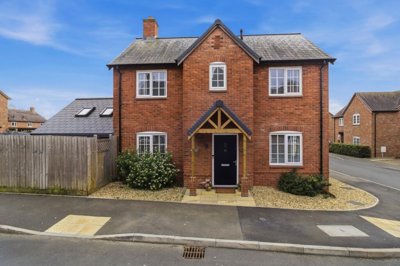
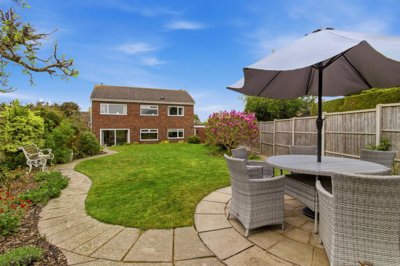
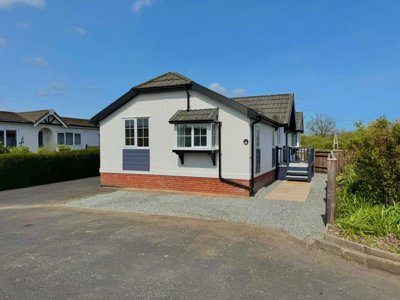
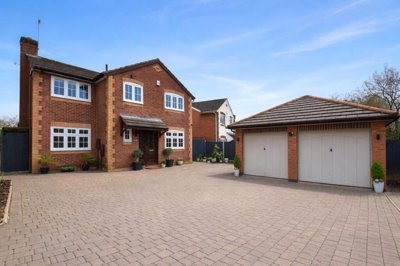
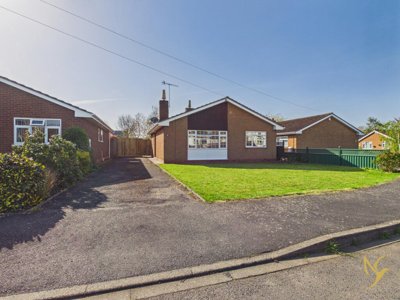
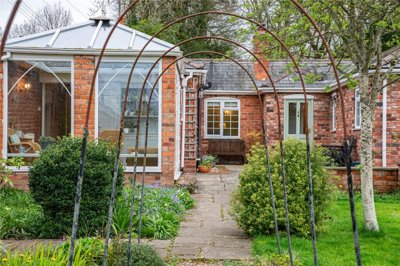
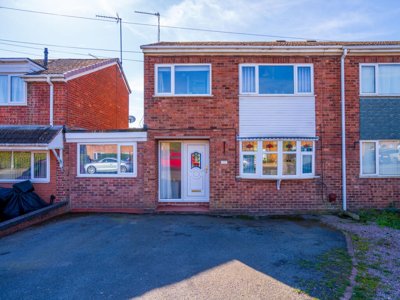
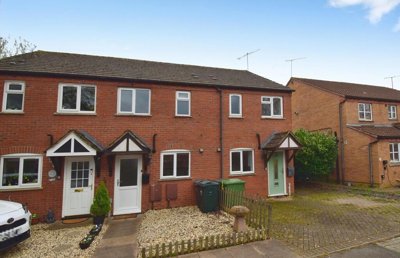
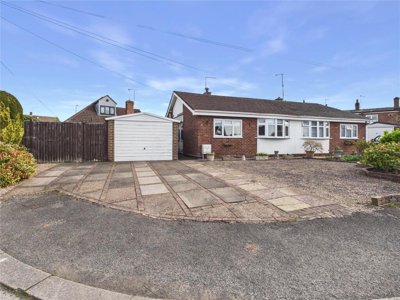
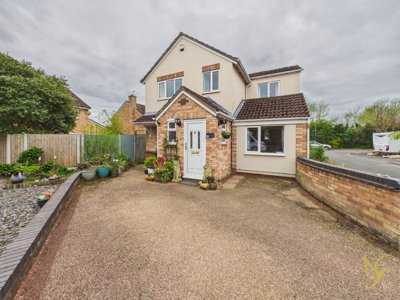
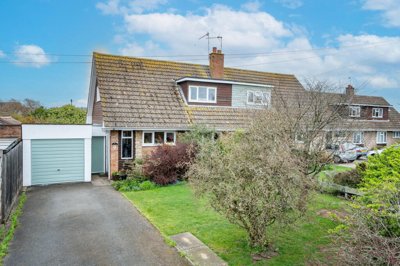
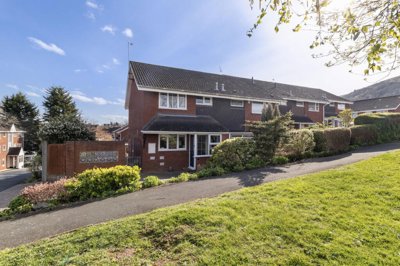
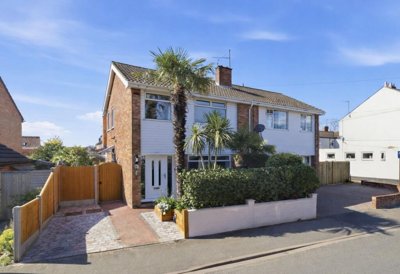
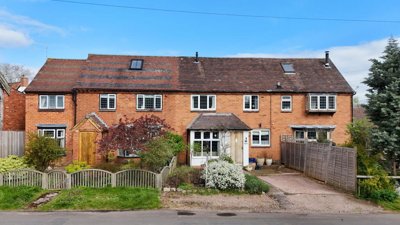
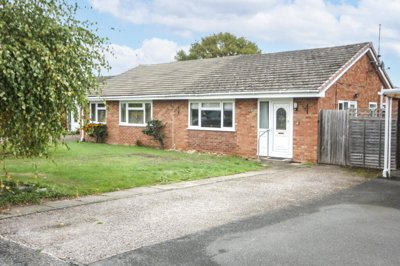
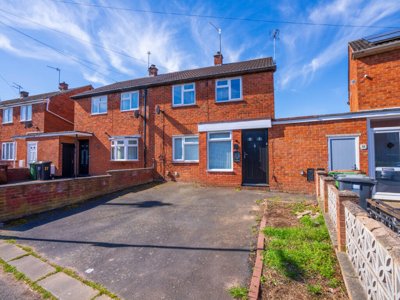
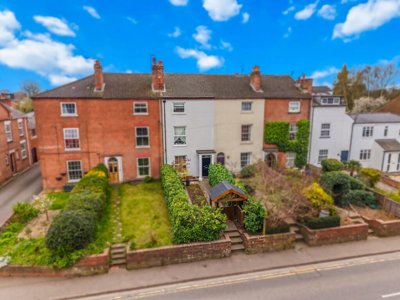
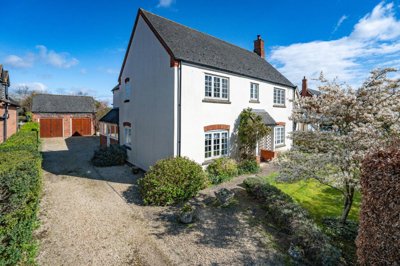
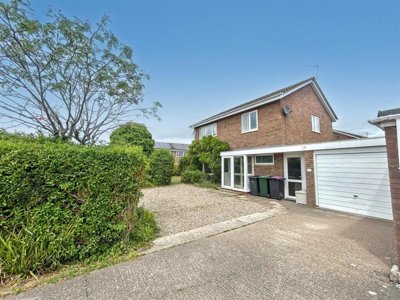
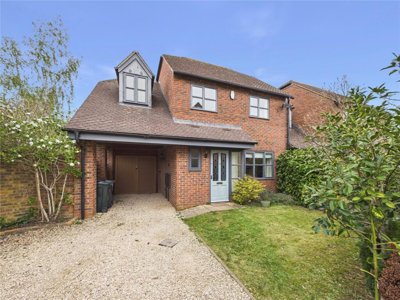
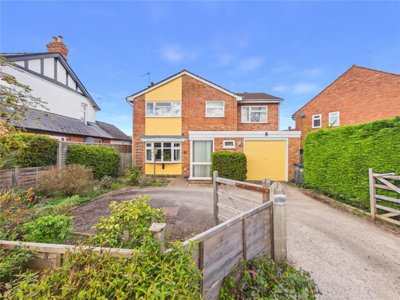
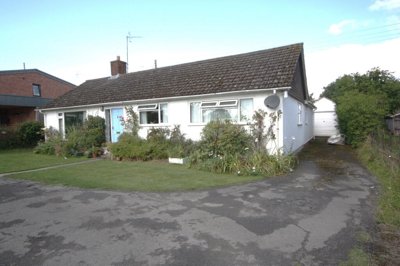
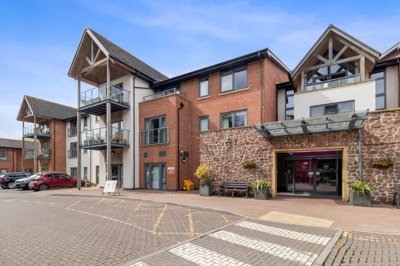
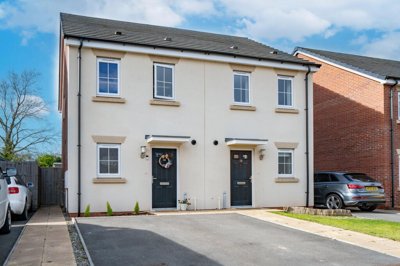
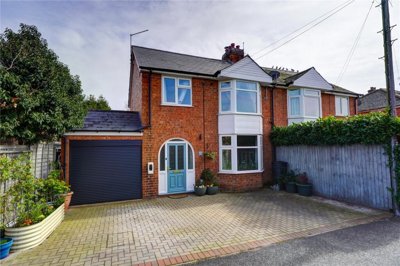
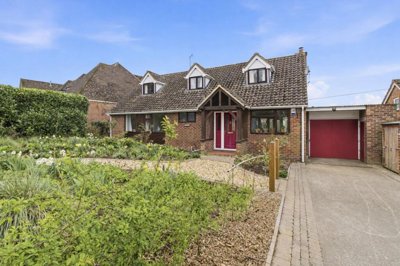
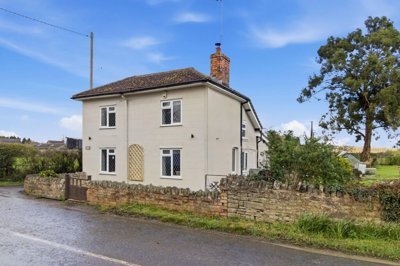
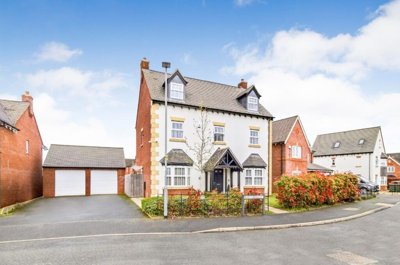
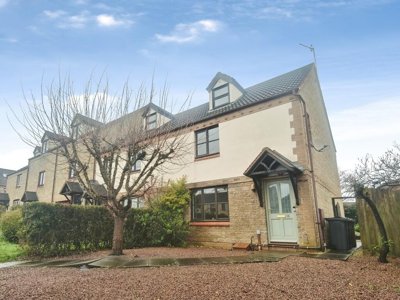
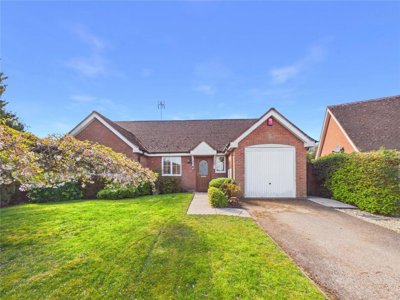
Browse 2,459 homes for sale in Malvern Hills from local estate agents.
The Malvern Hills property market has shown remarkable resilience despite broader national uncertainties, with the ONS reporting a 3.8% increase in average house prices from December 2024 to December 2025, reaching a provisional average of £338,000. However, Rightmove data shows prices are currently around 10% below the 2023 peak of £459,327, creating potential opportunities for buyers who act decisively in the current market. This combination of price correction from peak values alongside underlying market strength makes Malvern Hills an attractive proposition for both homeowners and property investors looking for long-term value in a proven location.
Property types in Malvern Hills cater to every budget and lifestyle requirement, with detached homes averaging £567,678 and representing the premium segment of the market, particularly popular with families seeking generous gardens and rural views. Semi-detached properties average £321,945 and remain popular among first-time buyers and growing families, offering excellent value compared to neighbouring Worcestershire towns. Flats average £298,688 and are particularly concentrated in Great Malvern and Malvern Link, where conversion apartments in Victorian buildings provide character-filled options at more accessible price points. Our listings include 459 sold properties tracked over the past year, demonstrating active market conditions with good transaction volumes throughout the district.
Looking at recent price trends by property type, the market shows steady performance across all segments. Mortgage Mapper data indicates detached properties have risen 0.5% over the past year, semi-detached properties have increased 0.4%, terraced properties have gained 0.4%, and flats have shown the smallest increase at 0.2%. The WR14 1 postcode sector, covering the main Malvern area, recorded 370 transactions according to Housemetric data, confirming robust trading activity despite economic headwinds. OnTheMarket reports an average price paid of £351,000 as of January 2026, with their data showing a 4.1% fall over the previous 12 months, suggesting careful negotiation can yield favourable prices in the current market.

The character of Malvern Hills is defined by its extraordinary natural landscape, where the ancient Malvern Hills rise dramatically from the surrounding countryside, composed of some of the oldest rocks in England dating back hundreds of millions of years. The district encompasses charming market towns and villages including Great Malvern, Malvern Link, Colwall, Upton-upon-Severn, and Tenbury Wells, each offering distinct personalities while sharing the common thread of picturesque English countryside living. Local residents enjoy thriving community spirit evidenced through numerous festivals, farmers markets, and village events that take place throughout the year, from the famous Malvern Autumn Show to intimate classical concerts at local churches.
The Victorian and Edwardian heritage of Malvern town centre creates an elegant backdrop for everyday life, with architecture featuring distinctive local Malvern stone alongside red brick and render finishes that give the area its characteristic appearance. The conservation areas in Great Malvern, Malvern Link, and surrounding villages impose thoughtful planning restrictions that preserve the architectural integrity of the district, contributing to sustained property values over time. The Malvern Hills Area of Outstanding Natural Beauty designation ensures that development is carefully managed, protecting the stunning landscapes that draw visitors from across the country and make the area such a desirable place to call home.
Economic life in Malvern Hills is more diverse than many assume, with the technology and defence sector playing a significant role through the presence of QinetiQ, one of the area's largest employers. Healthcare facilities including the Worcestershire Royal Hospital and community healthcare services provide stable employment, while Malvern College and other educational institutions contribute to the local economy. Tourism remains important to the district, with the Malvern Hills attracting hikers, spa enthusiasts, and arts lovers who support hotels, restaurants, and visitor attractions throughout the area. This economic diversity creates a resilient housing market less vulnerable to downturns in any single sector.
The district also benefits from strong digital infrastructure, with superfast broadband available in most areas and ongoing investment in connectivity for rural communities scattered across the hills. This combination of reliable communications, beautiful surroundings, and practical amenities has made Malvern Hills increasingly popular with remote workers and those seeking a better work-life balance. Village communities such as Colwall, with its direct railway station on the Cotswold Line, and Hanley Swan, known for its village green and local pubs, offer different lifestyles within the district. Each village has its own character, from the more urban feel of Great Malvern to the peaceful rural setting of places like Welland and Alfrick.

Education provision in Malvern Hills serves families well, with a strong selection of primary and secondary schools scattered throughout the district catering to children of all ages. Great Malvern Primary School and Northleigh Church of England Primary School are among the popular choices in the main town area, while Colwall Primary School serves families in the southern part of the district. Secondary education options include Malvern Hills Secondary School and Dyson Perrins Academy, with several schools in surrounding areas also accessible to Malvern Hills residents depending on catchment boundaries and transportation arrangements.
Independent schooling options enhance the educational landscape, with Malvern College standing as a prestigious co-educational boarding and day school that draws students from across the UK and internationally. The college occupies an impressive Victorian campus on the slopes of the Malvern Hills, offering excellent facilities and strong academic results that make the surrounding area particularly attractive to families prioritising education. Further education opportunities are available at Heart of Worcestershire College in nearby Worcester, providing vocational and academic courses for school leavers and adult learners seeking to enhance their qualifications or change career direction.
Parents researching schools in Malvern Hills should note that catchment areas can significantly influence property values and availability in certain villages, with some families specifically targeting postcodes to secure places at preferred schools. The competitive nature of enrolment at popular schools means that property searches often prioritise school catchment zones, particularly for families with children approaching secondary school age. Our platform allows you to explore properties alongside school information, helping you balance educational priorities with other requirements when choosing your new home in this desirable district. It is worth noting that school performance tables should be reviewed alongside Ofsted reports, and visiting schools directly can provide valuable insights into the educational environment your children will experience.

Transport connectivity from Malvern Hills balances rural charm with practical commuting options, with Great Malvern railway station providing regular services to Worcester, Birmingham, and London. The West Midlands Main Line puts London Paddington within approximately two and a half hours reach from Malvern, making the capital a feasible day-trip destination for business or leisure despite the rural location. Birmingham New Street is accessible in under an hour by train, opening employment and cultural opportunities in the West Midlands second city while maintaining the peaceful lifestyle that Malvern Hills residents cherish.
Road connections serve drivers well, with the M5 motorway accessible via Worcester approximately twenty minutes drive from most Malvern Hills locations, providing straightforward routes to Birmingham, Bristol, and the wider motorway network. The A449 trunk road runs through the district connecting Malvern to Worcester and onward to the M5, while the A4103 provides routes toward Hereford and South Wales. Bus services operated by FirstGroup and smaller local operators connect villages throughout the district to main town centres, though private transport remains advantageous for those living in more remote rural communities scattered across the Malvern Hills.
For those working from home, which has become increasingly common since the pandemic, Malvern Hills offers excellent broadband connectivity alongside the tranquil environment that makes home working particularly attractive. The combination of reliable transport connections for occasional commuting, strong digital infrastructure, and the exceptional quality of life makes Malvern Hills an increasingly popular choice for professionals who value flexibility in their working arrangements. Cycle routes and footpaths throughout the area also encourage sustainable travel for local journeys, with the Malvern Hills providing spectacular scenery for those cycling to work or school. The Sustrans National Cycle Network passes through the area, providing traffic-free routes for recreational cycling and sustainable commuting alike.

Before you view properties, spend time understanding current market conditions in Malvern Hills. Our data shows the average property price is approximately £411,549, though this varies significantly between property types, with detached homes averaging £567,678 and flats around £298,688. Review sold prices, rental yields, and local amenity information to identify which areas and property types match your budget and requirements.
Arrange a mortgage agreement in principle before scheduling viewings. This demonstrates to sellers that you are a serious buyer with financing secured, which is particularly important in competitive situations common in popular Malvern Hills villages. Compare rates from multiple lenders using our mortgage comparison tools, and remember that the current SDLT threshold allows 0% tax on the first £250,000 of residential purchases. First-time buyers qualify for relief on the first £425,000, which means most properties in Malvern Hills fall within the nil-rate band for qualifying buyers.
Schedule viewings of properties matching your criteria, taking time to explore different neighbourhoods within Malvern Hills. Consider factors including school catchments, commuting times, local amenities, and the condition of the Victorian and Edwardian properties that dominate much of the housing stock. Pay particular attention to potential issues in older properties, such as damp proofing, roof condition, and electrical wiring that may require attention. Take photographs and notes during viewings to help compare properties later.
Once you have agreed a purchase, commission a RICS Level 2 Survey before proceeding to exchange contracts. Given the significant number of older properties in Malvern Hills, a thorough survey is essential to identify any structural concerns, conservation restrictions, or renovation requirements. Surveyors in the Malvern area typically charge between £400-800 for a standard RICS Level 2 Survey depending on property size and value. For listed buildings or properties with complex structural issues, a more comprehensive RICS Level 3 Building Survey may be more appropriate.
Choose a conveyancing solicitor from our approved panel to handle the legal transfer of ownership. Your solicitor will conduct searches with Malvern Hills District Council, check for planning restrictions related to the AONB designation, and handle Land Registry documentation. On average, conveyancing takes 8-12 weeks in this area, though complex transactions involving listed buildings may require additional time. Budget approximately £500-1,500 for legal fees plus around £300-500 in disbursements for searches and official checks.
On completion day, your solicitor transfers the remaining funds to the seller's representative, and you receive the keys to your new Malvern Hills home. Arrange buildings insurance from exchange of contracts onwards, and take meter readings on the day of completion. Welcome to your new home in one of Worcestershire's most desirable districts. Our approved removal firms and storage providers can help make moving day as smooth as possible.
Property buyers in Malvern Hills should be aware of several area-specific considerations that affect purchase decisions and long-term ownership costs. The prevalence of Victorian and Edwardian properties throughout Great Malvern and surrounding villages means that many homes feature original character features alongside construction methods that require careful assessment. Properties built before 1919 often have solid walls, lime mortar pointing, and timber floor structures that differ significantly from modern construction, requiring specialist knowledge when assessing condition and planning renovation works. A thorough RICS Level 2 Survey is particularly valuable for these older properties, identifying issues such as rising damp, timber rot, and outdated electrical systems that may not be apparent during viewings.
Conservation areas and listed building designations affect a significant proportion of properties in Malvern Hills, imposing restrictions on alterations, extensions, and even external paint colours that buyers should understand before purchasing. Properties with listed building status require consent from the local planning authority for most works, and owners must adhere to specific maintenance standards using traditional materials and methods. These restrictions can limit renovation options but also contribute to sustained property values by protecting the architectural character that makes Malvern Hills so desirable. Factor in potential additional costs if you plan to modernise a period property, as specialist contractors and materials often command premium rates.
Flood risk in Malvern Hills is generally lower than many surrounding areas due to the elevated nature of much of the district, though properties near the River Severn on the eastern boundary and those in lower-lying areas require careful consideration. Surface water flooding can occur during heavy rainfall in urbanised areas, so reviewing Environment Agency flood maps and discussing local drainage with neighbours provides valuable intelligence before committing to a purchase. Properties on slopes, common throughout the Malvern Hills, may require assessment for ground stability and potential subsidence, particularly where underlying clay soils are present. Your RICS Level 2 Survey should address these environmental considerations where relevant to your specific property.
Common defects found in Malvern Hills properties reflect the age and construction of the local housing stock. Our local surveyors regularly identify issues including inadequate damp-proof courses in solid-walled Victorian properties, worn or slipped roof tiles on period homes, timber defects such as woodworm or wet rot in floor joists and roof structures, and outdated electrical wiring that does not meet current standards. Chimney stack deterioration is also frequently observed, with mortar decay and flashing defects common in older properties. Properties may also lack modern insulation standards, resulting in heat loss and higher energy bills. Understanding these potential issues before purchase allows you to budget for necessary repairs and renovations.

The average house price in Malvern Hills is approximately £411,549 according to recent Rightmove data, though this varies significantly by property type. Detached properties average £567,678, semi-detached homes average £321,945, and flats average £298,688. The ONS reports a provisional average of £338,000 as of December 2025, showing a 3.8% increase from the previous year. Prices have settled approximately 10% below the 2023 peak of £459,327, creating opportunities for buyers in the current market. OnTheMarket reports an average price paid of £351,000 as of January 2026.
Properties in Malvern Hills district fall under Malvern Hills District Council administration, with most residential properties in council tax bands A through E. Victorian and Edwardian properties in conservation areas often fall into bands B to D, while larger detached homes in sought-after locations may be band E or above. You can check the specific band for any property through the Valuation Office Agency website using the property address. Council tax bills vary depending on the band and property location, with the average annual charge for a band D property typically around £1,800-2,000 per year.
Malvern Hills offers excellent educational options at all levels, with popular primary schools including Great Malvern Primary School and Northleigh Church of England Primary School. Secondary options include Malvern Hills Secondary School and Dyson Perrins Academy, while Malvern College provides prestigious independent secondary education for families seeking private schooling. The area attracts families specifically due to the strong academic reputation of local schools and the presence of quality further education institutions nearby in Worcester. Colwall Primary School serves the southern part of the district and benefits from its own village railway station.
Great Malvern railway station provides regular services to Worcester, Birmingham, and London, with London Paddington reachable in approximately two and a half hours via Worcester and the West Midlands Main Line. The district is well-served by buses connecting villages to main town centres, though private transport remains advantageous for rural locations. The M5 motorway is accessible via Worcester in approximately twenty minutes, making regional travel straightforward for drivers. Colwall railway station on the Cotswold Line provides additional rail access for residents in the southern part of the district.
Malvern Hills offers several investment advantages including the Malvern Hills Area of Outstanding Natural Beauty designation that limits supply of new housing, a diverse local economy anchored by the technology and defence sector, and strong demand from buyers seeking the exceptional quality of life the area provides. Property prices have shown resilience with a 3.8% annual increase reported by the ONS, and rental demand remains steady from professionals working at QinetiQ and other local employers. The combination of capital appreciation potential and reliable rental yields makes the area attractive to both landlords and homeowners seeking long-term value.
Standard SDLT rates apply to purchases in Malvern Hills, with 0% tax on the first £250,000 of residential property value. The 5% rate applies to the portion between £250,001 and £925,000, 10% between £925,001 and £1.5 million, and 12% above £1.5 million. First-time buyers qualify for relief on the first £425,000, with 5% applying between £425,001 and £625,000. Most properties in Malvern Hills fall within the lowest SDLT bands, making the purchase cost relatively favourable for qualifying buyers. For a typical semi-detached home at the average price of £321,945, standard buyers would pay no SDLT, while first-time buyers would also pay nothing.
The majority of properties in Malvern Hills date from the Victorian or Edwardian periods and may present issues including damp due to inadequate damp-proof courses, roof deterioration requiring attention, outdated electrical wiring that does not meet current standards, and timber defects such as woodworm or rot. Properties on slopes may face ground stability concerns, while conservation area and listed building designations limit renovation flexibility. Commissioning a RICS Level 2 Survey before purchase is essential to identify these issues and factor remediation costs into your offer. Your surveyor will assess the condition of chimneys, lintels, and other structural elements that commonly require attention in period properties.
New build activity in Malvern Hills is limited due to the AONB designation and strict planning controls that restrict development in the area. This supply constraint helps support property values in the existing housing stock. Some new developments appear in nearby Worcester for buyers specifically seeking brand new properties, though these fall outside the Malvern Hills district. For buyers seeking character and established neighbourhood benefits, the quality of Victorian and Edwardian properties available in Malvern Hills often outweighs the appeal of new build alternatives in less desirable locations.
Buyers considering properties near the hills themselves should assess ground stability, as properties on steep slopes can be susceptible to ground movement. The underlying geology includes areas of clay soil that can cause shrink-swell subsidence issues during dry spells or periods of heavy rainfall. Surface water drainage is another consideration in lower-lying areas. Your solicitor should arrange environmental searches that include ground stability data, and your surveyor will assess any visible signs of structural movement or historic subsidence. Properties near streams or watercourses should be checked against Environment Agency flood maps.
From 3.89%
Compare mortgage rates from leading lenders
From £499
Expert property solicitors for your Malvern Hills purchase
From £400
Professional property survey by qualified inspectors
From £80
Energy performance certificate for your new home
Understanding the total costs of buying property in Malvern Hills helps you budget accurately and avoid surprises during the transaction process. The Stamp Duty Land Tax (SDLT) represents a significant consideration, though most buyers in Malvern Hills will find their liability falls within the lower bands given the average property price of £411,549. For a typical semi-detached home at the average price of £321,945, a standard buyer would pay no SDLT at all. First-time buyers purchasing properties up to £425,000 would also pay no SDLT, providing substantial savings for those just starting on the property ladder.
Beyond SDLT, additional buying costs include legal fees for conveyancing, typically ranging from £500 to £1,500 depending on complexity and whether the property is freehold or leasehold. Disbursements including local authority searches, Land Registry fees, and bankruptcy checks typically add another £300 to £500 to legal costs. A RICS Level 2 Survey costs between £400 and £800 depending on property size and value, while an Energy Performance Certificate (EPC) costs from £80. Mortgage arrangement fees vary by lender but commonly range from 0% to 1.5% of the loan amount, and you should factor in valuation fees charged by your mortgage lender separately.
Moving costs for your Malvern Hills purchase include removal expenses, which vary significantly depending on distance and volume of belongings, plus potential estate agent fees if you are selling a property simultaneously. Buildings insurance must be arranged from the point of exchange of contracts, and you may wish to consider life insurance and contents cover for your new home. Setting aside a contingency fund of around 10% of your property value for unexpected costs is prudent advice for any buyer, particularly when purchasing older Victorian or Edwardian properties where renovation needs may emerge after completion. Our partner services for mortgages, conveyancing, and surveys help you manage these costs efficiently through trusted providers who understand the Malvern Hills property market.

Properties for Sale In London

Properties for Sale In Plymouth

Properties for Sale In Liverpool

Properties for Sale In Glasgow

Properties for Sale In Sheffield

Properties for Sale In Edinburgh

Properties for Sale In Coventry

Properties for Sale In Bradford

Properties for Sale In Manchester

Properties for Sale In Birmingham

Properties for Sale In Bristol

Properties for Sale In Oxford

Properties for Sale In Leicester

Properties for Sale In Newcastle

Properties for Sale In Leeds

Properties for Sale In Southampton

Properties for Sale In Cardiff

Properties for Sale In Nottingham

Properties for Sale In Norwich

Properties for Sale In Brighton

Properties for Sale In Derby

Properties for Sale In Portsmouth

Properties for Sale In Northampton

Properties for Sale In Milton Keynes

Properties for Sale In Bournemouth

Properties for Sale In Bolton

Properties for Sale In Swansea

Properties for Sale In Swindon

Properties for Sale In Peterborough

Properties for Sale In Wolverhampton

Enter your details to see if this property is within your budget.
Loans, cards, car finance
Estimated property budget
Borrowing + deposit
You could borrow between
Typical borrowing
Monthly repayment
Est. at 4.5%
Loan-to-value
This is an estimate only. Your actual budget may vary depending on interest rates, credit history, and personal circumstances. For an accurate affordability assessment, speak to one of our free mortgage advisors.
This calculator provides estimates for illustrative purposes only and does not constitute financial advice. Your home may be repossessed if you do not keep up repayments on your mortgage. Estimates based on 4.5% interest rate, repayment mortgage. Actual rates depend on your circumstances.
Homemove is a trading name of HM Haus Group Ltd (Company No. 13873779, registered in England & Wales). Homemove Mortgages Ltd (Company No. 15947693) is an Appointed Representative of TMG Direct Limited, trading as TMG Mortgage Network, which is authorised and regulated by the Financial Conduct Authority (FRN 786245). Homemove Mortgages Ltd is entered on the FCA Register as an Appointed Representative (FRN 1022429). You can check registrations at NewRegister or by calling 0800 111 6768.

We use cookies to show you personalised content and improve your experience of our website. Find out more in our Privacy policy and Cookie policy.