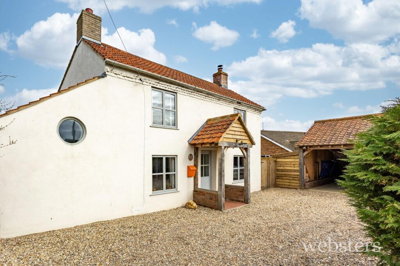
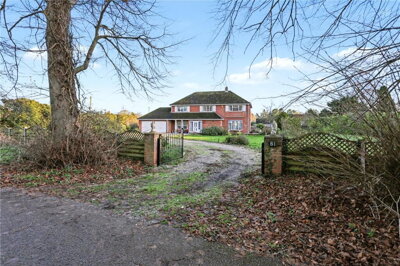
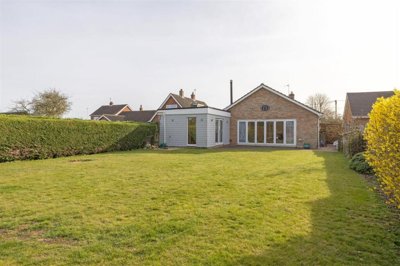
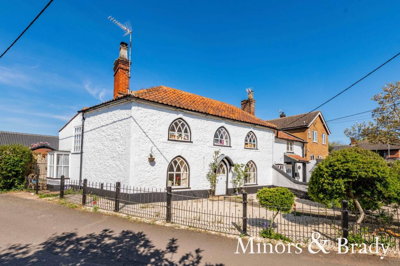
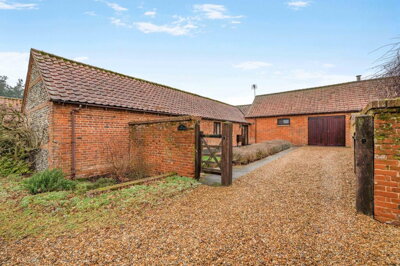
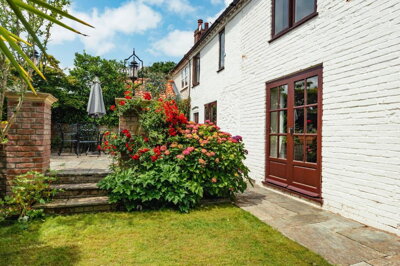
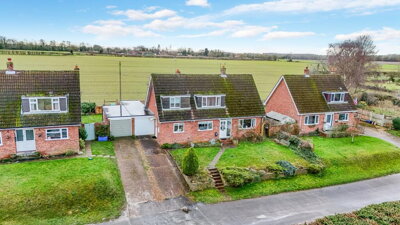
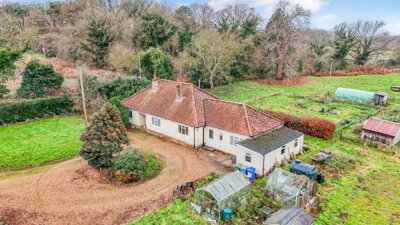
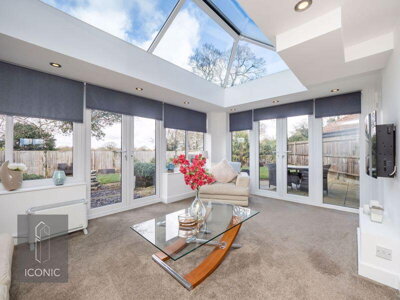
Browse 9 homes for sale in Lyng, Breckland from local estate agents.
The larger property sector typically features multiple bathrooms, substantial reception space, and private gardens or off-street parking. Four bedroom houses in Lyng span detached, semi-detached, and occasionally terraced configurations, with styles ranging from period properties to modern executive homes.
£525k
1
0
12
Source: home.co.uk
Showing 1 results for 4 Bedroom Houses for sale in Lyng, Breckland. The median asking price is £525,000.
Source: home.co.uk
Detached
1 listings
Avg £525,000
Source: home.co.uk
Source: home.co.uk
The Lyng property market presents a stable yet dynamic landscape for buyers and sellers alike. Current average prices hover around £320,000, with detached properties commanding premium values of approximately £350,000 and semi-detached homes averaging £280,000. Terraced properties in the village typically sell for around £210,000, offering an accessible entry point for first-time buyers or those seeking a more compact residence. Over the past year, prices have shown resilience, rising 6.1% according to recent market data, though values remain approximately 5% below the 2021 peak of £311,077, suggesting some headroom for future growth as the market continues its recovery.
New build opportunities in the NR9 postcode include The Heaths development off Heath Road, featuring four architect-designed five-bedroom homes priced at £1,100,000, marketed by Pymm & Co. Hill Paddocks also offers a five-bedroom detached property at similar price points. For buyers considering investment, the broader Norfolk market recorded 11,600 property sales in the twelve months to December 2025, though this represented a 14.1% decrease in transaction volumes across the county. In the East Lyng area specifically, 117 sales were recorded in 2025 with a median price of £315,000, indicating consistent demand for quality homes in this pocket of Breckland.
Property types in Lyng reflect its village heritage, with a mix of period cottages, traditional farmhouses, and more recent developments that cater to different tastes and budgets. The village likely contains a notable proportion of older, pre-1919 properties given its rural character and the prevalence of traditional building materials throughout the area. These older properties often feature distinctive construction methods using locally-sourced materials, which we examine in detail in our section on local building traditions below.

Lyng embodies the quintessential Norfolk village experience, sitting astride the River Wensum in a landscape shaped by centuries of agricultural use and natural beauty. The village forms part of the Breckland district, an area characterised by its distinctive mix of heathland, farmland, and scattered settlements. The local geology features clay-rich soils common across Norfolk, contributing to the region's agricultural productivity while also presenting considerations for property foundations and landscaping. Local building traditions reflect the availability of materials, with flint, brick, and clay-lump construction methods prevalent throughout the village's older properties.
The village community supports everyday needs through local facilities, while the proximity to East Dereham and Norwich ensures access to wider amenities, healthcare, and shopping. Norfolk's economy offers significant employment opportunities across sectors including the energy hub on the east coast, advanced engineering and manufacturing, and the world-class food and agri-tech cluster. Tourism contributes approximately £2.8 billion annually to the county economy, supporting over 54,000 jobs and underlining the region's attractiveness to residents and visitors alike. Living in Lyng means benefiting from lower-than-average operating and living costs compared to London and the South-East, while enjoying the cultural heritage and natural landscapes that make Norfolk one of England's most beloved counties.
Norfolk's economy continues to strengthen, with Norfolk County Council aiming to create 73,000 more homes, 57,000 more jobs, and 5,300 new businesses by 2026. The Norwich functional economic area projects strong growth in working-age population through 2039, with key growth sectors including health, agri-tech, digital, financial services, low carbon, and energy. Scottow Enterprise Park, located just 8 miles from Norwich, is already 91% occupied with 193 businesses, over 67% of which are in STEAM sectors, demonstrating the economic vitality of the wider region.
Properties in Lyng reflect centuries of building traditions adapted to local materials and conditions. The lack of suitable building stone in Norfolk led to the extensive use of flint, which could be quarried from chalk or found in fields and on beaches. Flint construction typically involved rubble walls faced with flint, using larger boulders or bricks to tie the facing to the infill. This distinctive building method has produced some of Norfolk's most characterful properties, though flint walls require careful maintenance to prevent moisture penetration.
Brick has been another fundamental building material in East Anglia since Roman times, with local brickworks producing distinctive "Norfolk Reds" and "Suffolk Whites" until the 20th century. Our inspectors frequently encounter these traditional bricks in Lyng properties, often reused in later structures or found in combination with other materials. Clay-lump construction represents a particularly East Anglian vernacular method, using clay-rich earth mixed with straw and sometimes animal dung, often supported by a hardwood frame. This construction was especially popular in Norfolk's clayland areas during the early 19th century, partly due to a brick tax that made clay-lump an economical alternative.
Traditional roofing materials in the area include Norfolk reed thatch, which can last 60-100 years and remains a distinctive feature of many village properties. Pantiles, fired alongside bricks in local kilns, offer another traditional roofing option, with old pantiles displaying a variety of colours depending on their production method. Timber frame construction with wattle and daub or brick infill was common in early buildings, particularly where ancient forestation provided suitable framing materials. These traditional construction methods require specific maintenance approaches, and inappropriate modern renovations using non-breathable materials can cause significant problems by disrupting the natural moisture evaporation that these buildings rely on.

Families considering a move to Lyng will find educational opportunities available within reasonable travelling distance. The village falls within the Breckland Council area, and primary education is accessible through schools in nearby settlements including Hockering, Honingham, and East Tuddenham. Parents should research specific school performance data and consider catchment areas when purchasing property, as school places can be competitive in popular villages. Several primary schools in the surrounding area serve the local population, with many small village schools offering a community-focused education for younger children.
Secondary education options include the 14-19 campus at East Dereham, which provides a range of GCSE and A-level courses, with further choices available in Norwich's comprehensive educational infrastructure. The city offers multiple secondary schools and sixth-form colleges, including grammar schools for academically able students who pass the entrance selection process. Norfolk's selective grammar school system provides additional educational pathways, with schools in nearby towns serving eligible pupils from the Lyng area. For families prioritising education, the proximity to Norwich University of the Arts and the University of East Anglia adds further appeal for those with older children considering higher education options.
Early years provision in the village and surrounding area includes playgroups and nurseries that serve families with young children. These settings often provide flexible childcare arrangements that can support parents returning to work or managing family schedules. When purchasing property in Lyng, families should factor in the distances and travel times to schools, particularly if children require transport to secondary education or specialist facilities. The rural nature of the area means that school transport arrangements and bus services are important considerations for family buyers.
Lyng's position offers a balanced mix of rural tranquility and connectivity for commuters. The village sits approximately 10 kilometres north-east of East Dereham, which provides local services and connections, and 20 kilometres north-west of Norwich, the regional capital. Norwich offers direct rail services to London Liverpool Street, with journey times of approximately two hours, making the city viable for regular commuters who need access to the capital. The A47 trunk road passes through the region, connecting Norwich to King's Lynn and providing routes toward Cambridge and the wider motorway network beyond.
Local bus services operate between villages and nearest towns, though schedules may be less frequent than in urban areas, making car ownership practical for most residents. Cyclists benefit from Norfolk's developing cycle network, though the rural road network requires careful navigation. For air travel, Norwich Airport offers domestic and some international connections, while Stansted Airport is approximately 90 minutes away by car for a broader range of destinations. The overall transport picture makes Lyng suitable for those who work locally or commute to Norwich, with London accessible via Norwich's rail services or the longer drive to Stansted.
The nearest railway station to Lyng is in Norwich, offering regular services to London Liverpool Street and connections to other major destinations. East Dereham also has a railway station on the Bittern Line, providing connections to Norwich and the wider rail network. For commuters working in Norwich, the journey from Lyng takes approximately 30-40 minutes by car, depending on traffic conditions, making day-to-day commuting feasible for those based in the village but working in the city. The A1065 provides direct access toward Fakenham and the north of the county, while the A47 offers connections east toward Great Yarmouth and west toward King's Lynn and beyond.
Spend time exploring Lyng and neighbouring villages to understand the local property market, community facilities, and lifestyle. Visit at different times of day and speak with residents to gauge the area's character. Consider factors such as proximity to schools, transport links, and amenities when narrowing your search. The River Wensum running through the village offers scenic walks and fishing opportunities, while the proximity to the Broads provides additional recreational options for outdoor enthusiasts.
Before viewing properties, obtain a mortgage agreement in principle from a lender. This demonstrates your buying capacity to sellers and estate agents, strengthening your position in a competitive market. Our partner lenders offer competitive rates, and getting quotes through our mortgage comparison service can help you understand your budget before you begin property viewings. Given the current average property price of around £320,000 in Lyng, most buyers will require a mortgage of approximately £256,000 assuming a 20% deposit.
Contact local estate agents to arrange viewings of properties that match your criteria. During viewings, assess the property's condition, noting any signs of damp, structural issues, or maintenance concerns. Ask about the tenure, service charges, and any planned maintenance or improvements. In Lyng's older properties, pay particular attention to the condition of flint, brick, or clay-lump walls, as well as thatch or pantile roofs which may require specialist maintenance.
For properties over 50 years old, which are common in Lyng's older housing stock, we strongly recommend a RICS Level 2 Survey. This thorough inspection identifies defects in construction, damp issues, roof condition, and structural concerns, providing essential information before purchase. Costs for a RICS Level 2 Survey in Norfolk average around £499, ranging from approximately £437 for a three-bedroom property to around £495 for a four-bedroom home. Our team of qualified surveyors understands local construction methods including flint, brick, clay-lump, and timber frame, ensuring defects specific to these materials are properly identified.
Appoint a conveyancing solicitor to handle the legal aspects of your purchase. They will conduct searches, review contracts, and manage the transfer of ownership. Our conveyancing partners offer transparent pricing from £499, with experienced solicitors familiar with Norfolk properties. Searches will include local authority checks with Breckland Council, environmental searches to identify any flood risk or contamination issues, and water and drainage searches relevant to properties near the River Wensum.
Once all searches are satisfactory and finances are arranged, your solicitor will exchange contracts and set a completion date. On completion day, the remaining funds are transferred, and you receive the keys to your new Lyng home. We recommend arranging buildings insurance from the point of exchange, as this is when responsibility for the property transfers to you. For properties near the River Wensum, ensure your buildings insurance adequately covers flood risk.
Buying property in Lyng requires attention to several area-specific considerations. The village's location on the River Wensum means flood risk should be evaluated carefully. While Norfolk's flood risk assessment rates the outlook as very low for today and tomorrow, proximity to waterways warrants checking the Environment Agency's flood maps and understanding the property's history regarding water damage. Any extensions or new developments in flood risk areas require site-specific flood risk assessments, so verify planning histories thoroughly with Breckland Council.
Given Norfolk's clay-rich geology, properties may be susceptible to subsidence from soil shrink-swell behaviour. The broader King's Lynn district registers 1.091 times the UK average subsidence risk, indicating that ground movement deserves attention during surveys. Look for signs of cracking, subsidence-related damage, or trees close to foundations, which can exacerbate clay shrinkage during dry weather. The British Geological Survey warns that climate change is likely to increase subsidence issues, with projections of more properties at risk by 2070. A thorough RICS Level 2 Survey will identify these concerns and help you negotiate repairs or price adjustments before completing.
Many properties in Lyng will be older constructions using traditional materials such as flint, brick, and clay-lump. These materials require specific maintenance approaches, and inappropriate modern renovations using non-breathable materials can cause damp problems by disrupting natural moisture evaporation. Check whether properties are listed buildings or fall within any conservation area designations, as these impose restrictions on alterations, demolitions, and even tree work. For leasehold properties, review the terms carefully, including ground rent escalations and service charge obligations.
Common defects our inspectors find in Lyng properties include dampness affecting walls and floors, often related to failed damp-proof courses or penetrating damp from roof and wall defects. Roof condition is another frequent concern, with missing or broken tiles, leaks, and sagging particularly affecting older properties with thatch or pantile roofs. Timber decay and rot, including wet rot, dry rot, and woodworm infestation, commonly affects wooden elements in older properties, especially where ventilation has been reduced by modern energy efficiency improvements. Single-skin wall construction, common in period properties, can lead to moisture penetration and heat loss, requiring careful consideration during any renovation work.
The average house price in Lyng currently sits around £320,000 to £321,000, based on recent transactions and market data. Detached properties command approximately £350,000, semi-detached homes average £280,000, and terraced properties typically sell for around £210,000. House prices in the area have risen by 6.1% over the past twelve months, though values remain approximately 5% below the 2021 peak of £311,077. The East Lyng area recorded 117 sales with a median price of £315,000 in 2025, indicating consistent demand for quality homes in this pocket of Breckland.
Properties in Lyng fall under Breckland Council's jurisdiction for council tax purposes. Council tax bands range from A through to H, with the specific band determined by the property's valuation. New buyers should check the band with Breckland Council directly or verify through the Valuation Office Agency website. As a guide, typical village properties often fall within bands B to D, though this varies depending on the property's size, age, and condition. Band D properties in Breckland currently pay around £1,800 annually, though exact amounts depend on the property's specific valuation.
Lyng itself is a small village, with primary education typically accessed through schools in nearby villages such as Hockering, Honingham, and East Tuddenham. The surrounding Breckland area offers a mix of primary schools, many rated Good or Outstanding by Ofsted. Secondary education options include schools in East Dereham, with the town's 14-19 campus providing comprehensive secondary education, and further schools in Norwich for families seeking additional choices. Norfolk also has grammar schools for academically able students, with selection testing taking place during Year 6. Parents should research individual school performance data and confirm catchment area boundaries, as these can affect placement eligibility.
Lyng's public transport options reflect its rural village status, with local bus services connecting to nearby towns but with limited evening and weekend frequencies. The nearest railway stations are in Norwich and East Dereham, with Norwich providing direct services to London Liverpool Street in approximately two hours. The Bittern Line rail service from East Dereham connects to Norwich, offering another option for commuters. For daily commuting, most residents rely on car ownership, though the village's position on the A1065 provides reasonable access to surrounding towns. Norwich Airport offers domestic flights and some international connections, while Stansted Airport is approximately 90 minutes away by car.
Lyng offers several factors that appeal to property investors. The village benefits from proximity to Norwich's growing economy, which projects strong growth in working-age population through 2039, with key sectors including health, agri-tech, digital, and low-carbon industries. Property values have shown resilience with 6.1% annual growth, and the Norfolk market benefits from lower-than-average operating and living costs compared to London. Norfolk County Council aims to create 73,000 more homes, 57,000 more jobs, and 5,300 new businesses by 2026, suggesting continued demand for housing in the region. Rental demand may exist from commuters working in Norwich or surrounding areas, though specific rental data for Lyng itself is limited.
Stamp Duty Land Tax (SDLT) rates for 2024-25 are 0% on the first £250,000 of property value, 5% on £250,001 to £925,000, 10% on £925,001 to £1.5 million, and 12% on amounts above £1.5 million. First-time buyers benefit from relief on the first £425,000, with 5% applied between £425,001 and £625,000. For a typical £320,000 property in Lyng, standard buyers pay no stamp duty on the first £250,000 and 5% on the remaining £70,000, totalling £3,500. First-time buyers purchasing the same property would pay no stamp duty at all under current relief thresholds. Always verify your personal circumstances with HMRC or a financial adviser, as reliefs and rates may change.
Properties in Lyng may face several structural considerations due to local geology and construction traditions. Clay-rich soils in Norfolk make properties susceptible to subsidence from shrink-swell behaviour, particularly during prolonged dry weather or where trees are planted near foundations. The broader King's Lynn district registers 1.091 times the UK average subsidence risk, indicating elevated ground movement concerns. Older properties using flint, brick, or clay-lump construction may show signs of damp, require specific maintenance approaches, and often have shallower foundations vulnerable to ground movement. Timber elements including floorboards and beams are vulnerable to wet rot, dry rot, and woodworm, especially in damp environments. Properties on or near the River Wensum should be checked for flood history and current risk assessments from the Environment Agency.
Lyng falls within the Breckland Council area, which has numerous designated conservation areas protecting places of special architectural or historic interest. While specific conservation area designations within Lyng itself should be verified with Breckland Council's planning department, the village's age and traditional construction suggest that some properties may be listed buildings or located within protected areas. Living in a conservation area means extra controls on property alterations, demolition, and even tree work, requiring planning permission for certain changes that would normally be permitted development elsewhere. Listed buildings require additional consents for any works affecting their character, and specialist surveys may be needed to assess their condition and maintenance requirements.
Understanding the full costs of buying property in Lyng is essential for budgeting effectively. Beyond the purchase price, buyers should factor in Stamp Duty Land Tax, solicitor fees, survey costs, and moving expenses. For a property priced at the current Lyng average of around £320,000, standard buyers pay £3,500 in stamp duty, calculated at 5% on the amount above £250,000. First-time buyers purchasing properties up to £425,000 pay no stamp duty, providing significant savings for those eligible under current thresholds.
Survey costs represent an important investment, particularly given the age and traditional construction of many Lyng properties. A RICS Level 2 Survey in Norfolk costs approximately £499 on average, though this varies with property size and value. For a three-bedroom property, expect to pay around £437, rising to approximately £495 for a four-bedroom home. For properties over £500,000, survey costs can increase to around £586, while homes exceeding £600,000 may incur charges up to £930. Given the prevalence of older properties in Lyng built with flint, brick, or clay-lump, a thorough RICS Level 2 Survey is particularly valuable for identifying defects specific to these construction methods.
Conveyancing fees typically start from £499 for straightforward purchases, rising for leasehold properties or those with complex titles. Local authority searches with Breckland Council, environmental searches, and water and drainage reports add further costs, typically between £200-400. Mortgage arrangement fees, valuation costs, and, registries fees add additional expenses, so budgeting approximately 3-5% of the property price for buying costs beyond the deposit is prudent. Additional considerations include buildings insurance, which should be arranged from exchange of contracts, and any immediate maintenance or renovation costs identified during survey. For leasehold properties, review the service charge and ground rent terms carefully, as these ongoing costs vary significantly between developments.
Properties for Sale In London

Properties for Sale In Plymouth

Properties for Sale In Liverpool

Properties for Sale In Glasgow

Properties for Sale In Sheffield

Properties for Sale In Edinburgh

Properties for Sale In Coventry

Properties for Sale In Bradford

Properties for Sale In Manchester

Properties for Sale In Birmingham

Properties for Sale In Bristol

Properties for Sale In Oxford

Properties for Sale In Leicester

Properties for Sale In Newcastle

Properties for Sale In Leeds

Properties for Sale In Southampton

Properties for Sale In Cardiff

Properties for Sale In Nottingham

Properties for Sale In Norwich

Properties for Sale In Brighton

Properties for Sale In Derby

Properties for Sale In Portsmouth

Properties for Sale In Northampton

Properties for Sale In Milton Keynes

Properties for Sale In Bournemouth

Properties for Sale In Bolton

Properties for Sale In Swansea

Properties for Sale In Swindon

Properties for Sale In Peterborough

Properties for Sale In Wolverhampton

Enter your details to see if this property is within your budget.
Loans, cards, car finance
Estimated property budget
Borrowing + deposit
You could borrow between
Typical borrowing
Monthly repayment
Est. at 4.5%
Loan-to-value
This is an estimate only. Your actual budget may vary depending on interest rates, credit history, and personal circumstances. For an accurate affordability assessment, speak to one of our free mortgage advisors.
This calculator provides estimates for illustrative purposes only and does not constitute financial advice. Your home may be repossessed if you do not keep up repayments on your mortgage. Estimates based on 4.5% interest rate, repayment mortgage. Actual rates depend on your circumstances.
Homemove is a trading name of HM Haus Group Ltd (Company No. 13873779, registered in England & Wales). Homemove Mortgages Ltd (Company No. 15947693) is an Appointed Representative of TMG Direct Limited, trading as TMG Mortgage Network, which is authorised and regulated by the Financial Conduct Authority (FRN 786245). Homemove Mortgages Ltd is entered on the FCA Register as an Appointed Representative (FRN 1022429). You can check registrations at NewRegister or by calling 0800 111 6768.

We use cookies to show you personalised content and improve your experience of our website. Find out more in our Privacy policy and Cookie policy.