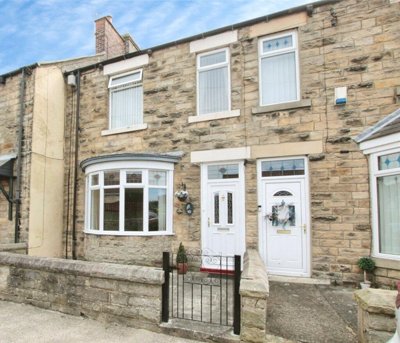
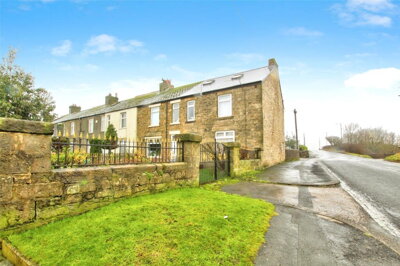
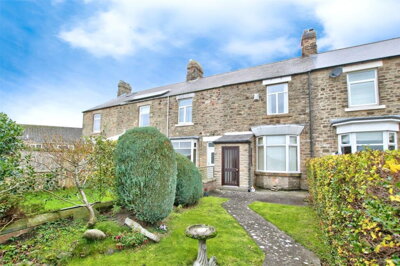
Browse 40 homes for sale in Lynesack and Softley from local estate agents.
The Lynesack and Softley property market offers buyers a range of traditional housing options at competitive prices compared to urban centres in the North East. Current data shows terraced properties averaging £119,876, while semi-detached homes fetch around £124,815. Detached properties command a premium at approximately £206,875, reflecting the additional space and privacy they offer in this rural setting. The market has experienced a cooling period over the past 12 months, with overall prices down 17% compared to the previous year, creating potential buying opportunities for those entering the market.
Historical data reveals that property values in Lynesack reached a peak average of £171,833 in 2023, meaning the current market represents a potential opportunity for buyers looking to enter the area at a more accessible price point. Recent transaction volumes remain modest, with approximately 9 property sales recorded in the surrounding DL13 postcode area over the past year, including properties sold in October 2024 and earlier transactions. This limited supply creates a stable market environment where properties tend to hold their value well, particularly those with character features or Grade II listed status that add to the village's heritage appeal.
New build development activity in Lynesack and Softley remains minimal, with no active construction projects currently underway in the immediate area. This means buyers seeking modern specifications may need to consider properties in nearby towns or accept that the available housing stock consists primarily of established homes with traditional construction methods. The predominance of older stone-built properties, many dating from the Victorian and Edwardian periods, adds to the village charm but also means buyers should budget for potential maintenance requirements inherent in heritage homes. Given the age of the local housing stock, arranging a thorough survey before purchase is strongly recommended.

Lynesack and Softley offers residents a tranquil village lifestyle rooted in the rich industrial heritage of County Durham that shaped the community over generations. With a population of approximately 1,260 people spread across this rural parish, the community maintains a close-knit atmosphere where neighbours are likely to know one another. The village centre in Butterknowle provides essential local services including a village shop, public house, and community facilities that serve the surrounding hamlets and farmsteads. Evening and weekend social life centres largely on the local pub, which serves as a traditional gathering place for residents of all ages.
The area geography is defined by the rolling countryside of the Durham Dales, with properties often constructed from locally-sourced sandstone that blends harmoniously with the natural landscape. Grewburn Beck flows through the village, contributing to the rural charm while occasionally reminding residents of the water management considerations common in rural settings. The local geology reflects the coal mining history that shaped the region, though modern properties have addressed ground stability considerations through appropriate construction techniques. Drystone walls criss-cross the surrounding farmland, remnants of medieval field patterns that add to the area's historical character.
Cultural life in Lynesack and Softley centres on community events, local sports clubs, and the traditional pub which serves as a social hub for the village throughout the year. The Church of St John Evangelist stands as a landmark building and focal point for religious observance and community gatherings, representing the spiritual heart of the parish. Butterknowle War Memorial on Pinfold Lane honours the area's historical connections and serves as a reminder of the village's contribution to national events throughout the 20th century. Several other properties hold Grade II listed status, including boundary stones, the bridge over Grewburn Beck, and local farmhouses, reflecting the heritage value the community places on its built environment.
For daily necessities, residents typically travel to Butterknowle for local services or make weekly trips to Bishop Auckland for supermarkets, healthcare facilities, and additional retail options. The village location encourages car ownership for complete independence, though the road network is navigable for those using public transport. Cyclists and walkers will appreciate the rural lanes and public footpaths that connect Lynesack and Softley to surrounding countryside, offering recreational routes for active travel and leisure throughout the year. The nearby Durham Dales provide extensive opportunities for outdoor activities including walking, cycling, and wildlife observation.
Families considering a move to Lynesack and Softley will find educational provision available through primary schools in the surrounding villages, with the closest options typically serving children aged 5-11 within a short journey of the village centre. Butterknowle Primary School provides education for younger children from the immediate locality, with additional primary schools serving neighbouring communities. The historic village setting means many local schools have longstanding reputations within the community, with some institutions tracing their origins back generations and serving the children of families who have lived in the area for decades.
Secondary education options in the wider Bishop Auckland area provide comprehensive curriculum coverage and extracurricular activities for older students progressing from primary education. Schools in the surrounding towns offer a range of GCSE and A-Level subjects, with sixth form provision enabling students to continue their education locally rather than travelling to larger cities. For families with specific educational preferences, the wider County Durham area offers a choice of primary and secondary schools, including faith schools and those with specialist subject status that may appeal to students with particular academic interests or talents.
Parents are advised to research current performance data and catchment area boundaries when considering educational options, as these can influence school placement decisions significantly. School transport arrangements connect Lynesack and Softley to facilities in nearby towns, ensuring accessibility for families across the rural area who may not have daily access to private transport. The proximity of Durham city and Newcastle also opens options for higher education institutions for older students and adult learners seeking continuing professional development or undergraduate degree programmes. Higher education options within commuting distance include Durham University and Newcastle University, both accessible via the regional transport network.

Transport connectivity from Lynesack and Softley centres on road networks that link the village to the broader County Durham area and beyond, with the A68 passing through nearby settlements and providing direct routes toward Bishop Auckland. The A68 connects to the A1(M) motorway corridor at Catterick, enabling residents to access employment centres and services throughout the North East region while enjoying the benefits of rural village living. For residents working in Bishop Auckland, the commute takes approximately 15-20 minutes by car, while Durham city is reachable in around 35-45 minutes and Newcastle in approximately 60-75 minutes depending on traffic conditions.
Public transport options include bus services operating through Butterknowle and the surrounding villages, connecting residents to market towns and railway stations across the region. The nearest mainline rail connections can be found in larger settlements within County Durham, including Bishop Auckland station and the East Coast Main Line services available in Darlington and Durham, offering direct trains to major cities including Newcastle, York, and London. Those commuting to employment in regional centres will find the transport links adequate for regular travel patterns, though the rural location means planning journeys in advance is advisable to ensure connection times are met.
Bus routes serving the village connect passengers to Butterknowle, Barnard Castle, and Bishop Auckland, where additional transport options become available for onward travel. For daily necessities, residents typically travel to Butterknowle for local services or make weekly trips to Bishop Auckland for supermarkets, healthcare facilities, and additional retail options including high street banks, DIY stores, and specialist retailers. The village location encourages car ownership for complete independence, though the road network is navigable for those using public transport when necessary. Taxis and community transport schemes serve residents without private vehicles, ensuring essential services remain accessible.
Begin your property search by exploring current listings in Lynesack and Softley and understanding recent sale prices in the DL13 postcode area. With the market down 17% from last year, buyers may find favourable conditions for negotiation on properties that have been listed for some time. Consider the various property types available, from stone-built terraced cottages to detached family homes, and identify which style best suits your requirements and budget.
Before arranging viewings, obtain a mortgage agreement in principle from a lender to demonstrate your purchasing capability to estate agents and sellers. This strengthens your position when making offers on properties across the village, where sellers will expect buyers to have their financing arranged. Use Homemove's mortgage comparison service to find competitive rates suitable for properties in the £120,000 to £200,000+ range typical of this area.
Visit properties that match your criteria, paying attention to construction quality, age of fittings, and any signs of maintenance needs that may affect your offer. Given the prevalence of older stone-built properties in Lynesack and Softley, viewings are an essential opportunity to assess the true condition of potential homes and identify any renovation requirements that could affect your budget. Take photographs and notes during viewings to help compare properties later in your decision-making process.
Once your offer is accepted, arrange a professional survey to assess the property condition thoroughly before committing to the purchase. Properties in this area may show signs of age-related wear including dampness, roof deterioration, or outdated services, so a comprehensive homebuyer report is strongly recommended. Survey costs typically range from £400 to £600 depending on property value and size, with older or larger properties attracting higher inspection fees.
Your solicitor will handle legal searches, review property titles, and coordinate the transaction through to completion while protecting your interests throughout the process. They will check local authority records, land registry details, and any planning permissions relevant to properties in the Lynesack and Softley area, including specialist mining searches given the local history. Exchange and completion typically follow within weeks of satisfactory survey results, though the modest transaction volumes in the local market mean completion dates are often flexible.
Buyers considering properties in Lynesack and Softley should pay particular attention to the construction and condition of older buildings that dominate the local housing stock, many of which date from the Victorian and Edwardian periods. Stone-built cottages and traditional terraced properties may require more maintenance than modern equivalents, with roof coverings, chimney stacks, and damp-proof courses meriting careful inspection during viewings and professional surveys. A RICS Level 2 survey will identify any structural concerns or necessary repairs before you commit to the purchase, providing negotiating leverage if significant issues are discovered.
The mining heritage of the area raises considerations around ground stability that buyers should understand before proceeding with a purchase in the village. While specific mining risk assessments are not publicly documented for every property, the history of coal extraction in the locality means that professional surveys should check for any signs of subsidence or ground movement that could affect the property's long-term structural integrity. Properties on or near former mining sites may have specific insurance considerations that your solicitor can investigate through local authority records and specialist mining search reports.
Several properties in Lynesack and Softley hold Grade II listed status, including the Church of St John Evangelist, Butterknowle War Memorial on Pinfold Lane, High Bank Farmhouse, and structures along Grewburn Beck. Listed status imposes restrictions on alterations, extensions, and modernisation works that buyers must accept as conditions of ownership. If you are considering a listed building, budget for the additional costs of specialist surveys and be prepared for planning constraints on any proposed changes to the property. Listed building consent may be required for works that would otherwise be permitted development on an unlisted property.
Flood risk in the immediate Lynesack area appears low based on available property data, with individual listings indicating very low flood risk designations for specific addresses. However, proximity to watercourses such as Grewburn Beck warrants individual assessment during the survey process, as surface water and drainage conditions can vary between properties in the same locality. Drainage and surface water management in rural locations can differ from urban areas, so surveys should check that gutters, drains, and soakaways are functioning correctly. Insurance premiums may vary based on individual property flood assessments, so obtaining quotes before completion is advisable.
Common defects found in older properties across Lynesack and Softley include rising and penetrating damp affecting walls lacking modern damp-proof courses, deteriorating roof coverings with slipped tiles or failing mortar, timber defects such as rot and woodworm in structural elements, and outdated electrical and plumbing systems that may require complete rewiring or replumbing. Structural movement may also be evident in older properties, presenting as cracks in walls or uneven floors that warrant professional assessment. A thorough survey before purchase will identify these issues and allow you to make an informed decision about proceeding with the transaction.

The average house price in Lynesack and Softley currently stands at approximately £129,684 based on recent sales data, representing a 17% decrease from the previous year and a 25% reduction from the 2023 peak of £171,833. Property prices vary significantly by type, with terraced properties averaging £119,876, semi-detached homes around £124,815, and detached properties reaching approximately £206,875. The DL13 postcode area recorded approximately 9 property sales over the past year, indicating a relatively quiet market where buyers may find opportunities for negotiation given the current price adjustment from recent highs.
Properties in Lynesack and Softley fall under Durham County Council authority for council tax purposes, with bands ranging from A to H depending on property value according to the Valuation Office Agency assessments. Most traditional stone-built terraced cottages and smaller homes in the village typically fall into bands A to C given average values around £120,000 to £130,000. You should check the specific band with Durham County Council or view property listing details for accurate banding information, as bands can affect ongoing ownership costs significantly.
Primary education is served by schools in the surrounding villages including Butterknowle Primary School, with secondary education available in the wider Bishop Auckland area where schools offer comprehensive GCSE and A-Level provision. Parents should research current Ofsted ratings and consider catchment areas when selecting a property location, as school places are allocated based on proximity to the school. The proximity to Bishop Auckland means families have access to a good range of educational options at all levels, including sixth form provision and further education colleges providing clear progression pathways for students completing secondary education.
Bus services operate through Butterknowle and nearby villages, connecting residents to market towns and rail stations in County Durham including Bishop Auckland station where onward rail connections are available. The A68 road provides direct access to Bishop Auckland and connections toward the A1(M) motorway at Catterick, facilitating car travel to larger employment centres. Mainline railway services are accessible in larger settlements, with East Coast Main Line services available in Darlington and Durham, making journey times to cities like Newcastle and London achievable through combined bus and rail travel.
Lynesack and Softley offers potential for buyers seeking long-term value in a stable rural community, with the recent price adjustment from the 2023 peak presenting buying opportunities for investors at more accessible entry levels. Properties maintain their appeal due to village character, local heritage including several Grade II listed buildings, and relative affordability compared to urban centres throughout the North East. Rental demand in the wider Bishop Auckland area supports investment potential, though capital growth prospects should be evaluated against broader regional trends and the modest transaction volumes typical of rural village markets.
Stamp duty rates for 2024-25 apply zero percent on the first £250,000 of residential property purchases, five percent on amounts between £250,001 and £925,000, ten percent on £925,001 to £1.5 million, and twelve percent above £1.5 million. First-time buyers benefit from relief on the first £425,000, with five percent charged between £425,001 and £625,000. Given that most properties in Lynesack and Softley fall below £250,000 based on average prices around £130,000, standard purchases under this threshold incur zero stamp duty while first-time buyers purchasing properties up to £425,000 may qualify for complete relief under the current relief scheme.
Lynesack and Softley has a history of coal mining dating back to the 19th century, when many local families were employed in mines across the wider County Durham area. While specific mining risk assessments are not publicly documented for every property, buyers should be aware that the local history means ground stability considerations may apply to some properties, particularly those on or near former mining sites. Your solicitor can arrange a specialist mining search report through the Coal Authority to identify any potential risks associated with historical coal extraction in the locality, and insurance providers may require this information when arranging cover.
The housing stock in Lynesack and Softley is predominantly traditional, with the majority of properties being stone-built terraced cottages and houses dating from the Victorian and Edwardian periods when the mining industry was at its peak. Semi-detached properties account for a significant proportion of available homes, while detached houses represent a smaller segment of the market commanding higher prices due to increased space and privacy. Flats are uncommon in the village, with most available properties being houses rather than apartments, reflecting the rural nature of the settlement and the historical development patterns that shaped the local housing stock.
Purchasing a property in Lynesack and Softley involves several costs beyond the advertised sale price that buyers should factor into their budget to avoid financial surprises during the transaction process. Stamp duty land tax applies to all residential purchases above £250,000 at standard rates, though most properties in this village location fall below this threshold based on average prices of approximately £129,684. First-time buyers purchasing properties up to £425,000 may qualify for relief that eliminates stamp duty on the first £425,000 of their purchase, making village properties particularly attractive to those taking their first steps on the property ladder.
Survey costs represent an important budget item given the age and character of properties in Lynesack and Softley, where stone-built cottages and traditional construction methods require experienced surveyors who understand heritage buildings. A RICS Level 2 survey typically costs between £400 and £600 depending on property size and value, with larger or more expensive homes attracting higher inspection fees that reflect the additional time required for thorough assessment. For stone-built cottages or properties of non-standard construction, a Level 3 building survey may be more appropriate despite the higher cost, providing more detailed assessment of structural condition and materials by a specialist surveyor.
Conveyancing fees for property transactions in County Durham typically start from around £499 for basic legal work, though complex transactions involving listed buildings or unusual titles may incur additional charges that reflect the specialist expertise required. Search fees, land registry fees, and bankruptcy checks add to the legal costs, with total solicitor fees often reaching £1,000 to £1,500 including disbursements depending on the complexity of the transaction. Mortgage arrangement fees vary by lender and product, so comparing whole-of-market options through Homemove ensures you find the most competitive deal for your circumstances and borrowing requirements.
Moving costs, furniture purchases, and any renovation works should also be budgeted for when purchasing in Lynesack and Softley, where older properties may require updating upon purchase, particularly those that have been rental investments or vacant for periods. Properties may need new kitchens, bathrooms, or heating systems depending on their condition, and buyers should factor these potential costs into their overall budget alongside the purchase price and legal fees. Building insurance must be arranged before completion, and your solicitor will provide guidance on arranging cover for properties in this rural location where insurance considerations may differ from urban properties. Setting aside a contingency fund equivalent to ten percent of your purchase price is advisable to cover unexpected works identified by surveys or required to make your new home comfortable and functional.

Properties for Sale In London

Properties for Sale In Plymouth

Properties for Sale In Liverpool

Properties for Sale In Glasgow

Properties for Sale In Sheffield

Properties for Sale In Edinburgh

Properties for Sale In Coventry

Properties for Sale In Bradford

Properties for Sale In Manchester

Properties for Sale In Birmingham

Properties for Sale In Bristol

Properties for Sale In Oxford

Properties for Sale In Leicester

Properties for Sale In Newcastle

Properties for Sale In Leeds

Properties for Sale In Southampton

Properties for Sale In Cardiff

Properties for Sale In Nottingham

Properties for Sale In Norwich

Properties for Sale In Brighton

Properties for Sale In Derby

Properties for Sale In Portsmouth

Properties for Sale In Northampton

Properties for Sale In Milton Keynes

Properties for Sale In Bournemouth

Properties for Sale In Bolton

Properties for Sale In Swansea

Properties for Sale In Swindon

Properties for Sale In Peterborough

Properties for Sale In Wolverhampton

Enter your details to see if this property is within your budget.
Loans, cards, car finance
Estimated property budget
Borrowing + deposit
You could borrow between
Typical borrowing
Monthly repayment
Est. at 4.5%
Loan-to-value
This is an estimate only. Your actual budget may vary depending on interest rates, credit history, and personal circumstances. For an accurate affordability assessment, speak to one of our free mortgage advisors.
This calculator provides estimates for illustrative purposes only and does not constitute financial advice. Your home may be repossessed if you do not keep up repayments on your mortgage. Estimates based on 4.5% interest rate, repayment mortgage. Actual rates depend on your circumstances.
Homemove is a trading name of HM Haus Group Ltd (Company No. 13873779, registered in England & Wales). Homemove Mortgages Ltd (Company No. 15947693) is an Appointed Representative of TMG Direct Limited, trading as TMG Mortgage Network, which is authorised and regulated by the Financial Conduct Authority (FRN 786245). Homemove Mortgages Ltd is entered on the FCA Register as an Appointed Representative (FRN 1022429). You can check registrations at NewRegister or by calling 0800 111 6768.