Pick the right path and we'll point you to the next step.
I'm the homeowner
Track this property, get market updates, and list it on Home when you're ready to sell or let.
I'm an estate agent
Claim your branch on Home.co.uk, list your properties for free, and reach buyers actively searching your area.
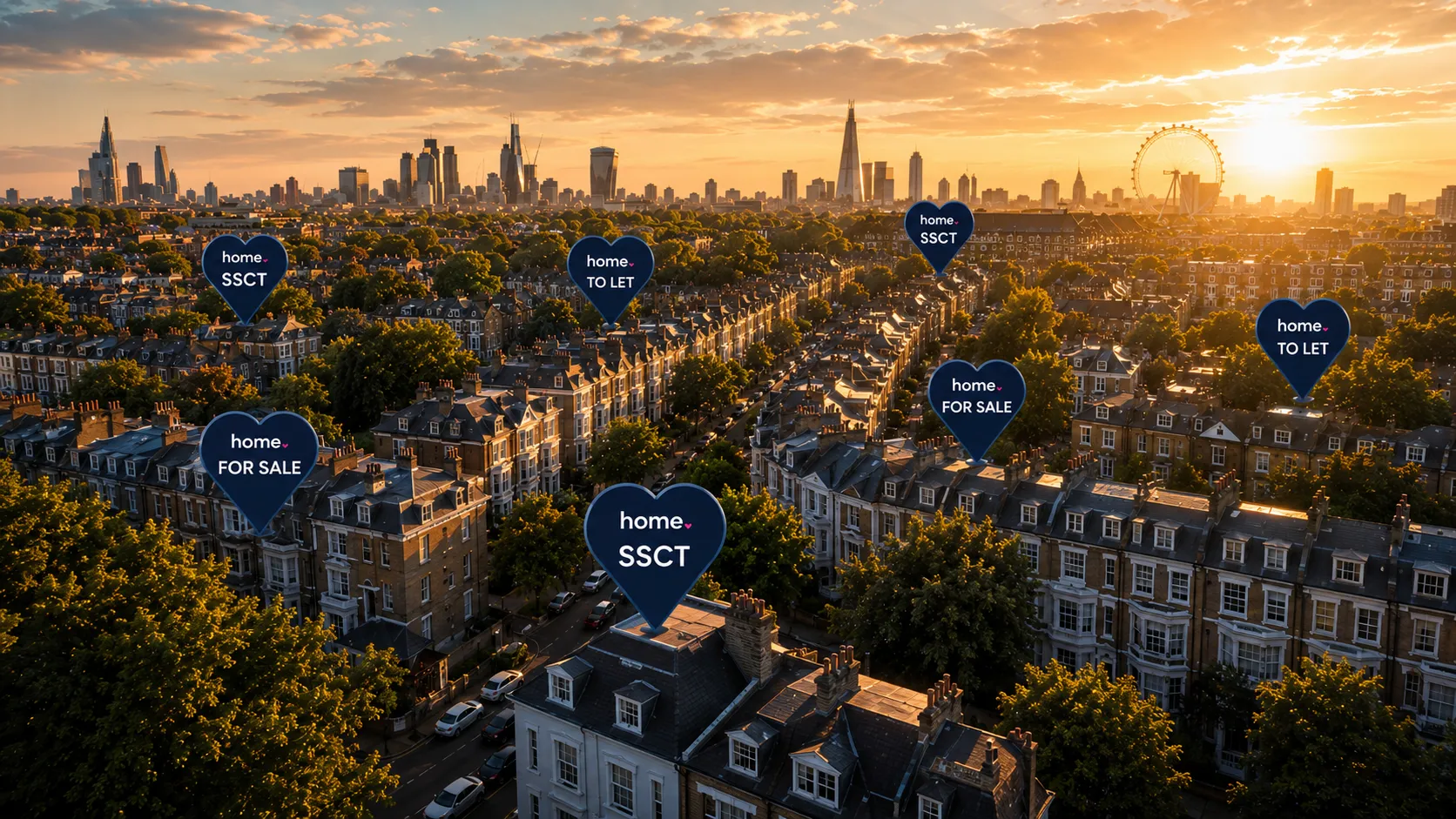
From riverside apartments to country cottages, search hundreds of thousands of properties for sale, to rent, and recently sold, all enriched with three decades of market data.
Browse 7,135 homes for sale in London, England from local estate agents.
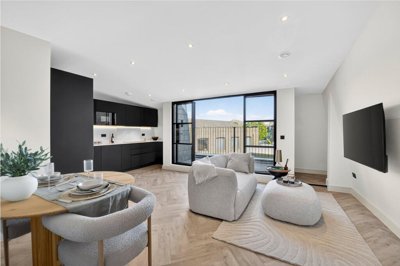
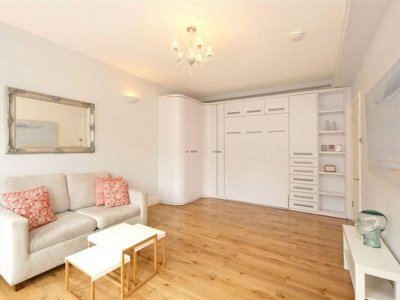
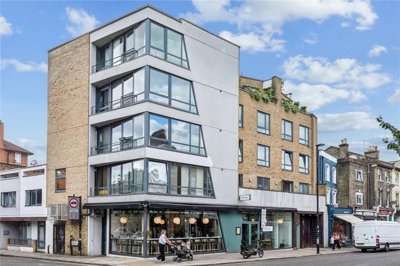
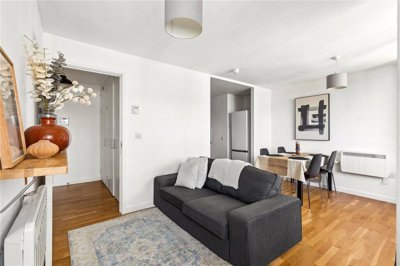
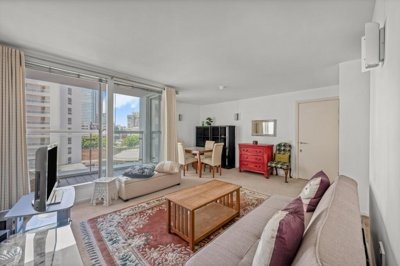
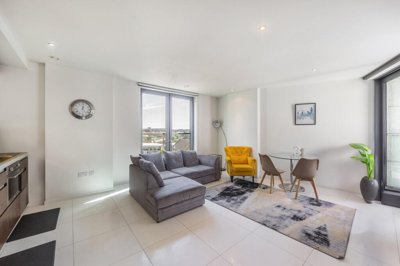
Studio apartments feature open-plan living spaces without separate bedrooms, incorporating sleeping, living, kitchen, and bathroom facilities. The London studio market includes properties in modern apartment complexes, converted Victorian and Georgian buildings, and purpose-built developments.
£449k
10,000
1,396
124
Source: home.co.uk
Showing 10,000 results for Studio Flats for sale in London, England. 1,396 new listings added this week. The median asking price is £449,329.
Source: home.co.uk
Flat
27,098 listings
Avg £609,292
Source: home.co.uk
Source: home.co.uk
homedata.co.uk shows that London prices have softened a little overall, with values down 1.0% year on year in the latest figures. The detail is more uneven than that headline suggests. Detached homes edged down 0.6%, semi-detached homes climbed 2.9%, terraced homes were up 1.7% and flats or maisonettes dropped 3.6%. To us, that points to a capital moving in separate lanes, with family houses in solid commuter spots still facing competition while apartment values have stayed weaker. Buyers who are ready to act can often negotiate more than they could a couple of years ago.
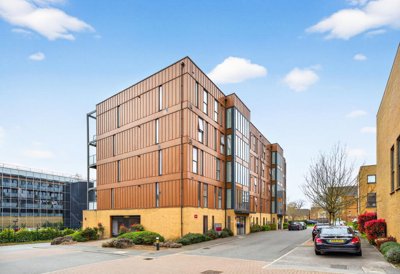
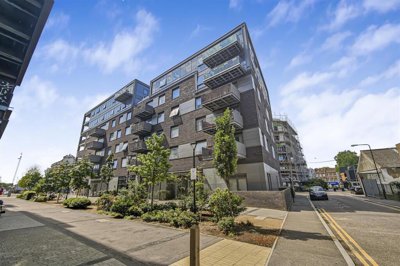
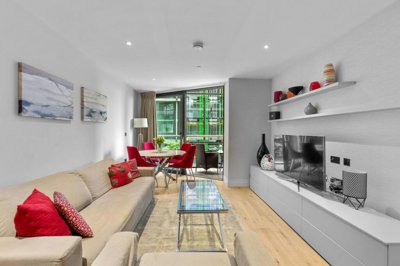
Fresh supply is still shaping the market, particularly in regeneration districts and along the Thames corridor. Current schemes include Postmark London in Mount Pleasant, Hertford Mill in Hackney Wick, Rivermark in Poplar, Battersea Power Station, Bermondsey Place, Regent's View in Bethnal Green and Thames City in Nine Elms. Prices cover a broad span, from apartments at Regent's View starting around £380,000 to homes from £1,750,000 at 100 George Street in Marylebone. So the city can suit someone buying an early home, or someone set on a high-spec central address.

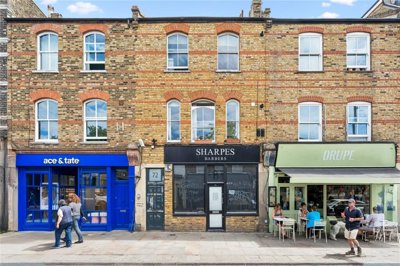
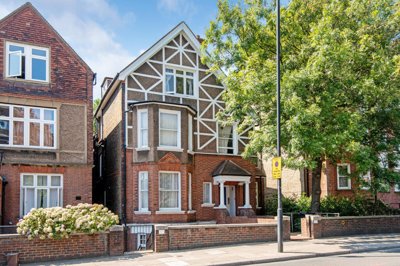
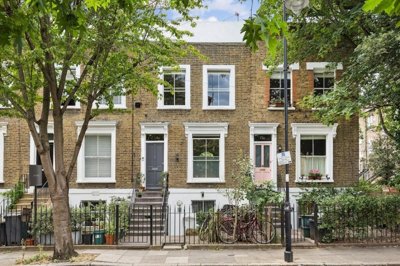
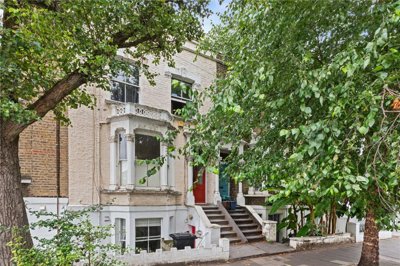
London’s housing stock says a lot about the place. Around 55% of homes were built before 1950, including 12.6% from pre-1900, 23.0% from 1900 to 1929 and 20.0% from 1930 to 1949. That is why period brickwork and older rooflines turn up so often in ordinary streets. Georgian terraces sit near Victorian and Edwardian houses, with post-war semis and newer apartment blocks in the same picture. Many buyers still treat Victorian and Edwardian terraces as the backbone of London residential life.
Inner London in particular reads younger than much of England, with 53% of residents sitting in the early twenties to early forties range. At the other end, the over-65 share is smaller than in the rest of England, at 9.7% in Inner London and 13.7% in Outer London, although that group is expected to rise to more than 1.4 million by 2030. For people moving in, that usually means strong demand around cafés, gyms, parks and cultural venues, close to work and study. London’s six major airports matter too, especially for regular business trips or family travel.
For many families, the search starts with schools. Across London there is a huge spread of primaries, secondaries, sixth forms, FE colleges and universities, and that often keeps households focused on strong transport routes and established neighbourhoods. The choice from primary through to university level is a big factor in buying decisions, especially in boroughs where catchments can shift from one street to the next. We always think it is wiser to check admissions rules early, before a house becomes the front-runner.
In London, catchment lines can matter just as much as the house itself. Two homes may look almost identical on paper, then one falls away because of school access. Selective schools, grammar options in some areas and oversubscribed state comprehensives all shape where buyers end up. If a certain place is non-negotiable, check the local authority admissions process before making an offer, because address eligibility can change year by year. The wider education offer gives parents room to choose, but it usually pays to keep the search radius flexible.

A London commute is rarely about mileage alone. What changes daily life is the network, Underground, Overground, rail services and buses, and buyers often care more about a reliable journey than the shortest one on a map. Homes near stations can carry stronger resale appeal, especially flats and smaller terraces used by city workers. In central and inner boroughs, parking is often tighter, so permit rules and local restrictions are worth checking before anything is agreed.
Travel habits have shifted a lot in the past decade, and cyclists now have more route options across the capital. Even so, flexibility still counts. London’s six major airports are a practical advantage for buyers who work internationally or visit family abroad, which helps explain the pull the market has for mobile professionals. Rail links beyond the capital matter as well, because many parts of London connect quickly into surrounding counties and regional cities. If regular commuting is part of the plan, compare the full trip, not just the station name in the listing.
Older London homes can be rewarding, but they need a close look. Victorian terraces and other brick properties often sit on expansive clay soil, which shrinks in dry weather and swells when wet, and that can cause foundation movement and make subsidence a genuine issue. Damp, mould, blocked gutters and ageing roofs also come up regularly, especially in basement flats, top-floor conversions and homes with poor ventilation. A roof survey is often money sensibly spent here, with London roof inspections usually costing £150 to £400, and most standard checks falling between £150 and £300.
Leasehold flats call for extra care. Service charges, ground rent and major works bills can alter monthly affordability almost as much as the mortgage. Conservation areas and listed-building controls may also affect window replacements, roof repairs and loft conversions, especially in Marylebone, Maida Vale, St John's Wood and parts of Islington. Many Georgian properties in those streets are protected, and conservation officers may require materials such as Welsh slate. Before we advise anyone to press on, we want the lease length, building insurance, recent maintenance and any planned works set out clearly.

Before booking viewings, get a mortgage agreement in principle in place. It shows your ceiling and tells sellers you are ready to move.
Check the basics early, schools, transport, council tax, street parking and property age. London changes quickly from one neighbourhood to the next.
Pay close attention to damp, roof wear, cracks, lease terms and service charges. That matters most in older terraces, conversions and flats.
A RICS Level 2 or Level 3 survey can pick up subsidence, roof defects and repair costs before you are fully committed.
Start conveyancing as early as you can. Searches, title checks and leasehold enquiries often hold up exchange if they are left too late.
After contracts are exchanged, sort out your deposit, removals and completion funds. Then it is simply a matter of collecting the keys on moving day.
Over the last year, homedata.co.uk records an average sold price of £656,619, while the median sits at £505,000. Type makes a big difference. Flats and maisonettes average £430,000, terraced homes average £638,000, semi-detached homes average £715,000 and detached homes average £1,136,000. That spread is why two homes in London can land in completely different budget territory even when only a few miles separate them. Borough pricing matters just as much as the building, and sometimes more.
There is no city-wide council tax band for London. Each local authority sets charges for its own area, so properties can sit anywhere between band A and band H depending on the borough and the home itself. That means two similar flats may face different bills if they fall under different councils. We would always check the exact address before an offer goes in. Running costs like council tax can shift the monthly budget more than many buyers expect.
What suits one family may not suit another, because borough, catchment and the children’s ages all come into it. London has a wide mix of primaries, secondaries, sixth forms, FE colleges and universities, so most parents begin with admissions rules rather than one league table. Catchments can tighten quickly, and selective schools add more planning. If school access matters most, get the education search lined up before the property shortlist is final.
Day-to-day travel is one of London’s strongest practical points. The Underground, Overground, rail services and buses form the core network, and many buyers focus on homes near stations because they want a commute they can rely on and resale demand that holds up. The capital also has six major airports, which helps people travelling for work or visiting family abroad. In a lot of areas parking is limited, so some households put a strong route ahead of having a driveway.
London is still a deep market with plenty of activity across different price levels. Demand comes from buyers, renters, professionals and families, and homedata.co.uk records show 70,800 sales in the last 12 months even with transactions down 21.1%. That still points to a market where homes continue to move. Price trends are mixed, so investors usually need to be careful about location, transport and property type. Houses and flats near stations, universities or major employers tend to give the broadest resale audience later.
Stamp duty turns on the purchase price and on whether the buyer qualifies as a first-time buyer. For most buyers in 2024-25, rates are 0% up to £250,000, 5% from £250,000 to £925,000, 10% from £925,000 to £1.5 million and 12% above £1.5 million. First-time buyers pay 0% up to £425,000 and 5% from £425,000 to £625,000, with no relief above that point. At London’s £505,000 median price, a first-time buyer would pay about £4,000, while someone not using first-time relief would pay about £12,750.
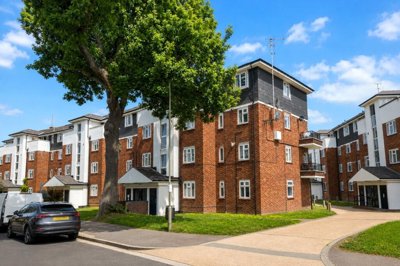
Few places have as much housing variety as London. You can move from Georgian terraces to Victorian houses, then on to post-war semis or modern apartment blocks within a short distance. Older stock is a major part of that picture, with 55% of homes built before 1950, so period detailing and traditional brick construction are very common. Newer building activity is concentrated most heavily along the Thames corridor and in regeneration areas, where contemporary apartments and larger mixed-use schemes are easier to find. That gives buyers a genuine choice between character and lower-maintenance living.
Anyone buying their first London home should watch the extra costs closely. Service charges, transport spending and the age of the building can affect affordability just as much as the mortgage. Older properties may need work to tackle damp, roofs, electrics or subsidence, while flats can come with leasehold terms that create ongoing expense. A mortgage agreement in principle helps, and so does a proper survey, plus a solicitor who knows London leasehold issues. Once the repair and legal bills are clearer, the whole purchase is easier to budget.
From 4.5%
Compare mortgage rates and find the best deal
From £499
Expert solicitors to handle your purchase
From £445
Homebuyer report for a London purchase
From £629
Detailed survey for older or altered homes
London follows the same national stamp duty rules as the rest of England, but higher values mean the total bill can rise fast. For most buyers, the 2024-25 thresholds are 0% up to £250,000, 5% from £250,000 to £925,000, 10% from £925,000 to £1.5 million and 12% above £1.5 million. First-time buyers receive 0% up to £425,000 and 5% from £425,000 to £625,000, with no relief above £625,000. That is why we tell clients to map the numbers before bidding starts, particularly for a flat in a central or riverside area.
At London’s £505,000 median price, a first-time buyer would usually pay about £4,000 in stamp duty, while a buyer without first-time relief would pay about £12,750. Using the average sold price of £656,619, a non-first-time buyer would pay about £20,331 before legal fees, survey costs and mortgage arrangement charges are added. We always recommend getting the mortgage agreement in principle sorted early, then using it to test the real total cost of moving. With that full figure in front of you, it becomes easier to weigh up a bigger flat, a period terrace or a newer home with lower maintenance.
Properties for Sale In London

Properties for Sale In Plymouth

Properties for Sale In Liverpool

Properties for Sale In Glasgow

Properties for Sale In Sheffield

Properties for Sale In Edinburgh

Properties for Sale In Coventry

Properties for Sale In Bradford

Properties for Sale In Manchester

Properties for Sale In Birmingham

Properties for Sale In Bristol

Properties for Sale In Oxford

Properties for Sale In Leicester

Properties for Sale In Newcastle

Properties for Sale In Leeds

Properties for Sale In Southampton

Properties for Sale In Cardiff

Properties for Sale In Nottingham

Properties for Sale In Norwich

Properties for Sale In Brighton

Properties for Sale In Derby

Properties for Sale In Portsmouth

Properties for Sale In Northampton

Properties for Sale In Milton Keynes

Properties for Sale In Bournemouth

Properties for Sale In Bolton

Properties for Sale In Swansea

Properties for Sale In Swindon

Properties for Sale In Peterborough

Properties for Sale In Wolverhampton

Enter your details to see if this property is within your budget.
Loans, cards, car finance
Estimated property budget
Borrowing + deposit
You could borrow between
Typical borrowing
Monthly repayment
Est. at 4.5%
Loan-to-value
This is an estimate only. Your actual budget may vary depending on interest rates, credit history, and personal circumstances. For an accurate affordability assessment, speak to one of our free mortgage advisors.
This calculator provides estimates for illustrative purposes only and does not constitute financial advice. Your home may be repossessed if you do not keep up repayments on your mortgage. Estimates based on 4.5% interest rate, repayment mortgage. Actual rates depend on your circumstances.
Homemove is a trading name of HM Haus Group Ltd (Company No. 13873779, registered in England & Wales). Homemove Mortgages Ltd (Company No. 15947693) is an Appointed Representative of TMG Direct Limited, trading as TMG Mortgage Network, which is authorised and regulated by the Financial Conduct Authority (FRN 786245). Homemove Mortgages Ltd is entered on the FCA Register as an Appointed Representative (FRN 1022429). You can check registrations at NewRegister or by calling 0800 111 6768.

We use cookies to show you personalised content and improve your experience of our website. Find out more in our Privacy policy and Cookie policy.