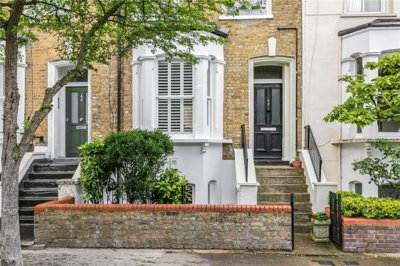
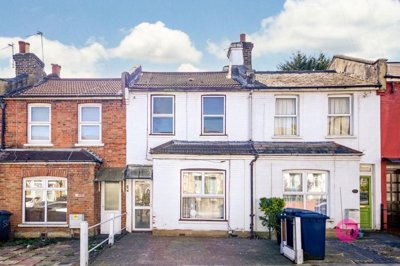
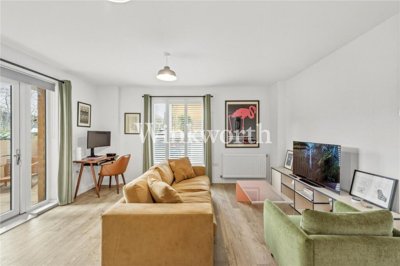
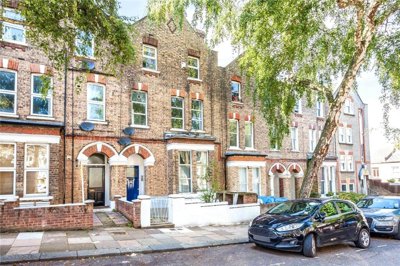
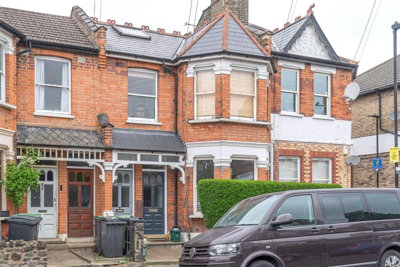
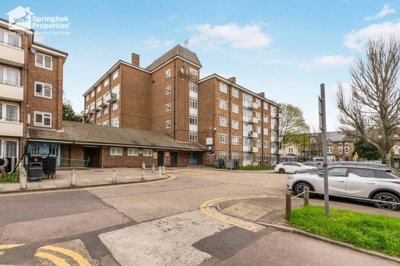
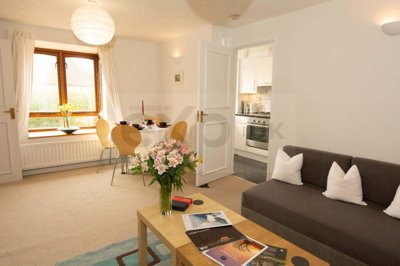
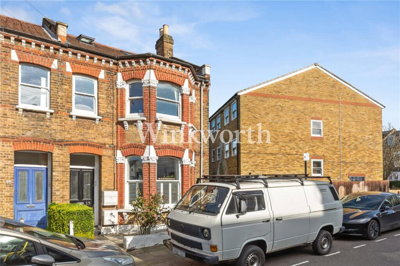
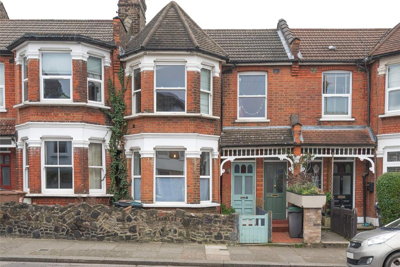
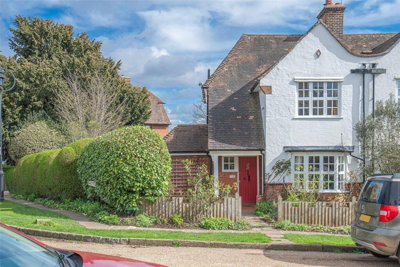
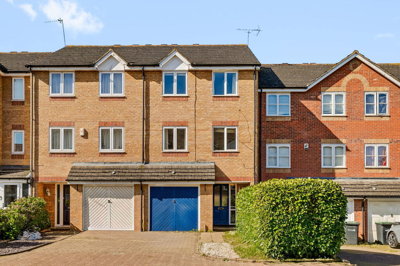
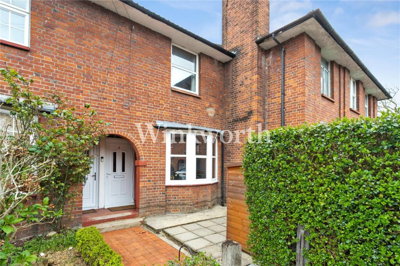
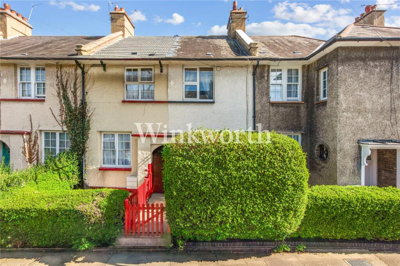
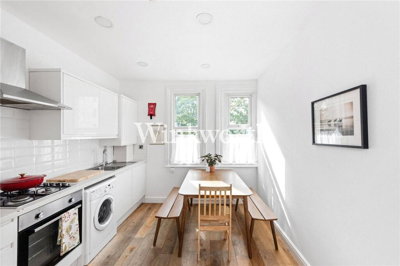
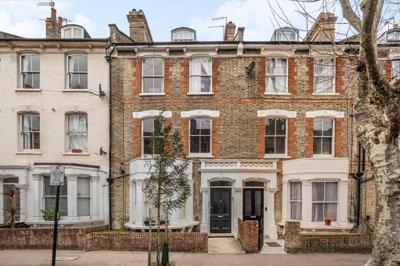
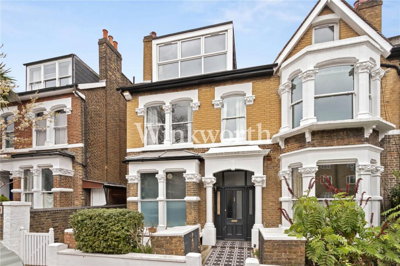
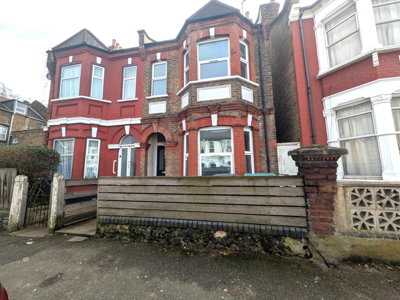
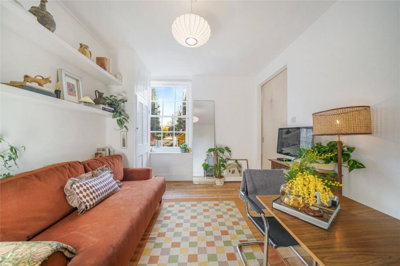
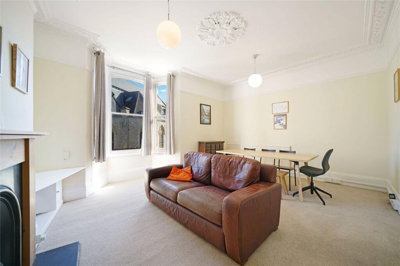
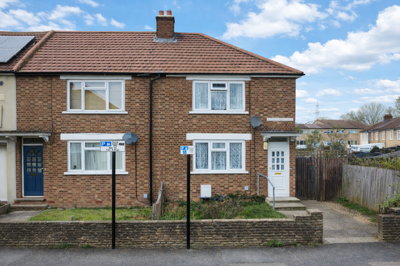
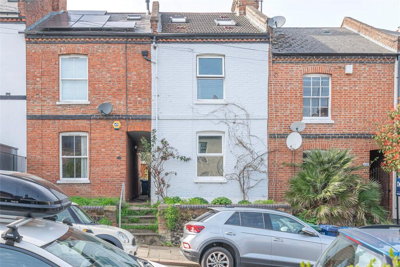
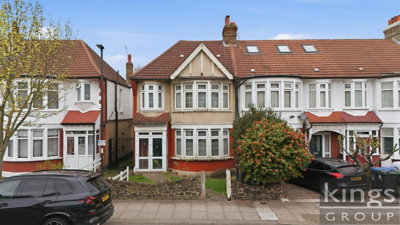
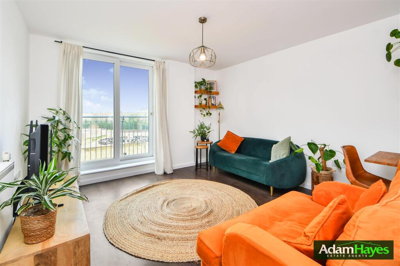
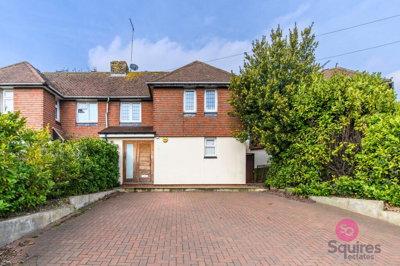
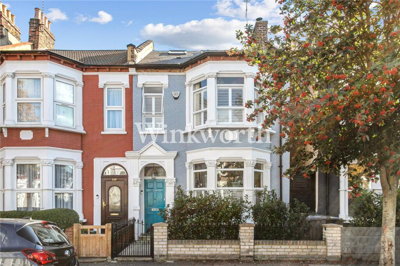
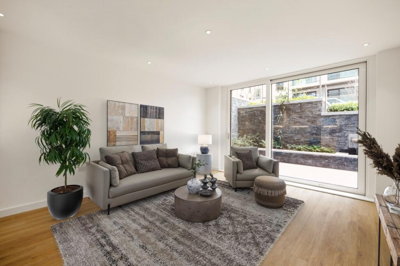
Browse 5,531 homes for sale in London Borough of Haringey from local estate agents.
£627,000
Average Property Price (Dec 2025)
-0.2%
Annual Price Change
126
Properties Sold (Latest Period)
+8.62%
Sales Growth (Year-on-Year)
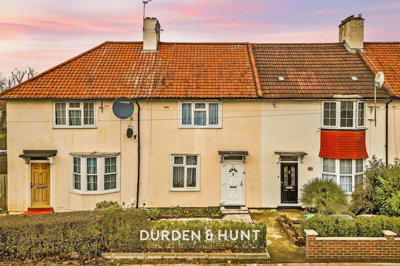
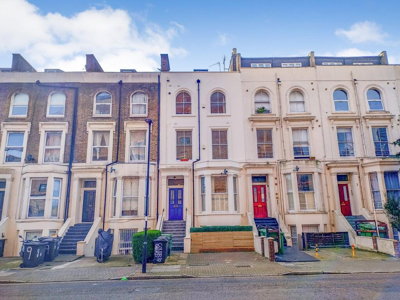
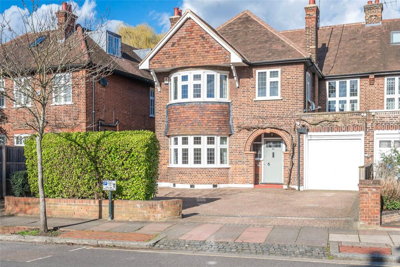
The Haringey property market presents a diverse landscape of property types and price points that cater to various buyer requirements and budgets. Detached properties command the highest prices, averaging £2,291,000, while semi-detached homes offer a more accessible entry at approximately £1,195,000. Terraced properties, which form a significant portion of the borough's housing stock, average £782,000, with prices showing a positive trend of 2.0% growth over the twelve months to December 2025. Flats and maisonettes provide the most affordable entry point at around £468,000, though this segment has seen a slight correction of 1.8% over the same period, potentially creating opportunities for buyers seeking apartment living.
The market dynamics within Haringey vary considerably between neighbourhoods, with areas like Crouch End, Muswell Hill, and Highgate commanding premium prices due to their village atmosphere, excellent schools, and period architecture. Tottenham has emerged as a hotspot for regeneration, with projects transforming former industrial areas into mixed-use communities with new homes, retail space, and improved infrastructure. Rightmove data shows the overall average price across Haringey at £685,581 over the past year, sitting 6% below the 2022 peak of £727,693, which may present buying opportunities for those entering the market now. Property values across the borough benefit from proximity to Central London, strong transport connections, and ongoing investment in local infrastructure.
The London Borough of Haringey encompasses a rich of neighbourhoods, each offering distinct characteristics that appeal to different lifestyles. Crouch End has established itself as a hub for creatives and families, featuring independent cafes, boutique shops, and the iconic Crouch End Picture House cinema. Muswell Hill impresses with its grand Edwardian architecture, extensive green spaces including the vast Alexandra Park, and thriving high street offering artisan bakeries to organic grocers. Hornsey retains much of its historic village atmosphere with its preserved 16th-century clock tower and charming period properties clustered around the Green. Tottenham, despite its reputation for regeneration, preserves important community institutions and cultural landmarks reflecting its diverse population.
The borough's geography plays a significant role in shaping residential character, with the underlying London Clay presenting both opportunities and considerations for homeowners. This geological feature creates the rolling hills that characterise areas like Highgate and Muswell Hill, offering elevated positions with views across the capital. However, London Clay is highly shrinkable, meaning properties may be susceptible to ground movement during periods of drought or excessive rainfall, making thorough surveys essential for older properties. The borough is bounded to the east by the River Lea, whose waterfront areas are being transformed through regeneration schemes while also requiring attention to flood risk assessments for any property purchase near the waterway. Conservation areas protect the special character of neighbourhoods including parts of Crouch End, Muswell Hill, Highgate, Hornsey, and Alexandra Park, ensuring architectural heritage is preserved for future generations.
Daily life in Haringey is enriched by extensive green spaces and cultural attractions. The Parkland Walk National Nature Reserve follows the course of a former railway line, providing a scenic walking and cycling route connecting Finsbury Park to Alexandra Palace. Alexandra Palace itself remains a beloved North London landmark, offering entertainment venues, ice skating, a boating lake, and panoramic views from its hilltop position. The borough's location provides easy access to both the countryside beyond the M25 and the cultural attractions of Central London, with journey times to key destinations remaining competitive for commuters and day-trippers alike.

Education provision across the London Borough of Haringey serves a diverse student population through a mix of local authority schools, academy converters, and independent institutions. Primary education in the borough includes well-regarded schools with several achieving Good or Outstanding Ofsted ratings that attract families seeking quality education close to home. The borough maintains a strong network of primary schools serving neighbourhood catchments, though competition for places in popular schools can be intense, particularly in areas like Crouch End and Muswell Hill where family demographics are concentrated. Parents should research individual school performance data and admission policies when considering properties, as catchment areas can significantly influence school placement.
Secondary education in Haringey offers variety including grammar school provision that draws students from across North London. Several secondary schools in the area have achieved strong GCSE and A-level results comparing favourably with national benchmarks, though educational outcomes vary across neighbourhoods. The proximity to prestigious institutions in neighbouring boroughs expands options for secondary and sixth form education, with many families considering schools across a wider geography when making relocation decisions. Sixth form and further education colleges within and near Haringey provide progression pathways for students completing secondary education, with courses ranging from traditional A-levels to vocational qualifications. Independent schools serving Haringey families include established institutions building reputations for academic excellence and holistic development, often with selective admissions processes and premium fee structures that remain popular for families prioritising private education within reasonable travelling distance.
Transport connectivity ranks among Haringey's strongest attributes, with multiple railway and Underground stations providing residents with access across the capital and beyond. London Underground services operate from several stations in the borough, connecting residents to the Victoria, Piccadilly, and Northern lines that serve key Central London destinations including Oxford Circus, King's Cross St Pancras, and Bank. Rail services from stations including Harringay, Hornsey, and Alexandra Palace provide additional options for commuting into the City and other major employment centres, with journey times to key hubs remaining competitive against areas closer to the Underground network. Tottenham Hale station serves both Underground and National Rail services, providing particularly strong connectivity for residents in the eastern part of the borough.
Bus services across Haringey offer extensive coverage of the borough and connections to surrounding areas, with numerous routes serving key destinations without requiring rail or Underground travel. Night bus services operate on key routes, providing options for those working unsocial hours or enjoying the capital's evening economy. Road connectivity is strong with major routes including the A1 and A406 providing access to the North Circular Road and the M25 motorway for those travelling by car. However, parking restrictions in many residential areas reflect the urban nature of the borough and should be factored into property decisions for those dependent on car ownership. Cycling infrastructure has developed across Haringey in recent years, with dedicated cycle lanes improving safety on key routes and connections to the wider London cycling network, making more employment locations accessible to Haringey residents who prefer pedal power to public transport.
Explore different areas within Haringey, from the period streets of Crouch End to the regeneration zones of Tottenham. Consider commute times, school catchments, and proximity to parks and amenities that match your lifestyle requirements.
Obtain an agreement in principle from a lender to understand your budget before viewing properties. With Haringey average prices at £627,000, most buyers will require mortgage financing, and having finance in place strengthens your position when making offers.
Use Homemove to browse the full range of properties available in Haringey, from Victorian terraces to modern apartments. Schedule viewings to assess properties in person, paying attention to condition, natural light, and any signs of subsidence or damp common in older properties.
Commission a RICS Level 2 Survey before completing your purchase, particularly for period properties where defects like damp, outdated electrics, or roof issues may be present. Given the prevalence of Victorian and Edwardian properties in Haringey and the London Clay ground conditions, professional surveys are essential.
Choose a conveyancing solicitor to handle the legal aspects of your purchase. They will conduct searches, review contracts, and liaise with the seller's representatives to progress your transaction through to completion.
Once all searches are satisfactory and financing is confirmed, you will exchange contracts and pay your deposit. Completion typically follows within days or weeks, after which you will receive your keys and take ownership of your new Haringey home.
Purchasing property in the London Borough of Haringey requires awareness of several area-specific factors that can significantly impact your ownership experience and investment value. The prevalence of Victorian and Edwardian properties means many homes feature traditional construction methods including solid walls, timber floors, and older plumbing and electrical systems that may require updating. A thorough survey is essential to identify issues such as rising damp, which commonly affects period properties without modern damp-proof courses, or roof defects that can lead to costly repairs if left unaddressed. The underlying London Clay geology creates potential for subsidence or ground heave, particularly for properties with mature trees nearby or shallow foundations, making structural assessments particularly valuable for Haringey purchases.
Flood risk varies across the borough and should be investigated before purchase, especially for properties in areas adjacent to the River Lea or in low-lying parts of Tottenham and Tottenham Hale. Surface water flooding can occur during heavy rainfall events across urban areas with constrained drainage systems, and buyers should review Environment Agency flood maps and any local flood history for properties in vulnerable locations. Conservation area status affects properties throughout Haringey, including in Crouch End, Muswell Hill, Hornsey, and Alexandra Park, where planning controls restrict permitted development rights and require approval for alterations to preserve character. Listed buildings, of which there are concentrations throughout the borough, require Listed Building Consent for virtually any external or significant internal works, adding complexity and cost to any future renovation plans.
Leasehold arrangements are common for flats across Haringey, and buyers should carefully examine lease terms, ground rent provisions, and service charge levels before committing to a purchase. Many older leases impose escalating ground rents that can become onerous, while service charges for buildings with communal areas can vary significantly depending on maintenance requirements and management arrangements. Freehold properties, particularly terraced and semi-detached houses, are generally preferable for long-term ownership certainty, though they still require budget allocation for maintenance and repairs. Properties within regeneration zones may offer growth potential but also face disruption during construction phases and changes to neighbourhood character as development progresses. A comprehensive survey and legal review will help you understand the specific considerations applying to your potential purchase.
Understanding the full costs of purchasing property in Haringey extends beyond the asking price to encompass stamp duty, solicitor fees, survey costs, and moving expenses that together can add several thousand pounds to your budget. Stamp Duty Land Tax applies to all English property purchases above £250,000 at standard rates, with thresholds currently set at 0% up to £250,000, 5% between £250,001 and £925,000, 10% between £925,001 and £1.5 million, and 12% on any amount above £1.5 million. For a typical Haringey terraced property at £782,000, a buyer who is not a first-time purchaser would pay £26,600 in stamp duty, while a first-time buyer purchasing at £468,000 would pay just £2,150 thanks to the raised threshold and reduced rates available under first-time buyer relief.
Solicitor fees for conveyancing in the London area typically range from £500 to £1,500 depending on the complexity of the transaction and whether the property is freehold or leasehold. Additional costs include search fees, which cover local authority, drainage, and environmental searches specific to the Haringey area, typically adding £200 to £400 to your legal costs. A RICS Level 2 Survey costs from approximately £350 depending on property size and value, with more complex or larger properties commanding higher fees. For leasehold flats, you should also budget for notice fees, which can range from £100 to £300, and any Lender arrangement fees if your mortgage deal includes these charges. Removal costs vary depending on the volume of belongings and distance moved, with London-based moves typically costing between £500 and £2,000 using professional removal firms.
Budgeting for ongoing costs after purchase is equally important, with mortgage repayments forming the largest regular outgoing for most homeowners. Haringey Council sets annual council tax based on property band, with most residential properties falling into bands A through D. Buildings insurance is required by mortgage lenders and typically costs between £200 and £500 annually for a standard Haringey property. Service charges apply to leasehold properties and can range from minimal amounts for well-maintained blocks to substantial sums for buildings with significant maintenance requirements or major works scheduled. Setting aside a contingency fund equivalent to 1% to 2% of your property value annually for maintenance and repairs is prudent, particularly for older period properties where issues may emerge unexpectedly.
The average house price in Haringey was £627,000 in December 2025, showing a marginal decrease of 0.2% from December 2024. OnTheMarket reports £659,000 as of February 2026 with a 0.5% rise over twelve months, while Rightmove shows £685,581 over the past year, sitting 6% below the 2022 peak of £727,693. Prices vary considerably by type, with detached properties averaging £2,291,000, semi-detached homes at £1,195,000, terraced properties at £782,000, and flats at approximately £468,000. The market has shown resilience with 126 property sales in the latest period, up 8.62% year-on-year, indicating sustained buyer interest despite broader economic uncertainty.
Properties in the London Borough of Haringey are assigned council tax bands A through H by the Valuation Office Agency, with the specific band depending on the property's assessed value. Most flats and smaller terraced properties fall into bands A through D, while larger Victorian and Edwardian houses in desirable areas like Crouch End and Muswell Hill often occupy bands E through G. Haringey Council publishes current council tax rates on its website, and buyers can search properties by their council tax band using the local authority's online tools. Band D is typically the reference point for council tax comparisons, with higher bands paying proportionally more and lower bands paying less.
Haringey offers a range of educational options across primary and secondary levels, with several schools achieving Good or Outstanding ratings from Ofsted. Primary schools in the borough serve local catchments, with competition for places being particularly intense in Crouch End and Muswell Hill where family demographics are concentrated. Secondary education includes both comprehensive and grammar school options, with several schools achieving strong GCSE and A-level results comparing favourably with national benchmarks. The proximity to additional schools in neighbouring Camden, Islington, and Barnet expands options for families willing to consider education provision across borough boundaries. Families should research individual school performance data, including GCSE results and student outcomes, alongside practical factors such as travel times and extracurricular provision when evaluating schools.
Haringey benefits from excellent public transport connections, with Underground services accessing the Victoria, Piccadilly, and Northern lines from multiple stations across the borough. Rail services from stations including Harringay, Hornsey, and Alexandra Palace provide additional commuting options to the City and other employment centres. Tottenham Hale station offers particular connectivity with both Underground and National Rail services, making it a key transport hub for eastern Haringey. Bus services provide extensive coverage throughout the borough and into surrounding areas, with night bus routes serving those working unsocial hours. Journey times to Central London typically range from 20 to 40 minutes depending on the specific station and destination.
Property investment in Haringey benefits from several factors that support both rental income and capital growth prospects. The borough's strong transport links to Central London maintain demand from commuters, while regeneration projects in Tottenham and Tottenham Hale are bringing new infrastructure, amenities, and employment opportunities that enhance neighbourhood desirability. Rental demand remains robust in Haringey due to the area's relative affordability compared to prime central London postcodes, attracting young professionals and small households. Capital growth prospects are supported by the ongoing transformation of former industrial areas, though buyers should be aware that regeneration zones may experience short-term disruption during construction phases. Properties requiring renovation in desirable neighbourhoods may offer particular value for investors willing to undertake works, though thorough surveys are essential given the prevalence of older housing stock with potential defects.
Stamp Duty Land Tax rates for England apply to Haringey property purchases using standard thresholds, with no additional London surcharge. For residential purchases, there is no SDLT on properties up to £250,000, with rates of 5% on the portion from £250,001 to £925,000, 10% up to £1.5 million, and 12% above that threshold. First-time buyers benefit from relief on the first £425,000 of their purchase, with 5% applying between £425,001 and £625,000, meaning no SDLT on purchases up to £425,000 for qualifying first-time buyers. For a typical Haringey flat at £468,000, a first-time buyer would pay £2,150 in stamp duty, while a subsequent buyer would pay £10,900. Buyers should use the HMRC SDLT calculator or consult a solicitor to confirm their exact liability based on their circumstances and purchase price.
From 4.5%
Connect with specialist brokers to find the right mortgage for your Haringey property purchase
From £499
Expert legal services to handle your property transaction smoothly
From £350
Essential property survey for buyers in Haringey's Victorian and Edwardian housing stock
From £60
Energy performance certificate required for all Haringey property sales
Properties for Sale In London

Properties for Sale In Plymouth

Properties for Sale In Liverpool

Properties for Sale In Glasgow

Properties for Sale In Sheffield

Properties for Sale In Edinburgh

Properties for Sale In Coventry

Properties for Sale In Bradford

Properties for Sale In Manchester

Properties for Sale In Birmingham

Properties for Sale In Bristol

Properties for Sale In Oxford

Properties for Sale In Leicester

Properties for Sale In Newcastle

Properties for Sale In Leeds

Properties for Sale In Southampton

Properties for Sale In Cardiff

Properties for Sale In Nottingham

Properties for Sale In Norwich

Properties for Sale In Brighton

Properties for Sale In Derby

Properties for Sale In Portsmouth

Properties for Sale In Northampton

Properties for Sale In Milton Keynes

Properties for Sale In Bournemouth

Properties for Sale In Bolton

Properties for Sale In Swansea

Properties for Sale In Swindon

Properties for Sale In Peterborough

Properties for Sale In Wolverhampton

Enter your details to see if this property is within your budget.
Loans, cards, car finance
Estimated property budget
Borrowing + deposit
You could borrow between
Typical borrowing
Monthly repayment
Est. at 4.5%
Loan-to-value
This is an estimate only. Your actual budget may vary depending on interest rates, credit history, and personal circumstances. For an accurate affordability assessment, speak to one of our free mortgage advisors.
This calculator provides estimates for illustrative purposes only and does not constitute financial advice. Your home may be repossessed if you do not keep up repayments on your mortgage. Estimates based on 4.5% interest rate, repayment mortgage. Actual rates depend on your circumstances.
Homemove is a trading name of HM Haus Group Ltd (Company No. 13873779, registered in England & Wales). Homemove Mortgages Ltd (Company No. 15947693) is an Appointed Representative of TMG Direct Limited, trading as TMG Mortgage Network, which is authorised and regulated by the Financial Conduct Authority (FRN 786245). Homemove Mortgages Ltd is entered on the FCA Register as an Appointed Representative (FRN 1022429). You can check registrations at NewRegister or by calling 0800 111 6768.

We use cookies to show you personalised content and improve your experience of our website. Find out more in our Privacy policy and Cookie policy.