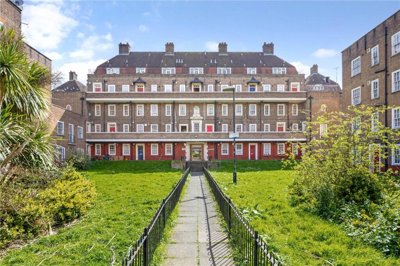
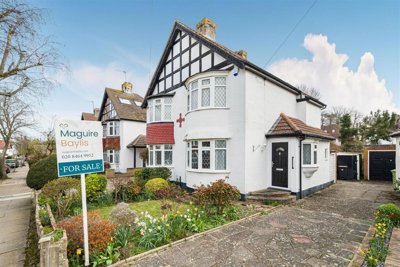
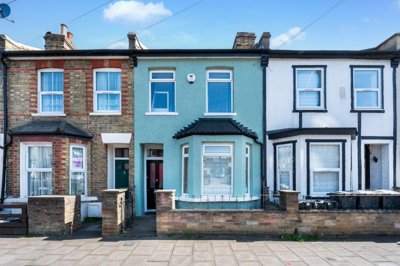
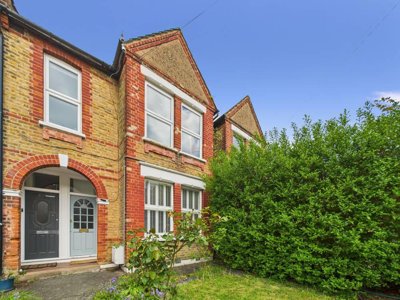
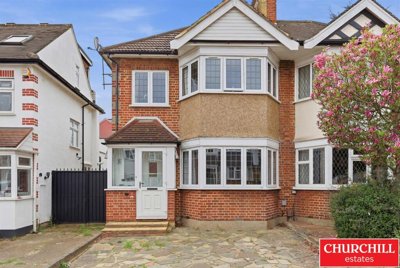
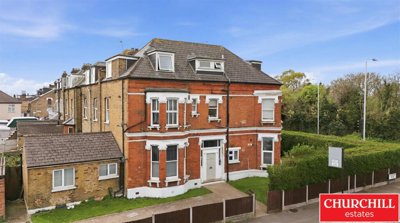
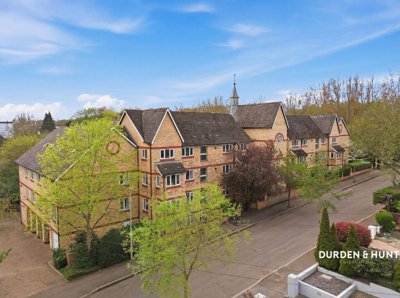
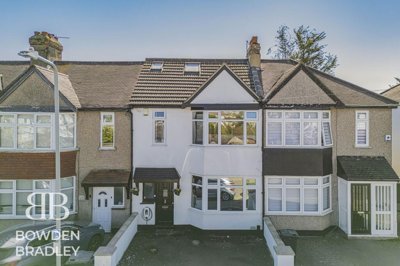
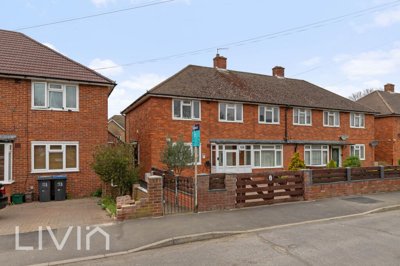
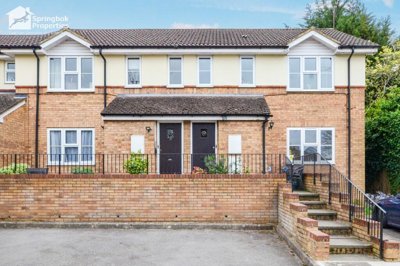
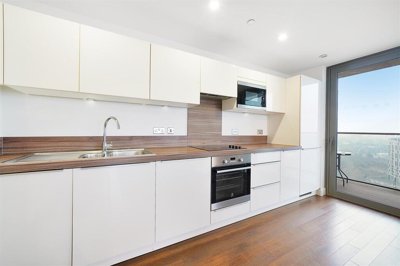
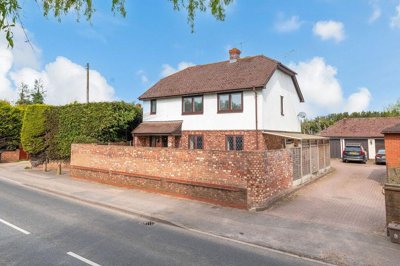
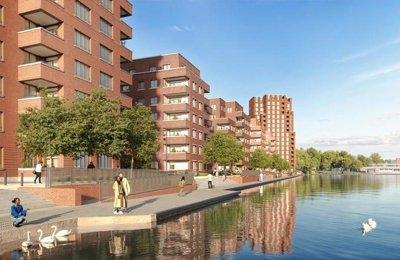
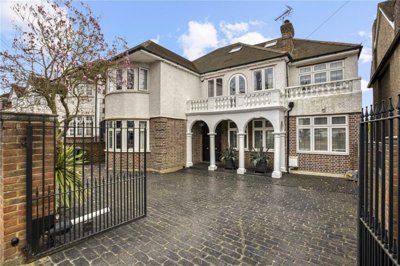
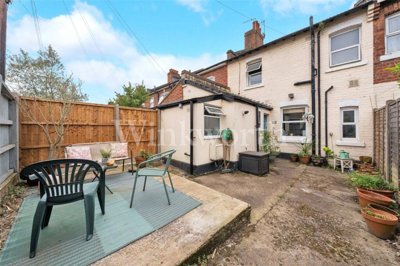
Browse 10,000 homes for sale in London, England from local estate agents.
£555k
10,000
3,584
119
Source: home.co.uk
Source: home.co.uk
Flat
24,004 listings
Avg £631,039
Apartment
17,086 listings
Avg £830,725
Terraced
6,835 listings
Avg £1.12M
Semi-Detached
5,750 listings
Avg £948,545
Detached
3,054 listings
Avg £1.90M
House
2,610 listings
Avg £1.63M
End of Terrace
2,302 listings
Avg £835,423
Maisonette
2,063 listings
Avg £540,595
Studio
777 listings
Avg £332,117
Ground Flat
557 listings
Avg £412,937
Source: home.co.uk
Source: home.co.uk
London's property market is renowned for its complexity and dynamism, with each borough possessing its own distinct character and price dynamics. The city offers an extraordinary range of property types, from elegant Georgian townhouses in Islington and Kensington to warehouse conversions in vibrant areas like Shoreditch and Bermondsey. Victorian and Edwardian properties form the backbone of many residential areas, while the skyline continues to evolve with new apartment developments rising across zones one through four.
Property prices in London vary dramatically across the capital, with prime central postcodes commanding premiums that can exceed properties elsewhere in the UK by a considerable margin. First-time buyers often focus on outer boroughs where prices tend to be more accessible, while families frequently seek the generous proportions and garden spaces found in suburban areas such as Richmond, Kingston upon Thames, and Dulwich. Investment buyers are drawn to London's strong rental yields and the constant demand from professionals seeking well-connected homes.
The London housing market encompasses everything from ex-council properties in areas like Tower Hamlets and Southwark to luxurious penthouses in developments along the South Bank. Major regeneration projects have transformed formerly industrial areas, with Canary Wharf, Nine Elms, and the Royal Docks now featuring prominently in buyer searches. Understanding which areas are appreciating, which offer rental yield potential, and which provide family-friendly environments requires careful research tailored to your specific priorities and budget.

London stands as one of the world's most vibrant capital cities, offering residents an unparalleled mix of cultural experiences, culinary delights, and recreational opportunities. The city is divided into distinct boroughs, each with its own personality shaped by historical architecture, local communities, and independent businesses that give neighbourhoods their unique identity. From the artistic energy of Hackney to the leafy suburbs of Chiswick, London provides a neighbourhood to suit every lifestyle and preference.
Green spaces punctuate the urban landscape throughout London, with extensive parks and gardens offering respite from city life. Richmond Park provides 2,360 acres of protected countryside within the capital, while Hyde Park and Kensington Gardens form a vast green corridor central London. The River Thames winds through the city, providing scenic walking and cycling routes alongside waterside restaurants and bars that come alive during summer months. Museums, theatres, galleries, and restaurants ensure that London residents need never run out of activities to enjoy.
Each London neighbourhood carries its own character shaped by decades of history and community development. Notting Hill and Portobello Road feature colourful terraced houses and the famous market that draws visitors from across the world. Clapham and Brixton offer vibrant nightlife and diverse dining options alongside family-friendly streets. East London neighbourhoods including Dalston, Hackney Wick, and Stratford continue to gentrify, attracting young professionals seeking proximity to creative industries. Meanwhile, traditional village atmospheres persist in areas like Blackheath, Muswell Hill, and Highgate, where community spirit remains strong despite the urban surroundings.

London boasts an exceptional concentration of educational institutions, from outstanding primary schools to world-renowned universities and specialist colleges. Parents purchasing property in the capital have access to an impressive array of state and independent schooling options, with many families specifically targeting boroughs known for their excellent schools. The standard of education available in London attracts families who want to provide their children with access to some of the best educational facilities in the country.
Primary and secondary school performance varies across London boroughs, with some areas consistently producing strong academic results. Selective grammar schools in boroughs such as Kent, Bexley, and Sutton draw students from across the region, making catchment area proximity a crucial consideration for families. Independent schools cluster in areas like Chelsea, Kensington, and Hampstead, where annual fees reflect the prestigious reputation of institutions such as Eton College. London universities, including University College London, Imperial College, and the London School of Economics, rank among the most prestigious in the world, making the city attractive to students from across the globe.
The competition for places at popular schools in London means families often plan their property search around school catchments years in advance. Boroughs including Kingston upon Thames, Barnet, and Bromley feature prominently in searches from families seeking a balance between educational quality and property value. Properties within the catchment areas of outstanding-rated primary schools in areas like Chipping Barnet, Vaughan Primary, and Tetherdown Primary command premiums reflecting the importance parents place on their children's education. Transport links to private school campuses also influence location choices, with many families prioritising areas served by direct routes to institutions in Kensington, Wimbledon, or St Albans.

London's transport network is among the most comprehensive in the world, with the Underground, Overground, National Rail services, and an extensive bus network connecting every corner of the capital. The Underground system, dating back to 1863, remains the oldest metro system globally and carries millions of passengers daily across twelve lines that span the entire metropolitan area. Living in London means that most residents can access central business districts within reasonable journey times, making the city practical for professionals working in finance, technology, creative industries, and countless other sectors.
Commuter towns surrounding London offer substantially lower property prices while maintaining excellent transport connections into the capital. Areas within the Home Counties, including towns in Berkshire, Buckinghamshire, Hertfordshire, and Surrey, feature in many buyer searches as they provide more space for money while preserving straightforward access to London via rail services. Major railway stations including King's Cross, Liverpool Street, Paddington, and Victoria serve as major hubs connecting London to destinations across the UK and beyond via Eurostar services to continental Europe.
The Elizabeth Line, now fully operational, has transformed connectivity across the capital, reducing journey times between areas such as Reading, Heathrow, and Shenfield while connecting directly with Canary Wharf, Liverpool Street, and Paddington. Property values along the Elizabeth Line corridor have reflected this improved accessibility, with towns like Abbey Wood, Stratford, and Tottenham seeing increased buyer interest. Zoning considerations significantly impact both property prices and daily commute costs, with properties in zones one and two commanding substantial premiums over those in outer zones despite similar characteristics.

London properties often present unique considerations that buyers elsewhere may not encounter, making local knowledge particularly valuable. Many London homes are leasehold, which means understanding the remaining lease term, ground rent obligations, and any service charges is essential before committing to a purchase. Freehold properties, while more common for houses, may carry restrictions through covenants that affect what you can do with the building or land.
Conservation areas are prevalent throughout London, with planning restrictions designed to preserve the character of historic neighbourhoods. These designations can limit permitted development and require planning permission for alterations that would otherwise be straightforward. Flood risk varies across the capital, with properties near the Thames or in low-lying areas requiring particular attention to flood resilience measures and insurance implications. Building surveys in London should always consider the age of properties and any historic construction methods that might affect structural integrity.
The age of London's housing stock means that many properties will have been constructed using methods no longer considered standard practice. Victorian and Edwardian properties, prevalent throughout inner London boroughs, frequently feature solid walls without cavity insulation, older electrical systems, and original plumbing that may require updating. Properties constructed post-war, including the extensive 1930s housing in areas like Barking and Dagenham, often feature different construction challenges. Our surveyors understand these local construction methods intimately, having inspected thousands of properties across every London borough, and can identify issues that might otherwise go unnoticed by those unfamiliar with the capital's distinctive housing stock.

Start by deciding which boroughs and neighbourhoods match your priorities. Consider commute times, school catchments, budget constraints, and the type of property you need. London offers everything from studio flats to substantial family homes, so clarifying your requirements early helps narrow the search. The sheer variety available means that defining non-negotiables before beginning your search prevents overwhelm and helps you make decisions efficiently when time pressure mounts.
Speak to a mortgage broker or lender to obtain an Agreement in Principle before viewing properties. London's competitive market means sellers often favour buyers who can demonstrate they are financially prepared. Having your mortgage position confirmed strengthens your offer when you find the right property. In a market where properties can receive multiple bids within days of listing, being ready to proceed quickly provides a crucial advantage.
Many London properties sell before appearing on major portals, so building relationships with local estate agents can reveal opportunities ahead of competitors. Agents often have access to off-market listings and can provide insights into specific neighbourhoods that online searches cannot capture. Establishing rapport with agents in your target areas means you may hear about suitable properties before they reach the wider market, giving you a head start on other buyers.
Schedule viewings across your preferred areas and visit properties multiple times if possible, at different times of day. Once you have an offer accepted, arrange a RICS survey to assess the property's condition, particularly important in London where many properties are older with potential maintenance issues. Our inspectors regularly identify defects in London properties that range from minor maintenance items to significant structural concerns, and having this information before completing allows you to negotiate appropriately or, in rare cases, reconsider the purchase entirely.
Choose a conveyancing solicitor with experience in London property transactions to handle legal work efficiently. The conveyancing process involves searches, contracts, and coordination between parties. Exchange of contracts commits you to the purchase, after which you should arrange buildings insurance and confirm your mortgage drawdown. London transactions can involve additional complexity, particularly for leasehold properties where management company accounts, planned major works, and historical covenant issues require careful review.
London house prices remain among the highest in the UK, though they vary dramatically across boroughs. Properties in central areas like Kensington, Chelsea, and Westminster command substantial premiums, while outer boroughs such as Barking, Bexley, and Croydon offer more accessible entry points. The London property market experienced significant growth in recent years, though economic conditions have led to some cooling of prices in certain areas. Prospective buyers should research specific postcodes thoroughly, as even adjacent streets can see considerable price differences reflecting local amenities, transport links, and school performance.
Council tax bands in London are set by the relevant London borough council and range from Band A to Band H, with most residential properties falling within Bands B through E. Each borough sets its own council tax rates, meaning the amount you pay depends on which area you live in and the valuation band assigned to your property. London boroughs typically charge between 1,200 and 2,500 pounds annually for Band D properties, though this varies by council and year. You can check the specific band for any London property through the Valuation Office Agency website using the property address.
London offers exceptional educational opportunities at every level, with primary schools rated Outstanding by Ofsted found across numerous boroughs including Barnet, Kingston upon Thames, and Sutton. Secondary education in London includes highly selective grammar schools in areas like Sutton, Kent, and Bexley, alongside comprehensive schools with strong academic records in boroughs such as Kingston upon Thames, Barnet, and Bromley. Independent schools in areas like Hampstead, Chelsea, and Notting Hill command premium fees but consistently achieve outstanding results. University options in London rank among the best globally, with institutions including Imperial College, UCL, King's College London, and the London School of Economics attracting students worldwide.
London's public transport network is exceptionally comprehensive, with the Underground serving 272 stations across twelve lines covering the entire metropolitan area. The London Overground network complements the Tube with services connecting areas not directly served by the Underground, while National Rail services provide commuter links to surrounding counties. The bus network operates around-the-clock with extensive night services on key routes, ensuring residents without cars can travel throughout the capital. Transport for London provides journey planning tools and oyster card payment systems that make navigating the city straightforward and cost-effective.
London has historically been considered a strong property investment destination, benefiting from consistent demand driven by employment opportunities, international buyers, and limited supply relative to demand. Rental yields in London vary considerably, with higher yields typically found in outer boroughs where property prices are lower relative to rental values. Capital growth in London has shown long-term strength, though the market can experience periods of slower growth or modest corrections depending on economic conditions and policy changes affecting the property sector. Investors considering London should factor in potential void periods between tenants, service charge obligations on leasehold properties, and the impact of regulations affecting the private rented sector.
Stamp Duty Land Tax rates in England start at zero percent for residential purchases up to 250,000 pounds, rising to five percent between 250,001 and 925,000 pounds. Higher rates apply to portions of the purchase price between 925,001 and 1.5 million pounds at ten percent, with twelve percent applying above 1.5 million. First-time buyers benefit from relief on purchases up to 425,000 pounds, with five percent payable between 425,001 and 625,000 pounds. In London's prime postcodes, where property values frequently exceed standard thresholds, buyers should budget for substantial SDLT costs as part of their overall purchase expenses. Additional properties, including second homes and buy-to-let investments, attract a three percent surcharge on all threshold bands.
Period properties in London, while often beautiful and characterful, present specific risks that buyers should understand before committing. Victorian and Edwardian properties commonly feature aging electrical wiring that may not meet current safety standards, original plumbing with lead or galvanised pipes, and solid walls without insulation that can lead to condensation issues. Our surveyors frequently identify subsidence concerns in properties built on London Clay, particularly in areas like Highgate, Hampstead, and parts of south London where tree roots and clay soil interact. Asbestos was used in construction throughout the 20th century and may be present in artex coatings, insulation, or floor tiles. A thorough RICS survey will identify these issues and help you budget for necessary remedial work.
Purchasing property in London involves costs beyond the purchase price that buyers should factor into their budget from the outset. Stamp Duty Land Tax represents the largest additional cost, particularly in a market where property values frequently exceed the standard threshold of 250,000 pounds. A buyer purchasing a London property at 500,000 pounds would pay 12,500 pounds in SDLT under standard rates, while prime London properties attracting prices of one million or more face substantially higher bills that can reach tens of thousands of pounds.
Survey costs ensure you understand the condition of your new property before completing, which is particularly important given the age of much of London's housing stock. A RICS Level 2 survey typically costs from 350 pounds for a modest flat, rising for larger properties, while more comprehensive Level 3 surveys provide deeper structural analysis for period properties. Solicitors handling London conveyancing typically charge between 500 and 2,000 pounds depending on complexity, with leasehold transactions generally requiring additional work. Removal costs, early repayment charges on existing mortgages, and potential valuation fees should all be included when calculating your total moving budget.
Beyond these obvious costs, London buyers should budget for additional expenses that can accumulate quickly. Surveyors often recommend further investigations that reveal issues requiring remediation before or shortly after purchase. Properties in certain boroughs may require specific searches relating to local mining activity, contamination from former industrial uses, or planning history that affects permitted uses. Our team can provide guidance on which searches are essential for your specific location and help you understand the full cost implications of purchasing in your chosen area.

Properties for Sale In London

Properties for Sale In Plymouth

Properties for Sale In Liverpool

Properties for Sale In Glasgow

Properties for Sale In Sheffield

Properties for Sale In Edinburgh

Properties for Sale In Coventry

Properties for Sale In Bradford

Properties for Sale In Manchester

Properties for Sale In Birmingham

Properties for Sale In Bristol

Properties for Sale In Oxford

Properties for Sale In Leicester

Properties for Sale In Newcastle

Properties for Sale In Leeds

Properties for Sale In Southampton

Properties for Sale In Cardiff

Properties for Sale In Nottingham

Properties for Sale In Norwich

Properties for Sale In Brighton

Properties for Sale In Derby

Properties for Sale In Portsmouth

Properties for Sale In Northampton

Properties for Sale In Milton Keynes

Properties for Sale In Bournemouth

Properties for Sale In Bolton

Properties for Sale In Swansea

Properties for Sale In Swindon

Properties for Sale In Peterborough

Properties for Sale In Wolverhampton

Enter your details to see if this property is within your budget.
Loans, cards, car finance
Estimated property budget
Borrowing + deposit
You could borrow between
Typical borrowing
Monthly repayment
Est. at 4.5%
Loan-to-value
This is an estimate only. Your actual budget may vary depending on interest rates, credit history, and personal circumstances. For an accurate affordability assessment, speak to one of our free mortgage advisors.
This calculator provides estimates for illustrative purposes only and does not constitute financial advice. Your home may be repossessed if you do not keep up repayments on your mortgage. Estimates based on 4.5% interest rate, repayment mortgage. Actual rates depend on your circumstances.
Homemove is a trading name of HM Haus Group Ltd (Company No. 13873779, registered in England & Wales). Homemove Mortgages Ltd (Company No. 15947693) is an Appointed Representative of TMG Direct Limited, trading as TMG Mortgage Network, which is authorised and regulated by the Financial Conduct Authority (FRN 786245). Homemove Mortgages Ltd is entered on the FCA Register as an Appointed Representative (FRN 1022429). You can check registrations at NewRegister or by calling 0800 111 6768.

We use cookies to show you personalised content and improve your experience of our website. Find out more in our Privacy policy and Cookie policy.