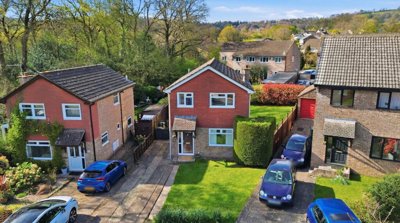
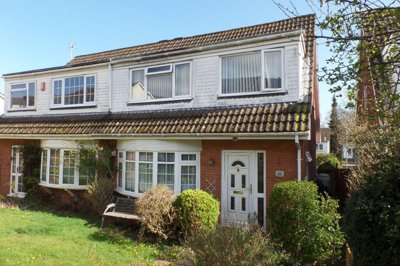
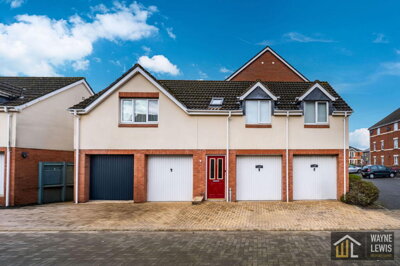
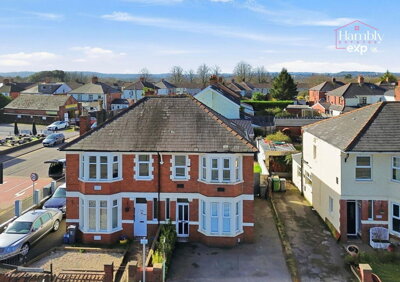
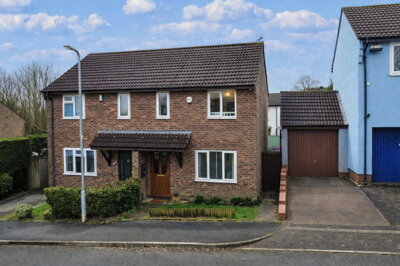
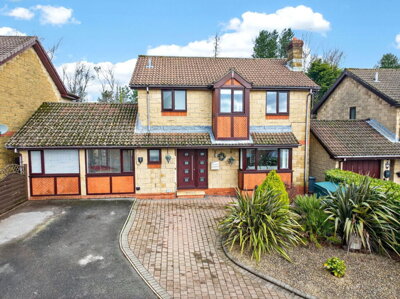
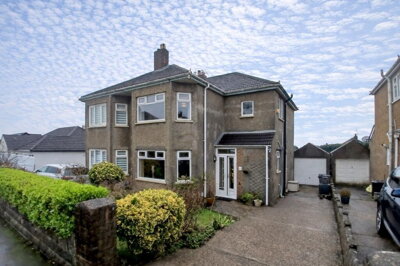
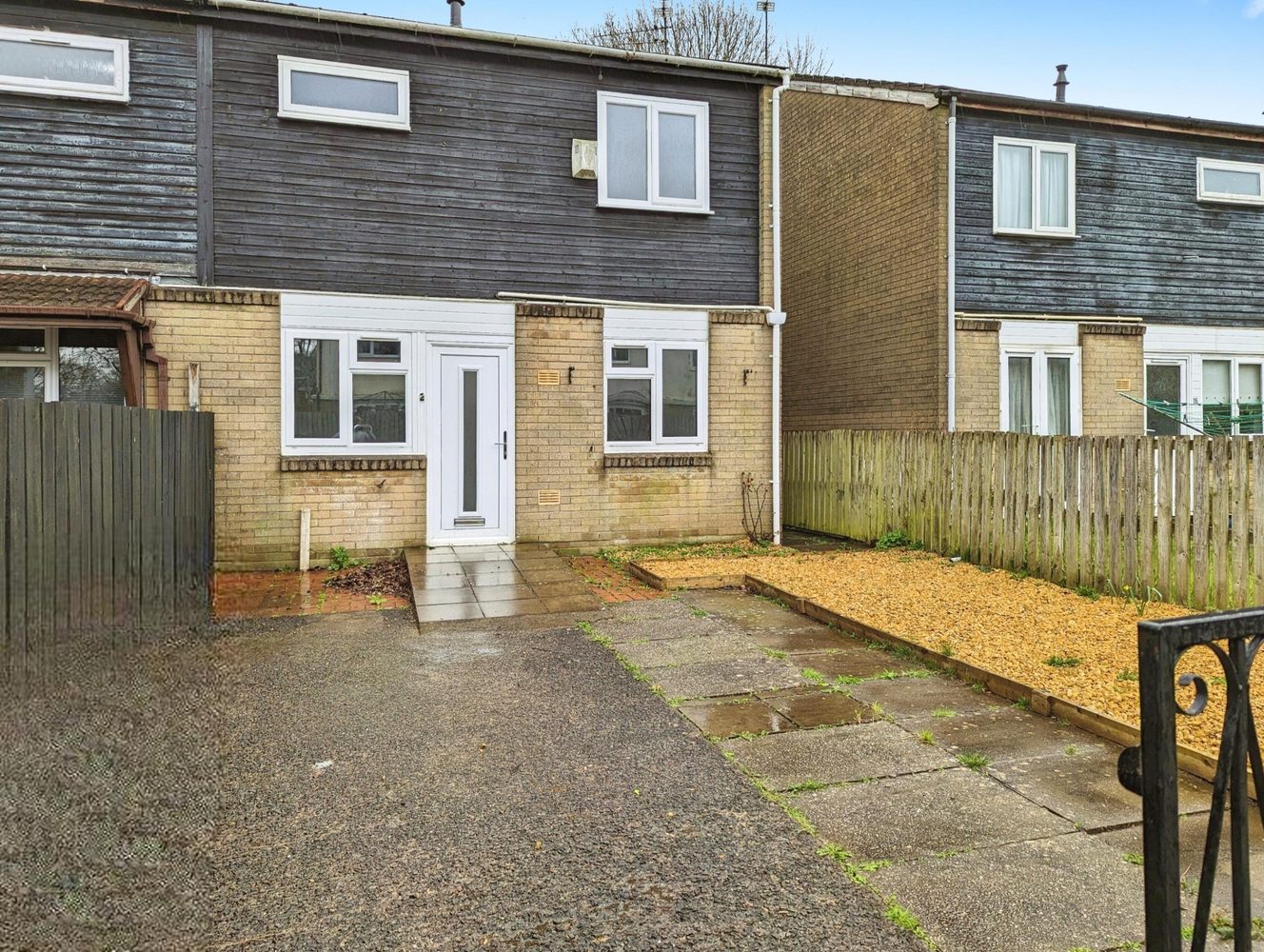
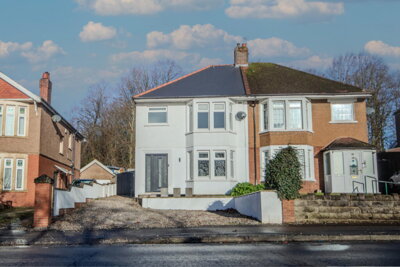
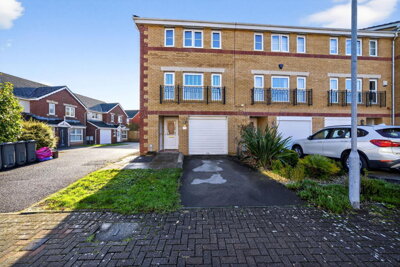
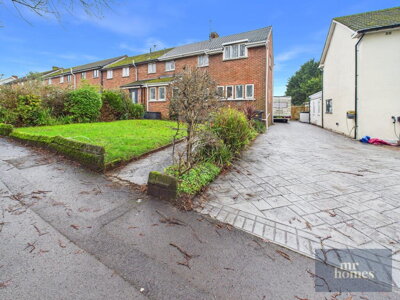
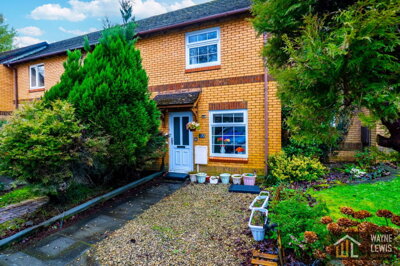
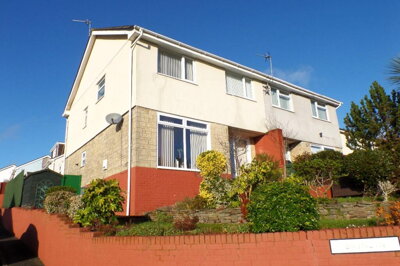
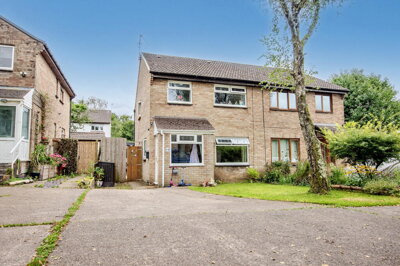
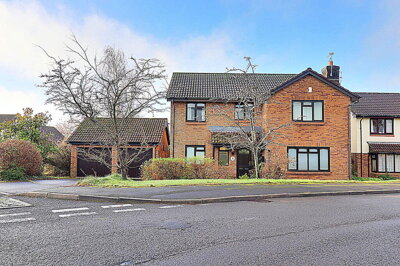
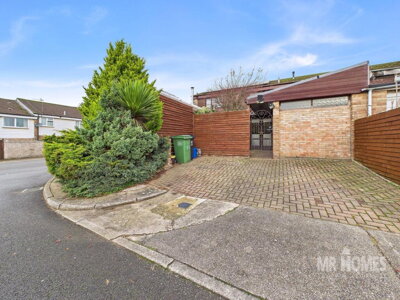
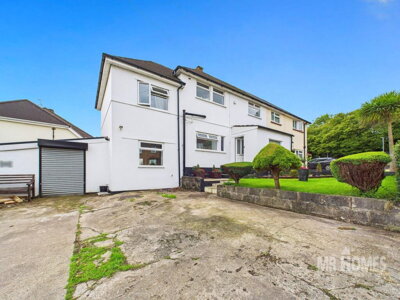
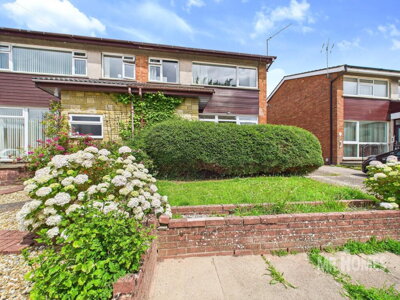
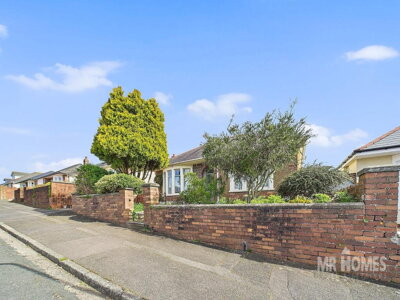
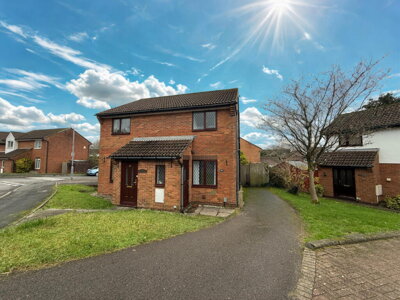
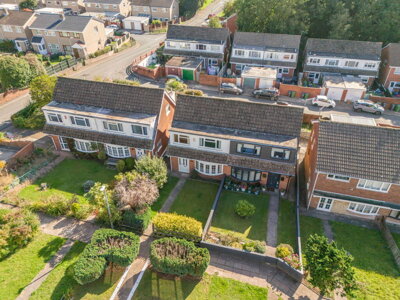
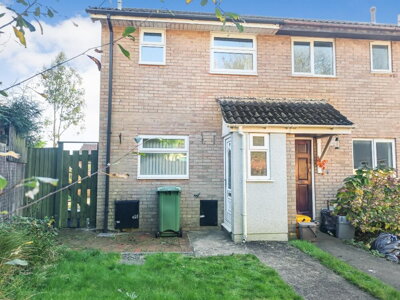
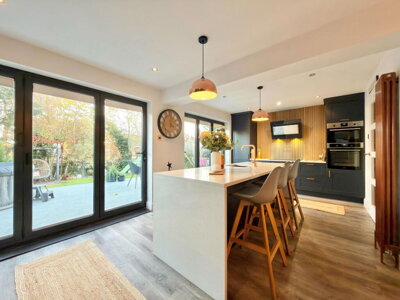
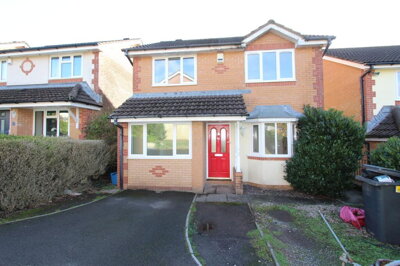
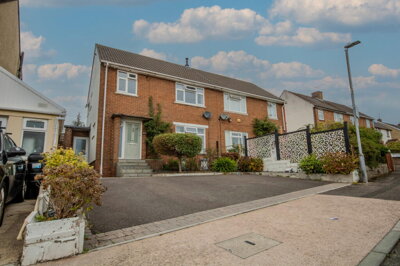
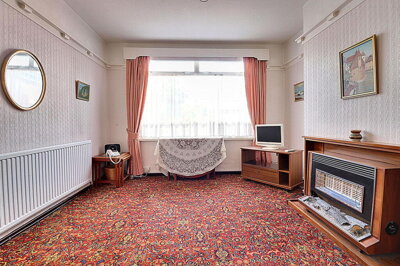
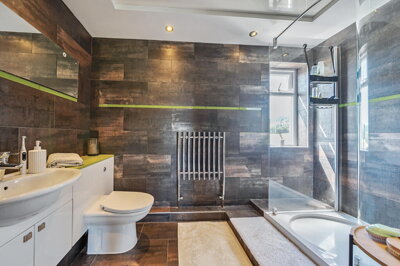
Browse 833 homes for sale in Llanishen, Cardiff from local estate agents.
£255k
58
1
90
Source: home.co.uk
Source: home.co.uk
Flat
15 listings
Avg £156,663
Apartment
10 listings
Avg £212,700
Semi-Detached
9 listings
Avg £385,000
Detached
7 listings
Avg £643,571
Retirement Property
4 listings
Avg £193,500
Terraced
4 listings
Avg £290,000
Detached Bungalow
2 listings
Avg £712,000
House
2 listings
Avg £500,000
Maisonette
2 listings
Avg £200,000
End of Terrace
1 listings
Avg £350,000
Source: home.co.uk
Source: home.co.uk
The Llanishen property market has demonstrated consistent strength over the past twelve months, with house prices rising by approximately 9% year-on-year according to home.co.uk listings data. The CF14 5 postcode area recorded an average sold price of £614,706 for detached properties in 2025, with 10 sales completing at this level. This upward trajectory reflects broader demand for Cardiff's northern suburbs, where buyers can access generous living spaces without sacrificing proximity to the city centre. PropertyResearch.uk's analysis of Land Registry sales data shows an 11.3% increase over the past year, suggesting continued momentum in the local market.
Different property types command significantly different price points in Llanishen, giving buyers flexibility depending on their budget and requirements. Semi-detached homes, which form a substantial proportion of the area's housing stock, achieved an average price of £409,083 across 38 sales in 2025. Terraced properties proved popular with first-time buyers, with 27 sales completing at an average of £302,778. Flats remain the most accessible entry point to the local market, averaging around £160,266 depending on the exact location and specification. The overall average price across all property types sits at £327,372 depending on the data source consulted.
The area around Llanishen Station commands a notable premium, with overall averages reaching approximately £327,372 and some sources citing averages as high as £614,706 for larger detached properties in this proximity to rail services. Housemetric data indicates that house prices in CF14 5 grew by 5.5% in the most recent year, though the broader trend data suggests more substantial growth over longer periods. This variation across different sub-areas within Llanishen highlights the importance of understanding exactly where a property sits within the postcode, as location within even a small geographic area can significantly affect both current value and future appreciation.

Llanishen rewards residents with a genuine quality of life that keeps people in the area for years. The suburb centres around Llanishen Reservoir, a 34-acre body of water surrounded by woodland and parkland that forms part of the Cardiff Bay area catchment system. This green space provides walking, jogging, and cycling routes that are popular with families and fitness enthusiasts alike, creating a natural focal point for community life. The reservoir dates from the 1880s and its dam remains an impressive piece of Victorian engineering, now offering a peaceful escape from the bustle of city life within walking distance of most residential areas.
The local high street serves everyday needs well, with a selection of independent shops, cafes, and restaurants that give Llanishen its distinctive village atmosphere despite being part of a major city. Several traditional pubs line the main roads, offering hearty Welsh fare and a welcoming atmosphere for weekend gatherings. The neighbourhood attracts a mix of demographics, from young families drawn by the schools to established residents who have lived here for decades. This social diversity contributes to a vibrant community spirit, with regular events and activities centred on local churches, community halls, and sports clubs.
The surrounding countryside adds to Llanishen's appeal, with the suburb positioned at the edge of Cardiff's built-up area where urban development gives way to agricultural land and woodland. This positioning means residents can access rural footpaths and bridleways within minutes of leaving their front doors, making the area particularly attractive to dog walkers and outdoor enthusiasts. The Cyncoed and Lisvane areas border Llanishen to the north, sharing many community facilities and creating an extended neighbourhood with excellent local services.

Education plays a significant role in Llanishen's appeal to families, with several well-regarded schools serving the local catchment area. Primary education is provided by Llanishen Primary School and Christchurch Primary School, both of which serve the immediate neighbourhood and maintain strong relationships with parents in the community. For secondary education, pupils typically progress to Llanishen High School, a comprehensive school that has built its reputation on academic achievement alongside a broad curriculum. Parents should verify current catchment boundaries with Cardiff Council, as these can affect which schools pupils are allocated based on home address.
The wider Cardiff area offers additional educational opportunities for families seeking faith-based education or specialist programmes. Several Catholic primary schools in neighbouring areas feed into comprehensive schools that serve Llanishen families, providing alternative options for those with specific preferences. Sixth form provision is available at Llanishen High School and nearby secondary schools, while Cardiff's colleges and the University of Cardiff offer extensive further and higher education opportunities within easy commuting distance. Families moving to the area should research school admissions criteria carefully, as popular schools can be oversubscribed and catchment areas do change.
Beyond state education, Llanishen residents benefit from proximity to several independent schools that serve Cardiff and the wider region. These include institutions offering both primary and secondary education with various educational philosophies and curriculums. While independent school fees represent a significant additional cost, many families view this as a worthwhile investment given the strong academic outcomes these schools historically achieve.

Llanishen benefits from excellent transport connections that make commuting practical for those working in Cardiff city centre or beyond. The suburb lies close to the A48(M) and M4 motorway, providing straightforward access to the rest of Wales and England via junction 30 and nearby interchanges. By car, the journey to Cardiff city centre takes approximately 15-20 minutes depending on traffic conditions, while Bristol can be reached in around an hour. The M4 corridor continues to attract commuters who work in Newport, Swansea, or the commercial centres along the motorway's length.
Public transport options have improved in recent years, with regular bus services connecting Llanishen to Cardiff city centre and surrounding suburbs. The Cardiff Bus network provides several routes through the area, offering an affordable alternative to car travel for daily commuters. For those who travel by train, Llanishen Station itself provides convenient access to the rail network, with services to Cardiff Central taking approximately eight minutes. This makes the areas immediately surrounding the station particularly attractive to commuters who work in the city centre or need to travel further afield.
For those who travel by train, Cardiff Central Station provides connections to major UK destinations including London Paddington, Birmingham New Street, and Manchester Piccadilly. Cardiff Airport, located near Rhoose approximately 12 miles from Llanishen, offers domestic and European flights for business and leisure travellers, adding another dimension to the area's connectivity. The airport has seen significant route expansion in recent years, making international travel increasingly convenient for local residents.

Before viewing any properties, obtain a mortgage agreement in principle from a lender. This confirms your budget and demonstrates to estate agents that you are a serious buyer. Given that Llanishen property prices commonly exceed £400,000, securing a qualified mortgage offer before commencing your property search is essential. In this competitive market, having your financing arranged gives you a significant advantage over other buyers who have not yet started this process.
Spend time exploring different streets and neighbourhoods within Llanishen to find the area that best suits your lifestyle. Consider factors like proximity to schools, transport links, local amenities, and the character of different streets. The CF14 5 postcode encompasses varied housing, from the premium locations near Llanishen Station to more affordable options further from rail connections. Understanding these differences will help you target the right properties.
Once you have identified suitable properties, contact estate agents to arrange viewings. Visit properties at different times of day to assess noise levels, traffic, and the general atmosphere of the neighbourhood. Take notes and photographs to help compare properties later in your decision-making process. In Llanishen's competitive market, being prepared to move quickly on suitable properties can be advantageous.
Before committing to a purchase, book a RICS Level 2 Survey (formerly Homebuyer Report) to assess the property's condition thoroughly. This survey identifies structural issues, defects, and maintenance concerns that may not be visible during a standard viewing. Given that property prices in Llanishen average £327,372, the investment in a professional survey provides valuable protection and helps you understand any work that may be required.
Once your offer is accepted, instruct a solicitor experienced in Cardiff property transactions to handle the legal work. Your conveyancer will conduct searches with Cardiff Council, check property ownership details, and manage the transfer of funds through to completion. This process typically takes 8-12 weeks in straightforward transactions but may extend if issues arise during the conveyancing process.
The final stage involves exchanging contracts with the seller, at which point the transaction becomes legally binding. Your solicitor will arrange for the remaining balance to be transferred and register your ownership with the Land Registry. On completion day, you will receive the keys to your new Llanishen home and can begin settling into your new neighbourhood.
Property buyers in Llanishen should pay particular attention to the age and construction type of properties they are considering. Much of the housing stock dates from the interwar and postwar periods, meaning many homes were built using construction techniques and materials that have since been superseded. Properties built before the 1970s may contain original single-glazed windows, older electrical systems, or heating arrangements that will require updating. A thorough survey can identify these issues before you commit to a purchase, allowing you to factor necessary improvements into your budget.
The local planning authority, Cardiff Council, has implemented various conservation and planning designations within the Llanishen area that can affect what you can do with a property. Anyone considering significant alterations, extensions, or outbuilding construction should check with the planning department before proceeding. Properties near Llanishen Reservoir may be subject to specific environmental restrictions related to the waterway and surrounding woodland. Leasehold properties, which are less common in this area but do exist, require careful examination of remaining lease terms, ground rent arrangements, and any service charges that apply.
Properties in the CF14 5 postcode were built across several distinct eras, each bringing characteristic features and potential. Victorian and Edwardian properties along the main roads often feature bay windows, original fireplaces, and solid construction but may have solid floors without damp proof courses. Post-war housing built in the 1950s and 1960s commonly uses cavity wall construction that has generally performed well, though cavity wall insulation retrofits in these properties sometimes cause problems if not installed correctly. Modern surveys can assess the condition of these various construction types and identify any remedial work needed.

Purchasing a property in Llanishen involves several costs beyond the purchase price itself, and understanding these from the outset helps you budget accurately. The most significant additional cost is the Land Transaction Tax (LTT), Wales's equivalent of Stamp Duty, which applies to all property purchases above £225,000. For a typical Llanishen property priced at £327,372, you would pay approximately £6,750 in LTT on a standard purchase, though first-time buyers purchasing below £625,000 can benefit from relief that reduces this amount significantly. Your solicitor will calculate the exact amount due based on your specific circumstances and include this in your completion statement.
Additional buying costs include solicitor fees for conveyancing, which typically range from £500 to £1,500 depending on the complexity of your transaction and whether you choose a fixed-fee or hourly-rate arrangement. Survey costs vary based on the type of report commissioned, with a basic mortgage valuation starting from around £300 and more comprehensive RICS Level 2 surveys available from £350 upwards. If your property is valued above £125,000, you will also need to budget for a mortgage arrangement fee, which many lenders charge and can add £500-£2,000 to your upfront costs. Removing these fees from your comparison is important when evaluating different mortgage deals, as a low interest rate may not compensate for high arrangement charges.
Removal costs, temporary storage, and connection of utilities represent less dramatic but still significant expenses that buyers often overlook. Buildings insurance must be in place from the point of contract exchange, and you may need to consider rediction fees if you are porting an existing mortgage or paying early exit charges on a current deal. Setting aside a contingency fund equivalent to around 10% of your moving costs is advisable to cover unexpected expenses that commonly arise during property transactions.

The average house price in Llanishen varies depending on the data source and property type, with most sources placing overall averages at £327,372. Detached properties command the highest prices, with average sold prices around £614,706 in 2025, while semi-detached homes averaged approximately £409,083. Terraced properties in the CF14 5 postcode achieved an average of £302,778, with flats remaining the most affordable option at around £160,266. The local market has shown consistent growth, with prices rising approximately 9-11% year-on-year according to recent data, though some sub-areas like Llanishen Station have shown even stronger appreciation at around 23% annually.
Properties in Llanishen fall within Cardiff Council's jurisdiction and are therefore subject to Cardiff council tax rates. The suburb is located in the Vale of Glamorgan local authority area for council tax purposes, which operates bands A through H for residential properties. The exact band depends on your property's assessed value, and you can check current rates through the Vale of Glamorgan Council website or your property's listing details. Most properties in the area fall within bands B to E, with newer and larger detached homes occasionally falling into higher bands. Understanding your council tax band is important for budgeting accurately, as these charges form a significant part of ongoing property ownership costs.
Llanishen Primary School and Christchurch Primary School serve the local catchment area for primary education, while secondary pupils typically attend Llanishen High School. These schools have served the community for many years and maintain strong relationships with local families. The surrounding Cardiff area offers additional options including faith schools and independent schools for those who meet entry criteria. Parents should verify current catchment boundaries with Cardiff Council, as these can affect school allocations and can change over time. Given the strong reputation of schools in this area, properties within popular catchment zones often command a premium.
Llanishen is well served by bus services, with regular routes connecting the suburb to Cardiff city centre and surrounding areas. The Cardiff Bus network operates several services through the area, providing an affordable commuting option for those who prefer not to drive. Llanishen Station provides direct rail access to Cardiff Central in approximately eight minutes, making this particularly valuable for commuters working in the city centre. For longer-distance travel, Cardiff Central Station offers connections to major UK destinations including London, Birmingham, and Manchester. The M4 motorway is easily accessible from the area, making car travel to other cities straightforward.
Llanishen has historically shown strong, consistent house price growth that compares favourably with many other Cardiff suburbs. The 9-11% year-on-year price increases recorded recently reflect sustained demand from buyers attracted to the area's combination of good schools, green spaces, and transport links. The suburb benefits from its proximity to Cardiff's major employment centres and the M4 corridor, which continues to attract workers seeking residential locations outside the city. Properties near Llanishen Station have shown particularly strong performance, with some data showing 23% annual growth. While no investment is guaranteed, Llanishen's fundamentals suggest it will remain attractive to buyers for the foreseeable future.
Stamp Duty Land Tax (SDLT) applies to all property purchases in Wales, calculated on a sliding scale from 0% to 12% depending on the purchase price. For standard purchases, the rates are 0% on the first £250,000, 5% on the portion between £250,001 and £925,000, 10% on the portion between £925,001 and £1.5 million, and 12% on any amount above £1.5 million. First-time buyers purchasing properties up to £625,000 can claim relief, paying 0% on the first £425,000 and 5% on the remainder. Given average Llanishen prices of £327,372, most buyers will fall into the lower SDLT brackets and can expect to pay around £6,750 on a typical purchase. ===NEXT===
Properties for Sale In London

Properties for Sale In Plymouth

Properties for Sale In Liverpool

Properties for Sale In Glasgow

Properties for Sale In Sheffield

Properties for Sale In Edinburgh

Properties for Sale In Coventry

Properties for Sale In Bradford

Properties for Sale In Manchester

Properties for Sale In Birmingham

Properties for Sale In Bristol

Properties for Sale In Oxford

Properties for Sale In Leicester

Properties for Sale In Newcastle

Properties for Sale In Leeds

Properties for Sale In Southampton

Properties for Sale In Cardiff

Properties for Sale In Nottingham

Properties for Sale In Norwich

Properties for Sale In Brighton

Properties for Sale In Derby

Properties for Sale In Portsmouth

Properties for Sale In Northampton

Properties for Sale In Milton Keynes

Properties for Sale In Bournemouth

Properties for Sale In Bolton

Properties for Sale In Swansea

Properties for Sale In Swindon

Properties for Sale In Peterborough

Properties for Sale In Wolverhampton

Enter your details to see if this property is within your budget.
Loans, cards, car finance
Estimated property budget
Borrowing + deposit
You could borrow between
Typical borrowing
Monthly repayment
Est. at 4.5%
Loan-to-value
This is an estimate only. Your actual budget may vary depending on interest rates, credit history, and personal circumstances. For an accurate affordability assessment, speak to one of our free mortgage advisors.
This calculator provides estimates for illustrative purposes only and does not constitute financial advice. Your home may be repossessed if you do not keep up repayments on your mortgage. Estimates based on 4.5% interest rate, repayment mortgage. Actual rates depend on your circumstances.
Homemove is a trading name of HM Haus Group Ltd (Company No. 13873779, registered in England & Wales). Homemove Mortgages Ltd (Company No. 15947693) is an Appointed Representative of TMG Direct Limited, trading as TMG Mortgage Network, which is authorised and regulated by the Financial Conduct Authority (FRN 786245). Homemove Mortgages Ltd is entered on the FCA Register as an Appointed Representative (FRN 1022429). You can check registrations at NewRegister or by calling 0800 111 6768.

We use cookies to show you personalised content and improve your experience of our website. Find out more in our Privacy policy and Cookie policy.