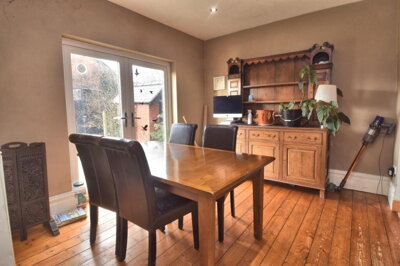
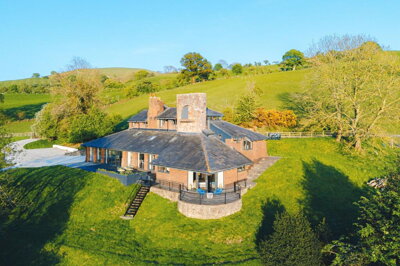
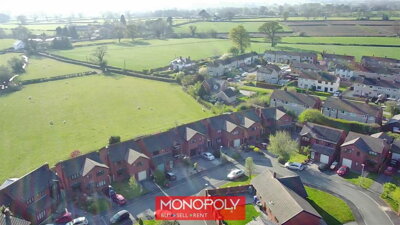
Browse 3 homes for sale in Llandyrnog, Denbighshire from local estate agents.
The larger property sector typically features multiple bathrooms, substantial reception space, and private gardens or off-street parking. Four bedroom houses in Llandyrnog span detached, semi-detached, and occasionally terraced configurations, with styles ranging from period properties to modern executive homes.
£1.00M
1
0
82
Source: home.co.uk
Showing 1 results for 4 Bedroom Houses for sale in Llandyrnog, Denbighshire. The median asking price is £1,000,000.
Source: home.co.uk
Detached
1 listings
Avg £1.00M
Source: home.co.uk
Source: home.co.uk
The Llandyrnog property market has demonstrated impressive resilience and growth over the past year. House prices in the village were up 9% compared to the previous year, with some sources reporting rises of 10.2% for sold prices over the twelve-month period. This growth outpaces many urban areas and reflects the increasing demand for rural properties in Denbighshire as more buyers seek space, character, and a better quality of life away from larger cities. The average sold house price in Llandyrnog currently stands at approximately £223,564 according to Rightmove and Zoopla data, with OnTheMarket reporting a slightly lower figure of £219,000 as of early 2026. This consistent upward trajectory suggests that property in Llandyrnog remains a solid investment for both owner-occupiers and investors alike.
Property types in Llandyrnog reflect its established village character, with a good mix of detached, semi-detached, and terraced homes available. Detached properties command the highest prices, averaging around £327,888 to £344,000 depending on the data source, making them ideal for families needing extra space or those seeking a more substantial rural home. Semi-detached properties, which form a significant portion of the village housing stock, typically sell for between £168,500 and £197,317, offering excellent value for buyers seeking a comfortable family home at a more accessible price point. Terraced properties remain the most affordable option, with average prices ranging from £118,909 to £142,500, making them suitable for first-time buyers or those looking to downsize while still enjoying all the benefits of village life.
New build activity in Llandyrnog includes the Maes Erw Isaf development, described as an exclusive residential scheme offering semi-detached homes in the heart of the village. This development provides opportunities for buyers seeking modern construction methods and energy efficiency within the rural village setting. For buyers considering the wider LL16 4 postcode area, it is worth noting that prices in that broader market fell slightly by 0.9% over the past year after inflation adjustments, suggesting that Llandyrnog's village location may offer better value stability compared to surrounding areas. The contrast between village and wider postcode performance highlights the premium that buyers place on the specific village location and its associated lifestyle benefits.
When we analyse the housing stock across the village, Rightmove data for properties sold over the last year indicates that the majority were semi-detached properties, followed by detached and then terraced properties. This mix provides options across different budget levels while maintaining the character that makes Llandyrnog so appealing. The village also features a number of older properties that date back several decades, with many homes likely constructed before 1980 using traditional methods that include stone walls and slate roofs. These older properties often represent excellent value and offer the kind of character that modern builds simply cannot replicate, though they may require more maintenance as a trade-off for their charm and solid construction.

Llandyrnog embodies the warm, community-focused spirit that makes Welsh village life so appealing to buyers. The village forms part of the historic county of Denbighshire, an area celebrated for its dramatic landscapes ranging from the peaks of the Clwydian Range to the fertile Vale of Clwyd. Residents of Llandyrnog enjoy access to excellent walking routes, traditional pubs serving local ales, and a genuine sense of belonging that larger towns simply cannot replicate. The village community organises regular events and activities, creating opportunities for newcomers to integrate quickly and build lasting friendships with long-established residents. This strong community spirit is one of the main reasons why buyers who move to Llandyrnog tend to stay for many years.
The character of housing in Llandyrnog reflects its Welsh heritage and rural setting. Many properties in the village are of traditional construction, featuring stone walls, slate roofs, and the kind of solid craftsmanship that has stood the test of decades. These traditional building methods were common across rural Denbighshire and contribute to homes that are solid, thermally efficient once properly insulated, and imbued with the kind of character that only comes from genuine age and careful maintenance. The mix of older cottages and more modern family homes creates an interesting streetscape that appeals to buyers who appreciate architectural variety. Gardens in the village tend to be generously sized compared to urban properties, offering space for growing vegetables, keeping pets, or simply enjoying the fresh Denbighshire air in private outdoor spaces.
The local economy in and around Llandyrnog benefits from its proximity to larger towns including Denbigh, Ruthin, and the regional centre of Wrexham. Agriculture remains important to the local economy, with many farms in the surrounding area producing livestock and crops that contribute to the regional food economy. Small businesses, craft workshops, and service providers add variety to the local employment landscape, while the growing trend toward remote working means that more residents can now work from their Llandyrnog homes while remaining connected to employers in cities across the region. The shift toward flexible working has made rural locations like Llandyrnog more attractive to professionals who previously would have needed to live within commuting distance of their offices every day. Many residents now split their time between home working and occasional office visits, enjoying the best of both rural and urban lifestyles.

Families considering a move to Llandyrnog will find educational provision that serves the local community well, with primary schools in the surrounding area providing solid foundations for young children. The village itself is served by schools in nearby communities, and the rural nature of the area means that school transport links are well-established for families who may need to travel slightly further for their first choice of primary education. Class sizes in rural schools tend to be smaller than in urban areas, allowing teachers to provide more individual attention to each pupil and creating a supportive learning environment where children can thrive academically and socially. This personalised approach to education is often cited by parents as a major advantage of choosing a rural location like Llandyrnog for family life.
Secondary education options for Llandyrnog residents include schools in nearby towns such as Denbigh and Ruthin, both of which offer comprehensive secondary education with good academic records and extracurricular programmes. These schools serve as community hubs, hosting sports teams, drama productions, and music groups that give young people opportunities to develop talents beyond the classroom. Parents are encouraged to research specific school catchment areas and admission policies when considering properties in Llandyrnog, as school places can be competitive in popular rural areas. The admissions process can be complex, and properties closer to popular schools often command a premium, so understanding the catchment boundaries before making an offer is essential for families with school-age children.
For families with children approaching further education, the nearby town of Wrexham provides access to Coleg Cambria and the Wrexham Glyndwr University campus, offering vocational courses and undergraduate degrees without requiring a lengthy commute. The presence of these institutions means that young people from Llandyrnog can pursue higher education while living at home, potentially saving significantly on accommodation costs compared to moving to a university city. Wrexham Glyndwr University offers a range of undergraduate and postgraduate programmes, while Coleg Cambria provides vocational routes including A-levels, BTECs, and apprenticeships that can lead directly to employment or further study. Parents should verify current school performance data and Ofsted ratings when making property decisions, as this information can directly impact both quality of life and long-term property values in the area.
Transport connectivity from Llandyrnog balances the village's rural character with practical accessibility to larger centres of employment and commerce. The village sits within reasonable distance of major road links including the A525, which provides direct routes to the market towns of Denbigh and Ruthin, connecting residents to wider networks including the A55 expressway that runs along the North Wales coast. This strategic position means that commuters can reach Wrexham, Chester, and even Liverpool within approximately one to one and a half hours by car, making Llandyrnog viable for workers who need occasional access to urban offices. The A55 provides particularly good access to the North Wales coast and the port of Holyhead for those needing connections to Ireland.
Public transport options in rural Denbighshire include bus services connecting Llandyrnog to surrounding villages and towns, though frequencies are naturally more limited than in urban areas. Residents without cars should factor transport availability into their property search, particularly if commuting for work is a regular requirement. The nearest railway stations can be found in larger towns, providing access to the wider rail network for journeys to Manchester, Birmingham, and London. Many Llandyrnog residents choose to combine public transport with cycling for shorter journeys, taking advantage of the scenic country lanes that crisscross the Vale of Clwyd. For those working in Wrexham, the train station there offers direct connections to major UK cities and is increasingly popular with commuters who prefer not to drive.
For those who work primarily from home, Llandyrnog offers the peace and space necessary for productive remote working. The rollout of faster broadband across rural Wales means that video conferencing, cloud-based work, and large file transfers are increasingly practical from village properties. This shift toward flexible working has made rural locations like Llandyrnog more attractive to professionals who previously would have needed to live within commuting distance of their offices every day. Property buyers should verify current broadband speeds at any specific property they are considering, as connectivity can vary between locations even within the same village. We always recommend asking the current owner about their broadband experience and testing the connection if possible before committing to a purchase, as this can significantly impact quality of life for those who work from home.
Start by exploring our comprehensive listings to understand what properties are available at your budget. With average prices ranging from around £119,000 for terraced homes to £344,000 for detached properties, there are options across different price points. Consider working with a local estate agent who knows the village intimately and can alert you to properties before they appear on major portals. We recommend setting up instant alerts so you can react quickly when new listings appear, as the limited stock in Llandyrnog means that desirable properties can sell fast.
Before arranging viewings, approach a lender to obtain a mortgage agreement in principle. This document confirms how much you can borrow and demonstrates to sellers that you are a serious, financially prepared buyer. Given that Llandyrnog property sales can move quickly due to limited stock, having your financing arranged gives you a competitive edge when you find the right property. Speak to a mortgage broker who can compare deals across multiple lenders and help you find the most suitable product for your circumstances.
Visit multiple properties to compare the condition, character, and potential of homes in Llandyrnog. Pay attention to construction quality, garden sizes, and how much maintenance the property may require. Take notes and photographs to help you remember details after viewing several homes. Consider visiting at different times of day to assess noise levels, traffic, and the general atmosphere of the neighbourhood. When viewing older properties, look specifically for signs of damp, check the condition of roof tiles, and ask about the age of any extensions or renovations that have been carried out.
Once you have had an offer accepted, arrange a Level 2 Survey (formerly called a HomeBuyer Report) before proceeding to completion. This inspection checks the property condition for defects, structural issues, and maintenance concerns that may not be visible during viewings. Given that many Llandyrnog properties are of traditional construction with stone walls and slate roofs, a thorough survey is particularly valuable for identifying any issues with older buildings. We work with qualified RICS surveyors who understand local construction methods and common defects in Welsh rural properties.
Appoint a solicitor to handle the legal transfer of ownership. They will conduct searches with Denbighshire County Council, check property boundaries, and ensure all documentation is in order. Your solicitor will liaise with the seller's representatives to progress the transaction smoothly and keep you informed at every stage. We recommend choosing a solicitor with experience in rural property transactions, as these can sometimes involve additional complexities such as agricultural restrictions or rights of way.
Once all searches are satisfactory and both parties are ready, you will exchange contracts and pay your deposit. Completion typically follows within days or weeks, after which you will receive the keys to your new Llandyrnog home. Congratulations on becoming part of this welcoming Welsh village community. We recommend arranging a final walkthrough of the property before completion to ensure everything is as expected.
Buying a property in a rural Welsh village like Llandyrnog requires careful consideration of factors beyond those that concern urban buyers. The age and construction of properties should be a primary focus, as many homes in the village may be of traditional build with stone walls and slate roofs. These features contribute to the character that makes Llandyrnog so appealing, but they also require ongoing maintenance and may have specific vulnerabilities that a thorough survey will identify. Look for signs of damp, check the condition of roof tiles, and ask about the age of any extensions or renovations that have been carried out over the years. When we inspect traditional Welsh properties, we often find that original features such as exposed beams, inglenook fireplaces, and flagstone floors require specialist care to maintain properly.
Flood risk is worth investigating carefully, even for properties that do not appear to be near watercourses. Surface water flooding can affect rural properties, particularly those in low-lying areas of the village or with large garden areas that may drain slowly after heavy rainfall. Request information about any flooding history from the current owners and check the government flood risk database for the specific property address. While flood risk should not necessarily rule out a purchase, it should inform your insurance costs and any renovation plans you may have for the property. We recommend checking the Environment Agency flood risk maps and speaking to neighbours about any historical flooding issues in the area.
Planning restrictions in Llandyrnog may differ from those in urban areas, with conservation considerations and agricultural classification potentially affecting what you can do with a property. If you are planning significant alterations, extensions, or outbuilding conversions, contact Denbighshire County Council planning department to discuss your intentions before committing to a purchase. Understanding these restrictions early can prevent costly disappointments later. Additionally, if the property is leasehold or part of a managed estate, review the ground rent and service charge arrangements carefully to understand your ongoing financial commitments. We have seen several transactions delayed because buyers discovered planning restrictions after their offer was accepted, so we always recommend investigating this early in the process.
The average sold house price in Llandyrnog is currently around £223,564 according to Rightmove and Zoopla data, with OnTheMarket reporting approximately £219,000 as of January 2026. Detached properties average between £327,888 and £344,000, semi-detached homes typically sell for £168,500 to £197,317, and terraced properties range from £118,909 to £142,500. Prices have risen by approximately 9% to 10.2% over the past twelve months, indicating strong demand for properties in this Denbighshire village. The village Parish recorded 8 sales in 2024 and 4 sales in 2025, showing consistent activity despite the limited stock available at any given time.
Properties in Llandyrnog fall under Denbighshire County Council jurisdiction, with council tax bands ranging from A to H depending on the property value. Most terraced and smaller semi-detached homes in the village likely fall into bands A to C, while larger detached properties may be in bands D or above. You can check the specific band for any property through the Valuation Office Agency website using the property address or council tax reference number. Understanding the council tax band is important for budgeting your ongoing costs, as bands can affect your annual outgoings by several hundred pounds depending on the property type and size.
Llandyrnog is served by primary schools in the surrounding area, with detailed Ofsted ratings varying by institution so we recommend checking the most recent inspection reports for current performance data. Secondary education is available at schools in nearby towns including Denbigh and Ruthin, both of which have comprehensive schools serving the local catchment areas. Parents should research specific catchment areas and admission criteria, as school places in popular rural areas can be competitive and properties within catchment boundaries often command a premium. Wrexham offers further and higher education options including Coleg Cambria and Wrexham Glyndwr University for older students, making it practical for young people to pursue higher education while continuing to live at home.
Llandyrnog is connected to surrounding areas via bus services, though frequencies reflect the rural nature of the village and we recommend checking current timetables before relying on public transport for regular commuting. The A525 road provides good access for drivers to Denbigh, Ruthin, and the A55 expressway, while the nearest railway stations are located in larger towns offering connections to the wider rail network. Residents commuting to Wrexham, Chester, or Liverpool typically travel by car, with journey times of approximately one to one and a half hours to major cities. For those working in Wrexham, the train station there provides direct services to Manchester, Birmingham, and London, making occasional office visits manageable without a long drive.
The Llandyrnog property market has shown consistent growth with prices rising around 9-10% over the past year, outpacing some urban areas and demonstrating strong demand for rural Welsh properties. The village benefits from continued interest in rural living, good transport connections to employment centres, and a tight supply of properties relative to demand. Rental yields in rural Denbighshire tend to be modest compared to cities, but capital appreciation potential combined with strong tenant demand makes Llandyrnog worth considering for both investment and owner-occupation purposes. The wider LL16 4 postcode area saw 111 sales over two years, showing that the market remains active despite its rural location.
Stamp Duty Land Tax for residential purchases in England and Wales is charged at 0% on the first £250,000, 5% on £250,001 to £925,000, 10% on £925,001 to £1.5 million, and 12% on amounts above £1.5 million. First-time buyers pay 0% on the first £425,000, with 5% charged between £425,001 and £625,000. Given that average prices in Llandyrnog range from approximately £119,000 to £344,000 depending on property type, most buyers purchasing in the village would pay either no Stamp Duty or only a small amount on properties toward the upper end of the price range. A typical terraced property at £140,000 would attract zero Stamp Duty under standard rates, making Llandyrnog particularly attractive for first-time buyers looking to minimise their upfront costs.
The Llandyrnog property market is relatively small but active, with the wider LL16 4 postcode area recording 111 property sales over the past two years while the Parish specifically saw 8 sales in 2024 and 4 sales in 2025. Available stock fluctuates regularly, which is why setting up instant property alerts on Homemove can help you react quickly when new listings appear. Limited availability makes early engagement with the market particularly important for serious buyers, and we recommend registering with multiple estate agents operating in the village to ensure you see new listings as soon as they become available. The Maes Erw Isaf development does offer some new build options for buyers preferring modern construction.
While specific data on listed buildings in Llandyrnog is limited, rural Welsh villages of this age and character typically contain a proportion of protected properties that carry Grade II listing status. Properties built before 1840 that retain their original character are most likely to be listed, and if you are considering a listed property, you should budget for potentially higher maintenance costs and the need to obtain Listed Building Consent for any alterations. We always recommend that buyers instruct a specialist survey for listed properties, as standard surveys may not cover the specific issues that affect protected buildings. Contact Denbighshire County Council conservation team for information about specific properties you are considering.
When viewing properties in Llandyrnog, pay particular attention to the condition of traditional features such as stone walls, slate roofs, and original windows, as these are common in the village's older housing stock and can be expensive to repair or replace. Check for signs of damp in older properties, particularly in ground floor rooms and basements, and ask about the age and condition of the heating system, as many traditional properties still have older boilers that may need replacement soon. Garden boundaries should be clearly marked and in good repair, as rural properties sometimes have informal boundary arrangements that can cause disputes. We recommend visiting at least twice before making an offer, including once during wet weather to check for any water penetration issues.
From 4.5%
Compare mortgage rates from leading lenders to find the best deal for your Llandyrnog purchase
From £499
Expert conveyancing solicitors to handle your legal work
From £350
Professional property survey to identify defects before you buy
From £60
Energy performance certificate for your new property
Understanding the full costs of buying a property in Llandyrnog helps you budget accurately and avoids surprises during the transaction process. Beyond the property price itself, buyers should budget for Stamp Duty Land Tax, legal fees, survey costs, and various other charges that together can add several thousand pounds to the total purchase cost. The good news for many buyers is that properties in Llandyrnog typically fall within price ranges where these costs are manageable, with the majority of homes selling for less than the £425,000 threshold that triggers meaningful Stamp Duty for first-time buyers. We recommend budgeting around 3-5% of the purchase price for all associated costs to ensure you have sufficient funds available when completion day arrives.
For standard residential purchases, Stamp Duty rates currently apply as follows: 0% on the first £250,000 of the purchase price, 5% on the portion between £250,001 and £925,000, 10% on amounts between £925,001 and £1.5 million, and 12% on anything above £1.5 million. A buyer purchasing a typical terraced property in Llandyrnog at £140,000 would pay no Stamp Duty at all, while a semi-detached home at £190,000 would also attract zero duty. Only detached family homes approaching or exceeding £250,000 would begin to incur Stamp Duty charges under the standard rates, and even then, the amount would be relatively modest compared to prices in larger cities.
First-time buyers enjoy enhanced relief that can significantly reduce costs: no Stamp Duty is charged on the first £425,000, with 5% applied to the portion between £425,001 and £625,000. Given that average prices in Llandyrnog range from approximately £119,000 to £344,000 depending on property type, most first-time buyers purchasing in the village would pay either no Stamp Duty or only a small amount on properties toward the upper end of the price range. Your solicitor will calculate the exact amount due and ensure payment is made to HM Revenue and Customs within fourteen days of completion. In addition to Stamp Duty, budget approximately £500 to £1,500 for a RICS Level 2 Survey, £800 to £2,000 for conveyancing fees, and around £300 to £500 for searches and official drainage and local authority enquiries. We always recommend getting quotes from multiple providers for these services to ensure you are getting competitive rates.
Properties for Sale In London

Properties for Sale In Plymouth

Properties for Sale In Liverpool

Properties for Sale In Glasgow

Properties for Sale In Sheffield

Properties for Sale In Edinburgh

Properties for Sale In Coventry

Properties for Sale In Bradford

Properties for Sale In Manchester

Properties for Sale In Birmingham

Properties for Sale In Bristol

Properties for Sale In Oxford

Properties for Sale In Leicester

Properties for Sale In Newcastle

Properties for Sale In Leeds

Properties for Sale In Southampton

Properties for Sale In Cardiff

Properties for Sale In Nottingham

Properties for Sale In Norwich

Properties for Sale In Brighton

Properties for Sale In Derby

Properties for Sale In Portsmouth

Properties for Sale In Northampton

Properties for Sale In Milton Keynes

Properties for Sale In Bournemouth

Properties for Sale In Bolton

Properties for Sale In Swansea

Properties for Sale In Swindon

Properties for Sale In Peterborough

Properties for Sale In Wolverhampton

Enter your details to see if this property is within your budget.
Loans, cards, car finance
Estimated property budget
Borrowing + deposit
You could borrow between
Typical borrowing
Monthly repayment
Est. at 4.5%
Loan-to-value
This is an estimate only. Your actual budget may vary depending on interest rates, credit history, and personal circumstances. For an accurate affordability assessment, speak to one of our free mortgage advisors.
This calculator provides estimates for illustrative purposes only and does not constitute financial advice. Your home may be repossessed if you do not keep up repayments on your mortgage. Estimates based on 4.5% interest rate, repayment mortgage. Actual rates depend on your circumstances.
Homemove is a trading name of HM Haus Group Ltd (Company No. 13873779, registered in England & Wales). Homemove Mortgages Ltd (Company No. 15947693) is an Appointed Representative of TMG Direct Limited, trading as TMG Mortgage Network, which is authorised and regulated by the Financial Conduct Authority (FRN 786245). Homemove Mortgages Ltd is entered on the FCA Register as an Appointed Representative (FRN 1022429). You can check registrations at NewRegister or by calling 0800 111 6768.

We use cookies to show you personalised content and improve your experience of our website. Find out more in our Privacy policy and Cookie policy.