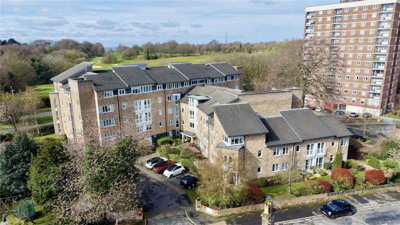
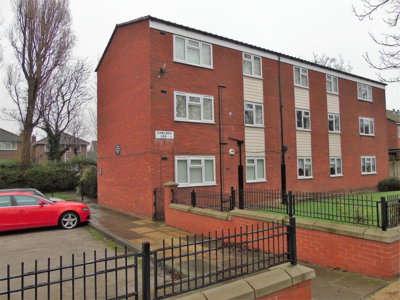
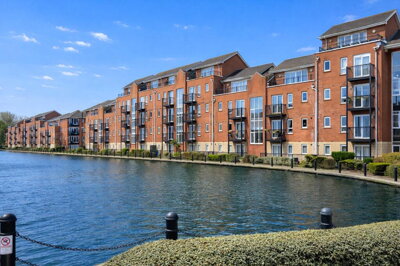
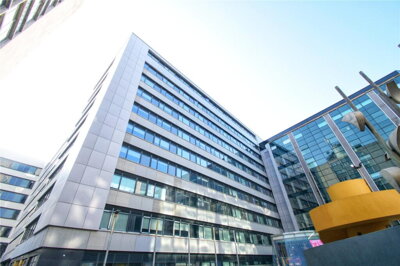
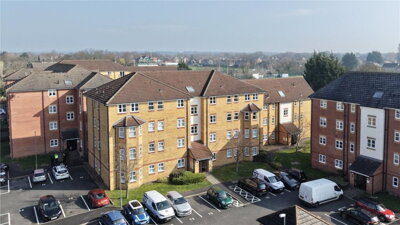
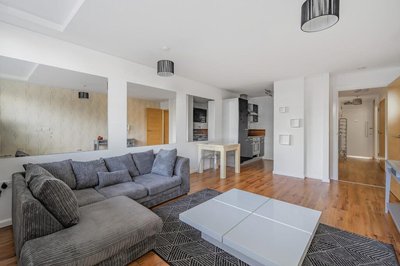
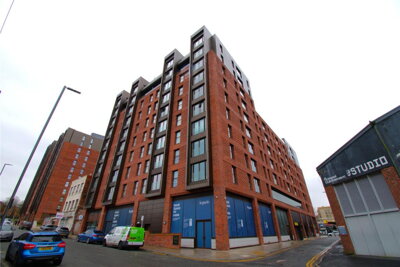
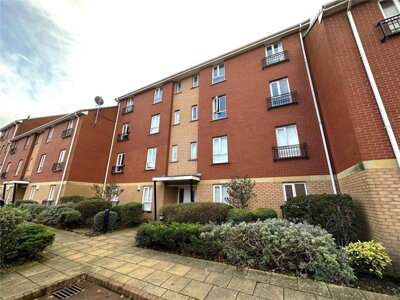
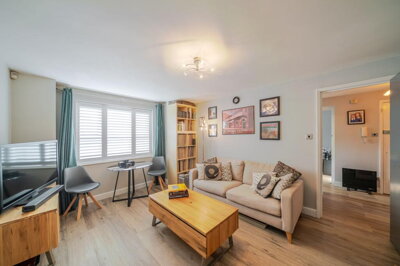
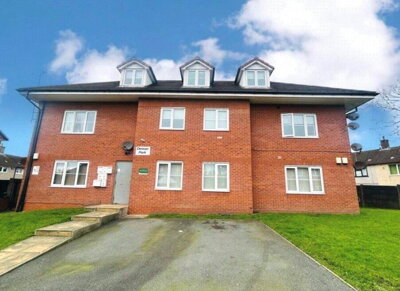
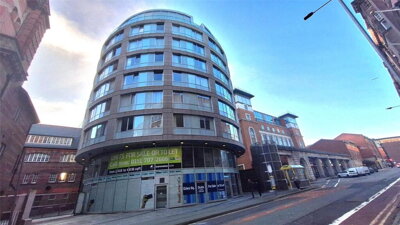
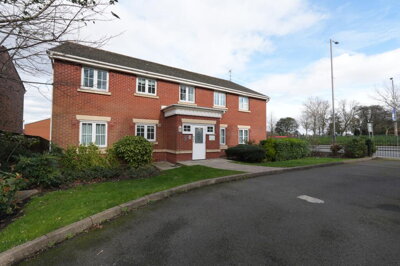
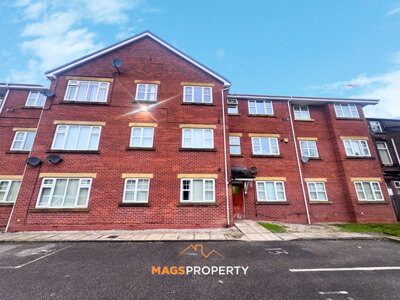
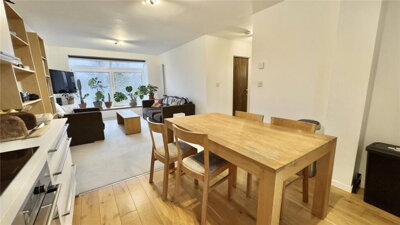
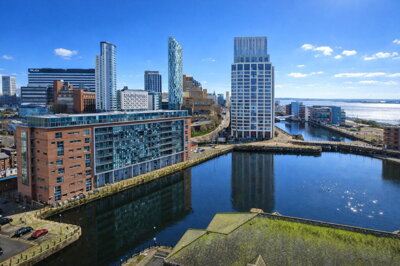
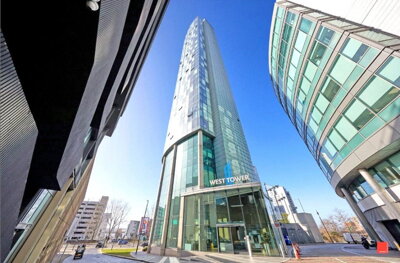
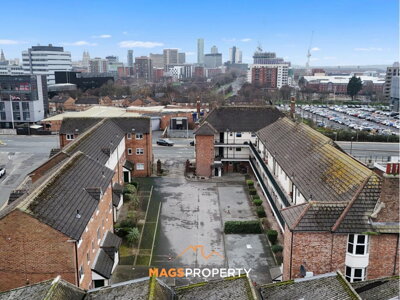
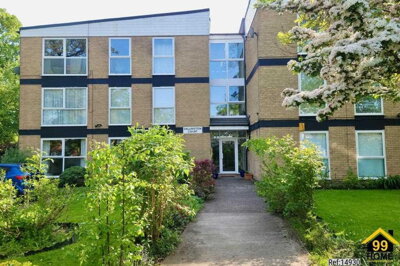
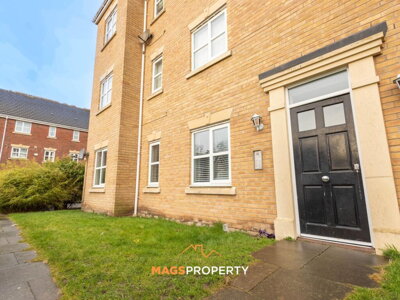
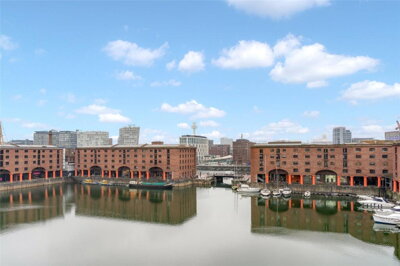
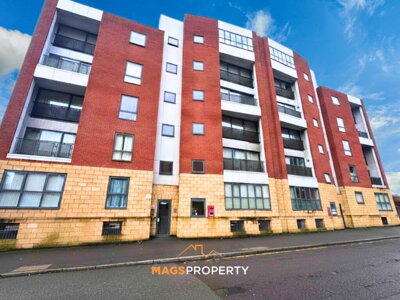
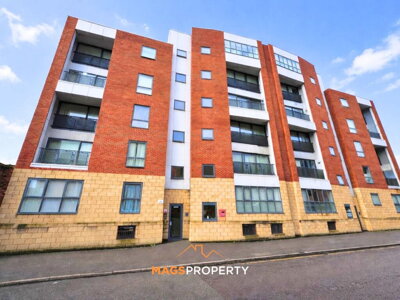
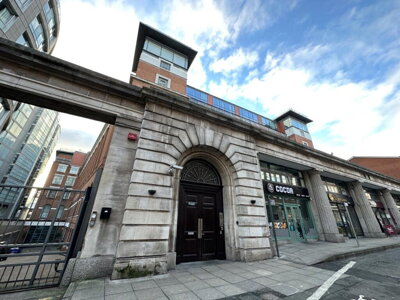
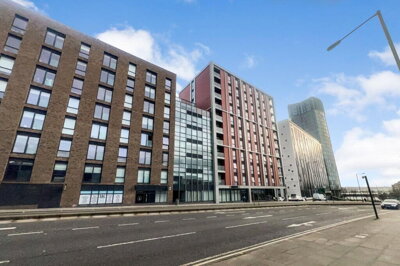
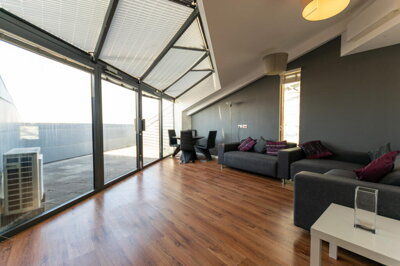
Browse 998 homes for sale in Liverpool, Merseyside from local estate agents.
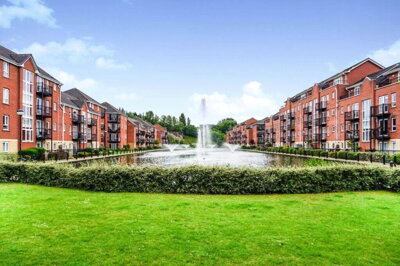
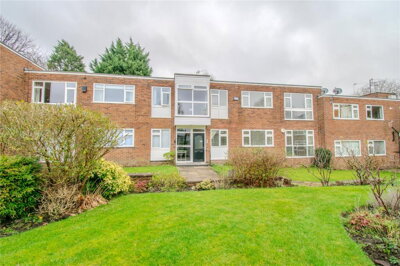
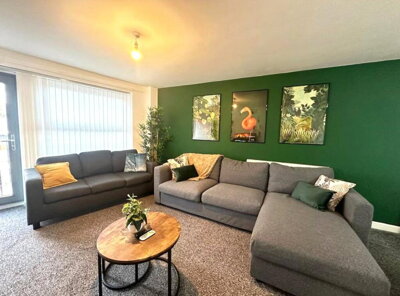
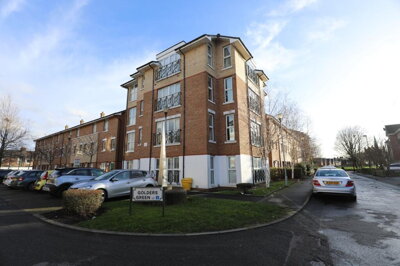
The 2 bed flat sector typically includes two separate bedrooms, dedicated living areas, and bathroom facilities. Properties in Liverpool span purpose-built blocks, converted period houses, and modern apartment complexes on various floors.
£160k
200
6
157
Source: home.co.uk
Showing 200 results for 2 Bedroom Flats for sale in Liverpool, Merseyside. 6 new listings added this week. The median asking price is £160,000.
Source: home.co.uk
Flat
200 listings
Avg £166,141
Source: home.co.uk
Source: home.co.uk
Liverpool property prices have shown consistent growth over recent years, with the city offering particularly strong value compared to other major UK cities. Our data shows the median property price in Liverpool stands at approximately £180,000, making it one of the most affordable major cities in England for homebuyers. First-time buyers can find one-bedroom apartments in regeneration areas starting from £90,000, while two-bedroom flats in the city centre typically range between £130,000 and £200,000 depending on specification and location. This affordability combined with strong rental yields makes Liverpool particularly attractive to both owner-occupiers and property investors.
Terraced houses remain the backbone of Liverpool's residential market, with Victorian and Edwardian properties particularly prevalent in neighbourhoods like Wavertree, Childwall, and Aigburth. These family homes typically offer three bedrooms, original period features, and generous garden spaces, with prices ranging from £180,000 for properties requiring renovation to £300,000 for fully renovated homes in popular streets. The distinctive red brick terraces along streets such as Mossley Hill Road and Aigburth Road command premium prices due to their proximity to good schools and transport links. Detached properties in south Liverpool suburbs command premium prices, with four and five-bedroom homes in areas like Calderstones and Allerton regularly exceeding £500,000.
New build developments continue to emerge across the city, providing modern apartment living options particularly attractive to young professionals and investors. The Liverpool Waters development along the Northern Docklands promises thousands of new homes over the coming years, while schemes like The Plaza and Elements at New Hall Wood offer contemporary living in evolving areas. These new build properties often appeal to buyers seeking low maintenance accommodation with modern insulation standards and warranty protection, though they typically command a premium over equivalent period properties.

Liverpool's city status brings together a remarkable collection of neighbourhoods, each offering its own lifestyle proposition. The Georgian Quarter, with its sweeping crescents and heritage architecture, appeals to those seeking period grandeur and proximity to the University of Liverpool campus. Properties on Hope Street and surrounding the Anglican Cathedral offer some of the finest examples of Georgian architecture in the north of England, with large sash windows, high ceilings, and ornate cornicing that characterise this prestigious area. The Baltic Triangle has transformed from an industrial waterfront into Liverpool's creative hub, home to independent breweries, music venues, and street food markets that come alive during the summer months.
Families are drawn to Liverpool's suburban areas, where excellent parks and reputable schools create ideal environments for children to grow up. Sefton Park, covering 235 acres, remains the jewel in Liverpool's green crown, featuring a palm house, botanical gardens, and regular community events throughout the year. The neighbouring areas of Sefton Park and Princes Park benefit from tree-lined avenues and proximity to excellent primary schools, making them consistently popular with families. Woolton village offers a different pace of life, with its independent shops, traditional pubs, and the famous Beatles-related attractions drawing visitors to this south Liverpool suburb.
Liverpool's cultural calendar is equally impressive, with the Liverpool Biennial contemporary art festival, the International Music Festival, and numerous theatre productions ensuring there is always something happening in the city. The Albert Dock area offers waterside living with immediate access to the Tate Liverpool gallery and the Beatles Story exhibition, while the newer Liverpool FC Anfield stadium tour facilities provide football enthusiasts with an unrivalled experience. The city's two Premier League football clubs, Liverpool FC and Everton FC, create a passionate sporting culture that brings communities together, whether you are a season ticket holder or simply enjoy the matchday atmosphere at Goodison Park or Anfield.

Liverpool has established itself as a major educational centre, home to the University of Liverpool and Liverpool John Moores University, both consistently ranked among the UK's top universities. The presence of these institutions not only supports the local economy but creates a vibrant student population that contributes to the city's cultural diversity and nightlife. The University of Liverpool's veterinary school and medical research facilities attract students and academics from around the world, while Liverpool John Moores University has built strong reputations in subjects ranging from engineering to media studies. Liverpool Hope University adds further diversity to the higher education landscape, particularly strong in arts and humanities programmes.
For families with school-age children, Liverpool offers a good selection of primary and secondary schools across the city. Liverpool College, a nonsectarian school established in 1840, provides education from reception through to sixth form and has achieved strong Ofsted ratings in recent years. The Calderstones area is home to several highly regarded primary schools including Calderstones Primary School and Oakfield Primary School, both consistently oversubscribed due to their excellent reputations. St Francis Xaviers College serves the Catholic secondary education market, while The King's School in nearby Chester attracts Liverpool families willing to travel for private education.
The city has invested significantly in school infrastructure, with new primary schools opening in growing neighbourhoods to meet demand from young families choosing to remain in Liverpool rather than relocating to surrounding areas. Outwood Primary Academy near Stockbridge Village and the new schools planned for the Everton Urban Development area demonstrate this ongoing commitment. For sixth form and further education, the Liverpool Institute of Performing Arts offers specialist arts education, while Carmel College in St Helens attracts academically-minded students from across the region.
Liverpool Lime Street station serves as the city's main railway hub, offering direct services to major destinations including London Euston (approximately 2 hours 15 minutes), Manchester (45-60 minutes), Birmingham (1 hour 45 minutes), and Leeds (2 hours). The station has undergone extensive redevelopment, creating a modern transport interchange with improved passenger facilities and better connections to local bus services. This accessibility makes Liverpool particularly attractive to commuters who work in Manchester but wish to benefit from more affordable Liverpool property prices. The frequent Northern Connect services to Manchester Victoria and the hourly Virgin Trains services to London Euston ensure excellent long-distance connectivity.
Liverpool John Lennon Airport, located in the south of the city near Speke, provides connections to over 60 destinations across Europe and beyond, making it particularly valuable for business travellers and holidaymakers alike. The airport has expanded significantly in recent years, with new routes to European destinations and improved facilities attracting increasing passenger numbers. The Merseyrail network provides efficient local train services across the Liverpool City Region, with stations including Liverpool Central, Moorfields, and Sandhills serving the city centre and surrounding areas. The Wirral Line connects Liverpool to Birkenhead, Wallasey, and New Brighton, while the Northern Line reaches as far as Southport, Ormskirk, and Hunts Cross.
The city is well-served by motorway connections, with the M62 providing direct access to Manchester and Leeds to the east, while the M57 and M58 connect Liverpool to the motorway network serving the north of England. The Kings Dock spur provides direct access from the city centre to the M62, reducing journey times for those living in central areas. For cyclists, the city has invested in dedicated cycle routes, particularly along the waterfront and through major parks. The Trans Pennine Trail passes through Liverpool, connecting the city to national cycling routes, while the new Everton Football Club stadium development promises improved pedestrian and cycling connections in the north of the city.
Before beginning your property search, obtain a mortgage agreement in principle from a lender. This strengthens your position when making offers and demonstrates to estate agents that you are a serious buyer with verified financial capability. Most Liverpool estate agents will not consider offers without mortgage agreement in place, particularly for properties in popular areas where competitive bidding is common. Speak to a whole-of-market mortgage broker who can compare deals across multiple lenders, as this often results in better rates than approaching a single bank directly.
Spend time exploring different Liverpool areas to find the neighbourhood that best matches your lifestyle needs. Consider factors including proximity to work, school catchment areas, local amenities, and the character of available properties. Liverpool's neighbourhoods vary dramatically in character and price, from the affordable terraces of Kirkdale and Everton to the premium Georgian properties of the historic core. Use our property search to set up alerts for your preferred areas and property types, and arrange reconnaissance visits to get a feel for each neighbourhood before committing to viewings.
Many Liverpool properties, particularly those in popular areas like Allerton, Childwall, and the city centre, sell quickly through estate agents. Registering directly with local agents ensures you receive notifications about new listings before they appear on major portals. Agents including Entwistle Green, properties, and Leaders have extensive local knowledge and can alert you to coming soon listings that may not yet be publicly marketed. Building relationships with agents can also give you advance warning of properties that are being prepared for market.
Schedule viewings for properties that match your criteria. When viewing, look beyond staging to assess the property's condition, check for signs of damp or structural issues, and consider factors like natural light and storage space. In Liverpool's Victorian and Edwardian properties, pay particular attention to the condition of original sash windows, the state of the roof covering, and whether the property has been rewired and had the plumbing updated. Many terraces have had work carried out by previous owners, so ask for documentation of any building works and verify that appropriate permissions were obtained.
Once your offer is accepted, arrange a RICS Level 2 home survey to identify any issues with the property before you commit to purchase. This is particularly important for older Victorian and Edwardian properties common in Liverpool, where hidden defects such as failed timber floors, rising damp, or inadequate insulation are frequently encountered. A professional survey can save you thousands of pounds by identifying problems before you complete, giving you leverage to renegotiate the price or request that the seller addresses specific issues before completion.
Your solicitor will handle the legal aspects of the purchase, including local authority searches, title checks, and coordination with your mortgage lender. Liverpool conveyancing can be particularly complex for leasehold properties in the city centre, where management company charges, ground rent reviews, and consent requirements may need careful review. On completion day, you will receive your keys and can begin moving into your new Liverpool home.
Liverpool's Victorian and Edwardian housing stock requires careful assessment before purchase. Properties built before 1919 may contain original features that require maintenance, and some older terraces may have been converted from their original design. When viewing Victorian properties, pay particular attention to the condition of sash cord windows, the presence of subsidence cracks, and the state of the roof covering. Many Liverpool terraces have had previous renovation work, so check whether this was carried out with appropriate building regulations approval and whether it included improvements to insulation and electrics. Properties on roads such as those in the Wavertree conservation area may have additional planning restrictions that limit permitted development rights.
Flood risk should be considered for properties near the River Mersey or in low-lying areas of the city. While Liverpool has excellent flood defences, some properties near the waterfront or in the historic dock areas may have experienced flooding historically. The postcode areas around Speke and Garston have been subject to flood warnings in the past, and any property in these locations should be investigated thoroughly. Your solicitor should include appropriate drainage and flood risk searches as part of the conveyancing process. Additionally, be aware that some city centre apartments may have restrictive covenants limiting letting arrangements or requiring you to use specific management companies, so always review the lease terms carefully before committing to a purchase.
Leasehold arrangements are particularly common in Liverpool's city centre, where the majority of apartments are sold on long leases. Understanding the terms of your lease is essential before purchasing, as ground rent escalation clauses and management company charges can significantly affect the ongoing cost of ownership. Some older Liverpool leases may contain onerous clauses that make the property difficult to mortgage or sell in the future. Freehold properties in Liverpool, particularly the suburban terraces and semis, offer more straightforward ownership arrangements with no ground rent or service charge obligations, though they may require more maintenance responsibility.
Our data shows the median property price in Liverpool is approximately £180,000. This positions the city among the most affordable major urban areas in England, significantly below the national average of around £290,000. Prices vary considerably by property type and location, with city centre apartments starting from £90,000, terraced houses in popular suburbs ranging from £150,000 to £300,000, and larger detached properties in south Liverpool reaching £500,000 or more. Liverpool property prices have shown steady growth over recent years, with regeneration programmes in areas like the Ten Streets creative district and the emerging Paddington Village development continuing to drive values upward. Postcode areas such as L18 (Allerton) and L17 (Aigburth) consistently command premiums over the city average.
Liverpool City Council manages council tax for all properties within the city boundaries. Tax bands range from A to H, with the majority of terraced houses falling into bands A through C, while larger detached properties and city centre penthouses may fall into higher bands. The exact band for a specific property depends on its assessed value, and buyers can verify the current banding through the Valuation Office Agency website using the property address. For budgeting purposes, most Liverpool residents pay between £1,400 and £2,200 annually in council tax, depending on their property band and any applicable discounts such as the single person reduction or student exemption.
Liverpool offers a range of educational options across all levels. Primary schools with strong Ofsted ratings include St Mary's Catholic Primary in Crosby, Holy Family Catholic Primary in Thornton, and Liverpool College Primary in the city centre. At secondary level, Liverpool College has achieved good Ofsted results as a non-selective school, while St Francis Xaviers College in Woolton serves Catholic families with an excellent academic reputation. The Belvedere Academy and the University of Liverpool Mathematics School provide selective alternatives for academically-minded students. For those considering private education, the Liverpool area includes several independent schools attracting families from across the region, including Liverpool College and St Mary's Hall.
Liverpool has excellent transport connectivity for a city of its size. Liverpool Lime Street provides mainline rail services to major UK cities including London, Manchester, Birmingham, and Leeds, with Virgin Trains offering the fastest services to the capital at around 2 hours 15 minutes. Within the city, the Merseyrail network offers frequent local services connecting Liverpool city centre with surrounding towns including Southport, Ormskirk, and Chester. The Liverpool City Region Combined Authority has invested heavily in improving public transport, with new Mersey Ferry terminals and improved bus services through the City Centre Connectivity scheme enhancing options for residents without cars. Mersey Ferries provide scenic river crossings connecting Liverpool with the Wirral peninsula, while Liverpool John Lennon Airport serves over 60 destinations across Europe and beyond.
Liverpool has long been attractive to property investors, particularly those looking for rental yield in the city centre or student accommodation near the universities. Rental yields in Liverpool typically range from 5% to 7% gross, which compares favourably with many other major UK cities where yields of 3-4% are more common. The city's large student population creates consistent demand for HMOs and shared accommodation, particularly in areas like the Georgian Quarter and Edge Hill. The city's ongoing regeneration programmes, graduate retention initiatives through the LCR Graduate Scheme, and growing tech sector employment opportunities at the Knowledge Quarter suggest continued demand for rental property. However, as with any investment, prospective landlords should carefully research specific areas, understand their tenant target market, and factor in costs including void periods, maintenance, and compliance with landlord regulations including EPC requirements and selective licensing schemes.
Standard stamp duty rates apply in Liverpool as it is not designated as a relief area. For residential purchases, you pay nothing on the first £250,000 of the purchase price, 5% on the portion between £250,001 and £925,000, 10% on the portion between £925,001 and £1.5 million, and 12% on any amount above £1.5 million. First-time buyers benefit from increased thresholds, paying nothing on the first £425,000 and 5% on the portion between £425,001 and £625,000, meaning most first-time buyers purchasing a typical Liverpool property at £180,000 would pay no SDLT whatsoever. For example, a first-time buyer purchasing a £220,000 apartment in Liverpool would pay no SDLT, while a home mover purchasing the same property would also pay nothing as it falls within the standard nil rate band. Your solicitor will calculate the exact SDLT liability based on your purchase price and circumstances and include this in your overall purchase cost estimate.
The average time from offer acceptance to completion for Liverpool property transactions is typically 8-12 weeks, though this can vary significantly depending on whether the property is freehold or leasehold, whether there is a chain involved, and the efficiency of all parties in the transaction. City centre leasehold purchases often take longer due to the additional enquiries required to review management company accounts, service charge budgets, and lease documentation. Freehold purchases of terraced houses in suburban Liverpool tend to proceed more quickly, particularly when buying from an owner-occupier without a chain. Your solicitor will be able to give you a more accurate timeline once they have reviewed the specific details of your transaction.
Liverpool has several significant regeneration areas that offer potential for property value growth. The Knowledge Quarter around the Liverpool School of Tropical Medicine and Royal Liverpool University Hospital site is attracting significant investment and creating high-skilled employment. The Ten Streets creative district in the Baltic Triangle is transforming former industrial buildings into studios, workspaces, and residential conversions. Paddington Village near the new Everton stadium development is seeing major infrastructure investment, while the wider Liverpool Waters scheme promises thousands of new homes along the Northern Docklands over the coming decades. Properties in these areas may offer more affordable entry points with the potential for capital growth as regeneration schemes mature, though buyers should research individual developments carefully and understand the timescales involved in major urban regeneration projects.
Beyond the property purchase price, buyers should budget for several additional costs when purchasing property in Liverpool. Stamp duty land tax is the most significant additional cost, calculated on a tiered basis depending on the purchase price and whether you qualify for first-time buyer relief. For a typical £180,000 Liverpool property, a first-time buyer would pay no stamp duty, while a home mover purchasing without relief would pay nothing on the first £250,000, meaning they would also pay no SDLT on this price point. The nil rate threshold has been temporarily increased, so buyers should verify current rates at the time of their purchase as these thresholds are subject to change by the Treasury.
Legal fees for conveyancing typically range from £500 to £1,500 depending on the complexity of the transaction and whether the property is freehold or leasehold. Your solicitor will conduct local authority searches, which in Liverpool include drainage and water searches through United Utilities, environmental searches identifying contaminated land and mining legacy, and Land Registry checks confirming title and any registered charges. Search fees typically cost between £200 and £400. If you require a mortgage, arrangement fees vary by lender but often range from £0 to £2,000, and these can sometimes be added to the mortgage amount rather than paid upfront. A RICS Level 2 survey costs from around £350 depending on the property size and value, providing a detailed assessment of condition that can reveal hidden defects before you commit to purchase.
Removal costs vary significantly based on the volume of belongings and distance moved, with local Liverpool moves typically costing between £300 and £1,500 depending on whether you use a professional removals company or a man with a van. Building insurance must be in place from the point of completion, and your lender will require this before releasing mortgage funds. Annual buildings insurance for a typical Liverpool terraced house costs around £200-400, while city centre apartments may have higher premiums due to shared building insurance charges. Survey and valuation fees from your mortgage lender are typically included in the arrangement fee, though some lenders charge these separately. First-time buyers should also factor in the cost of furnishing a new property, which can quickly add several thousand pounds to the overall budget.
From 4.5%
Compare mortgage deals from multiple lenders to find the best rate for your Liverpool property purchase
From £499
Liverpool-based solicitors handling property transactions across the city region
From £350
Professional home survey identifying defects in Liverpool properties
From £80
Energy performance certificate for your Liverpool property
Properties for Sale In London

Properties for Sale In Plymouth

Properties for Sale In Liverpool

Properties for Sale In Glasgow

Properties for Sale In Sheffield

Properties for Sale In Edinburgh

Properties for Sale In Coventry

Properties for Sale In Bradford

Properties for Sale In Manchester

Properties for Sale In Birmingham

Properties for Sale In Bristol

Properties for Sale In Oxford

Properties for Sale In Leicester

Properties for Sale In Newcastle

Properties for Sale In Leeds

Properties for Sale In Southampton

Properties for Sale In Cardiff

Properties for Sale In Nottingham

Properties for Sale In Norwich

Properties for Sale In Brighton

Properties for Sale In Derby

Properties for Sale In Portsmouth

Properties for Sale In Northampton

Properties for Sale In Milton Keynes

Properties for Sale In Bournemouth

Properties for Sale In Bolton

Properties for Sale In Swansea

Properties for Sale In Swindon

Properties for Sale In Peterborough

Properties for Sale In Wolverhampton

Enter your details to see if this property is within your budget.
Loans, cards, car finance
Estimated property budget
Borrowing + deposit
You could borrow between
Typical borrowing
Monthly repayment
Est. at 4.5%
Loan-to-value
This is an estimate only. Your actual budget may vary depending on interest rates, credit history, and personal circumstances. For an accurate affordability assessment, speak to one of our free mortgage advisors.
This calculator provides estimates for illustrative purposes only and does not constitute financial advice. Your home may be repossessed if you do not keep up repayments on your mortgage. Estimates based on 4.5% interest rate, repayment mortgage. Actual rates depend on your circumstances.
Homemove is a trading name of HM Haus Group Ltd (Company No. 13873779, registered in England & Wales). Homemove Mortgages Ltd (Company No. 15947693) is an Appointed Representative of TMG Direct Limited, trading as TMG Mortgage Network, which is authorised and regulated by the Financial Conduct Authority (FRN 786245). Homemove Mortgages Ltd is entered on the FCA Register as an Appointed Representative (FRN 1022429). You can check registrations at NewRegister or by calling 0800 111 6768.

We use cookies to show you personalised content and improve your experience of our website. Find out more in our Privacy policy and Cookie policy.