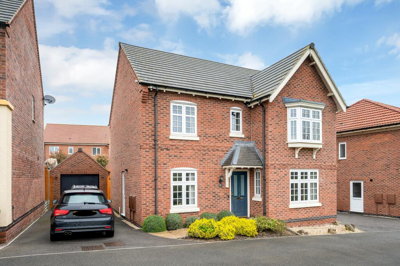
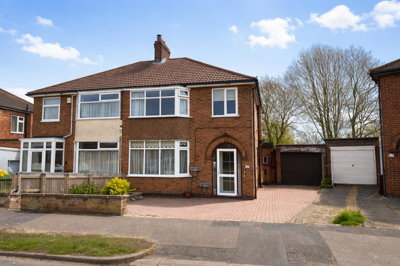
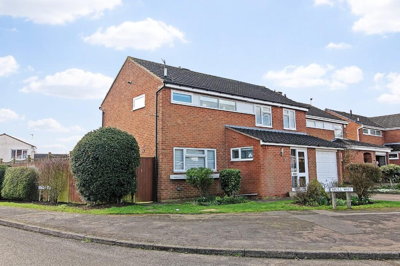
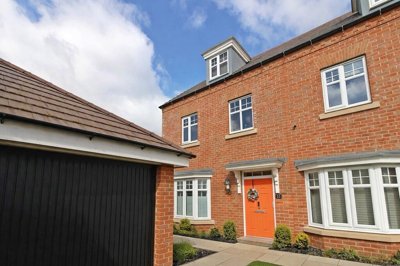
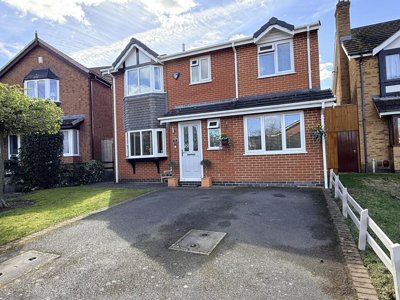
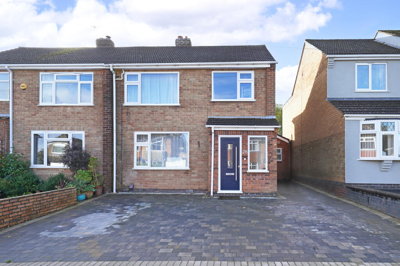
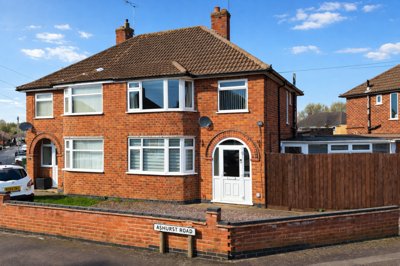
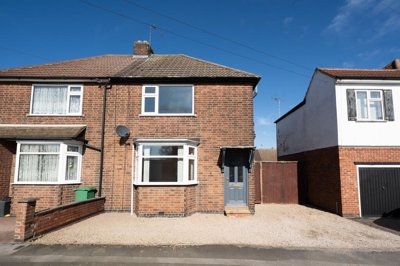
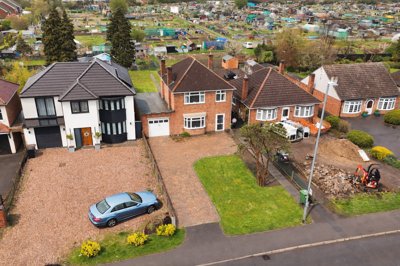
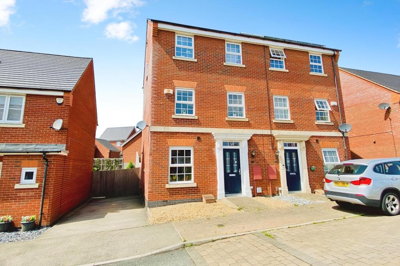
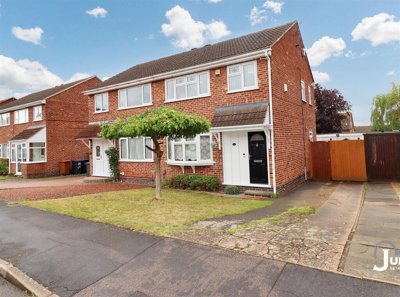
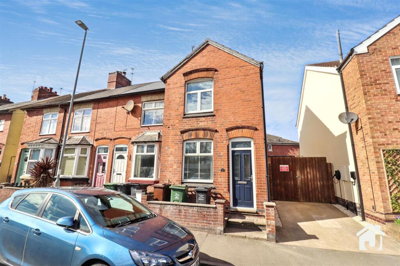
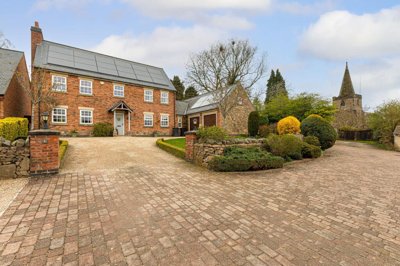
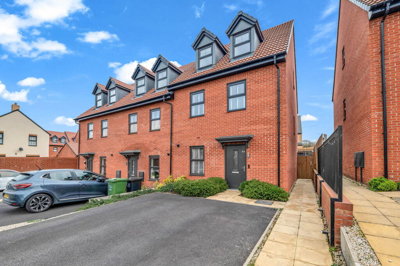
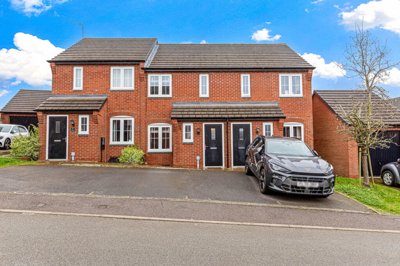
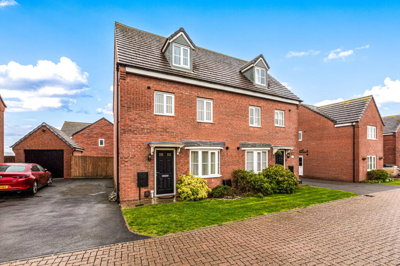
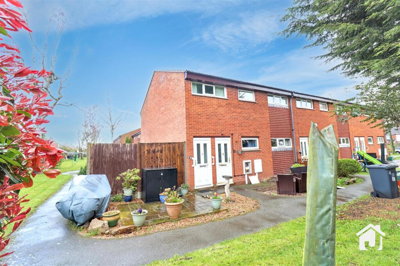
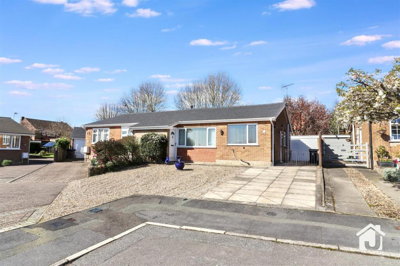
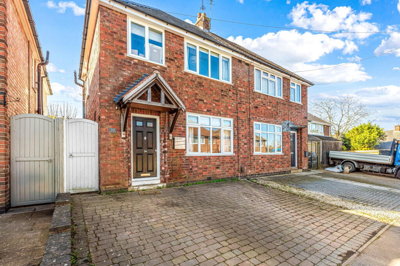
Browse 10,000 homes for sale in Leicestershire, England from local estate agents.
£305k
7,396
647
108
Source: home.co.uk
Source: home.co.uk
Detached
2,390 listings
Avg £542,021
Semi-Detached
1,728 listings
Avg £291,789
Terraced
798 listings
Avg £225,795
Apartment
341 listings
Avg £152,394
Detached Bungalow
327 listings
Avg £414,027
End of Terrace
300 listings
Avg £247,685
Flat
279 listings
Avg £140,558
Town House
170 listings
Avg £256,195
House
152 listings
Avg £371,712
Bungalow
147 listings
Avg £307,865
Source: home.co.uk
Source: home.co.uk
The Leicestershire property market demonstrates the kind of stability and diversity that makes it attractive to both owner-occupiers and investors. Our data shows that semi-detached properties, which make up approximately 35-40% of the housing stock in the county, typically sell for £260,000-£275,000, offering excellent value for families seeking generous living space without the premium attached to detached homes. Detached properties command higher prices at £400,000-£425,000 on average, reflecting the additional space, privacy, and status they provide. The market has shown modest movement over the past twelve months, with prices either stabilising or experiencing a slight increase of around 1-2% depending on the specific location and property type, suggesting healthy underlying demand.
New build activity across Leicestershire remains robust, with numerous developments bringing modern homes to towns and villages throughout the county. Developments like Wellington Place in Market Harborough offer 2 to 5-bedroom homes from Jelson Homes, while Bellway's Buttercup Fields in Shepshed provides another option for buyers seeking brand-new accommodation. David Wilson Homes has several active sites including Wigston Meadows in Wigston, Grange View in Hugglescote near Coalville, and Pastures Grange in Wymeswold. Those interested in properties with character will find significant stock in the pre-1919 category, particularly in the historic market towns and older villages where traditional red brick construction is prevalent. The county's housing stock spans every era from medieval cottages to cutting-edge contemporary designs, meaning buyers can truly tailor their search to match their preferred property style.
Property types across Leicestershire reflect the county's diverse character and history. Traditional properties often feature local red brick, sometimes with contrasting brick detailing or stone dressings that give market towns like Ashby de la Zouch and Market Harborough their distinctive appearances. Roofing throughout the county typically uses clay or concrete tiles, whether on period terraces in Loughborough or modern semis in suburban Blaby. Flats represent approximately 5-10% of the housing stock, concentrated mainly in Leicester city and larger towns, starting from around £145,000-£160,000 for apartments in decent locations.
The character of Leicestershire defies any single description, as the county encompasses everything from the vibrant city life of Leicester to the tranquil villages scattered across the Leicestershire Wolds and the National Forest area. The county's geography is remarkably varied, with Charnwood Forest in the north-east featuring some of the oldest rocks in England and providing dramatic landscape contrasts that attract walkers, climbers, and outdoor enthusiasts. The central and western parts of the county transition into rolling farmland and the distinctive landscape around Market Bosworth, where the Battle of Bosworth Field marks a pivotal moment in English history. This blend of natural beauty, historical significance, and modern amenities creates an exceptionally livable county.
The local economy benefits from Leicestershire's central position in England, making it a hub for logistics and distribution operations. Major employers in the retail and logistics sectors, including companies like Amazon and Next, are drawn to the excellent transport connections and workforce accessibility. Loughborough University and the University of Leicester contribute significantly to the local economy and community life, bringing students, academics, and research opportunities that enrich the county's cultural fabric. Healthcare provision through NHS trusts and private providers, alongside traditional manufacturing and engineering companies, creates a diverse employment base that supports consistent housing demand across the county.
Cultural attractions in Leicestershire include the National Space Centre in Leicester, which draws visitors from across the region and provides educational experiences for families, while the county's market towns host regular farmers markets, antique fairs, and cultural festivals that celebrate local produce and heritage. Rugby Union is particularly prominent, with the Tigers (Leicester Tigers) commanding passionate local support, and the county's connection to the sport runs deep in local communities. Dining options range from traditional pubs serving hearty British fare to contemporary restaurants embracing the growing local food movement, with Melton Mowbray renowned for its pork pies and Stilton cheese as part of the county's culinary identity.
The county offers excellent leisure opportunities, with the National Forest area providing extensive woodland walks and outdoor activities for residents of towns like Coalville and Swadlincote. For water-based recreation, the River Soar and its associated canal network offer boating and angling opportunities, particularly popular with residents in the Leicester area. Golf courses are scattered throughout the county, with several clubs attracting members from across the region. The market towns each maintain their own character, with Loughborough hosting regular university events and cultural performances, while quieter towns like Market Harborough preserve their historic market square and independent shop culture.

Education provision across Leicestershire is comprehensive, with the county offering a mix of excellent state and independent schools that cater to families at every stage of their educational journey. The county maintains a strong network of primary schools, many of which serve their local communities with good or outstanding Ofsted ratings, providing young children with solid foundations in a nurturing environment. Secondary education options include both comprehensive schools and grammar schools in certain areas, with notable institutions attracting families specifically to their catchment areas. Parents considering a move to Leicestershire should research individual school performance data and admission criteria, as competition for places at popular schools can be significant in towns like Market Harborough, West Bridgford, and Oadstone.
For higher education, Leicestershire benefits from having two major universities within its boundaries. Loughborough University enjoys an outstanding reputation, particularly for sports science and engineering programmes, and consistently ranks among the best in the UK for student experience. The University of Leicester, a redbrick university with strong research credentials, offers a wide range of undergraduate and postgraduate programmes and contributes significantly to the cultural and intellectual life of the city. These institutions not only provide educational opportunities but also support the local economy through student spending and attract academics and researchers who contribute to the county's skilled workforce.
Further education is well-served through colleges like Leicester College and Loughborough College, offering vocational courses, apprenticeships, and A-level programmes that provide pathways into higher education or directly into careers. The county's commitment to education is reflected in the ongoing investment in school facilities and the presence of various independent schools that offer alternative educational approaches for families seeking different environments for their children. When purchasing a property in Leicestershire, families should verify current school admissions policies and consider the long-term educational trajectory their children will experience in their chosen area.
The quality of local schools significantly impacts property values throughout Leicestershire, with catchment areas in towns like Market Harborough and parts of Blaby district commanding premium prices. Properties within walking distance of well-regarded primary schools are particularly sought after by families, often selling for higher prices than comparable properties in adjacent streets outside the catchment. Secondary school place availability varies across the county, with some areas experiencing pressure on places, making proximity to good schools an important factor in property selection for family buyers.
Leicestershire's central England location provides exceptional transport connectivity that appeals to commuters and businesses alike. The M1 motorway runs along the county's eastern edge, providing direct access to London (approximately 2 hours) and Sheffield to the north, while the M6 corridor passes nearby to the west. East Midlands Airport, located in Leicestershire near Castle Donington, offers both passenger flights and significant cargo operations, contributing to the county's role in the logistics industry. For rail travel, Leicester station provides regular services to London St Pancras (journey time around 1 hour 15 minutes), Birmingham, Nottingham, Sheffield, and other major destinations, making it practical for professionals to commute to the capital or the wider region.
Local public transport options include bus services operated by various providers that connect towns and villages throughout Leicestershire, though service frequency varies significantly between urban and rural areas. Loughborough and Leicester benefit from more frequent bus networks, while rural communities may have limited options, making car ownership more essential for residents of smaller villages. The county is investing in improved transport infrastructure, with ongoing work to enhance cycling routes and pedestrian facilities in towns to promote sustainable travel options. Those considering purchasing property in a specific location should assess the practical realities of daily commuting and school runs to ensure the transport options meet their needs.
Parking provision varies across the county, with towns like Market Harborough and Ashby de la Zouch offering town centre parking that supports local shopping and visits, while Leicester city has introduced various parking schemes to manage demand. For those working in Leicester itself but preferring to live outside the city, towns like Syston, Narborough, and Blaby offer relatively quick commuting times by car or train. The East Midlands Gateway rail freight terminal and ongoing improvements to the strategic road network are expected to further enhance connectivity, potentially increasing the attractiveness of certain areas for buyers who need to access employment centres across the region.
Rail services from Leicester station are particularly strong for London commuters, with Virgin CrossCountry services providing additional routes to destinations including Bristol, Birmingham, and the south coast. East Midlands Railway operates frequent services to Nottingham and Sheffield, while the recently upgraded station facilities have improved the overall commuting experience. For residents of towns like Market Harborough, direct rail services to London St Pancras make the capital accessible for regular commuting, with journey times of around 1 hour 20 minutes.
Explore the different towns and villages in Leicestershire to find the community that best matches your lifestyle needs and budget. Consider factors like commuting times, school catchment areas, local amenities, and the character of available housing stock, from Victorian terraces in market towns to modern estates on the outskirts.
Obtain a mortgage agreement in principle from a lender before you start viewing properties. This strengthens your position when making an offer and helps you understand your true budget. With average prices around £290,000-£300,000, most buyers will need a mortgage, and having financing arranged demonstrates serious intent to estate agents and sellers.
Use Homemove to browse the full range of properties currently listed in Leicestershire, from flats starting around £145,000 to detached homes reaching £425,000. Attend viewings with a clear checklist of requirements and take notes to help differentiate between properties later. Consider viewing multiple properties before making any decisions.
Once you find a property you wish to purchase, submit an offer through the estate agent and negotiate terms. Upon acceptance, instruct a conveyancing solicitor immediately to handle the legal aspects of the purchase. Your solicitor will conduct searches, review contracts, and coordinate with the seller's representatives throughout the process.
Arrange a RICS Level 2 Survey to assess the condition of the property. Given that many Leicestershire properties are over 50 years old and may have issues related to damp, roof condition, or subsidence (particularly in areas with clay soils), a thorough survey is essential. Survey costs in the county typically range from £400-£800 depending on property size and type.
Once all searches are satisfactory and financing is confirmed, you will exchange contracts and pay your deposit. Completion typically follows within 28 days, at which point you receive the keys to your new Leicestershire home. Register your ownership with the Land Registry and notify relevant parties of your change of address.
Several area-specific factors should influence your property search in Leicestershire, starting with an understanding of the local geology and its implications for property condition. The county contains significant areas of Mercia Mudstone and clay-rich soils that are susceptible to shrink-swell behaviour, which can lead to subsidence or heave issues if foundations are not adequately designed. Properties in areas near large trees or those with a history of drainage problems may be particularly vulnerable, making a thorough RICS Level 2 Survey especially valuable. Your surveyor will assess foundation conditions and advise on any signs of movement that might require further investigation or remediation.
Flood risk varies across Leicestershire, with properties near the River Soar in Leicester, the River Wreake through Melton Mowbray, and other watercourses requiring careful consideration. Surface water flooding can also affect urban areas during periods of heavy rainfall, so checking the Environment Agency flood risk maps for your potential property is essential. If you are considering a property in a designated flood risk area, factor in the cost and availability of appropriate insurance, and review any flood resilience measures the property may have in place. Lenders will require an environmental search that identifies flood risk, but being proactive in your research can prevent costly surprises after purchase.
The western parts of Leicestershire around Coalville and surrounding villages have a legacy of coal mining activity, and properties in these areas may be subject to ground instability from historic mine workings. A Coal Authority report should be obtained as part of your conveyancing process, and if mining legacy issues are identified, specialist surveys may be recommended to assess the current condition of any subsidence risk. Throughout the county, but particularly in historic towns, numerous conservation areas protect architectural heritage and may impose restrictions on alterations, extensions, or exterior changes. If you are considering a property in a conservation area, discuss any planned works with the local planning authority before committing to purchase.
For buyers considering leasehold properties, which represent around 5-10% of the housing stock, understanding the terms of the lease, ground rent obligations, and any service charges is critical. Leasehold flats in Leicester and other towns may have significant annual charges, and the remaining lease term affects mortgageability and future resale value. Freehold properties are more common for houses in Leicestershire, particularly in suburban and rural areas, which many buyers prefer for the simplicity of ownership. When viewing any property, ask specifically about tenure, any planned major works that might result in special charges, and the overall management structure of the development.
Common defects found in Leicestershire properties reflect the local housing stock and construction methods. Traditional properties built before 1919 often feature solid brick walls (typically 9-inch construction), timber floor joists, and slate or clay tile roofs that require regular maintenance. Signs of damp, particularly rising damp in properties without modern damp-proof courses, are common in older buildings, as are issues with outdated electrical systems and plumbing that may not meet current standards. Timber defects including wet rot, dry rot, and woodworm can affect structural elements if properties have experienced damp conditions or inadequate ventilation. Roof defects such as slipped or worn tiles, defective lead flashing, and blocked gutters are frequently identified during surveys of properties over 30-40 years old.
The average house price in Leicestershire currently sits around £290,000-£300,000, according to recent market data. Property prices vary significantly by type and location, with terraced properties typically ranging from £200,000-£215,000, semi-detached homes from £260,000-£275,000, and detached properties from £400,000-£425,000. Flats and apartments generally start from £145,000-£160,000. Prices can be higher in sought-after towns like Market Harborough and certain villages with particularly strong school catchments, while more affordable options exist in towns like Coalville and some rural areas where property prices may be lower than the county average.
Council tax bands in Leicestershire vary depending on the specific local authority area and the property value. Properties in the county council area fall under Leicestershire County Council bands, while those in district council areas like Harborough, Blaby, or Hinckley and Bosworth have additional district council charges. Most residential properties in Leicestershire fall into bands A through E, with band D representing a reasonable mid-range position. Exact amounts depend on the property band and the current council tax rates set by the relevant local authority, so buyers should verify the specific charge for any property they are considering.
Leicestershire offers strong educational provision at all levels, with numerous primary and secondary schools achieving good or outstanding Ofsted ratings. Notable secondary schools include those in the grammar school system where applicable, and comprehensive schools like those in Market Harborough and the catchment areas. Loughborough University and the University of Leicester provide excellent higher education options. Families should research individual school performance data, admission policies, and catchment area boundaries, as these can significantly impact which properties are most suitable for their children's education and can influence property prices in popular school areas.
Leicestershire benefits from good public transport connectivity, centred on Leicester railway station which offers regular services to London St Pancras (approximately 1 hour 15 minutes), Birmingham, Nottingham, Sheffield, and other major cities. Bus services operate throughout the county, with more frequent services in Leicester and Loughborough and less comprehensive provision in rural areas. The M1 motorway provides road connectivity to the north and south, while East Midlands Airport offers air travel options. However, residents of smaller villages may find that car ownership remains essential for daily commuting and accessing services, so consider your reliance on public transport when choosing a specific location.
Leicestershire presents several attractive features for property investment, including its central England location, diverse economy with logistics, manufacturing, and education sectors, and relatively affordable property prices compared to London and the South East. The presence of two major universities supports demand for rental properties from students and staff, while the county's growing reputation as a desirable place to live attracts professionals seeking to escape higher-cost areas. Over 1,000 properties sell in Leicestershire each year according to Rightmove data, indicating active market activity. However, as with any investment, thorough research on specific locations, rental yields, tenant demand, and potential for capital growth is essential before committing to purchase.
Stamp duty land tax (SDLT) rates for 2024-25 are 0% on the first £250,000 of property value, 5% on the portion from £250,001 to £925,000, 10% on the portion from £925,001 to £1.5 million, and 12% on any value above £1.5 million. First-time buyers claiming relief pay 0% on the first £425,000 and 5% on the portion from £425,001 to £625,000, with no relief above that threshold. For example, a first-time buyer purchasing a typical Leicestershire property at £290,000 would pay no stamp duty at all, while a second home buyer purchasing at the same price would pay £2,000 in SDLT (5% on £40,000 above the £250,000 threshold).
The main risks when buying older properties in Leicestershire include subsidence related to the county's clay soils, which can cause foundation movement particularly in properties with inadequate foundations or near large trees. Properties built before 1919 with solid brick walls may have outdated electrical systems requiring rewiring, and plumbing that does not meet current standards. Damp issues are common in older buildings without modern damp-proof courses, affecting walls, floors, and timber elements. Properties in former mining areas around Coalville may face ground instability from historic mine workings. Our inspectors regularly find roof defects including worn tiles, defective flashing, and timber decay in properties over 40 years old, making a thorough RICS Level 2 Survey essential before committing to purchase.
Leicestershire has significant new build activity, with major developers including David Wilson Homes, Davidsons Homes, Bellway, and Jelson Homes actively building across the county. Current developments include Wellington Place in Market Harborough offering 2-5 bedroom homes, Buttercup Fields in Shepshed with 2-4 bedroom properties, and several David Wilson sites including Wigston Meadows, Grange View in Hugglescote, and Pastures Grange in Wymeswold. Davidsons Homes has developments at The Willows in Fleckney and The Poplars in Barwell, while Bellway is building at The Spinney in Burbage and The Hedgerows in Huncote. Prices for new build properties typically start from around £200,000 for smaller homes and can exceed £600,000 for larger detached properties, depending on location and specification.
From 4.5%
Compare mortgage deals from leading lenders
From £499
Solicitors for your property purchase
From £400
Professional survey for Leicestershire properties
From £80
Energy performance certificate
Understanding the full costs of purchasing a property in Leicestershire is essential for budgeting effectively, and stamp duty land tax represents a significant element of the upfront expenses. For standard purchases, the SDLT nil-rate threshold is £250,000, meaning no tax is payable on the first quarter of a million pounds. This means a property priced at the Leicestershire average of around £290,000 would incur SDLT of £2,000 (5% on £40,000 above the threshold). First-time buyers benefit from a higher nil-rate threshold of £425,000, meaning most first-time purchasers in Leicestershire will pay no stamp duty at all, as the county average falls below this threshold for most property types.
Beyond stamp duty, buyers should budget for survey costs, legal fees, and various searches that together can add several thousand pounds to the purchase price. RICS Level 2 Surveys in Leicestershire typically cost between £400 and £800 depending on the size and complexity of the property, with flats starting from around £350-£450 and larger detached homes potentially reaching £800 or more. Given that a significant proportion of Leicestershire's housing stock is over 50 years old, with traditional construction including solid brick walls and timber elements, investing in a thorough survey is particularly worthwhile to identify potential issues before completion. Your solicitor will also conduct local authority searches, drainage searches, and potentially environmental and mining searches, with costs varying depending on the local authority and property location.
Additional costs to factor into your budget include mortgage arrangement fees (which can range from £0 to £2,000 or more depending on the product), valuation fees charged by your lender, land registry fees for registering your ownership, and moving costs. Buildings insurance must be in place from the point of completion, and if you are purchasing a leasehold property, you may need to pay a ground rent assessment and potentially engage a solicitor to review the lease terms specifically. Being fully prepared with a comprehensive budget that accounts for all these elements ensures you can complete your Leicestershire property purchase without financial surprises, allowing you to focus on settling into your new home and community.
Properties for Sale In London

Properties for Sale In Plymouth

Properties for Sale In Liverpool

Properties for Sale In Glasgow

Properties for Sale In Sheffield

Properties for Sale In Edinburgh

Properties for Sale In Coventry

Properties for Sale In Bradford

Properties for Sale In Manchester

Properties for Sale In Birmingham

Properties for Sale In Bristol

Properties for Sale In Oxford

Properties for Sale In Leicester

Properties for Sale In Newcastle

Properties for Sale In Leeds

Properties for Sale In Southampton

Properties for Sale In Cardiff

Properties for Sale In Nottingham

Properties for Sale In Norwich

Properties for Sale In Brighton

Properties for Sale In Derby

Properties for Sale In Portsmouth

Properties for Sale In Northampton

Properties for Sale In Milton Keynes

Properties for Sale In Bournemouth

Properties for Sale In Bolton

Properties for Sale In Swansea

Properties for Sale In Swindon

Properties for Sale In Peterborough

Properties for Sale In Wolverhampton

Enter your details to see if this property is within your budget.
Loans, cards, car finance
Estimated property budget
Borrowing + deposit
You could borrow between
Typical borrowing
Monthly repayment
Est. at 4.5%
Loan-to-value
This is an estimate only. Your actual budget may vary depending on interest rates, credit history, and personal circumstances. For an accurate affordability assessment, speak to one of our free mortgage advisors.
This calculator provides estimates for illustrative purposes only and does not constitute financial advice. Your home may be repossessed if you do not keep up repayments on your mortgage. Estimates based on 4.5% interest rate, repayment mortgage. Actual rates depend on your circumstances.
Homemove is a trading name of HM Haus Group Ltd (Company No. 13873779, registered in England & Wales). Homemove Mortgages Ltd (Company No. 15947693) is an Appointed Representative of TMG Direct Limited, trading as TMG Mortgage Network, which is authorised and regulated by the Financial Conduct Authority (FRN 786245). Homemove Mortgages Ltd is entered on the FCA Register as an Appointed Representative (FRN 1022429). You can check registrations at NewRegister or by calling 0800 111 6768.

We use cookies to show you personalised content and improve your experience of our website. Find out more in our Privacy policy and Cookie policy.