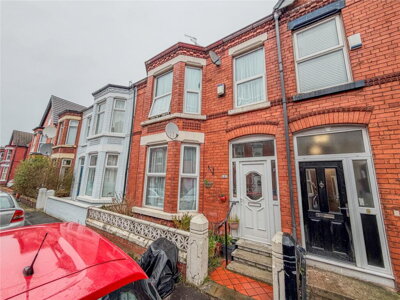
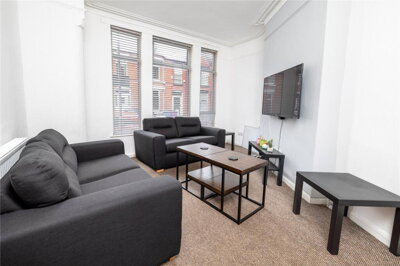
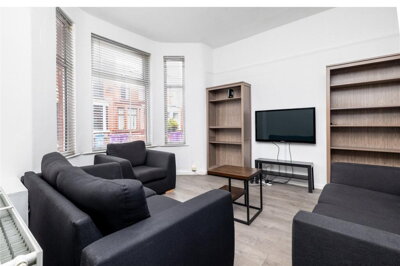
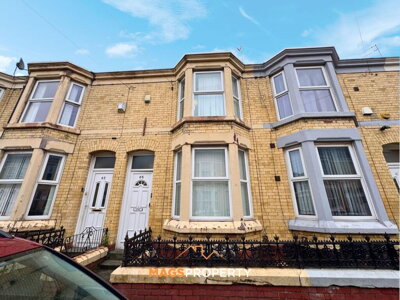
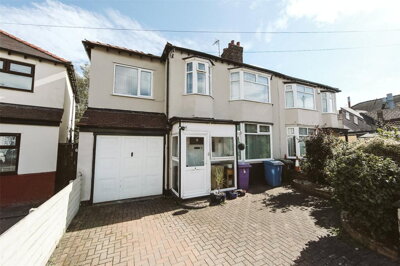
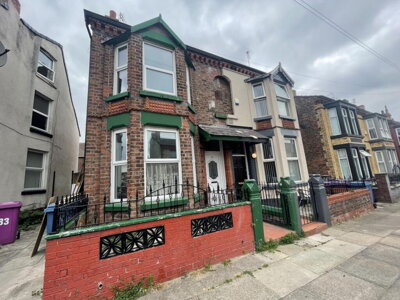
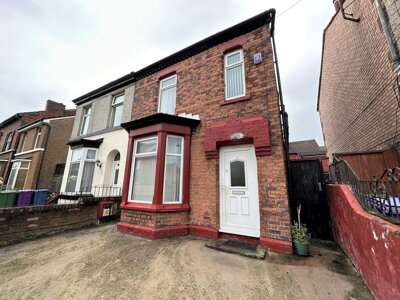
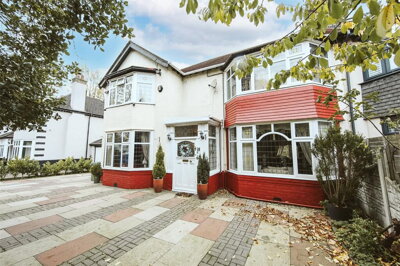
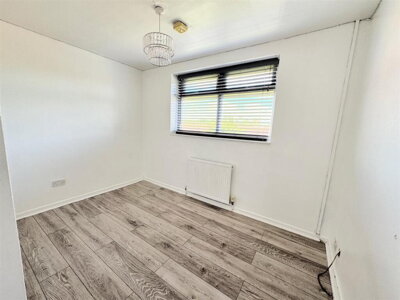
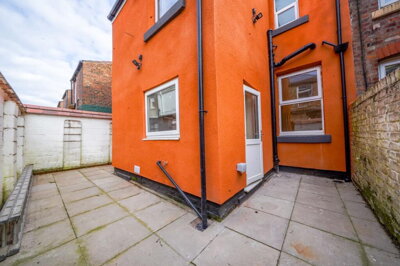
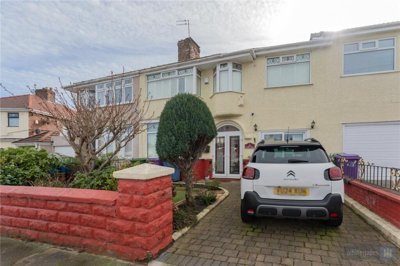
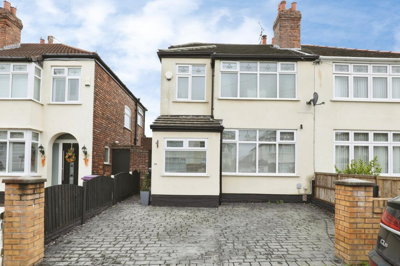
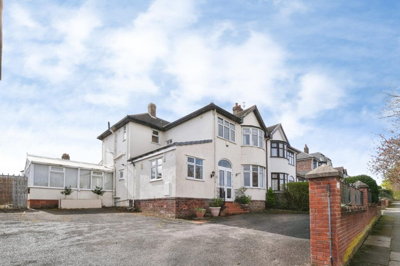
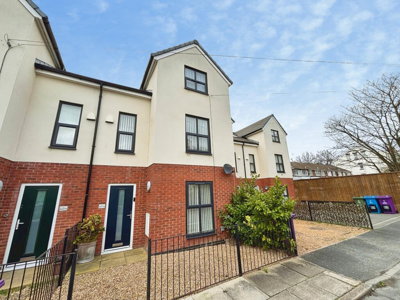
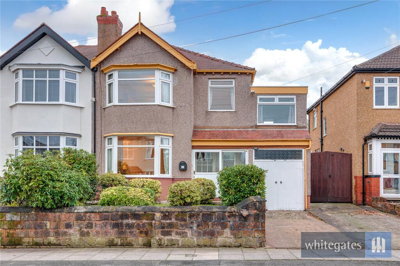
Browse 185 homes for sale in L13 from local estate agents.
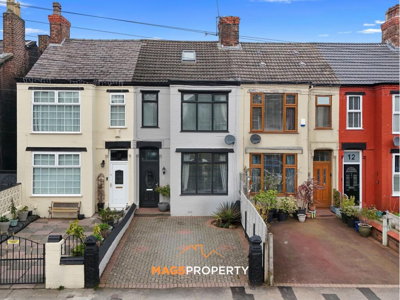
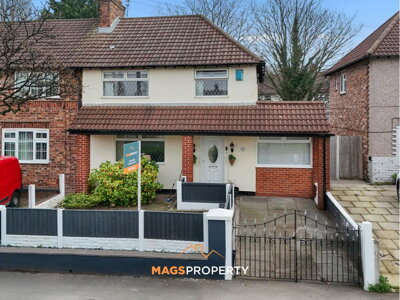
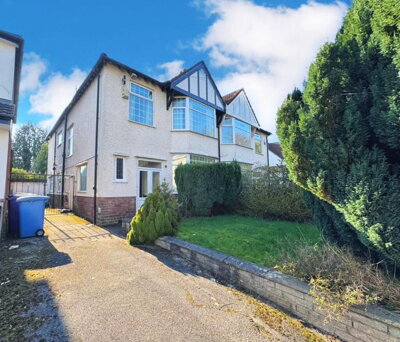
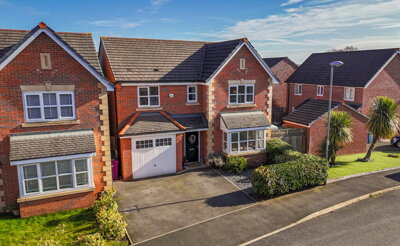
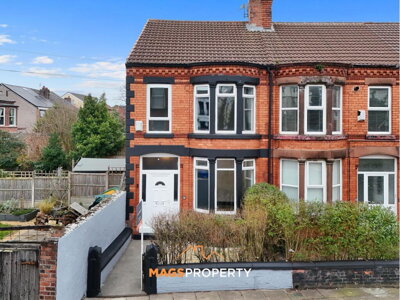
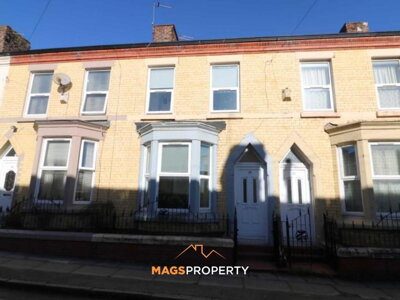
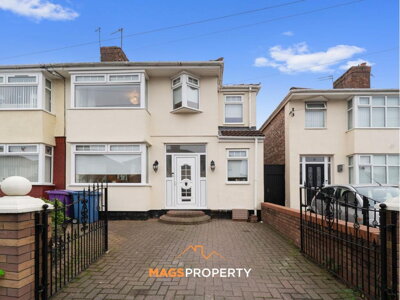
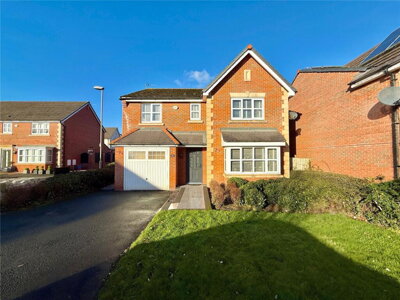
The larger property sector typically features multiple bathrooms, substantial reception space, and private gardens or off-street parking. Four bedroom houses in L13 span detached, semi-detached, and occasionally terraced configurations, with styles ranging from period properties to modern executive homes.
£208k
2
0
311
Source: home.co.uk
Showing 2 results for 4 Bedroom Houses for sale in L13. The median asking price is £207,500.
Source: home.co.uk
Terraced
2 listings
Avg £207,500
Source: home.co.uk
Source: home.co.uk
The L13 property market has demonstrated steady growth over the past twelve months, with the average house price increasing by approximately £6,700 to reach around £151,550 according to recent data from Rightmove, with similar figures around £148,320 from Zoopla. This 5% annual increase reflects broader trends across Liverpool as more buyers discover the value offered by east-side postcodes compared to city centre locations. The market has proven resilient despite economic pressures, with properties in L13 5 performing particularly well and showing price growth of nearly 13% year-on-year. Asking prices have shown modest fluctuations, dipping 1.87% in the past six months before recovering with a 1.23% increase, suggesting a stabilising market rather than dramatic shifts.
Property types in L13 span a wide spectrum to accommodate different buyer needs and budgets. Terraced properties dominate the sales market, with two-bedroom and three-bedroom homes typically priced between £130,000 and £160,000 depending on condition and location within the postcode. Semi-detached houses, often featuring three or four bedrooms, command prices averaging £180,919 and represent excellent value for families seeking more indoor and outdoor space. Flats remain the most affordable entry point at approximately £86,583, making them attractive to first-time buyers and investors alike. Detached properties are rarer in this area but do appear occasionally, with prices around £300,000 for larger family homes with gardens and off-street parking. The L13 5 sector has been particularly active, with listing prices averaging around £155,794 according to GetAgent data, suggesting strong seller confidence in certain streets.

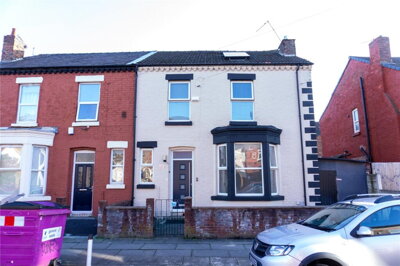
The housing stock in L13 predominantly consists of traditional brick terraced properties built during the early to mid-twentieth century, giving many streets a charming period feel with original features such as bay windows, fireplaces, and solid timber doors. These Victorian and Edwardian terraces typically feature solid wall construction rather than modern cavity insulation, which means they can be more susceptible to damp and require different approaches to insulation and renovation. Many properties retain their original timber sash windows, though homeowners have increasingly fitted double-glazed replacements over the years.
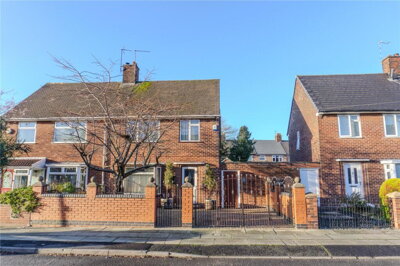
Semi-detached homes in L13 often represent excellent family options, with three or four bedrooms spread across two floors and the benefit of gardens to both front and rear. These properties typically date from the interwar period (1920s-1940s) and feature the distinctive architectural style of that era, including bay windows to the front and more open-plan internal layouts compared to older terraced designs. Off-street parking is more commonly available with semi-detached properties, which many families consider essential for daily life. The gardens attached to these properties range from modest sizes to reasonably generous plots, offering outdoor space for children and pets.
Flat ownership in L13 primarily centres on purpose-built blocks from various eras, with prices starting from approximately £86,583 for studio and one-bedroom apartments. These properties offer the most accessible entry point to homeownership in the area, with lower maintenance responsibilities compared to houses. Service charges and ground rent arrangements vary between developments, and prospective buyers should factor these ongoing costs into their budget calculations. Some flats in converted period properties offer character features at ground level, while purpose-built blocks may provide lift access and communal gardens.

L13 encompasses several well-established neighbourhoods within east Liverpool, each offering its own distinct character while sharing the practical advantages of city living without premium city centre prices. The area has attracted a diverse community of residents over generations, creating a neighbourhood atmosphere where local shops, community centres, and public houses serve as gathering points for the community. Regeneration investments in surrounding areas have positively influenced perceptions of L13 as an up-and-coming location with genuine potential for continued improvement.
Residents of L13 enjoy practical access to everyday amenities without needing to travel far from home. Liverpool Shopping Park provides a convenient destination for retail therapy and supermarket groceries, while Wavertree Technology Park represents a significant local employer and centre for business activity. The wider Liverpool economy offers employment opportunities across healthcare, education, logistics, and the growing creative sectors, meaning that many residents can access well-paying jobs without lengthy commutes. Green spaces and parks provide recreational opportunities for families, contributing to the area's appeal as a place to put down roots.
The underlying geology of Liverpool, characterised by Triassic sandstones and clay-rich Mercia Mudstone, means that properties in L13 could potentially be affected by ground conditions that buyers should understand. While significant structural issues are not common, minor cracking due to settlement is frequently seen in older properties and does not necessarily indicate serious problems. Properties with trees nearby or poor drainage may experience more noticeable movement over time, particularly during periods of drought or heavy rainfall. Liverpool also has a history of coal mining in surrounding areas, and while L13 itself is not in the highest-risk mining zone, prospective buyers should consider requesting a mining report as part of their conveyancing searches to ensure the property is not affected by historical underground workings.
Families considering a move to L13 will find a reasonable selection of educational establishments serving the local community, from primary schools through to further education options. The postcode falls within Liverpool's educational framework, with primary schools in the surrounding area catering to children from Reception through to Year 6. Parents should research specific school catchments, as admission policies in Liverpool operate on catchment area basis, meaning that living within the designated zone significantly improves chances of securing a place at preferred schools. Many primary schools in the area have undergone improvements and renovations in recent years, reflecting ongoing investment in local educational infrastructure.
Secondary education in the L13 area includes several options within reasonable travelling distance, with schools in neighbouring postcodes accessible via regular bus services. Liverpool hosts several highly-regarded secondary schools and grammar schools, with selective education available for academically able students who pass entrance assessments. Cardinal Heenan Catholic High School and St Francis Xaviers College serve students from the wider area, while Broadgreen International School and Mab Gate provide additional options for secondary education within easy reach of L13. Parents are advised to check current GCSE performance tables and Ofsted reports when evaluating schools, as these can change over time.
For post-16 education, the city offers sixth form colleges and further education colleges providing a wide range of A-level and vocational courses. Liverpool City College and the City of Liverpool College offer vocational pathways, while sixth forms at local schools provide continued secondary education for those preferring familiar environments. The University of Liverpool and Liverpool John Moores University, both located in the city centre, are easily reachable from L13 via public transport, opening pathways to higher education for school leavers. When searching for property in L13, parents should always verify current school performance data and admission arrangements, as these can significantly impact family decisions and property values in specific streets.
L13 enjoys excellent connectivity that makes commuting to Liverpool city centre and beyond straightforward for residents. The M62 motorway passes nearby, providing direct access to Manchester, Leeds, and the national motorway network, while the M57 offers connections to Liverpool John Lennon Airport and the wider Merseyside region. For those working in Liverpool city centre, the journey by car typically takes around 15 to 20 minutes depending on traffic conditions, while public transport options including bus services provide alternative routes. Local train stations in surrounding areas connect to the Merseyrail network, offering reliable rail services to Liverpool Central and Lime Street stations.
Daily commuters will appreciate that properties in L13 generally benefit from good parking availability compared to city centre locations, with most terraced and semi-detached homes offering on-street parking or driveways. Bus services run frequently along major routes, connecting L13 to shopping centres, hospitals, and employment hubs throughout the city. The 86, 86A, and 99 bus services provide regular connections to Liverpool city centre, with journey times of approximately 25-35 minutes depending on traffic. For commuters heading to Manchester or Leeds, the M62 provides direct access without requiring any city centre driving.
Liverpool John Lennon Airport, located within easy reach of L13 via the M57, serves domestic and European flights, making holiday travel and business trips convenient for residents. The airport has expanded its route network significantly in recent years, offering direct connections to destinations across Europe and beyond. Cycling infrastructure has improved across Liverpool in recent years, with dedicated routes making it feasible for commuters to cycle to the city centre and Wavertree Technology Park. The combination of road, rail, and public transport options means that L13 appeals to workers who need flexibility in how they travel.
Before viewing properties in L13, obtain a mortgage Agreement in Principle from a lender. This document confirms how much you can borrow and demonstrates to sellers that you are a serious buyer with financing already considered. With most L13 properties priced between £86,000 and £300,000, most buyers will find mortgage products suitable for their budget, though arrangement fees and interest rates vary between lenders.
Spend time exploring different streets within L13 to understand neighbourhood characteristics, proximity to schools, transport links, and local amenities. Consider visiting at different times of day to gauge noise levels and community atmosphere. The L13 5 sector and L13 6 sectors offer subtly different characters, with prices varying accordingly, so understanding these distinctions helps narrow your search effectively.
Use Homemove to browse all available properties in L13 and schedule viewings with listed estate agents. Take notes on property condition, potential renovation costs, and any red flags such as signs of damp or structural movement. Given the age of many L13 properties, pay particular attention to roof conditions, window types, and the condition of original features that may need updating.
Once you have found a property you wish to proceed with, instruct a qualified surveyor to conduct a RICS Level 2 HomeBuyer Report. Given the age of properties in L13, this survey will check for defects common in older housing stock including damp, roof condition, and timber issues. Our RICS Level 2 surveys start from £350 and provide the professional assessment needed to identify any problems before purchase.
Appoint a conveyancing solicitor to handle the legal aspects of your purchase. They will conduct searches including a mining search given Liverpool's coal mining history, review contracts, and liaise with the seller's solicitor to progress your transaction through to completion. Conveyancing fees typically range from £500 to £1,500 depending on complexity.
Once all searches are satisfactory and your mortgage offer is confirmed, you will exchange contracts and pay your deposit. Completion typically follows within days or weeks, after which you will receive the keys to your new L13 home. Properties in L13 typically complete around 10 weeks after an offer is accepted, though this timeline can vary depending on chain positions and mortgage processing times.
Purchasing property in L13 requires attention to several area-specific considerations that could affect your investment and future quality of life. The majority of homes in this postcode were built during the early twentieth century, meaning that many feature solid walls rather than modern cavity construction, original timber windows, and older electrical and plumbing systems that may require updating. When viewing properties, look carefully for signs of damp, particularly in ground-floor rooms and basements, as rising damp can affect older buildings without adequate damp-proof courses. Roof conditions deserve careful inspection, as slate and tile coverings on period properties will eventually require maintenance or replacement.
The underlying geology of Liverpool, characterised by Triassic sandstones and clay-rich Mercia Mudstone, means that properties in L13 could potentially be affected by shrink-swell movement, especially those with trees nearby or poor drainage. While significant structural issues are not common, minor cracking due to settlement is frequently seen in older properties and does not necessarily indicate serious problems. Surface water flooding can occur in urban areas during heavy rainfall due to drainage capacity constraints, so prospective buyers should enquire about any history of flooding. Your RICS Level 2 survey will identify these issues and provide professional assessment of any remedial work needed, giving you confidence in your purchase decision or ammunition to renegotiate the price if significant defects are discovered.
Liverpool has a history of coal mining, and while L13 is not in the highest-risk zone, past mining activity can sometimes affect properties across the wider Liverpool area. A mining search through your solicitor will reveal whether the property falls within a mining risk area and whether any historical workings could potentially cause subsidence. Properties on or near Princess Avenue and surrounding streets in particular may warrant careful investigation given local topography and historical land use. Your survey report will assess any visible signs of movement or cracking that could relate to ground conditions.
Understanding the full cost of purchasing property in L13 helps you budget accurately and avoid surprises during the transaction process. The Stamp Duty Land Tax you will pay depends on the property price and your buyer status. For most residential purchases in 2024-25, you pay nothing on the first £250,000, then 5% on amounts between £250,001 and £925,000. Given that the average property price in L13 is around £148,320 to £151,550, many buyers purchasing at or near the average price point will pay minimal or no stamp duty. First-time buyers purchasing properties up to £425,000 qualify for relief on the entire amount, making homeownership even more affordable in this price range.
Beyond stamp duty, budget for additional costs including solicitor fees typically ranging from £500 to £1,500 depending on the complexity of your transaction and whether you use a conveyancing comparison service. Your solicitor will also conduct searches including local authority checks, drainage and water searches, and environmental searches, which typically cost £250 to £400 in total. A mining search, which is particularly advisable given Liverpool's coal mining history, typically costs around £25 to £50. If you are buying with a mortgage, arrangement fees can range from zero to £2,000 depending on the lender and product chosen.
A RICS Level 2 survey costs from £350 depending on property size and value, while buildings insurance starts from as little as £15 per month for a standard terraced home. When you factor in moving costs, potential renovation works, and the deposits required, aim to have additional funds of at least £2,000 to £3,000 available beyond your mortgage to cover these expenses. For flats, also budget for service charges and ground rent, which can vary significantly between developments and should be confirmed before proceeding with a purchase.
The average house price in L13 over the past year has been approximately £151,550 according to Rightmove data, with similar figures around £148,320 from Zoopla. Prices vary significantly by property type, with flats averaging £86,583, terraced homes around £146,465, semi-detached properties at approximately £184,340, and detached houses reaching around £300,000. House prices in L13 have increased by 5% over the last twelve months, with the L13 5 sector showing particularly strong growth of 12.9%, indicating healthy demand in the area. The current listing average according to GetAgent data sits around £155,794, suggesting active seller participation in the market.
Properties in L13 fall under Liverpool City Council's jurisdiction. Council tax bands in the area range from Band A for lower-value properties, which includes many flats and smaller terraced homes, through to higher bands for larger semi-detached and detached properties. Band A properties in Liverpool typically pay around £1,300 to £1,400 annually, while Band B is approximately £1,500 to £1,600, Band C is around £1,600 to £1,800, and Band D properties are approximately £1,700 to £1,800 per year. Prospective buyers should verify the specific band for any property they are considering, as this forms part of the ongoing costs of homeownership that should be factored into monthly budgeting.
L13 and the surrounding east Liverpool area offer several primary and secondary schools serving the local community. Parents should research individual school performance data, Ofsted ratings, and catchment areas, as admission policies operate on geographic zones. Local primary schools in the wider area include St Mary's Catholic Primary School and Oakfield Primary School, both serving families within reasonable distance of L13. Secondary education options include Cardinal Heenan Catholic High School, which serves the Catholic community, and Broadgreen International School, offering a range of GCSE and vocational courses for students in the area.
L13 benefits from excellent public transport connections that make commuting to Liverpool city centre convenient. Regular bus services including the 86, 86A, and 99 routes run through the area, connecting residents to Liverpool Lime Street, Liverpool Central, and other major destinations within 25-35 minutes. The wider Merseyrail network provides additional options via stations in surrounding postcodes, with direct connections to Liverpool's mainline stations. For car users, the M62 and M57 motorways are easily accessible, offering connections to Manchester, Leeds, and Liverpool John Lennon Airport. Liverpool John Lennon Airport itself is within convenient driving distance via the M57 for holidays and business travel.
L13 offers several factors that make it attractive for property investment, including relatively affordable purchase prices compared to city centre locations and steady price growth of around 5% annually. The area benefits from its proximity to major employers like Wavertree Technology Park and good transport links to the wider Liverpool economy. Terraced properties and flats, which dominate the L13 market, can appeal to tenants seeking affordable rental accommodation, with rental yields potentially attractive for investors. The strong performance of the L13 5 sector in particular, with 12.9% annual growth, suggests certain streets may offer better capital growth prospects than others. However, investors should consider factors such as void periods between tenants, maintenance costs for older properties, and local rental demand before committing to any purchase.
Stamp Duty Land Tax rates for 2024-25 are as follows for residential purchases: 0% on the first £250,000 of property value, 5% on the portion from £250,001 to £925,000, 10% on the portion from £925,001 to £1.5 million, and 12% on any amount above £1.5 million. First-time buyers benefit from relief on the first £425,000, paying 5% on the portion from £425,001 to £625,000, with no relief above £625,000. Given that the average property in L13 is priced around £148,320, most buyers at average prices will pay zero stamp duty, while those purchasing higher-value semi-detached properties around £184,340 will also typically pay nothing under current thresholds.
L13 is situated inland from Liverpool's coastline, which means river and coastal flooding risks are minimal compared to waterfront areas of the city. However, surface water flooding can occur in urban areas during periods of heavy rainfall due to drainage capacity constraints, particularly in low-lying areas. Properties near green spaces and parks may have some natural drainage, while those in more built-up sections rely on municipal drainage systems. Your solicitor should conduct an environmental search as part of the conveyancing process, which will flag any recorded flood events or flood risk assessments relevant to the specific property. Buildings insurance is widely available for properties in L13, though premiums may reflect local flood history for properties with prior incidents.
A RICS Level 2 survey is particularly valuable for properties in L13 given the age of the housing stock, with most homes built during the early to mid-twentieth century. These surveys identify common defects in period properties including damp, roof condition issues, timber defects such as woodworm or rot, and any signs of structural movement that might indicate ground instability. For properties with unusual features or those showing signs of significant disrepair, a RICS Level 3 Building Survey provides more detailed analysis and advice on renovation requirements. The cost of a survey typically ranges from £350 to £600 depending on property value, which represents a worthwhile investment compared to the potential cost of discovering serious defects after purchase.
From 4.5% APR
Expert mortgage advice with competitive rates
From £499
Professional property solicitors for your L13 purchase
From £350
Essential survey for L13's older properties
From £600
Detailed structural survey for period properties
Properties for Sale In London

Properties for Sale In Plymouth

Properties for Sale In Liverpool

Properties for Sale In Glasgow

Properties for Sale In Sheffield

Properties for Sale In Edinburgh

Properties for Sale In Coventry

Properties for Sale In Bradford

Properties for Sale In Manchester

Properties for Sale In Birmingham

Properties for Sale In Bristol

Properties for Sale In Oxford

Properties for Sale In Leicester

Properties for Sale In Newcastle

Properties for Sale In Leeds

Properties for Sale In Southampton

Properties for Sale In Cardiff

Properties for Sale In Nottingham

Properties for Sale In Norwich

Properties for Sale In Brighton

Properties for Sale In Derby

Properties for Sale In Portsmouth

Properties for Sale In Northampton

Properties for Sale In Milton Keynes

Properties for Sale In Bournemouth

Properties for Sale In Bolton

Properties for Sale In Swansea

Properties for Sale In Swindon

Properties for Sale In Peterborough

Properties for Sale In Wolverhampton

Enter your details to see if this property is within your budget.
Loans, cards, car finance
Estimated property budget
Borrowing + deposit
You could borrow between
Typical borrowing
Monthly repayment
Est. at 4.5%
Loan-to-value
This is an estimate only. Your actual budget may vary depending on interest rates, credit history, and personal circumstances. For an accurate affordability assessment, speak to one of our free mortgage advisors.
This calculator provides estimates for illustrative purposes only and does not constitute financial advice. Your home may be repossessed if you do not keep up repayments on your mortgage. Estimates based on 4.5% interest rate, repayment mortgage. Actual rates depend on your circumstances.
Homemove is a trading name of HM Haus Group Ltd (Company No. 13873779, registered in England & Wales). Homemove Mortgages Ltd (Company No. 15947693) is an Appointed Representative of TMG Direct Limited, trading as TMG Mortgage Network, which is authorised and regulated by the Financial Conduct Authority (FRN 786245). Homemove Mortgages Ltd is entered on the FCA Register as an Appointed Representative (FRN 1022429). You can check registrations at NewRegister or by calling 0800 111 6768.

We use cookies to show you personalised content and improve your experience of our website. Find out more in our Privacy policy and Cookie policy.