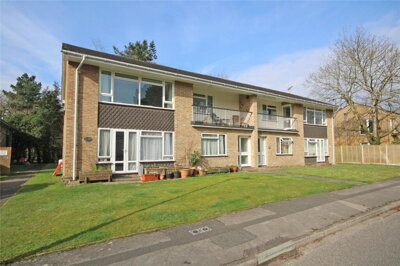
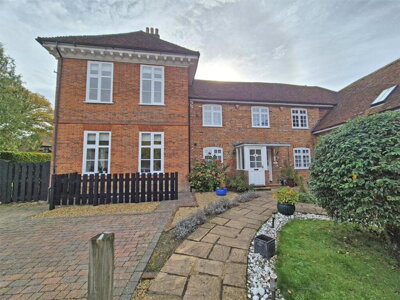
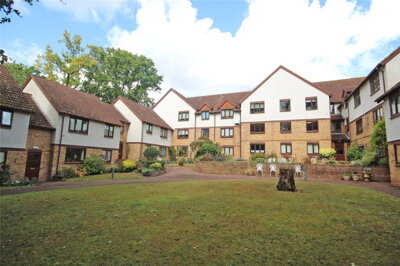
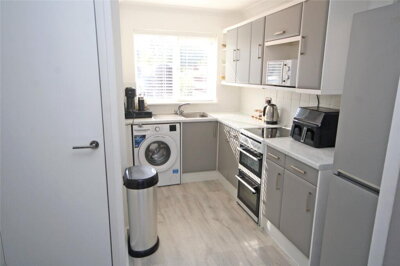
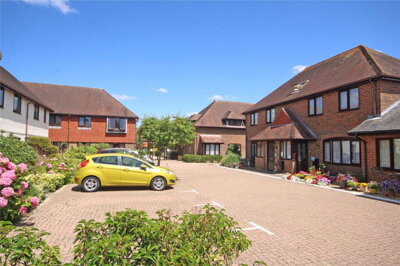
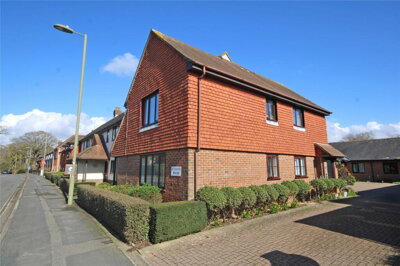
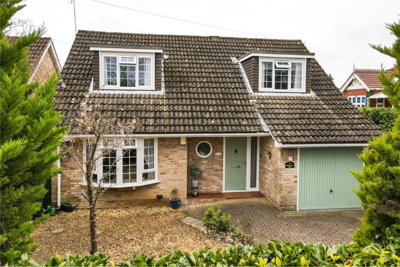
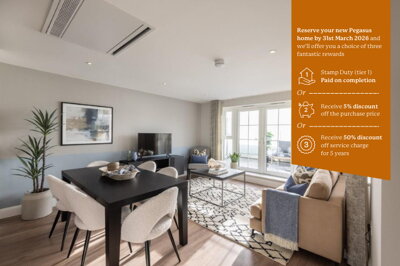
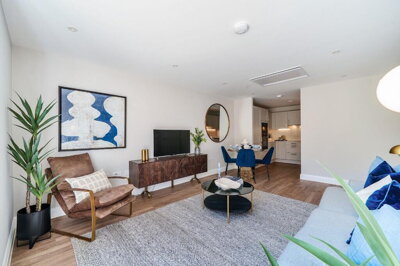
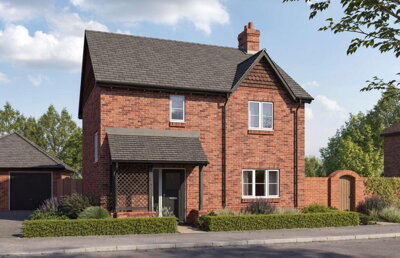
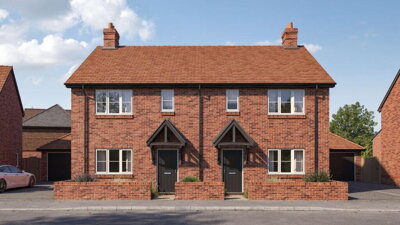
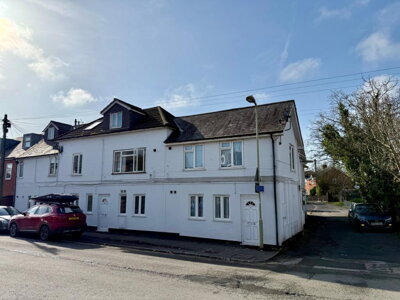
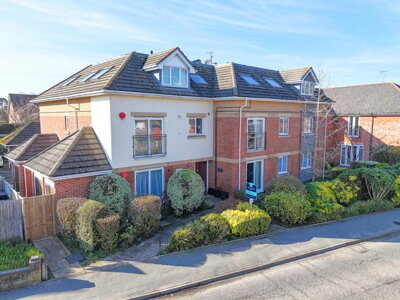
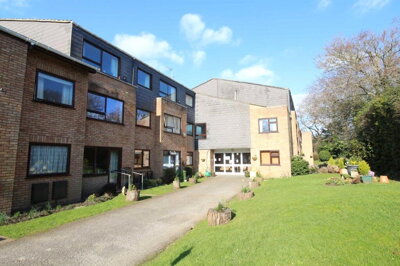
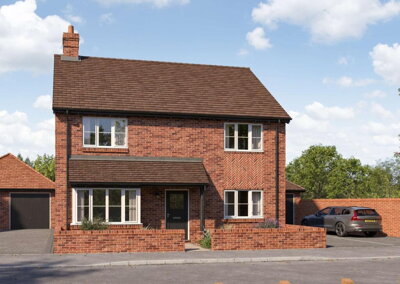
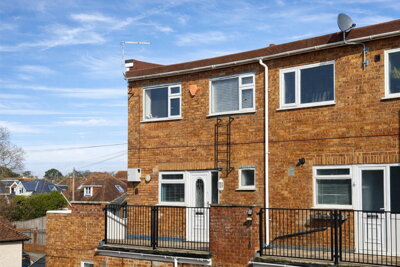
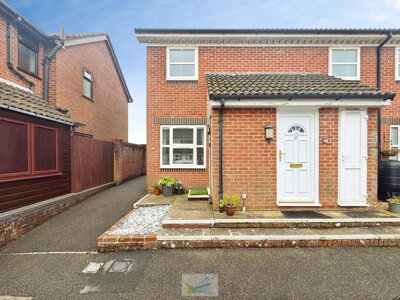
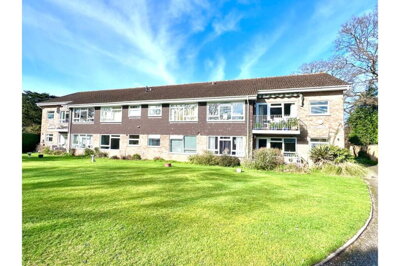
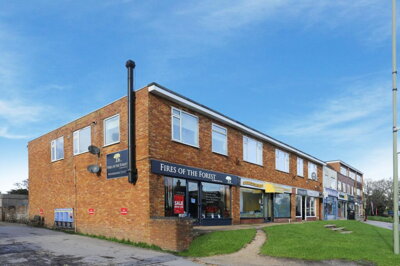
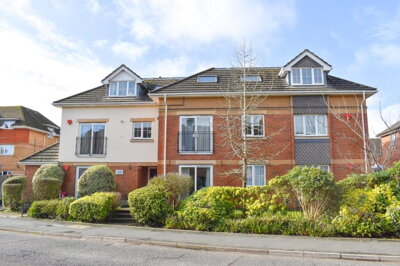
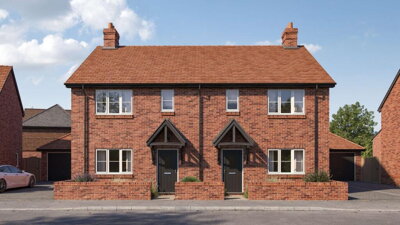
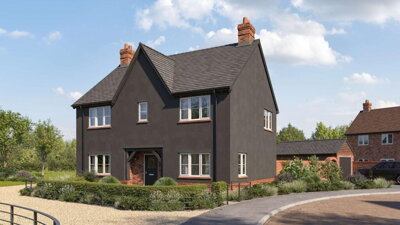
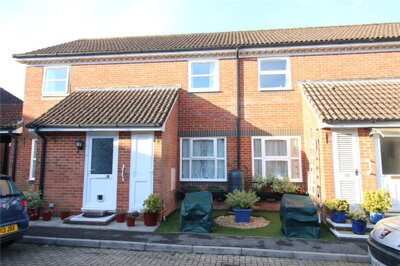
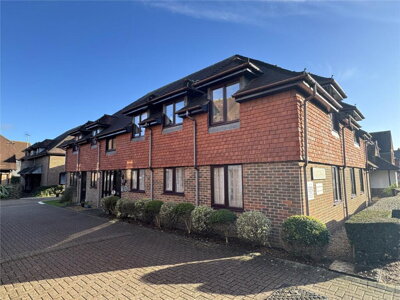
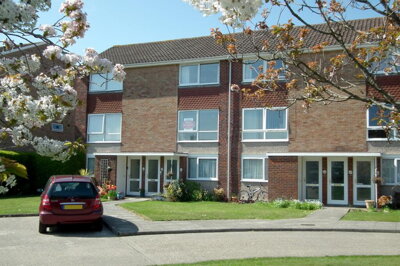
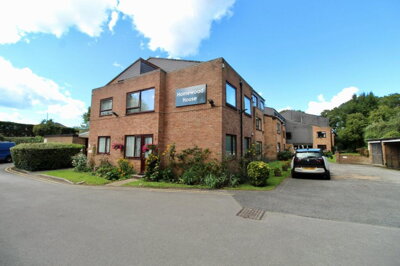
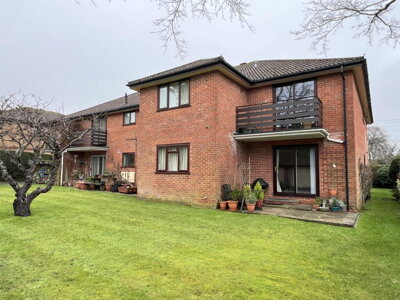
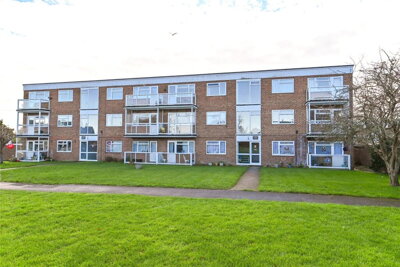
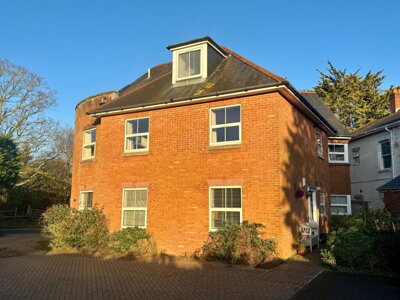
Browse 83 homes for sale in Hordle, New Forest from local estate agents.
Studio apartments feature open-plan living spaces without separate bedrooms, incorporating sleeping, living, kitchen, and bathroom facilities. The Hordle studio market includes properties in modern apartment complexes, converted Victorian and Georgian buildings, and purpose-built developments.
£124k
1
0
79
Source: home.co.uk
Showing 1 results for Studio Flats for sale in Hordle, New Forest. The median asking price is £124,000.
Source: home.co.uk
Flat
1 listings
Avg £124,000
Source: home.co.uk
Source: home.co.uk
Whepstead's property market has demonstrated interesting dynamics over recent years, with 88 properties sold in the past twelve months across various property types. The village commands strong prices, with Rightmove recording an overall average of £550,625 and Zoopla at £550,125, reflecting the premium associated with rural Suffolk living. Detached properties dominate the upper end of the market, averaging £627,500, while semi-detached homes offer more accessible pricing at approximately £473,750. Terraced properties in the IP29 postcode area have sold recently, with a mid-terrace on Chedburgh Road achieving £210,000 in late 2025 and an end-terrace on Bury Road reaching £294,000 in September 2024.
Price trends over the past year show a correction of approximately 34% compared to the previous year, with values sitting around 23% below the 2019 peak of £717,500. This adjustment brings prices more closely aligned with longer-term fundamentals, potentially creating opportunities for buyers who missed the pandemic-era surge. The absence of large-scale new-build developments within the village itself means that available stock consists primarily of existing homes, many of which are period properties full of character. For buyers seeking character homes in an established village setting, Whepstead offers genuine alternatives to newer developments found in nearby towns.
The Whepstead and Wickhambrook ward supports 183 businesses registered at Companies House, including three larger employers with ten or more staff, providing essential local employment opportunities that support the housing market. Small-scale planning applications in the IP29 postcode, such as the proposal for two detached country dwellings on Chedburgh Road adjacent to Doveden Hall, represent the only recent new-build activity in the village. Most buyers purchasing in Whepstead should expect to buy from the existing stock of period properties, many of which date back generations and feature traditional Suffolk construction methods.

Whepstead presents itself as a quintessential Suffolk village where traditional English countryside living meets genuine community spirit. The parish, with its estimated population of 484 residents, retains an intimate village atmosphere that has attracted families and professionals seeking respite from urban life. The local economy of the broader Whepstead and Wickhambrook ward supports 183 registered businesses, including three larger employers with ten or more staff, providing essential local employment opportunities. Village life centres around community facilities, scenic footpaths crossing farmland and countryside, and the historic architecture that gives Whepstead its distinctive character.
The area is particularly notable for its concentration of historic listed buildings, including the Grade II* Church of St Petronilla, which stands as a focal point of the village's heritage. Beyond the church, numerous Grade II listed properties dot the village including Ark Farmhouse, Baptist Chapel, Black Horse Cottage, Doveden Hall, and various barns and cottages constructed from traditional materials such as timber, brick, and tile. Properties along streets like Chedburgh Road and Bury Road include historic farmhouses and cottages that reflect the village's agricultural heritage and centuries of continuous occupation.
The geology of the surrounding Suffolk countryside consists of a rolling chalk plain overlaid with glacial till and clay-rich soils, creating the gentle, undulating landscape that defines the area. These boulder clay deposits, known locally as till, have shaped the agricultural character of the region while presenting specific considerations for property owners. The clay-rich nature of local soils creates shrink-swell risks during periods of drought or excessive rainfall, potentially affecting building foundations over time. Residents enjoy walking through fields, exploring public rights of way, and appreciating the rural vistas that have changed little over generations.
The village's age demographics show a stable population with families, professionals, and retirees drawn to the quality of life offered by rural Suffolk. The absence of through-traffic creates a peaceful environment, while proximity to Bury St Edmunds provides access to wider amenities including supermarkets, healthcare facilities, and leisure centres. Local events, seasonal markets, and village traditions maintain the community atmosphere that distinguishes Whepstead from larger settlements. Buying a home in Whepstead means joining a small, friendly community where neighbours know each other and village life continues to thrive.

Education provision in Whepstead centres on the village primary school, which serves as a foundation for families considering a move to the area. The Whepstead Primary School and Schoolhouse are themselves listed buildings, reflecting the village's commitment to maintaining educational heritage. For families requiring secondary education, several options exist within commuting distance, with schools in Bury St Edmunds offering strong academic records and good Ofsted ratings. Parents should research specific catchment areas and admission arrangements, as these can significantly influence school placement for children relocating to the village.
The broader West Suffolk area provides access to a range of educational institutions spanning primary, secondary, and further education levels. Sixth form provision is available at secondary schools in Bury St Edmunds and surrounding towns, offering A-level courses for students completing their secondary education. For younger children, the village primary school provides early years and Key Stage 1 education in a small, nurturing environment that many parents prefer for early developmental stages. The proximity to Bury St Edmunds also opens opportunities for grammar school education, with schools in the town serving students who pass the eleven-plus examination.
Transport considerations mean that families should factor school routing into their daily schedules when purchasing property in Whepstead. School transport arrangements, including bus services to secondary schools in nearby towns, vary depending on specific property locations within the parish. Parents are advised to contact Suffolk County Council's education department for the most current information on school admissions, catchment boundaries, and transport eligibility. The investment in a Whepstead property should be considered alongside educational requirements, particularly for families with children approaching key transition points in their schooling.
Whepstead benefits from its position approximately six miles south-west of Bury St Edmunds, providing residents with access to the nearest major town and its comprehensive rail connections. Bury St Edmunds railway station offers regular services to Cambridge, with journey times of around 50 minutes, connecting commuters to the Cambridge ecosystem of employment, research facilities, and universities. Direct services to Ipswich provide access to the county town and connections to London Liverpool Street, with typical journey times to the capital taking approximately 90 minutes from Bury St Edmunds.
Road transport from Whepstead utilizes the A134 and connecting country lanes, providing routes to Bury St Edmunds, Sudbury, and the wider Suffolk road network. The A14 trunk road passes nearby, offering connections to Cambridge to the north and Felixstowe port to the east, facilitating longer-distance commuting and logistics. Local bus services operated by Suffolk's public transport network connect Whepstead to surrounding villages and Bury St Edmunds, though service frequencies may be limited compared to urban areas. Residents without access to private vehicles should consider these transport constraints when evaluating daily commuting requirements.
For those working in Cambridge, the drive to the city takes approximately 40-50 minutes depending on specific destinations and traffic conditions, making Whepstead viable for professionals who prefer rural living but commute to the Cambridge area. Cycling infrastructure varies across the local road network, with some routes suitable for confident cyclists while others require caution due to narrow lanes and limited verges. Parking at Bury St Edmunds station offers options for combined rail commuting, with season tickets available for regular travellers. The village's rural character means that most daily transport needs require private vehicles or careful planning around limited public transport options.
Before viewing properties, research Whepstead thoroughly by visiting the village, exploring local amenities, and understanding the property market. Obtain a mortgage agreement in principle from a lender to establish your budget, considering current average prices of around £550,125 and associated costs including surveys, solicitor fees, and stamp duty. Factor in the additional costs of maintaining period properties, as many homes in Whepstead predate modern building regulations and may require ongoing investment.
Search Homemove for available properties in Whepstead, using filters to narrow results by price, property type, and number of bedrooms. Register with local estate agents to receive notifications of new listings, as the village's limited stock means desirable properties can sell quickly. Consider setting up automated alerts to stay informed of the latest properties matching your criteria, particularly for detached homes averaging £627,500 which represent the village's premium sector.
Once you identify suitable properties, arrange viewings to assess each home's condition, surroundings, and suitability. For period properties, older homes, or listed buildings, factor the need for specialist surveys given Whepstead's heritage housing stock. Ask estate agents about planning history, any known issues, and the reason for sale to inform your decision-making process. Many properties along Chedburgh Road and Bury Road feature traditional construction that benefits from professional inspection.
When you find your ideal Whepstead home, submit a formal offer through the estate agent including your position on price, desired completion timeline, and any conditions. Be prepared to negotiate, particularly if surveys identify issues requiring attention or if comparable properties suggest room for discussion. Your mortgage lender will require a valuation survey before proceeding to formal mortgage offer, which provides additional oversight of the property's condition and value.
Appoint a conveyancing solicitor to handle the legal aspects of your purchase, including searches, contracts, and registration. Consider booking a RICS Level 2 Survey to assess the property's condition, particularly important given Suffolk's older housing stock and clay soils that can cause subsidence issues. Your solicitor will conduct local authority searches through West Suffolk Council, drainage checks, and verify ownership details before exchange.
Once surveys are satisfactory and legal processes complete, your solicitor will exchange contracts and pay the deposit. Agree a completion date that allows time for final mortgage arrangements, insurance, and moving logistics. On completion day, collect your keys from the estate agent and begin enjoying your new life in Whepstead.
Purchasing property in Whepstead requires attention to several area-specific factors that can significantly impact your ownership experience and investment value. The prevalence of clay-rich soils across Suffolk creates potential subsidence risks, particularly for older properties built before modern building regulations. Signs of subsidence include cracking around door and window frames, uneven floors, and distorted brickwork. A thorough RICS Level 2 Survey can identify these issues before purchase, potentially saving thousands in remedial costs and providing valuable negotiating leverage.
Whepstead's numerous listed buildings and potential conservation area status mean that buyers should investigate planning restrictions carefully before purchase. The village contains the Grade II* Church of St Petronilla alongside numerous Grade II listed properties including Ark Farmhouse, Baptist Chapel, Black Horse Cottage, Doveden Hall, and various barns and cottages throughout the parish. Listed building consent may be required for alterations, extensions, or significant changes to property exteriors, adding complexity to renovation projects. Properties in conservation areas face similar constraints on external alterations that buyers should understand before committing.
The age of Whepstead's housing stock, with over 25% of properties in Suffolk built before 1945, means many homes feature solid walls rather than cavity insulation, traditional timber frames, and original features that require specialist maintenance. Many period properties in the village were constructed using traditional Suffolk methods including timber framing, red brick, and clay tile roofing that differ significantly from modern construction. Understanding these construction methods helps buyers budget appropriately for ongoing maintenance and potential upgrades, particularly regarding damp-proofing and insulation improvements that can be complicated in historic buildings.
Flood risk in Whepstead appears limited as an inland village, though surface water and drainage concerns should still be investigated during conveyancing searches. The presence of agricultural land nearby may bring occasional noise, smells, or rural traffic that differ from urban living. Service charges and leasehold arrangements for any flat or apartment purchases should be examined carefully, with particular attention to ground rent clauses and maintenance contribution obligations. Freehold houses generally provide fewer ongoing financial commitments, though buyers should budget for property maintenance, garden upkeep, and occasional repairs to traditional building fabric.
The average house price in Whepstead is approximately £550,125 according to current market data from Zoopla and Rightmove. Detached properties command higher prices averaging £627,500, while semi-detached homes average around £473,750. Recent sales data shows terraced properties in the IP29 postcode area selling between £210,000 and £294,000, with a mid-terrace on Chedburgh Road achieving £210,000 in December 2025 and an end-terrace on Bury Road reaching £294,000 in September 2024. The market has experienced a price correction of approximately 34% over the past year, bringing values closer to pre-pandemic levels after reaching a peak of £717,500 in 2019.
Properties in Whepstead fall under West Suffolk Council's jurisdiction, which sets council tax bands from A through H based on property values assessed by the Valuation Office Agency. Specific band allocations depend on the property's assessed value, with band A covering properties up to £40,000 and band H applying to homes valued above £320,000. Most properties in Whepstead, given the village's average prices around £550,125, would likely fall within bands D through F. Prospective buyers should check the specific property's council tax band through the Valuation Office Agency website or request this information from the seller during the conveyancing process.
Whepstead benefits from a village primary school, with the Whepstead Primary School and Schoolhouse being listed buildings themselves, reflecting the historic importance of education in the community. For secondary education, students typically travel to schools in Bury St Edmunds, which offer strong academic records and good facilities including King Edward VI School and Bury St Edmunds County High School. The nearby town provides grammar school options for students who pass the eleven-plus examination, with schools in the town serving the local catchment area. Parents should verify current catchment areas and admission arrangements through Suffolk County Council's education department before purchasing property, as school placement can significantly affect daily family routines.
Public transport connectivity in Whepstead is limited, as is typical for a small rural village in West Suffolk. Bus services operated by Suffolk's public transport network connect the village to Bury St Edmunds and surrounding settlements, though service frequencies are reduced compared to urban areas. Bury St Edmunds railway station, approximately six miles away, provides access to Cambridge with journey times around 50 minutes and to Ipswich with connections to London Liverpool Street taking approximately 90 minutes. Most residents rely on private vehicles for daily transport needs, making car ownership essential for those considering a move to Whepstead, particularly given the limited amenities within the village itself.
Whepstead offers several factors that may appeal to property investors, including strong historical values, a desirable village location with listed buildings, and proximity to Bury St Edmunds with its excellent rail connections to Cambridge and London. The village's limited new-build supply means existing properties face less competition from new developments, potentially supporting long-term values in the IP29 postcode area. Rental demand may exist from professionals seeking rural living while commuting to nearby towns, though the village's small population of around 484 residents and limited local amenities restrict the tenant pool. As with any property investment, thorough market research and consideration of local demand factors is essential before committing to purchase, particularly given the current 34% price correction from recent highs.
Stamp duty rates for 2024-25 apply as follows: properties up to £250,000 attract zero duty, those between £250,001 and £925,000 incur 5%, properties from £925,001 to £1.5 million face 10%, and those above £1.5 million are charged at 12%. First-time buyers benefit from relief on the first £425,000 at zero rate, with 5% applying between £425,001 and £625,000. Given Whepstead's average property price of £550,125, a first-time buyer would pay approximately £6,256 in stamp duty, while a subsequent buyer would pay around £15,006. Always verify current thresholds with HMRC or your solicitor, as rates can change with each budget announcement.
The primary risks associated with older properties in Whepstead relate to construction type and local geology that buyers should understand before proceeding. Many homes predate 1945 and may feature solid walls without cavity insulation, making them susceptible to damp and requiring different treatment than modern cavity wall construction. The clay-rich soils underlying much of Suffolk create shrink-swell risks that can cause subsidence, with signs including cracking around doors and windows, uneven floors, and distorted brickwork that may worsen during drought conditions. Traditional building materials such as timber frames, thatch roofing, and original plasterwork require specialist maintenance knowledge that differs from modern building care. A comprehensive RICS Level 2 Survey before purchase can identify these issues and inform your decision, potentially saving thousands in remedial costs and providing negotiating leverage.
Whepstead contains a remarkable concentration of listed buildings, making it particularly significant for heritage property enthusiasts seeking character homes in rural Suffolk. The Grade II* Church of St Petronilla represents the highest listing in the village, while numerous properties hold Grade II status including Ark Farmhouse, Baptist Chapel, Black Horse Cottage, Castle Farmhouse, Doveden Hall, and various barns and cottages throughout the village. The Whepstead Primary School and Schoolhouse are also listed buildings, reflecting the village's historical importance. Properties within conservation areas or with listed status require special considerations for any works, as planning consent from West Suffolk Council may be necessary for alterations and extensions that would otherwise be permitted development.
From 4.5%
Compare mortgage deals from leading lenders
From £499
Expert solicitors to handle your property purchase
From £400
Professional property survey for Whepstead homes
From £80
Energy performance certificate for your new home
Understanding the full costs of purchasing property in Whepstead extends beyond the advertised asking price to include stamp duty, legal fees, survey costs, and moving expenses. The current stamp duty land tax thresholds for 2024-25 set the zero-rate band at properties up to £250,000, with a 5% charge applying between £250,001 and £925,000. Given Whepstead's average property price of £550,125, a standard buyer purchasing at this level would incur stamp duty of approximately £15,006. First-time buyers benefit from more generous thresholds, with relief on the first £425,000, reducing their stamp duty liability to approximately £6,256 on an average-priced property.
Beyond stamp duty, buyers should budget for solicitor conveyancing fees, which typically range from £500 to £1,500 depending on the complexity of the transaction and the property's history. Local search fees charged by West Suffolk Council vary but generally fall between £200 and £300, covering environmental searches, planning history, and local authority information. A RICS Level 2 Home Survey costs between £400 and £1,000 depending on property size and value, with higher-value homes like those in Whepstead potentially at the upper end of this range. For properties over £500,000, survey costs average around £586, reflecting the additional inspection time required for more valuable homes with complex period features.
Additional purchase costs include mortgage arrangement fees, which lenders may charge at 0.5% to 1% of the loan amount, and valuation fees typically included within mortgage offers. Buildings insurance must be in place from completion day, while removal costs, furniture purchases, and potential renovation budgets should all be factored into your overall financial planning. The total buying costs for a typical Whepstead property at the average price of £550,125 could easily reach £20,000 to £25,000 when combining stamp duty, legal fees, surveys, and associated costs. Careful budgeting before starting your property search ensures you remain financially prepared throughout the transaction and avoid unexpected shortfalls at critical stages of the purchase process.
Properties for Sale In London

Properties for Sale In Plymouth

Properties for Sale In Liverpool

Properties for Sale In Glasgow

Properties for Sale In Sheffield

Properties for Sale In Edinburgh

Properties for Sale In Coventry

Properties for Sale In Bradford

Properties for Sale In Manchester

Properties for Sale In Birmingham

Properties for Sale In Bristol

Properties for Sale In Oxford

Properties for Sale In Leicester

Properties for Sale In Newcastle

Properties for Sale In Leeds

Properties for Sale In Southampton

Properties for Sale In Cardiff

Properties for Sale In Nottingham

Properties for Sale In Norwich

Properties for Sale In Brighton

Properties for Sale In Derby

Properties for Sale In Portsmouth

Properties for Sale In Northampton

Properties for Sale In Milton Keynes

Properties for Sale In Bournemouth

Properties for Sale In Bolton

Properties for Sale In Swansea

Properties for Sale In Swindon

Properties for Sale In Peterborough

Properties for Sale In Wolverhampton

Enter your details to see if this property is within your budget.
Loans, cards, car finance
Estimated property budget
Borrowing + deposit
You could borrow between
Typical borrowing
Monthly repayment
Est. at 4.5%
Loan-to-value
This is an estimate only. Your actual budget may vary depending on interest rates, credit history, and personal circumstances. For an accurate affordability assessment, speak to one of our free mortgage advisors.
This calculator provides estimates for illustrative purposes only and does not constitute financial advice. Your home may be repossessed if you do not keep up repayments on your mortgage. Estimates based on 4.5% interest rate, repayment mortgage. Actual rates depend on your circumstances.
Homemove is a trading name of HM Haus Group Ltd (Company No. 13873779, registered in England & Wales). Homemove Mortgages Ltd (Company No. 15947693) is an Appointed Representative of TMG Direct Limited, trading as TMG Mortgage Network, which is authorised and regulated by the Financial Conduct Authority (FRN 786245). Homemove Mortgages Ltd is entered on the FCA Register as an Appointed Representative (FRN 1022429). You can check registrations at NewRegister or by calling 0800 111 6768.

We use cookies to show you personalised content and improve your experience of our website. Find out more in our Privacy policy and Cookie policy.